

Forecast
ECMWF, GFS and ICON side by side. Free 5-day and Pro 15-day forecasts, with hourly wind, swell and tide, plus a heads-up before bad weather hits.

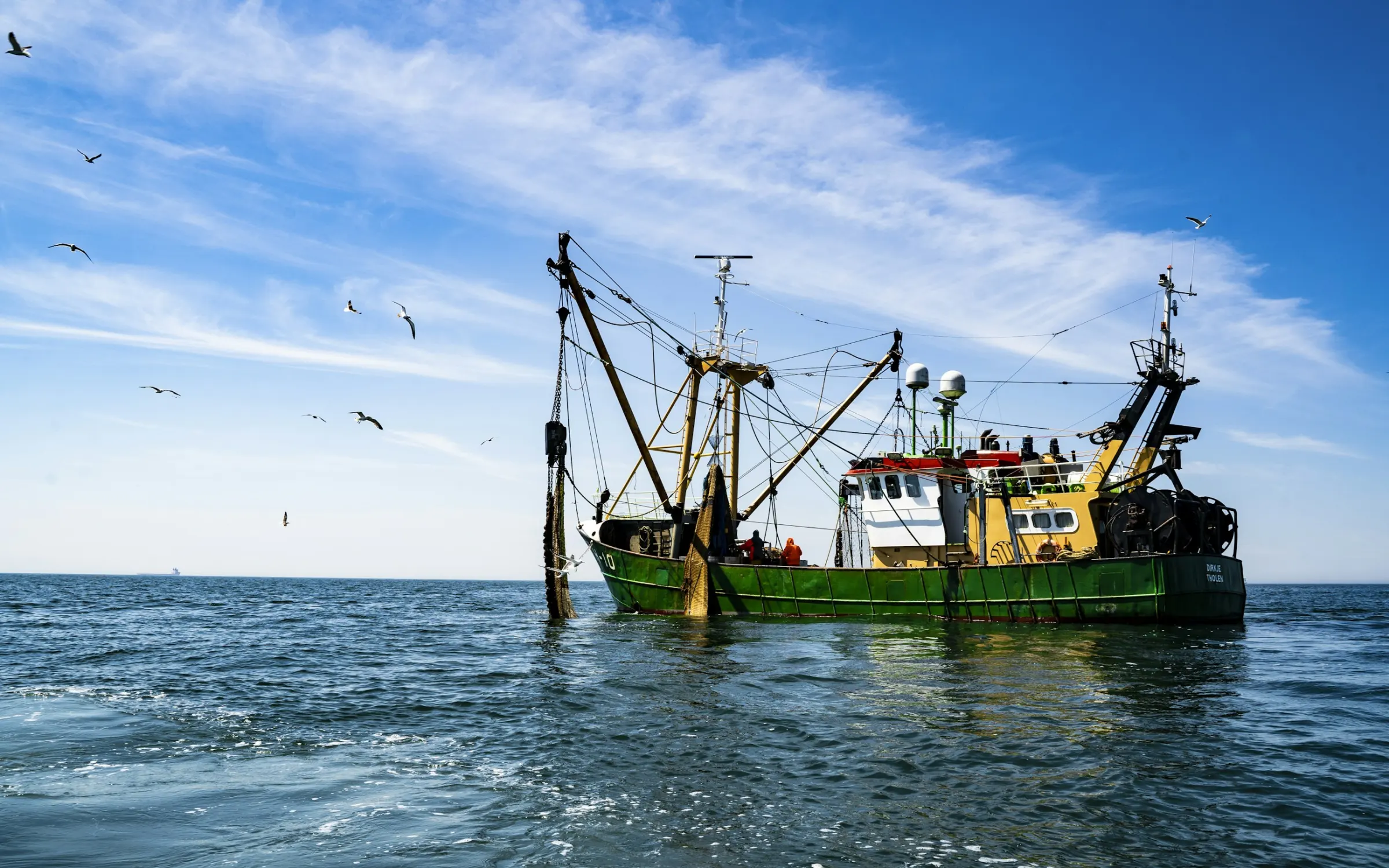
Check the wind, read the tide, see what fish are there, and know what you can keep. Do this before you leave, not at the water.
Wind, tide, fish, field guides and regulations. Start with the water you can reach this week, then look further out.
Open the map at your spot. If the wind or waves are too much for your boat or your casting, pick another day or another place.
Find the tide station near your spot, then read today's tide table on the station page. The best time is often when the tide turns, not when the water is still.
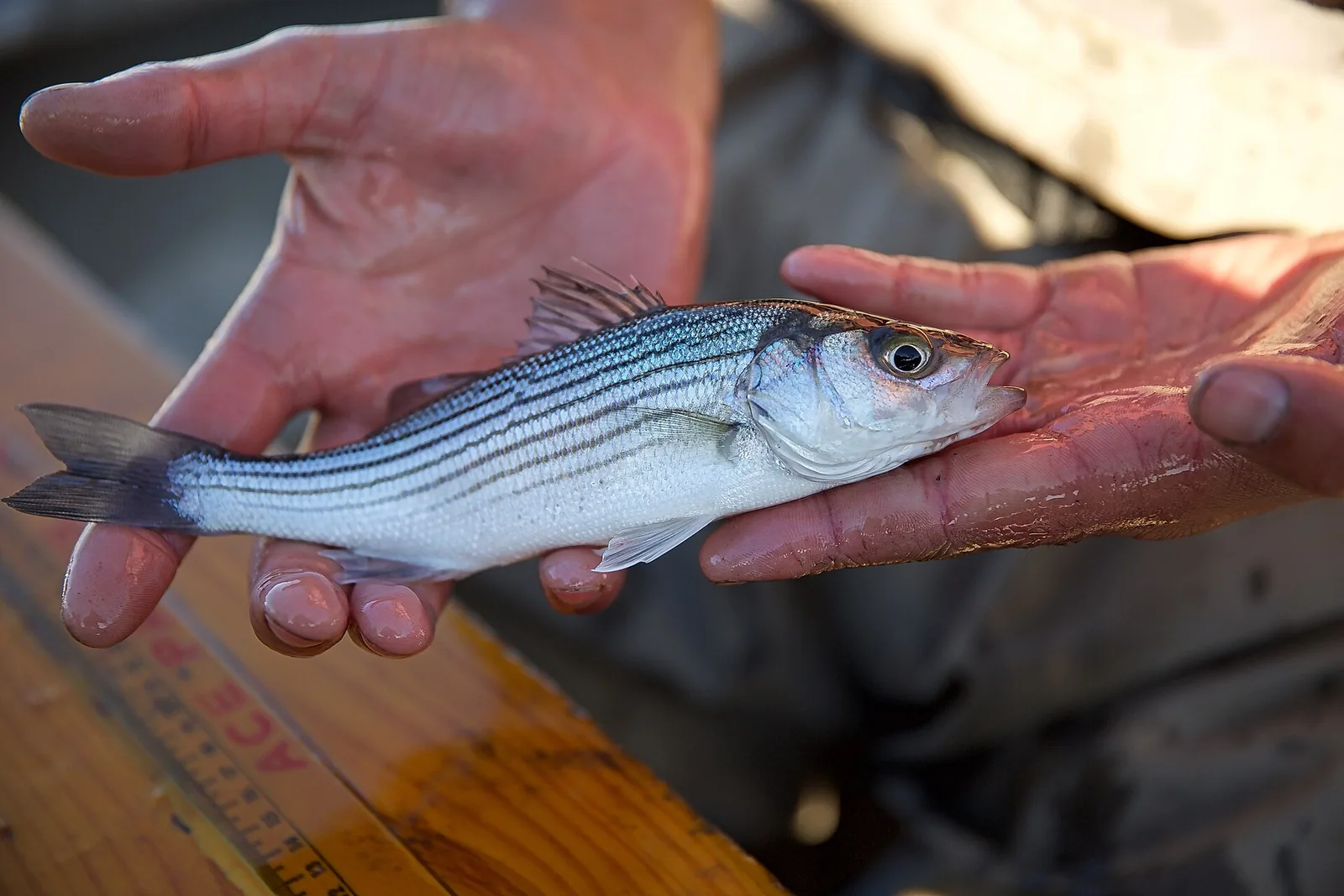
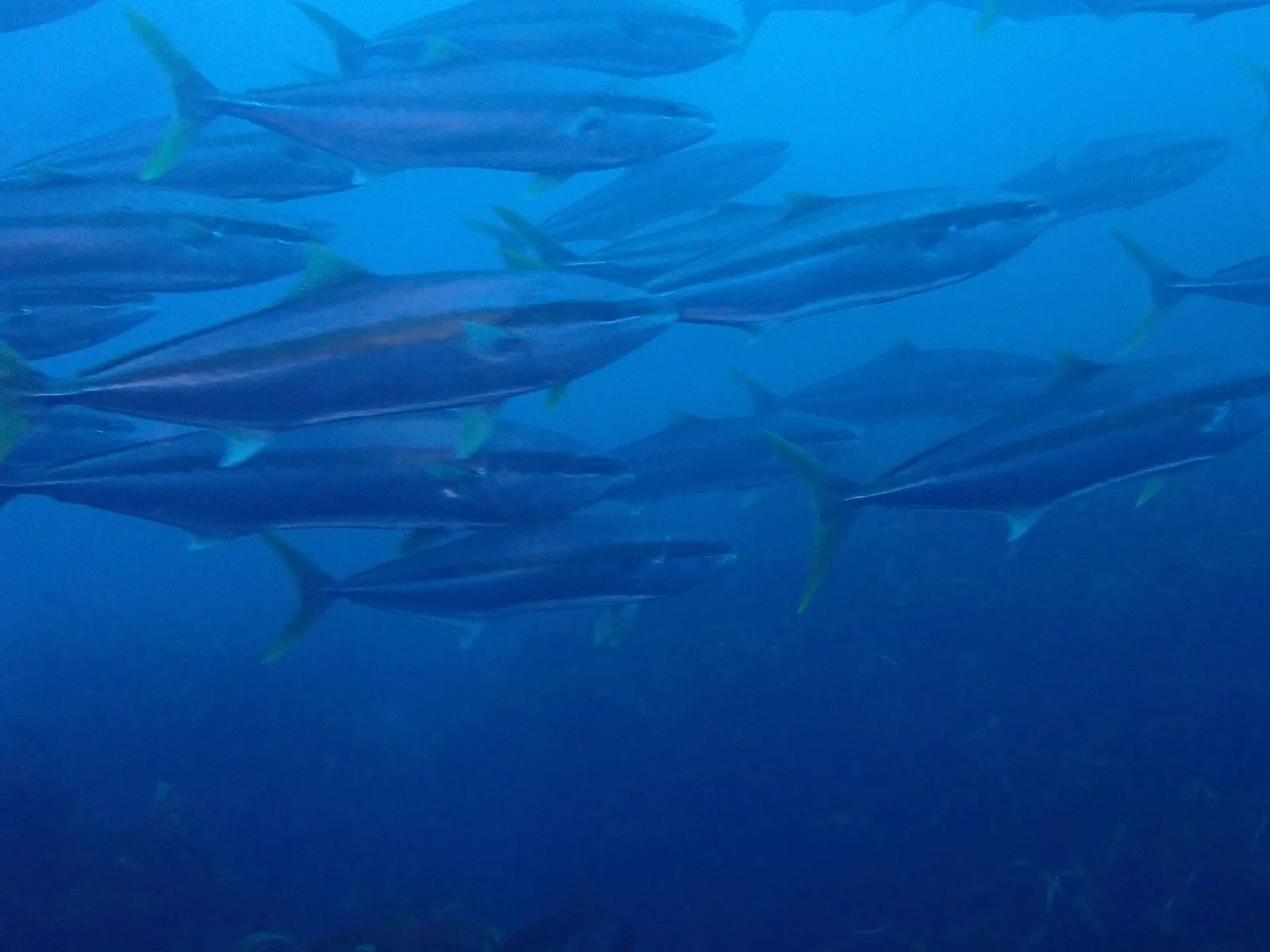
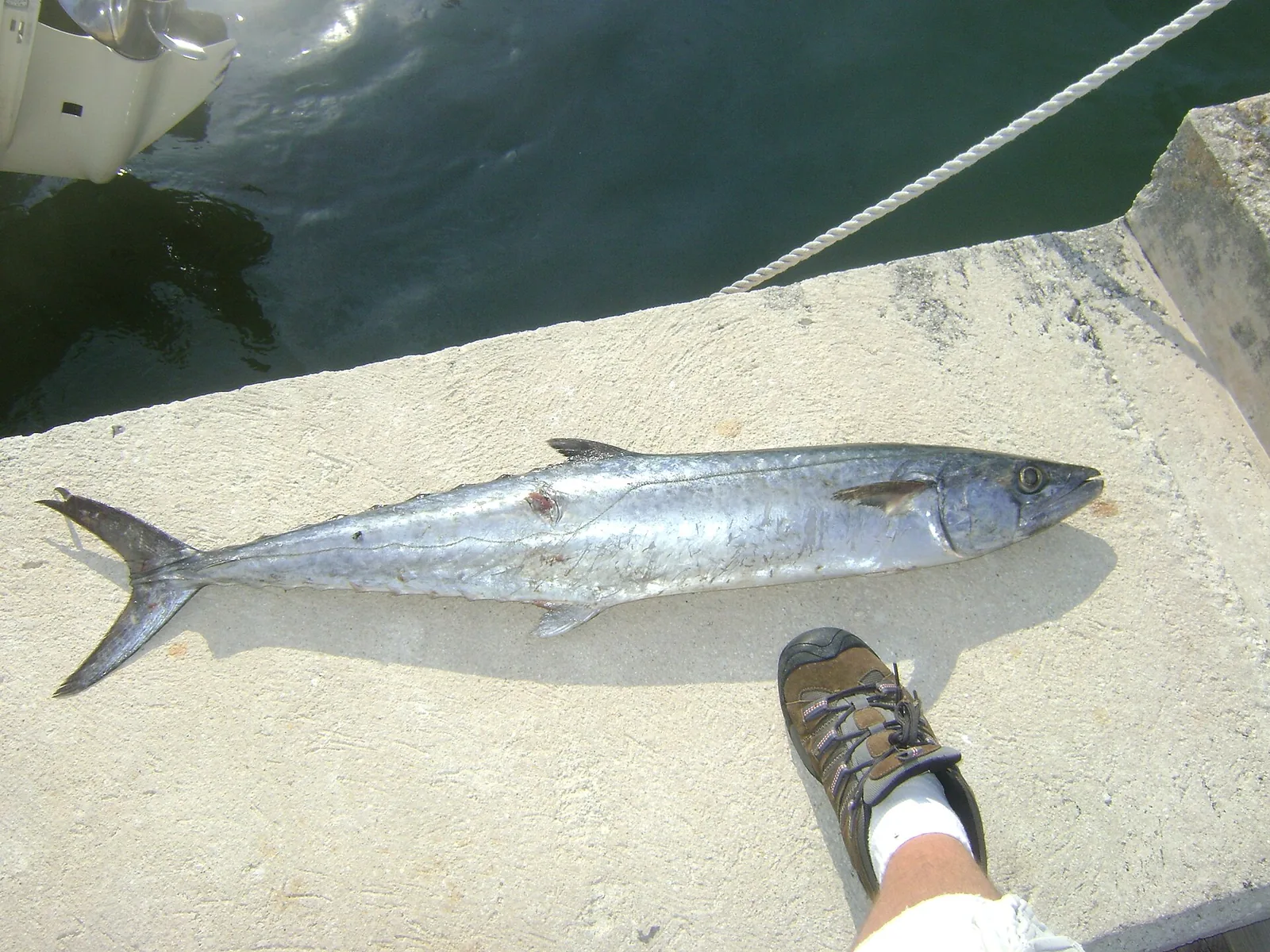
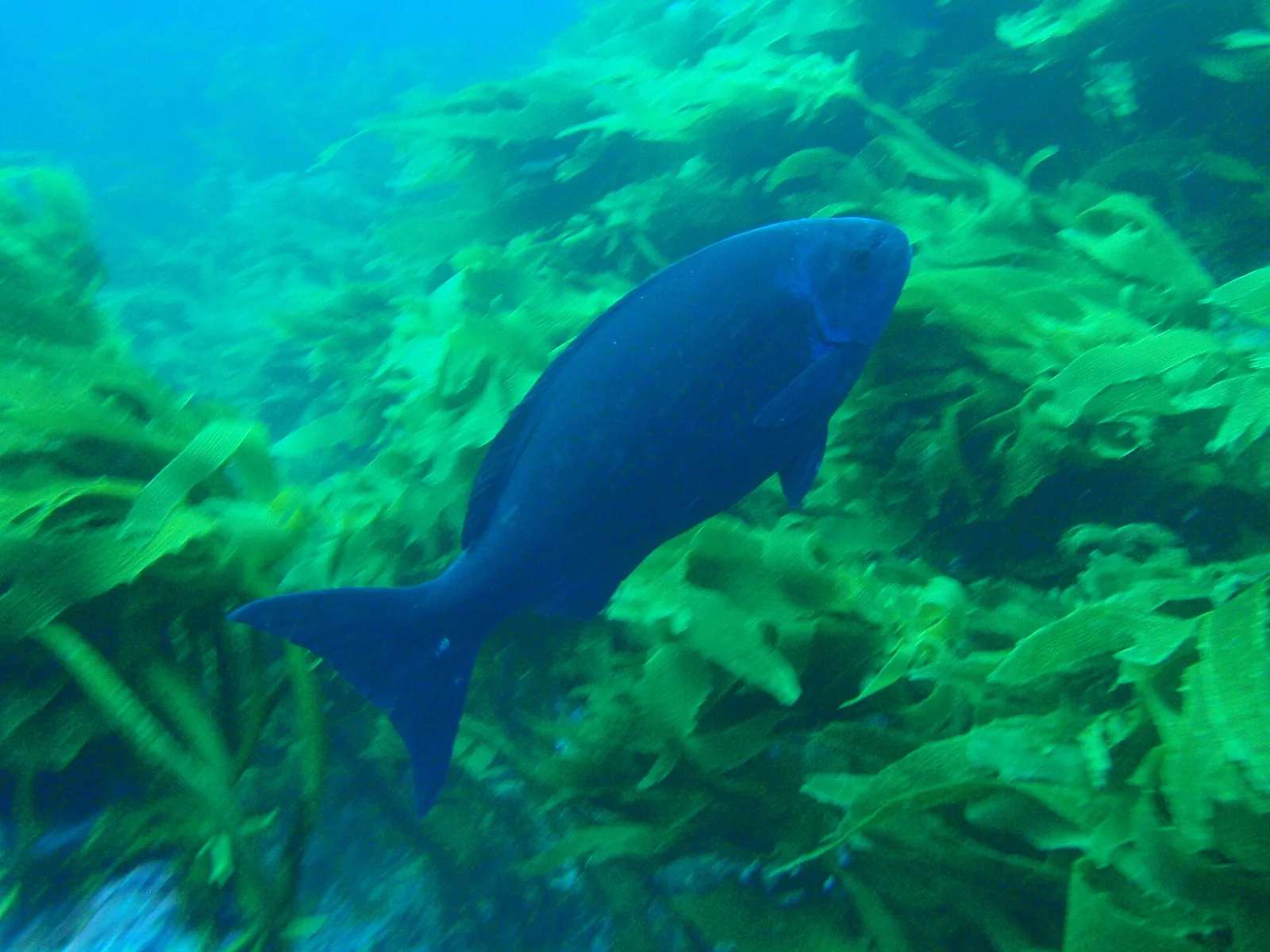
Choose the water you fish: shore, reef, surf or deep water. Then read what each fish eats, when it comes in, and which bait or lure works.
Guides on tide timing, knots, rock safety and reading surf. Pick the guide for the problem you have now.
Check the size, season and bag limit for your coast before you keep a fish. Every regulation shows where it came from.
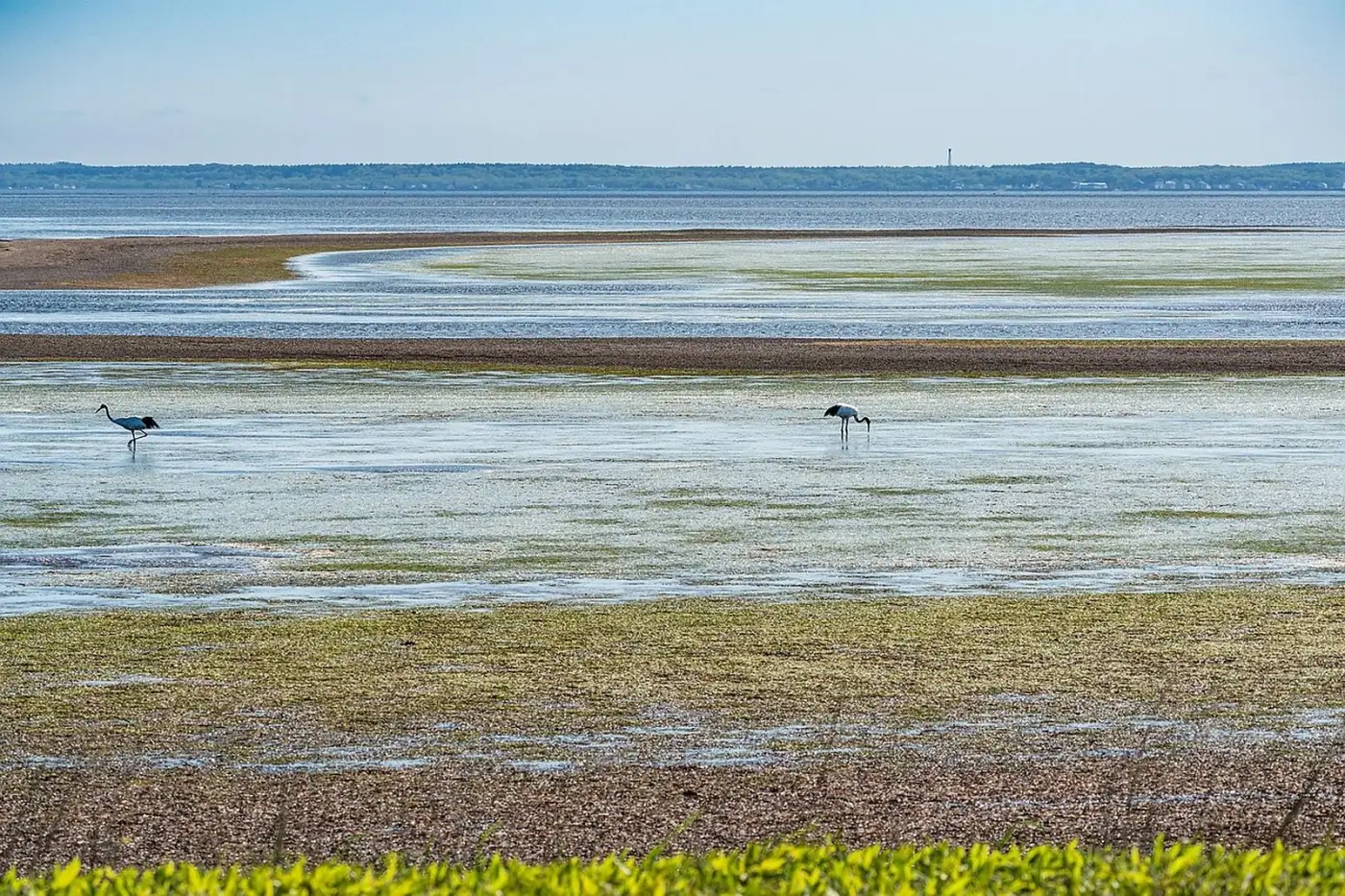 Techniques · 11 min · Intermediate
Tide height is only half the story. Current direction, seam position and the first hour of the push decide where fish sit.
SunnyFish · Read the guide →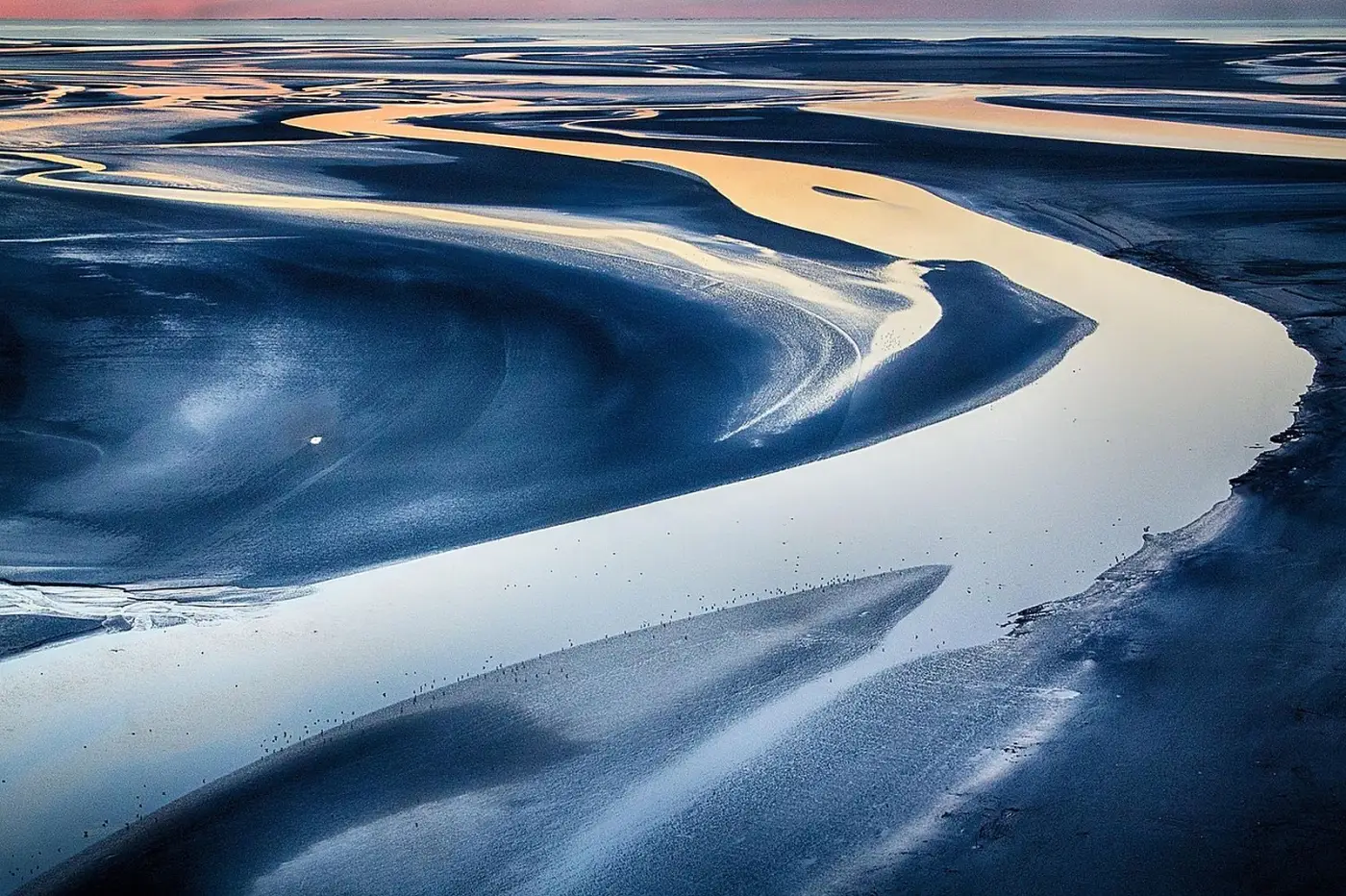 Techniques · 10 min · Intermediate
A surf beach is a series of bars, troughs and rips. Fish use the troughs and the rip edges.
SunnyFish · Read the guide →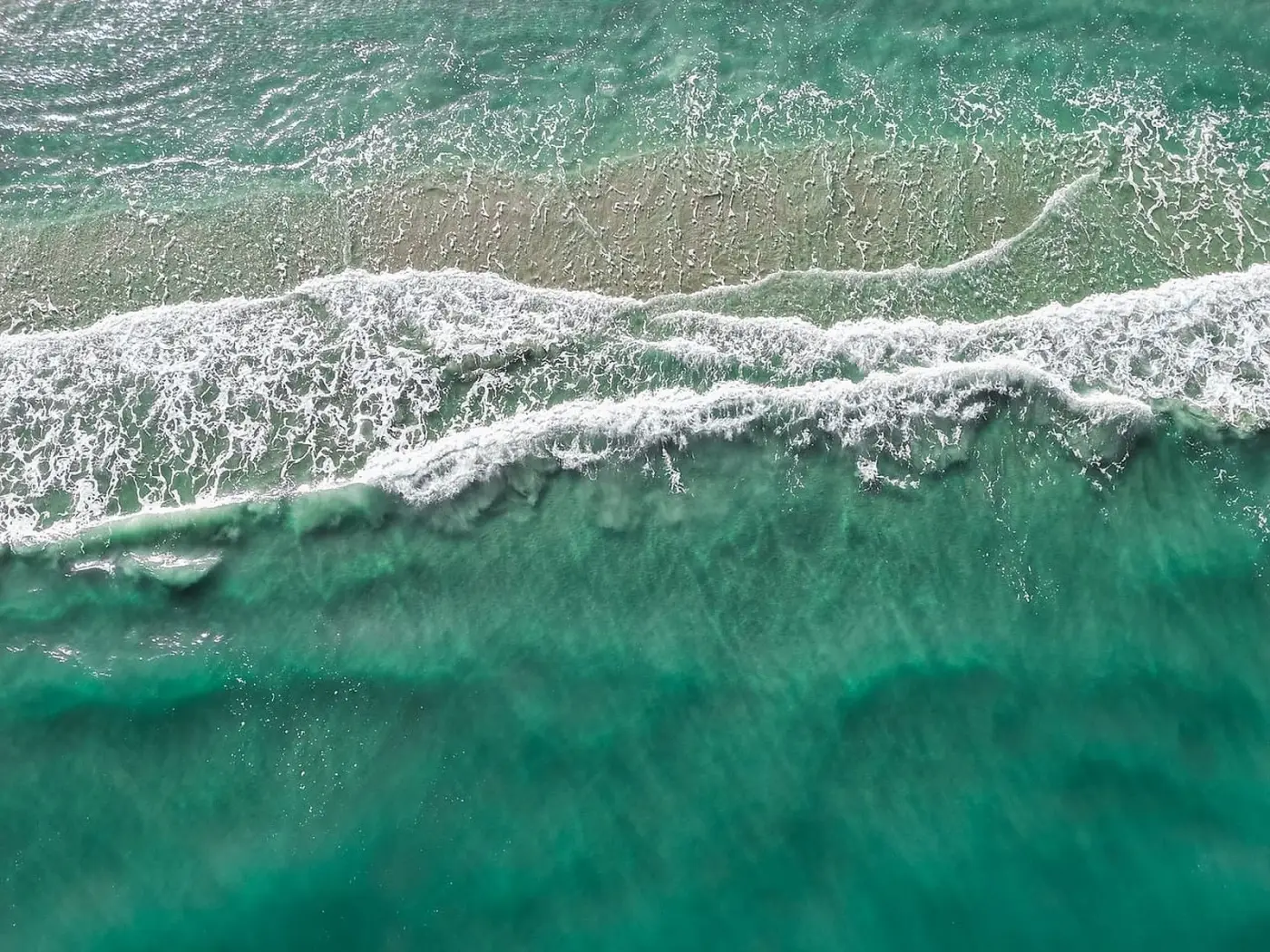 Techniques · 11 min · Intermediate
Seams form where current is forced around a point or a bar. Fish sit on the calm side.
SunnyFish · Read the guide →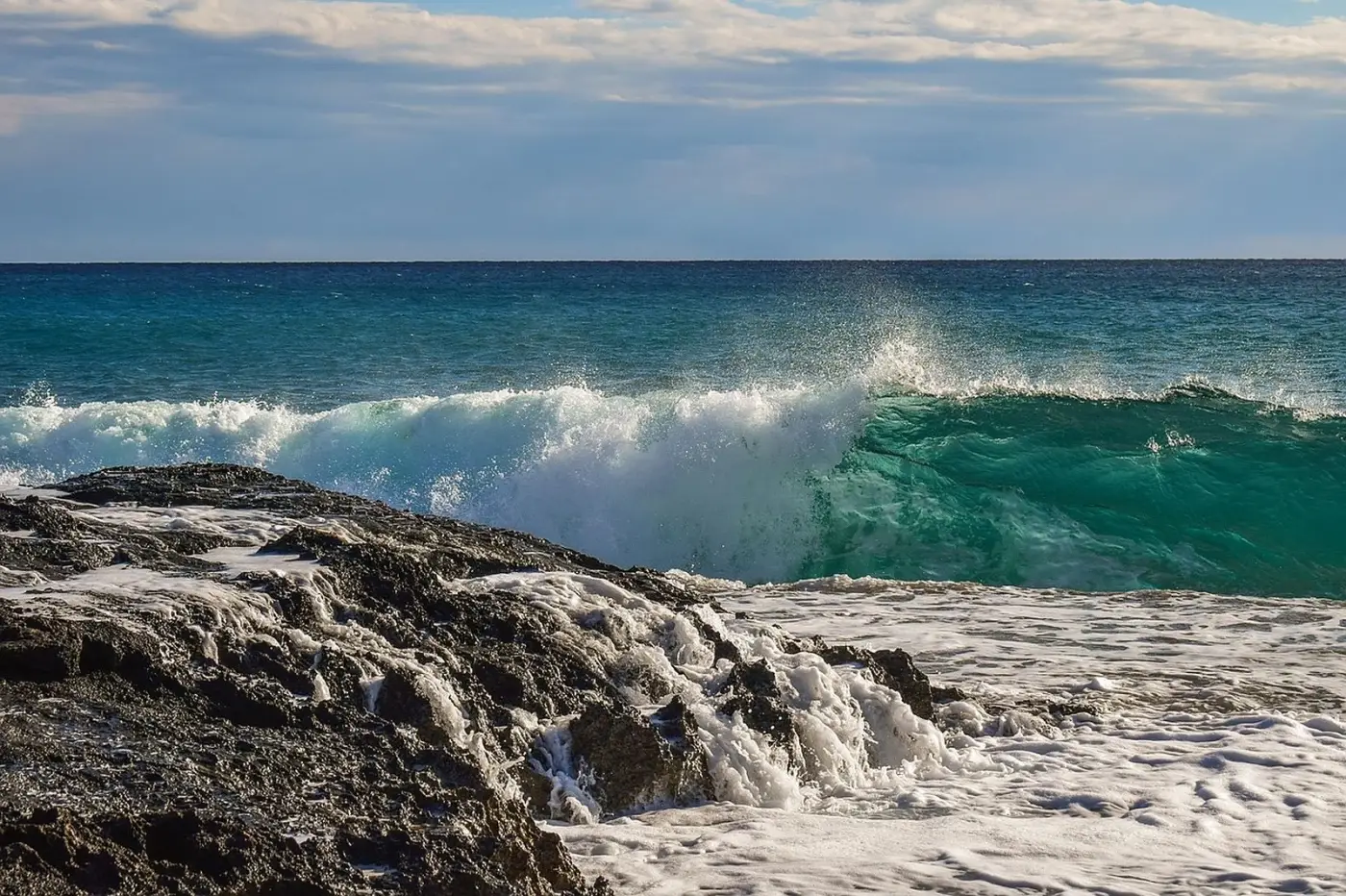 Safety · 11 min · All levels
Small boats are limited by wind, swell period and current; a 12 kn wind can be fine one way and miserable another, so read the combination, not the speed.
SunnyFish · Read the guide →Choose shore, reef, surf or open water. Each card shows the fish that live there and when they show up.
Pick your country, then the part of the coast you will fish. A station on the same water gives you tide times for that area. 35 stations have no country field yet.
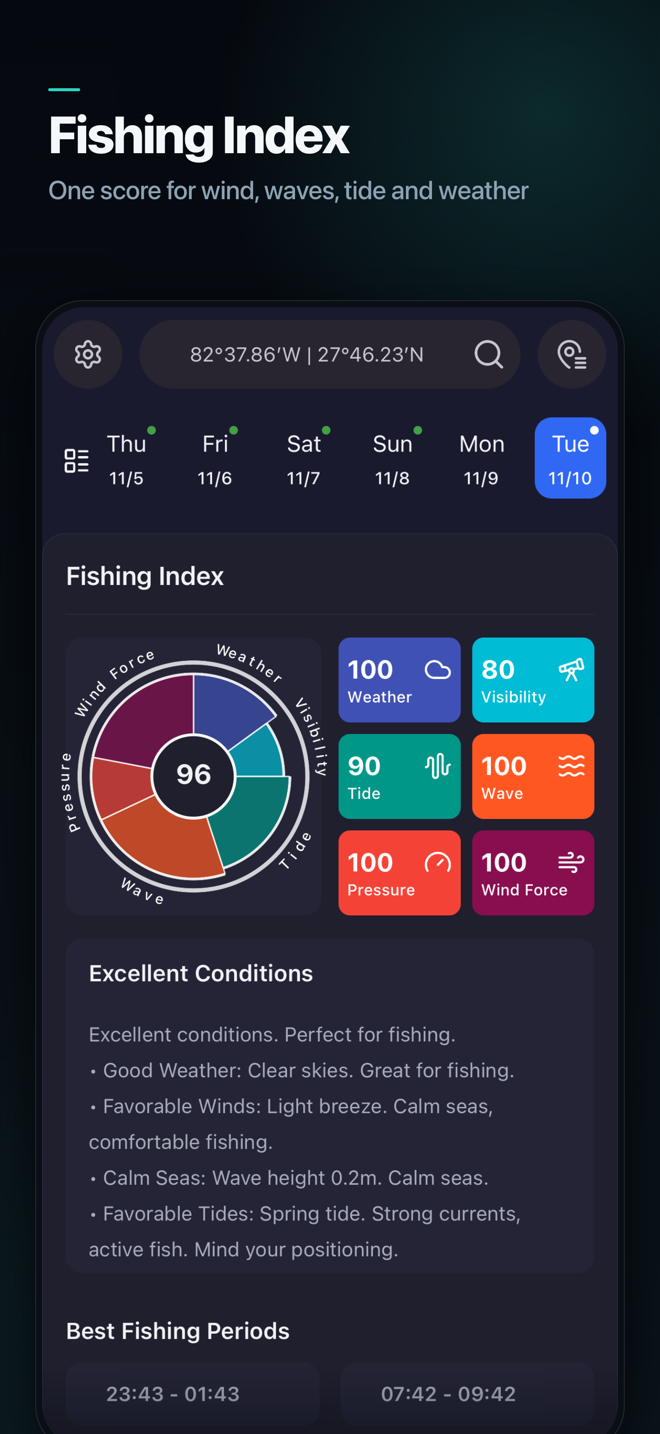
The app shows the tide, wind, wave height, pressure and a fishing score on one screen. Save your spot and come back to it later. You can see up to 15 days ahead.
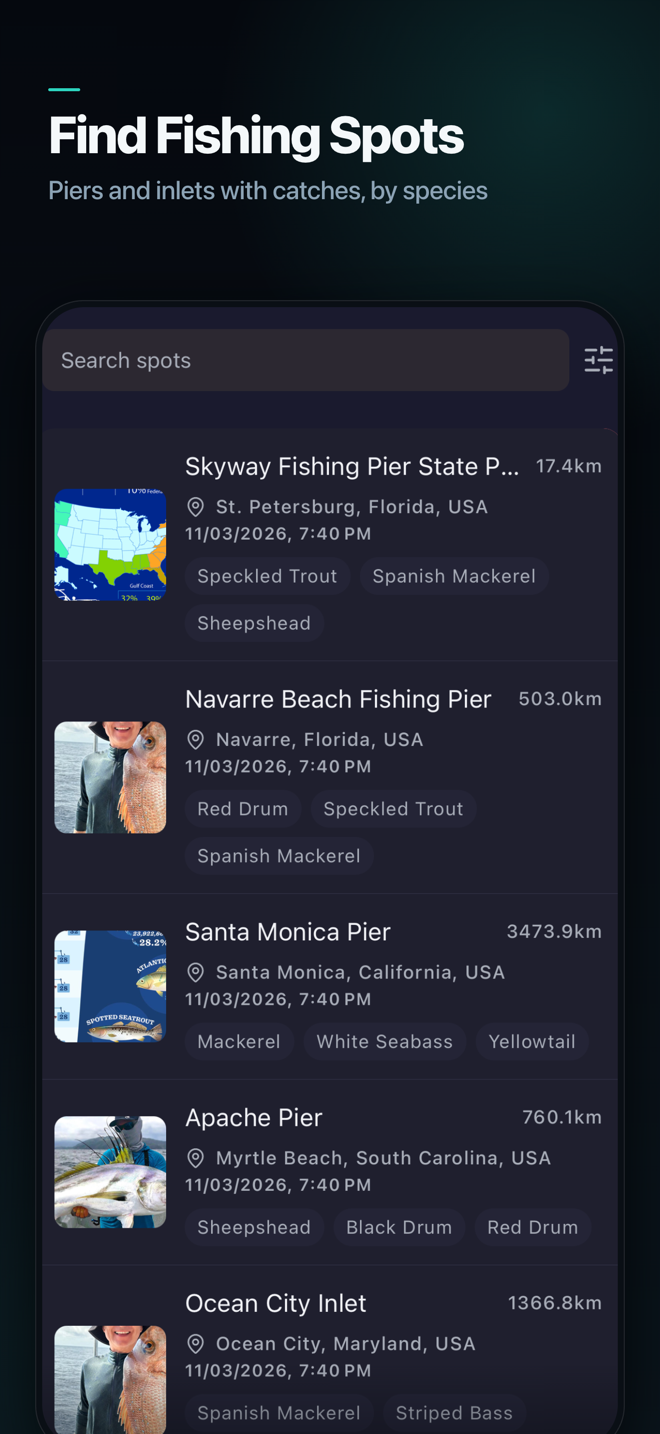
ECMWF, GFS and ICON side by side. Free 5-day and Pro 15-day forecasts, with hourly wind, swell and tide, plus a heads-up before bad weather hits.
12 layers of wind, swell and current, animated. Switch between street, terrain and satellite maps, then press and hold the chart to pull the forecast for that spot.
One 0–100 score for the day, built from wind, swell, barometric pressure, tide and moon phase. Use it to pick the window worth getting up for.
Save a spot with photos and the species you catch there. Your spots stay readable offline and sync after you sign in, so switching phones doesn't wipe them.
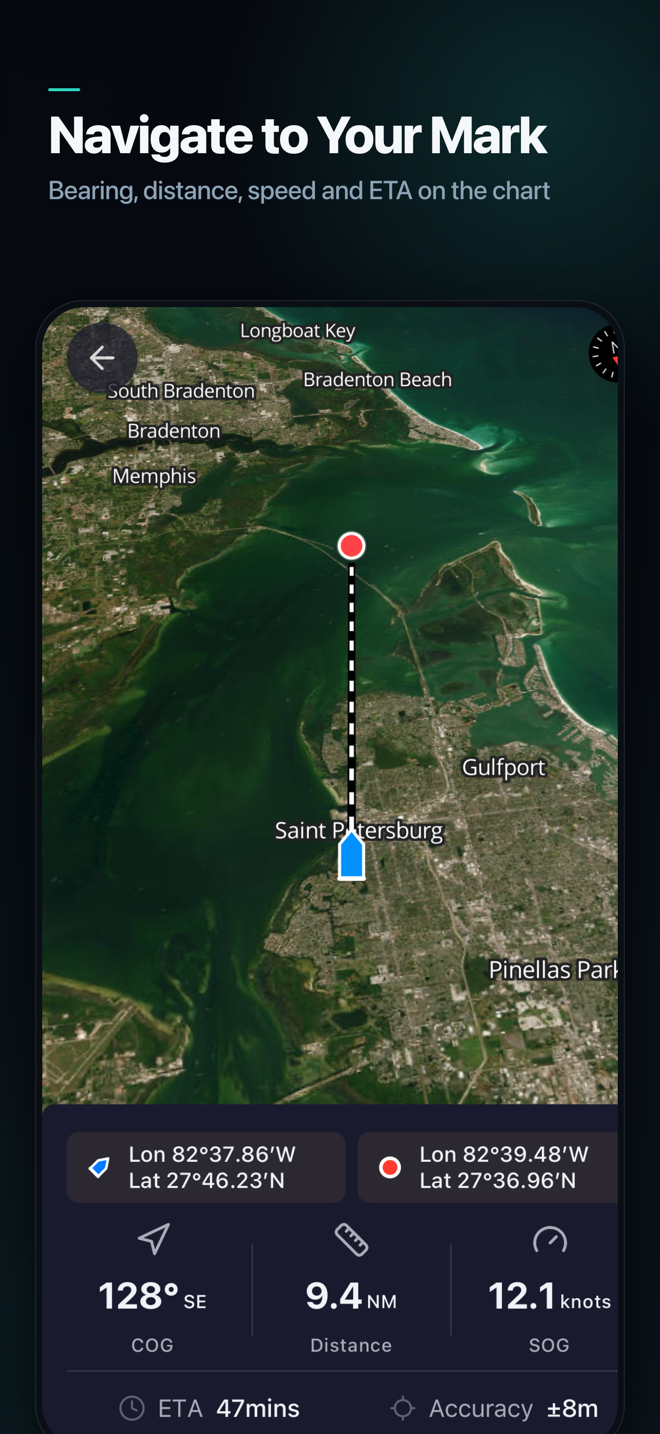
Tap a saved spot and get a course back to it. Run straight back to your own numbers instead of hunting for them again.
Switch forecast models, set wind and wave units the way you read them, and choose one of four languages or dark mode for a pre-dawn launch.
Short answers to the questions anglers ask most. Each answer names the page that covers it.