
What fish are
on your coast? — saltwater species index
Choose the water you fish: shore, reef, surf or deep water. Then open a fish to see what it eats, when it comes in, and how to catch it.
Species records
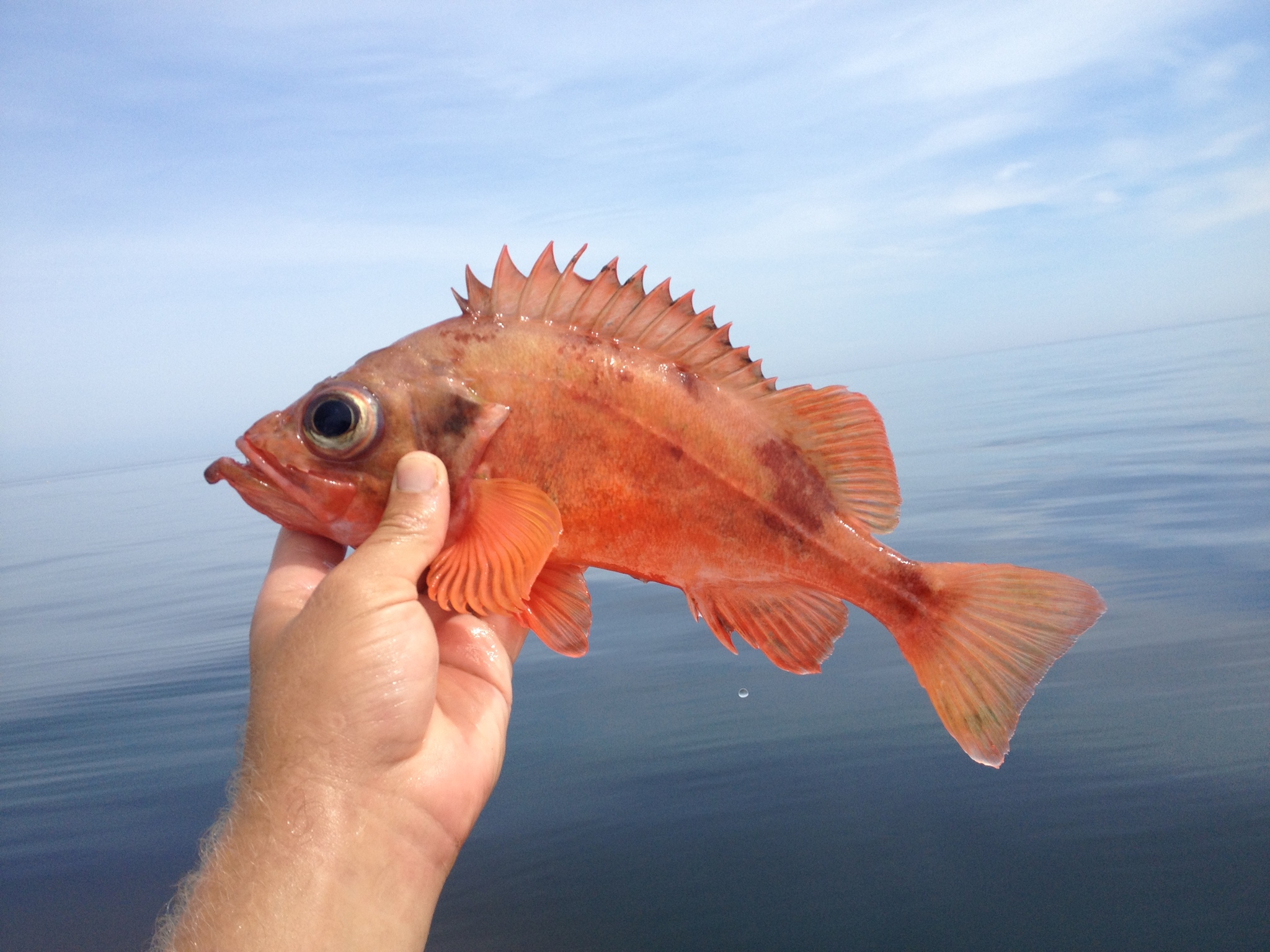
Acadian redfish
Acadian redfish is a deep-water rockfish of the northwest Atlantic, centred on the Gulf of St Lawrence and the Maine ground. It is a thick-set, orange-red fish recorded from 70 to 592 m in temperate water, and it feeds on fish. Adults reach 47 cm TL. IUCN lists it as Endangered, which matters as much as any of the size or depth figures here.

Acoupa weakfish
Three lengths sit in the same row: 110 cm maximum, 45 cm common, 42.7 cm at first maturity. All three are tagged total length. The gap between the common fish and a mature one is 2.3 cm. A fourth number, 17 kg, has no length attached at all. This page is about which of those numbers measures what.

African pompano
Two sources put this fish at different depths, and neither is obviously wrong. FishBase gives a range of 60–100 m. DORIS describes adults near the bottom from the surface down to 60 m. The overlap is a single point at 60 m; above and below it, the two accounts place the adult body differently. That is the useful part of the record for a bottom-fishing problem.

Agujon needlefish
The beak is lined with dense, sharp teeth that will cut through an ordinary leader. That is not folklore; it is the most common way this fish is lost after it is hooked. Fast, jumping hard and cruising near the surface, it is easy to interest and hard to bring to the net intact.
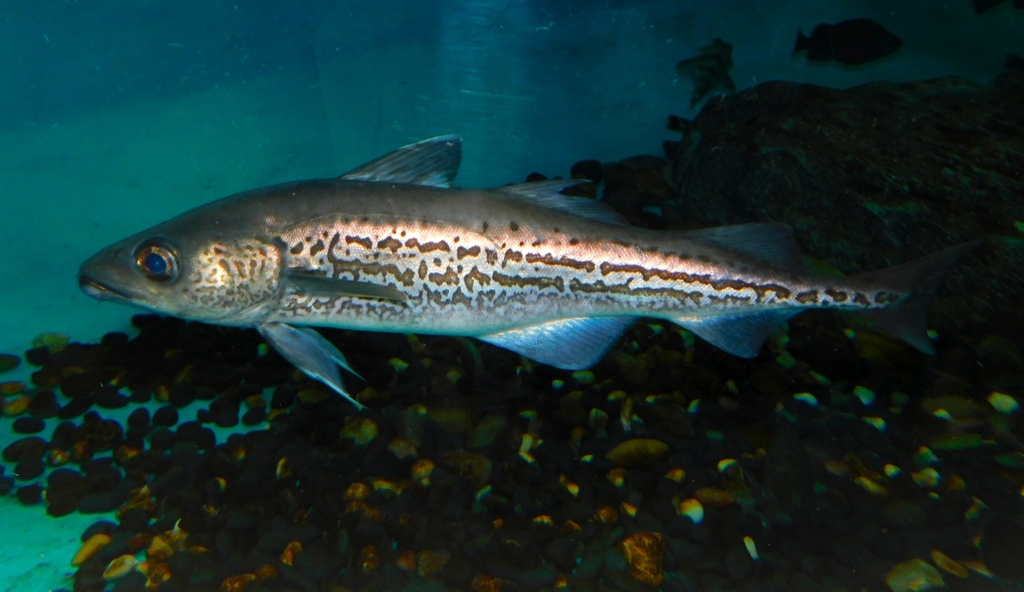
Alaska pollock
Alaska pollock is a cold-water cod of the North Pacific and Arctic, ranging from Norway and Svalbard east to the Laptev Sea and south to California. It is a polar fish recorded from the surface down to 1,280 m, though adults of 91 cm TL and 3.9 kg are the big end of the range. Crustaceans and fish make up the diet, and the season here is January to August.

Albacore
Albacore, a member of the family Scombridae, is found Cosmopolitan in tropical and temperate waters of all oceans including the Mediterranean Sea but not at the surface between 10°N and 10°S. Fish reach 140 cm FL and 60.3 kg, feeding on crustaceans and fishes. Anglers target it by trolling or jigging. The season runs January to December, in water of 10 to 25 °C.
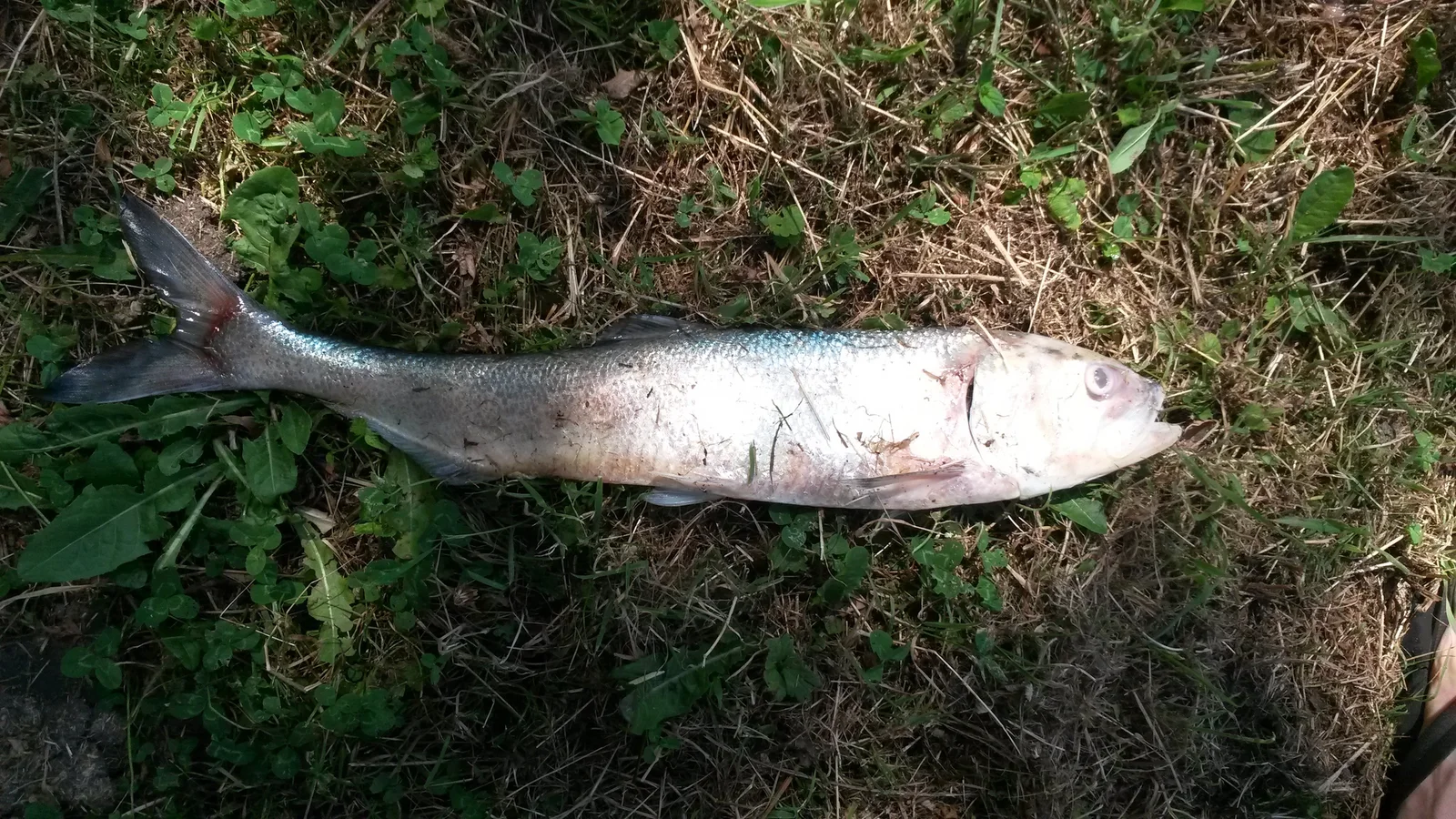
Allis shad
The allis shad is a big, herring-shaped alosid, the larger of Europe's two shads, and it spends most of its life at sea before running into rivers to spawn. Its marine range covers the Northeast Atlantic from Norway to Morocco and reaches into the Baltic and the western Mediterranean. FishBase records a depth range of 10–400 m for the feeding phase, and spawning is reported from April to July in the lower reaches of rivers.

Almaco jack
Almaco jack is a large carangid found circumglobally in tropical and subtropical seas, including the Mediterranean, both sides of the Atlantic and the eastern Pacific. It lives from 5 to 245 m, reaches 160 cm FL and 59.9 kg, and feeds on fish. Jigging or trolling is the usual approach.

American angler
Two numbers govern this fish, and they do not describe the same animal. Measured whole, an American monkfish has to reach 17 inches. Measured as a tail, it has to reach 11. Between the two numbers sit the head, the gill covers and the belly — roughly six inches of fish that a deck hand removes before anything goes into the hold. Almost every argument about keeping one starts at that difference, and so does this page.

American eel
American eel is a snakelike fish that spends its adult life in fresh water, estuaries and coastal waters from Greenland and Canada south to Panama, before running to the Sargasso Sea to spawn. It grows to 152 cm and 7.3 kg and feeds on fish. The season runs January to July, in water of 4 to 25 °C.
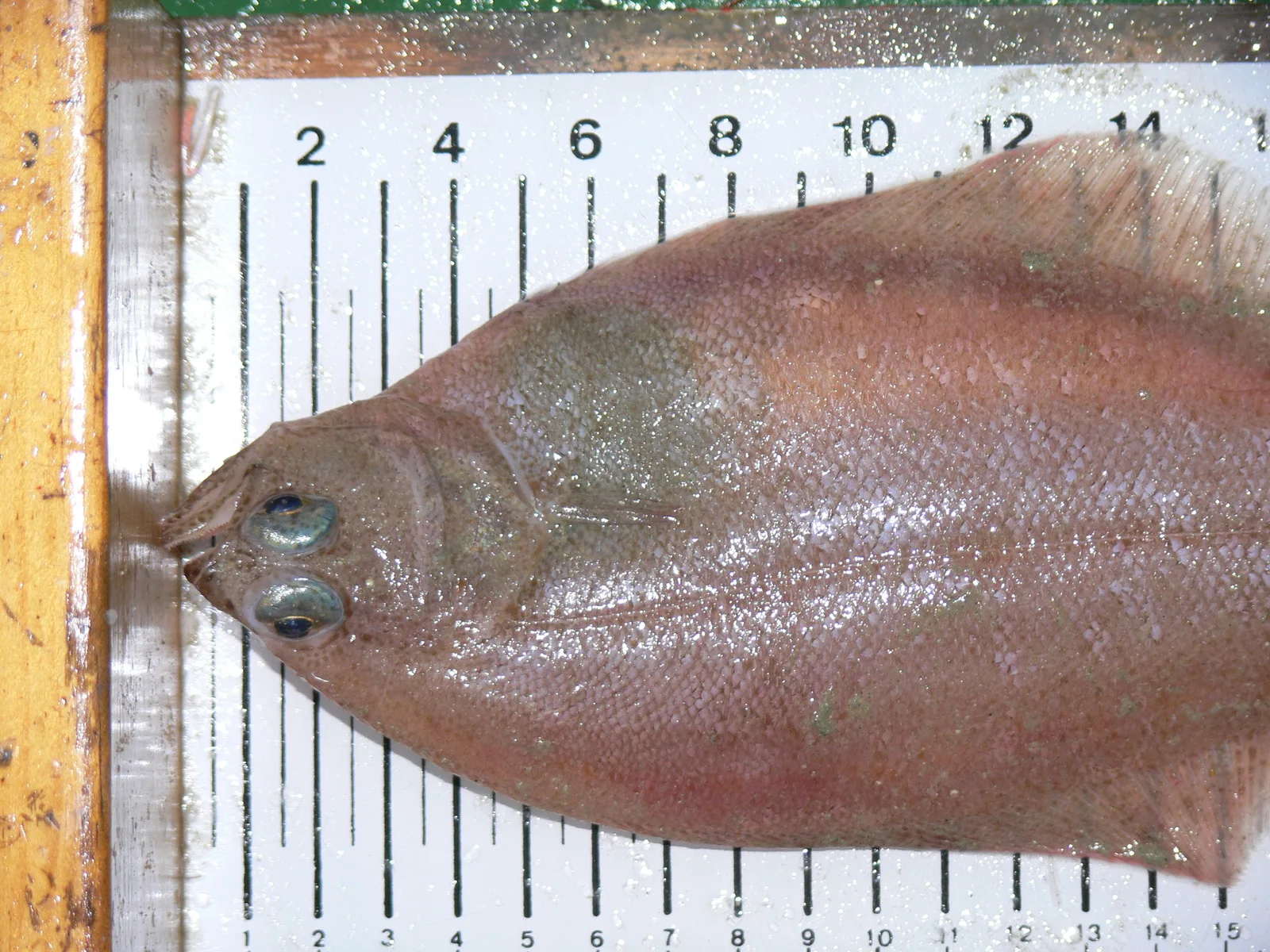
American plaice
American plaice is a North Atlantic flatfish in the family Pleuronectidae, split into two subspecies across the western and eastern shores of the ocean. It sits on the bottom from about 10 to 3000 m, though anglers meet it most often in the usual 90–250 m band, and it reaches a maximum of 82.6 cm and 6.4 kg. The species is assessed Endangered and supports a highly commercial fishery.
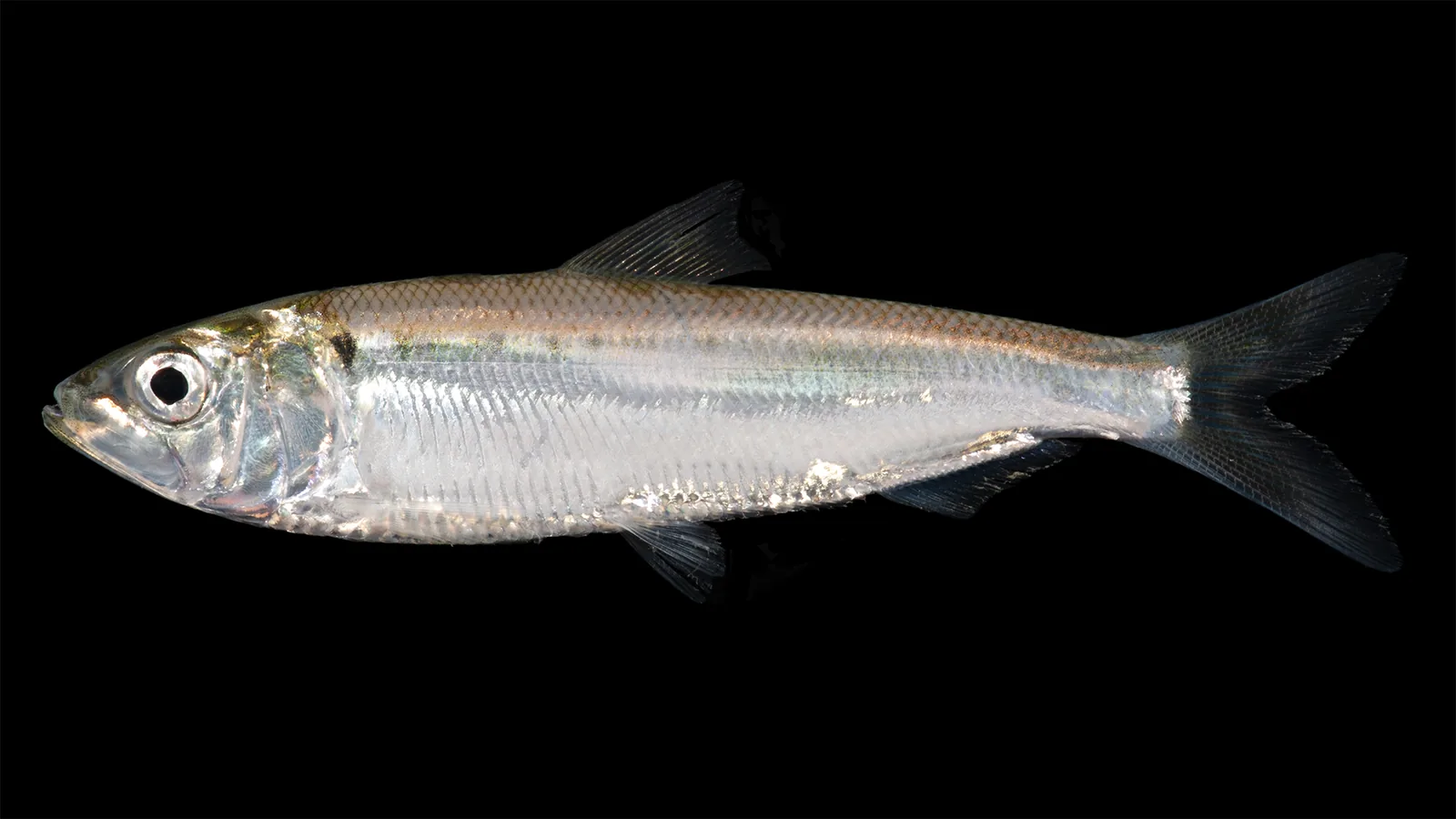
American shad
Adults spend most of their life at sea, returning to freshwater streams to breed. They inhabit open water of large rivers. Non-spawning adults are found in schools near the surface of continental shelf waters in spring, summer and fall; also found in brackish waters. Newly hatched larvae are found in rivers during the summer; by autumn they enter the sea and remain there until maturity.
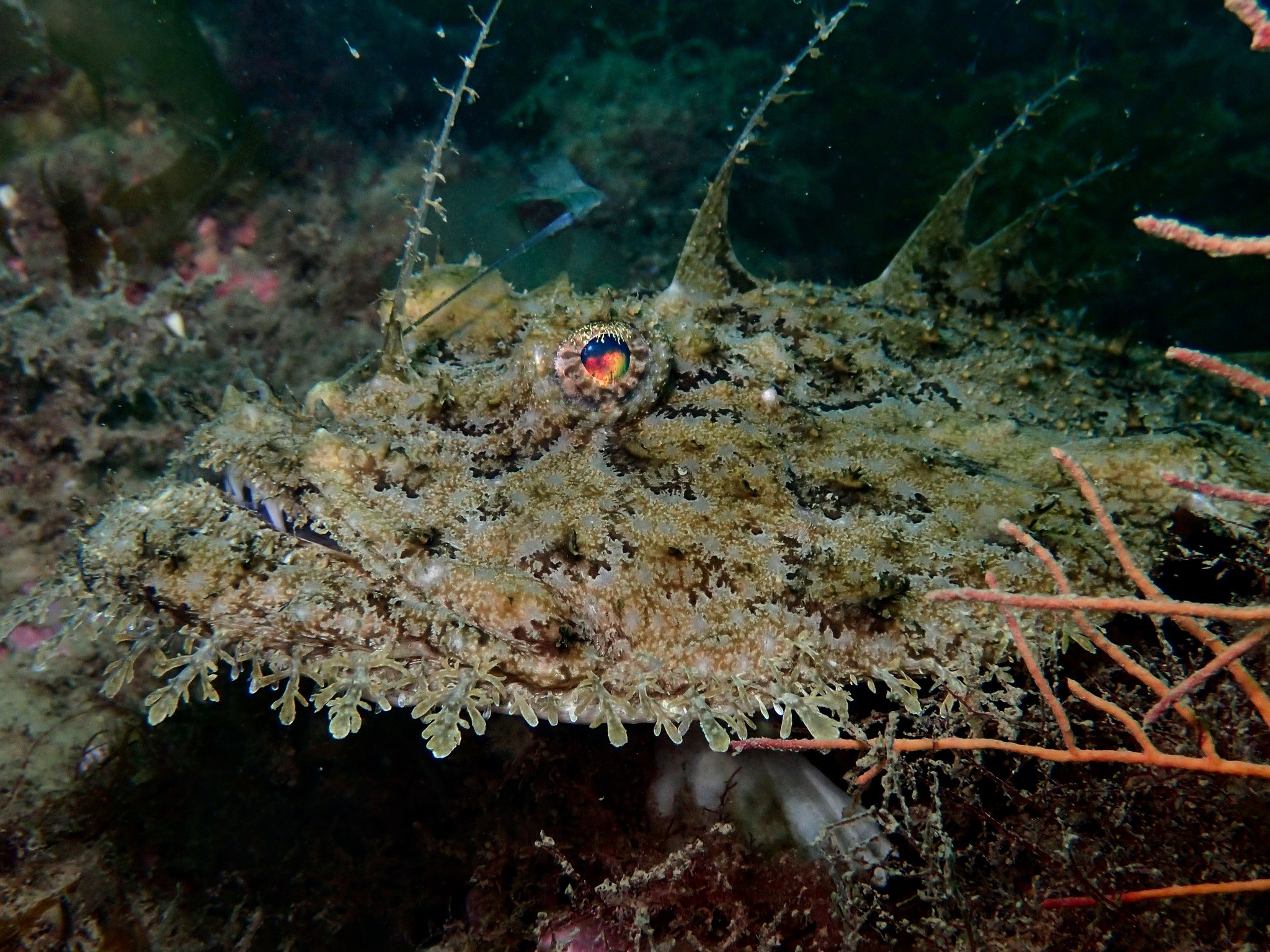
Angler
The record for this fish lists three kinds of bottom — rock, sand and mud — and that list is the most useful thing in it. A fish that appears over all three is not fussy about geology. It is fussy about one narrow requirement: a patch soft enough to sink into, with something solid nearby to brace against when the mouth opens. Read the bottom that way and the fishing follows.
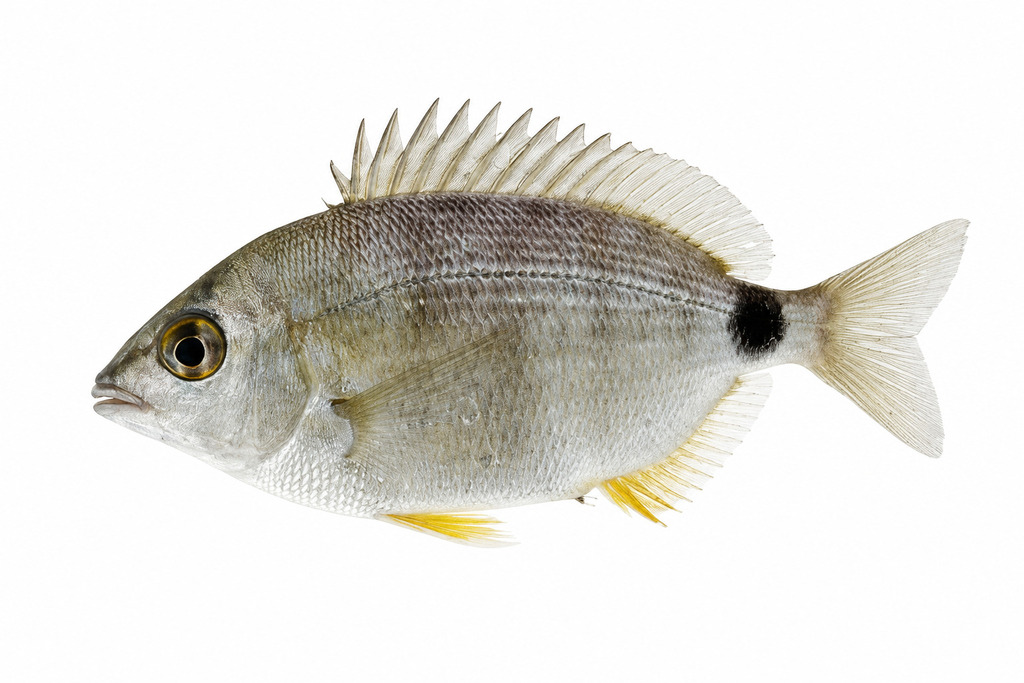
Annular seabream
Annular seabream is a small sparid of the eastern Atlantic and Mediterranean, from the Canaries and Portugal to the Bay of Biscay, Black Sea and Sea of Azov. It lives from the surface to 90 m in subtropical water, reaches 28 cm TL and 0.33 kg, can live 17 years, and feeds on crustaceans, fish, worms and echinoderms. Its season runs January to September.
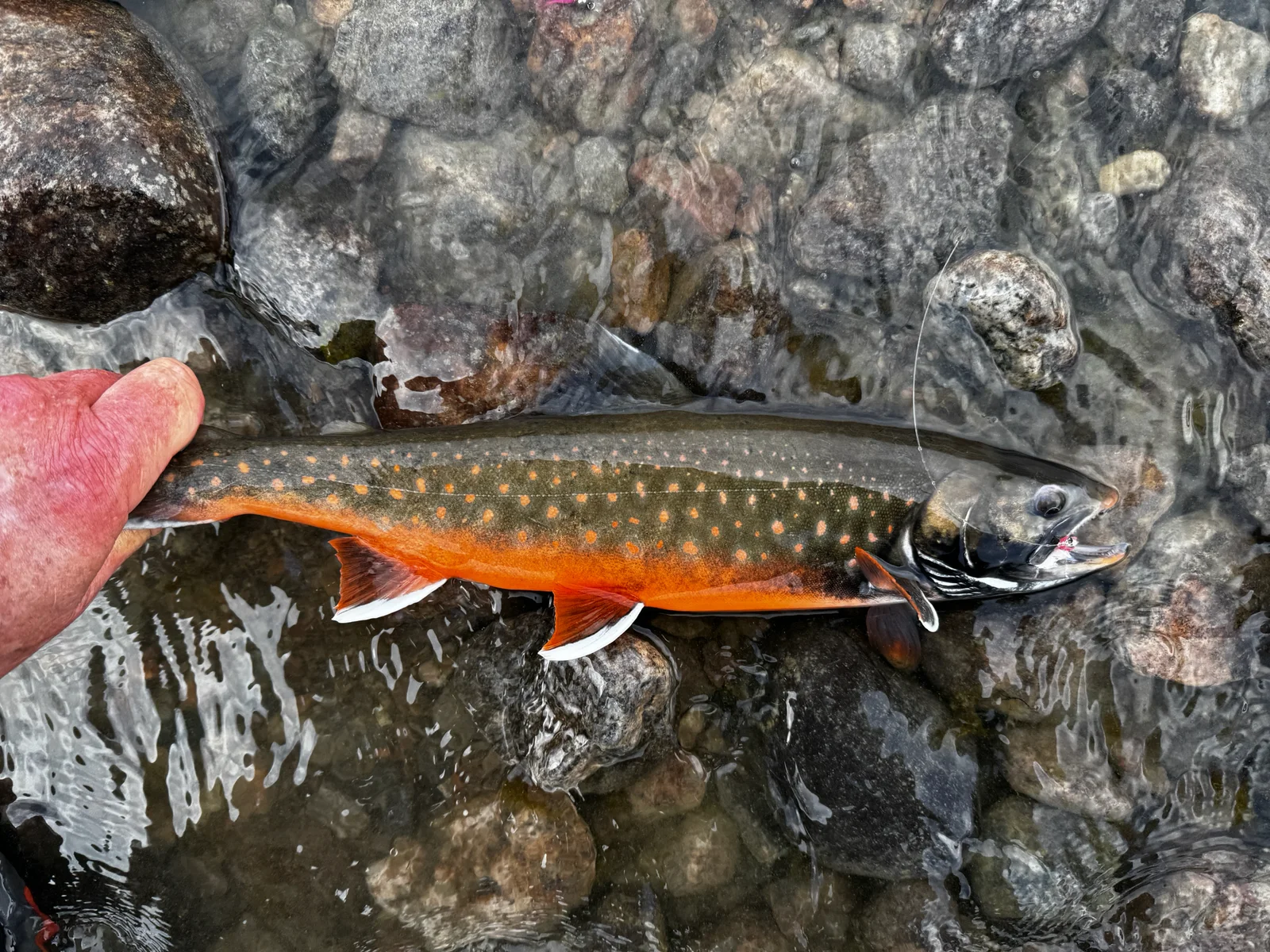
Arctic char
The Arctic char, listed here as Alpine char, is a salmonid of the genus Salvelinus with a circumpolar range across Iceland, Scandinavia, northern Russia, Alaska, Canada and Greenland. It is a benthopelagic fish of 0–70 m, usually within a metre of the surface, at 4–16 °C, and some populations are anadromous while others stay landlocked. FishBase records it as a gamefish and a minor commercial species, with aquaculture production alongside.
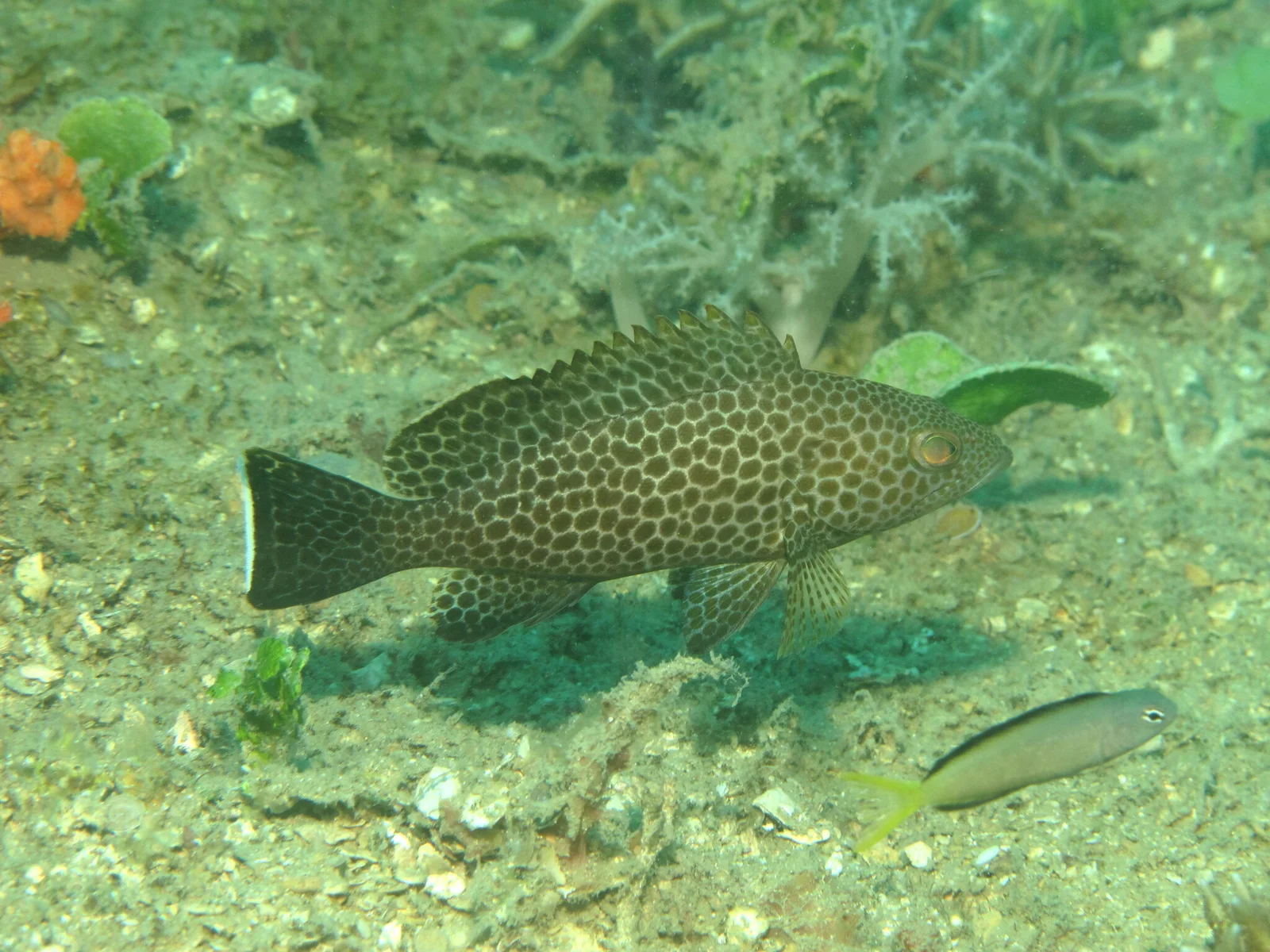
Areolate grouper
Areolate grouper is a reef grouper of the Indo-Pacific, from the Red Sea and Persian Gulf to Natal, Fiji, Japan and northern Australia. It lives from 6 to 200 m in tropical water, reaches 53 cm and 2 kg, feeds on fish, and can live 15 years. Boat bottom fishing is the usual approach.
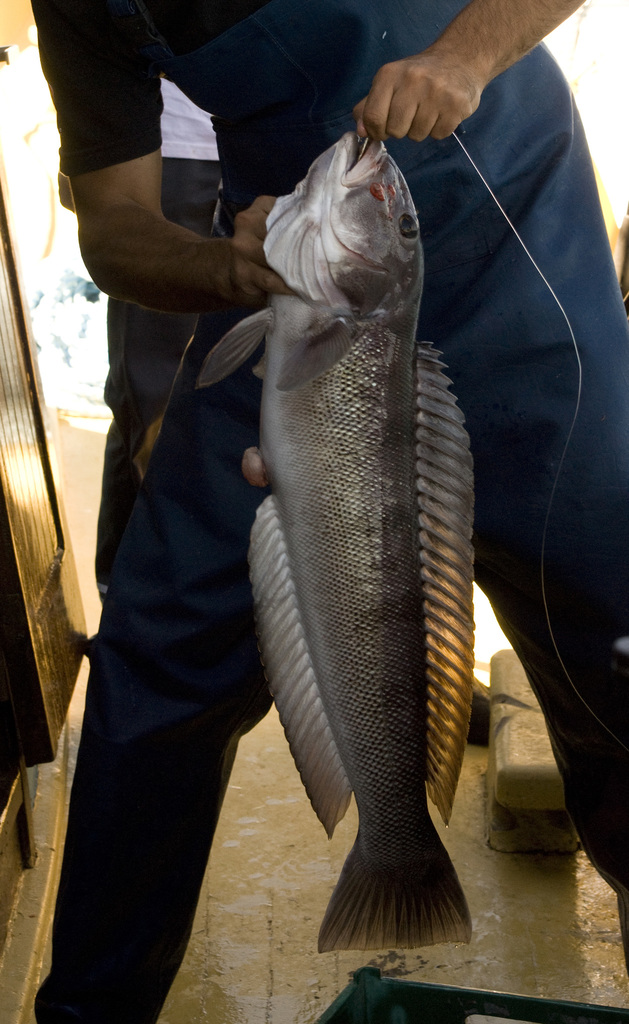
Argentinian sandperch
Argentinian sandperch, sold as salmon de mar, is a southwest Atlantic sandperch from Sao Paulo to Golfo San Jorge on the Argentine shelf. It is caught in 100 m or less, reaches 100 cm TL with a common length of 48.6 cm SL, and carries a published maximum weight of 10 kg that the same page contradicts with a report of 24 kg fish off Rio de Janeiro. Boat bottom fishing and shore fishing are the methods listed.
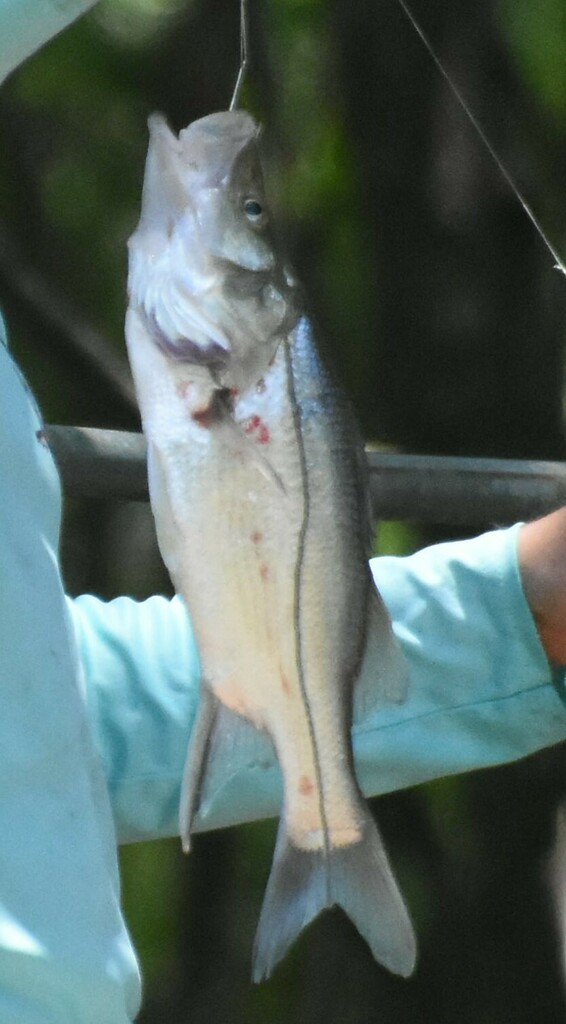
Armed snook
Armed snook is a small centropomid of the eastern Pacific, from Mexico down to Ecuador, and it is a fish of brackish as well as fully marine water. It reaches 46.5 cm TL with a common length of 25 cm and about a kilo. Shore casting and boat fishing are the methods listed for it. IUCN assessed it as Least Concern in 2019, and no depth band is recorded.
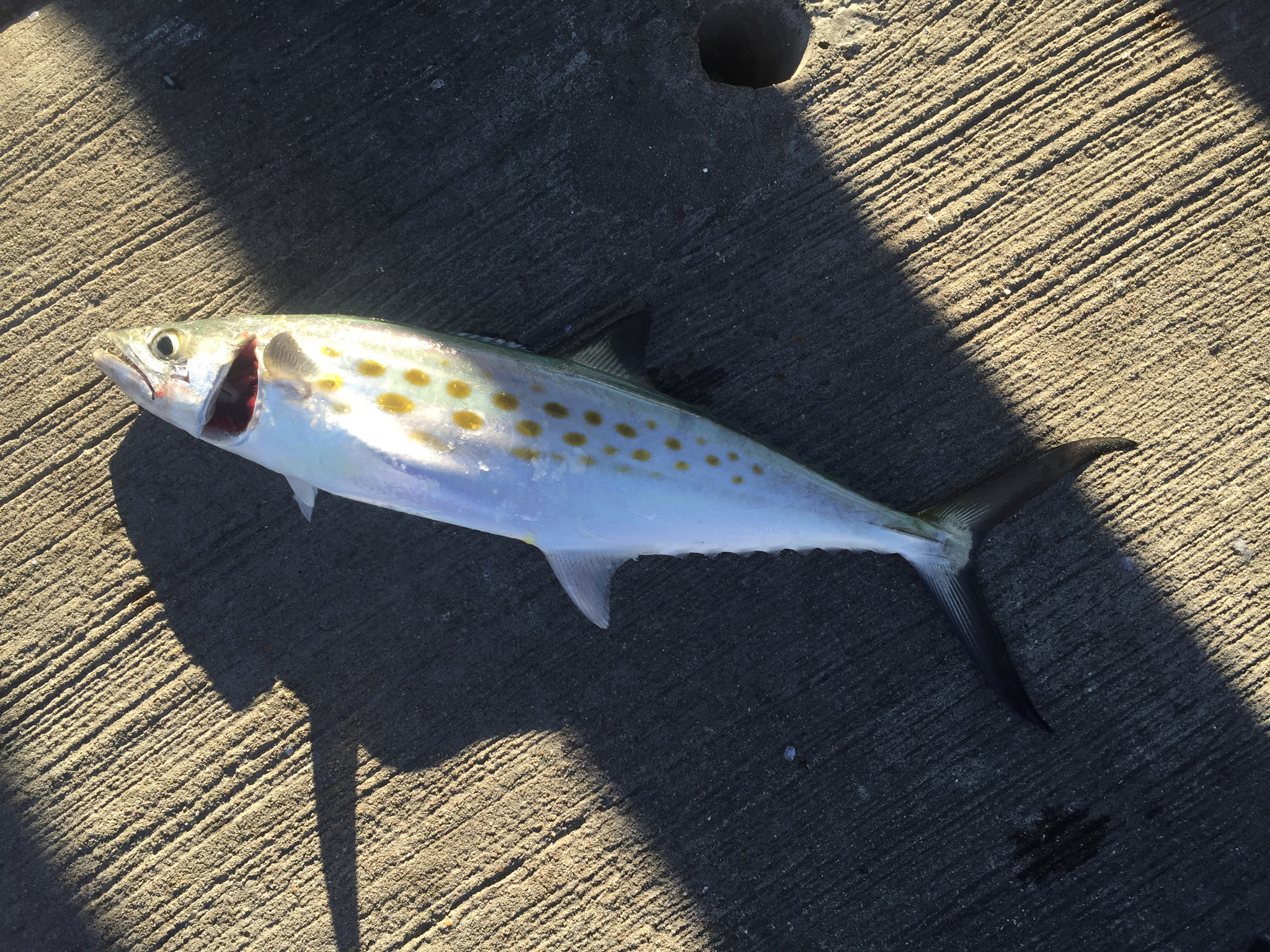
Atlantic Spanish mackerel
Spanish mackerel is four species under one market name: Scomberomorus maculatus in the western Atlantic, tritor in the east, sierra in the eastern Pacific and brasiliensis in the Caribbean and Brazil. The western Atlantic fish reaches 91 cm fork length, 5.9 kg and about five years, over 10–35 m at 20–30 °C. Settle the species before the tackle.
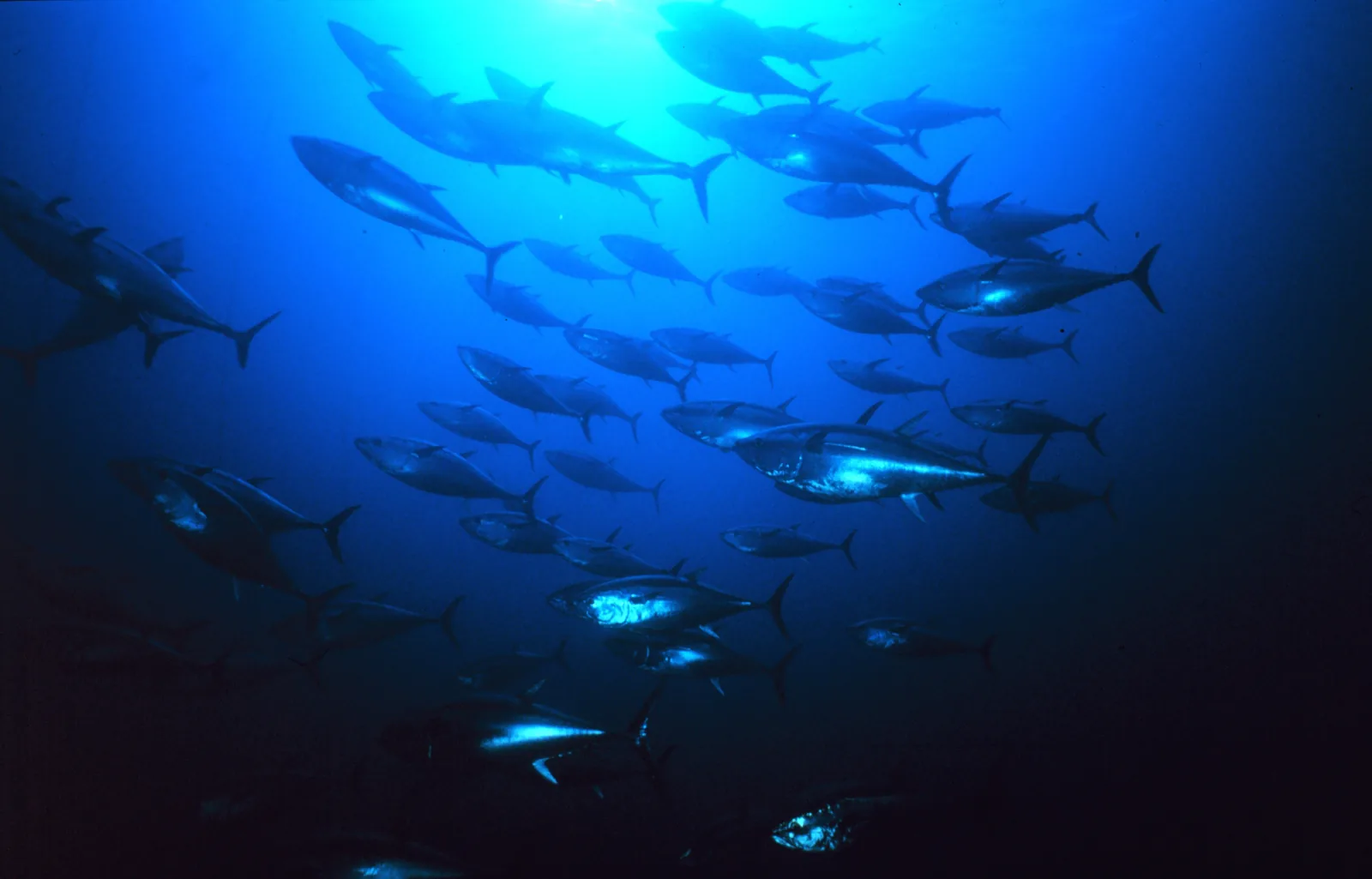
Atlantic bluefin tuna
Atlantic bluefin tuna defeats any single number: 458 cm and 684 kg maximum, 200 cm common length to the fork, maturity at 103.5 cm, 32 years, and 0–985 m. Those figures describe a spread of size classes and behaviours rather than one animal. Plan for the size class your gear can actually land, not the record.

Atlantic bonito
Atlantic bonito is a schooling scombrid of the eastern Atlantic and Mediterranean, from Oslo to Port Elizabeth, and across the western Atlantic into the Gulf and Caribbean. It lives from 80 to 200 m in water of 12 to 27 °C, reaches 91.4 cm FL and 11 kg, and feeds on fish. Trolling or jigging is the usual approach, with the season running December to August.
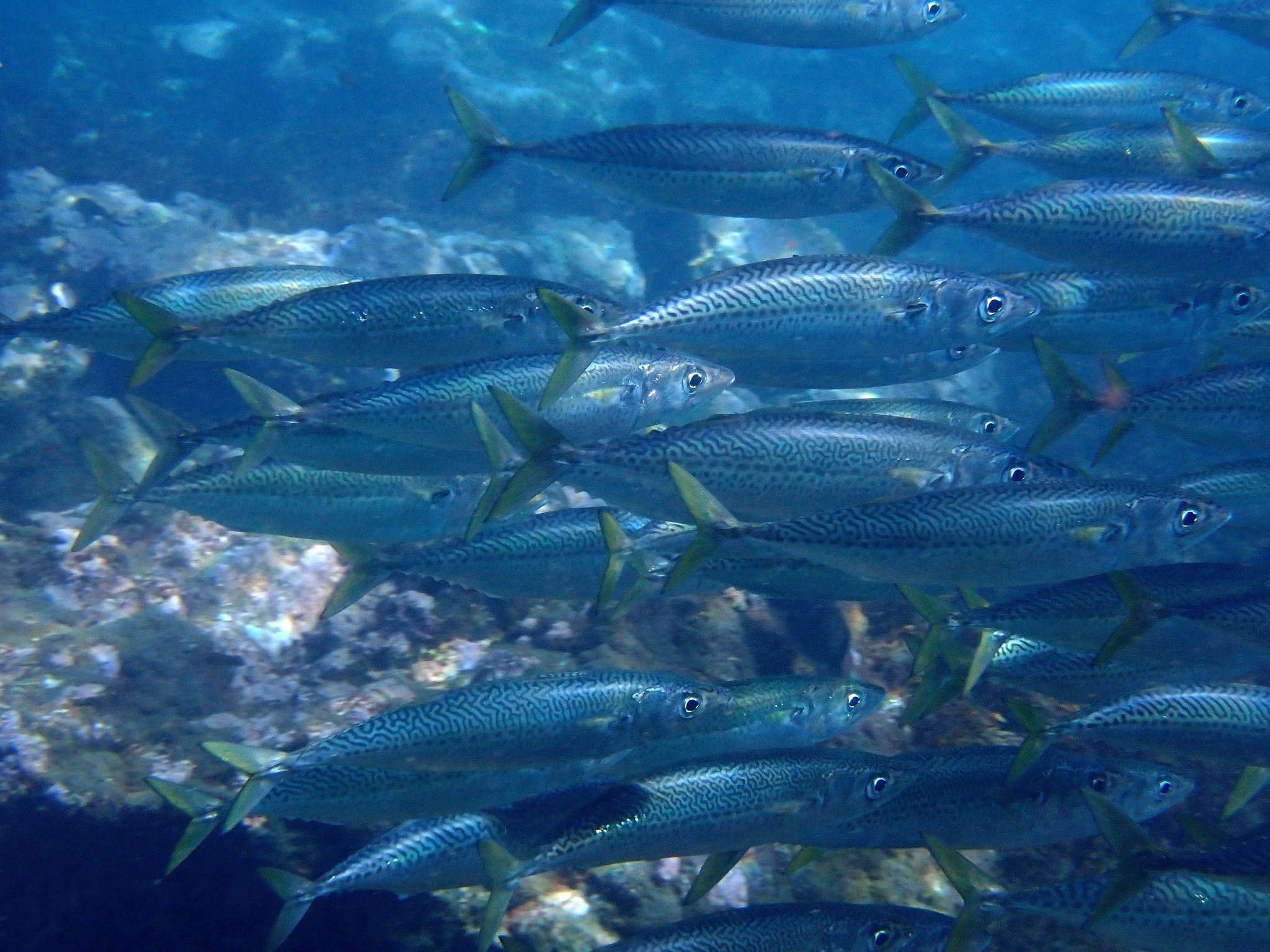
Atlantic chub mackerel
The Atlantic chub mackerel's record stacks four labels on one line: marine, brackish, pelagic-neritic, temperate. Each is a different kind of statement, and one of them, the depth column, is empty. The entry's difficulty is not that any single label is wrong; it is that the labels are written as if they describe the same thing, and they do not.
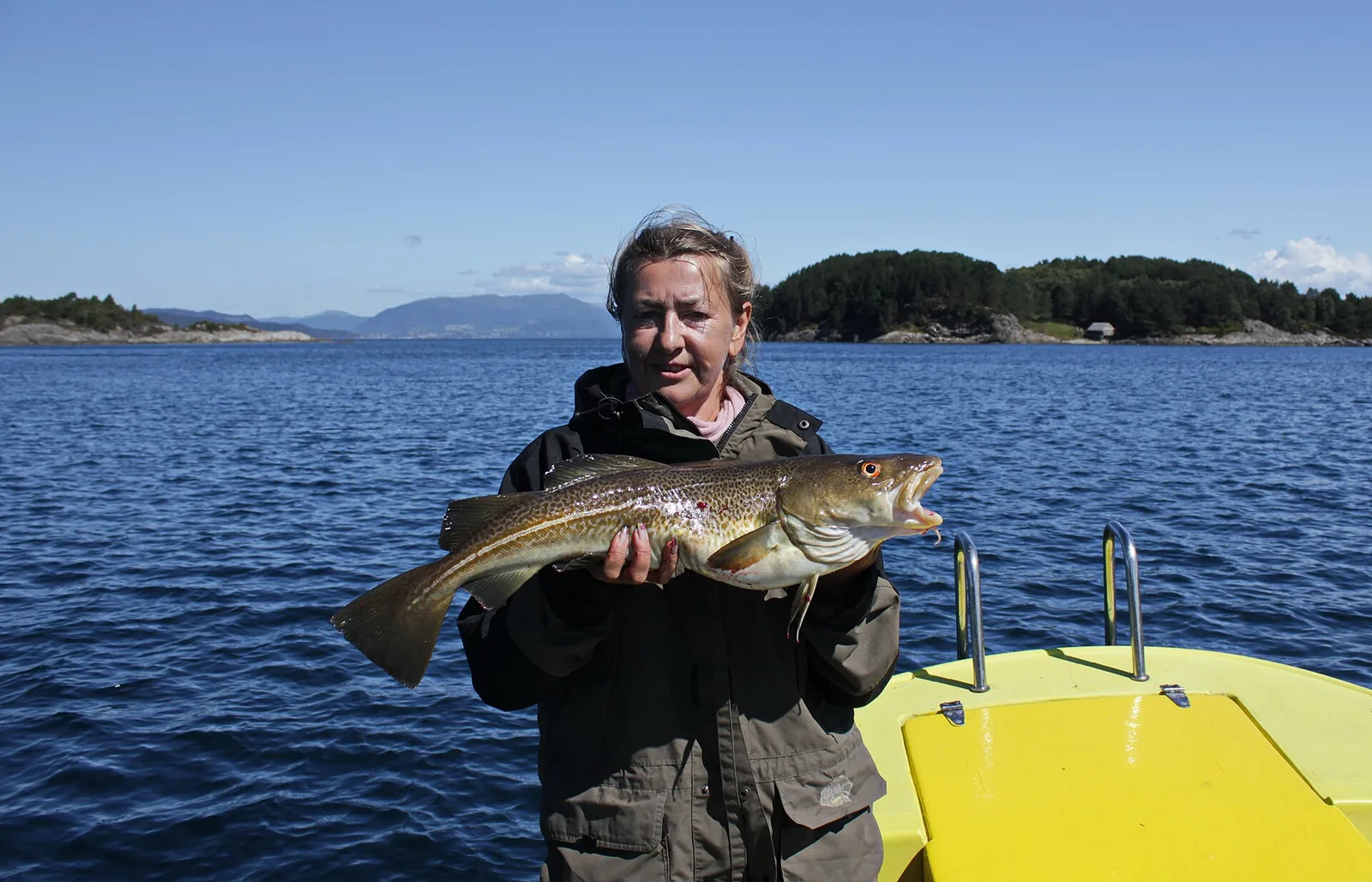
Atlantic cod
Atlantic cod exists twice in the North Atlantic: as a commodity sold by weight, and as a wild fish holding hard bottom at 180 m. FishBase gives 200 cm and 96 kg maximum, 100 cm common length, maturity at 65.4 cm and a 25-year lifespan. Those numbers describe different fisheries, and confusing them is how cod trips fail.
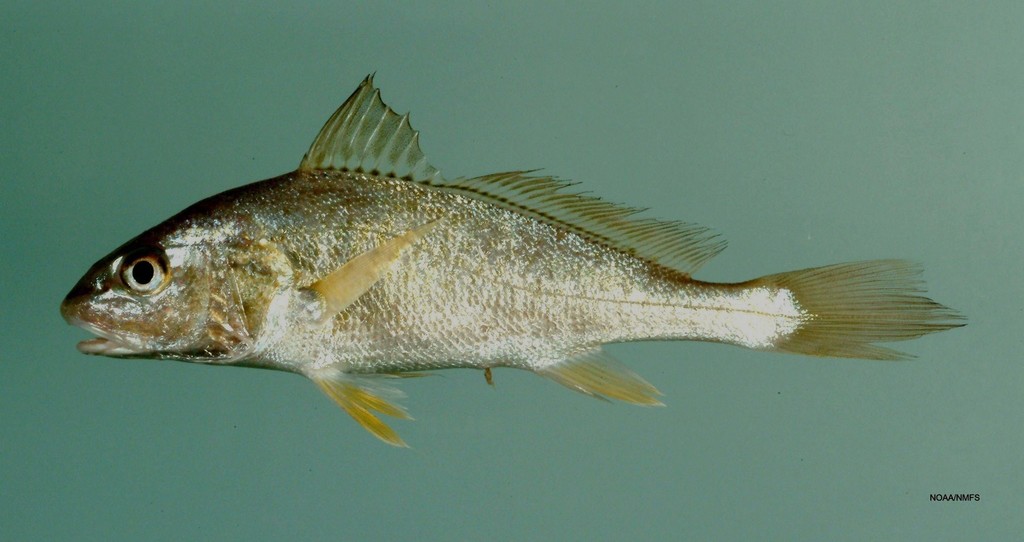
Atlantic croaker
Atlantic croaker is a sciaenid of the western Atlantic, from Massachusetts and the northern Gulf of Mexico to northern Mexico. It lives shallower than 100 m in subtropical water, reaches 55 cm and 2.6 kg, and feeds on crustaceans, fish and worms. Boat bottom fishing is the usual approach, and fish are present year-round.
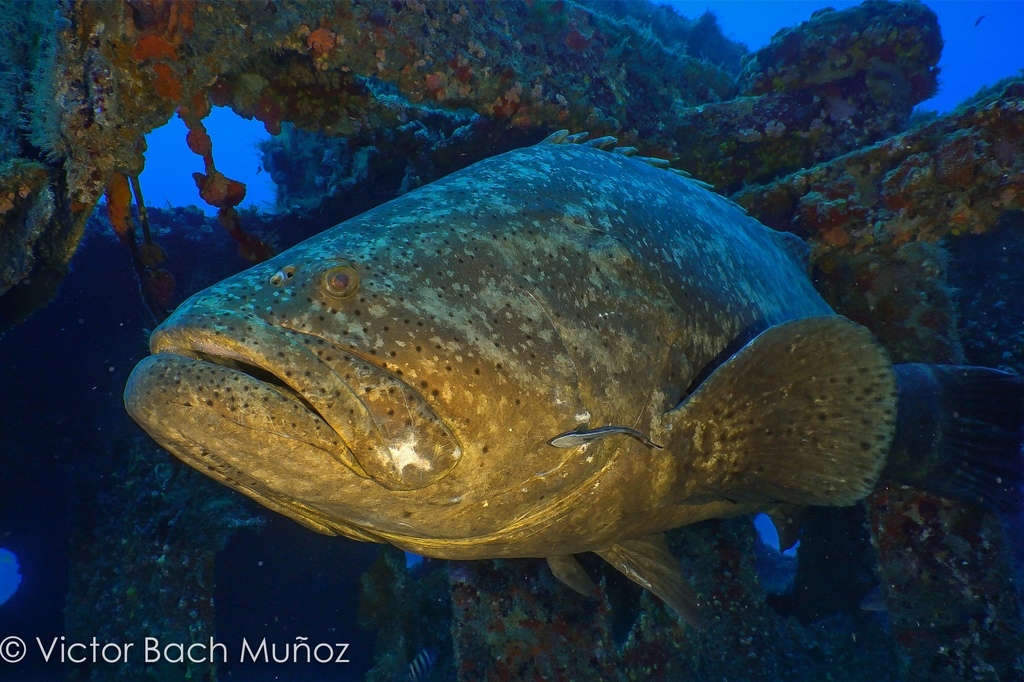
Atlantic goliath grouper
Goliath grouper is the one fish here where the first decision is legal, not tactical. It reaches 250 cm and 455 kg, matures at 128 cm, and US law allows a catch of zero, so a hooked fish is one to release unharmed rather than one to land. Heavy tackle, a harness and hands kept away from the gills are safety requirements; where it is protected, the aim is not to hook one at all.
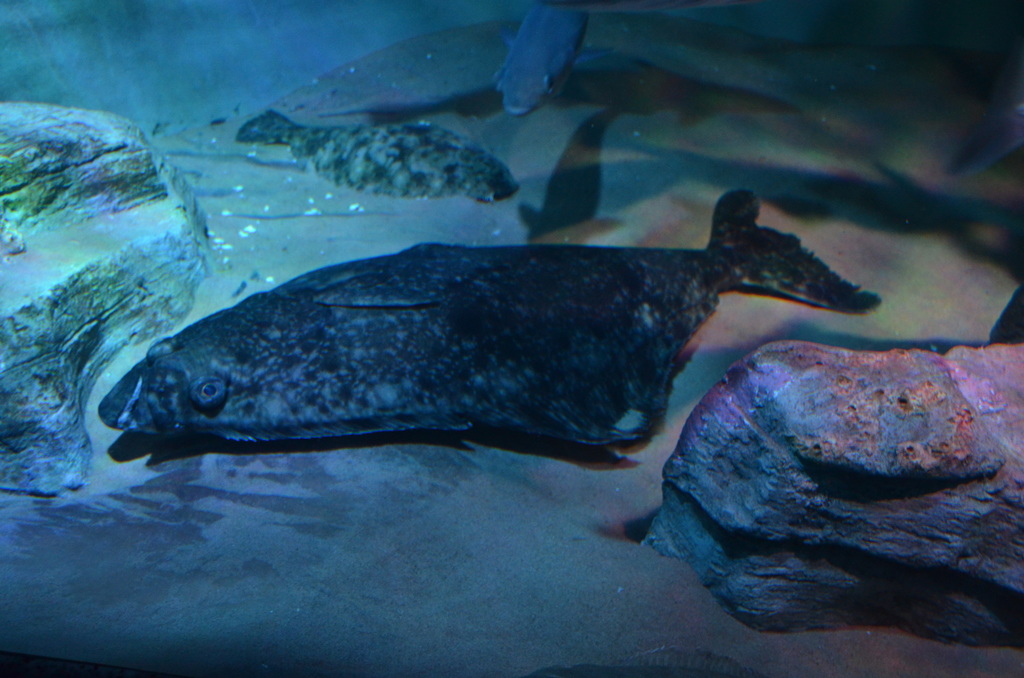
Atlantic halibut
Across Atlantic Ocean and adjacent Arctic, Atlantic halibut represents the family Pleuronectidae. This is a temperate-water fish, recorded from 50 to 2000 m. Adults run to 470 cm TL and 320 kg and prey on crustaceans, fishes and molluscs. Anglers target it by boat bottom fishing or trolling. The season runs January to December.
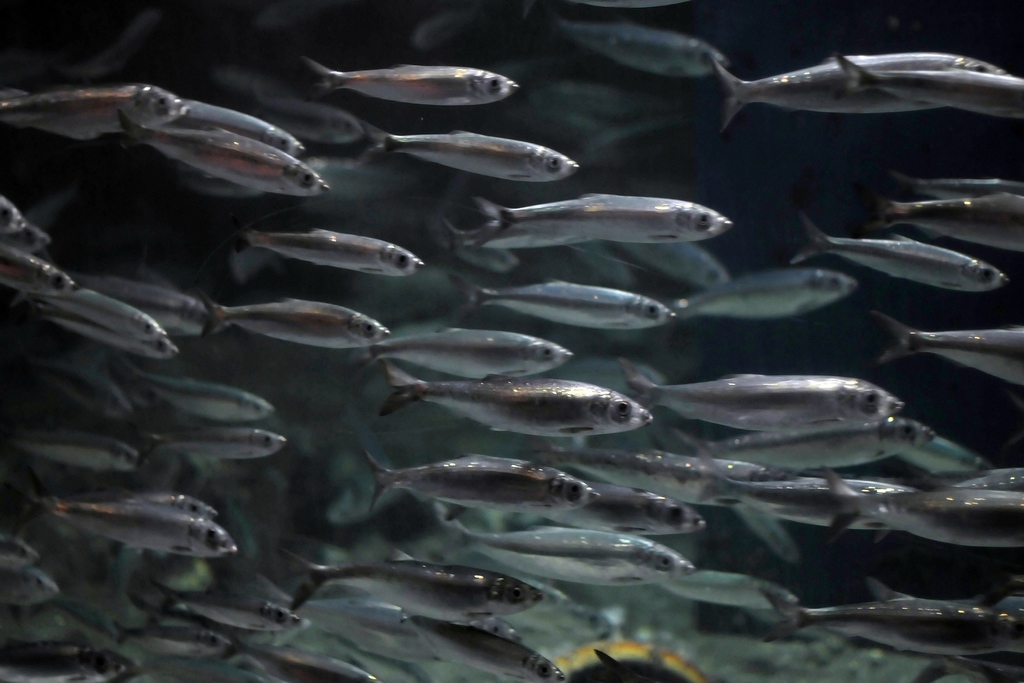
Atlantic herring
Atlantic herring is a clupeid of the North Atlantic, from southwestern Greenland and Labrador southward to South Carolina in the west, and across the eastern Atlantic. It lives from the surface to 364 m, reaches 45 cm SL and 1.1 kg, can live 25 years, and feeds on fish. It is present year-round in water of 0 to 18 °C.

Atlantic horse mackerel
Across the Eastern Atlantic, from Norway to Cape of Good Hope, South Africa to southwestern Indian Ocean (South Africa to southern Mozambique), and Baltic Sea, North Sea, Mediterranean Sea and Black Sea, Atlantic horse mackerel represents the family Carangidae. This is a subtropical-water fish, recorded from 0 to 1050 m. Adults run to 70 cm TL and 2 kg and prey on crustaceans, fishes and molluscs. The usual approach is boat fishing or shore casting.
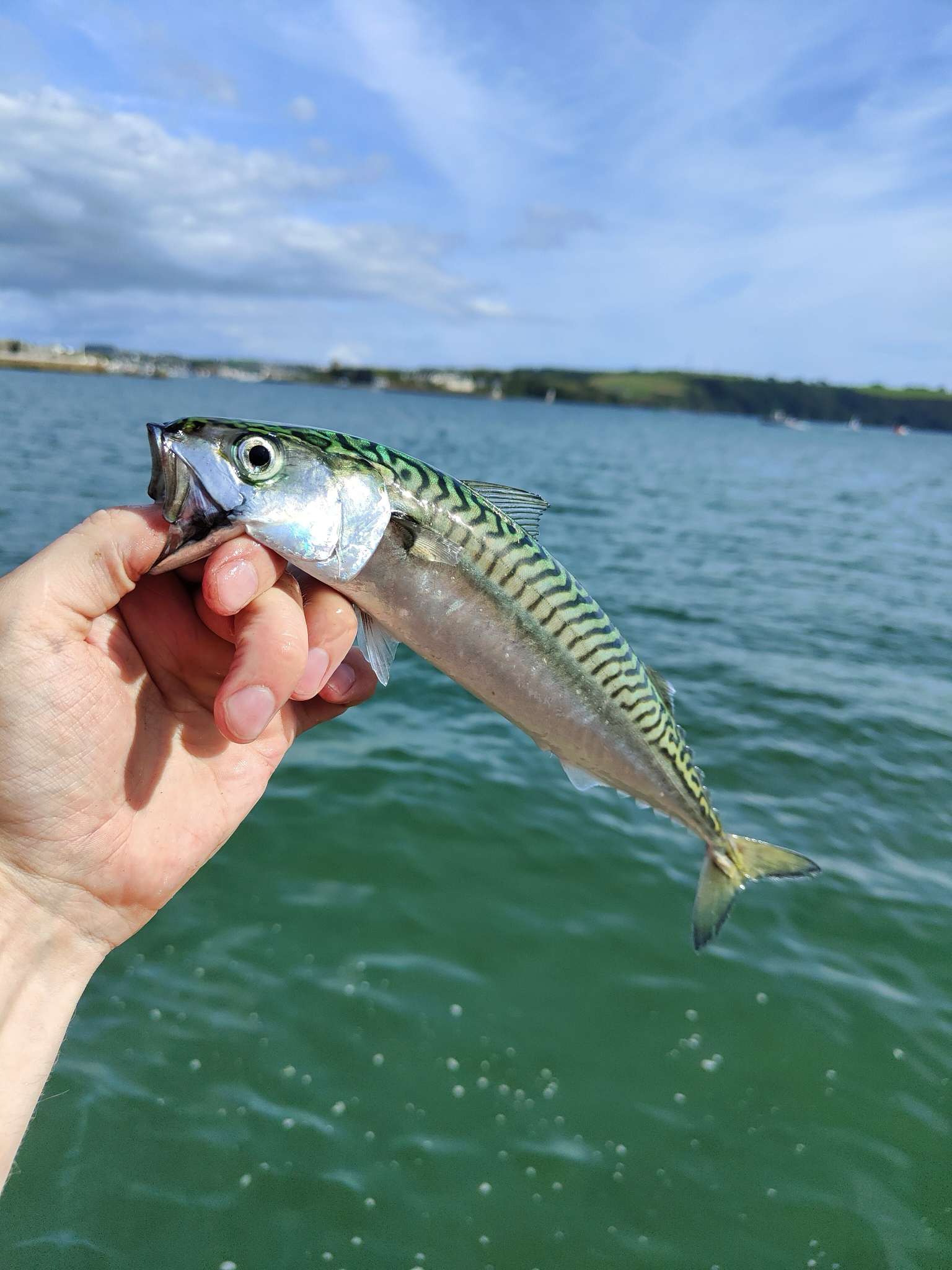
Atlantic mackerel
Atlantic mackerel is recorded across the North Atlantic, in the including the Mediterranean, within the family Scombridae. It is caught from 0 to 1000 m, in temperate water. It tops out at 60 cm FL and 3.4 kg, on a diet of fishes and zooplankton. Anglers target it by trolling or jigging. The season runs March to August.

Atlantic pollock
Across the Northeast Atlantic, from Iceland, the Faeroes and Norway to the Bay of Biscay, Atlantic pollock represents the family Gadidae. This is a temperate-water fish, recorded from 40 to 200 m. Fish reach 130 cm TL and 18.1 kg. The usual approach is boat bottom fishing or slow pitch jigging. The season runs January to May.
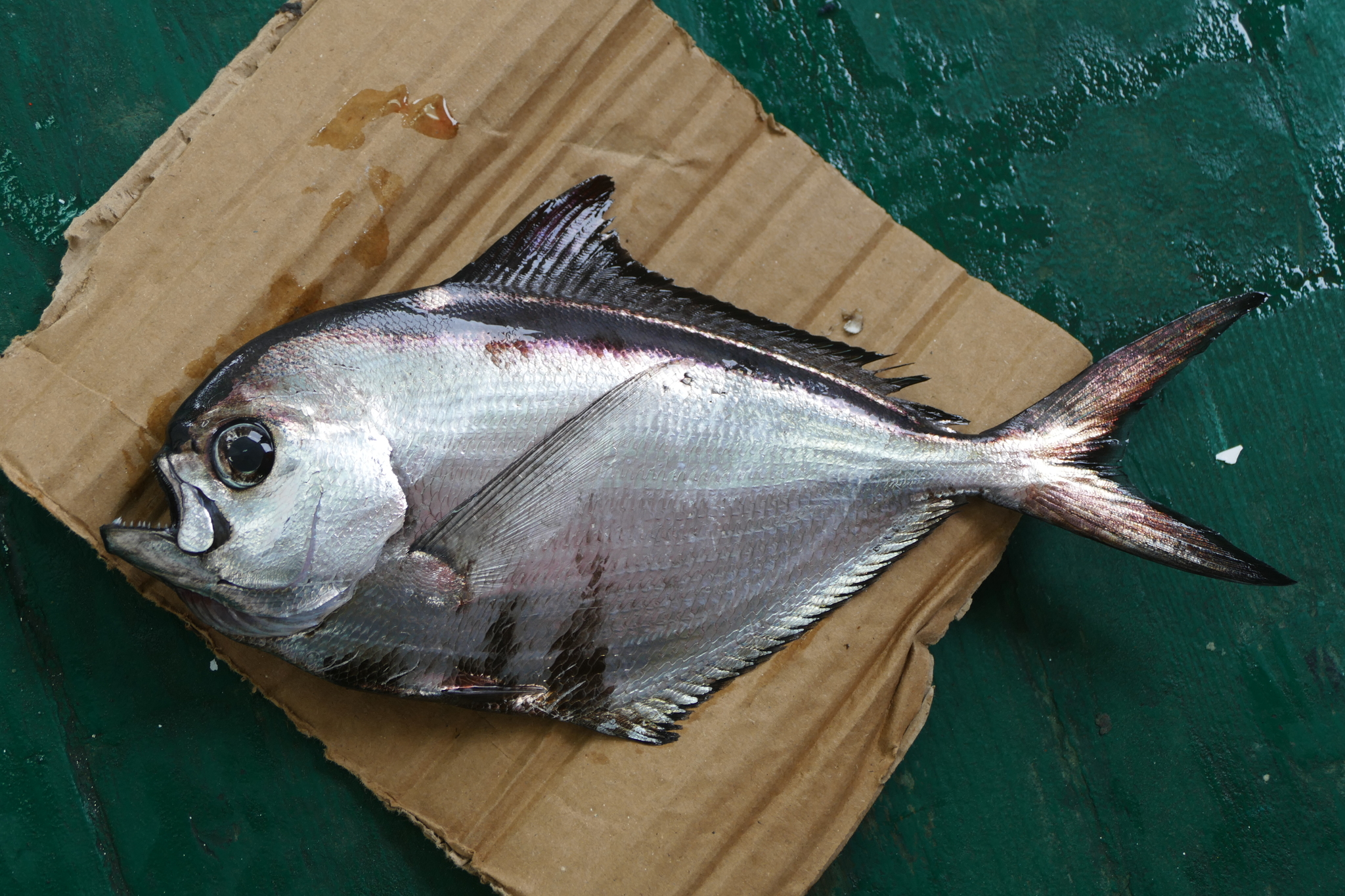
Atlantic pomfret
Brama brama, the Atlantic pomfret, is a deep-bodied, silvery pelagic fish of the family Bramidae. It ranges through the Atlantic, Indian and South Pacific oceans from the surface down to about 1,000 m, usually staying in the upper 200 m, and it is caught both by trolling and as by-catch of tuna and swordfish gear.
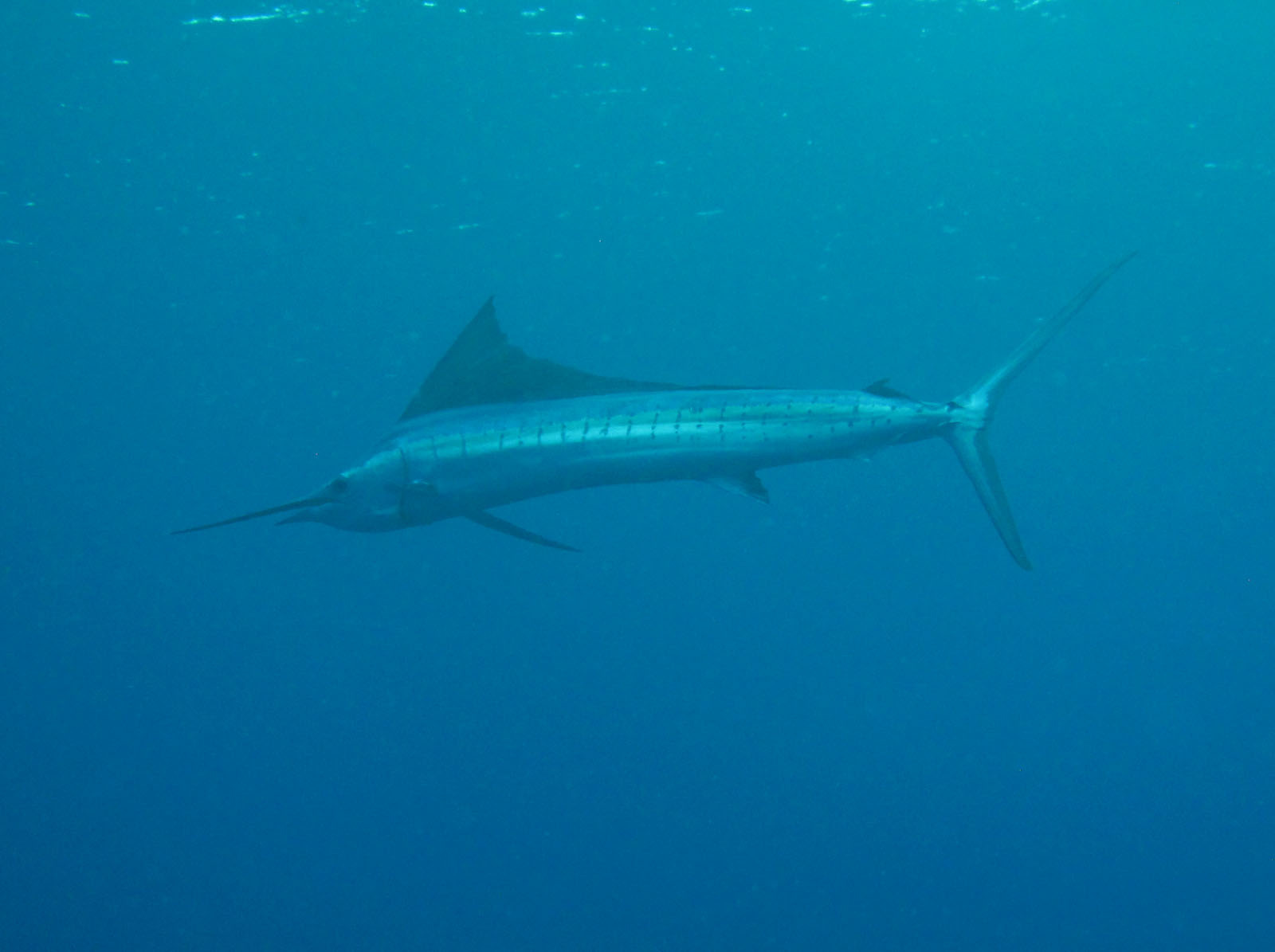
Atlantic sailfish
Atlantic sailfish is a billfish of tropical and temperate Atlantic waters, roughly from 40°N in the northwest and 50°N in the northeast to 40°S in the southwest and 32°S in the southeast. It lives from the surface to 200 m, reaches 315 cm TL and 58.1 kg, can live four years, and feeds on fish. It is present year-round in water of 21 to 28 °C.
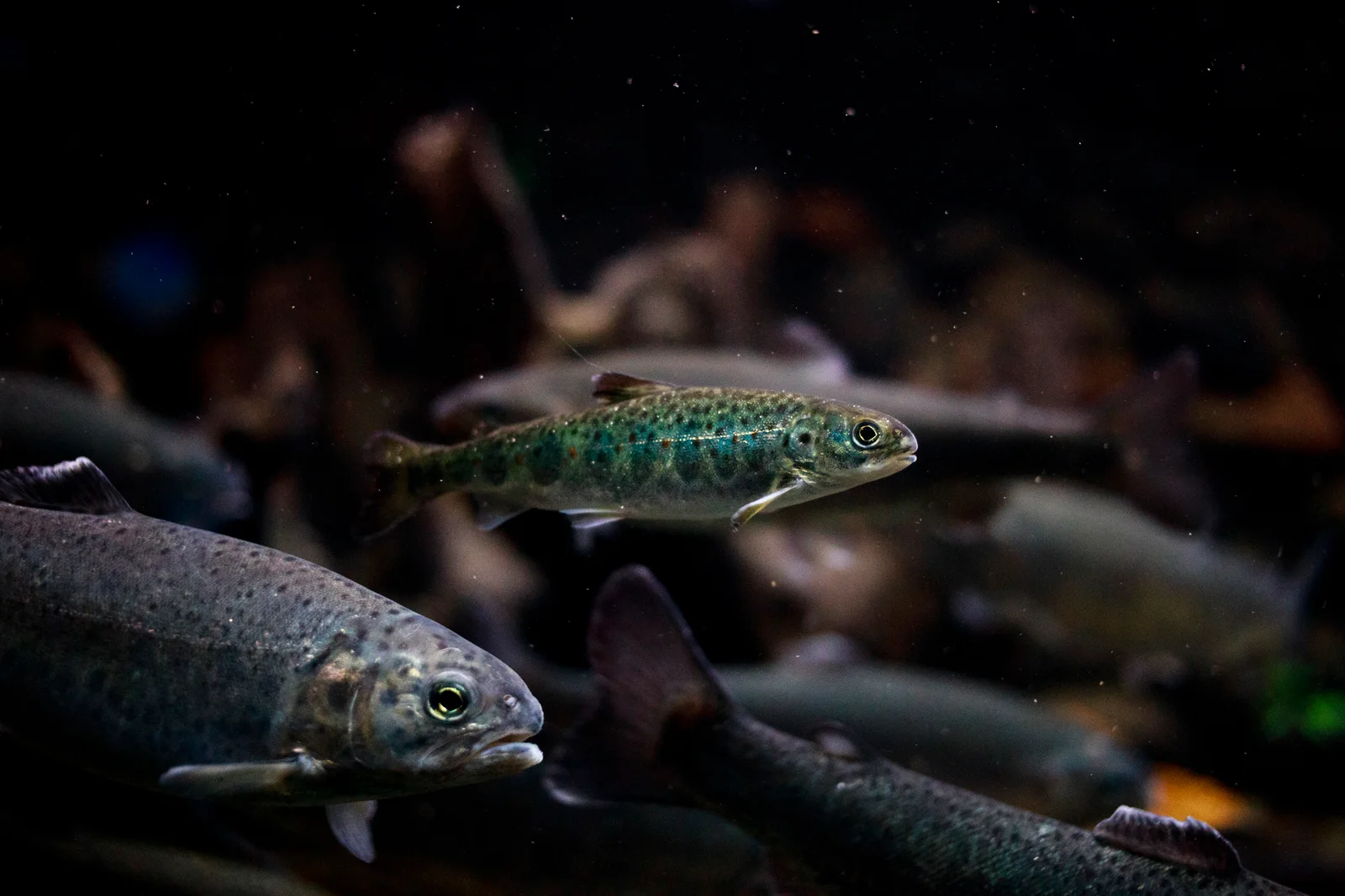
Atlantic salmon
Atlantic salmon is an anadromous salmonid of the North Atlantic, from the temperate and Arctic zones on both sides. It lives from the surface to 210 m in water of 2 to 9 °C, reaches 150 cm TL and 46.8 kg, can live 13 years, and feeds on crustaceans and fish. Trolling or fly fishing is the usual approach, with the season running June to January.
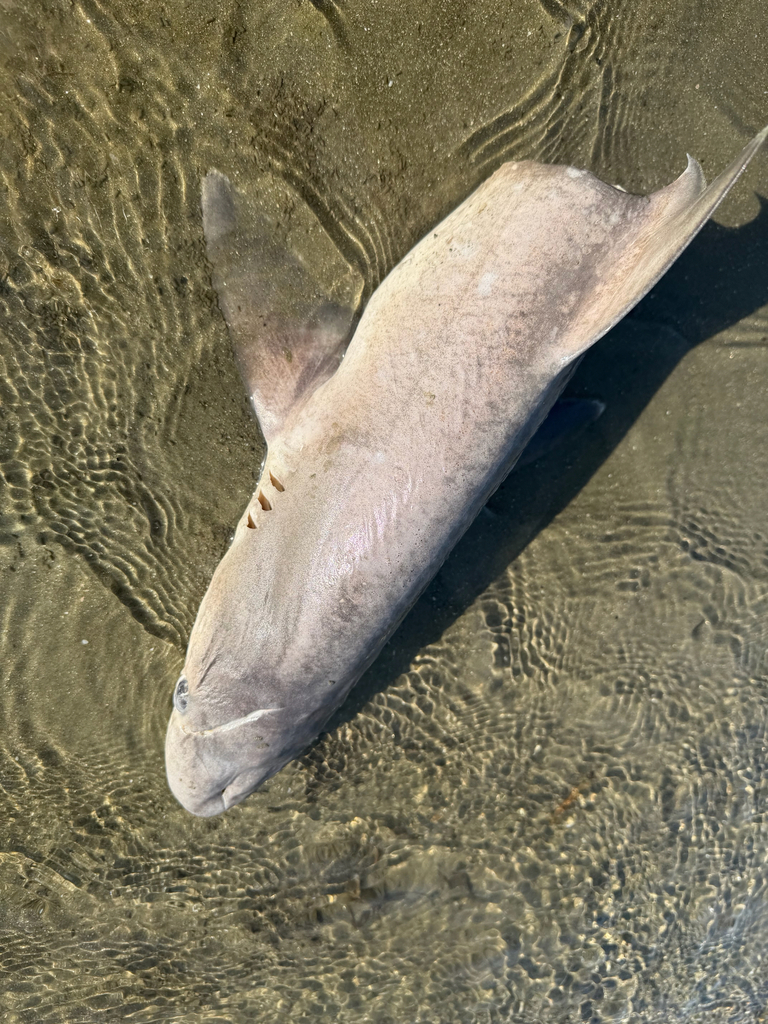
Atlantic sharpnose shark
Atlantic sharpnose shark is a small carcharhinid of the western Atlantic, common at 70 cm and reaching 110 cm and 7.3 kg. It lives from the surf zone to bays and river mouths in 0 to 10 m, mostly, and feeds on small fish, shrimps, crabs and worms. It is viviparous, with 1 to 7 pups.

Atlantic white marlin
This fish carries four English names and two Chinese ones, and no single one names the animal. The record's own range note then adds a second layer of uncertainty: the Atlantic population is classified as "reduced", and it is unclear whether there are two stocks or one. Before any trolling spread is discussed, the names and the stock question have to be separated, because both are labels rather than measurements.

Atlantic wolffish
Three substrate words sit in the habitat row: rocky, sandy and muddy. The diet row contains fishes and echinoderms. Those two lines carry the page's entire case. A fish that crushes urchins and also takes fish, recorded over three bottoms, is not a mid-water hunter. The question is which edge of which bottom to fish, and at what depth.

Australian barracuda
The Australian barracuda is a metre-long predator of southern Australia's cool green water, caught from rocks and from boats. Its identity is settled by geography rather than by stripes or fin counts: if you are south of the range of the other barracudas, this is the one. Fish it with fast-retrieved lures or live bait along current edges.
Australian bass
The Australian bass is a freshwater member of the family Percalatidae, endemic to coastal rivers from Queensland to Victoria and best known as one of eastern Australia's most popular game fish. It is catadromous, moving downstream to estuaries to spawn when flood flows arrive between May and August. No numeric depth is published for the species, so the record gives salinity and flow rather than metres.
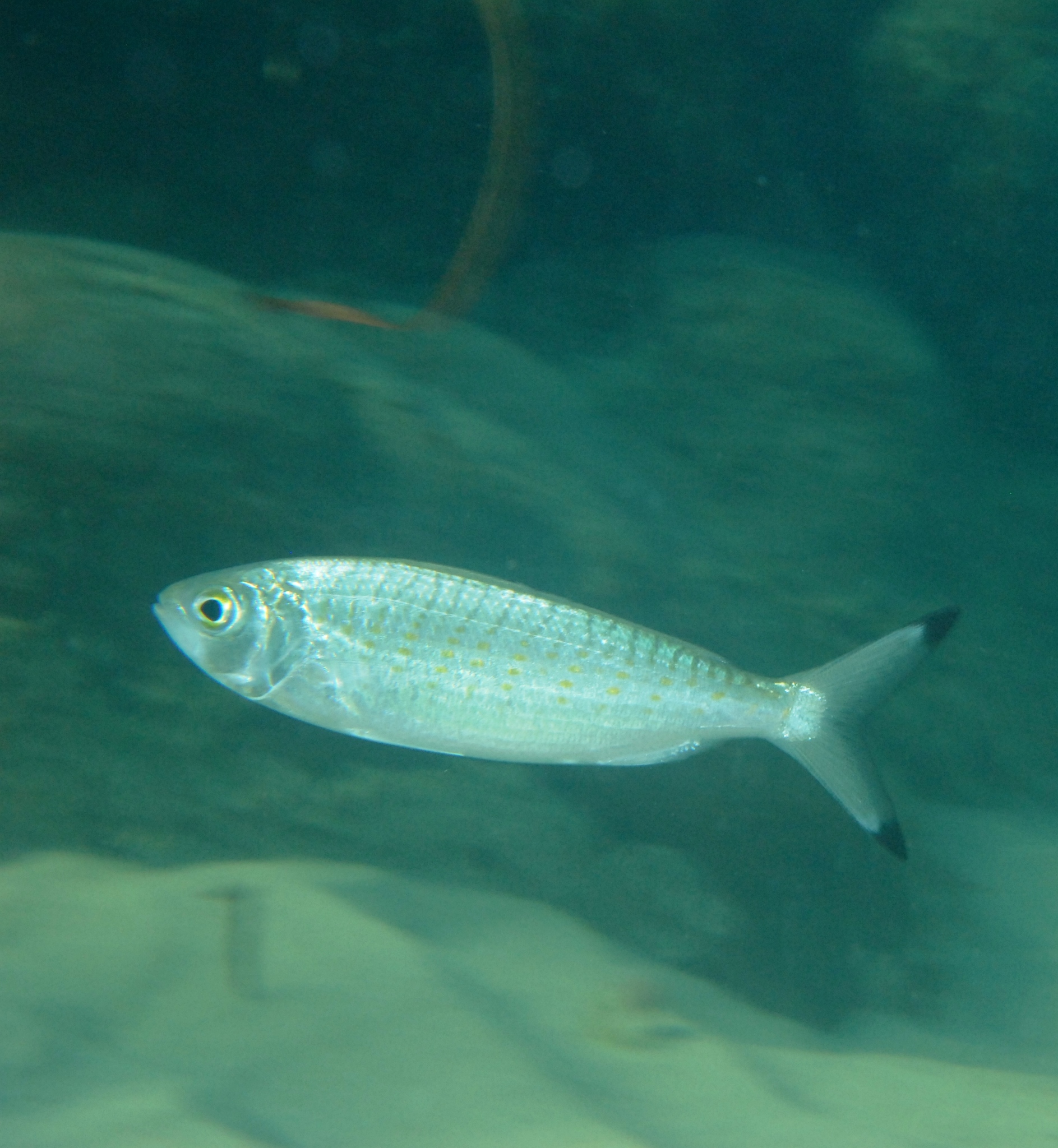
Australian herring
Across the Eastern Indian Ocean and Southwest Pacific, from endemic to the southern coasts of Australia, from Shark Bay to Bass Strait, Tasmania, and east to Forster, New South Wales, Australian herring represents the family Arripidae. It lives in temperate water. Adults run to 41 cm FL and 0.8 kg and prey on fishes and algae. Anglers target it by shore casting or boat fishing. The season runs April to June.

Australian salmon
Australian salmon is recorded across the Southwest Pacific, from southern Australia (including Tasmania, Lord Howe Island and Norfolk Island), usually Brisbane to Western Victoria, rarely to Western Australia, within the family Arripidae. It is caught from 30 to 39 m, in subtropical water. It tops out at 89 cm TL and 9.4 kg, on a diet of crustaceans and fishes. The usual approach is trolling or shore casting. The season runs January to December.

Australian spotted mackerel
Australian spotted mackerel is a member of the family Scombridae and ranges across the Western Pacific, from restricted to the northern coast of Australia, from the Abrolhos Islands region of Western Australia to Coffs Harbor and Kempsey in central New South Wales. It lives shallower than 100 m in tropical water. Fish reach 104 cm FL and 10.2 kg, feeding on fishes. The standard approach is trolling or shore casting. The season runs August to October.
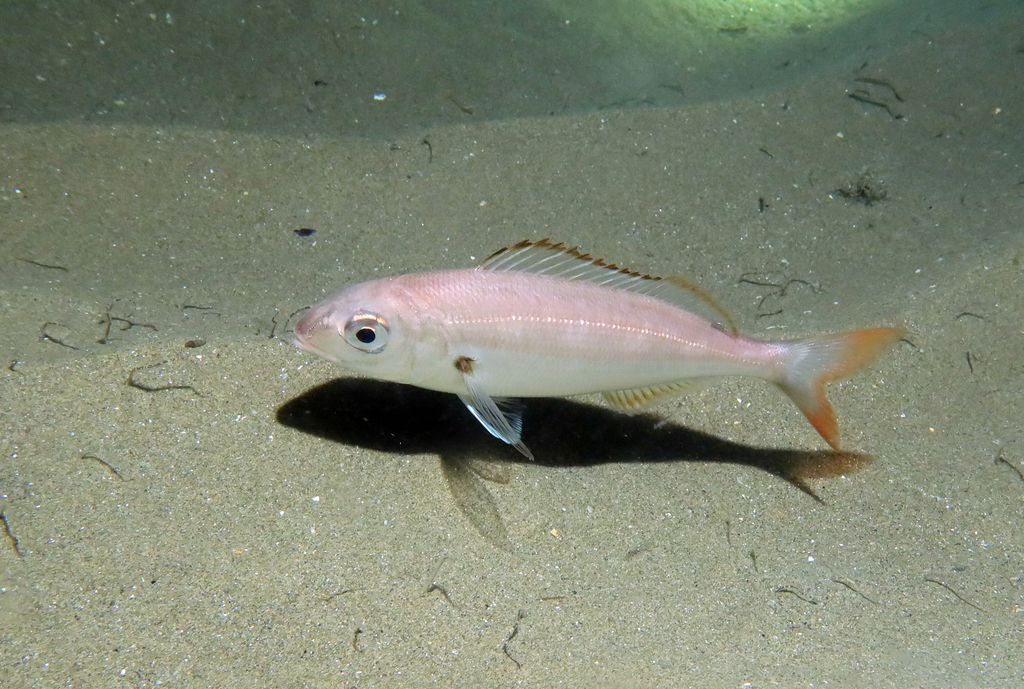
Axillary seabream
Axillary seabream is a sparid of the eastern Atlantic and Mediterranean, from the Bay of Biscay to Senegal, Madeira, the Canaries and Cape Verde. It lives from the surface to 500 m in subtropical water, reaches 36 cm SL, and feeds on crustaceans, fish and worms. It is present year-round.
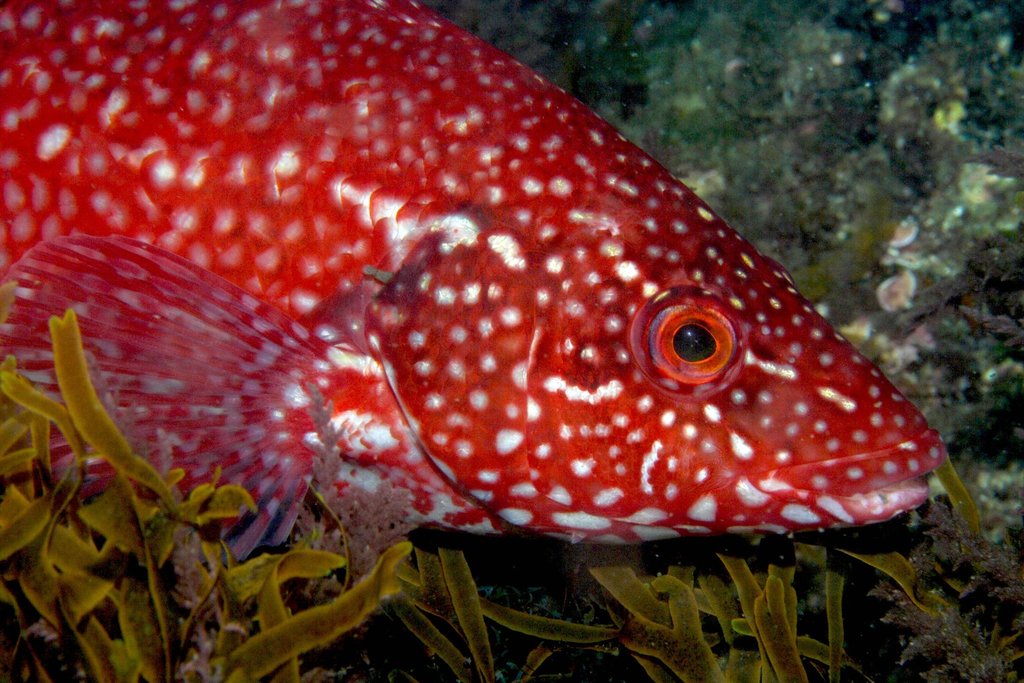
Ballan wrasse
The environment line for the ballan wrasse carries two depth pairs: a range of 1 to 50 m, and an usual band of 2 to 30 m. Both are on the same page, one after the other, and they answer different questions. The first marks the full span on file; the second marks where the fish is normally met. Between those two statements sits most of the confusion about how to fish a rocky coast.
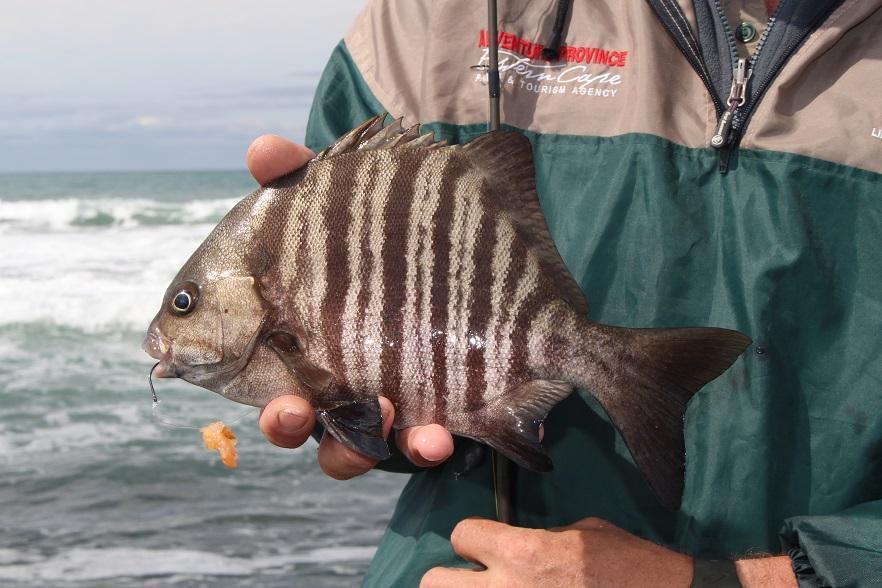
Banded galjoen
Banded galjoen is a dichistiid recorded from Transkei in South Africa to Madagascar and as far south as Still Bay. It has 10 dorsal spines and 21 to 23 soft rays, lives in coastal waters and rivers, and feeds on molluscs and crustaceans. It reaches 35 cm TL with a common length of 20 cm and 1.7 kg, and its flesh is of excellent quality. Surf fishing, light spinning and estuary mouths are the methods listed.
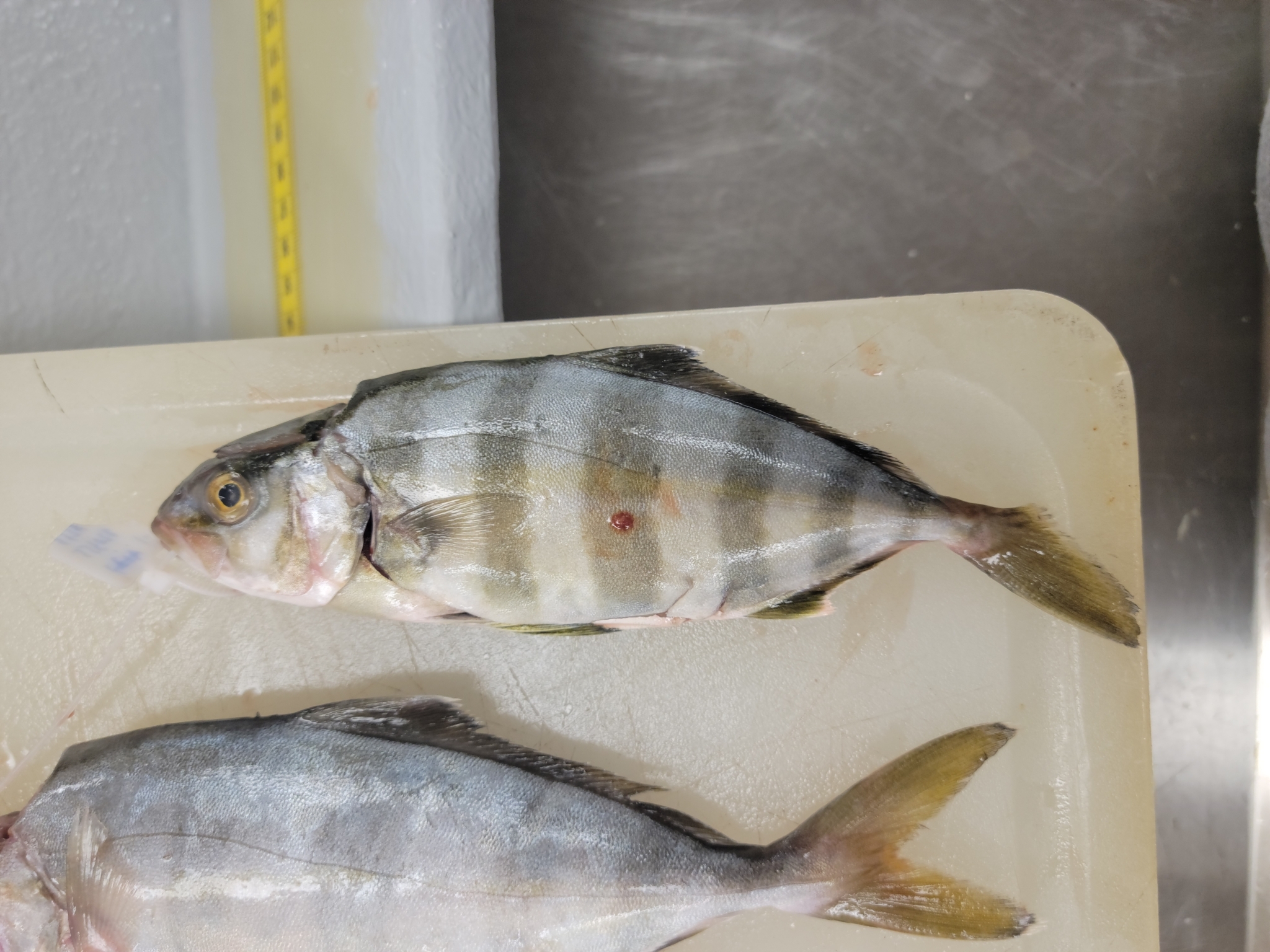
Banded rudderfish
Banded rudderfish is a western Atlantic carangid from Nova Scotia to Brazil, common at 50 cm and reaching 75 cm and 5.2 kg. Juveniles drift with sargassum and debris and carry dark vertical bands; adults live over the continental shelf and feed on fish and shrimp.
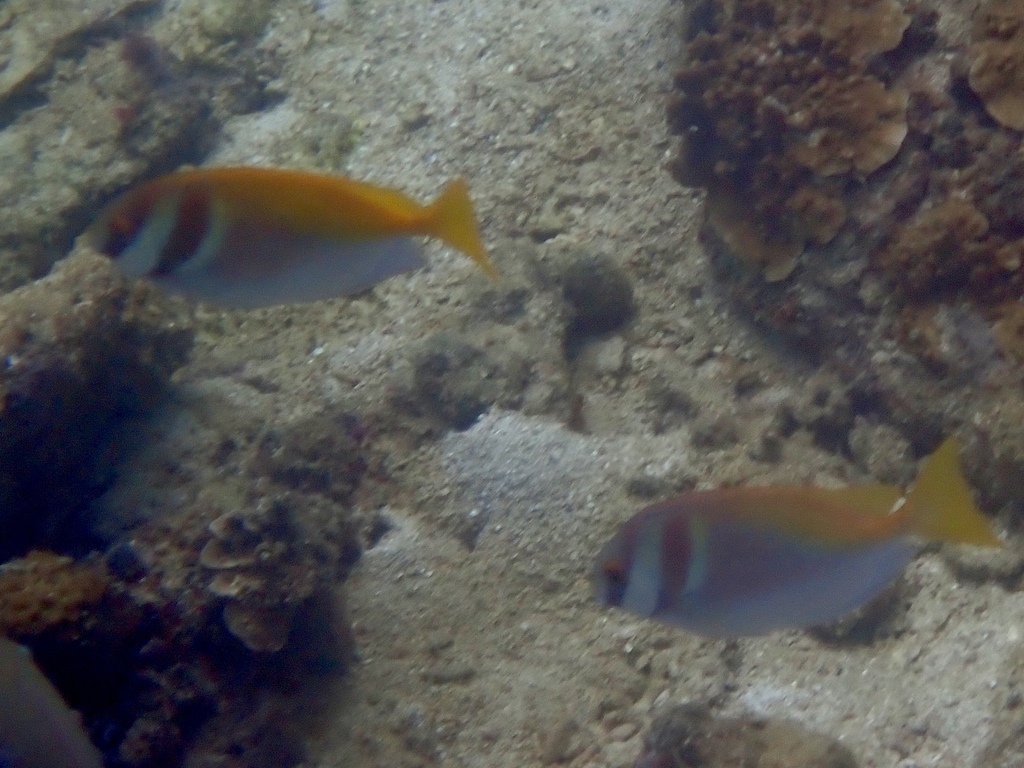
Barhead spinefoot
A reef flat at low tide is a confusing place: dozens of small fish, most of them moving in and out of coral branches. The barhead spinefoot gives you a shortcut. Larger juveniles and adults occur in pairs, not in loose aggregations, on coastal reef flats, slopes and estuaries. Two fish of the same size, side by side, stopping together to graze and then moving on together, is a pattern you can pick out at twenty metres.
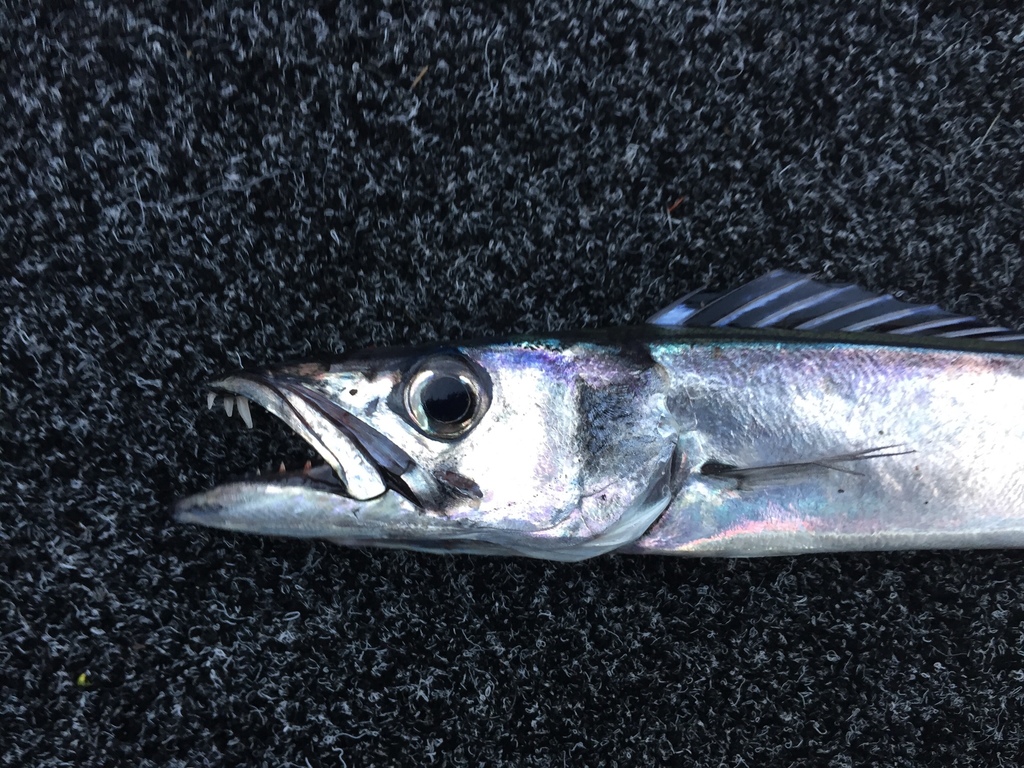
Barracouta
Barracouta is a gempylid of the southwest Atlantic and southern oceans, from Uruguay, Argentina and Tierra del Fuego to South Africa, Australia and New Zealand. It lives from the surface to 550 m in water of 13 to 18 °C, reaches 200 cm SL, can live 10 years, and feeds on crustaceans, fish and molluscs. Trolling or boat fishing is the usual approach, and it is present year-round.

Barramundi
Barramundi is recorded across the Indo-West Pacific, from eastern edge of the Persian Gulf to China, Taiwan and southern Japan, southward to southern Papua New Guinea and northern Australia, within the family Latidae. It tops out at 200 cm TL and 60 kg, on a diet of crustaceans and fishes. The standard approach is lure fishing or shore casting. It is present year-round.
No fish match this water on this page. Clear the filter or choose another habitat.