
Spot in United States — Virginia: No minimum size · 50 fish per person per day — Virginia marine waters.
SPOT Minimum Size Limit: None Possession Limit: 50 per person; additional 50 live bait per customer capacity on for-hire or charter vessels
Quoted from Virginia's Recreational Fishing Regulations For Marine Waters
Regulation guide
Official sourcesHow spot is managed
Spot (Leiostomus xanthurus) is a small sciaenid drum managed coastwide through the Atlantic States Marine Fisheries Commission. The Commission's 2011 Omnibus Amendment covers spot, spotted seatrout and Spanish mackerel, and Addendum III, approved in 2020, revised the trigger mechanism and management responses for the recreational and commercial fisheries.
Spot is managed interstate rather than under a federal fishery management plan. North Carolina's limits table points readers to the Commission's spot page, and the operative size and bag numbers are state rules that implement the coastwide measure.
North Carolina and Virginia both set a spot rule, and both land on the same figure: no minimum size and 50 fish per person per day.
Source: ASMFC: Spot · NC DEQ Division of Marine Fisheries: Recreational Size and Bag Limits
North Carolina: no minimum size, 50 fish a day
North Carolina lists spot with no minimum length and a bag limit of 50 fish per person per day in coastal and joint fishing waters.
The entry carries no slot and no upper size, so the only numerical rule to apply on the water is the count. There is no size measurement to take before a fish goes in the box.
The state's limits page describes the restrictions as applying to fish taken for recreational purposes and including hook and line.
Source: NC DEQ Division of Marine Fisheries: Recreational Size and Bag Limits
Virginia: no minimum size, 50 fish a day
Virginia's spot chapter makes it unlawful for any person fishing recreationally with any gear type to harvest or possess more than 50 spot per day. The chapter sets no minimum size for the species.
On a recreational vessel, the possession limit is the number of people on board who are legally eligible to fish multiplied by 50, and the vessel operator is responsible for meeting it.
The regulation is written as a daily harvest and possession limit, so it covers fish in the cooler as well as fish taken that day.
Source: 4VAC20-1380-30: Recreational harvest limit (Virginia)
Why both states use 50
The 50-fish figure comes from the Commission's coastwide process rather than from either state legislature. In 2020 the traffic light analysis triggered management action because of significant declines in harvest in the Mid-Atlantic and South Atlantic regions.
Addendum III required non-de minimis states to implement a 50-fish per person per day recreational bag limit, along with a 1 percent reduction in commercial harvest from the state's 10-year average. State implementation plans were approved in early 2021 and the measures were in place by the end of that year.
When the analyses were updated with data through 2024, the Board agreed with its Technical Committee to maintain the current spot measures. The 50-fish limit is therefore a standing interstate measure, not a one-year response.
Source: ASMFC: Spot
Licences and reporting
North Carolina requires a Coastal Recreational Fishing License to fish recreationally in coastal waters. Spot is not on the state's mandatory harvest reporting list, which covers flounder, striped bass, spotted seatrout, weakfish and red drum.
Virginia requires a saltwater recreational fishing license to take fish in tidal waters under the commission's jurisdiction, with the exemptions listed in § 28.2-302.5.
Because spot carries no minimum size in either state, an angler does not need a measuring board for the species, but still needs the licence and still needs to respect the 50-fish count.
Source: NC DEQ Division of Marine Fisheries: Recreational Size and Bag Limits · NC DEQ: State reminds recreational fishermen to report flounder harvest · Code of Virginia § 28.2-302.1: Recreational license required
Handling and possession
North Carolina bars possessing fish that are subject to limits aboard a vessel or while fishing without the head and tail attached, apart from narrow bait exceptions in 15A NCAC 3M .0101. For spot, that means the 50-fish count should be made on whole fish.
Virginia's limit applies to harvest and possession, so fish that have been cleaned still count against the 50. Cleaning does not reset the count.
Both states apply the limit per person, with Virginia multiplying it by the number of eligible anglers when the catch is pooled on a vessel.
Source: NC DEQ Division of Marine Fisheries: Recreational Size and Bag Limits · 4VAC20-1380-30: Recreational harvest limit (Virginia)
What to check before keeping spot
Confirm the state you are fishing and the count that applies: 50 per person per day in both North Carolina and Virginia, multiplied by eligible anglers where Virginia's vessel rule applies.
There is no size to check, so the count is the whole rule. Keep a running total rather than counting at the dock, because the limit is a per-person figure that a pooled catch can quickly exceed.
Carry the licence for the state you are in, and keep the fish whole aboard in North Carolina until the trip ends.
Source: NC DEQ Division of Marine Fisheries: Recreational Size and Bag Limits · 4VAC20-1380-30: Recreational harvest limit (Virginia)
Official pages: NC DEQ Division of Marine Fisheries: Recreational Size and Bag Limits · Virginia Marine Resources Commission: 4VAC20-1380 (Spot) · ASMFC: Spot
Spot regulations at a glance
2 jurisdictions| Jurisdiction | Area | Size | Bag | Season / closure | Closed area | Other |
|---|---|---|---|---|---|---|
| United States — North Carolina | North Carolina coastal and joint waters | — | No minimum size · 50 fish per person per day | — | — | — |
| United States — Virginia | Virginia marine waters | — | No minimum size · 50 fish per person per day | — | — | — |
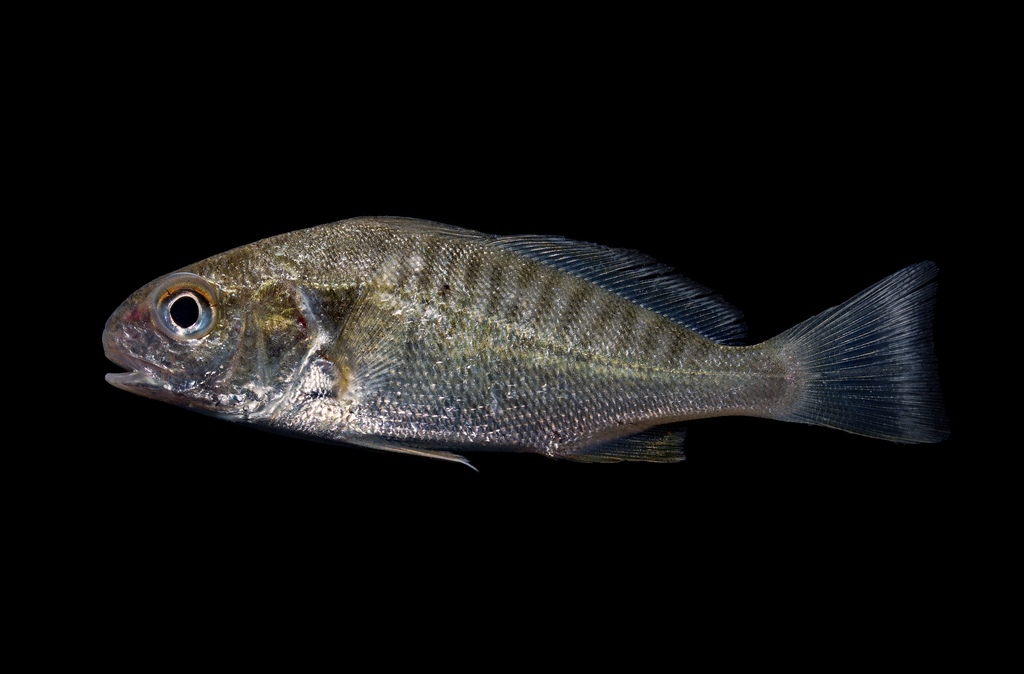
Spot
Leiostomus xanthurus · Sciaenidae
Spot, a member of the family Sciaenidae, is found across the Western Atlantic, from Massachusetts to northern Mexico. Its depth range is shallower than 60 m, in subtropical seas. It grows to 36 cm TL and 0.45 kg, with a diet of crustaceans, worms and detritus. The usual approach is boat bottom fishing or shore casting. The season runs January to December.
- Family
- Sciaenidae
- Max length
- 36 cm TL
- Max weight
- 0.45 kg
- Max age
- 4 years
- Depth
- ≤ 60 m
- IUCN
- LC
- Climate
- Subtropical
- Diet
- crustaceans, worms, detritus
Spot (Leiostomus xanthurus) is a fish of the family Sciaenidae. FishBase gives its range as: Western Atlantic: Massachusetts to northern Mexico; absent in southern Florida. It is recorded shallower than 60 m, in subtropical water. The recorded maxima are 36 cm TL, 0.45 kg, 4 years. Common length is recorded at 25 cm. Diet includes crustaceans, worms and detritus. IUCN status: Least Concern (LC). Chinese name: .
Techniques
- Boat bottom fishing —
- Shore casting —
Seasonality
Other US-VA regulations
Same jurisdictionBefore you keep a fish
- Read the recorded value. It is copied from the notice; if the number and the notice disagree, the notice wins.
- Check the area. Federal, state and local waters can set different limits for the same fish.
- Check the date. Seasons, quotas and closures change; confirm the current notice before you go.
Common questions
- What is the bag limit for Spot in United States — Virginia?
- No minimum size · 50 fish per person per day
- Where does this regulation apply?
- Virginia marine waters
- When was it checked?
- 2026-11-18, against Virginia's Recreational Fishing Regulations For Marine Waters.
- Do other jurisdictions set different limits?
- Yes. This register lists 2 jurisdictions for Spot; compare them in the table above.