
Peruvian corvina
The Peruvian corvina reaches 92 cm TL, is the only species in its genus, and is a fish that South American markets treat as a prime table fish. The record is also thin in a specific way: no weight, no depth, no maturity length, no age.
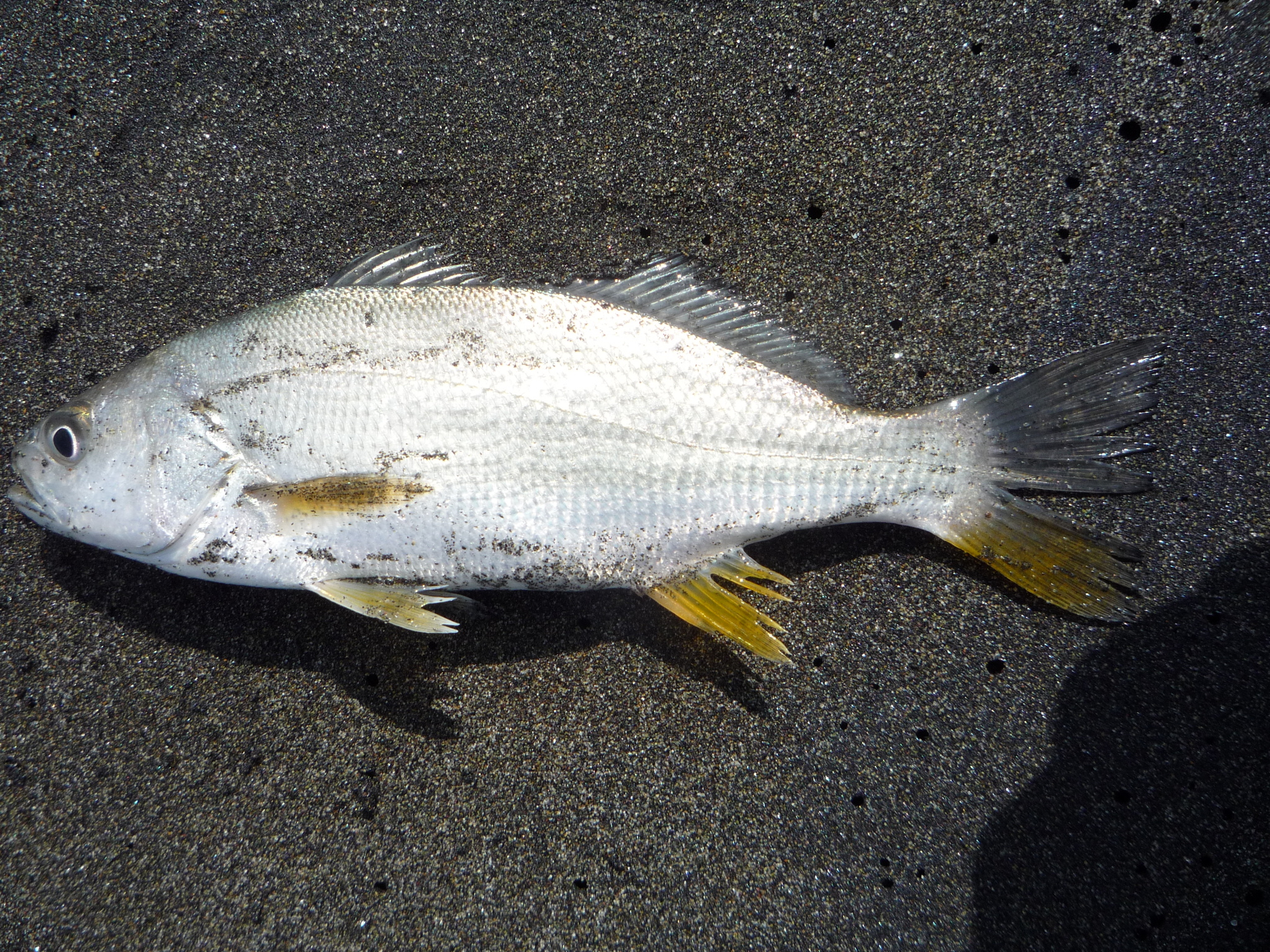
The Peruvian corvina reaches 92 cm TL, is the only species in its genus, and is a fish that South American markets treat as a prime table fish. The record is also thin in a specific way: no weight, no depth, no maturity length, no age.
92 cm, and no weight beside it
The maximum published length is 92.0 cm TL. No maximum weight, no common length, no maturity length and no maximum age are given. A 92 cm sciaenid is a heavy fish in practice, but the page publishes no figure, so this account does not invent one.
The absence matters for tackle and for release. Without a weight, drag settings cannot be scaled from a published maximum; without a maturity length, there is no biological release line. Both gaps are left open here rather than filled with an estimate.
The page gives no depth at all
The environment line reads "marine; demersal" and stops there on depth. The climate is tropical and the coordinates run from 6°S to 37°S and 80°W to 70°W. That band covers the Peruvian and Chilean coast, which matches the distribution statement.
The terrain fields are sandy bottom, shelf and coastal. Those three words are the only habitat information on the page, and they place the fish on soft continental-shelf ground rather than on reef. Because no depth is published, a boat plan cannot be tied to a metre band.
5,200 of 5,217 records are Chilean
FishBase gives the range as Peru and Chile. GBIF holds 5,217 occurrence records: 5,200 from Chile, 14 from Peru, and 1 from Italy. The Chilean block is effectively the whole dataset, and the Peruvian count is small enough to be a sampling artefact rather than a range statement.
The Italian record is a single point far outside the range and should not be read as a population. iNaturalist carries 30 observations. For a fish described as highly prized, that is a gap between landings and public records, not evidence of rarity.
A monospecific genus built around a food fish
Wikipedia describes Cilus as a monospecific genus whose only species is Cilus gilberti, and calls the corvina highly prized in South America as a food fish. FishBase's biology note says the same thing in one line: "regarded as a prime table fish in South America."
The diet keyword is fishes. The page does not publish a length-frequency, a diet study or a feeding depth, so the diet line is a category, not a description of how the fish hunts.
Boat first, shore and troll second
Boat bottom fishing is the mainstream method, with shore casting and trolling as secondary. The terrain is sandy bottom, shelf and coastal, which fits a demersal fish over soft ground.
Trolling is listed despite a demersal habitat description, and the page does not explain the inconsistency. Shore casting is also listed, and it can only reach the shallow edge of a shelf range whose depth is unpublished. The methods list is a set of recorded approaches, not a ranked guide.
The missing depth figure also means no bait or lure weight can be tied to a tested band. The only repeatable instruction is to follow the shelf contour and record the depth at which a fish is hooked.
No spawning months, and a Data Deficient rating
The page publishes no spawning months for Cilus gilberti. The conservation entry is Data Deficient, assessed on 21 February 2020. Neither CITES nor CMS has evaluated the species, and it is listed as harmless to humans.
Data Deficient means the assessment could not be completed, not that the stock is healthy. For a fish with a commercial fishery and a high market value, that is a real gap. It is also the reason no closed month can be read out of this page.
The rating is dated 21 February 2020. Recency does not make Data Deficient more informative; it only means the gap is a current one.
Cleaning a fish with no published weight
Human uses record a commercial fishery, and no aquaculture, gamefish or aquarium use. The biology note calls it a prime table fish, which is the only quality statement on the page.
Handling advice has to stay general: bleed and ice the fish, keep it out of the sun, and avoid dragging a 92 cm body over abrasive ground. There is no published weight to size a cool box by, so measure the fish and plan from the measured length.
Chile and Peru regulate it separately
Chile: SUBPESCA sets the recreational rules and SERNAPESCA enforces them; a recreational licence is required, and daily limits, minimum sizes and closed seasons apply. Marine protected areas include AMCP-MU sites and Parque and Reserva Marina designations, where the rules differ.
Peru: PRODUCE sets the fisheries rules and IMARPE provides the scientific assessment; management relies on minimum sizes, closed seasons and area measures, and artisanal pressure is heavy. SERNANP reserves such as Paracas and San Fernando bar recreational fishing inside their boundaries.
No bag number, minimum size or closed-season date is given here. Check the current rule in the country where you fish, and check the protected-area map separately.
Where these facts come from
Check these pages before you rely on a size, range or protection status.
- FishBase — Cilus gilberti — FishBase · T2
- GBIF — Cilus gilberti occurrence records — GBIF · T2
- IUCN Red List — Cilus gilberti — IUCN · T1
- Photo record — iNaturalist — iNaturalist · T3
Fish in the same water
These fish live in the same place.

Acoupa weakfish
- Family
- Sciaenidae
- Depth
- 1–20 m
- Season
- Jan, Feb, Mar, Apr, May, Jun, Jul, Aug, Sep, Oct, Nov, Dec
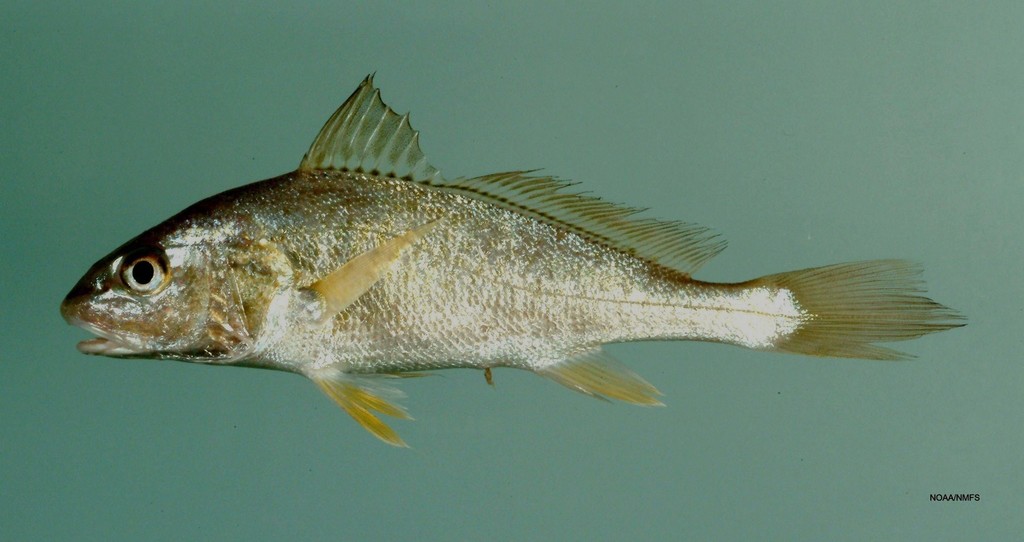
Atlantic croaker
- Family
- Sciaenidae
- Depth
- ≤ 100 m
- Season
- Jan, Feb, Mar, Apr, May, Jun, Jul, Aug, Sep, Oct, Nov, Dec
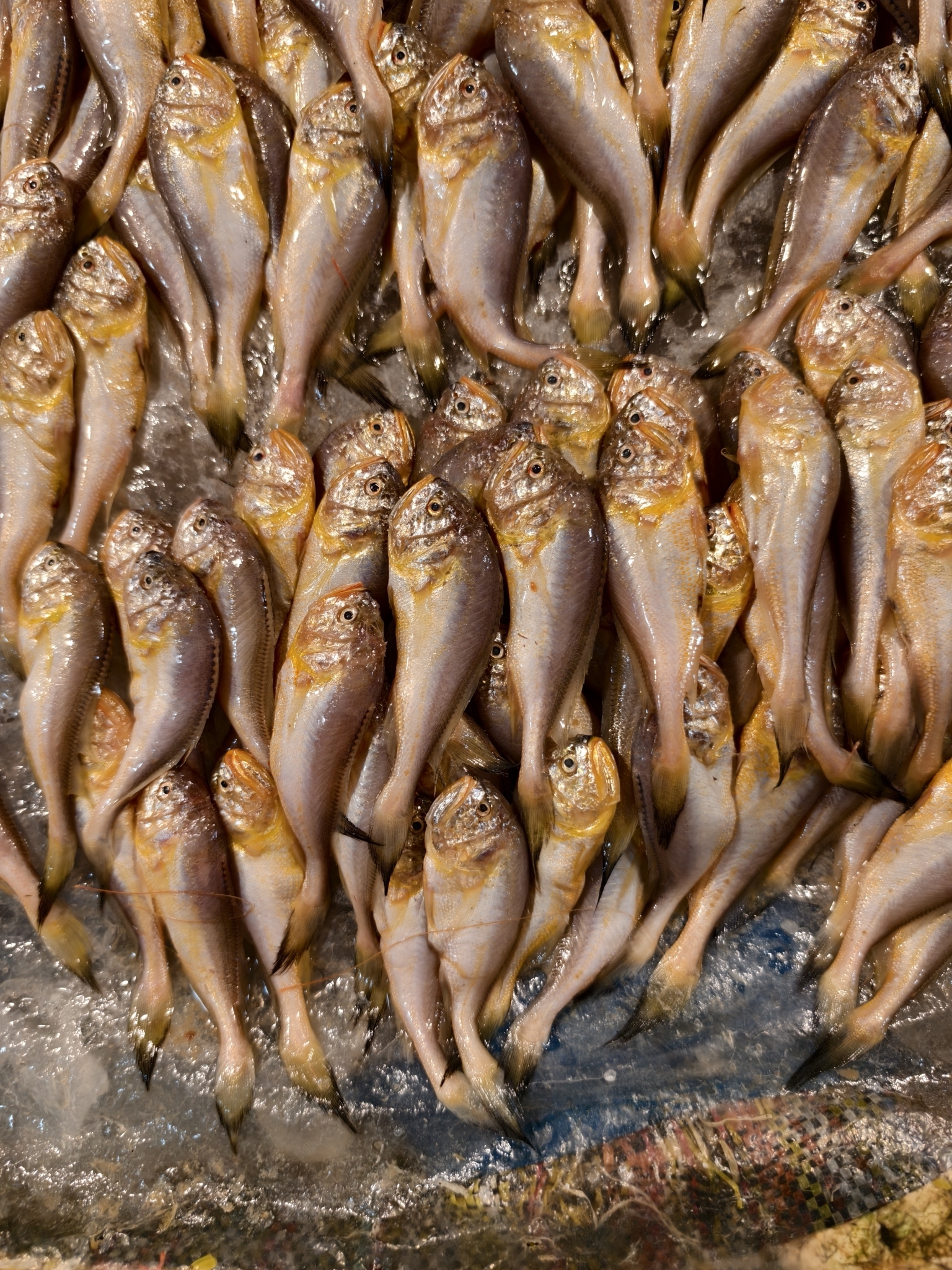
Bighead croaker
- Family
- Sciaenidae
- Depth
- ≤ 90 m
- Season
- Jan, Mar, Apr, May, Jun, Jul, Aug, Sep, Oct, Nov, Dec
Guides for this water
Technique, gear and safety guides that fit Peruvian corvina.