
Cortez halibut
FishBase's identification field for this species is empty. What the record does give is a size: 58.3 cm maximum and 45 cm common. That absence shapes how the fish should be handled. Identify by provenance first — Baja California and the Gulf of California — and then by the characters the record does not describe.
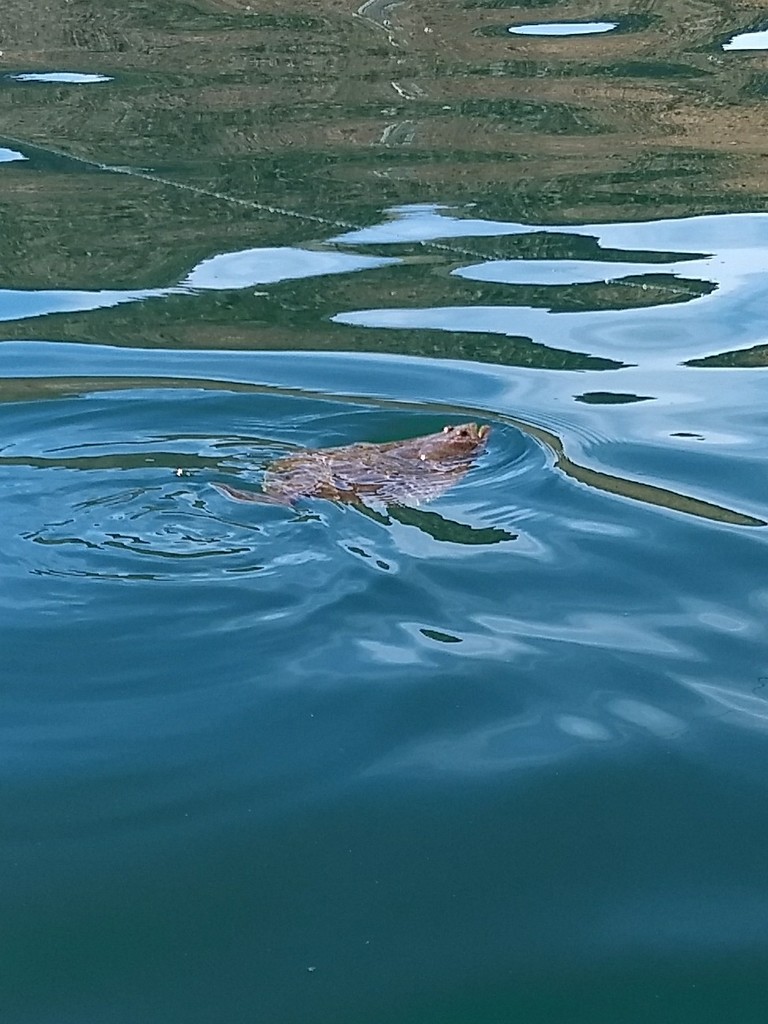
FishBase's identification field for this species is empty. What the record does give is a size: 58.3 cm maximum and 45 cm common. That absence shapes how the fish should be handled. Identify by provenance first — Baja California and the Gulf of California — and then by the characters the record does not describe. Photograph the eyed side, the tail outline and any markings before the fish goes into the box; a picture is the only way to add to what is known. The family, large-tooth flounders, is on the record even where the species description is not. There is no fin formula, no lateral-line description and no colour note, which means everything recorded in the field is new information. Treat the fish as a sample rather than as something to check against a description.
Soft bottom, shallow water, one coast
The range is the eastern central Pacific: Baja California, Mexico, and the Gulf of California. The coordinate span, 32°N to 24°N, is the peninsula and the gulf rather than an ocean. The country table contains Mexico alone. Depth is recorded only as an upper bound of 44 m, with no lower figure, over soft bottoms running from estuaries outward. The species is listed as both marine and brackish, which fits a flatfish that sits in river mouths as well as in the open gulf. iNaturalist contributes 13 observations and the GBIF entry totals nothing on its species page, so both platforms are thin on this fish. The coordinates are given as latitude only, with no longitude, which is a reminder that the entry draws its line east to west very loosely and puts gulf and outer coast in the same box.
No spawning months, so work the water
The record gives no spawning period, no temperature range and no maturity length. The climate is listed as subtropical, and the latitude band is narrow, so the season is a local question: gulf water warms and cools on its own schedule, and the shallow flats at the head of the gulf behave differently from the outer Baja coast. Lacking a calendar, plan around conditions — clean water, moderate current, a settled forecast — and treat a run of several fish as information about a patch rather than about a month.
Drift, drag, and a soft take
A drifting boat beats an anchored one: the bait needs to travel over sand and mud, and the fish sits buried rather than cruising. A fish-finder rig with cut bait, let out until it touches bottom and then dragged slowly, is the standard. From the beach, cast beyond the shorebreak and retrieve along the bottom at the same pace. The take is often felt as weight rather than as a knock, so lift the rod into the fish instead of striking at every bump. On falling water, work the edges of channels and the lips of sand bars, where a flatfish can sit with the current carrying food past it. Wind sets the drift speed and the angler only sets the direction: shorten the release when the boat moves fast, lengthen it when the wind drops, and keep the bait travelling rather than being towed in a straight line.
Gear for sand, not rock
At 58.3 cm the fish does not demand heavy tackle, and soft bottom does not demand abrasion resistance. A light bottom rod, a simple running rig and a leader long enough to let the bait move are sufficient. Weight is set by drift speed: enough to stay in contact, not enough to anchor the bait. A sounder that marks where sand and mud replace rock is worth more than a reel with a bigger spool. Because the fish is often hooked close to the boat, keep the drag light and the net ready; a flatfish at the surface turns broadside and is easily lost at the rim. A flat sinker rolls less than a round one and lets the bait keep a little movement after it reaches the bottom.
Eaten fresh, under the same federal rules
The record notes that the catch is utilized fresh. The federal framework, NOM-017-PESC-1994 as revised in 2013, allows ten fish a day and five of any one species; on a boat every person 12 and over needs a licence, from shore no licence is needed but the same limit applies, and selling the catch is prohibited. Baja California issues state permits with 2024 reference prices from 188 pesos for a day to 941 for a year, and Baja California Sur issues its own through FONMAR. Boats carrying tackle need a permit for every person on board, and protected areas require a park pass on top.
A file with more gaps than facts
This is the thinnest entry of the group. There is no identification text, no weight, no age, no maturity length, and no IUCN assessment in the FishBase record. GBIF and iNaturalist contribute a species page and 13 observations, enough to confirm presence and not enough to describe distribution. The regulations are federal and state, not species-specific. The most useful thing an angler can do with this fish is record it properly: place, depth, bottom type, and a clear photograph of the eyed side.
How to catch it
Boat fishing
Fished with the listed approach, matched to the recorded depth and size.
Boat fishing
Fished with the listed approach, matched to the recorded depth and size.
Where these facts come from
Check these pages before you rely on a size, range or protection status.
- FishBase — Paralichthys aestuarius — FishBase · T2
- GBIF — Paralichthys aestuarius occurrence records — GBIF · T2
- IUCN Red List — Paralichthys aestuarius — IUCN · T1
- Photo record — iNaturalist — iNaturalist · T3
Fish in the same water
These fish live in the same place.
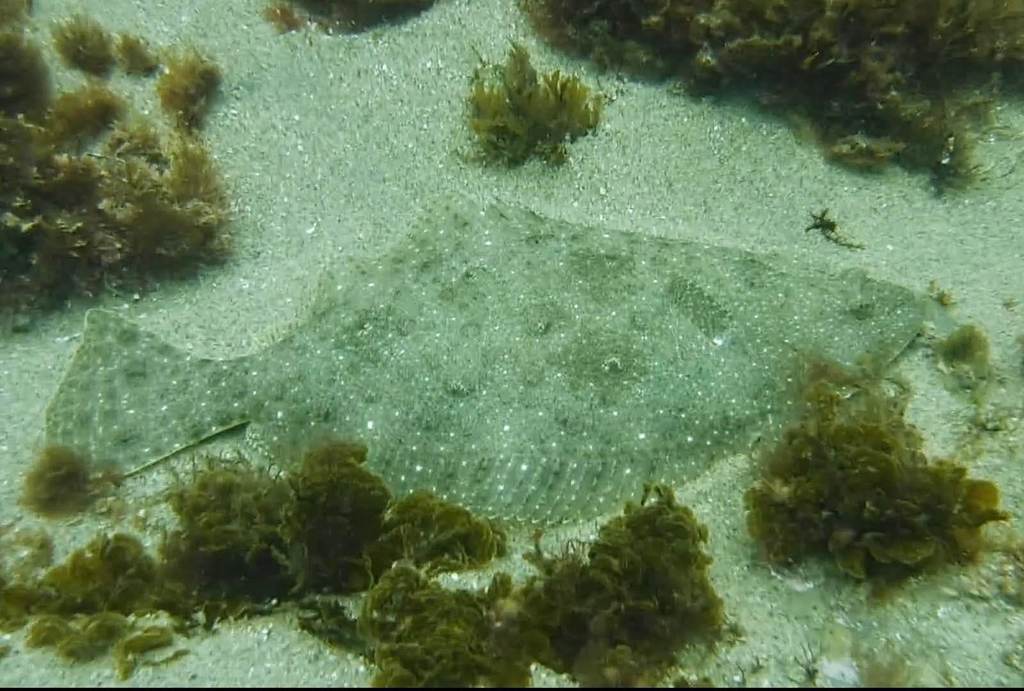
California halibut
- Family
- Paralichthyidae
- Depth
- 0–183 m
- Season
- Apr, May, Jun, Jul, Aug, Sep

Olive flounder
- Family
- Paralichthyidae
- Depth
- 10–200 m
- Season
- Feb, Mar, Apr, Jun, Jul
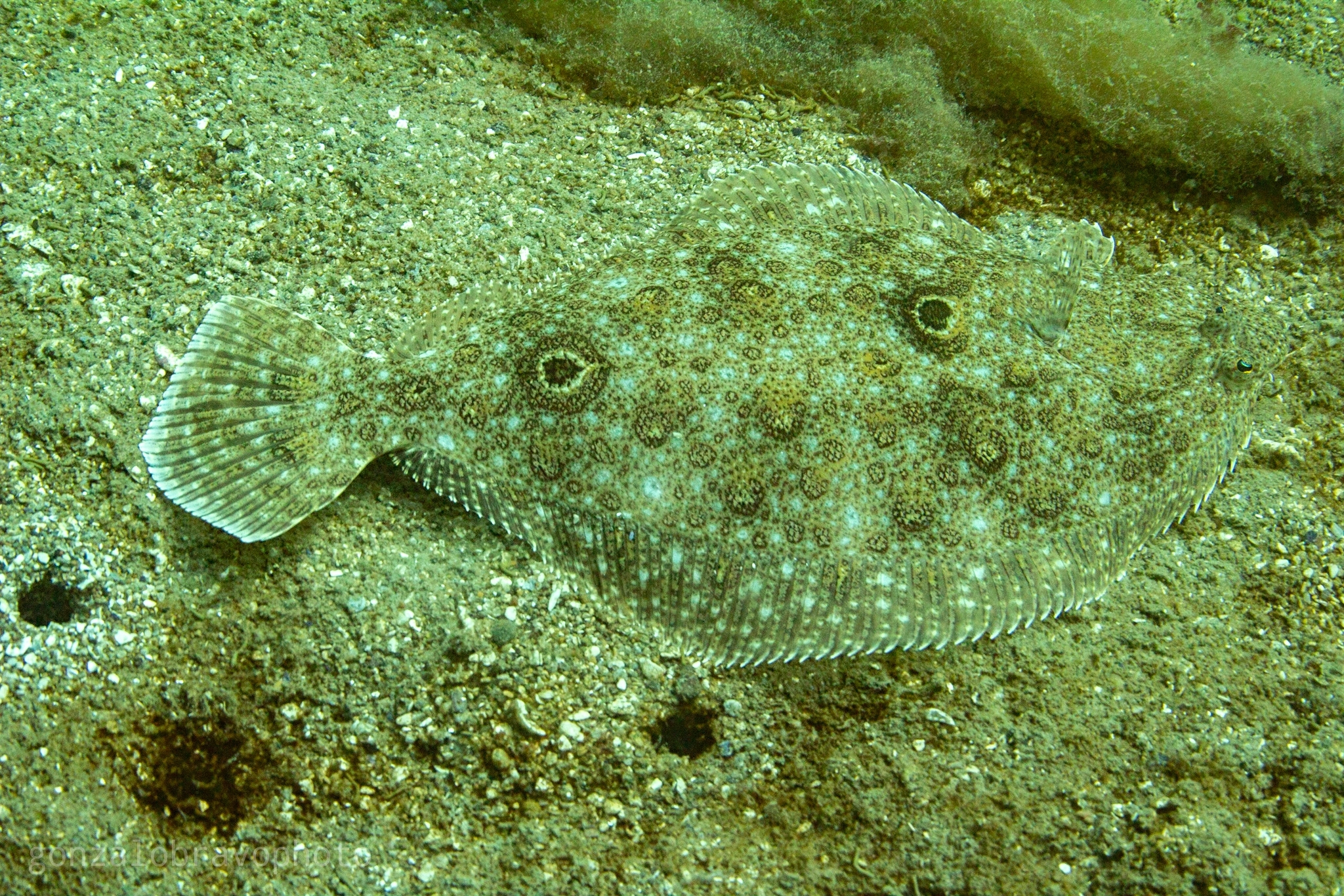
Patagonian flounder
- Family
- Paralichthyidae
- Depth
- 6–200 m
Guides for this water
Technique, gear and safety guides that fit Cortez halibut.