
Lorna drum
The lorna drum is a 46 cm sciaenid with a 23.9 cm maturity estimate, no published weight and no published depth. FishBase gives its range as "South America" and lists Ecuador and Peru; Wikipedia extends it to Chile; GBIF holds 1,979 Chilean records against 44 Peruvian ones. This account's editorial region is Peru.
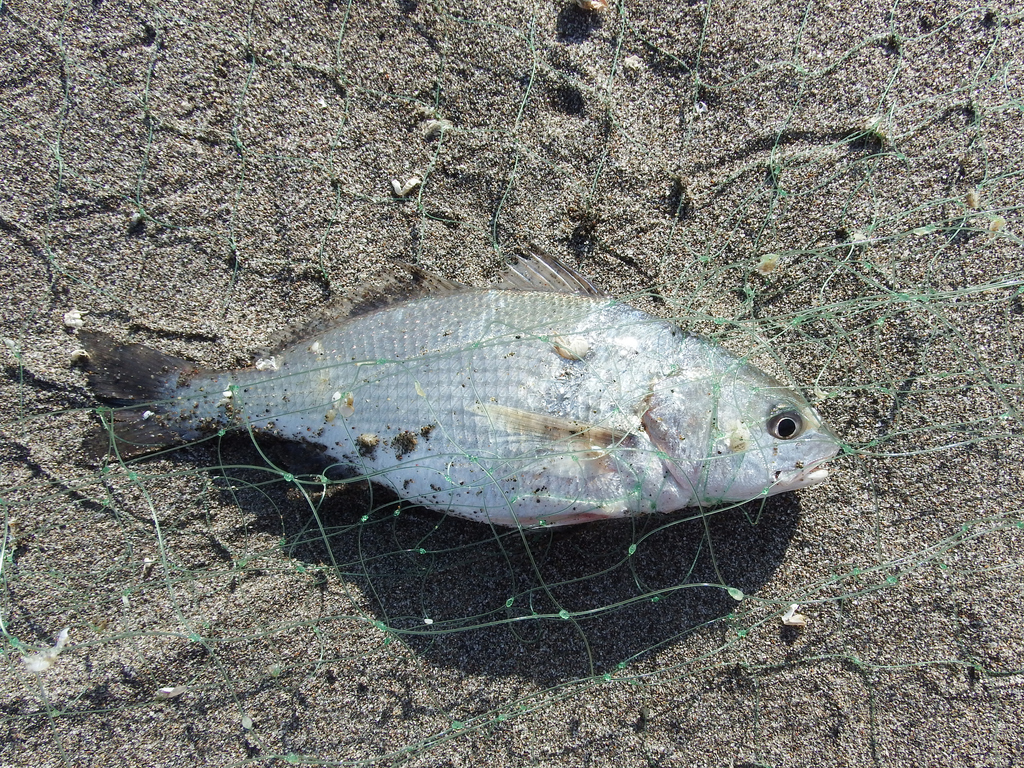
The lorna drum is a 46 cm sciaenid with a 23.9 cm maturity estimate, no published weight and no published depth. FishBase gives its range as "South America" and lists Ecuador and Peru; Wikipedia extends it to Chile; GBIF holds 1,979 Chilean records against 44 Peruvian ones. This account's editorial region is Peru.
46 cm, mature at 23.9 cm, no weight
The maximum length is 46.0 cm TL. The maturity estimate is 23.9 cm, which is 52 percent of the maximum, and the page gives no maturity range. No common length, no maximum weight, no maximum age and no length-weight ratio are published.
A 23.9 cm maturity estimate is a biological reference, not a legal release line. It does say that a fish below roughly half the maximum length is likely immature, but the page does not publish the method behind the estimate or the range around it. The 46 cm figure is a maximum, not a common size. The page lists no similar species, so the name and the locality carry the identification.
No depth, and tropical is the only label
The environment line is short: marine, demersal, tropical. It contains no depth range, no coordinates, no temperature and no substrate. The habitat keyword list is empty and the diet keyword list is empty.
A demersal fish with no depth figure cannot be assigned a fishing layer from this page. The tropical label is the only climate statement, and it comes without a latitude span. The editorial terrain tags add sandy bottom, coastal and estuary, but those are page decisions rather than FishBase habitat records.
Three sources, three different ranges
FishBase says "South America" and lists Ecuador and Peru as the countries. Wikipedia says the species is found from Ecuador to Chile. GBIF holds 2,029 records: 1,979 from Chile, 44 from Peru, one from Mexico and one from Panama. iNaturalist has no exact match under the FishBase name.
The Chilean total is 45 times the Peruvian total, while the FishBase country list does not include Chile at all. That is a documentary conflict, not a range expansion: the records exist, but the country field and the record set were compiled from different sources. The safe reading is that the fish occurs from Ecuador southward, with the densest record cluster in Chile and the editorial scope in Peru.
The biology field is a length note
The entire biology text is "Max. length (Robert Eakins, pers. comm., 2003)." It repeats the length subject and gives no feeding, spawning, schooling or substrate information. There is no spawning table and no maturity-by-month record.
That leaves the habitat description to the editorial tags: sandy bottom, coastal and estuary. The page publishes no stomach contents and no prey list. Bait cannot be derived from diet here; it can only be positioned over sand, in the coastal zone, or in an estuary.
Two methods and no season
Shore casting and boat bottom fishing are both mainstream. The page attaches no region to either method, and no month to either method. There is no spawning month, no temperature preference and no seasonal table.
The absence of a season is the important part. A sciaenid known from an estuary and a sandy coast will move with local conditions, but this page does not record those movements. The only timing advice the sources support is to check the current veda, because the page itself does not publish one.
One fish, two genus names
FishBase keeps the species in Sciaena as Sciaena deliciosa. Wikipedia notes that it is sometimes placed in the genus Sciaena, and iNaturalist uses Callaus deliciosa. The two names point to the same fish, but a search on one will miss records filed under the other.
The synonym affects the record counts. GBIF's 2,029 records and the iNaturalist taxon page are not indexed under the same name, so a simple search under Sciaena undercounts the available observations. This account uses the FishBase name, with Callaus deliciosa recorded as the current iNaturalist name.
Least Concern, assessed in 2020
The IUCN category is Least Concern, assessed on 3 March 2020. CITES and CMS are Not Evaluated, and the species is harmless to humans. The human-uses field is empty: no commercial fishery, no aquaculture, no gamefish and no aquarium use is recorded.
Least Concern is a broad assessment, not a local stock statement. The page publishes no landings series, no biomass estimate and no local abundance figure. The 2,029 GBIF records are occurrence records, and the empty uses field means the page does not describe a target fishery. The page also publishes no handling or storage guidance.
Peru writes the rules; Chile has records but no source here
This account's editorial region is Peru. In Peru, PRODUCE sets the fisheries rules and IMARPE provides the scientific assessment; management relies on minimum sizes, closed seasons (veda) and area measures, and artisanal fishing pressure is heavy. SERNANP's Reserva Nacional de Paracas and Reserva Nacional San Fernando do not allow recreational fishing.
The GBIF record set is mostly Chilean, but the source list for this page contains no Chilean agency entry. Chilean rules therefore are not restated here; an angler on the Chilean side should check the national fisheries authority for the current recreational licence, bag and size rules, and the enforcement service for the current requirements.
No bag limit, minimum size or closed-season date is given in this account. Check the current rule before the trip and check the protected-area map as well.
Where these facts come from
Check these pages before you rely on a size, range or protection status.
- FishBase — Sciaena deliciosa — FishBase · T2
- GBIF — Sciaena deliciosa occurrence records — GBIF · T2
- IUCN Red List — Sciaena deliciosa — IUCN · T1
- Photo record — iNaturalist — iNaturalist · T3
Fish in the same water
These fish live in the same place.

Acoupa weakfish
- Family
- Sciaenidae
- Depth
- 1–20 m
- Season
- Jan, Feb, Mar, Apr, May, Jun, Jul, Aug, Sep, Oct, Nov, Dec
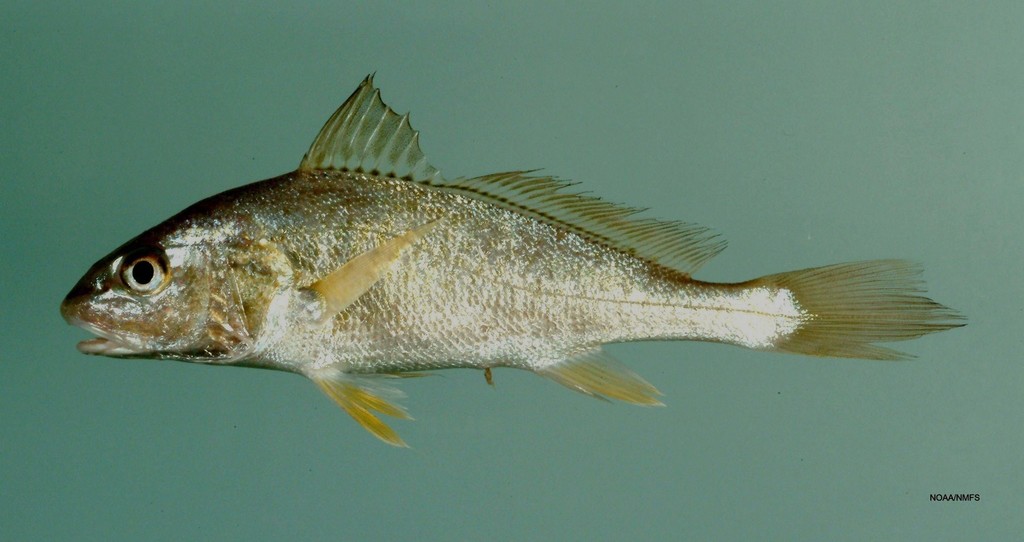
Atlantic croaker
- Family
- Sciaenidae
- Depth
- ≤ 100 m
- Season
- Jan, Feb, Mar, Apr, May, Jun, Jul, Aug, Sep, Oct, Nov, Dec
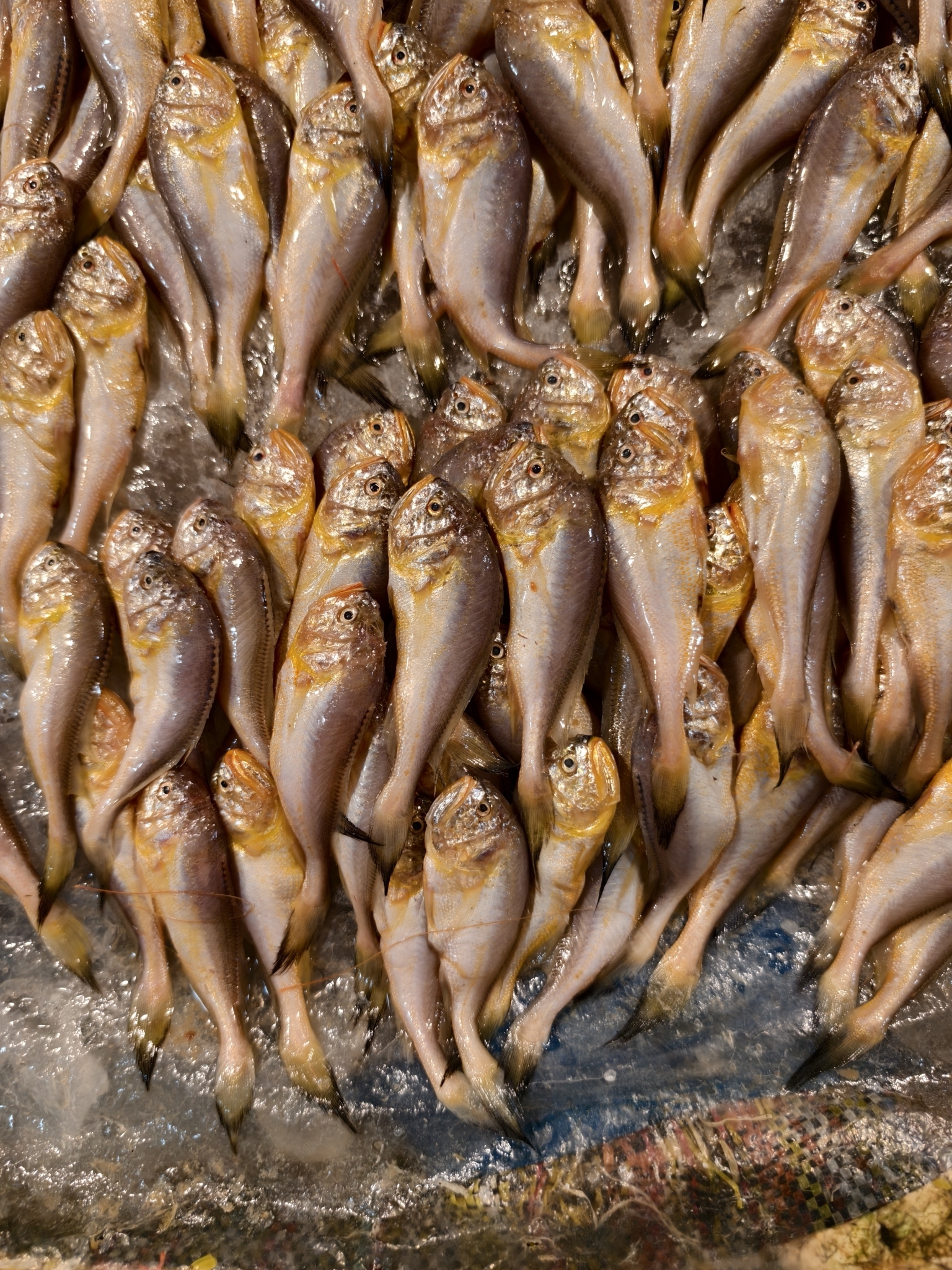
Bighead croaker
- Family
- Sciaenidae
- Depth
- ≤ 90 m
- Season
- Jan, Mar, Apr, May, Jun, Jul, Aug, Sep, Oct, Nov, Dec
Guides for this water
Technique, gear and safety guides that fit Lorna drum.