
Two-spot red snapper in Australia — Queensland: No take — Queensland tidal waters.
Red bass | No take | No take
Quoted from Queensland Government — Size and possession limits in tidal waters
Queensland classifies red bass as a no-take species; this is a fisheries rule, not a protected-species listing under the Nature Conservation Act.
Regulation guide
Official sourcesThe name on the Queensland table: red bass
Queensland places the species in its tidal water table under the name red bass, in the tropical snappers and sea perch group. The entry reads no take in both the size limit column and the possession limit column.
The group heading carries a general entry of a 25 cm minimum and a limit of 5 per species, with a list of exceptions beneath it. Red bass is one of those exceptions.
The table applies to tidal waters, defined as waters subject to tidal influence, including salt or brackish water and waters with a tidal ebb and flow regardless of salinity.
The department publishes the table for tidal waters and points fishers to the Qld Fishing 2.0 app as the source of the latest rules.
Source: Queensland Government: Size and possession limits in tidal waters
No take means no take
Queensland's no-take list includes red bass among the tidal species that may not be taken. The page says a no-take fish caught accidentally must be immediately and carefully returned to the water unharmed.
The rule is not a size limit and not a bag limit. Both columns read no take, so there is no measurement that makes the fish legal and no number that can be kept.
Because the rule is on the species, it does not depend on a season. The closed seasons for coral reef fin fish do not create an open season for red bass.
The no-take page lists red bass under tidal waters, alongside species such as barramundi cod, chinaman fish, paddletail and Queensland grouper.
Source: Queensland Government: Size and possession limits in tidal waters · Queensland Government: Protected and no-take species
No possession, no bag, no boat limit
The possession limit for red bass is no take, so the separate possession-limit definition does not produce a number. A fish held at home is still a fish possessed.
There is no boat limit to apply either, because the species cannot be retained at all.
The table's general tropical snapper limit of 5 per species does not apply to red bass, since the exception row overrides the group entry.
Because no take applies to the species, a fisher cannot use the possession-limit definition to argue that fish held at home fall outside the rule.
Source: Queensland Government: Size and possession limits in tidal waters
Other no-take fish in the same group
Red bass shares the exception list with chinaman fish and paddletail, which are also no take in both columns.
The other exceptions carry real limits: crimson snapper and saddletail snapper have a combined limit of 9, flame snapper 5, goldband and sharptooth snapper a combined 5, green jobfish 5, hussar 10, and rosy and lavender snapper a combined 8.
That mix is why identification matters. A fish released as red bass and a fish kept as hussar are different outcomes under the same heading.
The exceptions are set out row by row under the group entry, so each species has to be read on its own line rather than by the heading above it.
Source: Queensland Government: Size and possession limits in tidal waters
Gear and handling in tidal waters
Anglers may use up to three lines with six hooks in total. An artificial fly, lure, bait jig or gang hook counts as one hook, and lines must be attended.
Jagging or foul hooking is prohibited, as is using underwater breathing apparatus other than a snorkel. Cross lines, drum lines, free-floating lines and set lines are prohibited.
For a no-take species the handling rule is the practical one. The department's instruction is to return the fish immediately and carefully so that it is unharmed.
Source: Queensland Government: Fishing gear · Queensland Government: Protected and no-take species
Telling red bass from the snappers
The tropical snapper table includes crimson snapper, saddletail snapper, flame snapper, goldband snapper, green jobfish, hussar, lavender snapper, paddletail, red emperor, rosy snapper, ruby snapper, sharptooth snapper and smalltooth jobfish.
Several of those have limits, and two more are no take. The table is the place to confirm which column applies before a fish is landed.
The table gives no size for red bass, so a fish that resembles a snapper cannot be checked against a number. The only check is the name on the entry.
The department points anglers to its species identification guide and the Qld Fishing 2.0 app where the identification is uncertain.
Source: Queensland Government: Size and possession limits in tidal waters
What to check before keeping a fish
Check the name on the table first: red bass is no take, and no size or bag figure applies.
Check the other exception rows before assuming a snapper can be kept, because the group entry and the exception rows give different answers.
If the fish was caught accidentally, return it immediately and carefully, as the no-take page instructs.
The table and the no-take page together cover the size, the bag and the handling rule, and both are published by the same department.
Source: Queensland Government: Size and possession limits in tidal waters · Queensland Government: Protected and no-take species
Official pages: Queensland Government: Size and possession limits in tidal waters · Queensland Government: Protected and no-take species · Queensland Government: Fishing gear
Two-spot red snapper regulations at a glance
1 jurisdictions| Jurisdiction | Area | Size | Bag | Season / closure | Closed area | Other |
|---|---|---|---|---|---|---|
| Australia — Queensland | Queensland tidal waters | — | — | — | — | Protected species: No take |
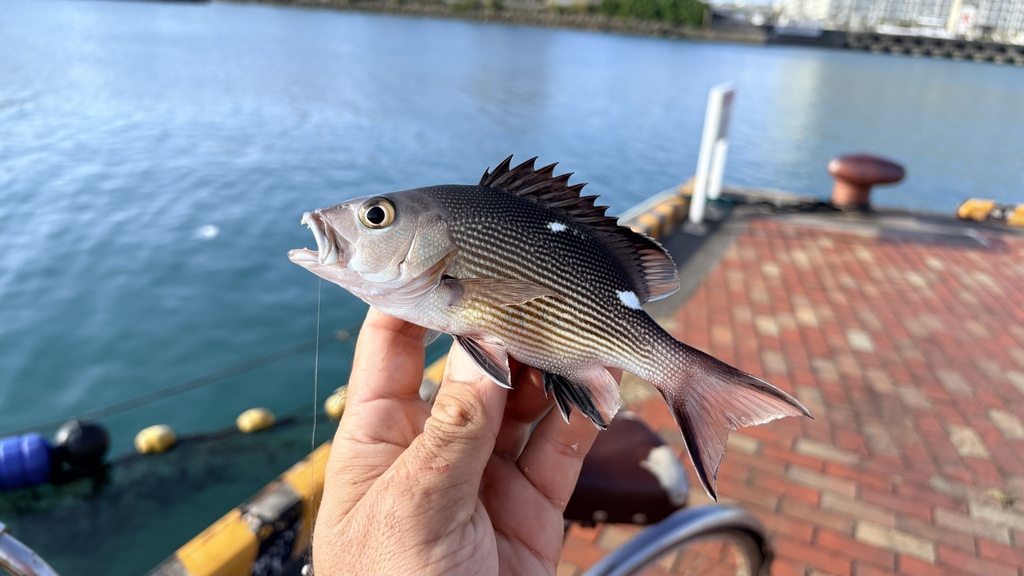
Two-spot red snapper
Lutjanus bohar · Lutjanidae
In one village this is dinner and in the next market it is the fish nobody will buy. Both statements describe Lutjanus bohar, and the reason is not fashion but ciguatera. FishBase records poisoning reports and adds a sharper line: large fish from oceanic areas in the western Pacific are often ciguatoxic, with Tuvalu named as an example. The same species is a commercial catch, a gamefish, and a fish that is utilised fresh and dried-salted.
- Family
- Lutjanidae
- Max length
- 90 cm TL
- Max weight
- 12.5 kg
- Max age
- 55 years
- Depth
- 0–180 m
- IUCN
- LC
- Climate
- Tropical
In one village this is dinner and in the next market it is the fish nobody will buy. Both statements describe Lutjanus bohar, and the reason is not fashion but ciguatera. FishBase records poisoning reports and adds a sharper line: large fish from oceanic areas in the western Pacific are often ciguatoxic, with Tuvalu named as an example. The same species is a commercial catch, a gamefish, and a fish that is utilised fresh and dried-salted. A market ban and a drying rack can exist on the same island.
Techniques
- Boat bottom fishing —
Seasonality
Other AU-QLD regulations
Same jurisdictionBefore you keep a fish
- Read the recorded value. It is copied from the notice; if the number and the notice disagree, the notice wins.
- Check the area. Federal, state and local waters can set different limits for the same fish.
- Check the date. Seasons, quotas and closures change; confirm the current notice before you go.
Common questions
- What is the protected species for Two-spot red snapper in Australia — Queensland?
- No take
- Where does this regulation apply?
- Queensland tidal waters
- When was it checked?
- 2026-11-18, against Queensland Government — Size and possession limits in tidal waters.