
Ocean pout in United States — federal (Atlantic): No recreational fishing allowed — Federal Atlantic waters (Greater Atlantic).
Ocean Pout No recreational fishing allowed.
Quoted from Recreational Fishing Regulations by Species
Regulation guide
Official sourcesHow ocean pout is managed
Ocean pout (Zoarces americanus) is a bottom-dwelling groundfish with an eel-like body, found in the western Atlantic from Labrador to Delaware. NOAA Fisheries manages a single stock in U.S. waters as part of the Northeast Multispecies complex, together with the New England Fishery Management Council.
The stock is overfished, although overfishing is not occurring according to the 2017 operational assessment. In federal waters the recreational fishery is closed.
NOAA Fisheries describes ocean pout as a zero-possession species: a vessel holding a federal groundfish permit may not fish for, possess or land ocean pout. The recreational rule goes further, because no recreational fishing for the species is allowed at all in federal waters.
The Northeast Multispecies plan includes permitting requirements for commercial vessels, separate management measures for recreational vessels, time and area closures, minimum fish sizes and annual catch limits.
Source: NOAA Fisheries: Ocean Pout · NOAA Fisheries: Recreational Fishing Regulations by Species (Northeast and Mid-Atlantic)
Federal waters: no recreational fishing allowed
The NOAA Fisheries recreational table for the Northeast and Mid-Atlantic states the ocean pout rule in five words: no recreational fishing allowed. There is no minimum size, no bag limit and no season to check, because the species may not be targeted or kept by recreational anglers.
That is different from a bag limit of zero attached to a directed fishery. A recreational angler who catches an ocean pout in federal waters must release it, and the fish may not be retained on board.
The management plan lists separate measures for recreational vessels as part of the groundfish framework, but for ocean pout the recreational measure is a closure. The zero-possession description on the NOAA species page is aimed at federally permitted vessels, and it confirms that possession is not an option.
Source: NOAA Fisheries: Recreational Fishing Regulations by Species (Northeast and Mid-Atlantic) · NOAA Fisheries: Ocean Pout
Massachusetts: recreational possession and landing prohibited
Massachusetts lists ocean pout as closed, with possession prohibited, in its recreational saltwater fishing table. The regulation is direct: it is unlawful for a recreational fisher to possess or land ocean pout.
Ocean pout is also expressly part of the regulated multi-species groundfish group in 322 CMR 6.03, alongside American plaice, cod, haddock, halibut, monkfish, pollock, redfish, windowpane flounder, winter flounder, witch flounder, wolffish and yellowtail flounder. That classification matters because the groundfish rules on gear, filleting and measurement reach the species even though retention is banned.
The state table notes that its limits apply to state waters only. For ocean pout the state and federal outcomes are the same: the fish may not be kept.
Source: Massachusetts Division of Marine Fisheries: Recreational saltwater fishing regulations · Massachusetts Division of Marine Fisheries (322 CMR 6.00)
Rhode Island: harvest, landing and possession prohibited
Rhode Island's finfish regulation is a single sentence for ocean pout: the harvest, landing or possession of ocean pout in the marine waters of Rhode Island is prohibited.
The rule covers three separate acts, so it is not enough to avoid landing the fish. Harvesting it, keeping it on board and bringing it ashore are each prohibited.
Rhode Island's general provisions also prohibit transferring finfish between vessels at sea, and they allow the director to modify seasons and possession limits during the year. Those provisions do not create an exception for ocean pout, which remains closed.
Source: Rhode Island Department of State: 250-RICR-90-00-3.31 Ocean Pout · Rhode Island Department of State: 250-RICR-90-00-3 Finfish
Identifying an ocean pout before release
Ocean pout have long, tapered, eel-like bodies with wide fleshy mouths, and the top lip sticks out farther than the bottom lip. Their colour ranges from yellow to reddish-brown to greyish-green, with dark X-shaped markings along the body.
A distinctive dark brown line runs on each side of the head from the outer corner of the eye to the edge of the gill cover. The species can grow to 46 inches, so a large individual is not a small eel.
Adults feed on bottom invertebrates such as bivalve mollusks, sea urchins, sand dollars, brittle stars and crabs, and they spawn in rocky areas between September and October. They are usually taken incidentally by anglers fishing on the bottom for other groundfish.
Source: NOAA Fisheries: Ocean Pout
What to do if an ocean pout is caught
Release it. In federal waters no recreational fishing for ocean pout is allowed; in Massachusetts recreational possession and landing are prohibited; in Rhode Island harvest, landing and possession are prohibited.
Do not put the fish in the cooler while identifying it. Because possession itself is unlawful in both states, a fish kept for later identification is already a violation.
Check the state rule if the fish is caught close to a boundary, but expect the same answer on both sides: ocean pout is a closed species with no recreational bag limit to work within.
The prohibition is consistent across all three jurisdictions covered here, so there is no combination of state and federal water in which an ocean pout may be retained.
Source: NOAA Fisheries: Recreational Fishing Regulations by Species (Northeast and Mid-Atlantic) · Massachusetts Division of Marine Fisheries: Recreational saltwater fishing regulations · Rhode Island Department of State: 250-RICR-90-00-3.31 Ocean Pout
Official pages: NOAA Fisheries: Ocean Pout · NOAA Fisheries: Recreational Fishing Regulations by Species · Massachusetts DMF: Recreational saltwater fishing regulations · Rhode Island: 250-RICR-90-00-3 Finfish
Ocean pout regulations at a glance
3 jurisdictions| Jurisdiction | Area | Size | Bag | Season / closure | Closed area | Other |
|---|---|---|---|---|---|---|
| United States — Massachusetts | Massachusetts state waters | — | — | — | — | Protected species: Closed · possession prohibited |
| United States — Rhode Island | Rhode Island marine waters | — | — | — | — | Protected species: Harvest, landing and possession prohibited |
| United States — federal (Atlantic) | Federal Atlantic waters (Greater Atlantic) | — | — | — | — | Protected species: No recreational fishing allowed |
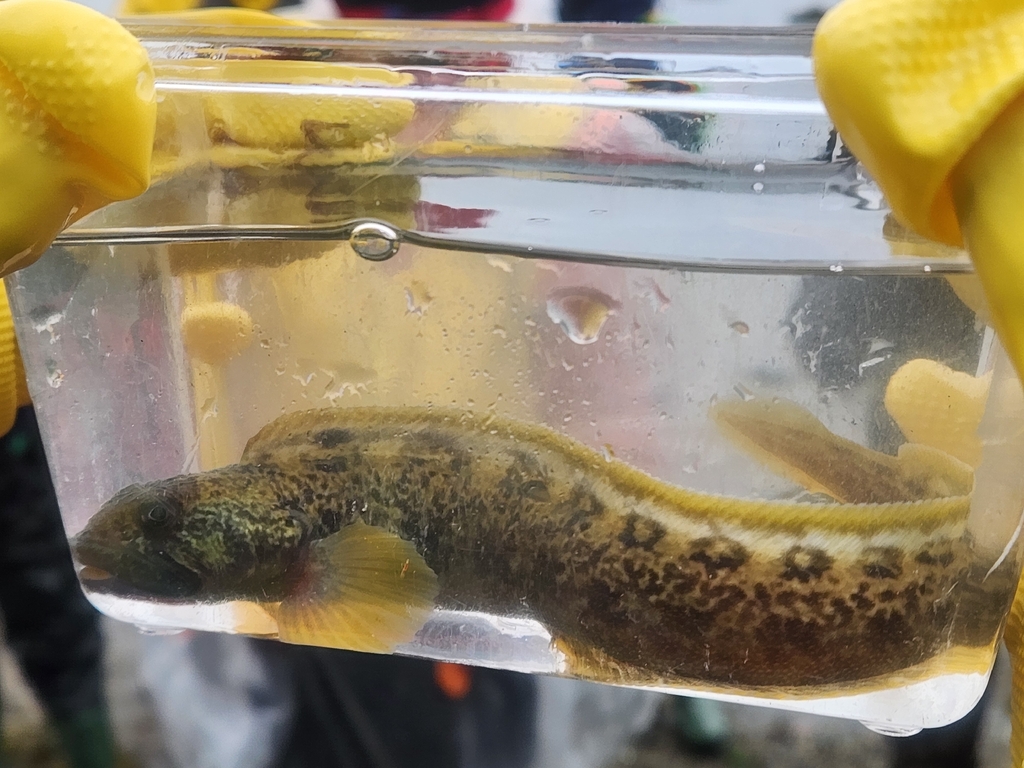
Ocean pout
Zoarces americanus · Zoarcidae
Ocean pout is an eelpout of the northwest Atlantic, recorded from Labrador to Delaware. It reaches 110 cm TL and 5.4 kg, lives about 18 years and matures at roughly 28.8 cm, and it is listed from 0 to 388 m. Its accepted name is Zoarces americanus, with Macrozoarces americanus surviving in older literature. Boat bottom fishing is the method listed.
- Family
- Zoarcidae
- Max length
- 110 cm TL
- Max weight
- 5.4 kg
- Max age
- 18 years
- Depth
- 0–388 m
- IUCN
- NE
- Climate
- Temperate
- Diet
- crustaceans, fishes, molluscs, worms, echinoderms
The ocean pout is an eelpout of the northwest Atlantic, recorded by FishBase from Labrador in Canada to Delaware in the United States. It reaches 110 cm TL and 5.4 kg, lives to about 18 years, matures at roughly 28.8 cm and is listed from 0 to 388 m. FishBase, WoRMS and the Catalog of Fishes all accept Zoarces americanus; Macrozoarces americanus is the older combination and still turns up in earlier literature.
Techniques
- Boat bottom fishing —
Seasonality
Other US-FED-ATL regulations
Same jurisdictionBefore you keep a fish
- Read the recorded value. It is copied from the notice; if the number and the notice disagree, the notice wins.
- Check the area. Federal, state and local waters can set different limits for the same fish.
- Check the date. Seasons, quotas and closures change; confirm the current notice before you go.
Common questions
- What is the protected species for Ocean pout in United States — federal (Atlantic)?
- No recreational fishing allowed
- Where does this regulation apply?
- Federal Atlantic waters (Greater Atlantic)
- When was it checked?
- 2026-11-18, against Recreational Fishing Regulations by Species.
- Do other jurisdictions set different limits?
- Yes. This register lists 3 jurisdictions for Ocean pout; compare them in the table above.