
Thresher
Coastal over continental and insular shelves and epipelagic far from land. Oceanic although most abundant near land, pelagic at 1-366 m. Young often close inshore and in shallow bays. It feeds on schooling fishes (including mackerels, bluefishes, clupeids, needlefishes, lancetfishes and lanternfishes), squid, octopi, pelagic crustaceans, and rarely seabirds. Ovoviviparous, embryos feeding on yolk sac and other ova produced by the mother.
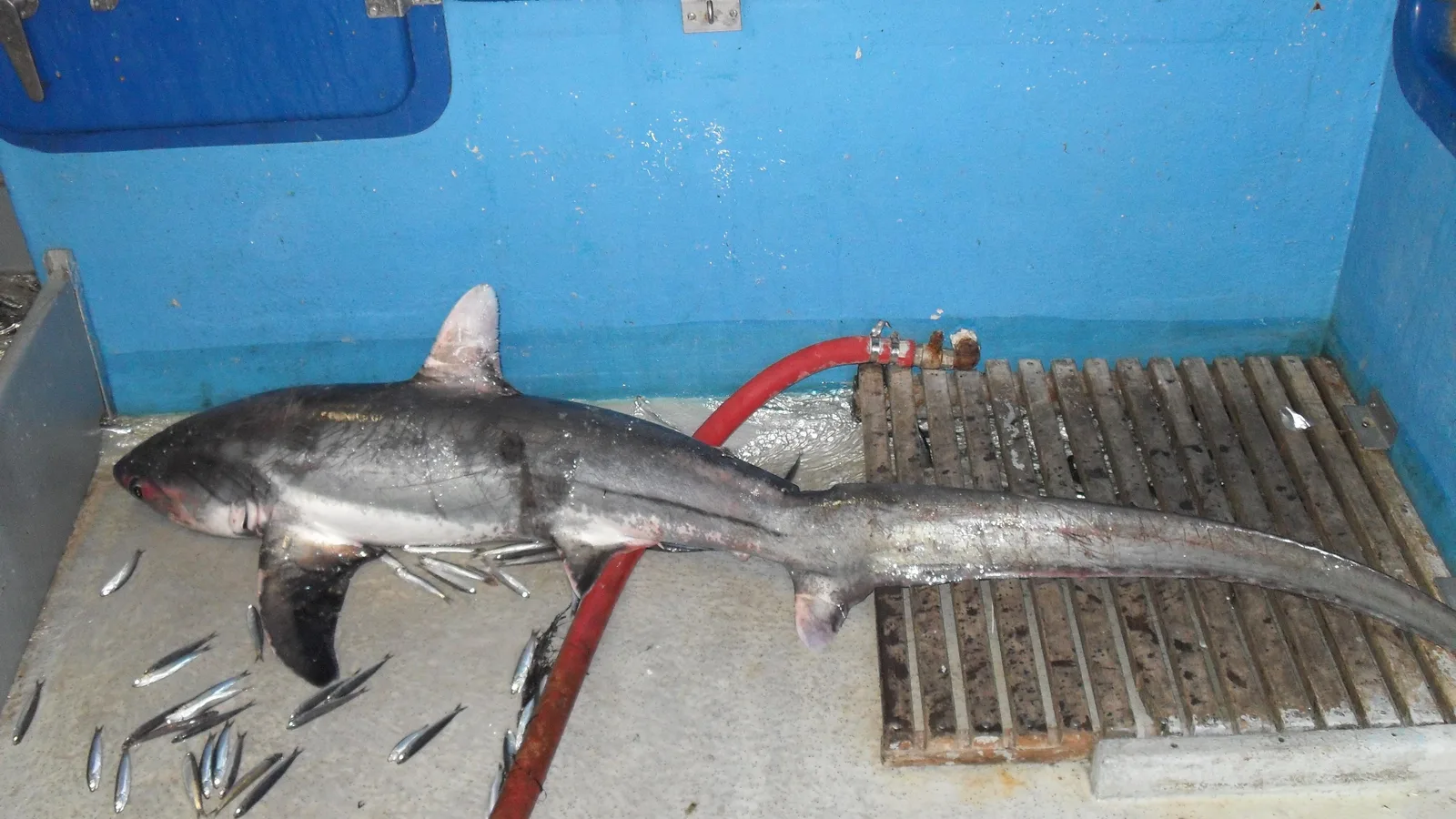
Coastal over continental and insular shelves and epipelagic far from land (Ref. 30573, 43278, 58302). Oceanic although most abundant near land, pelagic at 1-366 m (Ref. 58302). Young often close inshore and in shallow bays (Ref. 5578). Feeds on schooling fishes (including mackerels, bluefishes, clupeids, needlefishes, lancetfishes and lanternfishes), squid, octopi, pelagic crustaceans, and rarely seabirds (Ref. 247). Ovoviviparous, embryos feeding on yolk sac and other ova produced by the mother (Ref. 43278, 50449). Uses its long caudal fin to bunch up and stun prey (Ref. 2850). Spatial and depth segregation by sex in northwestern Indian Ocean populations (Ref. 247). A few attacks on boats are doubtfully attributed to this species, but it is otherwise apparently harmless to humans, though the size of adults of this species command respect (Ref. 247). May cause damage to fishing gear (Ref. 6885). Valued for its meat, liver, hide, and fins; utilized fresh, dried-salted, smoked, and frozen (Ref. 9987).
Where these facts come from
Check these pages before you rely on a size, range or protection status.
- FishBase — Alopias vulpinus — FishBase · T2
- GBIF — Alopias vulpinus occurrence records — GBIF · T2
- IUCN Red List — Alopias vulpinus — IUCN · T1
- Photo record — iNaturalist — iNaturalist · T3
Fish in the same water
These fish live in the same place.
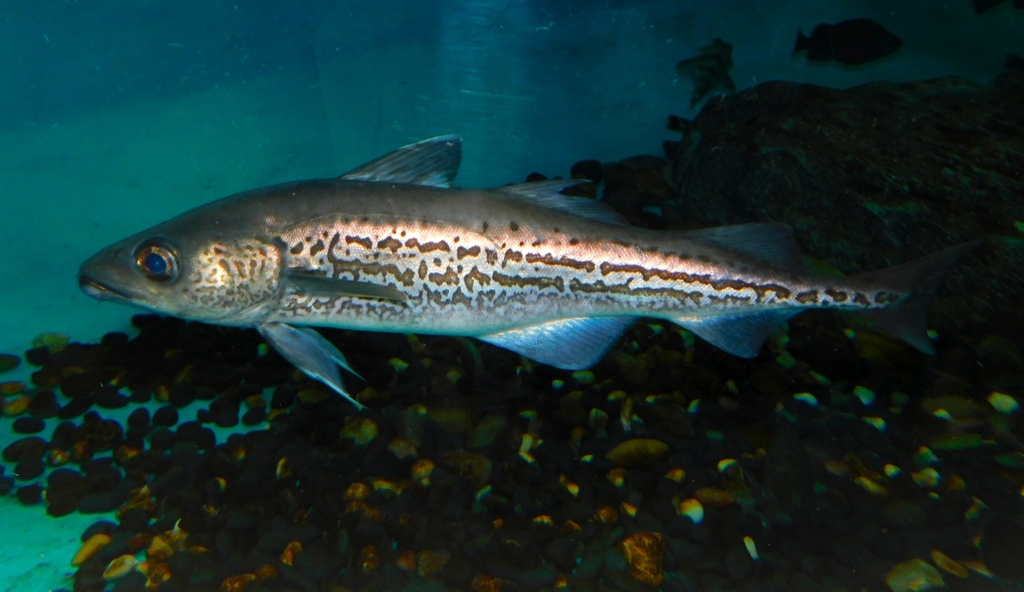
Alaska pollock
- Family
- Gadidae
- Depth
- 0–1280 m
- Season
- Jan, Feb, Mar, Apr, May, Jun, Jul, Aug

Albacore
- Family
- Scombridae
- Depth
- 0–600 m
- Season
- Jan, Feb, Mar, Apr, May, Jun, Jul, Aug, Oct, Nov, Dec
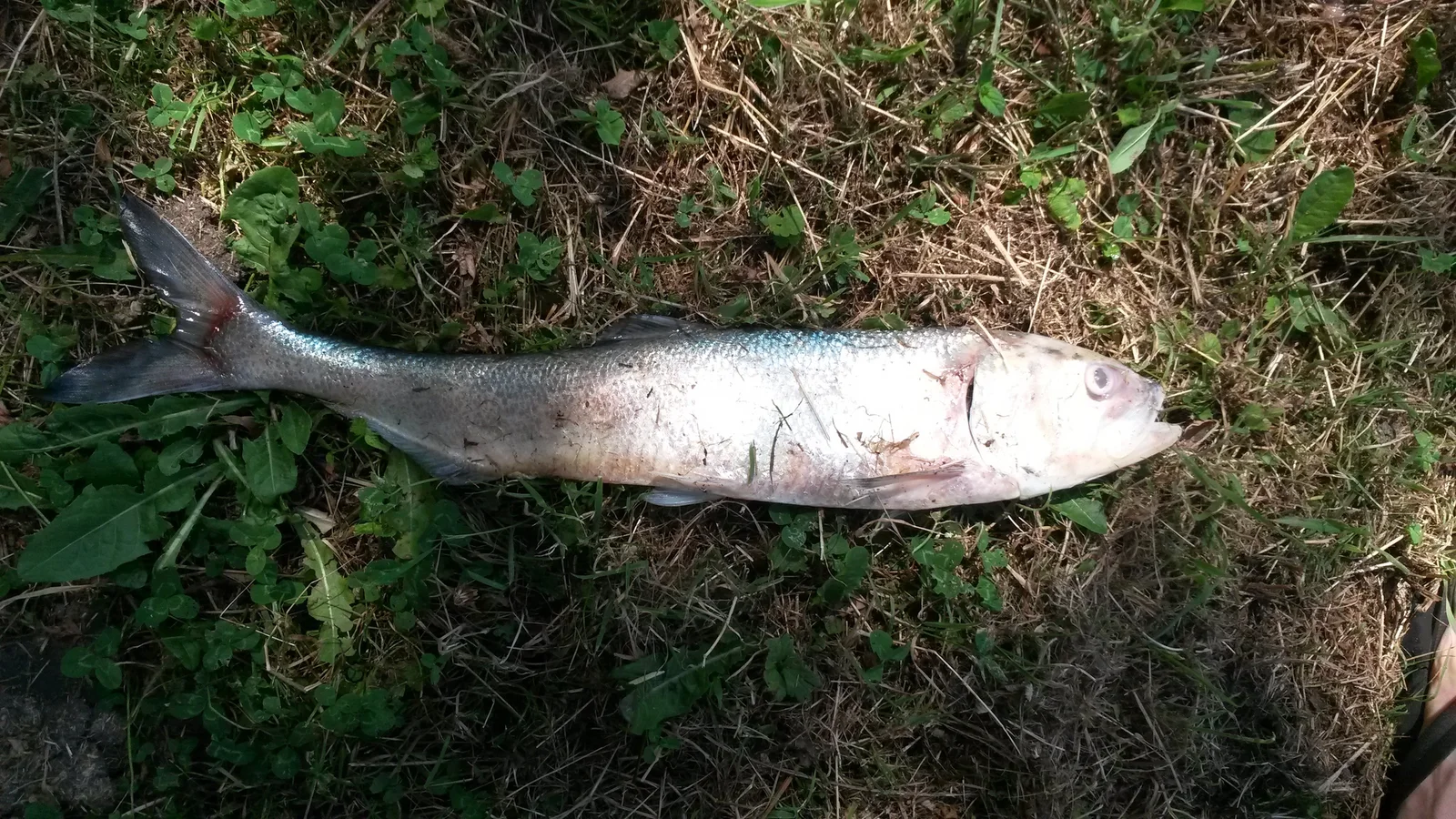
Allis shad
- Family
- Alosidae
- Depth
- 10–400 m
- Season
- Apr, May, Jun, Jul
Guides for this water
Technique, gear and safety guides that fit Thresher.