
Allis shad
The allis shad is a big, herring-shaped alosid, the larger of Europe's two shads, and it spends most of its life at sea before running into rivers to spawn. Its marine range covers the Northeast Atlantic from Norway to Morocco and reaches into the Baltic and the western Mediterranean. FishBase records a depth range of 10–400 m for the feeding phase, and spawning is reported from April to July in the lower reaches of rivers.
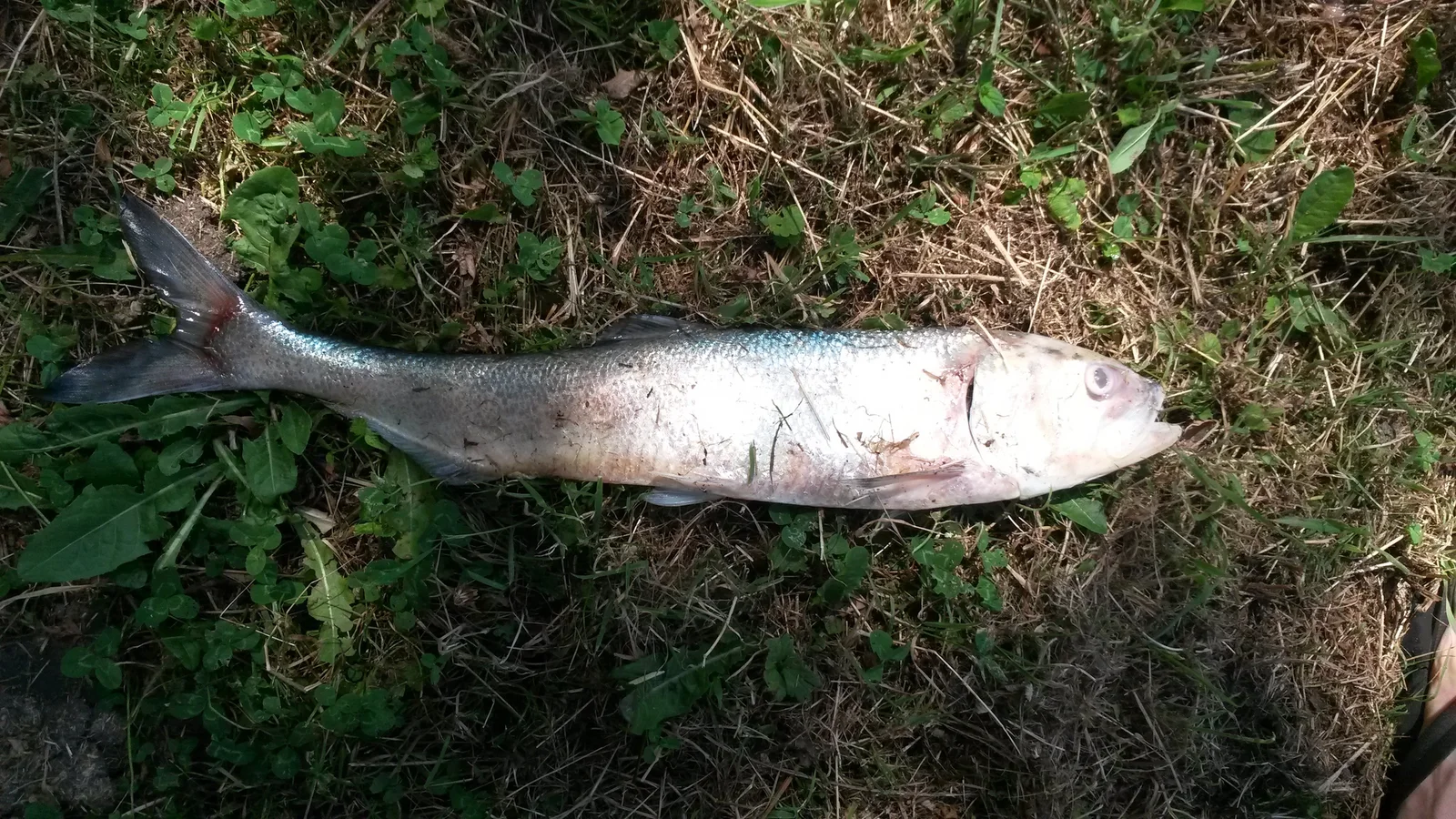
The allis shad is a big, herring-shaped alosid, the larger of Europe's two shads, and it spends most of its life at sea before running into rivers to spawn. Its marine range covers the Northeast Atlantic from Norway to Morocco and reaches into the Baltic and the western Mediterranean. FishBase records a depth range of 10–400 m for the feeding phase, and spawning is reported from April to July in the lower reaches of rivers. A maximum of 69 cm and 4 kg makes it a substantial catch, and it carries a gamefish flag, but IUCN lists it as Critically Endangered — release any fish and check local rules first.
Identification
The allis shad is the larger of the two European shads, and the size table makes that plain: 69 cm TL for a male or unsexed fish, 83 cm TL for a female, a common length of 40 cm for a male and 70 cm for a female, a maximum weight of 4 kg, a maximum age of 10 years, and a first maturity of 47.8 cm inside a 45–50 cm range. The English name has three spellings: Allis shad, the FAO form and the FishBase principal; Allice shad, recorded for Malta; and Alice shad, recorded for the United Kingdom and the United States. Chinese is , with as the traditional variant.
The counts are dorsal soft rays 18–21, anal spines zero, anal soft rays 20–27, vertebrae 57–58, body fusiform and compressed. No dorsal spine count and no body outline are carried. Wikipedia adds a field mark: it looks like an Atlantic herring, with a dark spot behind the gill cover and sometimes up to six more spots after it. It sometimes hybridises with the twaite shad, so the spot is a guide rather than a guarantee.
Habitat and distribution
The environment line reads marine, freshwater and brackish, pelagic-neritic, anadromous, depth 10–400 m, temperate, 61°N–20°N and 17°W–22°E. No temperature is captured. Wikipedia places it in the eastern Atlantic, the western Baltic and the western Mediterranean, says it matures at three or more years, and describes the run from estuaries into rivers. The country table has 23 rows, all native, from Norway and Iceland through the British Isles and the Bay of Biscay to Portugal, Spain, Morocco and Algeria, with Finland, Latvia, Lithuania, Poland, Denmark and Sweden in the Baltic.
GBIF returns 29 rows: 14 without a country code, Belgium 7, France 2, Sweden 2, and Denmark, Spain, Norway and Poland one each. Six rows mark the taxon native and 23 carry no means; none is introduced. iNaturalist holds 49 observations. The country list is broad; the GBIF dump is thin and Belgian-weighted.
Season and fishing approach
Five spawning rows are carried. The lower reaches of French rivers run May to July; Portugal runs May; three rows without a locality run May, May, and April to July. The combined window is April to July. No temperature threshold is recorded, so the run cannot be tied to a thermal cue, and the rows do not give a spawning depth.
Wikipedia supplies the age context: the fish matures at three or more years and moves from estuaries up rivers to spawn. The use line is minor commercial with gamefish yes. The capture gives no method, bait or regulation. The marine depth range, 10–400 m, describes the feeding phase, not the river run; the page should not turn it into a river depth.
Edibility and regulations
IUCN lists the species as Critically Endangered, assessed 16 March 2022. Wikipedia gives the reasons and the instruments: populations have declined through overfishing, pollution and habitat destruction. Protection, it says, comes from Appendix III of the Bern Convention together with Annexes II and V of the European Community Habitats Directive. The capture carries no culinary, market-size or handling field.
The record also marks the fish as a gamefish and as minor commercial, which sits awkwardly beside a Critically Endangered listing. No size, season or bag limit is carried, and the page should not invent one. A reader in a range state should check the national rule that implements the Bern and Habitats instruments rather than infer a limit from the flags.
Where these facts come from
Check these pages before you rely on a size, range or protection status.
- FishBase — Alosa alosa — FishBase · T2
- GBIF — Alosa alosa occurrence records — GBIF · T2
- IUCN Red List — Alosa alosa — IUCN · T1
- Photo record — iNaturalist — iNaturalist · T3
Fish in the same water
These fish live in the same place.
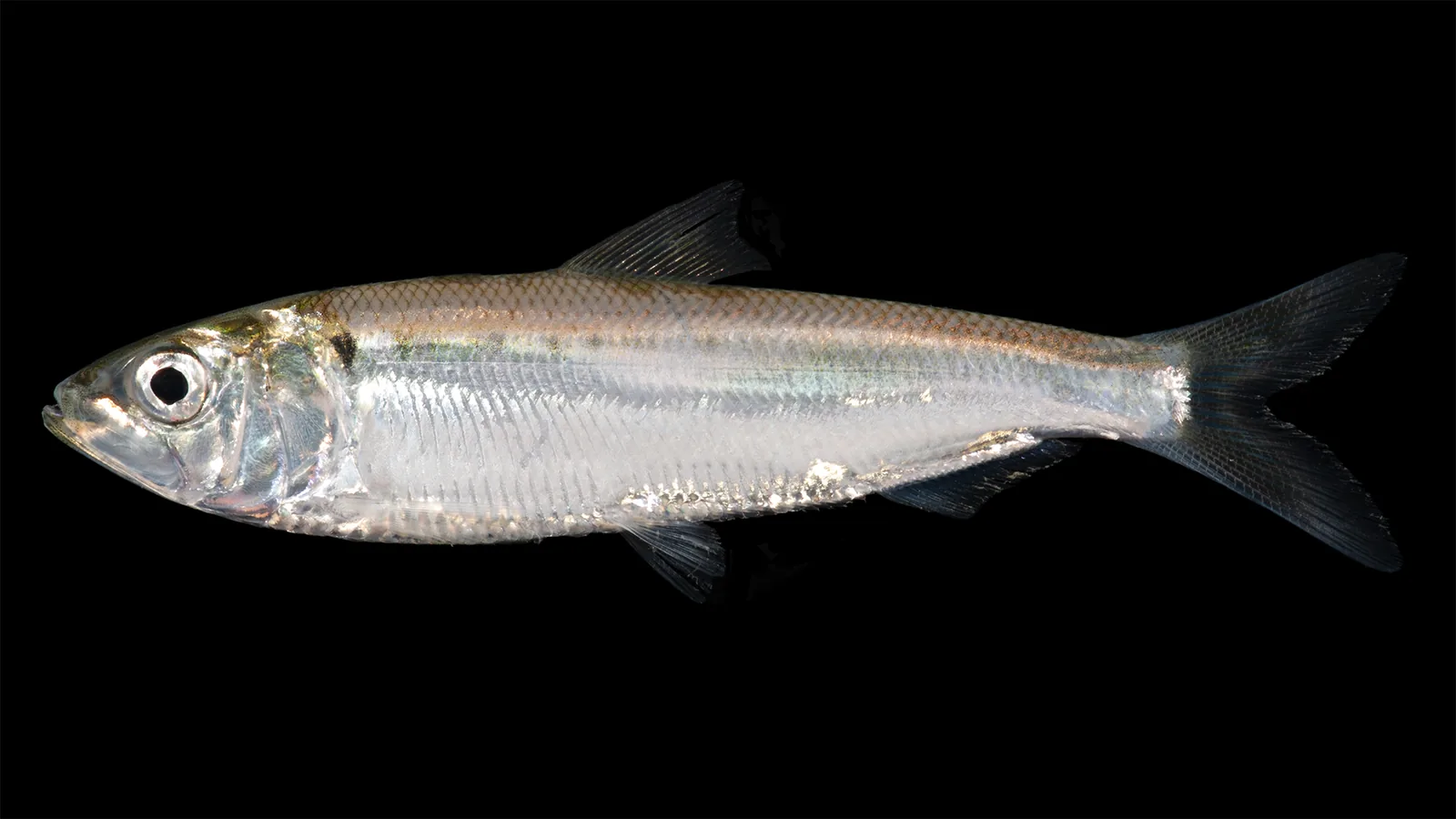
American shad
- Family
- Alosidae
- Depth
- 0–250 m
- Season
- Nov–Jun (spawning run)

European pilchard
- Family
- Alosidae
- Depth
- 10–100 m
- Season
- Jan, Feb, Mar, Apr, May, Jun, Jul, Aug, Sep, Oct, Nov, Dec
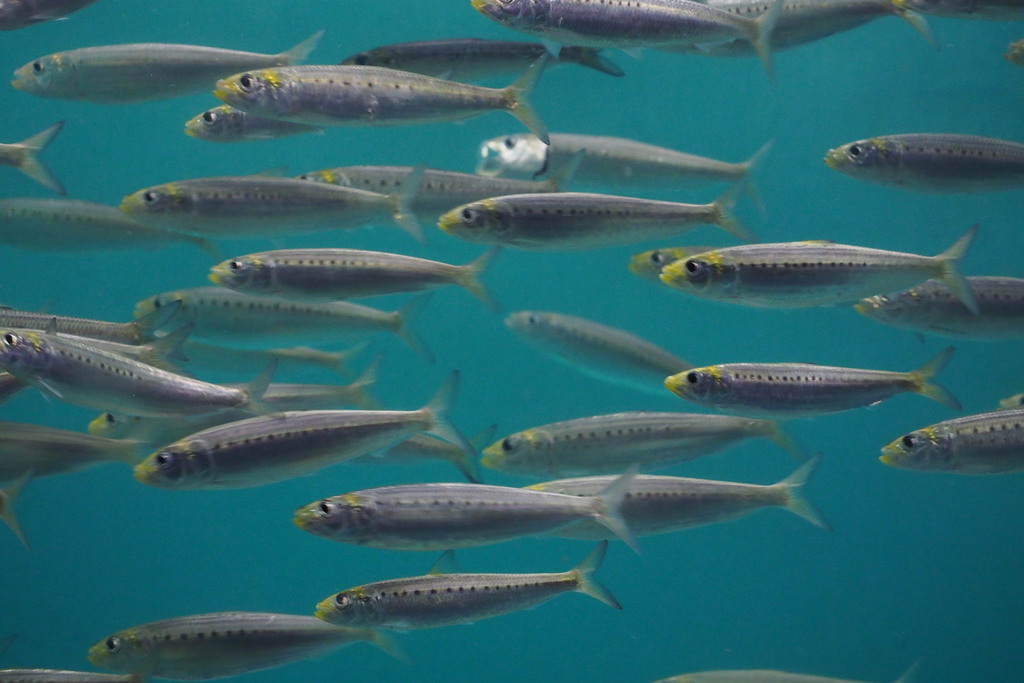
Pacific sardine
- Family
- Alosidae
- Depth
- 0–200 m
- Season
- Jan, Feb, Mar, Apr, May, Jun, Jul, Aug, Sep, Oct, Nov, Dec
Guides for this water
Technique, gear and safety guides that fit Allis shad.