
Blackbelly rosefish
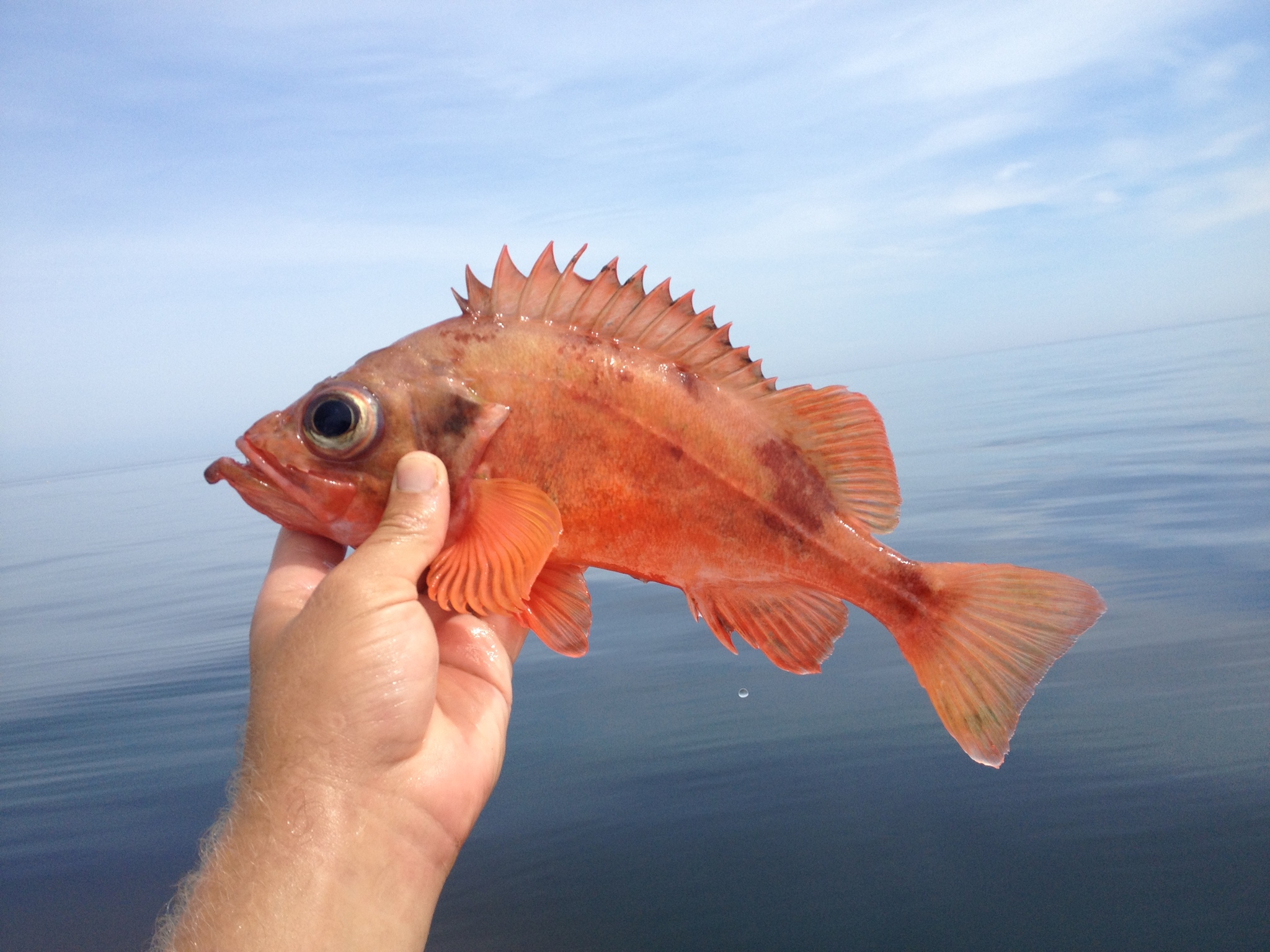
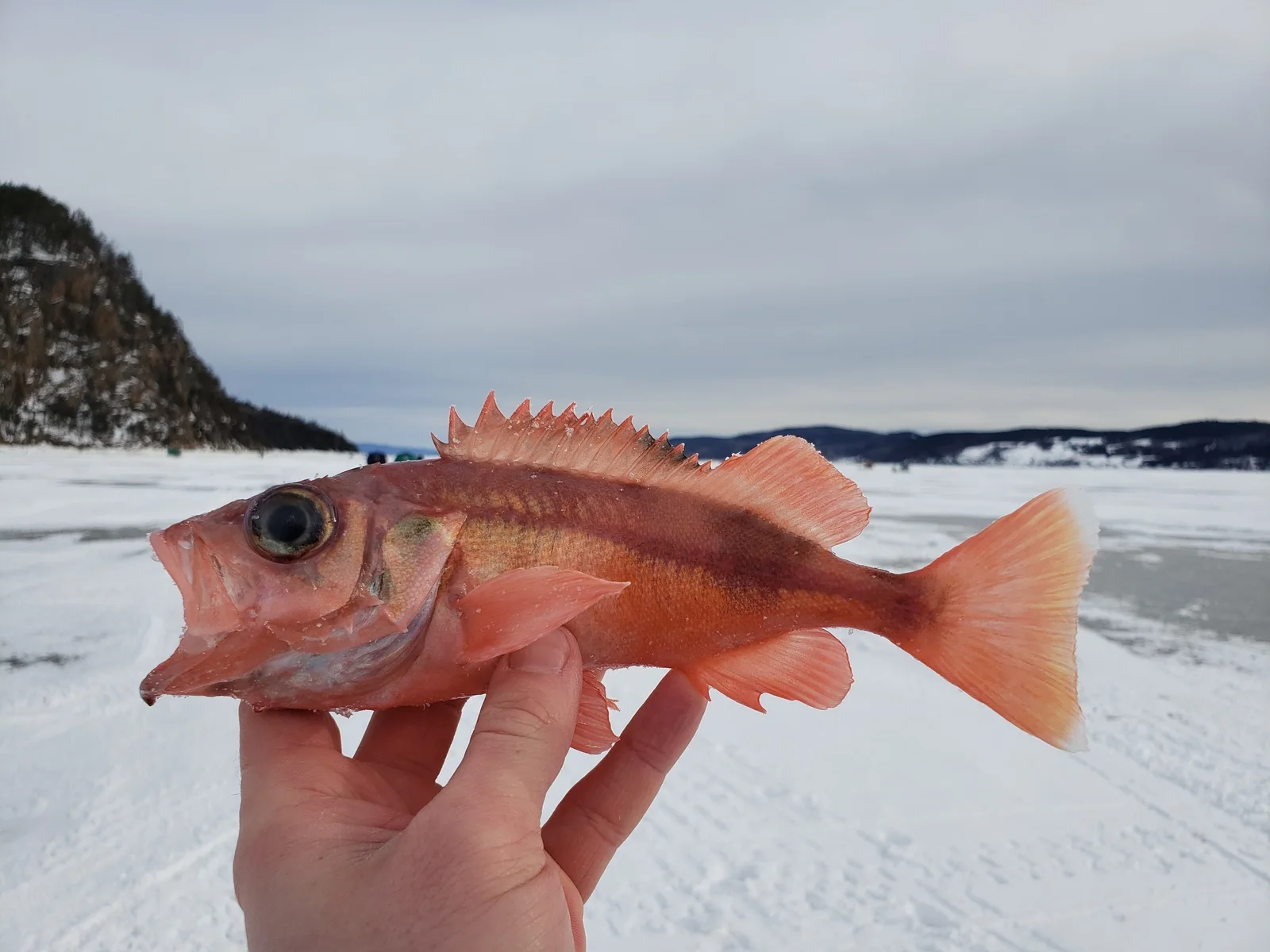
The blackbelly rosefish belongs to the rockfish family Sebastidae and occurs on both sides of the Atlantic: from Nova Scotia to Venezuela in the west, and from Iceland and Norway through the Mediterranean to the Gulf of Guinea in the east. It is a slope fish, usually found between 150 and 600 metres, and grows to about 50 cm and 1.6 kg.
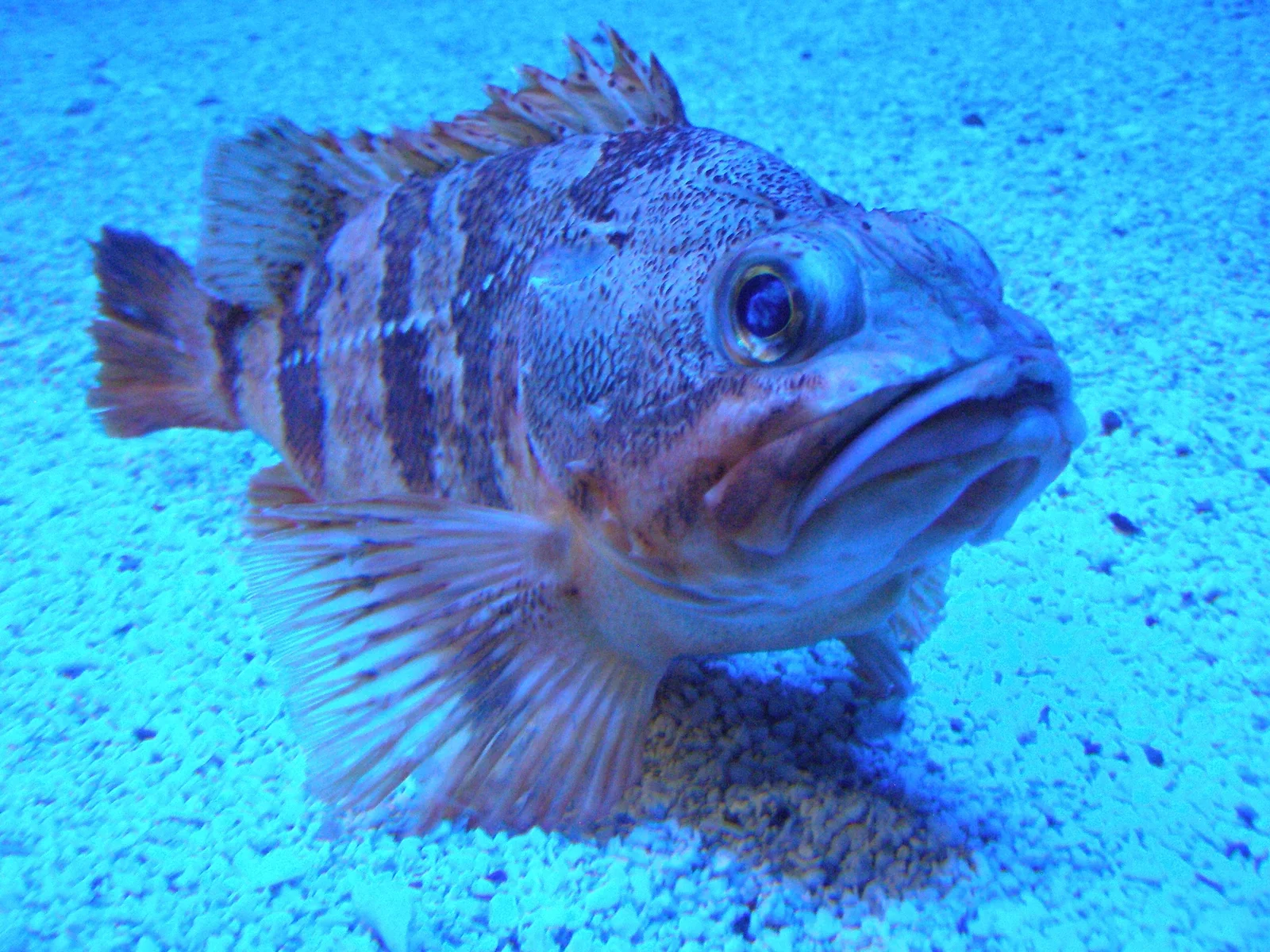
The blackbelly rosefish belongs to the rockfish family Sebastidae and occurs on both sides of the Atlantic: from Nova Scotia to Venezuela in the west, and from Iceland and Norway through the Mediterranean to the Gulf of Guinea in the east. It is a slope fish, usually found between 150 and 600 metres, and grows to about 50 cm and 1.6 kg. FishBase lists both commercial and gamefish use, so it can be a deliberate boat target where deep boat fishing is practised, though most anglers will see it as deep bycatch. Its IUCN status is Least Concern.
Two Atlantic addresses and a dozen names
The range is not one continuous band. The western population runs from Nova Scotia to Venezuela; the eastern one from Iceland and Norway through the Mediterranean and the Gulf of Guinea, including Madeira, the Azores and the Canaries, with a separate southern segment from Walvis Bay to Natal. Two oceans, two stories. The country table holds 68 native entries and no introduced ones.
The English names split by coast and by port: blackbelly rosefish is the principal FishBase name, the FAO name and the AFS name; blue-mouth appears in the Azores, blue-mouth redfish in Spain, bluemouth rockfish in Britain; Namibia gives Jac and Jacopever, South Africa keeps Jacopever, and Britain also uses plain Rockfish. Wikipedia adds bluemouth seaperch, and iNaturalist prefers Blackbelly Rosefish. Chinese carries and . Jacopever is the name that tells you which coast the speaker is from.
FishBase files the species in Sebastidae; the Wikipedia article places it in the subfamily Sebastinae within Scorpaenidae. The difference is a family-level boundary, not a disagreement about the fish.
Fifty centimetres, forty-three years
Maximum length is 50.0 cm total length, the common length 25.0 cm, maximum weight 1.6 kg, maximum reported age 43 years, and first maturity 32.0 cm with no recorded range. The most striking pair is common length against maturity: the ordinary fish is 25 cm, seven centimetres below the maturity figure. Either the common length is weighted towards small landings, or maturity shifts between populations; the capture offers no range to test the second explanation.
Forty-three years is a long life for a fish that reaches 50 cm, and the age and length maxima almost certainly come from different specimens. A 1.6 kg weight at 50 cm is light for the length, which fits a slender, large-headed scorpionfish rather than a thick-bodied one.
Fifty metres to eleven hundred
Depth is 50–1100 m, usually 150–600 m. The usual band is the operative number: 50 m is the outlier near the surface edge, and 1100 m is the deep edge. The species is bathydemersal and marked deep-water, from 70°N to 46°S. The southern coordinate reaches farther than the written range, which ends at Natal; the box is broader than the ports.
Four habitat keywords are carried — slope, soft-bottom, open-water and continental-shelf. Together they describe an animal sitting above soft ground on the slope, not one living in kelp or on a reef. The diet list is broad: crustaceans, fishes, molluscs and echinoderms.
A venomous spine on a commercial fish
Threat to humans is recorded as Venomous. The dorsal spine count was not captured; the record carries 12–13 dorsal soft rays, three anal spines and five anal soft rays. The venom apparatus sits in the spiny dorsal fin, so the missing count is the one that matters for handling. A commercial fish with a gamefish tick is a fish that gets lifted onto decks; the page can warn, but it carries no first-aid instruction.
A winter spawn, with summer missing
Six spawning rows are carried. The Azores give January–March; the Gulf of Lion January–May plus December; the Ligurian Sea February–April; a Mediterranean summary February–March; the northeast Atlantic south of 48°N November–December; the Rockall Trough April–May. The month set is January–May and November–December, with nothing from June to October.
The rows sort by latitude: the Azores and Mediterranean early, Rockall later. The November–December row for the open northeast Atlantic is the odd one and may describe a different population or a different threshold. No southern-hemisphere spawning record appears, although the species is listed as far south as Natal.
The record is thin in the south
The country table has 68 entries, but GBIF carries only 24 distribution rows — eleven with no country, France 2, Mozambique 2, Sweden 2, and single rows for Belgium, Denmark, Greece, Ireland, Israel, Mexico and Norway. iNaturalist holds 157 observations. Mozambique appears in GBIF and not in the country table, which is a small sign of how unevenly the southern range is covered.
Commercial, gamefish, and an old assessment
The human-use line reads fisheries commercial and gamefish yes, with no aquaculture entry. IUCN status is Least Concern, assessed 6 May 2013, older than the assessments on the other deep-water pages in this set. Wikipedia describes a sit-and-wait predator with highly cryptic coloration, which fits the soft-bottom ambush picture rather than a roaming pelagic fish.
Where to look
Work the 150–600 m band, on soft ground along the slope, and treat 50 m as an exception. The depth is boat territory rather than shore territory, and the usual band sits well below the reach of most light gear. Handle the fish as venomous even though it is commercially caught and listed as a gamefish. No regulation is carried in the record; check national and regional rules before keeping one. Least Concern, assessed in 2013, is a conservation category and says nothing about local abundance.
Where these facts come from
Check these pages before you rely on a size, range or protection status.
- FishBase — Helicolenus dactylopterus — FishBase · T2
- GBIF — Helicolenus dactylopterus occurrence records — GBIF · T2
- IUCN Red List — Helicolenus dactylopterus — IUCN · T1
- Photo record — iNaturalist — iNaturalist · T3
Fish in the same water
These fish live in the same place.

Guides for this water
Technique, gear and safety guides that fit Blackbelly rosefish.