
Kelp greenling
Kelp greenling is recorded across the Eastern Pacific, from Amchitka Island, in the Aleutian chain to La Jolla, southern California, USA, within the family Hexagrammidae. It is caught shallower than 46 m, in temperate water. It tops out at 61 cm TL and 2.1 kg, on a diet of crustaceans, fishes and worms.
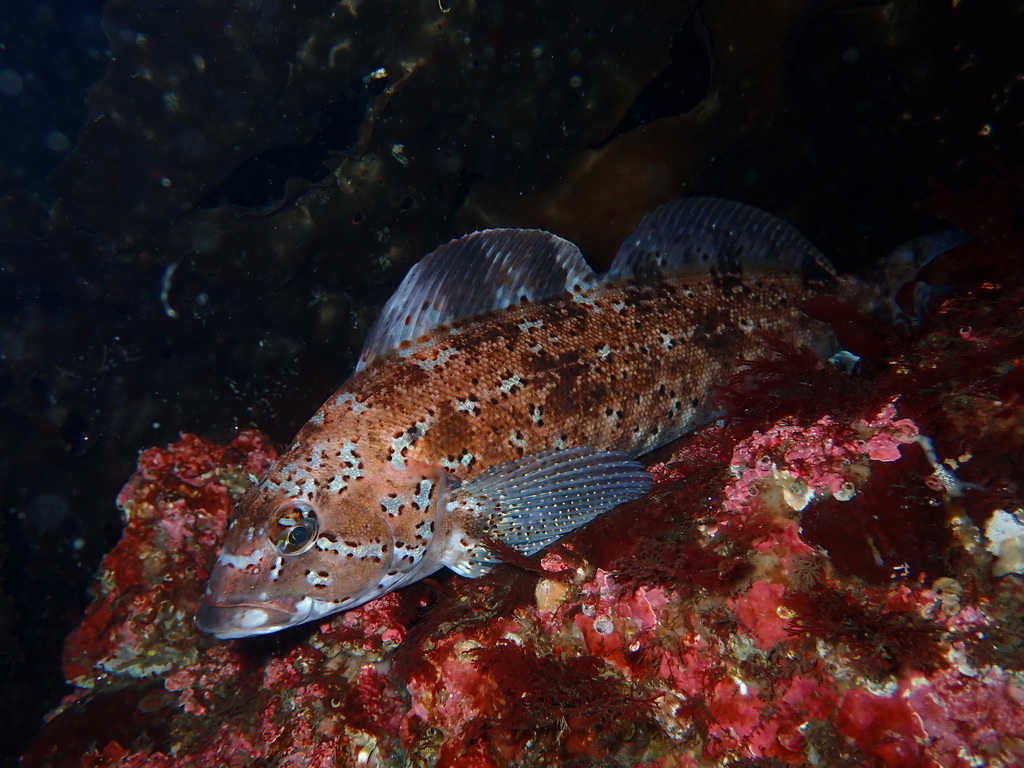
Kelp greenling (Hexagrammos decagrammus) is a fish of the family Hexagrammidae. FishBase gives its range as: Eastern Pacific: Amchitka Island, in the Aleutian chain to La Jolla, southern California, USA. The family name is the useful field mark: this is a greenling, not a rockfish, and the body is elongated rather than deep. It is recorded shallower than 46 m, in temperate water. The recorded maxima are 61 cm TL, 2.1 kg, 18 years. Diet includes crustaceans, fishes and worms. IUCN status: Least Concern (LC). Chinese name: .
Identification
The top of the recorded range is 61 cm TL, alongside a heaviest published weight of 2.1 kg and an age record of 18 years. That top figure is the only size handle. An 18-year fish is not a fast-turnover resource: a big kelp greenling has been on the reef for a long time, and releasing it costs the stock less than keeping a box of small ones.
The family name is the useful field mark: this is a greenling, not a rockfish, and the body is elongated rather than deep. If you are unsure, the greenling's head and mouth shape separate it from the sculpins and rockfish that share the same kelp.
Habitat and distribution
The environment line is marine, demersal, depth to 46 m, temperate from 66°N to 32°N. The habitat keywords are rocky, sandy, coastal and kelp, and they describe a boundary rather than a single bottom. Kelp grows on rock; sand fills the gaps between the rock. The fish works that seam.
The written range runs from Amchitka in the Aleutians to La Jolla in southern California, with country rows for Alaska, Canada and the contiguous United States. GBIF's 11 rows are mostly North Pacific and northeast Pacific entries, with British Columbia, the Canadian Pacific EEZ and a Mexican checklist. The Mexican row sits south of the La Jolla endpoint, which is a reminder that a range sentence marks the recorded limit, not a wall. OBIS returns 100,715 records and iNaturalist holds 2,613 observations, so this is one of the better-documented nearshore fishes on the coast.
Season and fishing approach
The only spawning row is Alaskan, October and November. It is a northern window and does not transfer to California, where the water and the kelp cycle run on a different schedule. Fish the season you can see: clear water and a healthy kelp canopy matter more than a printed month.
Work the edge, not the middle of the bed. Cast a weedless soft plastic or a small jig along the sand-kelp seam, let it drop, and lift it back with short hops; the takes come as a tick on the fall. Its recorded food — crustaceans, worms and fish — supports a bottom-hugging presentation. The 46 m limit means a boat over the outer kelp is still in range, but most fish are shallower. Carry more jigs than you think you need, because the kelp will take its share.
Edibility and regulations
FishBase records minor commercial fishing, gamefish status and public aquarium display. LC is the current Red List rating, from an assessment dated 2 December 2019. That is a population assessment, not a bag rule; the limit that applies is set by the state or province where you fish, and Alaska, British Columbia, Washington, Oregon and California each publish their own.
The fish is a minor commercial species, which means the recreational rule is usually the binding one for an angler. Read the state text for the groundfish group rather than relying on a coastwide summary.
Where these facts come from
Check these pages before you rely on a size, range or protection status.
- FishBase — Hexagrammos decagrammus — FishBase · T2
- GBIF — Hexagrammos decagrammus occurrence records — GBIF · T2
- IUCN Red List — Hexagrammos decagrammus — IUCN · T1
- Photo record — iNaturalist — iNaturalist · T3
Fish in the same water
These fish live in the same place.
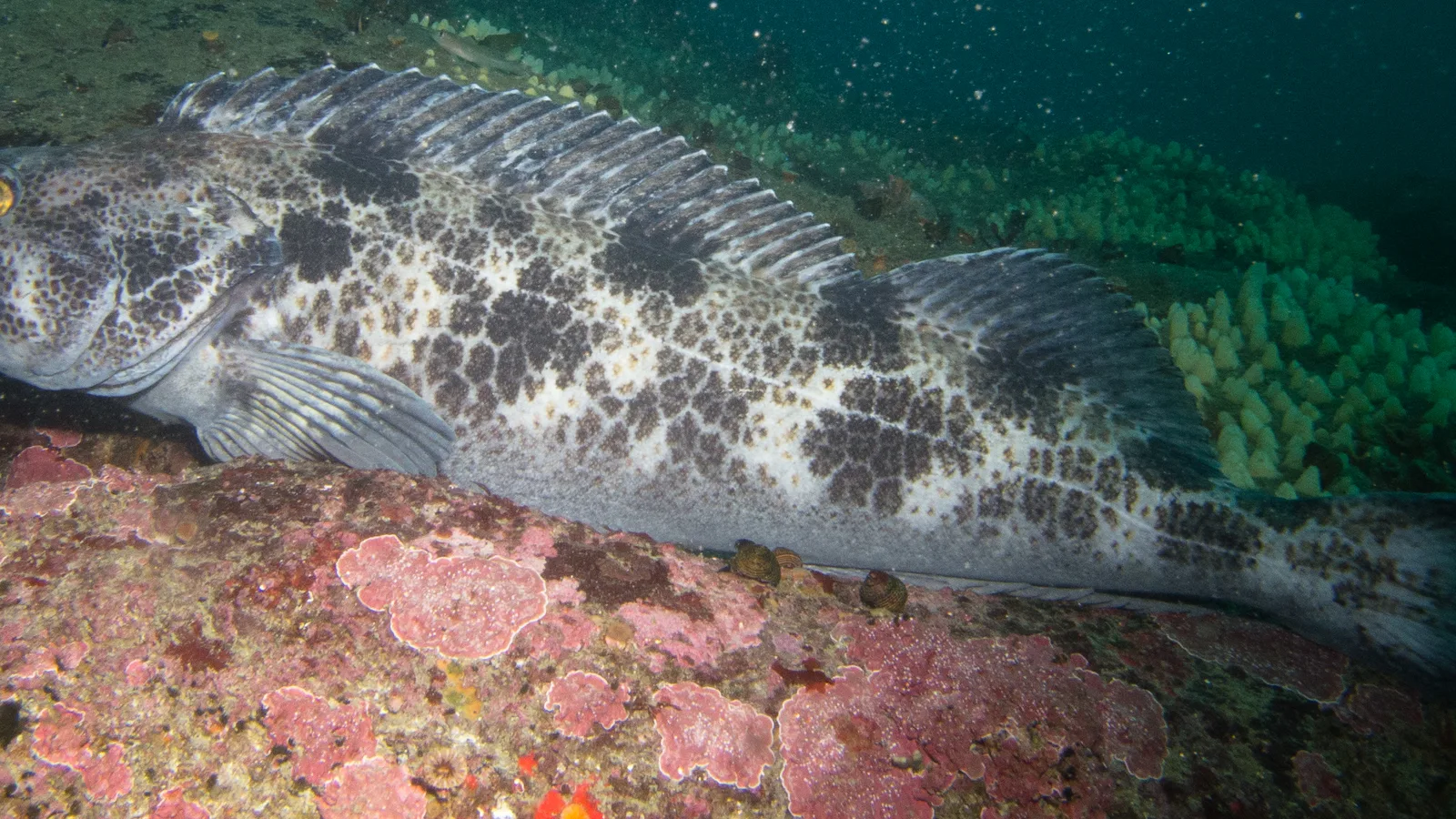
Lingcod
- Family
- Hexagrammidae
- Depth
- 0–475 m
- Season
- Jan, Feb, Mar, Dec
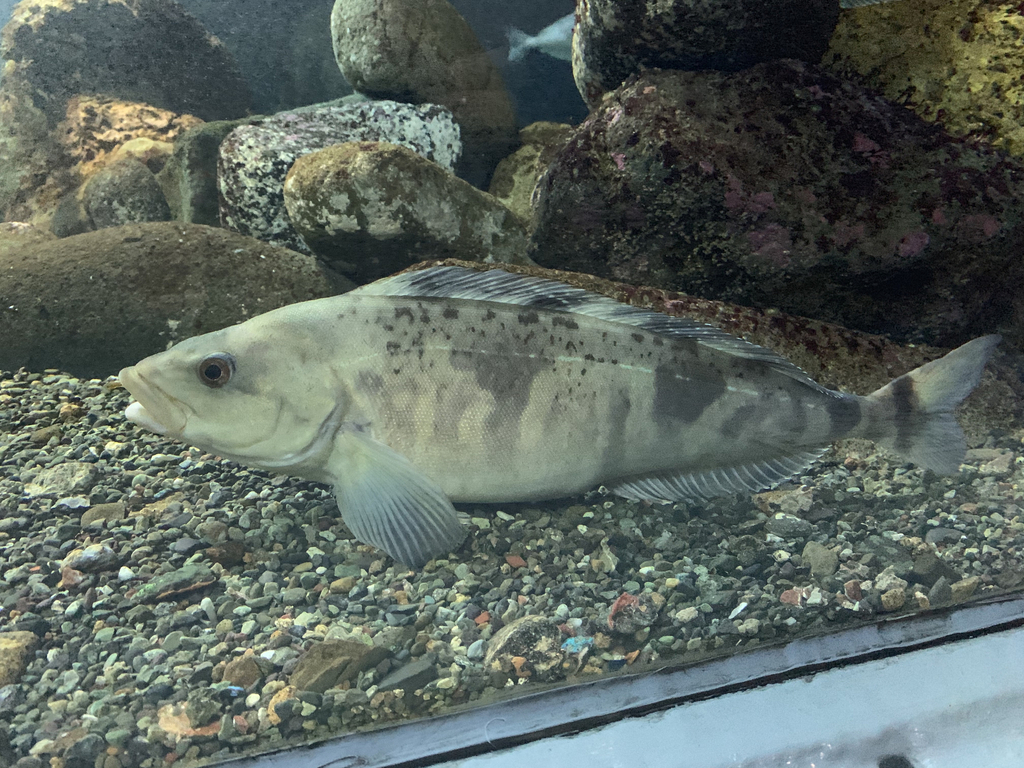
Okhotsk atka mackerel
- Family
- Hexagrammidae
- Depth
- 0–240 m
- Season
- Jan, Feb, Aug, Sep, Oct, Nov, Dec
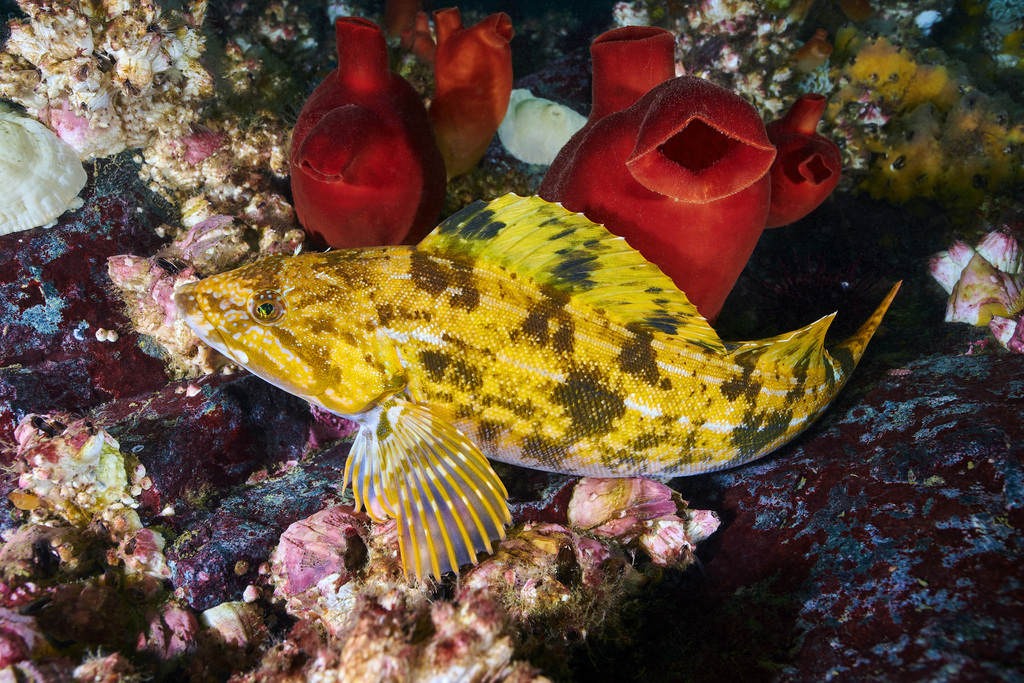
Okihime greenling
- Family
- Hexagrammidae
- Depth
- 4–155 m
- Season
- Jan, Feb, Aug, Sep, Oct, Nov, Dec
Guides for this water
Technique, gear and safety guides that fit Kelp greenling.