
Yellowedge grouper
Yellowedge grouper is a deep-slope Epinephelidae of the Gulf of Mexico and the western Atlantic, found on rock and around excavations from 90 to 360 m. It reaches 115 cm and 18.6 kg, lives up to 35 years, and is caught on cut bait or squid with heavy lead and an electric reel.
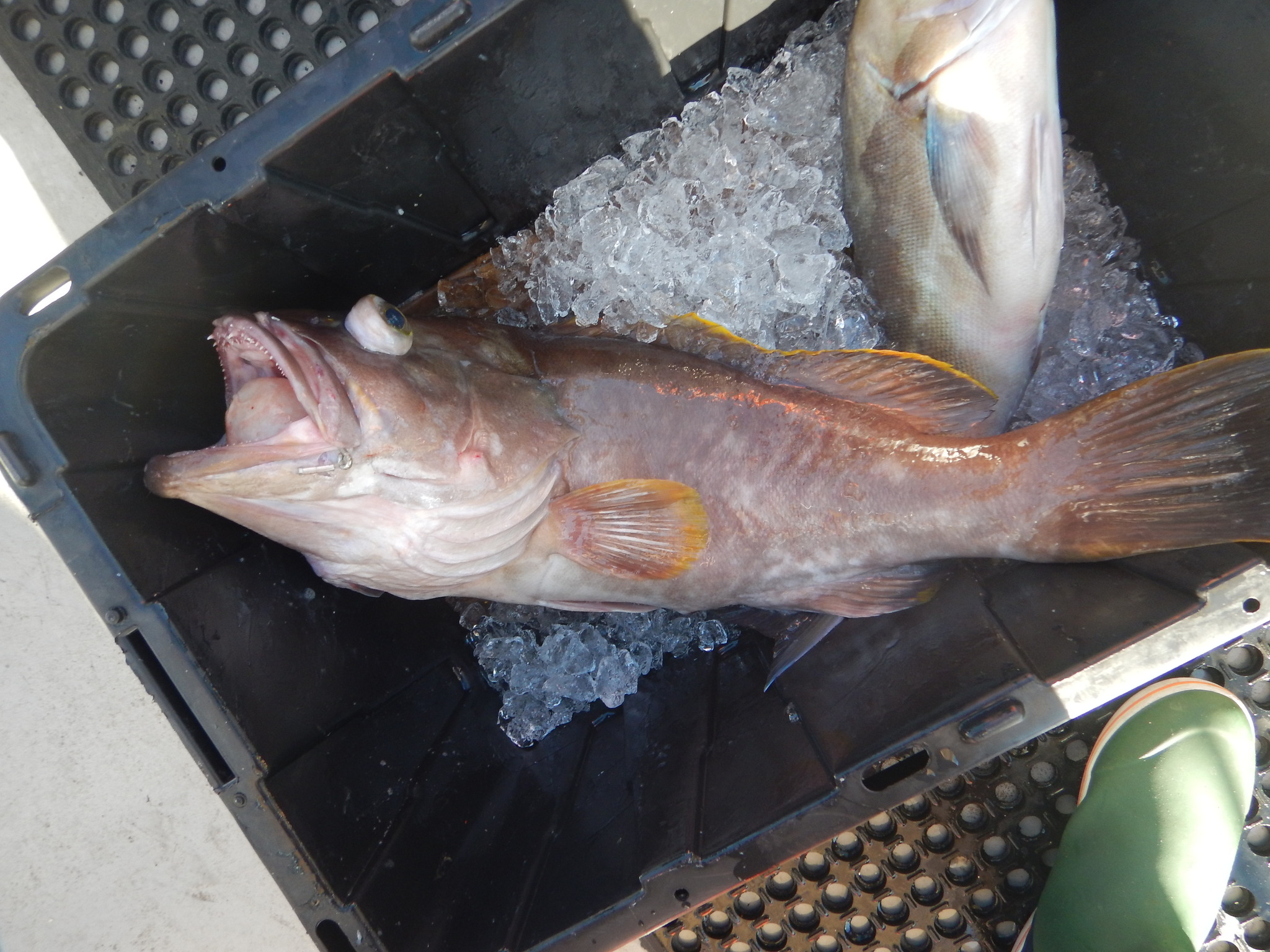
Yellowedge grouper is a deep-slope Epinephelidae of the Gulf of Mexico and the western Atlantic, found on rock and around excavations from 90 to 360 m. It reaches 115 cm and 18.6 kg, lives up to 35 years, and is caught on cut bait or squid with heavy lead and an electric reel.
Identification
Yellowedge grouper is a brown deep-water grouper with yellow margins on the dorsal, anal, caudal and pectoral fins. The yellow is still visible after a day in the box.
FishBase gives 115 cm, 18.6 kg and 35 years, with maturity near 58 cm. It is slimmer than a warsaw and has no white spots, unlike a snowy.
Distribution and Habitat
The range runs from North Carolina through the Gulf of Mexico and the Caribbean to southern Brazil. This is outer-shelf and upper-slope water, not a bay or jetty.
Depth is 90 to 360 m over rock and over sand or mud cut by trenches and holes. The deep half is longline ground; the upper half is within reach of a recreational boat.
Habits and Diet
Adults are solitary and hold beside rock or an excavation rather than travelling in groups. A good sounder mark beats a wide drift.
Brachyuran crabs and fishes lead the diet, with other bottom invertebrates taken as available. Cut fish, squid, a small whole fish or crab all match it.
A solitary deep fish does not refill a mark quickly, so take one and move on.
Fishing Methods
Deep dropping is the method: heavy lead, long leader and a bait pinned to the bottom from 90 m down. The upper end suits an electric reel and a slow drift.
Keep the bait just off the rock, and lift the rod when the lead hangs. Lead weight follows the current, which can run hard on top and slack below.
Gear and Approach
Use 65 to 100 lb braid, a 60 to 80 lb leader, a 7/0 to 9/0 circle hook and a reel with capacity to spare. The rod must lift a 10 kg fish against current.
Carry a descending device: a fish from 90 m or more arrives with an expanded swim bladder and has a poor chance if released at the surface. Release the large, old fish as well.
Seasonal Window
FishBase gives no Gulf spawning months, so none are asserted here. The real window is weather: summer and early autumn supply the calm days a deep drop needs.
A neap tide lets heavy lead sit; a full-moon spring tide can make 150 m unworkable. Winter trips are possible, but northern Gulf fronts close the window for weeks.
Edibility and Handling
Yellowedge is a good table fish, marketed fresh, with white firm flesh that holds up to frying, grilling or chowder.
Bleed it at once and bury it in ice; a deep-water grouper left warm softens fast. Mind the jaw and gill covers on a rocking deck.
A 10 kg fish yields several meals and freezes poorly, so eat it fresh.
Regulations and Conservation
In the federal Gulf EEZ, grouper fall under a 4 fish aggregate per person per day, and warsaw are limited to 1 per boat per day. Yellowedge have no federal minimum size and no dedicated federal closure. Deep-water grouper landings are largely an individual quota fishery, and the recreational sector works inside the same aggregate. Federal documents have used Gulf of America since 2025.
Florida sets no separate minimum, counts yellowedge in the 4 fish aggregate and limits warsaw to 1 per person and 1 per boat per day on the Atlantic side. Louisiana and Mississippi use a 4 fish aggregate, no yellowedge minimum and 1 warsaw per boat per day; Louisiana recommends a descending device. Alabama uses a 4 fish aggregate, lists no yellowedge minimum and applies a 20 fish reef-fish aggregate where no other bag applies. Texas lists no yellowedge in state water; beyond 9 nautical miles federal rules apply.
IUCN lists yellowedge as Vulnerable, assessed 21 November 2016, with pressure from longline and trap effort, a 35 year lifespan and poor surface-release survival.
How to catch it
Deep dropping
90
Drift fishing
Electric reel
Where these facts come from
Check these pages before you rely on a size, range or protection status.
- FishBase — Hyporthodus flavolimbatus — FishBase · T2
- GBIF — Hyporthodus flavolimbatus occurrence records — GBIF · T2
- IUCN Red List — Hyporthodus flavolimbatus — IUCN · T1
- Photo record — iNaturalist — iNaturalist · T3
Fish in the same water
These fish live in the same place.
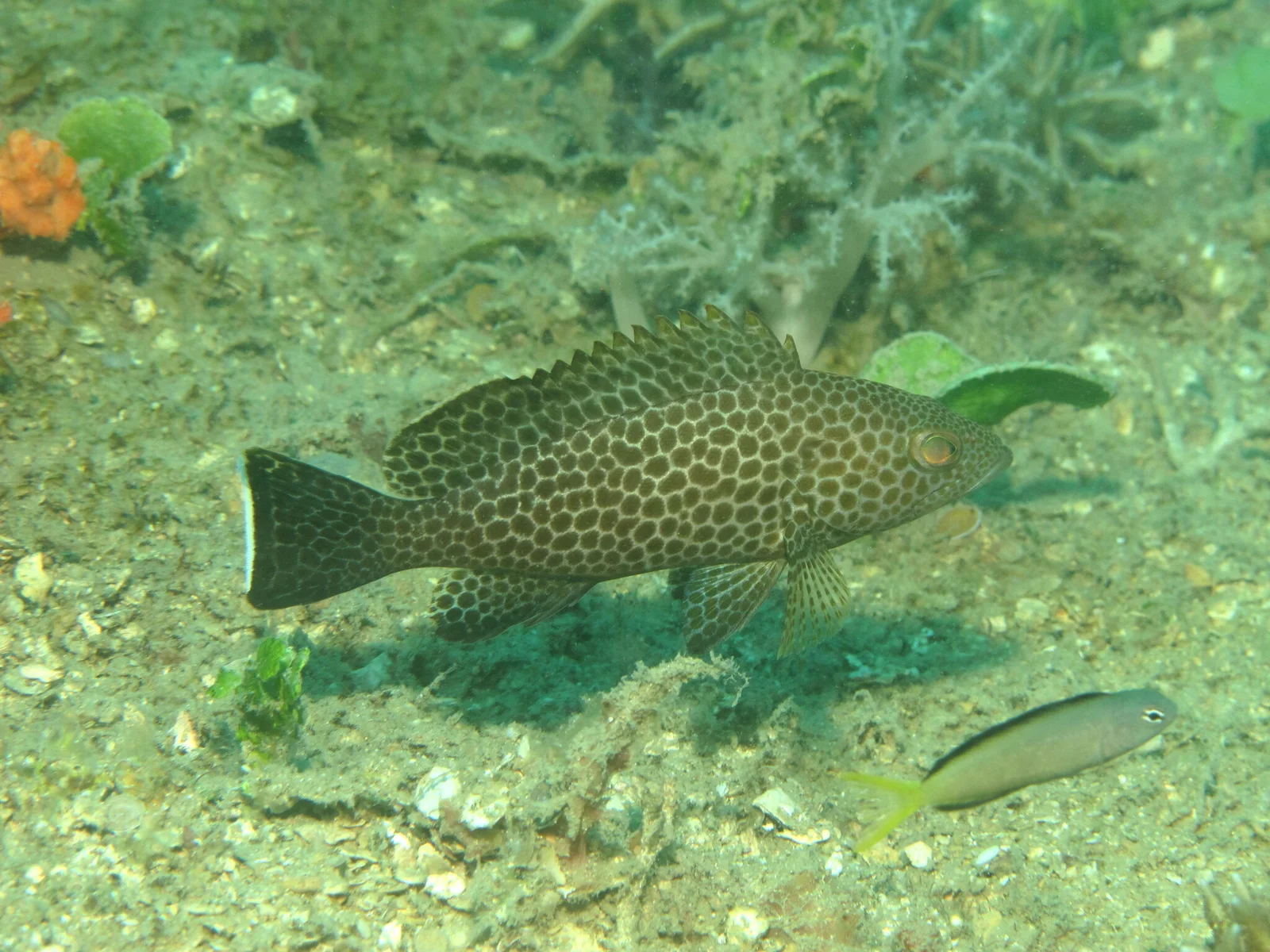
Areolate grouper
- Family
- Epinephelidae
- Depth
- 6–200 m
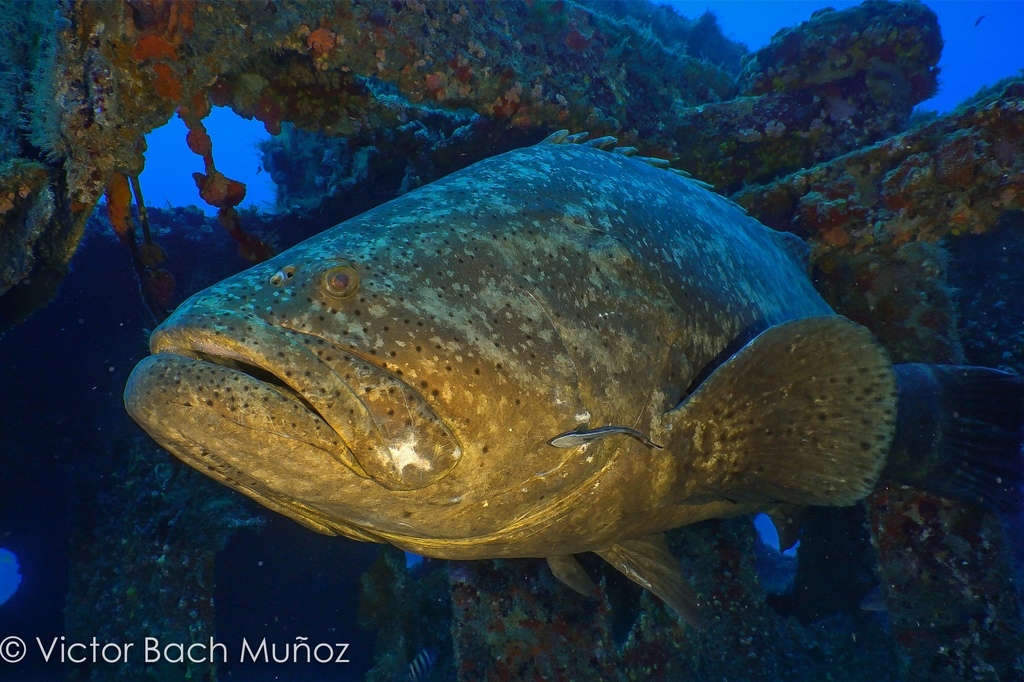
Atlantic goliath grouper
- Family
- Epinephelidae
- Depth
- 0–100 m
- Season
- Jan, Feb, Jun, Jul, Aug, Sep

Black grouper
- Family
- Epinephelidae
- Depth
- 60–250 m
- Season
- Jan, Feb, Mar, Apr, May, Jun, Jul, Aug, Sep, Oct, Nov, Dec
Guides for this water
Technique, gear and safety guides that fit Yellowedge grouper.