≥45 cm
Australia — Queensland · AU-QLD
Queensland sets a 45 cm minimum size for spangled emperor.
Spangled emperor | Min: 45cm | Limit: 5

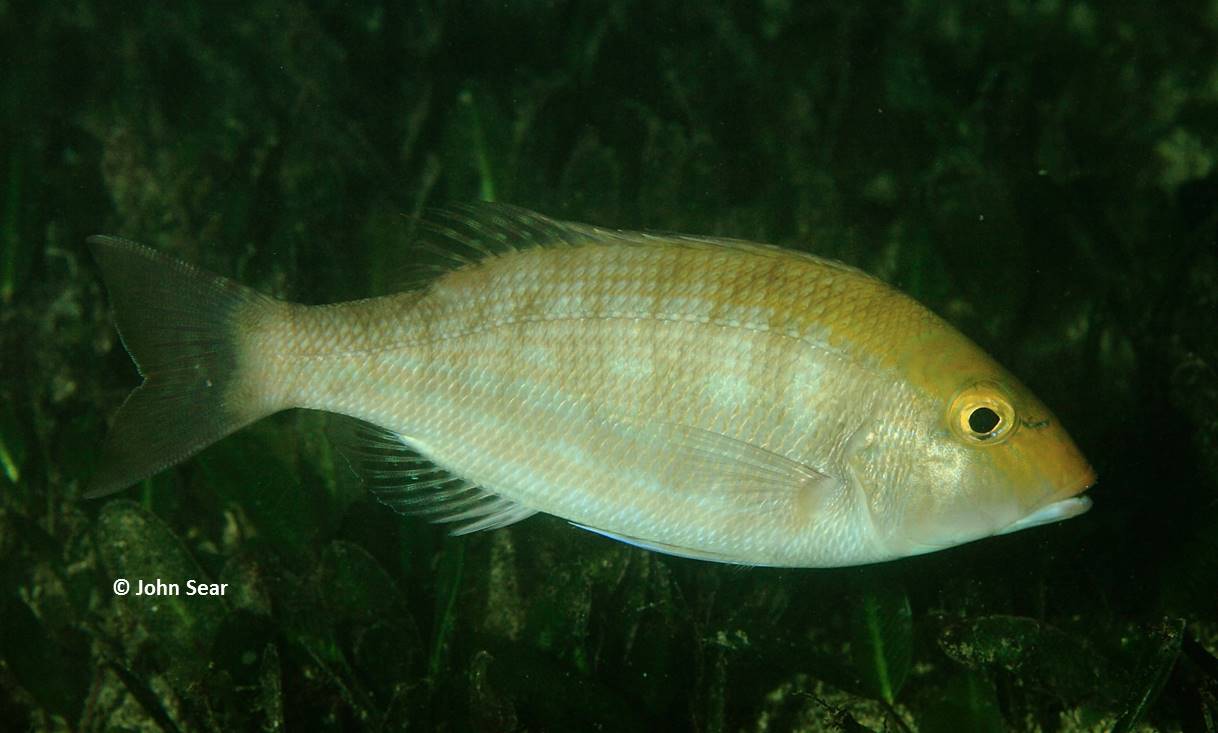
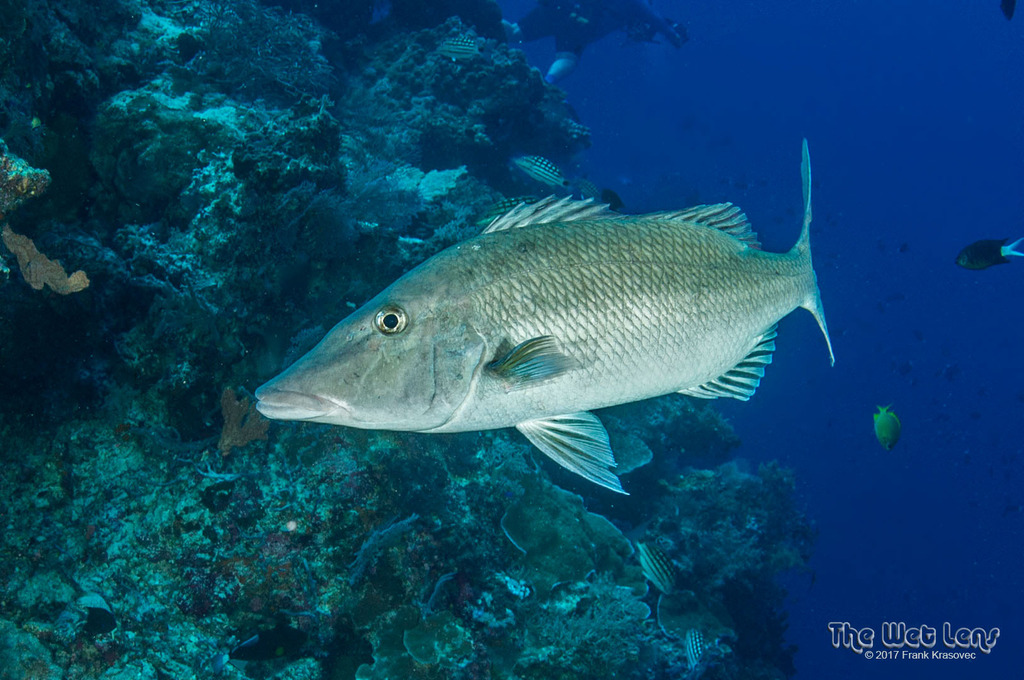
Spangled emperor is a big, laterally compressed lethrinid of the Indo-West Pacific, from the Red Sea, Persian Gulf and East Africa across to southern Japan and Samoa. It works reef from 10 to 75 m and eats almost anything on the bottom, from crustaceans and fish to algae, worms and echinoderms. Adults reach 87 cm TL and 8.4 kg and can live 28 years. It is present year-round.

Spangled emperor (Lethrinus nebulosus) is a fish of the family Lethrinidae. FishBase gives its range as: Indo-West Pacific: Red Sea, Persian Gulf and East Africa to southern Japan and Samoa. According to a genetic study , Lethrinus nebulosus and Lethrinus choerorynchus are two distinct species in Western Australia. It is recorded from 10 to 75 m, in tropical water. The recorded maxima are 87 cm TL, 8.4 kg, 28 years. Diet includes crustaceans, fishes, algae, worms and echinoderms. IUCN status: Least Concern (LC). Chinese name: .
Western Australia sets a 400 mm minimum for spangled emperor, and the number is only half the rule. The other half is how the fish is measured: from the point of the snout to the tip of the tail, not to the fork. This species has a forked tail, so a fish measured to the fork can read short of the legal line while the same fish measured to the tail tip passes. Two anglers with the same fish can reach different answers. Lay the fish flat, run the ruler along the body, and measure the whole tail. A fish that only touches the 400 mm mark on a flat ruler should go back; the margin is not worth the risk.
The FishBase account puts the maximum at 87 cm and the common length at 70 cm, with a maximum age of 28 years. The legal line sits just above the size at which the species first breeds, so a 400 mm fish is a young adult, not a trophy. That is the point of the number: it lets a fish spawn at least once before it can be kept. A 70 cm fish is a different animal — old, and the one worth releasing if you already have a feed. FishBase also records ciguatera poisoning reports for the species, which makes the keep decision local: a 70 cm fish from a known ciguatera area is not dinner, regardless of size.
FishBase's distribution note cites a genetic study finding that Lethrinus nebulosus and Lethrinus choerorynchus are two distinct species in Western Australia. Anglers on the west coast use "norwest snapper" for fish that may belong to either. The regulation names spangled emperor, so identification is not academic: the 400 mm line applies to the name on the table, and a misidentified fish is a rule problem before it is a biology problem. Learn the cheek and snout pattern before you trust the market name.
Outside the West Coast region, the daily bag is a mixed demersal limit of four fish per fisher, and spangled emperor falls under "all other species" within that total. Keeping four spangled emperor is legal only if you keep no other demersal fish that day; two spangled emperor plus two red emperor also uses the four. Inside the West Coast region the structure changes: boat-based demersal fishing is closed, and the land-based bag is two demersal fish. The number on the species row is not the number you can put in the esky.
Boat-based recreational fishing for demersal scalefish in the West Coast region is closed until spring 2027. Land-based fishing continues year round, outside existing spawning closures. That means the same 400 mm fish is available from a rock ledge but not from a boat in the metro area, and charter fishing for demersal species in the metro zone is closed. Before you plan a trip, decide which bioregion you will be in and whether you will be on a boat; the size rule is the last thing to check, not the first.
The species is reef-associated and non-migratory, recorded from 10 to 75 m. Western Australia classifies demersal finfish as those living on or near the ocean floor, usually deeper than 20 m. That fits the terrain: reef patches, rubble and the sand channels between them, not the surface. Fish the edge where reef meets sand and the drop beside it; a bait sitting on clean sand away from structure is in the wrong place. The fish does not move far, so a mark that produced once is worth re-fishing on the same tide. Use a running sinker or a light paternoster so the bait sits on the reef edge instead of burying in sand; in jagged coral, a sinker you can break off is cheaper than one that holds and costs you the rig.
FishBase's spawning table lists every month, with a separate Australian row for the northern coasts from May to October. A twelve-month table is not a green light. It means the local spawn is timed by water temperature and location, and for the Gascoyne and North Coast grounds the May-to-October row for the northern coasts is the one to plan around. Spawning closures can sit inside that window; check the current closure list for the bioregion before you book, because a closed area overrides both the size and the bag.
The range runs from the Red Sea and the Persian Gulf through East Africa to southern Japan and Samoa, and Australia is inside it. GBIF's 39 distribution statements are heavily western Indian Ocean — Kenya, Mauritius, Mozambique, Seychelles, Comoros, Tanzania, Djibouti and Eritrea — with no Australian country row. That map cannot plan a Western Australian trip; it only shows where the dataset is dense. iNaturalist has 1,633 observations, a better signal of where people actually meet the fish. Look on the Gascoyne and North Coast reef edges, measure to the tail tip, and count the fish against the group bag before the species bag.
These are the published regulations for this fish. Read the number first. The notice below it is the actual regulation.
Queensland sets a 45 cm minimum size for spangled emperor.
Spangled emperor | Min: 45cm | Limit: 5
Queensland sets a possession limit of 5 Spangled emperor.
A possession limit is the total number of fish you may keep at any time, including fish at home or in the freezer; it is not a daily take limit.
Spangled emperor | Min: 45cm | Limit: 5
Every record above names its source and the date it was retrieved. See the regulation register for the full list, or how to read these regulations.
Check these pages before you rely on a size, range or protection status.
These fish live in the same place.
Technique, gear and safety guides that fit Spangled emperor.