
Blue grenadier
Blue grenadier is a long, tapering hake-like fish of the southwest Pacific, found off New Zealand and southern Australia. It moves through a huge depth band, from the surface to 1,000 m, and feeds on crustaceans and fish. Adults reach 120 cm TL and can live 25 years. June to September, the southern winter, is the season.

Blue grenadier (Macruronus novaezelandiae) is a fish of the family Macruronidae. FishBase gives its range as: Southwest Pacific: New Zealand and southern Australia. It is recorded from 0 to 1000 m, in subtropical water. The recorded maxima are 120 cm TL, 25 years. Diet includes crustaceans and fishes. IUCN status: Not Evaluated (NE). Chinese name: .
The name changes at the border
Ask for hoki in Wellington and blue grenadier in Melbourne and you are asking for the same fish. The English names split by market rather than by biology: hoki in New Zealand, blue grenadier in Australia and in the FAO list, blue hake in Australia and the United States, New Zealand whiptail in several countries, and whiptail hake in the American trade. The scientific name is one, Macruronus novaezelandiae, but the search results are not. Look up a quota under one name and a recipe under another and you will conclude they are different species. They are not. In a fish shop the same fillet can carry either label depending on whether it came from a New Zealand trawler or an Australian one; the label follows the trade route, not the species.
The quota uses a code, not a name
New Zealand manages the fish as HOK 1, a single quota management area covering the EEZ except the Kermadec area. The total allowable commercial catch has been 110,000 tonnes since 1 October 2021, split 45,000 tonnes for the western stock and 55,000 tonnes for the eastern stock. This is the country's largest finfish fishery, and the quota code is the name that matters in regulation. A market label will not tell you which stock the fillet came from; the code will.
Two stocks under one code
The assessment treats HOK 1 as two stocks, western and eastern, and reports them separately. In 2025 the eastern stock was estimated at 55 percent of its unfished level and the western at 39 percent; combined, 44 to 45 percent. The management target range is 35 to 50 percent, so both are inside it, but the western stock is close to the lower edge. Juveniles from both stocks mix on the Chatham Rise before recruiting to their respective spawning grounds. That is why a single code can hide two different pictures.
Where the fish is caught is where it spawns
The eastern stock spawns in Cook Strait and off the east coast of the South Island; the western stock spawns off the west coast of the South Island. FishBase records spawning from June to September, with rows for New Zealand and for the west coast of Tasmania. The two sets of dates describe the same winter window in different places. For a recreational boat, the practical reading is that winter is when the fish aggregate, and winter is also when the weather is least forgiving.
A deep fish, not a shore fish
FishBase records the species from the surface to 1,000 m, usually between 200 and 700 m. It is benthopelagic and oceanodromous, and it feeds in midwater on squid, crustaceans and fish. That depth range puts it beyond most shore and small-boat effort. The fishery is a deep dropline, trawl and longline story, and a recreational boat needs the gear and the sounder to find fish several hundred metres down. FishBase gives a maximum length of 120 cm and a maximum age of 25 years, and the big females are old fish. Deep water is where those fish live, which is another reason the recreational version of this fishery is a boat fishery or nothing. The name "whiptail" describes the long, tapering tail, not a shallow-water habit.
The family name is also a trap
FishBase places the species in Macruronidae, not in the true hake family. The common names still include "hake" in several combinations. A search for "hake" will return a different group of stocks, different regulations and different prices. If you are checking a rule or a quota, search the scientific name or the code HOK 1; "hake" is a description, not an identifier.
Keep and season are separate
The HOK 1 total allowable commercial catch is a commercial instrument; it does not set a recreational bag. The recreational daily limit comes from New Zealand's amateur fishing rules, a separate rulebook, and the two numbers are not interchangeable. "Can I keep it" is answered by the daily limit and any minimum size in the current amateur rules. Whether it is legal to target at all depends on area closures and the deep-water gear rules. A minimum size is a keep rule, not a bag rule, and it is measured against the fish in your hand. Check both before a trip; a quota figure on a fisheries page is not a bag limit.
Where to look
The species is native to New Zealand, the Kermadec Islands and southern Australia. The Kermadec area sits outside HOK 1, so a fish taken there falls under a different code. GBIF's 11 distribution statements include six locality-level rows, two for New Zealand, one for Australia and two for Brazil. The Brazil rows sit outside the FishBase range, so treat them as records to verify rather than a new range. iNaturalist has only 12 observations, which is what a deep-water commercial fish looks like in a photo database. Fish the deep water off the South Island and the Chatham Rise if you have the boat for it; otherwise, the honest answer is that this is a fish you meet in the market, not from the shore.
Where these facts come from
Check these pages before you rely on a size, range or protection status.
- FishBase — Macruronus novaezelandiae — FishBase · T2
- GBIF — Macruronus novaezelandiae occurrence records — GBIF · T2
- IUCN Red List — Macruronus novaezelandiae — IUCN · T1
- Photo record — iNaturalist — iNaturalist · T3
Fish in the same water
These fish live in the same place.
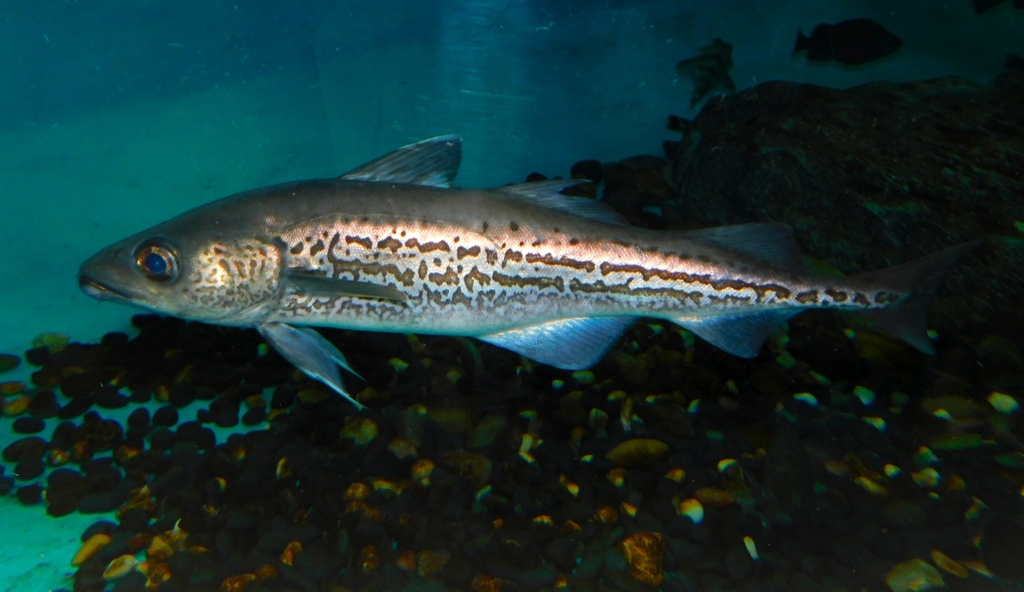
Alaska pollock
- Family
- Gadidae
- Depth
- 0–1280 m
- Season
- Jan, Feb, Mar, Apr, May, Jun, Jul, Aug

Albacore
- Family
- Scombridae
- Depth
- 0–600 m
- Season
- Jan, Feb, Mar, Apr, May, Jun, Jul, Aug, Oct, Nov, Dec
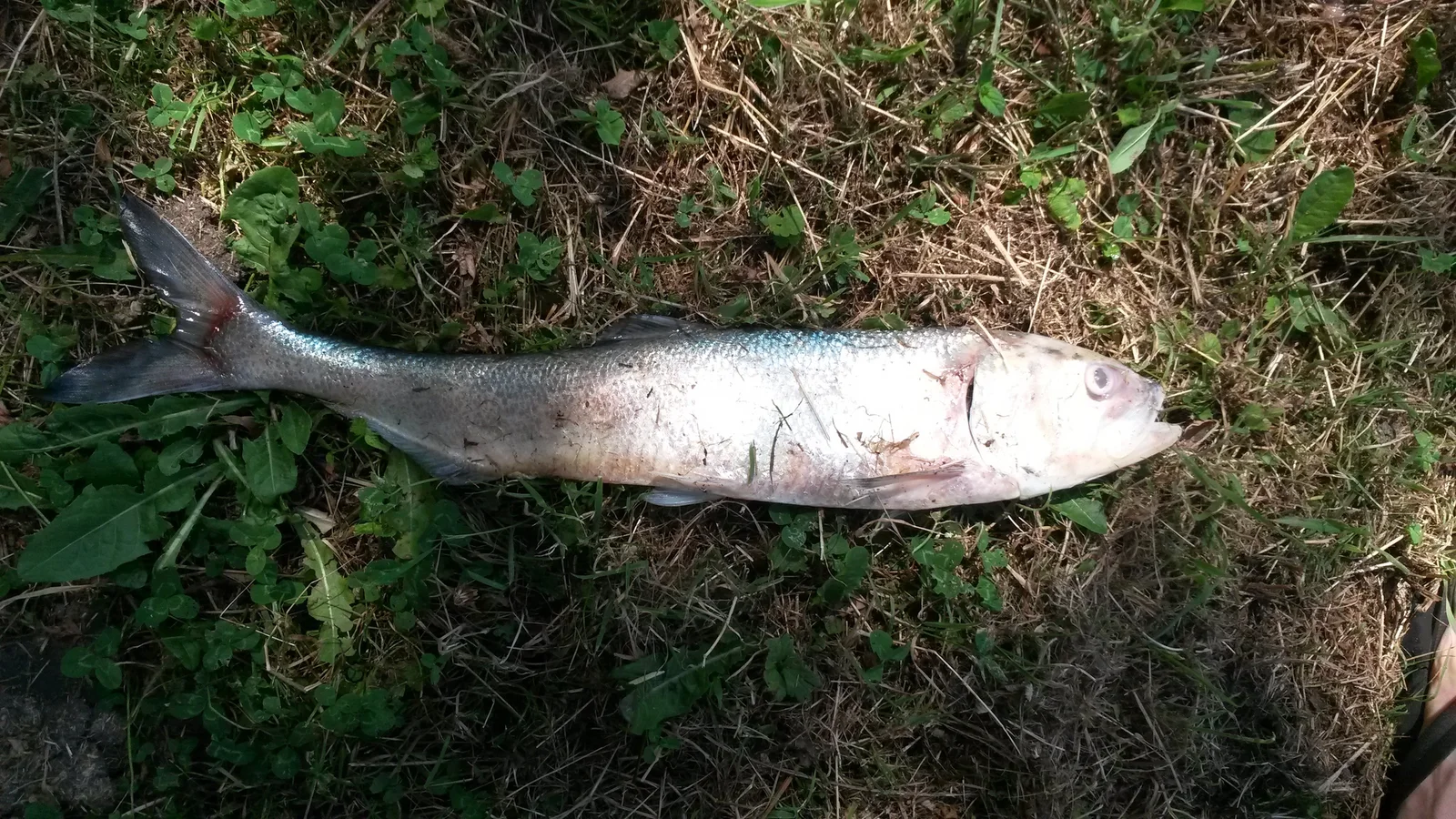
Allis shad
- Family
- Alosidae
- Depth
- 10–400 m
- Season
- Apr, May, Jun, Jul
Guides for this water
Technique, gear and safety guides that fit Blue grenadier.