
Capelin
Capelin is a small forage fish of the smelt family Osmeridae, a key link in the food webs of the North Atlantic, North Pacific and Arctic. It travels in large pelagic schools from the surface down to about 725 m, and some populations spawn on sandy beaches, where males often die after spawning. At a common length near 15 cm and a maximum weight of about 52 g, it lives up to 10 years.
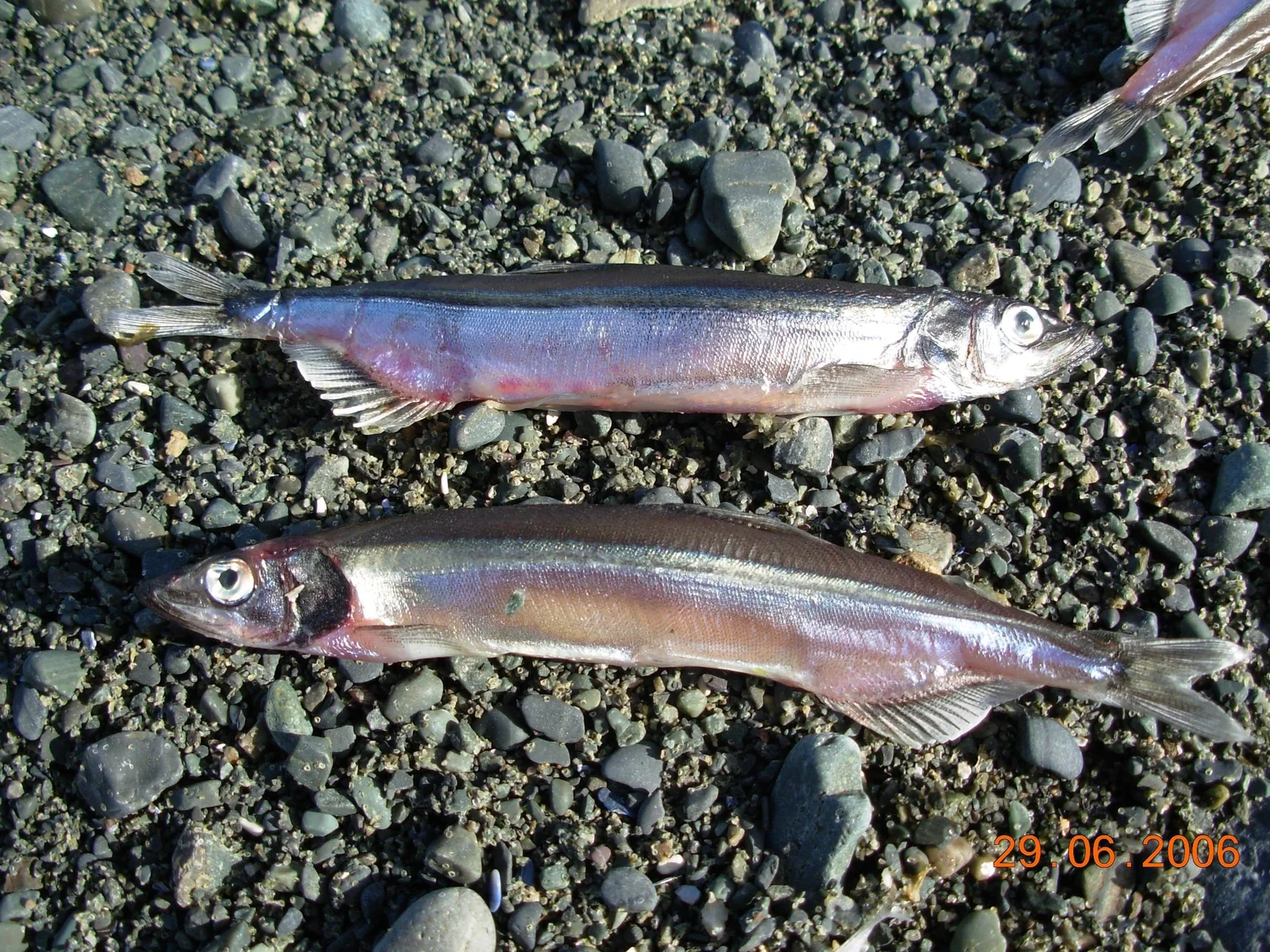
Capelin is a small forage fish of the smelt family Osmeridae, a key link in the food webs of the North Atlantic, North Pacific and Arctic. It travels in large pelagic schools from the surface down to about 725 m, and some populations spawn on sandy beaches, where males often die after spawning. At a common length near 15 cm and a maximum weight of about 52 g, it lives up to 10 years. The species is fished commercially in quantity and is Not Evaluated by IUCN; it is not a recreational target.
Identification
Capelin is a fish best described by what eats it. Wikipedia calls it a small forage fish of the smelt family, found in the North Atlantic, North Pacific and Arctic oceans. FishBase's English list is dominated by variant spellings — Caplin, Capling, Ceaplin — plus Cock caplin, Lodde, Roller and White-fish. Chinese is , with and as variants. The spelling chaos reflects many small communities around one ocean.
The body counts are modest: dorsal soft rays 10–14, anal spines zero, anal soft rays 16–23, vertebrae 62–73. A long anal fin and high vertebral count fit a slender pelagic fish. Wikipedia adds the colour: olive above, silver on the sides, with a translucent ridge on each flank of the male and a reddish iridescence on the belly at spawning time.
The size table separates the sexes. Males reach 20.0 cm TL, females 25.2 cm TL, the common length is 15.0 cm TL, maximum weight is 52 g and maximum age is 10 years. Females are the larger sex, the reverse of the usual fish pattern. The maturity field gives 13.3 cm with a 15–19 cm range; the two disagree, and both are reproduced.
Habitat and distribution
The range is circumpolar Arctic, with North Atlantic and North Pacific arms: the Barents Sea to Bear Island, the White and Norwegian seas, Greenland to 76°30'N, Hudson Bay to the Gulf of Maine, and in the Pacific south to Korea and Juan de Fuca Strait. Fourteen country rows are all native.
The environment line is marine, freshwater and brackish, pelagic-oceanic, anadromous, depth 0–725 m with a usual range to about 200 m, polar, 84°N–37°N and 180°W–180°E. The 180° span is a reminder that this is a circumpolar species, not an Atlantic one. Anadromous too: it moves between sea and fresh water, and some populations spawn on beaches.
Wikipedia supplies the ecology: in summer capelin grazes on dense plankton swarms at the edge of the ice shelf, and larger fish also eat krill and other crustaceans; whales, seals, Atlantic cod, Atlantic mackerel, squid and seabirds prey on it, especially during the southward spawning migration.
GBIF returns 37 rows: 28 without a country code, Canada 6, Sweden 2 and Norway 1. One row is marked native and 36 carry no means. iNaturalist holds 486 observations.
Season and fishing approach
Eighteen spawning rows are carried, and together they span January to December with no November record. Localities range from the Barents and Chukchi seas to Iceland, Newfoundland, Kamchatka and the Pacific coast. The season is a set of local windows across a circumpolar range.
Wikipedia adds the biology that makes those rows unusual: capelin spawn on sand and gravel bottoms or on sandy beaches at two to six years of age, and beach-spawning males suffer a post-spawning mortality close to 100 per cent. For males, the spawning run is the end of life.
The use line is highly commercial, with no gamefish flag. It is landed in quantity; the capture gives no method, bait or regulation. The rows tell when and where fish gather, not how to fish for them.
Edibility and regulations
The only food field is the highly commercial flag. No culinary note, market size or handling instruction appears. Its uses are outside this bundle.
The record carries no IUCN assessment: the species is Not Evaluated, and no assessment date is given. The capture carries no size, season or bag limit. A commercial forage fish may be managed by quotas absent from angling rules, so check the local rule rather than infer one from the flag.
Where these facts come from
Check these pages before you rely on a size, range or protection status.
- FishBase — Mallotus villosus — FishBase · T2
- GBIF — Mallotus villosus occurrence records — GBIF · T2
- IUCN Red List — Mallotus villosus — IUCN · T1
- Photo record — iNaturalist — iNaturalist · T3
Fish in the same water
These fish live in the same place.
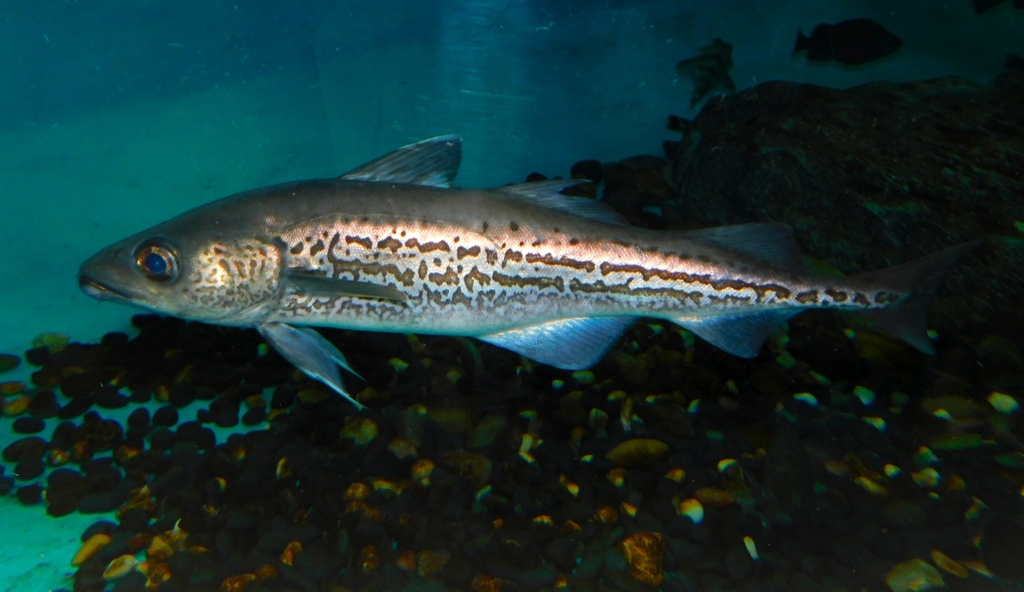
Alaska pollock
- Family
- Gadidae
- Depth
- 0–1280 m
- Season
- Jan, Feb, Mar, Apr, May, Jun, Jul, Aug

Albacore
- Family
- Scombridae
- Depth
- 0–600 m
- Season
- Jan, Feb, Mar, Apr, May, Jun, Jul, Aug, Oct, Nov, Dec
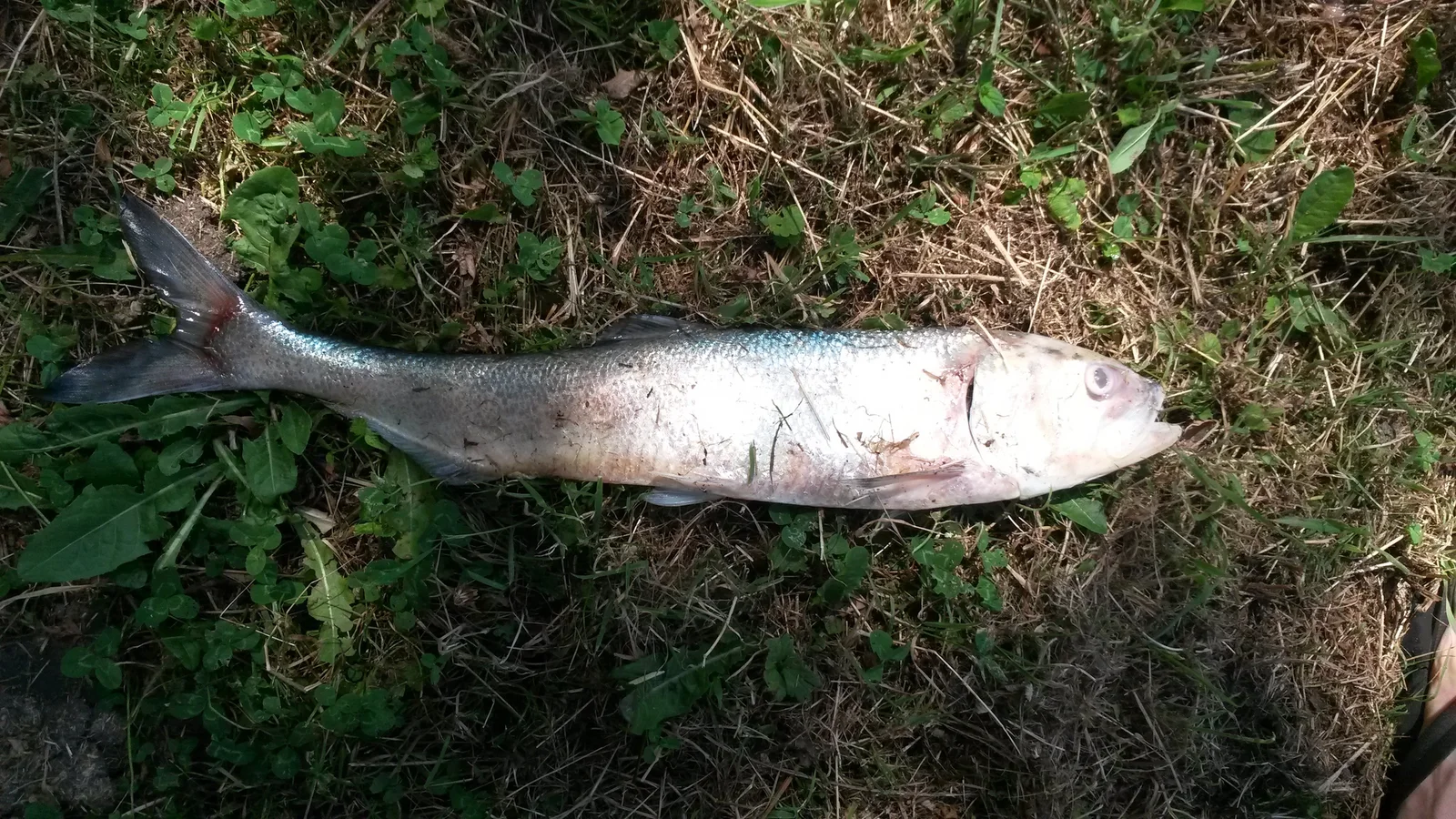
Allis shad
- Family
- Alosidae
- Depth
- 10–400 m
- Season
- Apr, May, Jun, Jul
Guides for this water
Technique, gear and safety guides that fit Capelin.