No minimum size · no bag limit
United States — Maine · US-ME
Maine sets no size or bag limit for silver hake (whiting).
SILVER HAKE / WHITING (Merluccius bilinearis) Size: no minimum size Bag limit: none

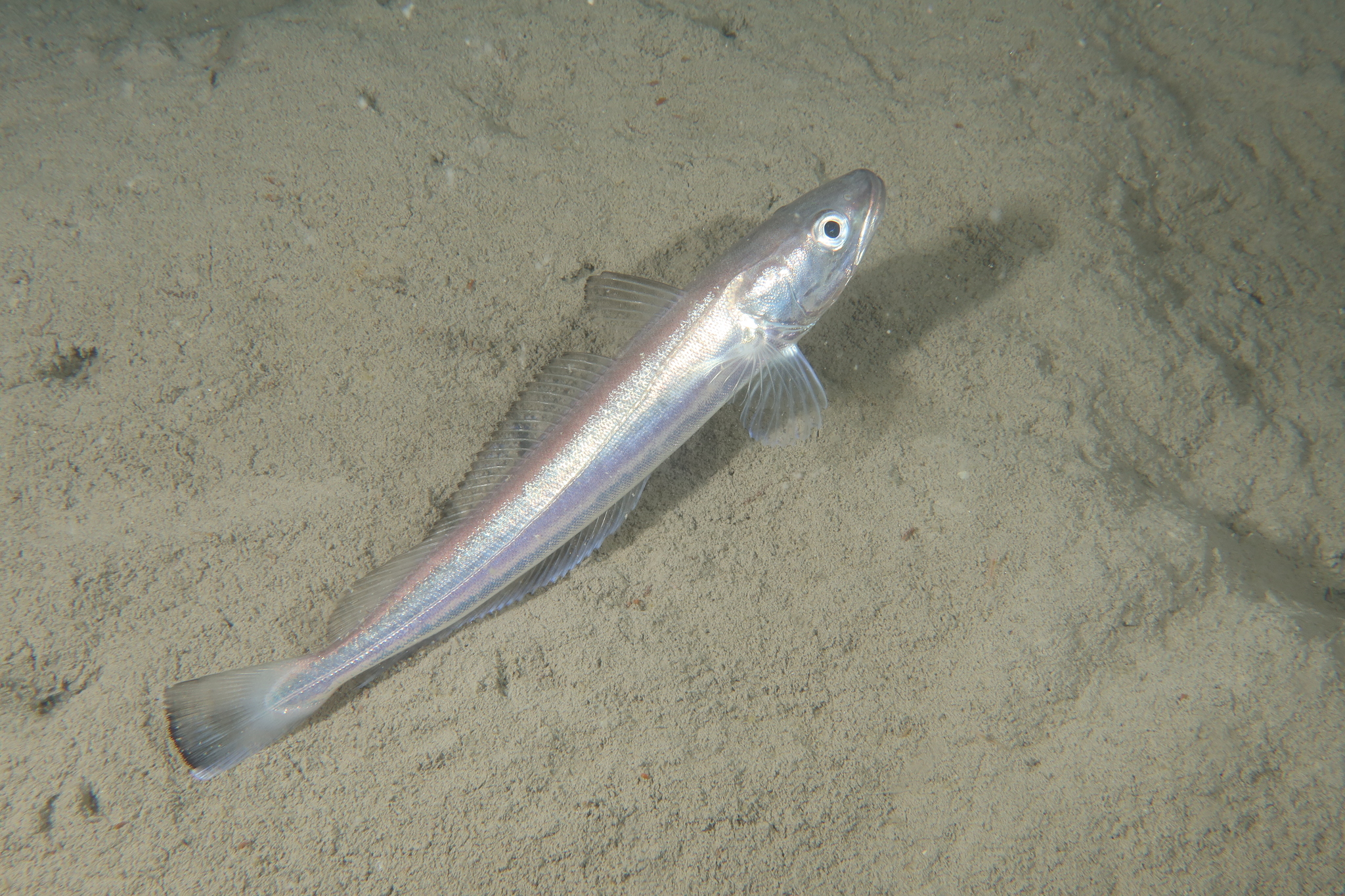
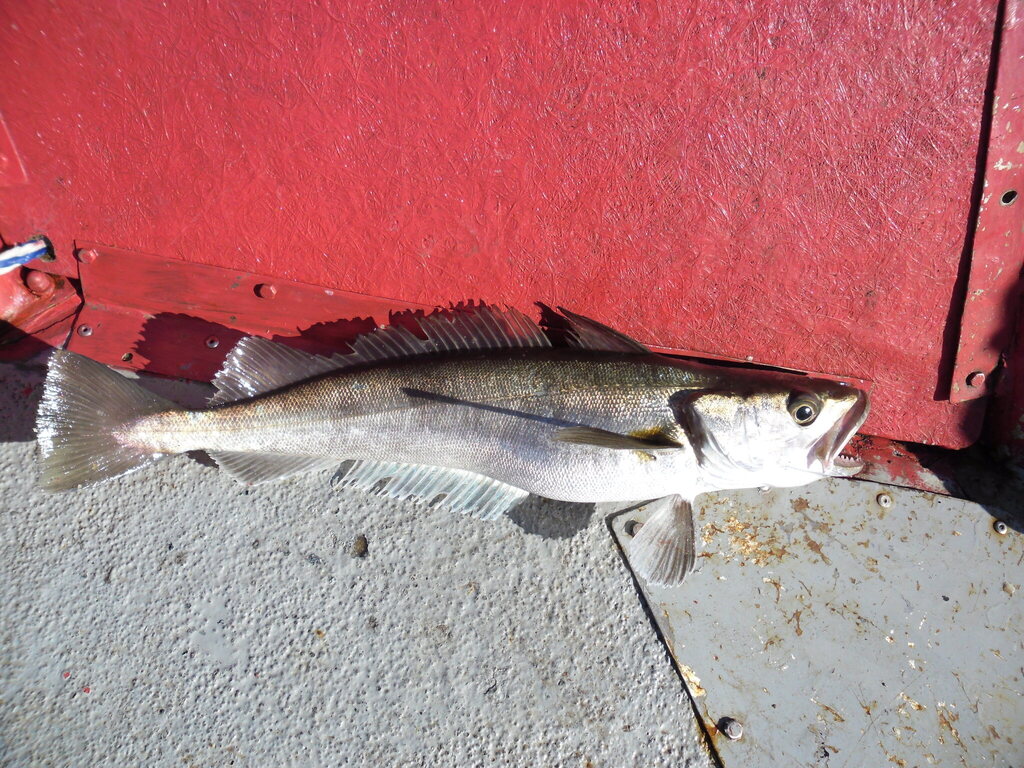
Silver hake is a slim, large-mouthed merlucciid of the northwest Atlantic, from the Bell Isle Channel down to the Bahamas. It is a temperate fish recorded between 55 and 914 m, and it feeds on crustaceans and small fish. Adults reach 76 cm TL and 2.3 kg and live about 12 years. May to October is the season, with the silver body, dark back and long soft dorsal and anal fins marking it out.

Silver hake (Merluccius bilinearis) is a fish of the family Merlucciidae. FishBase gives its range as: Northwest Atlantic: coast of Canada and USA from Bell Isle Channel to the Bahamas; most common from southern Newfoundland to South Carolina. An elongated hake with 47–54 dorsal soft rays and 37–41 anal soft rays, no anal spines, and an oval cross-section. It is recorded from 55 to 914 m, in temperate water. The recorded maxima are 76 cm TL, 2.3 kg, 12 years. Diet includes crustaceans and fishes. IUCN status: Near Threatened (NT). Chinese name: .
An elongated hake with 47–54 dorsal soft rays and 37–41 anal soft rays, no anal spines, and an oval cross-section. Maximum length is 76 cm total; the common length is given as 37 cm, with a separate common figure of 65 cm for females; first maturity is 23.2 cm; maximum weight 2.3 kg; maximum age 12 years. The sex split in the common length is the tell: a typical silver hake is a different fish depending on which sex is on the line. The 76 cm maximum sits well above the 37 cm common length, and the female figure of 65 cm shows how much of that gap is sex rather than luck. The mouth is large, the teeth are sharp, and the body is silver with a darker back.
Northwest Atlantic, from the Bell Isle Channel off Canada to the Bahamas, most common from southern Newfoundland to South Carolina. Canada, the contiguous United States, Saint Pierre and Miquelon and the Bahamas are the range states. The recorded depth band is 55–914 m, in temperate water between 55°N and 24°N. Sandy bottom and continental shelf are the habitat keywords. That 859 m span is the axis of this entry: it is not one habitat but a slope, and the fish is oceanodromous, so the band is a corridor rather than a fixed address. A sandy shelf with a steep outer edge is the terrain that produces a band of this width.
Spawning runs from May to October, with regional differences: Cape Sable to Block Island in May–October, Nova Scotia in June–September, off Sable Island Bank in August–September and the southern slopes of Georges Bank in June–July. Read the depth span as a contour problem. The shallow edge at 55 m is shelf water; the deep edge at 914 m is cold slope water; the fish is most common in the middle of its range, over the shelf and upper slope. Fish the contour, not a number: start where the bottom falls away, watch the sounder for the shelf break, and drop a jig or a bait to the depth where the mark sits. Because the band is a slope, one drift line can pass from 55 m to several hundred metres; keep the lure near the bottom and let the contour do the work. The 37 cm common length is a light-tackle fish; the 65 cm female is the one that bends a heavier rod.
Highly commercial, and also a recorded gamefish. IUCN status is Near Threatened, assessed 6 January 2015. It is Not Evaluated under CITES and under CMS. Minimum length and closed season are distinct instruments — the first governs take, the second governs effort — and each of the four states sets them apart. Near Threatened is a stock signal rather than a closure, and the 23.2 cm maturity figure is a biological reference, not a legal minimum.
These are the published regulations for this fish. Read the number first. The notice below it is the actual regulation.
Maine sets no size or bag limit for silver hake (whiting).
SILVER HAKE / WHITING (Merluccius bilinearis) Size: no minimum size Bag limit: none
Every record above names its source and the date it was retrieved. See the regulation register for the full list, or how to read these regulations.
Check these pages before you rely on a size, range or protection status.
These fish live in the same place.

Technique, gear and safety guides that fit Silver hake.