
Yellowmouth grouper
Yellowmouth grouper is an Epinephelidae grouper of rocky and coral bottom from shorelines to about 55 m, recorded from the Gulf of Mexico, Bermuda, the Caribbean and Brazil. It reaches 84 cm and 10.2 kg, lives up to 41 years, and is separated from scamp by its yellow mouth and lack of dark spots.
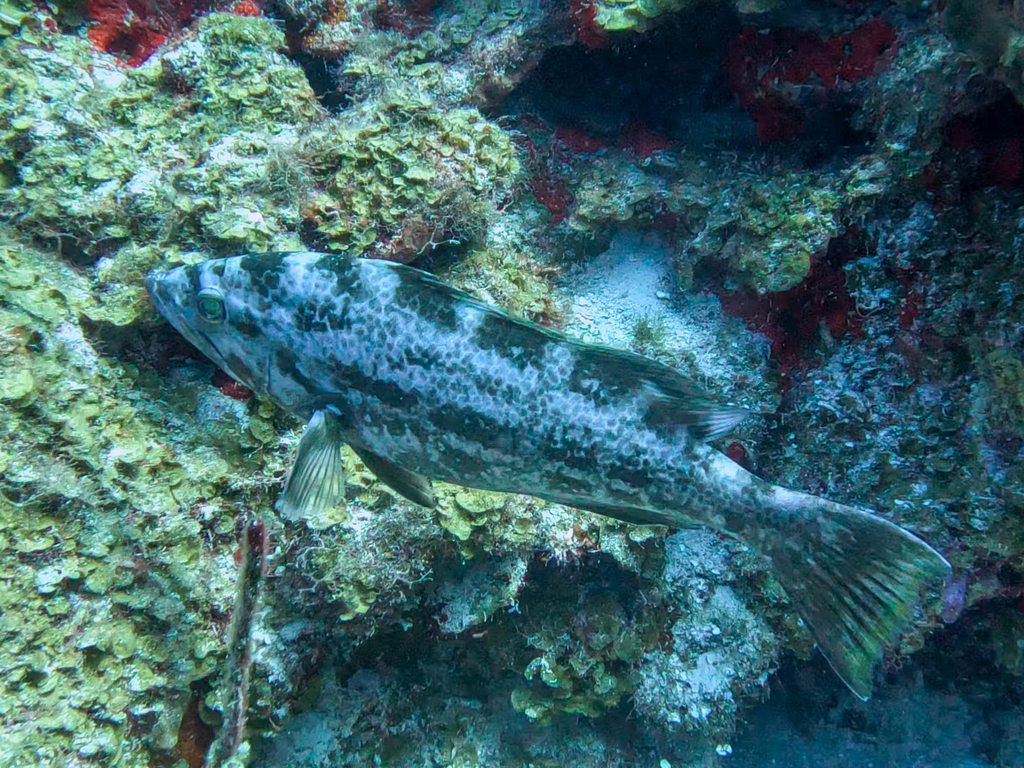
Yellowmouth grouper is an Epinephelidae grouper of rocky and coral bottom from shorelines to about 55 m, recorded from the Gulf of Mexico, Bermuda, the Caribbean and Brazil. It reaches 84 cm and 10.2 kg, lives up to 41 years, and is separated from scamp by its yellow mouth and lack of dark spots.
Identification
Yellowmouth grouper has a brown to grey-brown body with faint pale spots and, on a fresh fish, a clearly yellow mouth lining and lower jaw. The yellow is the first thing to check before the fish goes in the box.
FishBase gives 84 cm total length, a common 40 cm, 10.2 kg and a maximum age of 41 years. Scamp is covered in small dark spots and has no yellow mouth; yellowfin grouper has bright yellow fin margins. Yellowmouth has neither dark spotting nor yellow fins.
Distribution and Habitat
Recorded from the Gulf of Mexico, Bermuda, the Caribbean, mainly around islands, and Brazil. FishBase notes it is more common in island waters than along continental coasts.
The depth range is 2 to 150 m, usually 2 to 35 m, on rocky or coral bottom. Small and medium fish often sit in mangrove-lined lagoons, so shallow structure and lagoon mouths are worth checking.
Habits and Diet
Yellowmouth feed on fishes and are ambush hunters of reef structure. Sex reversal has been observed in the species.
Juveniles mimic the tricolored pattern of young clown wrasse and even fold their median and tail fins to approach wary prey. It is a reminder that small, odd-looking fish in the shallows may not be what they seem.
Fishing Methods
Live bait fished close to rock or coral is the standard approach in 5 to 35 m. A live shrimp or small pinfish on a light lead sinks naturally and is usually taken on the drop.
Drifting over patch reef covers more ground than anchoring, but keep the bait near structure. When the current is strong, a heavier lead and a shorter leader keep the bait in the strike zone.
Gear and Approach
Twenty to thirty pound braid, a 30 to 40 lb leader, a 3/0 to 5/0 circle hook and 1 to 3 oz of lead suit most shallow reef days. A 7 ft medium-heavy rod is enough.
Set the hook with a firm lift and then pull the fish away from the rocks before it can wedge in. Check the mouth colour at the boat: yellowmouth and scamp share water and have different rules in some states.
Seasonal Window
Warm months are the practical season, with fish more active and the water clearer. Spawning has been recorded in every month in the eastern Gulf of Mexico, so there is no single month window to plan around.
Fish the moving tide around shallow reef. The first of the flood and the start of the ebb usually bring the best bite, while slack water leaves fish sitting tight to structure.
Edibility and Handling
Marketed fresh and described as good quality, with white flesh that stands up to frying or grilling.
Bleed and ice promptly, and clean the fish before the body temperature climbs. FishBase lists no ciguatera reports and no threat to humans for this species.
Regulations and Conservation
In the federal Gulf EEZ, grouper are managed under a 4 fish aggregate per person per day, excluding goliath, with gag and red grouper each capped at 2. Yellowmouth grouper has no federal minimum size.
From 1 January 2027, recreational fishing for the other shallow-water groupers, including yellowmouth, scamp, yellowfin and black grouper, closes in federal waters from 1 January to 30 June; the closure does not apply in 2026 and the current NOAA notice governs.
Florida sets 20 inches within its 4 fish grouper aggregate. Louisiana also uses 20 inches and closes yellowmouth, along with scamp, from 1 February to 31 March in state water deeper than 20 fathoms. Mississippi sets no state minimum, while Alabama does not list a size and counts the fish in its grouper aggregate. Texas does not list yellowmouth, so federal rules apply beyond 9 nautical miles. The IUCN Red List lists yellowmouth grouper as Vulnerable, assessed 21 November 2016; a 41 year lifespan means slow recovery. Rules change yearly, so check the current notices.
How to catch it
Boat bottom fishing
Drift fishing
Lure fishing
Where these facts come from
Check these pages before you rely on a size, range or protection status.
- FishBase — Mycteroperca interstitialis — FishBase · T2
- GBIF — Mycteroperca interstitialis occurrence records — GBIF · T2
- IUCN Red List — Mycteroperca interstitialis — IUCN · T1
- Photo record — iNaturalist — iNaturalist · T3
Fish in the same water
These fish live in the same place.
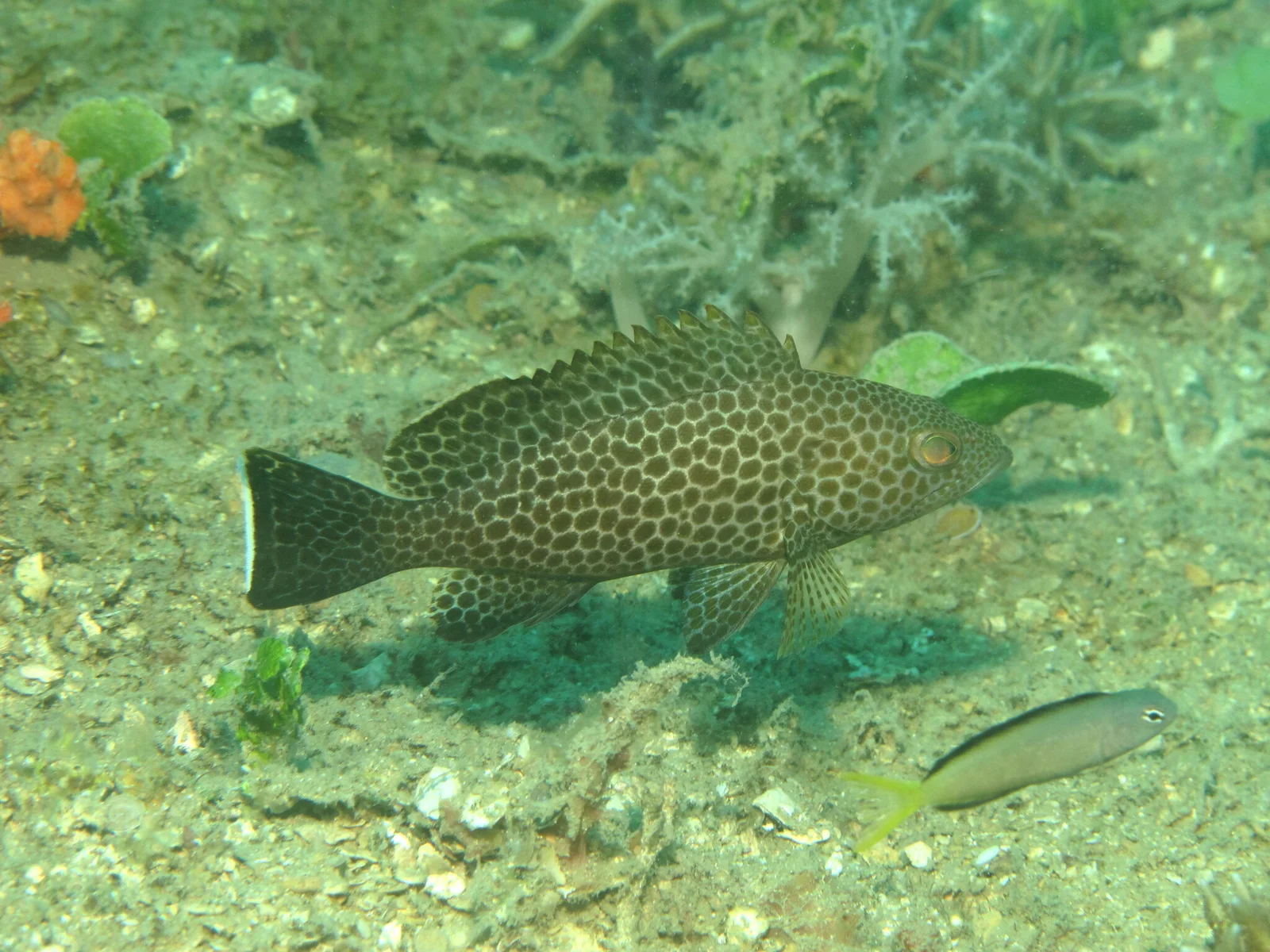
Areolate grouper
- Family
- Epinephelidae
- Depth
- 6–200 m
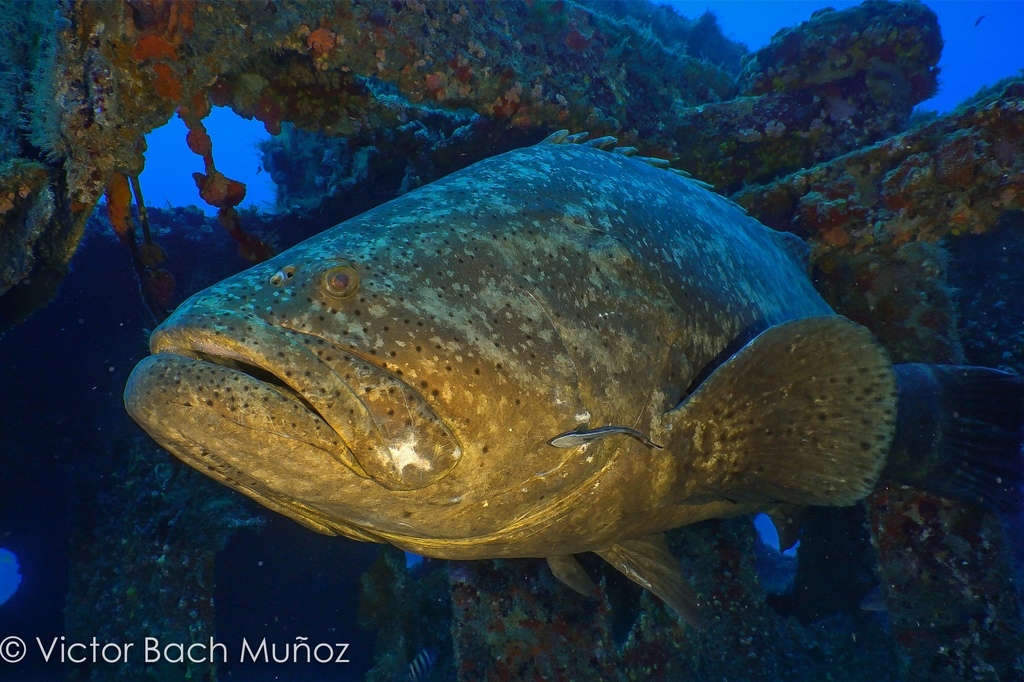
Atlantic goliath grouper
- Family
- Epinephelidae
- Depth
- 0–100 m
- Season
- Jan, Feb, Jun, Jul, Aug, Sep

Black grouper
- Family
- Epinephelidae
- Depth
- 60–250 m
- Season
- Jan, Feb, Mar, Apr, May, Jun, Jul, Aug, Sep, Oct, Nov, Dec
Guides for this water
Technique, gear and safety guides that fit Yellowmouth grouper.