
Yellowfin grouper
Yellowfin grouper is an Epinephelidae grouper of rocky and coral reef from 5 to 35 m in the Gulf of Mexico, Bermuda and the Caribbean. It reaches 100 cm and 18.5 kg, carries bright yellow fin margins and red-brown spots, and is a strong if occasionally ciguatoxic food fish.
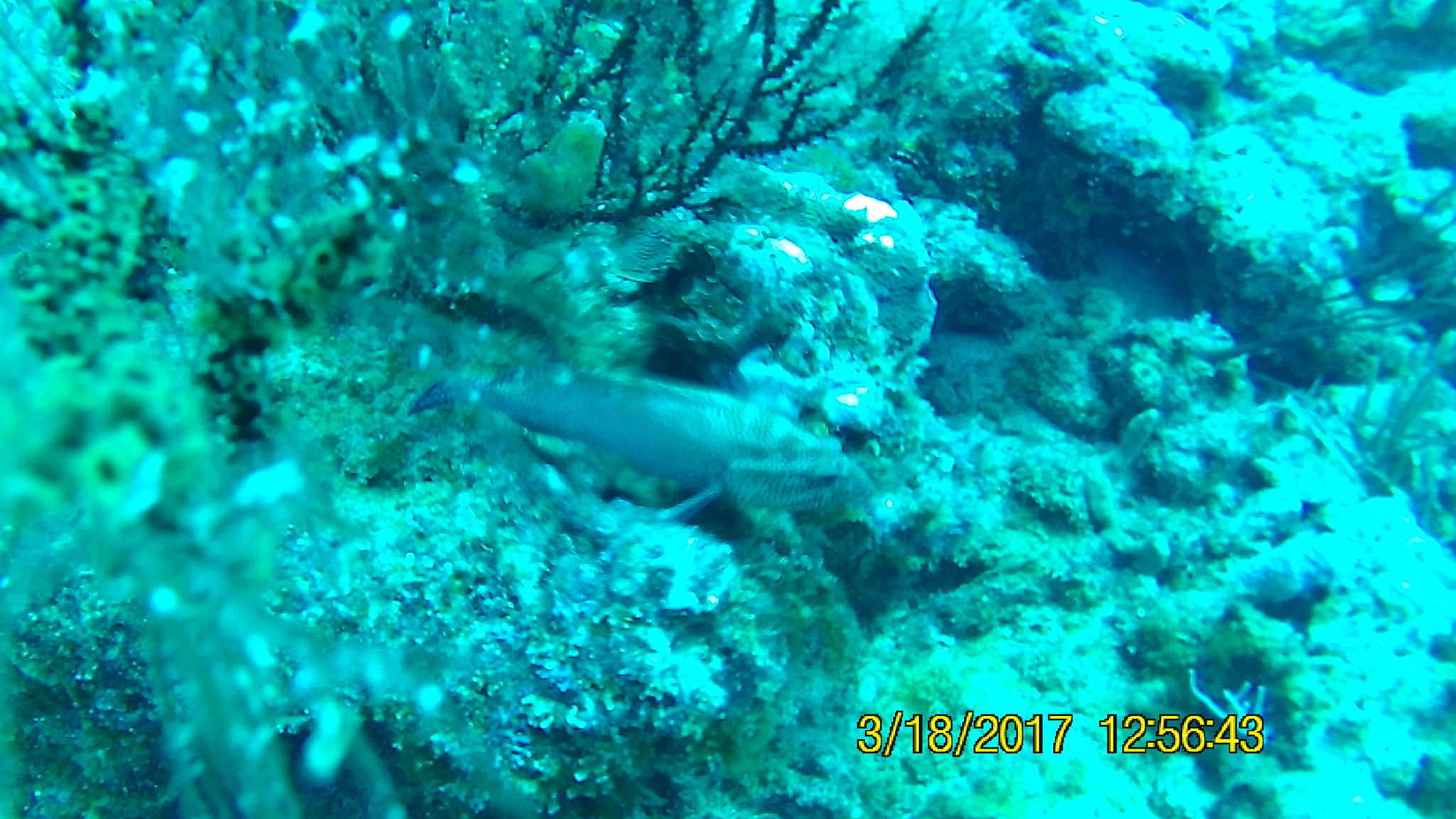
Yellowfin grouper is an Epinephelidae grouper of rocky and coral reef from 5 to 35 m in the Gulf of Mexico, Bermuda and the Caribbean. It reaches 100 cm and 18.5 kg, carries bright yellow fin margins and red-brown spots, and is a strong if occasionally ciguatoxic food fish.
Identification
Yellowfin grouper is a heavy-bodied grouper with a red-brown base, red to brown spots on the flank and some darker blotches. The mark that settles it is the bright yellow margin on the pectoral fins.
FishBase gives 100 cm total length, a common 50 cm, 18.5 kg and maturity at about 53.6 cm. Yellowmouth grouper has a yellow mouth but no yellow fin edges; scamp is spotted dark all over and grows to a similar length but is slimmer.
Distribution and Habitat
Recorded from Bermuda and the Gulf of Mexico through the Caribbean to São Paulo, Brazil. Adults hold on rocky and coral reef, while juveniles sit in shallow turtle grass beds.
Depth is 2 to 137 m, usually 5 to 35 m. The species has also been taken in trawls over mud in the northern Gulf, which is a reminder that not every fish comes off clean coral.
Shallow reef, reef edges and the transition to sand are the practical marks.
Habits and Diet
Yellowfin feed mainly on reef fishes and squid, and are ambush hunters rather than cruisers. Sex reversal has been observed, so the largest fish in a group are usually males.
They are occasionally caught by surface trolling, a habit worth remembering when a reef bite goes quiet. Most fish, though, are taken within a few metres of the bottom.
Fishing Methods
Live bait fished near coral or rock is the main method. A live pinfish or shrimp on a short leader sinks naturally, and the take usually comes on the drop or just after the bait settles.
Drift over reef instead of anchoring when the current allows, and keep the bait within a metre or two of structure. A slow, steady retrieve after a missed strike often draws a second take.
Gear and Approach
Thirty pound braid, a 40 lb leader, a 4/0 to 6/0 circle hook and 1 to 4 oz of lead cover most days in 5 to 35 m. A 7 ft medium-heavy rod gives enough lift to turn a fish away from coral.
Lock the drag down after the hookset and pull, because a yellowfin that reaches a ledge is gone. Check the pectoral fin colour at the boat before deciding to keep it.
Seasonal Window
Spawning is recorded from January to June in Cuba and from February to April in Jamaica, which puts the reproductive window in spring. Fishing continues through the warm months, with fish more active as water warms.
Work the moving tide around the reef. The change of tide is usually better than either the top or the bottom of the cycle.
Edibility and Handling
A desirable food fish despite the ciguatera reputation, and even large fish of 5 to 10 kg from areas considered safe reach markets. Flesh is white and firm.
FishBase records ciguatera reports for the species. Bleed and ice immediately, avoid fish from known outbreak areas, and do not serve the head or viscera. Large old fish carry the highest risk and are also the most valuable breeders.
Regulations and Conservation
In the federal Gulf EEZ, grouper are managed under a 4 fish aggregate per person per day, excluding goliath, with gag and red grouper each capped at 2. Yellowfin grouper has a 20 inch total length minimum.
From 1 January 2027, recreational fishing for the other shallow-water groupers, including yellowfin, scamp, yellowmouth and black grouper, closes in federal waters from 1 January to 30 June; the closure does not apply in 2026 and the current NOAA notice governs.
Florida sets 20 inches within its 4 fish aggregate. Louisiana also uses 20 inches, though its February to March closure deeper than 20 fathoms covers scamp and yellowmouth, not yellowfin. Mississippi sets 20 inches total length, Alabama 20 inches, and Texas does not list the species, so federal rules apply beyond 9 nautical miles. The IUCN Red List lists yellowfin grouper as Near Threatened, assessed 12 March 2018. Rules change yearly, so check the current notices.
How to catch it
Bait fishing
Drift fishing
Surf fishing
Where these facts come from
Check these pages before you rely on a size, range or protection status.
- FishBase — Mycteroperca venenosa — FishBase · T2
- GBIF — Mycteroperca venenosa occurrence records — GBIF · T2
- IUCN Red List — Mycteroperca venenosa — IUCN · T1
- Photo record — iNaturalist — iNaturalist · T3
Fish in the same water
These fish live in the same place.
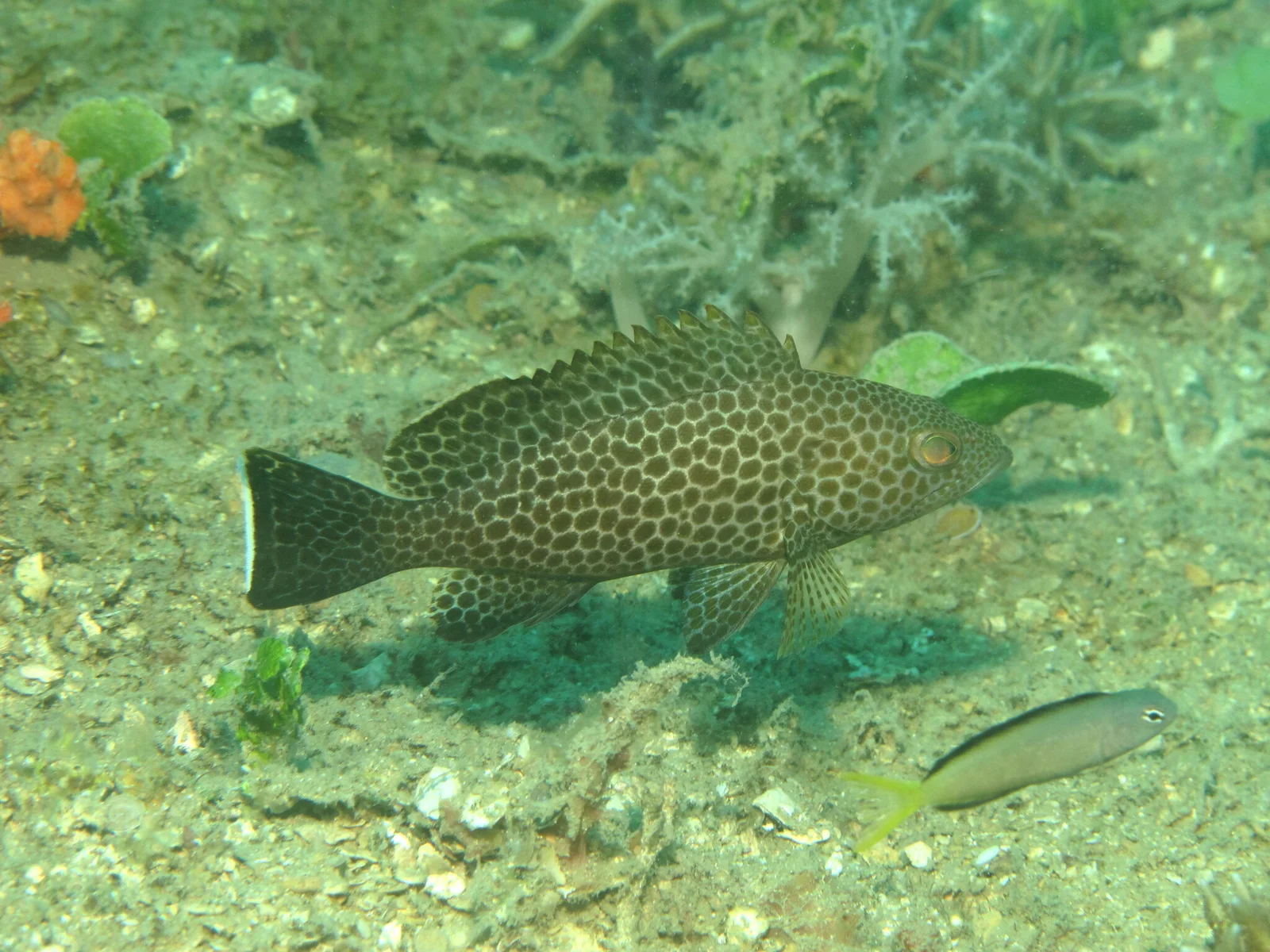
Areolate grouper
- Family
- Epinephelidae
- Depth
- 6–200 m
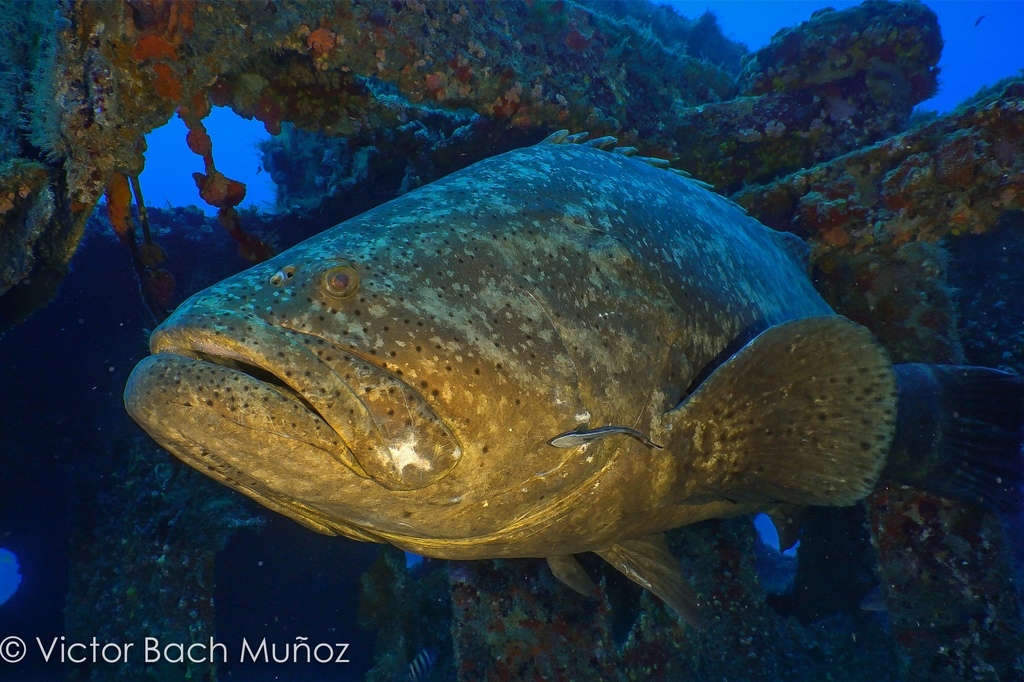
Atlantic goliath grouper
- Family
- Epinephelidae
- Depth
- 0–100 m
- Season
- Jan, Feb, Jun, Jul, Aug, Sep

Black grouper
- Family
- Epinephelidae
- Depth
- 60–250 m
- Season
- Jan, Feb, Mar, Apr, May, Jun, Jul, Aug, Sep, Oct, Nov, Dec
Guides for this water
Technique, gear and safety guides that fit Yellowfin grouper.