
Sand sole
Sand sole is a Soleidae flatfish of the eastern Atlantic, from the north-eastern to the south-eastern Atlantic, through the Mediterranean, with the Suez Canal, Black Sea and Sea of Azov also listed. It reaches 40 cm SL with a common length of 30 cm TL and a maximum age of 15 years, and it lives between 5 and 350 m. May to July is the season, and shore casting and boat bottom fishing are the methods listed.
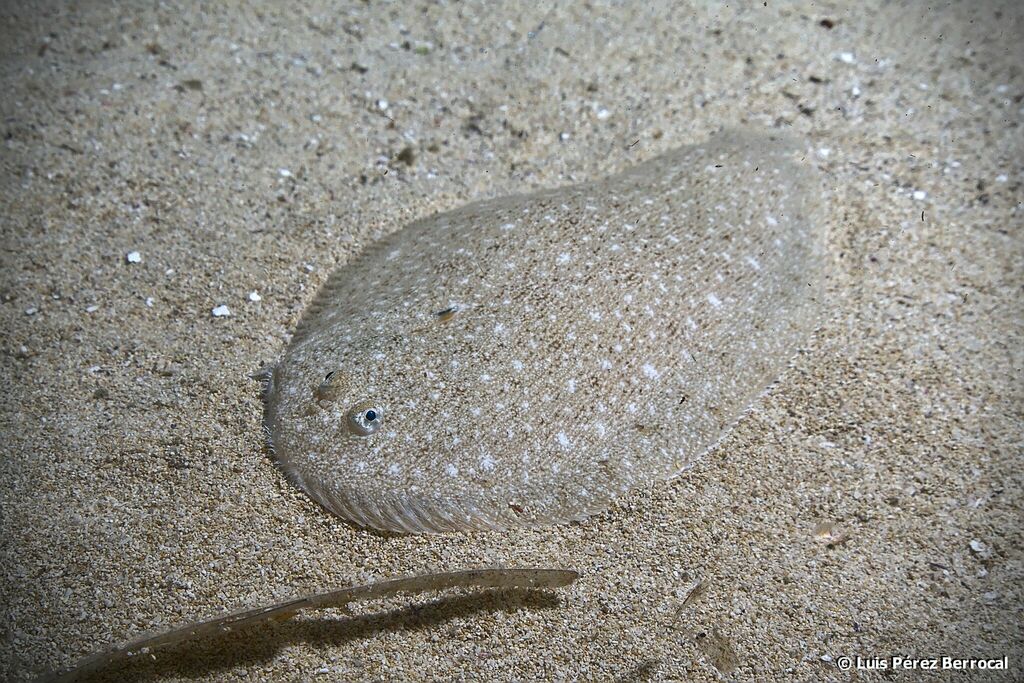
The sand sole is a Soleidae flatfish of the eastern Atlantic. FishBase's distribution runs from the north-eastern to the south-eastern Atlantic, perhaps into the Gulf of Guinea, through the Mediterranean, and it also lists the Suez Canal, the Black Sea and the Sea of Azov. It reaches a maximum of 40 cm SL, a common length of 30 cm TL and a maximum reported age of 15 years; no length at first maturity is given. It is marine and brackish, demersal, recorded from 5 to 350 m and usually from 20 to 50 m, and classified as subtropical.
Identification
Sand sole has the sole body plan: an oval, flattened fish with both eyes on the ocular side and the blind side underneath. FishBase's morphology table gives no anal spines, 69–87 dorsal soft rays, 53–73 anal soft rays and 40–48 vertebrae; that is a bench count, not a field mark.
Two features are more useful. The anterior nostril on the blind side is enlarged into a large round rosette with a diameter about equal to that of the eye, and the lower lip on the eyed side is undulated, with about six lobes. On the pectoral fin of the eyed side there is a black blotch with a white margin, except at its base; the blotch can be broken by a light space or accompanied by dots. Body colour is brownish yellow or reddish brown with obscure pale blotches and specks.
Several soles share the sand, and common sole is the usual confusion. Colour alone is not enough. Check the nostril, the lip and the pectoral blotch against photographs, and use a local key if the fish matters.
Habitat and behaviour
FishBase lists gravel, sand and mud, with a depth range of 5–350 m and a usual band of 20–50 m. That shallow habit is why estuary mouths, harbours and shallow beaches produce most rod-caught fish.
The diet is small bottom animals: marine bivalves, amphipods, mysids, shrimps, decapods and polychaetes. A sole picks at the surface of the sediment, often at night or in coloured water, and spends most of the day buried.
Seasonal window
The spawning table records May, June and July in the western part of the Channel. That is one area and one season, not a rule for the whole range; Mediterranean and African populations may differ, and the table establishes no closed season.
For the angler, the practical window is the warm half of the year, with the best fishing after dark and when the water is moving but not dirty. Soles are caught in daylight, but the odds improve at night on a flooding tide, when they move onto the shallows to feed. Water temperature matters more than the month: a cold spring keeps fish in deeper water and delays the move into the estuaries.
Gear and approach
A 2.4–3.0 m rod rated for 1–3 oz, a 2500–3000 reel, 10 lb braid and a 6–8 lb fluorocarbon leader is a sensible shore set-up; sole are not shy of line but they are shy of a heavy trace. Use a running ledger with a 1–2 oz lead, a snood of 60–80 cm of 10–12 lb fluorocarbon, and a hook from a No. 1 to 2/0, or a long-shank worm hook for ragworm.
Bait is the usual list: ragworm, lugworm, squid strip or a small piece of fish. Cast, let the lead settle, then move the bait in short slow pulls and let it rest. The bite is often a series of small taps followed by slack; do not strike at the taps. Tighten down until you feel weight, then lift.
At night, keep the rod in the rest and use a soft glow, not a bright beam. On a boat, a slow drift with the bait bouncing just above the sand covers more ground than a static anchor.
Edibility and regulations
FishBase records sand sole as a minor commercial species and harmless to humans. The flesh is white, fine and delicate, best cooked whole or as fillets with butter.
The IUCN category is LC (Least Concern), assessed on 20 May 2013, with no CITES or CMS listing recorded by FishBase.
On regulations, no EU minimum conservation reference size is listed for Pegusa lascaris, and no UK MCRS is listed either. The UK table does give 24 cm for Solea spp., but sand sole belongs to a different genus, so that figure cannot be applied without confirming the current national table. Portugal, Spain and France set recreational rules nationally or regionally, and no species-specific minimum size, closed season or bag limit was verified for sand sole; the same caution about the Solea minimum applies there. Check the rule for the coast you fish before keeping a fish.
Where to look
GBIF holds 6,644 occurrence records. The largest country counts are the United Kingdom (2,203), France (1,756), Portugal (540), Spain (395), Belgium (387) and Ireland (257), with West African records from Nigeria (118), Gabon (82) and Ghana (80). FishBase's distribution runs from the north-eastern Atlantic through the Mediterranean and south to Angola. The habitat keywords are sandy and muddy.
Look for shallow sand at estuary mouths, harbour entrances and open beaches, especially where a channel cuts close to the shore, and fish the first two hours of the flood after dark. These are distribution signals, not spot coordinates; check local access and the landing rule before keeping a fish.
How to catch it
Shore casting
Fished with the listed approach, matched to the recorded depth and size.
Boat bottom fishing
Fished with the listed approach, matched to the recorded depth and size.
Where these facts come from
Check these pages before you rely on a size, range or protection status.
- FishBase — Pegusa lascaris — FishBase · T2
- GBIF — Pegusa lascaris occurrence records — GBIF · T2
- IUCN Red List — Pegusa lascaris — IUCN · T1
- Photo record — iNaturalist — iNaturalist · T3
Fish in the same water
These fish live in the same place.

Common sole
- Family
- Soleidae
- Depth
- 0–150 m
- Season
- Jan, Feb, Mar, Apr, May, Jun, Dec
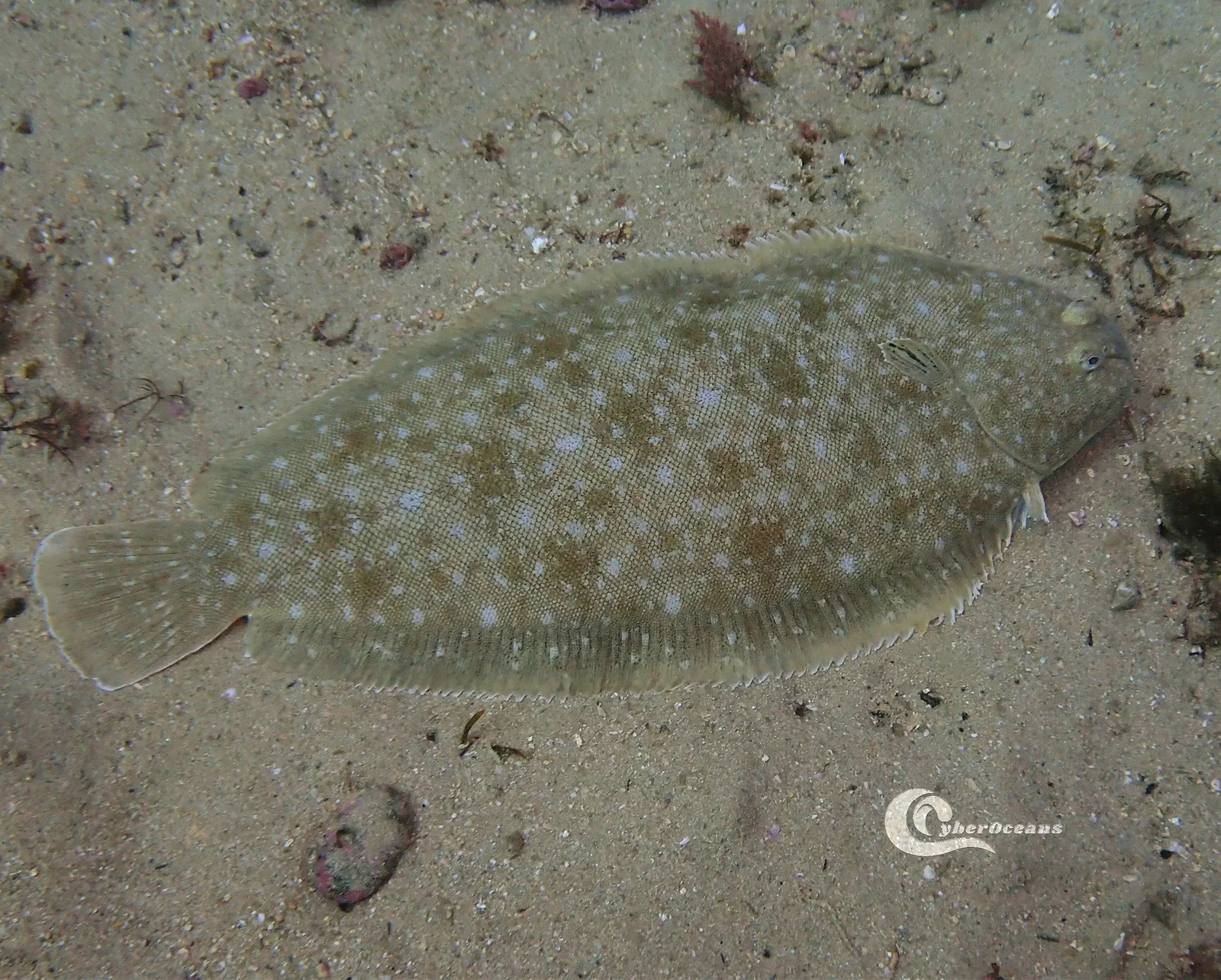
Senegalese sole
- Family
- Soleidae
- Depth
- 12–100 m
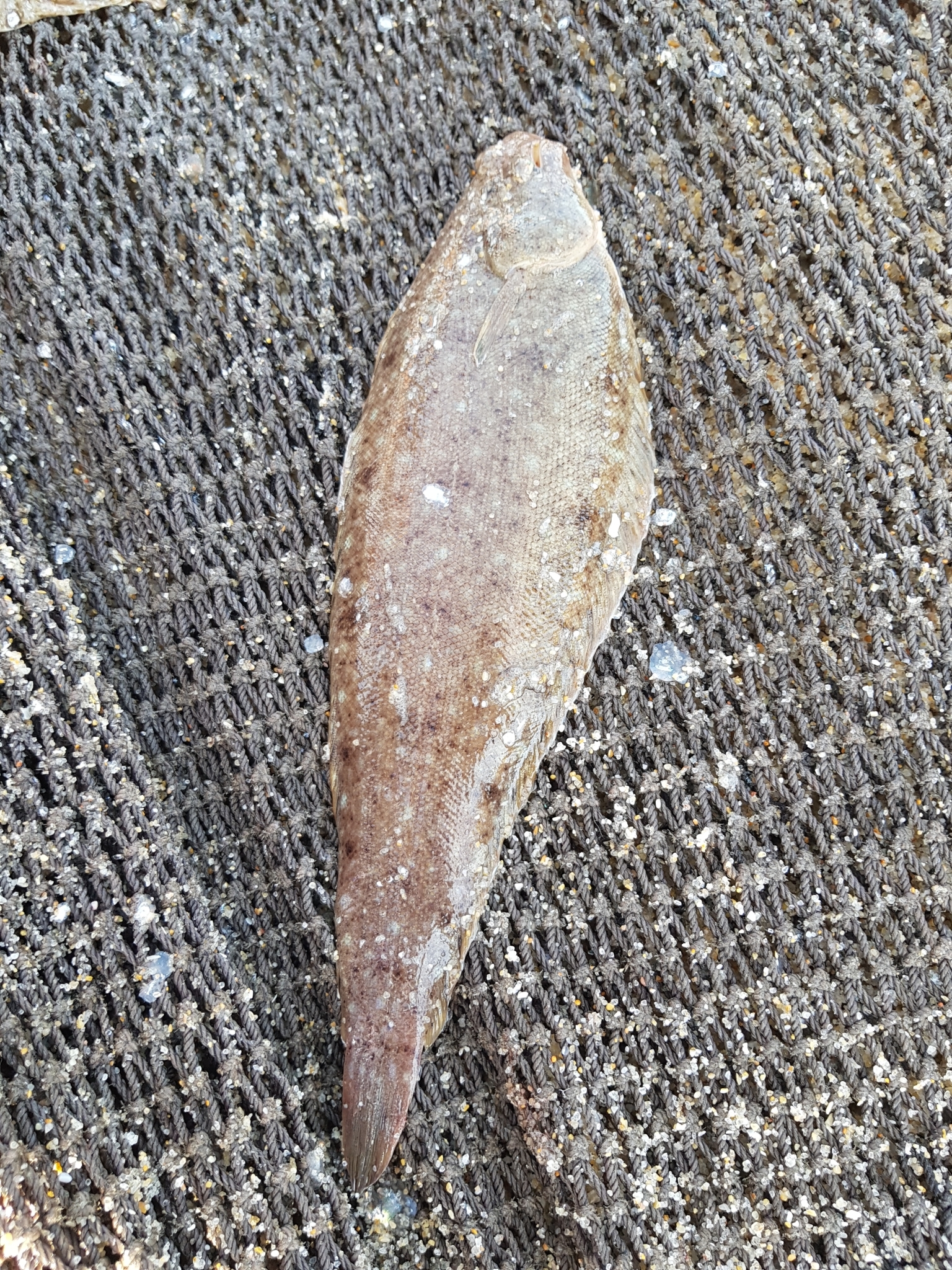
Wedge sole
- Family
- Soleidae
- Depth
- 10–460 m
- Season
- Jan, Feb, Mar, Apr, May, Jun, Jul, Aug, Sep, Nov, Dec
Guides for this water
Technique, gear and safety guides that fit Sand sole.