
Atlantic sharpnose shark
Atlantic sharpnose shark is a small carcharhinid of the western Atlantic, common at 70 cm and reaching 110 cm and 7.3 kg. It lives from the surf zone to bays and river mouths in 0 to 10 m, mostly, and feeds on small fish, shrimps, crabs and worms. It is viviparous, with 1 to 7 pups.
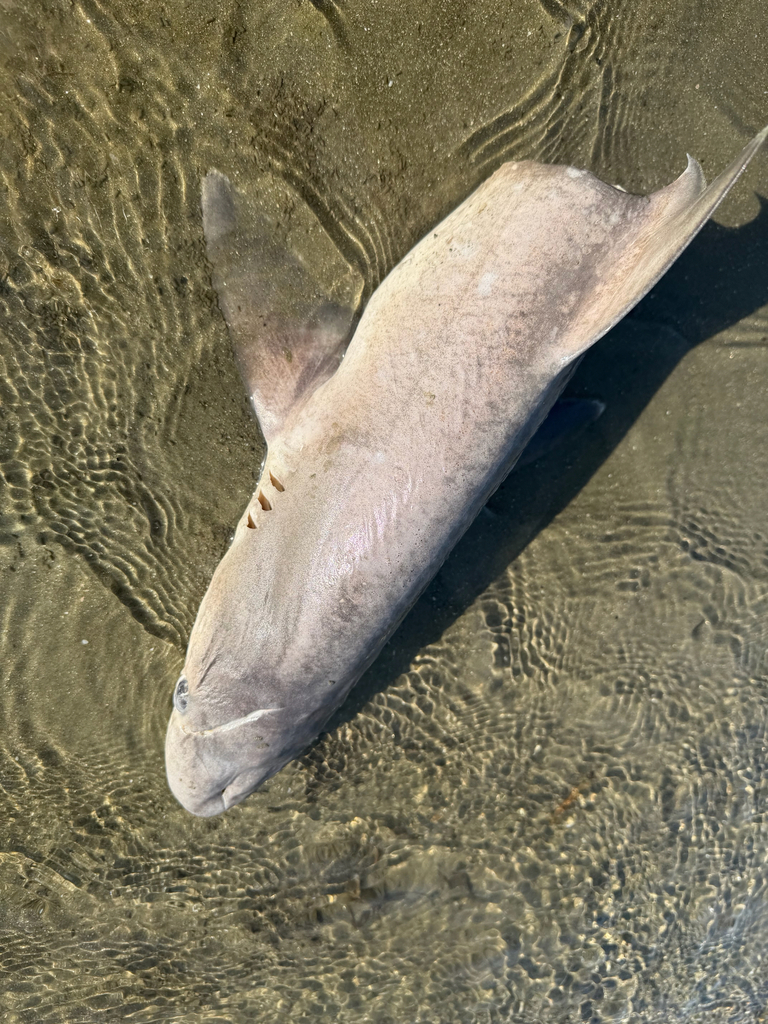
Atlantic sharpnose shark is a small carcharhinid of the western Atlantic, common at 70 cm and reaching 110 cm and 7.3 kg. It lives from the surf zone to bays and river mouths in 0 to 10 m, mostly, and feeds on small fish, shrimps, crabs and worms. It is viviparous, with 1 to 7 pups.
Identification
A small, slender requiem shark with a long, pointed snout, large eyes and a relatively short pectoral fin. Adults usually show a scattering of small pale spots along the back and upper flanks, and the species has no interdorsal ridge.
FishBase gives a maximum of 110 cm total length, a common length of 70 cm, 7.3 kg and a maximum age of 10 years. Maturity is about 87.5 cm, with a range of 85 to 90 cm.
Distribution and Habitat
The western Atlantic range runs from New Brunswick in Canada south through the US Atlantic and the Gulf of Mexico; a separate population occupies the coast of Brazil. It is a warm-temperate to subtropical shark and does not range far into cold water.
FishBase lists 0 to 280 m, but the usual depth is 0 to 10 m. It is abundant on the shelf close to sandy surf beaches, and in bays, sounds, harbors, estuaries and river mouths, tolerating brackish water well.
Habits and Diet
The diet is small bony fishes, shrimps, crabs, segmented worms and gastropod feet, taken near the bottom. The fish is harmless to humans and common prey for larger sharks.
Reproduction is viviparous. FishBase spawning records fall in May to August, with US records from June to August off Texas, Florida and North Carolina, which is also when neonates and small juveniles appear in shallow nurseries.
Fishing Methods
Most sharpnose are caught from the beach, a jetty or a pier with a simple bottom rig and fresh cut bait. Cast past the first bar into the trough, let the sinker hold, and wait for the pick-up rather than winding in to check bait.
From a boat, anchor or drift slowly in 3 to 15 m and fish bait hard on the bottom. Light chum brings sharks upcurrent, and a bait just off the bottom avoids crabs that strip a static bait.
Gear and Approach
A 7 ft medium-heavy rod, a 4000 to 6000 size reel, 30 lb braid and a 40 to 60 lb mono or wire leader is enough for a 70 cm shark. Use a non-offset circle hook so the fish is hooked in the jaw rather than gut-hooked.
Keep the fight short, leave the fish in the water if possible, support the body and never lift a shark by the tail alone. Bolt cutters and a long dehooker belong in the boat, and a wet towel over the eyes calms the fish while hooks come out.
Seasonal Window
Spring through autumn is the reliable inshore window across the Gulf, with summer the peak for pupping and for small fish in the surf. In winter the fish move deeper or south, and the surf fishery slows.
Rising tide and stained water after a blow beat flat clear water, and the first two hours of the flood out-fish the slack. Night fishing from the beach also works, especially around lighted piers.
Edibility and Handling
The flesh is white and firm and is good fried, grilled or in soups, though the fillets are thin on a 70 cm fish. Bleed it immediately, gut it, and put it in an ice slurry; shark left warm on deck develops an ammonia smell quickly.
Soak fillets in cold salted water or milk if the smell is strong, and cut away dark red muscle. Large individuals should not be a routine target.
Regulations and Conservation
Federal Atlantic HMS rules allow 1 Atlantic sharpnose shark per person per trip with no minimum size, plus 1 other allowed shark per boat, and a private recreational vessel needs the Atlantic HMS Angling Permit. The species is listed on CITES Appendix II.
Florida allows 1 per person per day and no more than 2 per boat, with no state minimum size. Mississippi sets 25 inches total length and 4 fish for small coastal sharks. Alabama allows 1 per day with no minimum. Louisiana allows 1 per day with no minimum. Texas allows 1 shark per day at 24 inches.
Coastal gillnet and longline bycatch, plus heavy recreational landings, are the main pressures, but the stock is still assessed as Least Concern, with an assessment date of 20 June 2019. State and federal shark rules change often and differ inside and outside state waters, so check the current notice before keeping a fish.
How to catch it
Surf fishing
Boat bottom fishing
3 15
Lure fishing
30
Where these facts come from
Check these pages before you rely on a size, range or protection status.
- FishBase — Rhizoprionodon terraenovae — FishBase · T2
- GBIF — Rhizoprionodon terraenovae occurrence records — GBIF · T2
- IUCN Red List — Rhizoprionodon terraenovae — IUCN · T1
- Photo record — iNaturalist — iNaturalist · T3
Fish in the same water
These fish live in the same place.
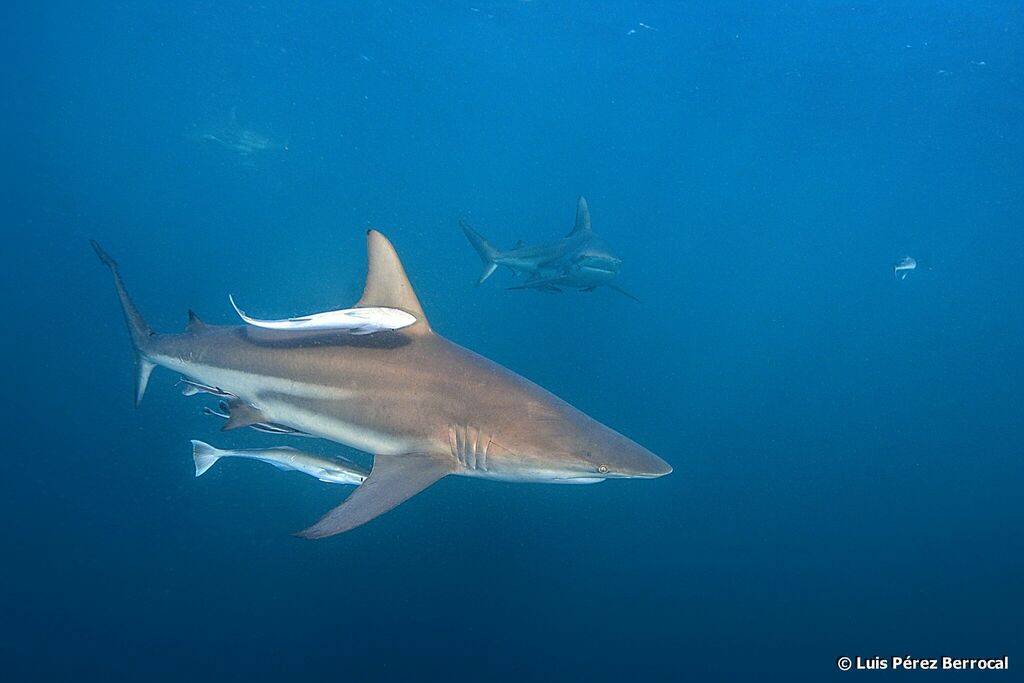
Blacktip shark
- Family
- Carcharhinidae
- Depth
- 0–140 m
- Season
- Apr, May, Jun, Sep, Oct, Nov, Dec
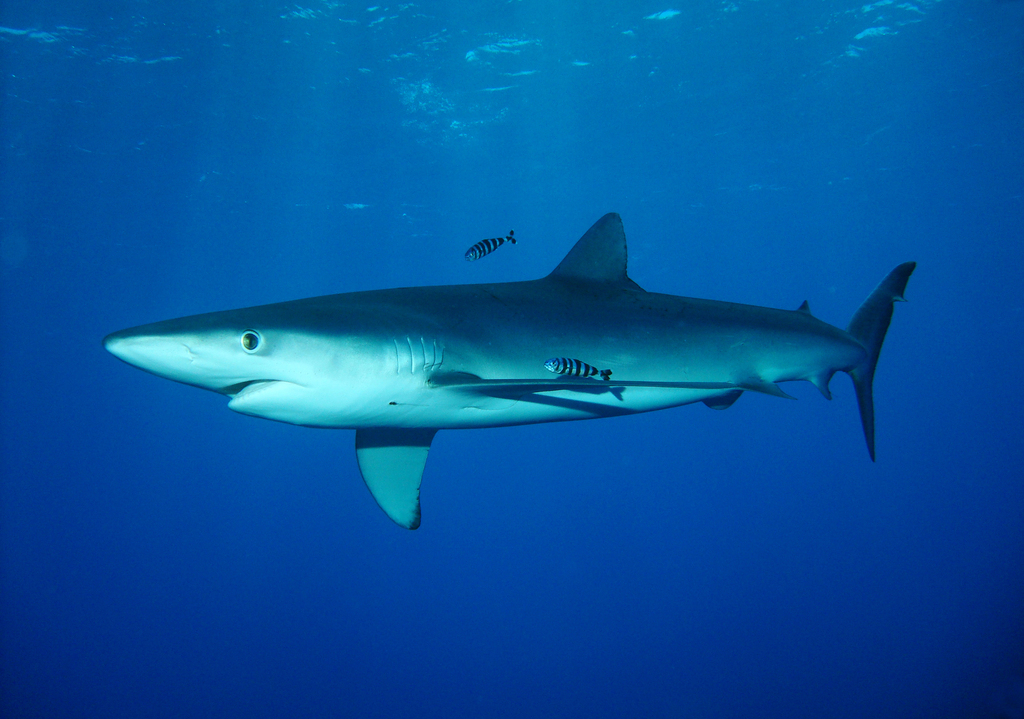
Blue shark
- Family
- Carcharhinidae
- Depth
- 0–1082 m
- Season
- Mar, Apr, May, Jun
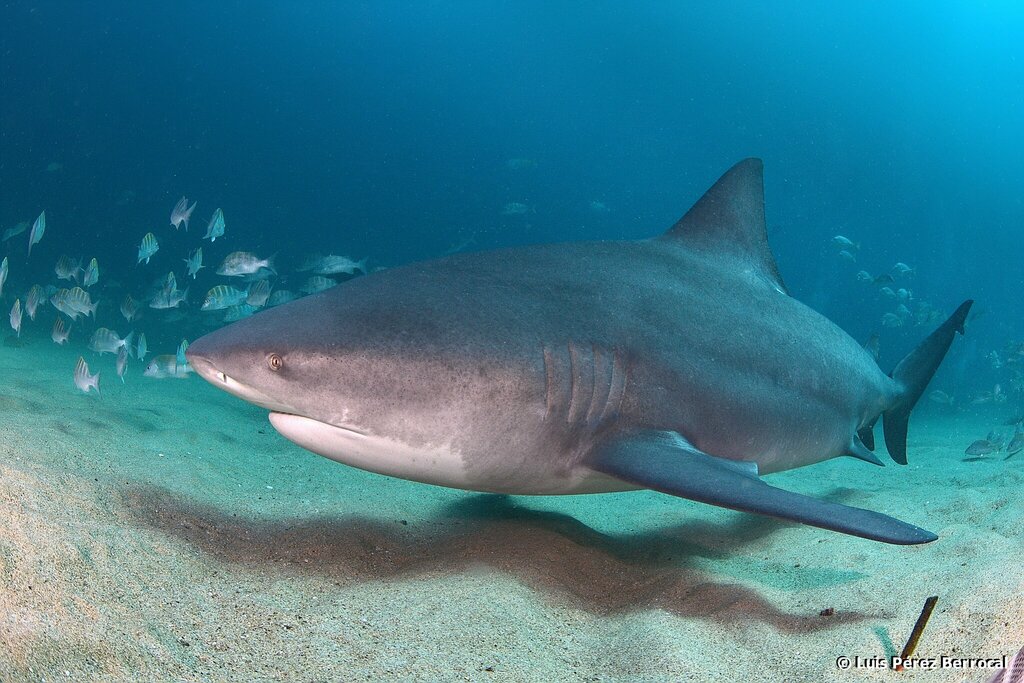
Bull shark
- Family
- Carcharhinidae
- Depth
- 1–164 m
- Season
- Jan, Feb, Jun, Jul, Dec
Guides for this water
Technique, gear and safety guides that fit Atlantic sharpnose shark.