
Yellowbelly flounder
The yellowbelly flounder is a small shallow-water flatfish found only in New Zealand, fished from beaches, harbours and dinghies. Published biology stops at length, weight and depth, so the method has to come from the habitat: sand and mud flats, gentle current, and a bait or lure moved slowly along the bottom.
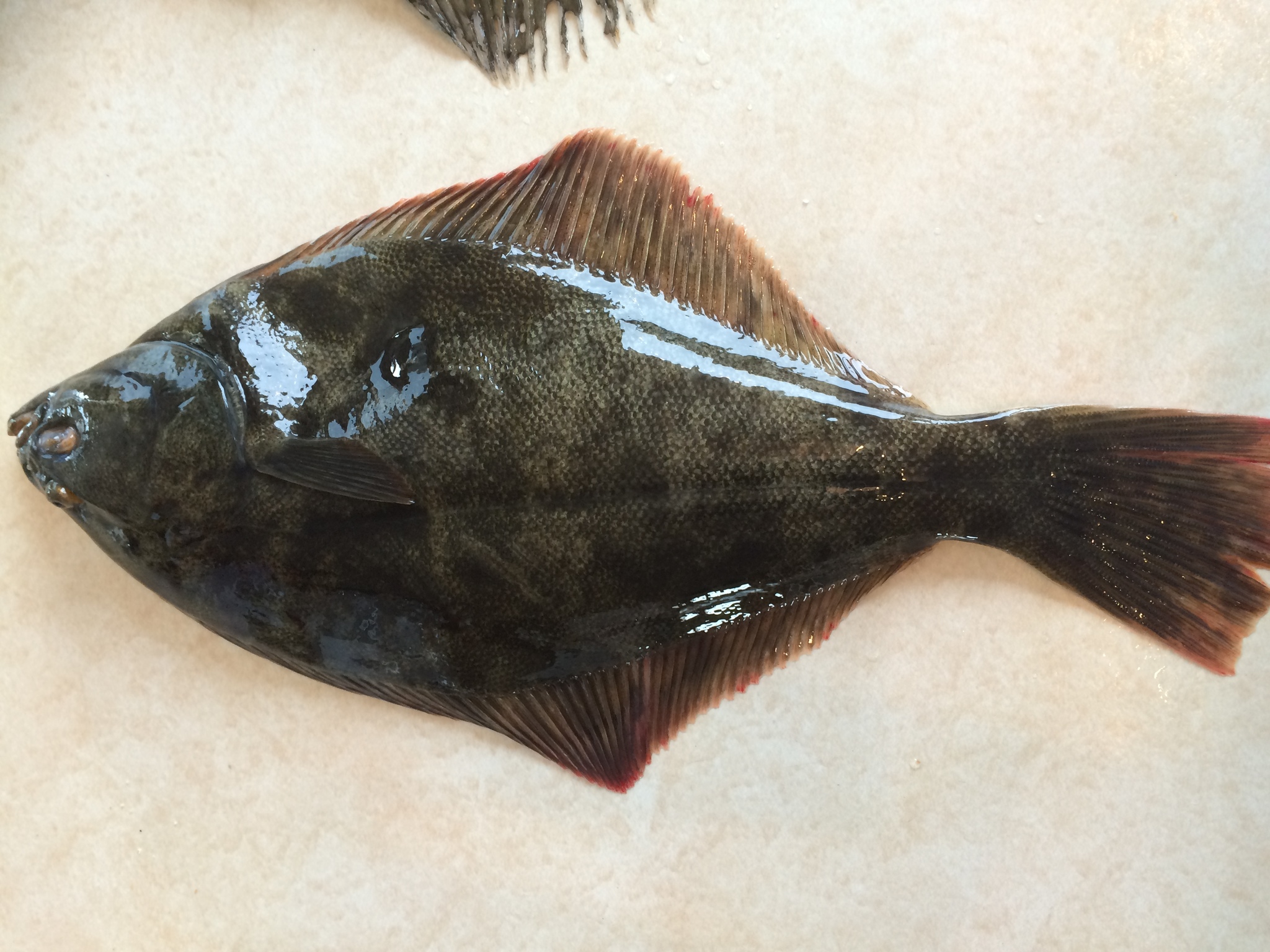
The yellowbelly flounder is a small, shallow-water flatfish that lives nowhere but New Zealand. It is caught from beaches, harbours and dinghies, it has been fished by Māori for generations, and its published biology stops at a length, a weight and a depth band.
A flounder that belongs to New Zealand
Rhombosolea leporina is a flatfish of the family Rhombosoleidae, and its range is one of the simplest in the catalogue: around New Zealand only.
That single fact does a lot of work. Flatfish identification is normally a matter of counting rays and comparing the position of the eyes, and most anglers never get that far. Here, geography removes most of the problem before it starts: if you are standing on a New Zealand beach and the flounder is small, shallow-caught and yellow underneath, the species question is largely settled by where you are.
Told apart from its relatives
The species shares New Zealand's shallow coastal flats with other flatfish, and the shared naming is the trap. FishBase lists "yellow-belly flounder" as a New Zealand vernacular and "yellowbelly flounder" as the FAO name, while Wikipedia notes that a different species of Rhombosolea in Australia is also called yellow-belly flounder. The scientific name is the only unambiguous handle.
For field separation, the reliable anchors in the data are size and depth rather than colour: a maximum of 32 cm total length, a published maximum weight of 600 g, and a recorded depth range of 1–50 m. A flounder taken in ankle-deep harbour water that weighs well under a kilo is inside this species' envelope. One taken in 200 m is not.
Depth 1–50 m: the range that defines the fishery
The depth record is the most useful number on the page. One metre at the shallow end means this fish is available to anyone with waders; 50 m at the deep end means it is also a trawl and set-net species.
That combination explains why the species is both a commercial catch and a gamefish. The same population is reachable by a net boat offshore and by a rod from the beach, so the fishery is not split between "commercial" and "recreational" grounds the way a deep-water species would be — it is layered over the same shallow shelf.
It also explains the gear logic. A demersal flatfish in 1–50 m is fished on or near the bottom, with the bait moving slowly enough that a fish lying flat can take it. Anything that requires a fast retrieve is working against the fish's body plan.
Size, weight and the missing age
Thirty-two centimetres total length and 600 g are the published maxima. There is no common length, no age record, no maturity length and no growth curve.
For a fish this accessible, the gaps are surprising, and they have a practical consequence: you cannot tell a fast-growing small fish from a slow-growing one, so you cannot judge from size alone whether a fish you are holding has had time to spawn. The conservative response — return the large ones, keep only what you will eat — does not depend on the missing data.
The empty diet record, and how to fish around it
No diet composition is recorded for R. leporina. There is no list of polychaetes, crustaceans or small fish to build a bait choice from.
The workaround is structural rather than guesswork. A flatfish that lives from 1 m to 50 m over coastal ground is a bottom ambush feeder: it sits on or just in the substrate and takes what passes within reach of a small, sideways mouth. That means the bait has to arrive where the fish already is, and it has to be small enough to be taken without the fish moving far. A sinking bait fished slowly across sand and mud does this; a bait that swings in midwater does not, no matter what it is made of.
Harbour, beach and the slow drift
Two settings account for most recreational captures. From the shore, the shallow end of the depth range — harbour edges, estuary mouths, sandy beach margins — puts the fish within casting distance. From a small boat, a slow drift over the same shallow ground covers water while keeping the bait on the bottom.
Both are slow fishing. The fish does not chase, so the presentation should not be moving away from it. The most common failure is retrieving: a bait lifted off the bottom and swung back to the rod spends most of its time where the fish is not.
Māori fishing and the name
The species has a cultural history that predates the recreational fishery. Wikipedia records that Māori have commonly fished R. leporina, along with many other flatfish species.
That is a cross-reference rather than a detailed account, and it is presented as such. What it establishes is that the fish has been a recurring food source in New Zealand coastal life, not a recent addition to the list of sport fish.
Rules, food and status
No IUCN assessment exists for it. Unassessed is not the same as secure: New Zealand flounder stocks have their own quota management history, and the global Red List simply has not looked at this one.
Recreational and commercial rules for flounder in New Zealand are set by fisheries management areas, and they change; no single size or bag limit covers the whole country. The species is taken for food, usually pan-fried or battered, and it is one of the more accessible table fish in the country.
How to catch it
Boat bottom fishing
Anchored or drifting boat, bait or lure worked near the recorded bottom.
Where these facts come from
Check these pages before you rely on a size, range or protection status.
- FishBase — Rhombosolea leporina — FishBase · T2
- GBIF — Rhombosolea leporina occurrence records — GBIF · T2
- IUCN Red List — Rhombosolea leporina — IUCN · T1
- Photo record — iNaturalist — iNaturalist · T3
Fish in the same water
These fish live in the same place.
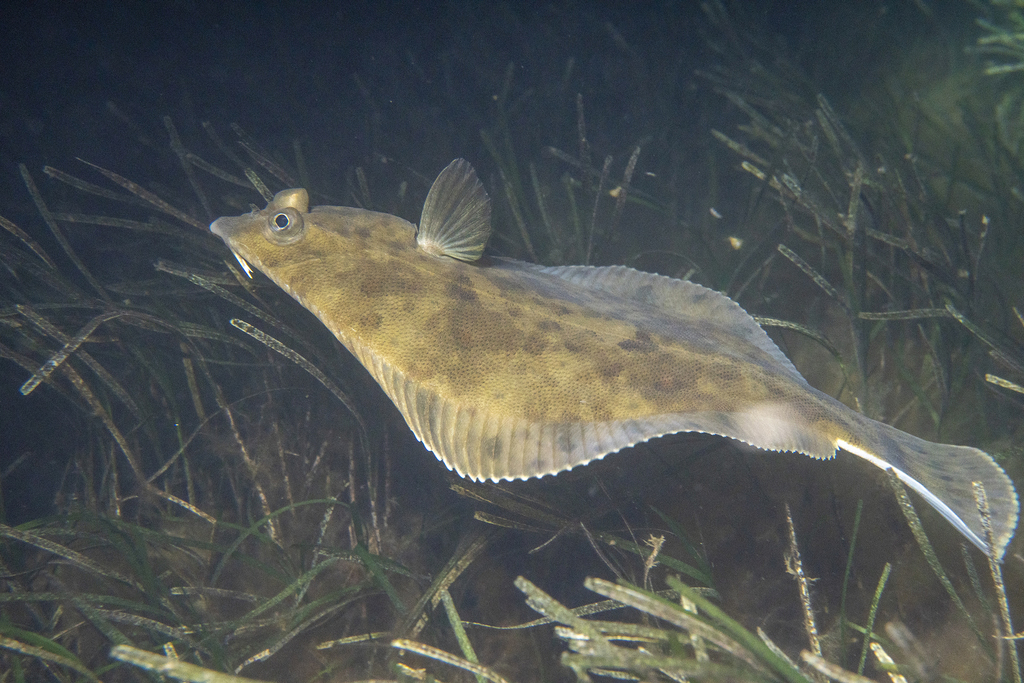
Greenback flounder
- Family
- Rhombosoleidae
- Depth
- 0–100 m

Acoupa weakfish
- Family
- Sciaenidae
- Depth
- 1–20 m
- Season
- Jan, Feb, Mar, Apr, May, Jun, Jul, Aug, Sep, Oct, Nov, Dec

American angler
- Family
- Lophiidae
- Depth
- 0–800 m
- Season
- Mar, Apr, May, Jun
Guides for this water
Technique, gear and safety guides that fit Yellowbelly flounder.