
Pike-perch
The pike-perch, or zander, is a large percid native to the Caspian, Baltic, Black and Aral Sea basins and now introduced well beyond them. A pelagic hunter of 2–30 m, usually 2–3 m, it feeds almost entirely on fish and tolerates 6–22 °C. FishBase marks it as both a commercial species and a gamefish.
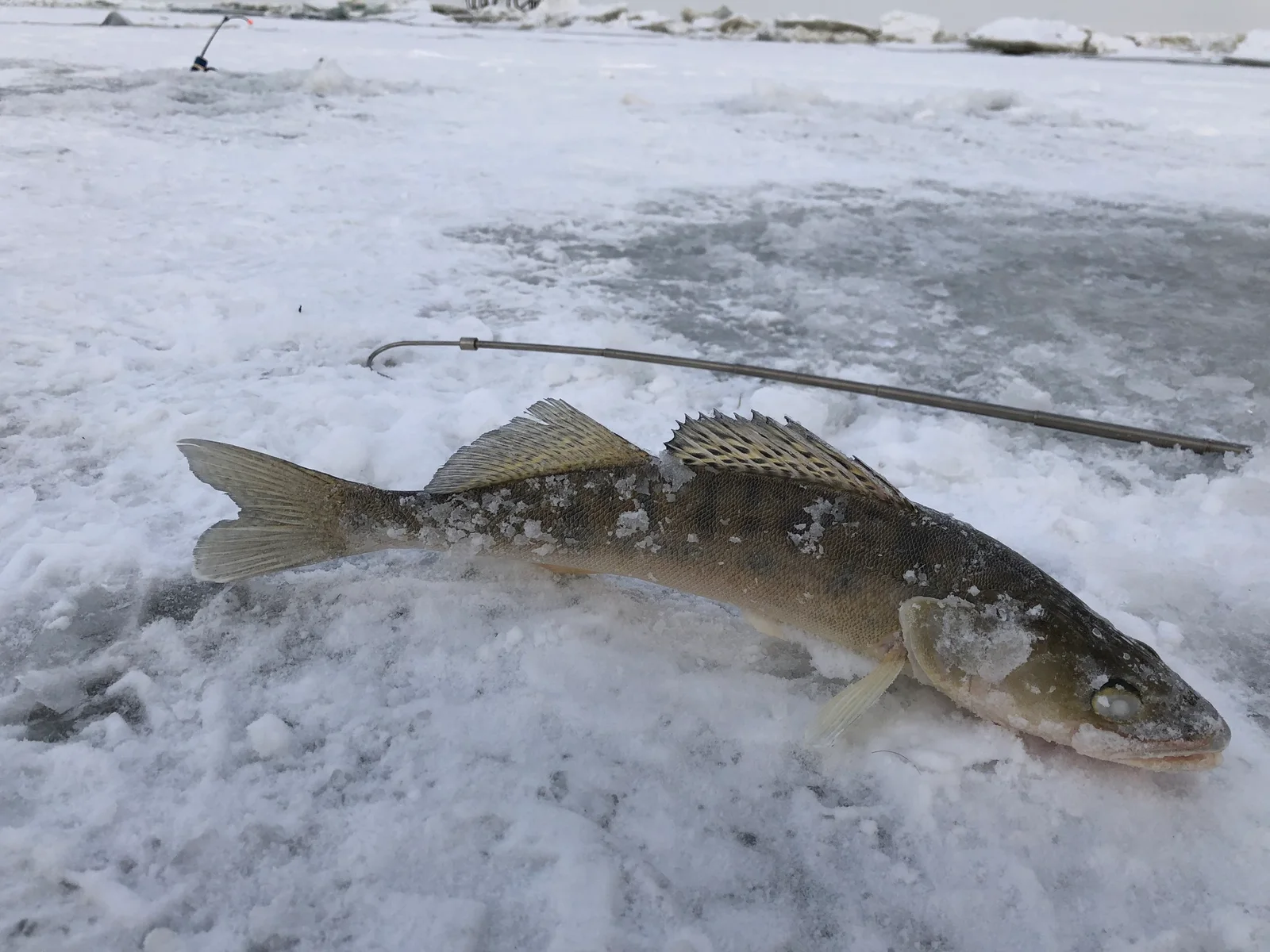
The pike-perch, or zander, is a large percid native to the Caspian, Baltic, Black and Aral Sea basins and now introduced well beyond them. A pelagic hunter of 2–30 m, usually 2–3 m, it feeds almost entirely on fish and tolerates 6–22 °C. FishBase marks it as both a commercial species and a gamefish. It can reach 100 cm standard length and 20 kg with a lifespan of 17 years, although 50 cm is the ordinary size an angler should expect.
One fish, four names, and one bracketed warning
The principal English name in FishBase is Pike-perch, the FAO name is the same, the American Fisheries Society list says Zander, British lists carry both Zander and Perch-pike, and Russia adds European pike-perch. Wikipedia opens with zander, sander, pikeperch and Eurasian pikeperch. The Chinese entries are more informative than most: alongside the FAO name , two vernacular forms are written . That parenthetical is the only name in the set that states the fish is introduced where it is being named.
A hundred centimetres against a fifty-centimetre norm
Maximum length is 100.0 cm standard length, the common length is 50.0 cm total length, maximum weight 20.0 kg and maximum age 17 years. As with many FishBase pairs, the two lengths are not the same measure, so the apparent doubling overstates the difference. First maturity is 37.2 cm, with a range of 28–46 cm. Put that beside the common length and the ordinary fish is a young adult: it has only recently crossed the maturity mark, and the metre-long individuals are a separate tail of the distribution.
The meristic counts are 13–20 dorsal spines, 18–24 dorsal soft rays, two or three anal spines, 10–14 anal soft rays and 45–47 vertebrae. Body shape and cross-section were not captured, so the spine range, seven numbers wide, does most of the descriptive work.
Four sea basins and two river doors
The native text names the Caspian, Baltic, Black and Aral basins, adds the Elbe drainage as a door to the North Sea and the Maritza as a door to the Aegean, and reaches about 65°N in Finland. The Aral entry is a basin name and should not be read as a statement about present water. The country table holds 28 native and 17 introduced entries; Sweden, Germany, Norway and Finland are native, while Denmark, France, the United Kingdom, Belgium, the Netherlands and Spain are introduced. For a page filed under a native country, the introduced list is a warning about moving the fish, not about finding it.
The adverse-impact sentence is again incomplete in the capture — "after (Ref. 1739)" with the object missing. The sense is introduction, but the page does not complete the clause.
Two metres, usually
Depth is 2–30 m, usually 2–3 m. A pelagic fish recorded mostly in two or three metres of water is a description of a lake or a lagoon, not of an ocean; the 30 m figure is the exception. Water is fresh to brackish, 6–22 °C, and the species is marked potamodromous, which fits a fish that moves within a river system rather than between sea and river. The coordinate box, 67°N–36°N and 1°W–75°E, covers the whole native sweep without adding a separate range.
Spawn when the water reaches twelve degrees
Seventeen rows are carried. The month set spans all twelve, but that is an artefact of two rows: Lake Hirfanlı is listed for every month, and Lake Seyhan for December–March. The rest cluster from February to June — Batak Dam March–April, the Curonian, Szczecin and Vistula lagoons March–May, Schleswig-Holstein April–May, the Swedish east-coast inlets April–June, Finland May–June, France April–August. The Turkish winter row is the useful exception: in a warm latitude the same temperature threshold arrives in winter, so the calendar shifts while the trigger does not.
The introduced range is better recorded than the native one
GBIF holds 133 distribution rows against 1,630 iNaturalist observations. The national counts are led by Belgium 13, the Netherlands 8, Spain 7, Italy 7, Portugal 7, the United Kingdom 6 and France 5; Norway, Russia and Sweden carry three each. Nine of the top twelve are countries on the introduced list. The checklist layer is thickest where the fish is new and thinnest in the eastern native core, which is the reverse of what an abundance reading would suggest.
Commercial, farmed, stocked, and a gamefish
The human-use line has four separate entries: fisheries commercial, aquaculture commercial, gamefish yes, and public aquariums. It is commercial rather than highly commercial, a grade below the perch. IUCN status is Least Concern, assessed 27 May 2022, a global judgement. Wikipedia calls it a popular game fish and notes introductions outside the native range. Aquaculture and stocking are the practical link between those two statements: a fish that is farmed and moved is also a fish that turns up in waters where nobody expected it.
Where to look
Work the 2–3 m band first and treat 30 m as the exception; look for 6–22 °C water in a lake, lagoon or slow river. The pelagic label and the shallow usual depth agree on open water rather than the bottom. No method is recorded, so the gamefish tick is the only angling signal, and any technique has to come from local practice rather than from this page. No regulation is carried either; where the species is stocked or introduced, check the national and regional rules before keeping one. Least Concern is a conservation category, not a keep limit.
Where these facts come from
Check these pages before you rely on a size, range or protection status.
- FishBase — Sander lucioperca — FishBase · T2
- GBIF — Sander lucioperca occurrence records — GBIF · T2
- IUCN Red List — Sander lucioperca — IUCN · T1
- Photo record — iNaturalist — iNaturalist · T3
Fish in the same water
These fish live in the same place.
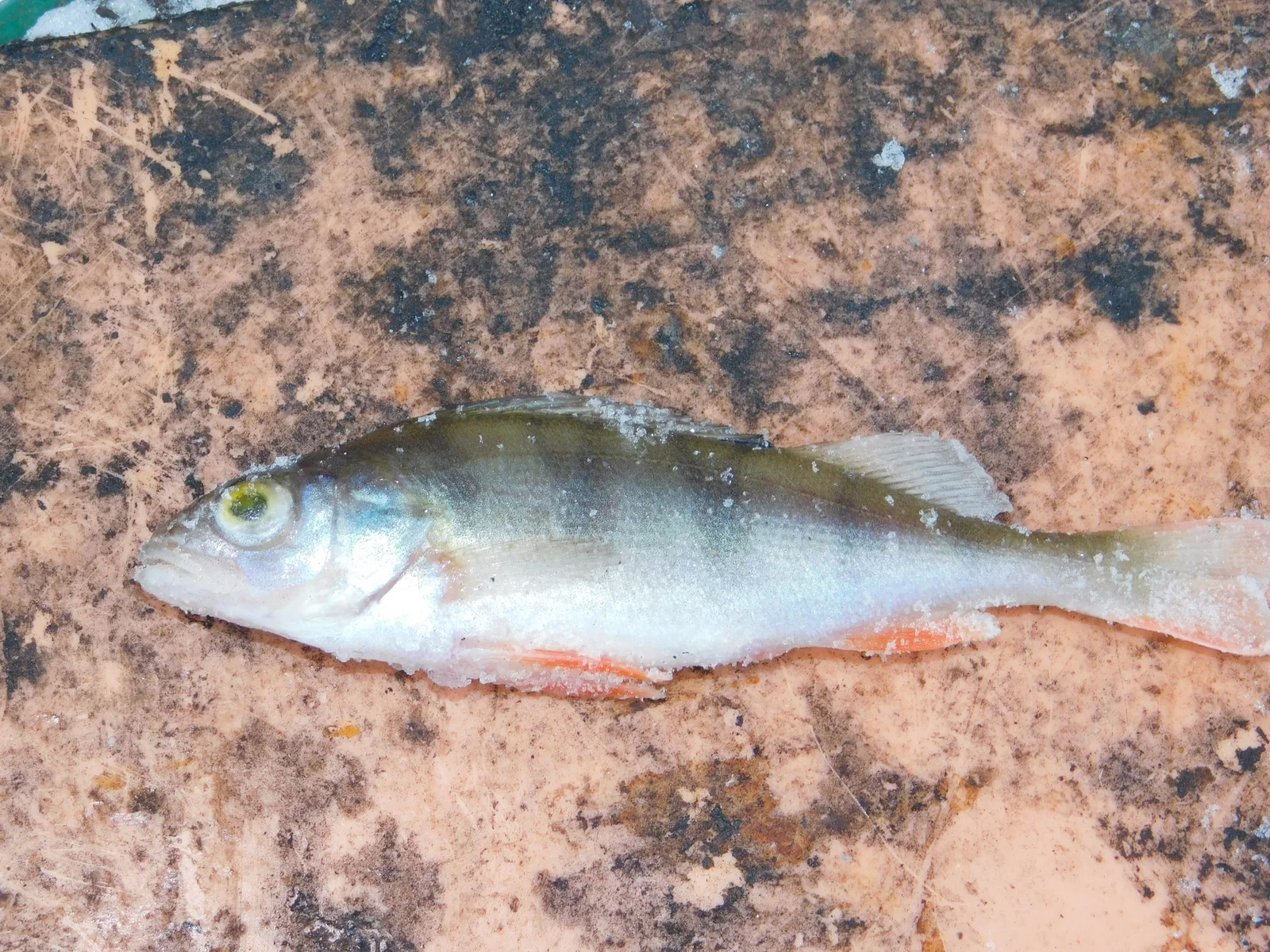
European perch
- Family
- Percidae
- Depth
- 1–30 m
- Season
- Jan, Feb, Mar, Apr, May, Jun, Jul, Aug, Sep, Oct, Nov, Dec
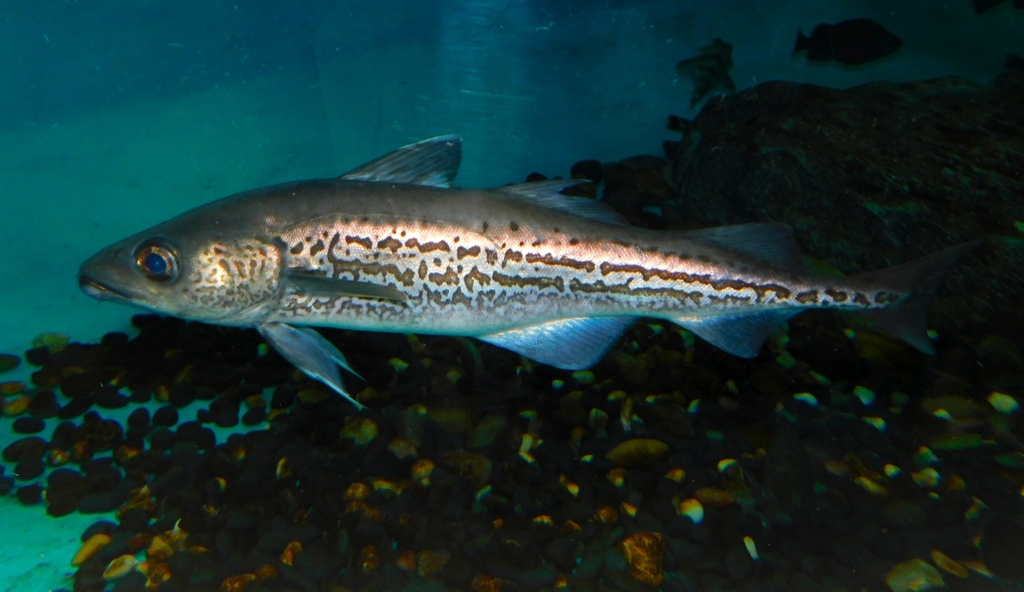
Alaska pollock
- Family
- Gadidae
- Depth
- 0–1280 m
- Season
- Jan, Feb, Mar, Apr, May, Jun, Jul, Aug

Albacore
- Family
- Scombridae
- Depth
- 0–600 m
- Season
- Jan, Feb, Mar, Apr, May, Jun, Jul, Aug, Oct, Nov, Dec
Guides for this water
Technique, gear and safety guides that fit Pike-perch.