
Cojinoba
The cojinoba is a 65 cm pelagic fish from the southeast Pacific, and its page publishes no depth, no weight, no age and no spawning month. What it does publish is a length, a latitude span, and a catch record that is almost entirely Chilean.
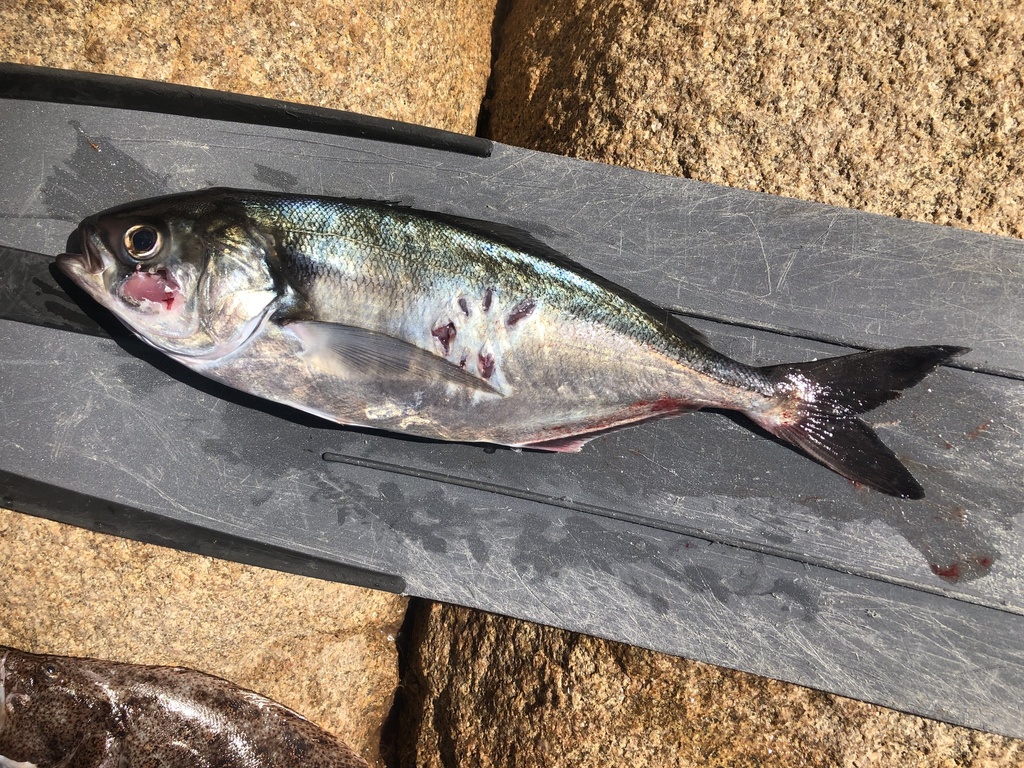
The cojinoba is a 65 cm pelagic fish from the southeast Pacific, and its page publishes no depth, no weight, no age and no spawning month. What it does publish is a length, a latitude span, and a catch record that is almost entirely Chilean.
65 cm is an estimate, not a measurement
The maximum length is 65.0 cm TL, and the common length is 35.0 cm TL. FishBase adds a note that the maximum was estimated from other maximum lengths in the genus and should be replaced when data arrive. That makes 65 cm a working upper bound rather than a measured record. The common length is just over half of it.
No maximum weight, no maximum age and no maturity length are published. The maturity field is blank, so the page cannot supply a release length. A 35 cm fish is the ordinary catch, and whether it has spawned is not stated. The 30 cm gap between common and maximum is the only size structure the page offers.
992 of 1,029 records come from Chile
FishBase gives the range as the southeast Pacific: Chile and the Galapagos Islands. GBIF holds 1,029 records, of which 992 are Chilean, 31 Peruvian, and one each from Colombia, Costa Rica and Ecuador. Peru is not in the FishBase country list, which names Chile, Ecuador and the Galapagos.
The two datasets agree on the centre and disagree on the edge. Chile is the core in both, and the single Ecuadorian GBIF record is thinner than the FishBase statement that the species reaches the Galapagos. The 31 Peruvian records are few enough to be a range edge rather than a second centre. The editorial regions for this page are Chile and Peru, which marks scope rather than a confirmed national distribution.
The environment line says pelagic-oceanic, and gives no depth
The environment entry reads marine, pelagic-oceanic, subtropical, from 1°N to 34°S and 92°W to 72°W. There is no depth range at all. That is unusual for a fish page, and it changes how the species is approached: nothing in the record says the fish is on the bottom.
A pelagic-oceanic label places the species in the water column, over deep water as well as over the shelf. The fishing terrain recorded for the page is open water, shelf and coastal, which is consistent with that label. The latitude span reaches the equator at its northern end and 34°S at its southern end, so the fish sits in subtropical water on both sides of the line. Without a depth figure, no band can be quoted, and the page will not invent one.
There is no diet, no habitat keyword and no spawning table
The habitat and diet keyword lists are both empty. The spawning table is absent, so no month can be given for this species. The biology note contains only the warning about the estimated maximum length.
That leaves an account built on size, position and catch records. A pelagic fish with no diet record can still be fished, but bait choice has to come from the boat rather than from this page. The empty fields are the honest part of the record: for this species, they describe the state of the data, not the behaviour of the fish.
Three methods, and a bottom rig listed as mainstream
The methods list gives boat bottom fishing as mainstream, with jigging and trolling as secondary. That sits against the pelagic-oceanic environment line, and the page keeps both rather than choosing. A boat can drift or troll in the upper water column and still call the trip a boat trip; the method name does not fix the depth.
Jigging and trolling are the two methods that work without a bottom contour. Both cover water rather than ground, which suits a fish with no published depth. The terrain list — open water, shelf, coastal — describes where a boat can work, not where the fish was recorded. With 65 cm as the upper bound, a jig or a trolled lure is working a fish that is not built for a heavy bottom rig.
Twelve observations against 1,029 records
iNaturalist carries 12 observations for the species. GBIF carries 1,029 records. The ratio is about one to eighty-six, which is what a commercially caught fish looks like when it is rarely photographed.
FishBase records a commercial fishery and no other use: no gamefish entry, no aquaculture, no aquarium trade. It also publishes no handling or eating note, so this page cannot describe flesh quality or shelf life. The IUCN category is Least Concern, assessed on 1 May 2008. CITES and CMS are both Not Evaluated, and the species is listed as harmless to humans.
Least Concern from 2008 is a broad assessment, not a stock statement for the Chilean or Peruvian coast. No landings series is published on the page, so the rating cannot be turned into an expectation of abundance. For an angler, the useful part of the record is the length and the latitude, not the category.
Chile and Peru manage the same fish under different rules
In Chile, SUBPESCA writes the recreational fishing rules and SERNAPESCA enforces them. A recreational fishing licence is required, and daily limits, minimum sizes and closed seasons (veda) apply. Marine protected areas include AMCP-MU sites and Parque or Reserva Marina designations, where the rules differ from the open coast.
In Peru, PRODUCE sets the fisheries rules and IMARPE supplies the scientific assessment. Management relies on minimum sizes, closed seasons (veda) and area measures, and artisanal fishing pressure is heavy. SERNANP manages the Reserva Nacional de Paracas and the Reserva Nacional San Fernando, where recreational fishing is not allowed.
No bag number, size limit or closed-season date is given here. The page also publishes no national size limit to compare against the 35 cm common length. Check the current rule and the protected-area map before the trip; the two countries do not share a single set of limits for a fish that crosses the border.
Where these facts come from
Check these pages before you rely on a size, range or protection status.
- FishBase — Seriolella violacea — FishBase · T2
- GBIF — Seriolella violacea occurrence records — GBIF · T2
- IUCN Red List — Seriolella violacea — IUCN · T1
- Photo record — iNaturalist — iNaturalist · T3
Fish in the same water
These fish live in the same place.
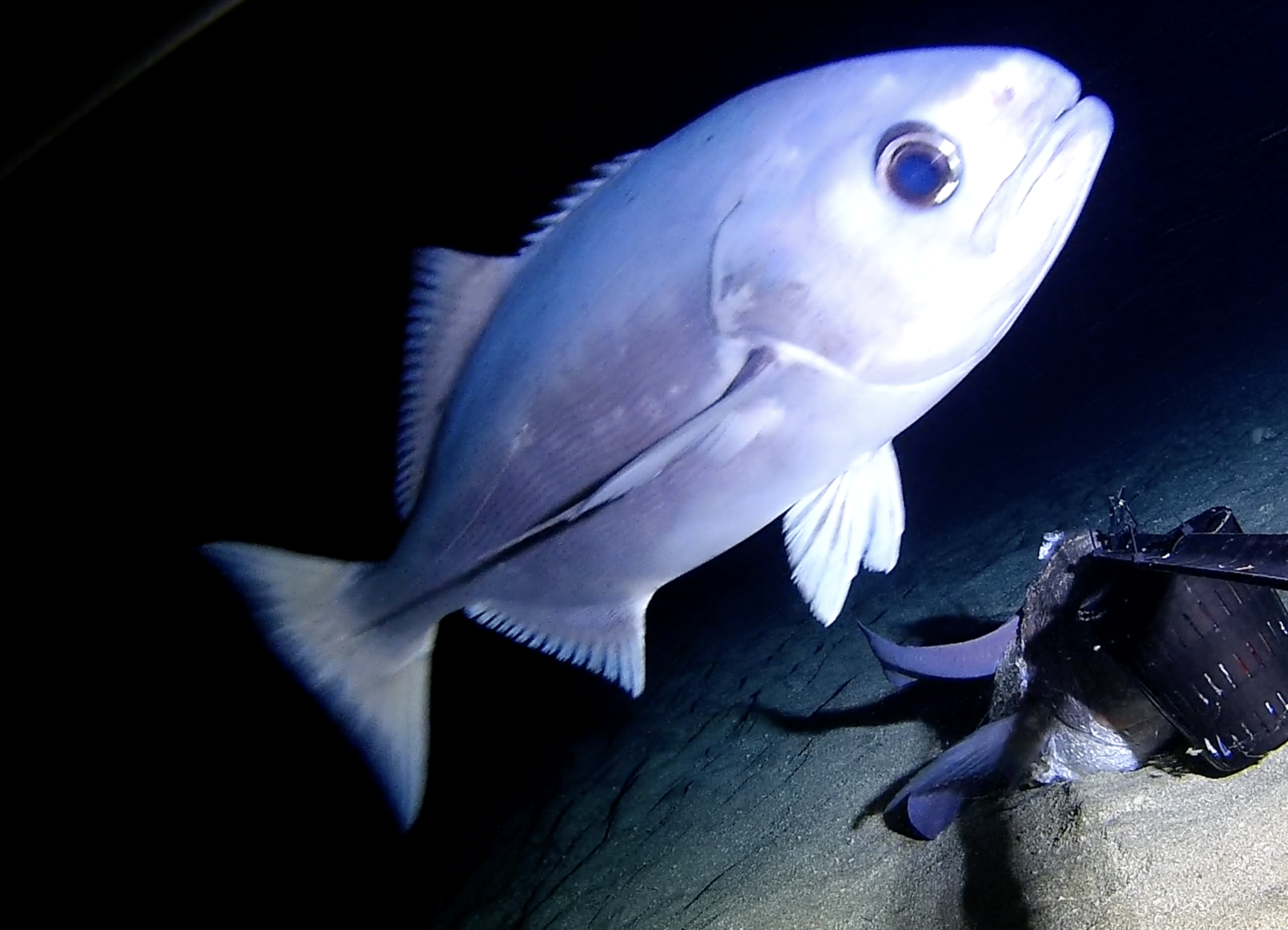
Bluenose
- Family
- Centrolophidae
- Depth
- 40–1500 m
- Season
- Feb, Mar, Apr, May, Jun, Jul
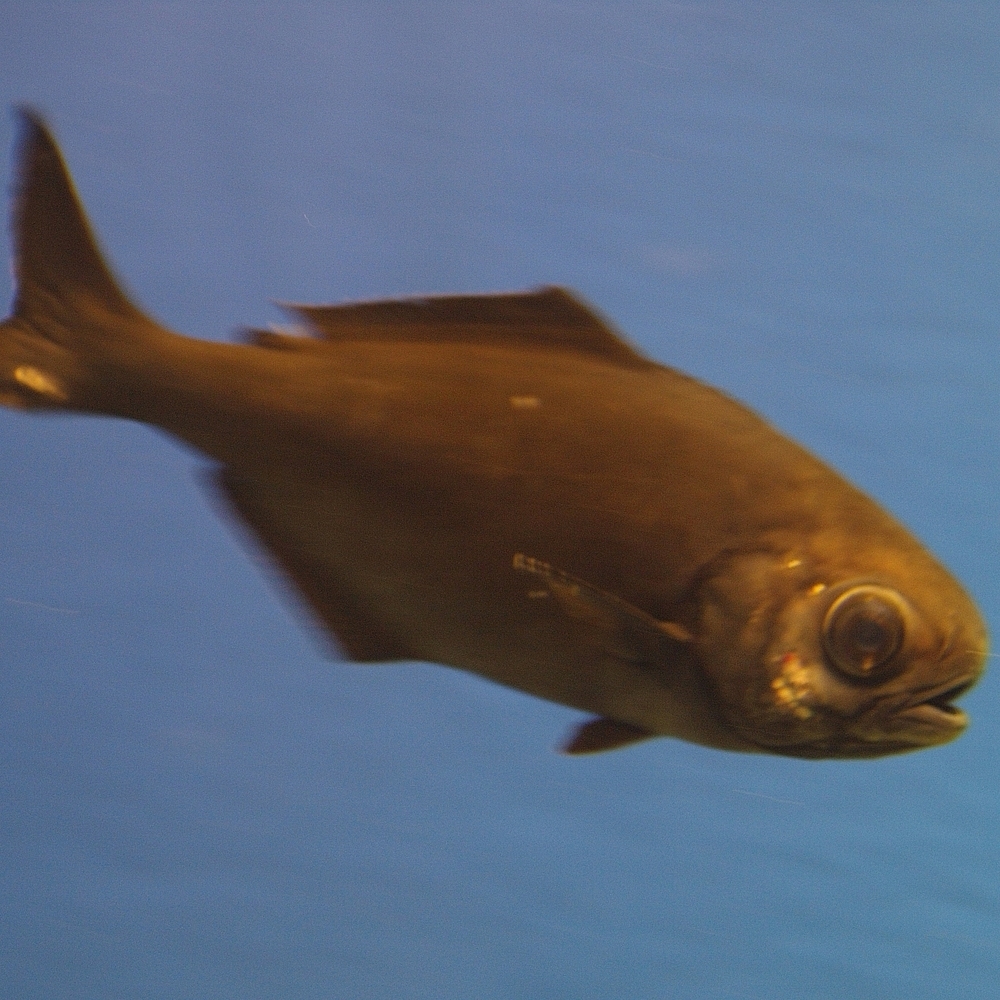
Pacific barrelfish
- Family
- Centrolophidae
- Depth
- 150–1537 m
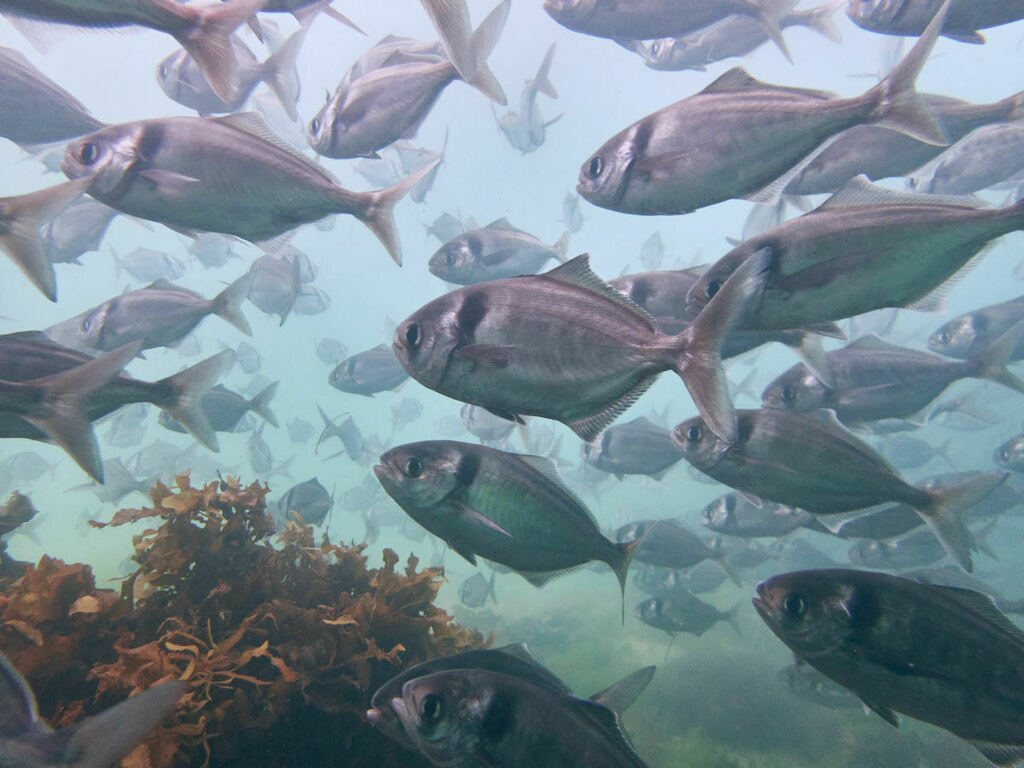
Silver warehou
- Family
- Centrolophidae
- Depth
- 22–400 m
- Season
- Jun, Jul, Aug, Sep, Oct, Nov
Guides for this water
Technique, gear and safety guides that fit Cojinoba.