
Japanese sillago
Across the Northwest Pacific, from Japan, Korea, China, and Taiwan, Japanese sillago represents the family Sillaginidae. This is a subtropical-water fish, recorded from 0 to 30 m. Fish reach 30 cm TL. The usual approach is shore casting or boat fishing.
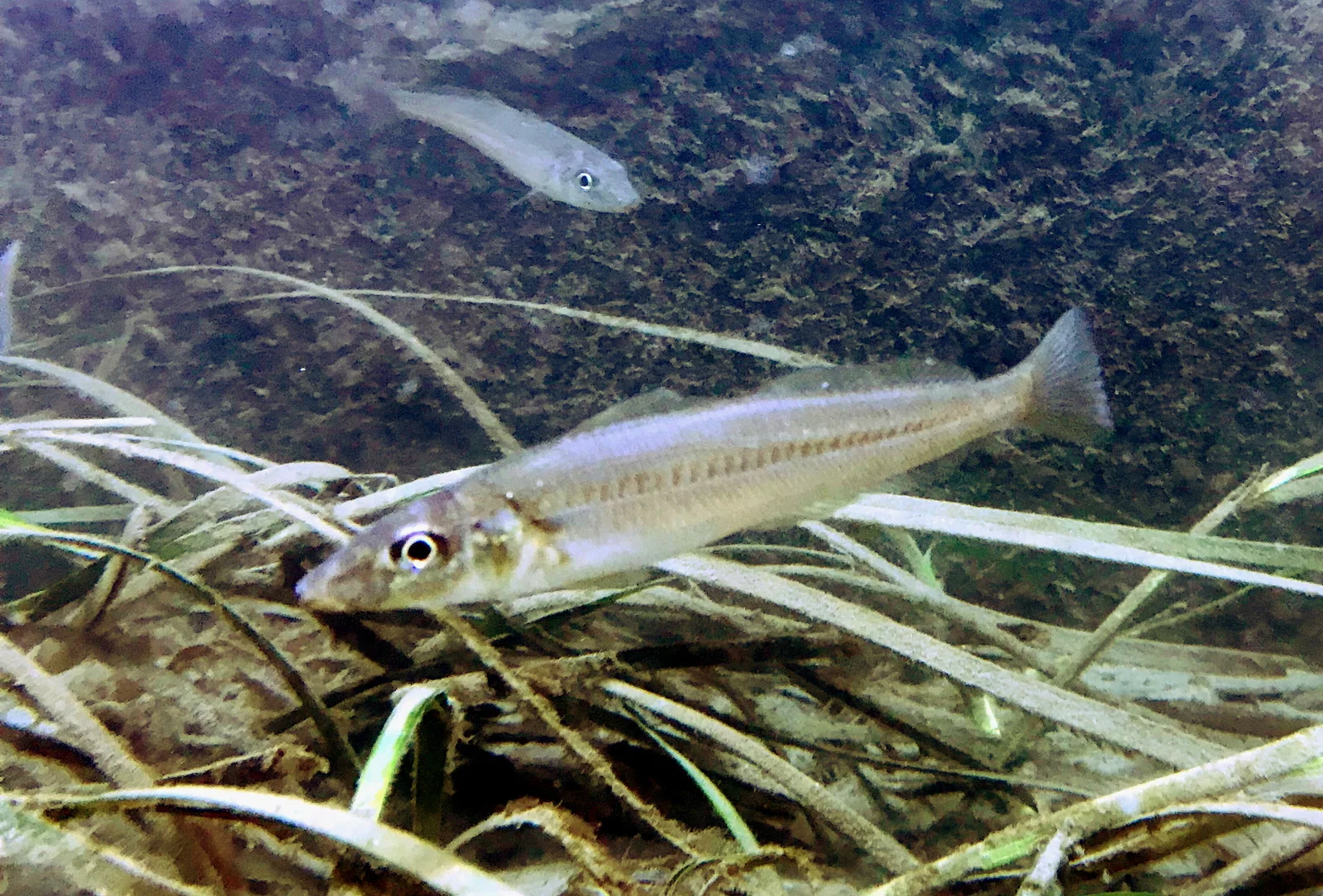
Japanese sillago (Sillago japonica) is a fish of the family Sillaginidae. FishBase gives its range as: Northwest Pacific: Japan, Korea, China, and Taiwan. Commonly misidentified as Sillago sihama. It is recorded from 0 to 30 m, in subtropical water. The recorded maximum is 30 cm TL. Common length is recorded at 22 cm. IUCN status: Least Concern (LC). Chinese name: .
Identification
The species belongs to the family Sillaginidae. FishBase's morphology record gives 21-23 soft dorsal rays; 2 anal spines and 22-24 soft anal rays; 35 vertebrae; an elongated body; a circular cross-section. These are identification aids rather than a complete diagnosis; the accompanying photographs show the live colour pattern.
Habitat and behaviour
It is recorded in marine water, with a demersal mode, a recorded depth range of 0-30 m and a subtropical climate. Habitat notes mention sandy. These are source records, not a guarantee that the same habitat exists at every local mark.
Seasonal window
No spawning-window record was available in the FishBase page checked for this species. The season field is left empty rather than estimated from general knowledge.
Gear and approach
Match hook, leader and drag to a fish that can reach 30 cm. Shore or small-boat tackle can cover the recorded inshore range. No exact gear ratings are published here because they are equipment choices, not source facts. Adjust the terminal tackle to the bait or lure you can obtain locally.
Edibility and regulations
FishBase's human-use record lists Fisheries use: commercial; aquaculture: likely future use. The species is marketed as food. The IUCN Red List category is LC (Least Concern), assessed 04 February 2009. Threat to humans: Harmless. CITES: Not Evaluated; CMS: Not Evaluated. No official regulation text was verified for this draft. Check the current national and local fisheries rules, size limits and closed seasons before keeping catch.
Where to look
For trip planning: GBIF holds 2,369 preserved occurrence records for the matched taxon; the largest country and territory counts are JP (1,353), KR (382), TW (253), CN (48), PH (11); FishBase territories include China, Hong Kong SAR, Japan, Korea (North), Korea (South), Taiwan region / Chinese Taipei, Thailand, Viet Nam; the sea regions represented are Northwest Pacific; habitat keywords point to sandy-bottom. These are distribution and habitat signals, not spot coordinates; use them to narrow the search, then check local access and conditions.
How to catch it
Shore casting
Cast from shore or a breakwater, within reach of the recorded inshore range.
Boat fishing
Fished from a boat, with the approach adjusted to the recorded depth.
Where these facts come from
Check these pages before you rely on a size, range or protection status.
- FishBase — Sillago japonica — FishBase · T2
- GBIF — Sillago japonica occurrence records — GBIF · T2
- IUCN Red List — Sillago japonica — IUCN · T1
- Photo record — iNaturalist — iNaturalist · T3
Fish in the same water
These fish live in the same place.
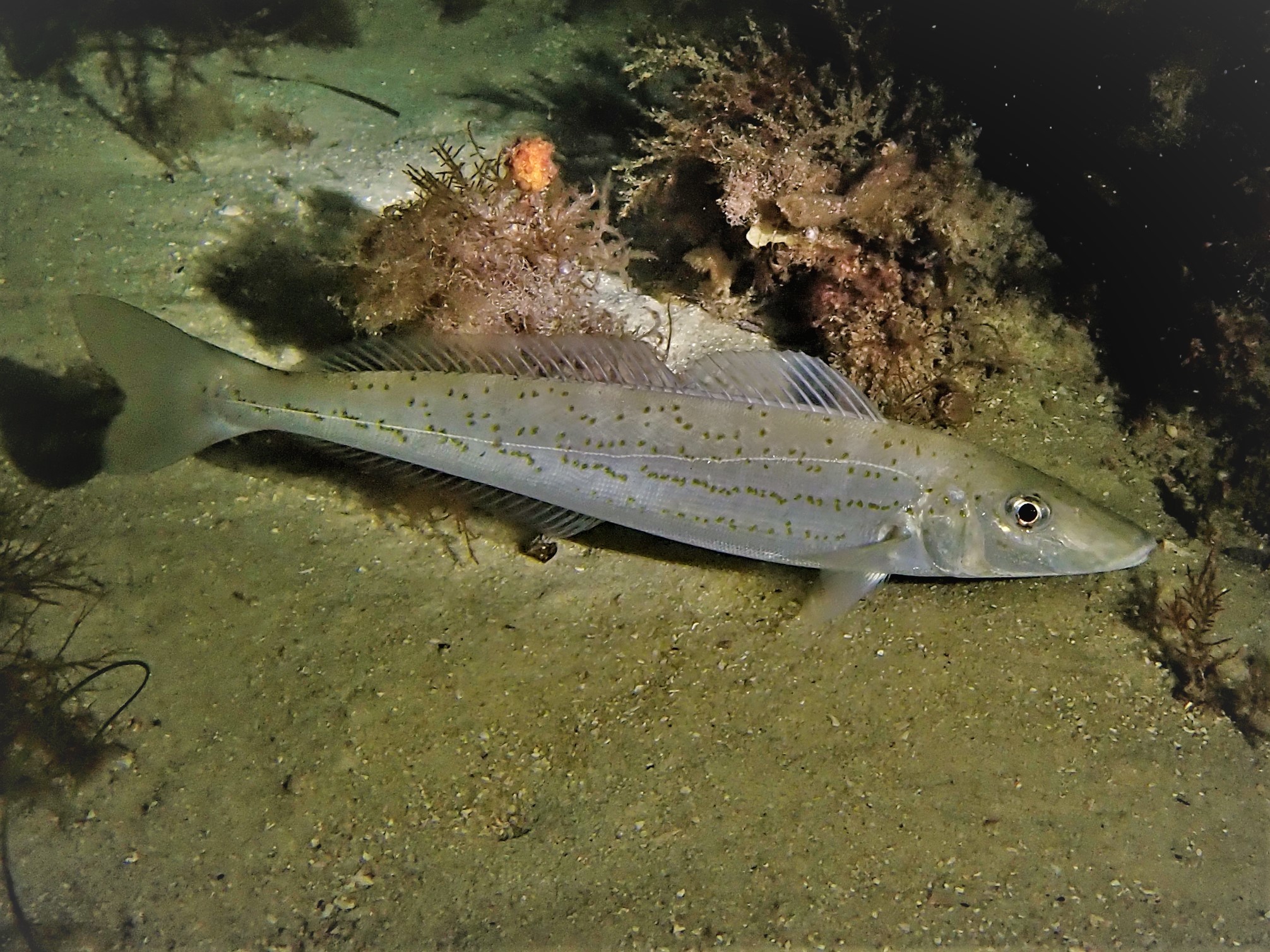
King George whiting
- Family
- Sillaginidae
- Depth
- 2–200 m
- Season
- Feb, Mar, Apr, May, Jun, Jul
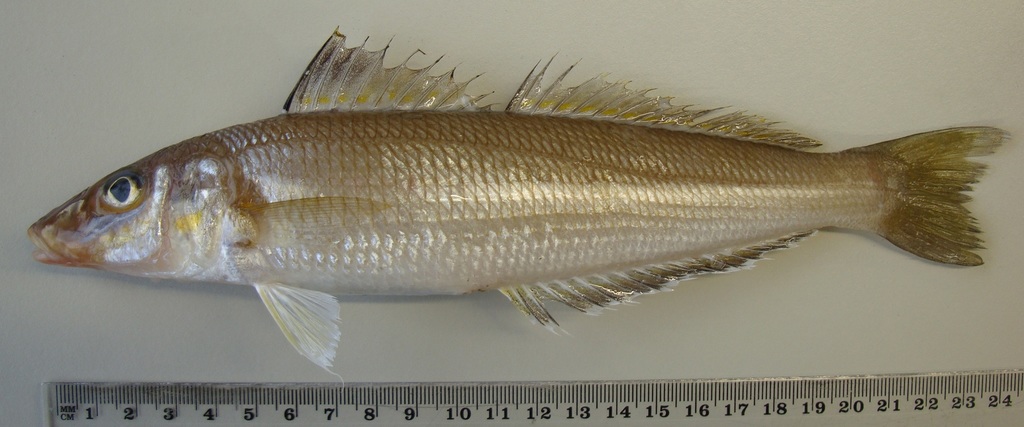
Robust whiting
- Family
- Sillaginidae
- Depth
- 10–70 m
- Season
- Jan, Feb, Mar, Oct, Nov, Dec

Sand whiting
- Family
- Sillaginidae
- Depth
- 0–46 m
- Season
- Jan, Feb, Mar, Apr, Sep, Oct, Nov, Dec
Guides for this water
Technique, gear and safety guides that fit Japanese sillago.