
Yellowfin whiting
Yellowfin whiting is a shallow-water sillaginid of the eastern Indian Ocean, from Dampier to Albany in Western Australia and through Gulf St Vincent and Spencer Gulf in South Australia. It lives in the top 30 m of temperate water. Adults reach 42 cm TL and can live 12 years. The season runs January and February and then September to December.
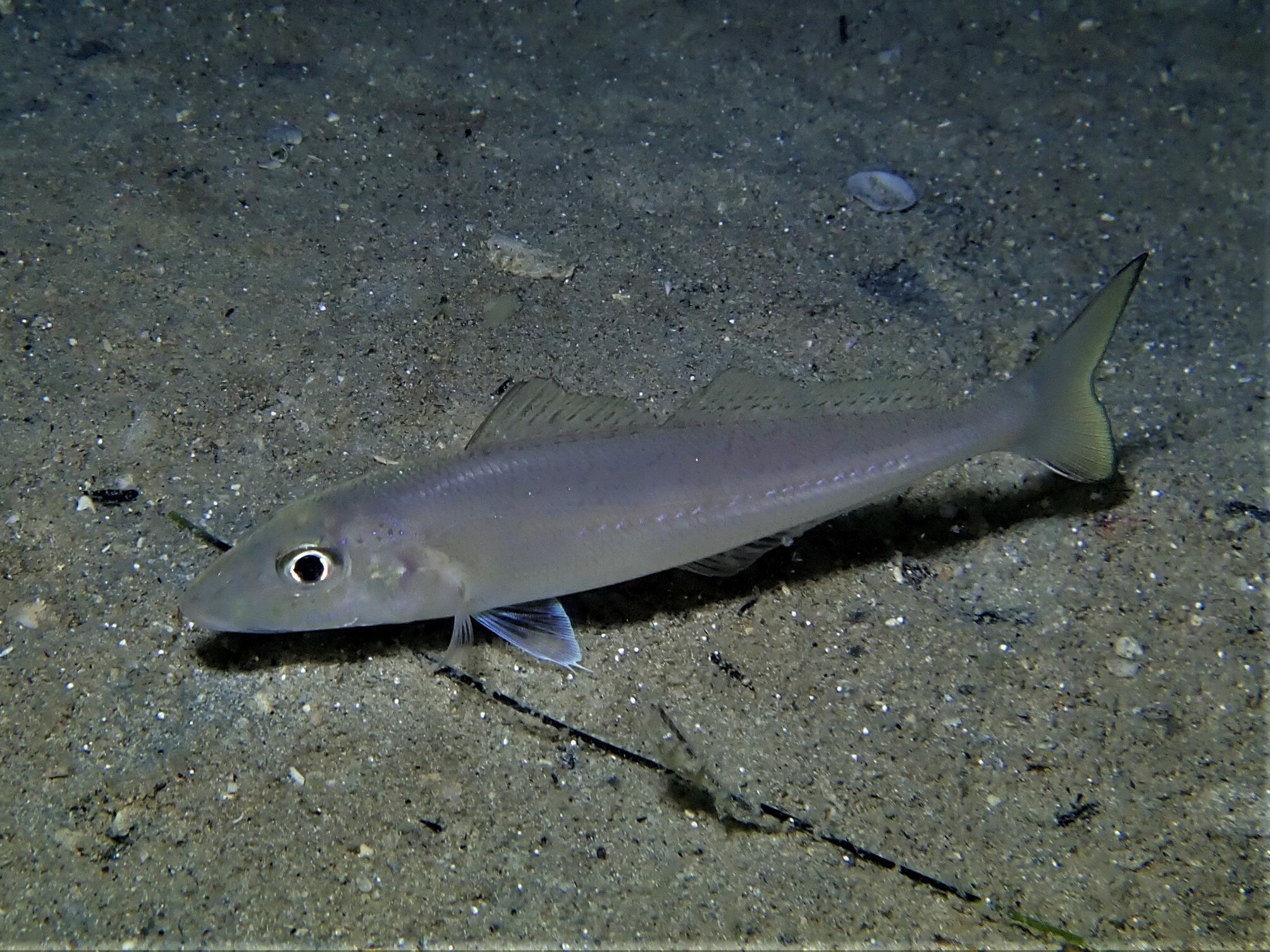
Yellowfin whiting (Sillago schomburgkii) is a fish of the family Sillaginidae. FishBase gives its range as: Eastern Indian Ocean: endemic to Australia, from Dampier to Albany in Western Australia and Gulf St Vincent and Spencer Gulf waters in South Australia. It is not known whether they also occur in the intervening waters. The body is elongate; the dorsal fin carries 11–13 spines and 19–22 soft rays, the anal fin two spines and 17–20 soft rays, and the vertebral count is 37. It is recorded from 0 to 30 m, in temperate water. The recorded maxima are 42 cm TL, 12 years. IUCN status: Not Evaluated (NE). Chinese name: .
Identification
Sillago schomburgkii is the yellowfin whiting, also listed as yellowfin sillago, western sand whiting, fine-scale whiting and silver whiting. It reaches 42 cm total length, matures at about 22.5 cm and has a reported maximum age of 12 years. The body is elongate; the dorsal fin carries 11–13 spines and 19–22 soft rays, the anal fin two spines and 17–20 soft rays, and the vertebral count is 37. Wikipedia calls it one of the largest members of the smelt-whiting family and separates it from relatives on anatomical and colour characters. iNaturalist holds 204 observations under taxon 530855.
Habitat and distribution
The record carries marine and brackish at once, adds demersal and non-migratory, and gives a depth range of 0–30 m with a usual band of 0–2 m. This is not a sea fish that visits estuaries; it lives in the shallow end of them. Wikipedia describes it on tidal flats and in creeks, as well as large estuaries, for its entire life. The habitat keywords mix sand, mud, seagrass and brackish water.
The range is endemic to Australia: Dampier to Albany in Western Australia, and Gulf St Vincent and Spencer Gulf in South Australia, with the question of whether the intervening waters hold fish left open. The country table has a single row, Australia. Wikipedia reports an apparent division between the populations of the two states. For a non-migratory fish with a divided range, the relevant unit is the local flat or gulf, not the species as a whole.
Season and fishing approach
The spawning records sit in the warm half of the year: Shark Bay from January and September to December, southwestern Australia in January, February and December, and the two South Australian gulfs in January, February and December. Reproduction is therefore a summer event in each area, and Wikipedia adds that an individual spawns more than once in a season.
On the water, the 0–2 m usual depth turns the salinity question into a position question. The brackish end is the creek and estuary; the sandy, seagrass-covered end is the flat outside the mouth. A shore angler working the falling tide can follow the water from the flat into the channel, while a boat can hold over the seagrass edge and let the current carry the scent trail back. Polychaete worms dominate the diet, with copepods, amphipods and bivalves taken in smaller amounts, so a worm bait on a light running rig is the direct match. The 22.5 cm maturity length and the 42 cm maximum bracket the fish an angler is likely to see.
Edibility and regulations
FishBase records minor commercial fishing, gamefish status and aquaculture as a likely future use. The Red List entry is Not Evaluated.
Wikipedia notes that the species supports major fisheries in Shark Bay and the two gulfs, with about 260 tonnes taken each year, and calls it a popular shore-based target and a very good table fish. Those two statements explain the management interest: a shallow, non-migratory fish with a divided range can be fished hard in one gulf without evidence from the other. The 42 cm maximum is a record, while the 22.5 cm maturity length is the number that decides whether a kept fish has had a chance to spawn. Any recreational rule that protects the spawning stock has to be matched to the state and the gulf, because the country table stops at Australia.
Where these facts come from
Check these pages before you rely on a size, range or protection status.
- FishBase — Sillago schomburgkii — FishBase · T2
- GBIF — Sillago schomburgkii occurrence records — GBIF · T2
- IUCN Red List — Sillago schomburgkii — IUCN · T1
- Photo record — iNaturalist — iNaturalist · T3
Fish in the same water
These fish live in the same place.
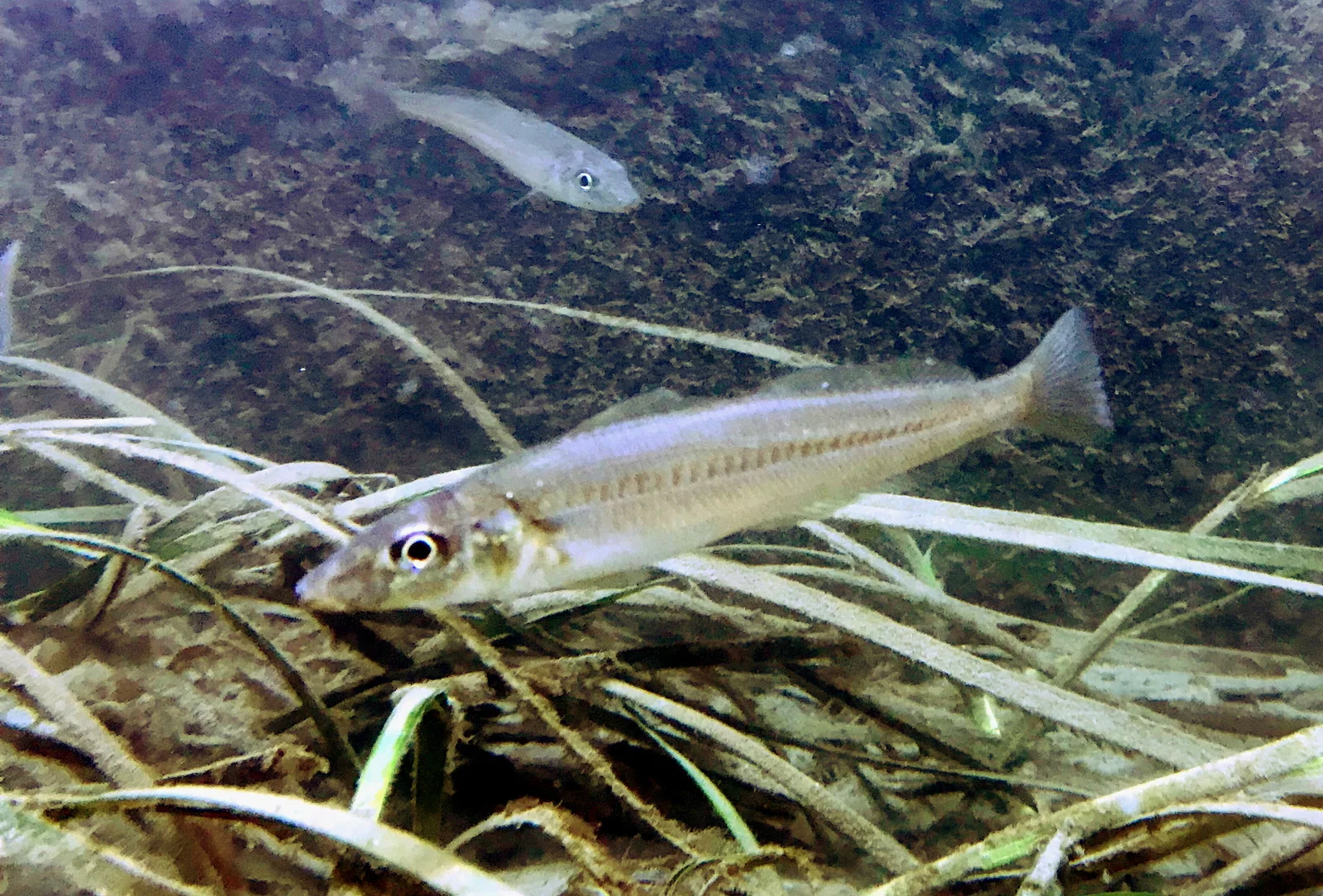
Japanese sillago
- Family
- Sillaginidae
- Depth
- 0–30 m
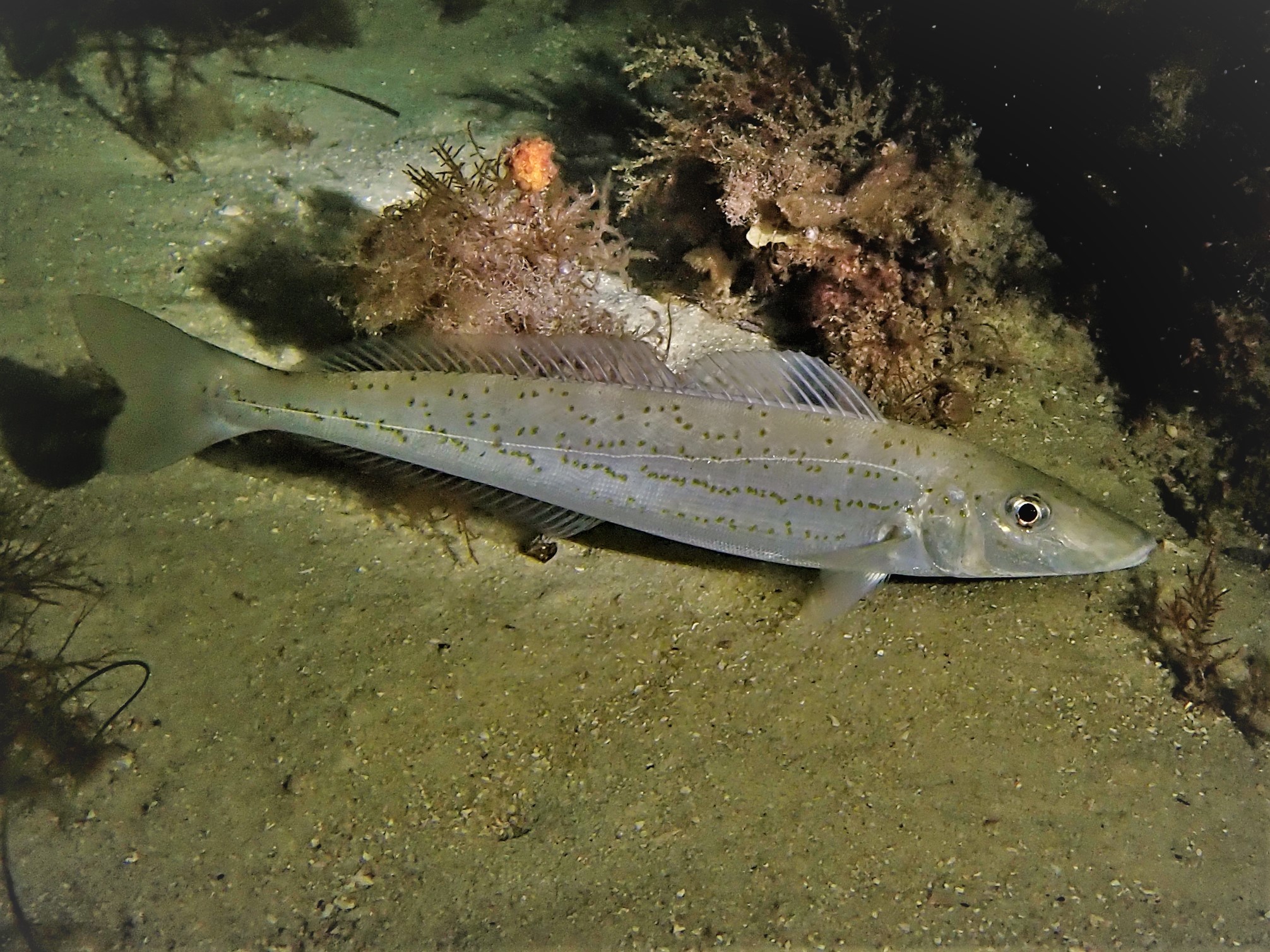
King George whiting
- Family
- Sillaginidae
- Depth
- 2–200 m
- Season
- Feb, Mar, Apr, May, Jun, Jul
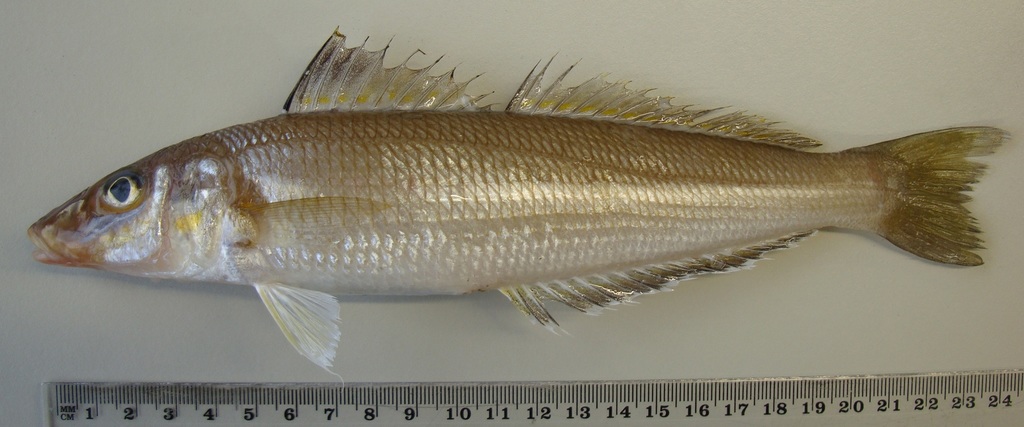
Robust whiting
- Family
- Sillaginidae
- Depth
- 10–70 m
- Season
- Jan, Feb, Mar, Oct, Nov, Dec
Guides for this water
Technique, gear and safety guides that fit Yellowfin whiting.