
Atlantic pomfret in Spain: ≥16 cm — Spain — Cantabrian/Northwest, Gulf of Cadiz and Mediterranean.
| Palometa negra o japuta (Brama brama) | 16 |
Quoted from Real Decreto 560/1995 — tallas mínimas (texto consolidado, actualizado 1 November 2025)
Regulation guide
Official sourcesHow Atlantic pomfret is managed in Spain
Atlantic pomfret (Brama brama) is known in Spanish as palometa negra or japuta. In Spain it falls under the state recreational framework for external waters and the national minimum-size schedule.
Real Decreto 347/2011 restricts recreational catches in external waters to the species listed in Annex I. Atlantic pomfret is listed there by its scientific name, Brama brama, so it is one of the species an angler may target subject to the size and catch rules.
The minimum size is set by Real Decreto 560/1995, while the licence, gear and bag rules come from the recreational framework. The autonomous communities regulate their inshore waters and issue the licences used for both inshore and external fishing.
Source: Real Decreto 347/2011, de 11 de marzo, pesca marítima de recreo en aguas exteriores · Real Decreto 560/1995, de 7 de abril, tallas mínimas de determinadas especies pesqueras
16 cm in all three Spanish sea areas
Real Decreto 560/1995 lists palometa negra o japuta (Brama brama) at 16 cm in Annex I, covering the Cantabrian and north-west grounds and the Gulf of Cadiz. The same 16 cm figure appears in Annex II for the Mediterranean and in Annex III for the Canary Islands.
The consistency is useful for anglers because there is no smaller Mediterranean or Canary threshold to remember, and no larger Atlantic threshold in the national schedule. The 1995 decree also prohibits retaining, landing, transporting, storing, selling or displaying fish below the applicable size, so the 16 cm check is not optional.
The decree therefore sets 16 cm for the Cantabrian and north-west, Gulf of Cadiz and Mediterranean areas, and the Canary annex carries the same figure.
Source: Real Decreto 560/1995, de 7 de abril, tallas mínimas de determinadas especies pesqueras · Real Decreto 347/2011, de 11 de marzo, pesca marítima de recreo en aguas exteriores
Telling it apart from palometa blanca
Spanish common names are a trap here. The size decree uses palometa negra o japuta for Brama brama, while the recreational species list also includes palometa blanca, a different fish. A rule that applies to one does not automatically apply to the other.
The size schedule pairs palometa negra with japuta for Brama brama, which tells an angler that both common names refer to the species covered by the 16 cm entry. Palometa blanca is a separate entry in the recreational species list.
The safest identification check is the scientific name on the official list. If there is any doubt between a pomfret and a palometa blanca, treat the fish as unidentified and release it rather than applying the 16 cm figure to the wrong species.
Source: Real Decreto 560/1995, de 7 de abril, tallas mínimas de determinadas especies pesqueras · Real Decreto 347/2011, de 11 de marzo, pesca marítima de recreo en aguas exteriores
How the 16 cm minimum is measured
The 1995 decree applies the EU measurement rules rather than a bespoke method for pomfret. The relevant basis is total length: the distance from the tip of the snout to the extreme end of the tail fin.
Atlantic pomfret has a short snout and a deeply forked tail, so the measurement runs from the front of the head to the tip of the longer tail-fin lobe. The fork itself is not the end point.
Lay the fish flat, close the mouth and measure to the tail tip without stretching the fish. A specimen that only reaches 16 cm when the tail is pinched or stretched is undersized.
Source: Real Decreto 560/1995, de 7 de abril, tallas mínimas de determinadas especies pesqueras
Bag limit, licence and gear
Atlantic pomfret is not one of the species in Annex III of the 1999 recreational order, so the general catch limit applies: 5 kg per licence per day, with one fish allowed not to count towards the weight. The 1999 order was repealed in 2011, but its catch-limit provisions remain in force through the transitional provision until zone-specific limits are adopted.
When more than five licences are on board a boat, the total catch may not exceed 25 kg per day. That ceiling sits alongside the individual 5 kg limit rather than replacing it.
The licence is issued by the autonomous community or by Ceuta or Melilla, and the vessel licence by the community of the vessel's home port. Permitted gear is limited to handline, rod, trolling line, volantín and potera, plus the accessories needed to lift fish aboard.
Source: Real Decreto 347/2011, de 11 de marzo, pesca marítima de recreo en aguas exteriores · Orden de 26 de febrero de 1999, normas que regulan la pesca marítima de recreo · MAPA: Pesca marítima de recreo, preguntas frecuentes
Before you keep one
Measure the fish and then weigh the total catch. The 16 cm rule is per fish, while the 5 kg rule is an aggregate per licence, so a box of legal-sized pomfret can still exceed the limit.
Do not sell or trade the catch. The recreational framework defines the activity as non-commercial and prohibits the sale or transaction of captures, so pomfret kept under a recreational licence cannot be sold.
Offshore anglers should also check the distance rules from commercial vessels and aquaculture installations, and should confirm that the vessel and personal licences are on board before fishing. Those requirements apply regardless of the species being targeted.
Source: Real Decreto 347/2011, de 11 de marzo, pesca marítima de recreo en aguas exteriores · Orden de 26 de febrero de 1999, normas que regulan la pesca marítima de recreo
Official pages: Real Decreto 560/1995: tallas mínimas de especies pesqueras · Real Decreto 347/2011: pesca marítima de recreo en aguas exteriores · Orden de 26 de febrero de 1999: pesca marítima de recreo · MAPA: Pesca marítima de recreo, preguntas frecuentes
Atlantic pomfret regulations at a glance
1 jurisdictions| Jurisdiction | Area | Size | Bag | Season / closure | Closed area | Other |
|---|---|---|---|---|---|---|
| Spain | Spain — Cantabrian/Northwest, Gulf of Cadiz and Mediterranean | ≥16 cm | — | — | — | — |
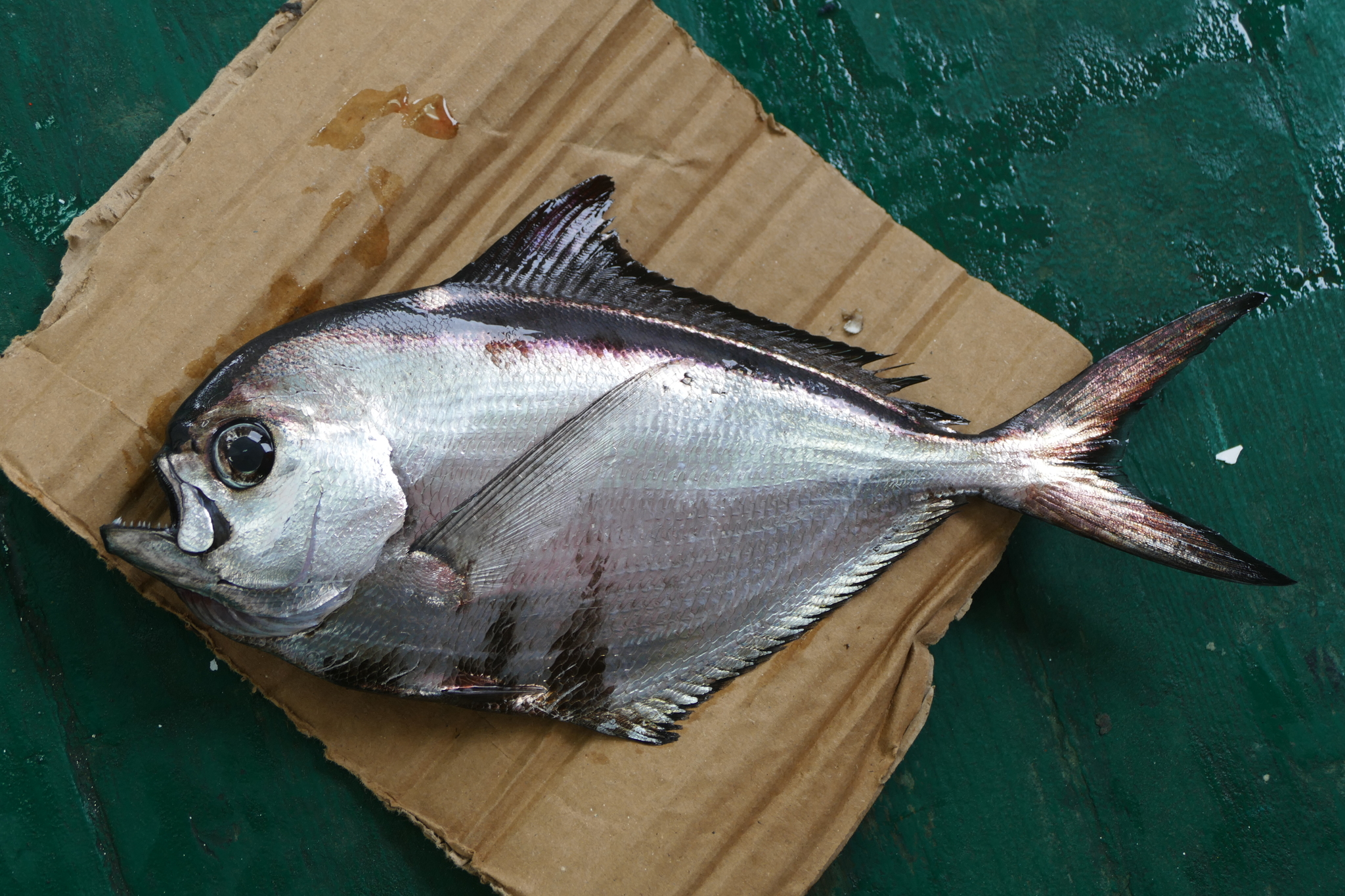
Atlantic pomfret
Brama brama · Bramidae
Brama brama, the Atlantic pomfret, is a deep-bodied, silvery pelagic fish of the family Bramidae. It ranges through the Atlantic, Indian and South Pacific oceans from the surface down to about 1,000 m, usually staying in the upper 200 m, and it is caught both by trolling and as by-catch of tuna and swordfish gear.
- Family
- Bramidae
- Max length
- 100 cm TL
- Max weight
- 6 kg
- Max age
- 9 years
- Depth
- 0–1000 m
- IUCN
- LC
- Climate
- Subtropical · 12–24 °C
- Diet
- fishes, molluscs
Brama brama, the Atlantic pomfret, is a deep-bodied, silvery pelagic fish of the family Bramidae. It ranges through the Atlantic, Indian and South Pacific oceans from the surface down to about 1,000 m, usually staying in the upper 200 m, and it is caught both by trolling and as by-catch of tuna and swordfish gear.
Seasonality
Other ES regulations
Same jurisdictionBefore you keep a fish
- Read the recorded value. It is copied from the notice; if the number and the notice disagree, the notice wins.
- Check the area. Federal, state and local waters can set different limits for the same fish.
- Check the date. Seasons, quotas and closures change; confirm the current notice before you go.
Common questions
- What is the minimum size for Atlantic pomfret in Spain?
- ≥16 cm
- Where does this regulation apply?
- Spain — Cantabrian/Northwest, Gulf of Cadiz and Mediterranean
- When was it checked?
- 2026-11-18, against Real Decreto 560/1995 — tallas mínimas (texto consolidado, actualizado 1 November 2025).