
Witch flounder in Spain: ≥28 cm — Spain — Cantabrian/Northwest and Gulf of Cadiz.
| Mendo (Gliptocephalus cynoglossus) | 28 |
Quoted from Real Decreto 560/1995 — tallas mínimas (texto consolidado, actualizado 1 November 2025)
Regulation guide
Official sourcesHow witch flounder is regulated in Spain
Witch flounder, Glyptocephalus cynoglossus, is mendo in Spanish and appears in the Spanish national minimum-size schedule under that name. The schedule is Real Decreto 560/1995, which fixes a separate table of authorised sizes for each of Spain's fishing grounds rather than a single national figure.
The recreational framework sits above that schedule. Real Decreto 347/2011 regulates recreational sea fishing in Spanish external waters and divides those waters into four management zones: Cantabrian and Northwest, Gulf of Cadiz, Mediterranean and Canary. Article 4 requires every recreational catch to respect the minimum sizes of the 1995 decree.
Inshore waters are regulated by the coastal autonomous communities, which issue the recreational licences and may add their own conditions. The state size schedule remains the baseline that those regional rules sit on.
Source: BOE: Real Decreto 560/1995, tallas mínimas de determinadas especies pesqueras · BOE: Real Decreto 347/2011, pesca marítima de recreo en aguas exteriores
28 cm for the Cantabrian, Northwest and Gulf of Cadiz
Annex I of Real Decreto 560/1995 covers the Cantabrian and north-west grounds and the Gulf of Cadiz. It lists the species as Mendo (Gliptocephalus cynoglossus) at 28 cm. The genus is misspelled in the official text, but the scientific name identifies the witch flounder.
Neither Annex II, which covers the Mediterranean, nor Annex III, which covers the Canary Islands, contains a witch flounder row. That means the Spanish Mediterranean coast has no national size for the species in this decree, and the Canary table is silent on it as well.
The 28 cm is therefore an Atlantic figure for mainland Spain. The decree fixes sizes by ground rather than by flag, so the zone in which the fish is taken decides which table applies.
Source: BOE: Real Decreto 560/1995, annexes I to III · BOE: Real Decreto 347/2011, article 2 (zones)
Mendo is not mendo limón
The same annex carries four flatfish rows that are easy to confuse. Mendo limón, Microstomus kitt, is listed at 25 cm; Mendo, Glyptocephalus cynoglossus, at 28 cm; Gallos, Lepidorhombus spp., at 20 cm; and Acedia, Dicologoglossa cuneata, at 15 cm.
The Spanish names are close enough that the wrong row can be applied to the wrong fish. The scientific name is the only reliable check, because the common name Mendo is used for witch flounder while Mendo limón is the lemon sole.
A fish measured against the wrong row is either wasted or illegally kept. A 25 cm lemon sole is legal, while a 25 cm witch flounder is 3 cm short of its own limit.
How the size is measured
Article 2 of the decree measures sizes in accordance with the EU technical rules, originally those of Article 5(2) of Regulation (EEC) No 3094/86 and now carried in the technical measures regulation. Under those rules a fish is measured from the tip of the snout to the end of the caudal fin.
A witch flounder is a right-eyed flatfish with a long, tapering tail, so the tail fin is part of the measurement. Lay the fish flat, straighten the body along the midline and close the jaws naturally rather than stretching them.
Measure before gutting or filleting. The size is defined on the intact fish, and a filleted flatfish cannot be measured against the 28 cm threshold at all.
Source: BOE: Real Decreto 560/1995, article 2 · EUR-Lex: Regulation (EU) 2019/1241, technical measures
Bag limit and licence
The general Spanish recreational limit is 5 kg per licence per day, and the weight of one fish need not be counted towards it. When more than five licences are on board, the total for the boat may not exceed 25 kg per day.
Witch flounder is not one of the species with its own piece limit, so the 5 kg figure applies to it. The limits come from the order of 26 February 1999, which the agriculture ministry still lists among the rules governing recreational fishing alongside the 2011 decree.
The licence is issued by the autonomous community whose coast is being fished, or by the community where the boat is based. Since 2026 recreational fishers must also be registered and must record and notify their catches and releases daily through the ministry's PescaREC application.
Source: BOE: Orden de 26 de febrero de 1999, article 4 · MAPA: Pesca marítima de recreo · MAPA: PescaREC
Before you keep one
Check the zone first. The 28 cm applies in the Cantabrian and north-west grounds and the Gulf of Cadiz; there is no national figure for the species in the Mediterranean or Canary annexes, so a fish taken there needs to be checked against whatever regional or EU rule applies.
Check the species second. Lemon sole and megrim carry lower figures, and the Spanish names sit next to each other on the same page of the annex.
Article 3 prohibits retaining, transhipping, landing, transporting, storing, selling, displaying or marketing fish below the required size, so an undersized witch flounder cannot be kept for the pot or moved to the car.
Recreational fishing is non-commercial and the sale of catches is prohibited. Carry the licence, keep the electronic declaration up to date and measure the fish while it is still whole.
Source: BOE: Real Decreto 560/1995, article 3 · BOE: Real Decreto 347/2011, article 1
Official pages: BOE: Real Decreto 560/1995, tallas mínimas · BOE: Real Decreto 347/2011, pesca marítima de recreo · BOE: Orden de 26 de febrero de 1999, pesca marítima de recreo · MAPA: Pesca marítima de recreo · MAPA: PescaREC
Witch flounder regulations at a glance
1 jurisdictions| Jurisdiction | Area | Size | Bag | Season / closure | Closed area | Other |
|---|---|---|---|---|---|---|
| Spain | Spain — Cantabrian/Northwest and Gulf of Cadiz | ≥28 cm | — | — | — | — |
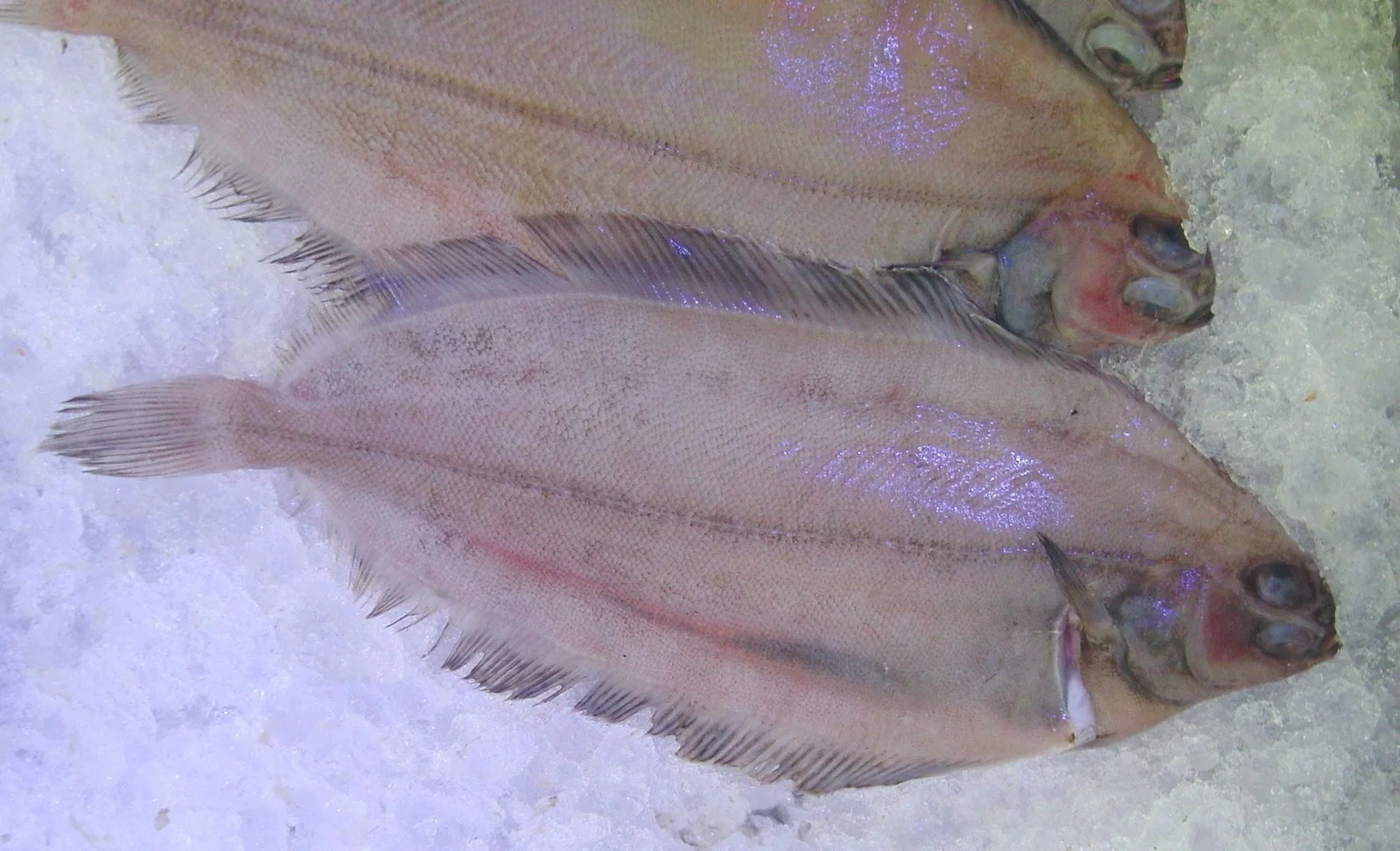
Witch flounder
Glyptocephalus cynoglossus · Pleuronectidae
Witch flounder is a slender, soft-bottom flatfish of the family Pleuronectidae, found on both shores of the North Atlantic and into the adjacent Arctic. It feeds over mud between roughly 18 and 1570 m, with an usual band of 45–366 m in cold water of 2–6 °C, and grows to about 60 cm and 2.5 kg. The species is assessed Vulnerable and is landed commercially as a food fish.
- Family
- Pleuronectidae
- Max length
- 60 cm SL
- Max weight
- 2.5 kg
- Max age
- 25 years
- Depth
- 18–1570 m
- IUCN
- VU
- Climate
- Temperate · 2–6 °C
- Diet
- crustaceans, fishes, worms
Witch flounder is a slender, soft-bottom flatfish of the family Pleuronectidae, found on both shores of the North Atlantic and into the adjacent Arctic. It feeds over mud between roughly 18 and 1570 m, with a usual band of 45–366 m in cold water of 2–6 °C, and grows to about 60 cm and 2.5 kg. The species is assessed Vulnerable and is landed commercially as a food fish. No gamefish use is recorded, and its muddy, often deep habitat makes it a boat or net fishery rather than an angling target.
Seasonality
Other ES regulations
Same jurisdictionBefore you keep a fish
- Read the recorded value. It is copied from the notice; if the number and the notice disagree, the notice wins.
- Check the area. Federal, state and local waters can set different limits for the same fish.
- Check the date. Seasons, quotas and closures change; confirm the current notice before you go.
Common questions
- What is the minimum size for Witch flounder in Spain?
- ≥28 cm
- Where does this regulation apply?
- Spain — Cantabrian/Northwest and Gulf of Cadiz
- When was it checked?
- 2026-11-18, against Real Decreto 560/1995 — tallas mínimas (texto consolidado, actualizado 1 November 2025).