
American shad
Adults spend most of their life at sea, returning to freshwater streams to breed. They inhabit open water of large rivers. Non-spawning adults are found in schools near the surface of continental shelf waters in spring, summer and fall; also found in brackish waters. Newly hatched larvae are found in rivers during the summer; by autumn they enter the sea and remain there until maturity.
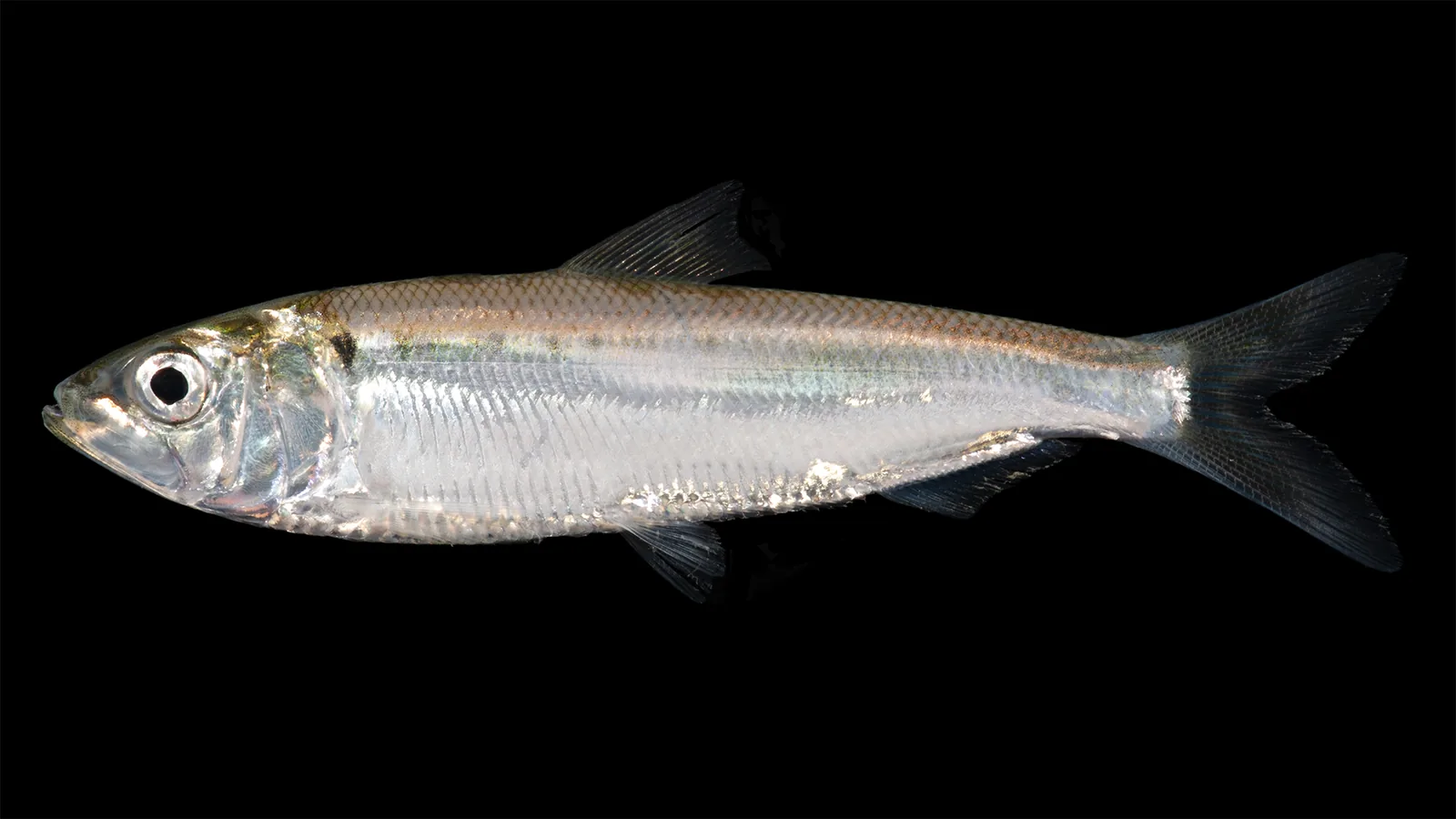
Adults spend most of their life at sea, returning to freshwater streams to breed (Ref. 27547). They inhabit open water of large rivers (Ref. 86798). Non-spawning adults are found in schools near the surface of continental shelf waters in spring, summer and fall (Ref. 7135); also found in brackish waters (Ref. 4607). Newly hatched larvae are found in rivers during the summer; by autumn they enter the sea and remain there until maturity. Juveniles form schools at 20-30 mm TL and gradually move downstream (Ref. 4639). Adults feed on plankton, mainly copepods and mysids, occasionally on small fishes. Feeding ceases during upstream spawning migration and resumes during the downstream post-spawning migration (Ref. 1998). Commercially caught in rivers and estuaries during spawning migration (Ref. 1998). Utilized fresh, salted, or smoked. The roe is esteemed. Eaten pan-fried, broiled, and baked (Ref. 9988). Possibly to 375 m depth (Ref. 6793). Parasites found are nematodes, Acanthocephala, copepods and distomes (Ref. 37032).
Where these facts come from
Check these pages before you rely on a size, range or protection status.
- FishBase — Alosa sapidissima — FishBase · T2
- GBIF — Alosa sapidissima occurrence records — GBIF · T2
- IUCN Red List — Alosa sapidissima — IUCN · T1
- Photo record — iNaturalist — iNaturalist · T3
Fish in the same water
These fish live in the same place.
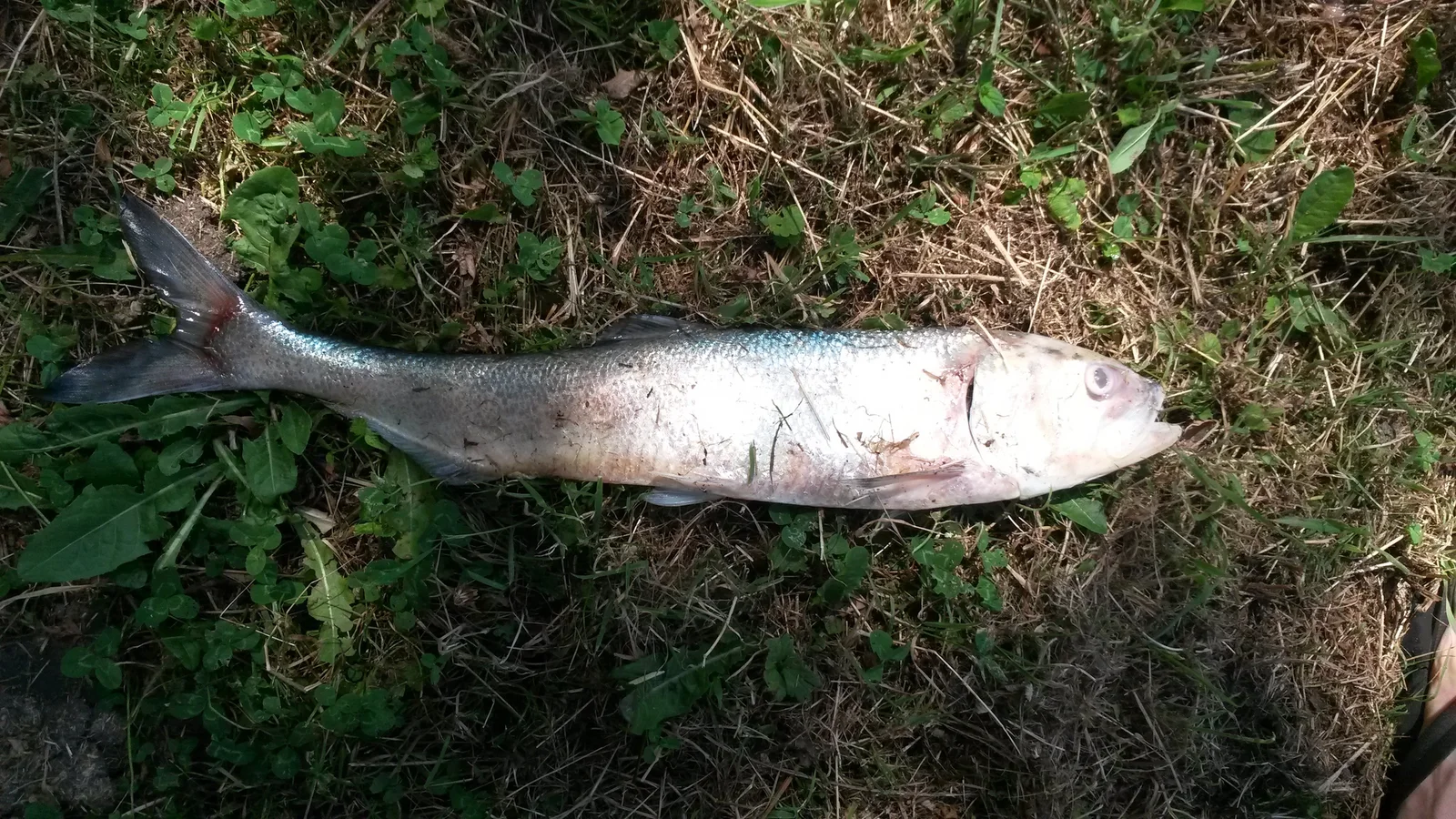
Allis shad
- Family
- Alosidae
- Depth
- 10–400 m
- Season
- Apr, May, Jun, Jul

European pilchard
- Family
- Alosidae
- Depth
- 10–100 m
- Season
- Jan, Feb, Mar, Apr, May, Jun, Jul, Aug, Sep, Oct, Nov, Dec
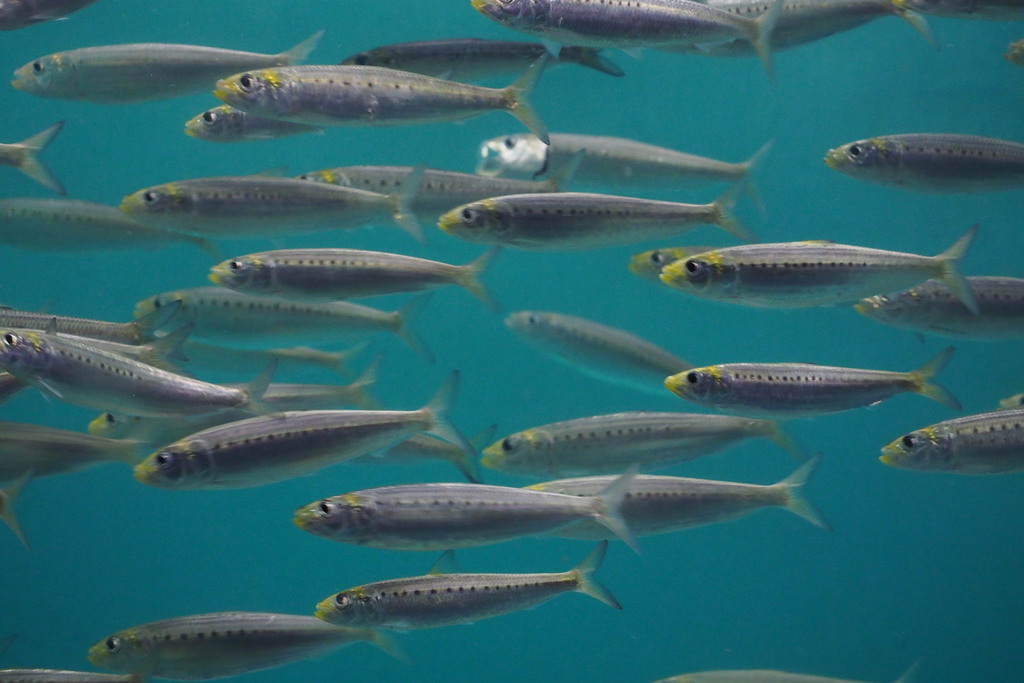
Pacific sardine
- Family
- Alosidae
- Depth
- 0–200 m
- Season
- Jan, Feb, Mar, Apr, May, Jun, Jul, Aug, Sep, Oct, Nov, Dec
Guides for this water
Technique, gear and safety guides that fit American shad.