
Lesser sand-eel
The lesser sand-eel is a slender ammodytid of the Northeast Atlantic, recorded from about 74°N near Novaya Zemlya down to the Channel Islands, including Iceland, the Barents Sea and the Baltic. It is a shelf fish of 10 to 150 metres, and in this record the usual depth band is the same as the full range.
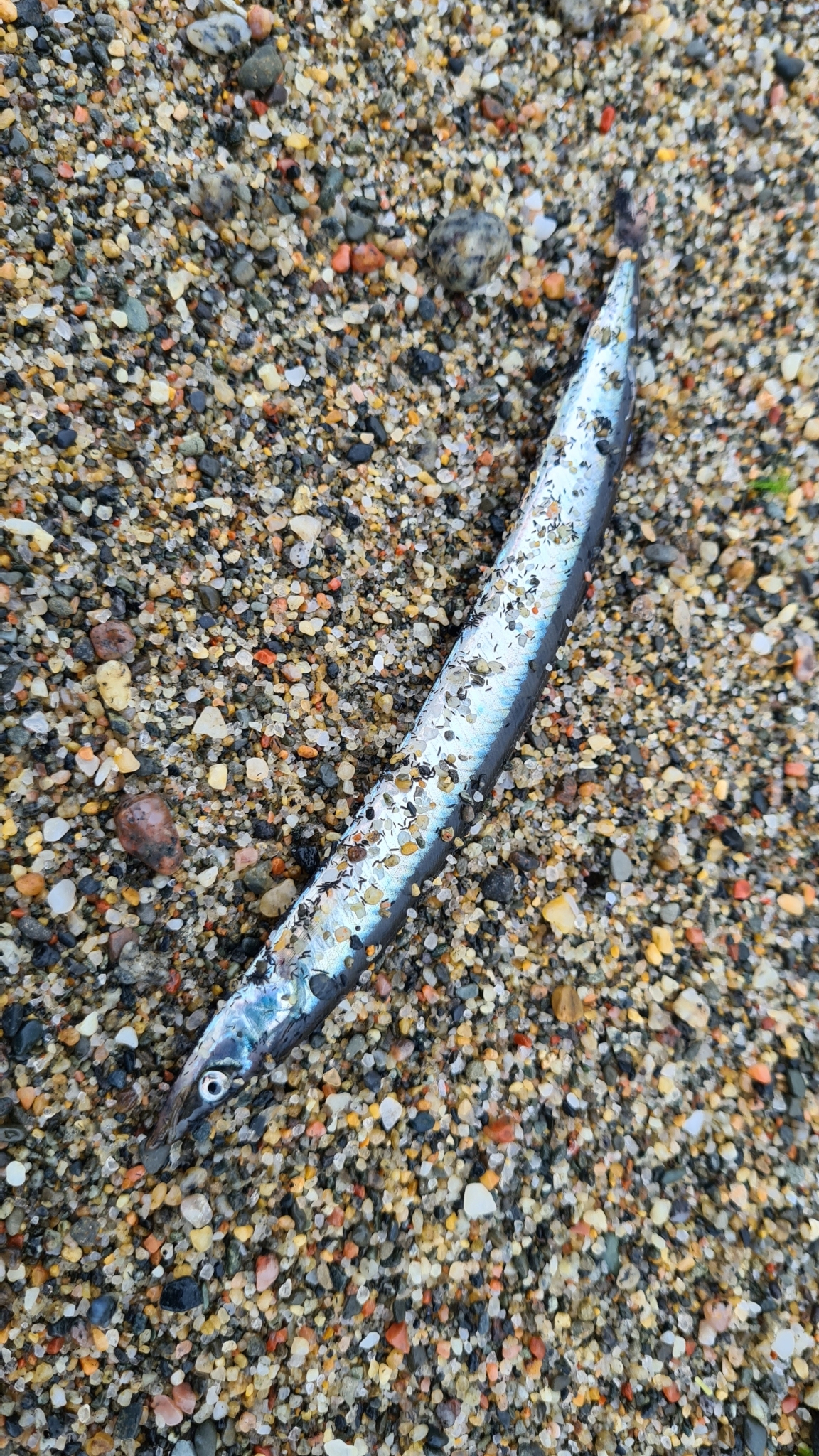
The lesser sand-eel is a slender ammodytid of the Northeast Atlantic, recorded from about 74°N near Novaya Zemlya down to the Channel Islands, including Iceland, the Barents Sea and the Baltic. It is a shelf fish of 10 to 150 metres, and in this record the usual depth band is the same as the full range. At a maximum of 25 cm it is a forage fish landed commercially rather than a recreational target, and FishBase lists no gamefish use. No IUCN assessment is given.
Identification
Maximum 25.0 cm TL, a maturity range that opens at 11 cm and never closes, and an oldest reported age of 10 years. No weight and no common length. Counts: 56–63 dorsal soft rays and 29–33 anal soft rays; no dorsal spine count and no vertebral count.
The gap matters because the name is not one string. FishBase's vernacular list carries five English names for this species — Launce, Lesser sand-eel, Lesser sandeel, Raitt's sandeel and Smooth sand eel. iNaturalist's preferred name is Raitt's Sand Lance, the same name rendered differently again. Wikipedia adds a second layer: the family holds 31 species, the "eels" are not true eels, and it places them in Trachiniformes, while FishBase files this species under Perciformes/Uranoscopoidei. Five English names and two ordinal placements give nothing to identify against, and the ray counts alone will not settle a specimen in the hand.
Habitat and distribution
The habitat keyword list is empty. That is the fact this page turns on: no substrate word was captured, while the diet list does have an entry, zooplankton. The record will say what the fish eats and not what it lies on. "Sand eel" is a name, not a substrate record, and swapping the two is the commonest error this page can prevent.
What is usable: marine and brackish, benthopelagic, 10–150 m with the same figures given for the usual band, temperate, 73°N–49°N. When the minimum, maximum and usual band are identical numbers, the record is saying the fish is expected across the whole column rather than at an extreme.
Distribution runs from 74°N at Novaya Zemlya and the Bear Islands to 49°N at the Channel Islands, including eastern Greenland, Iceland and the Barents Sea but not the White Sea, and the Baltic but not the Gulf of Bothnia or Finland. Fifteen countries appear in the table; iNaturalist holds 12 observations and GBIF 11 rows.
Those counts are the thinnest in this batch, and thin recording is not thin occurrence: a fish landed by the tonne can still be photographed a dozen times.
Season and fishing approach
Spawning arrives as three rows: Norwegian grounds December–January, with survey years 1997–1999; eastern North Atlantic November–February; and the North Sea, the same November–February. All three sit inside November–February — one winter window, three samples, two of them near-identical on paper.
A winter spawn plus a zooplankton diet gives the only search rule the record supports. The mark is where the plankton is; the 10–150 m band is broad enough that the search is vertical as much as horizontal, and no substrate keyword narrows it further. A cast that assumes sand is guessing with a name.
Commercial landings are recorded and no gamefish category exists. For a rod-and-line reader that means a landed species rather than a pursued one, and the 25 cm maximum is the top of a shoal fish rather than a target size.
Edibility and regulations
Not Evaluated, no assessment date. No category is not a clean bill of health; it means nobody has run the assessment. The commercial line sits beside it, and a species can be heavily landed and unassessed at once.
There is no bag limit here and no gamefish entry to hang one on. The number that matters for a kept fish is 11 cm, where the maturity range opens: below it, the record holds no evidence of a spawner.
Where these facts come from
Check these pages before you rely on a size, range or protection status.
- FishBase — Ammodytes marinus — FishBase · T2
- GBIF — Ammodytes marinus occurrence records — GBIF · T2
- IUCN Red List — Ammodytes marinus — IUCN · T1
- Photo record — iNaturalist — iNaturalist · T3
Fish in the same water
These fish live in the same place.
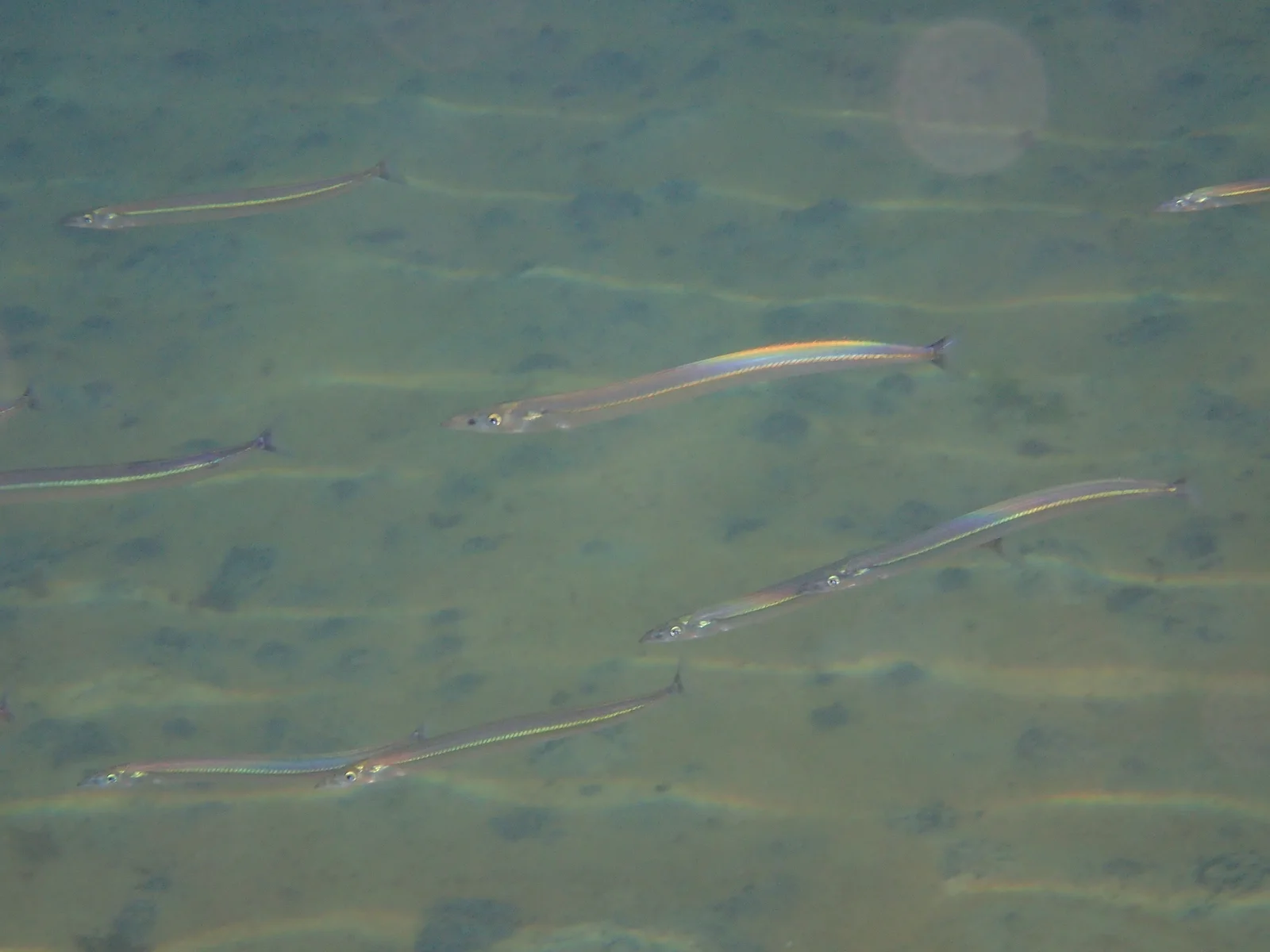
Great sandeel
- Family
- Ammodytidae
- Depth
- 6–30 m
- Season
- Apr, May, Jun, Jul, Aug, Sep
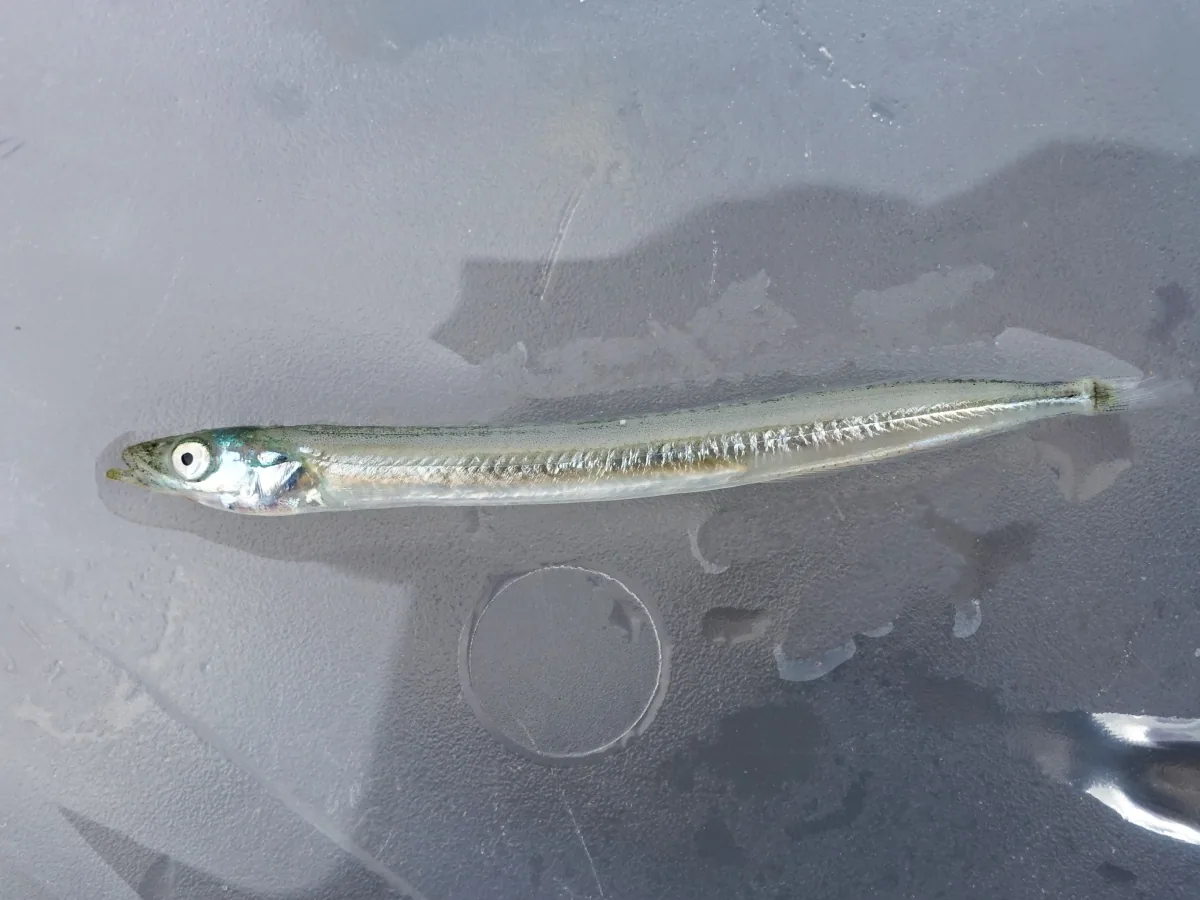
Small sandeel
- Family
- Ammodytidae
- Depth
- 1–96 m
- Season
- Feb, Mar, Apr, Sep, Oct, Nov
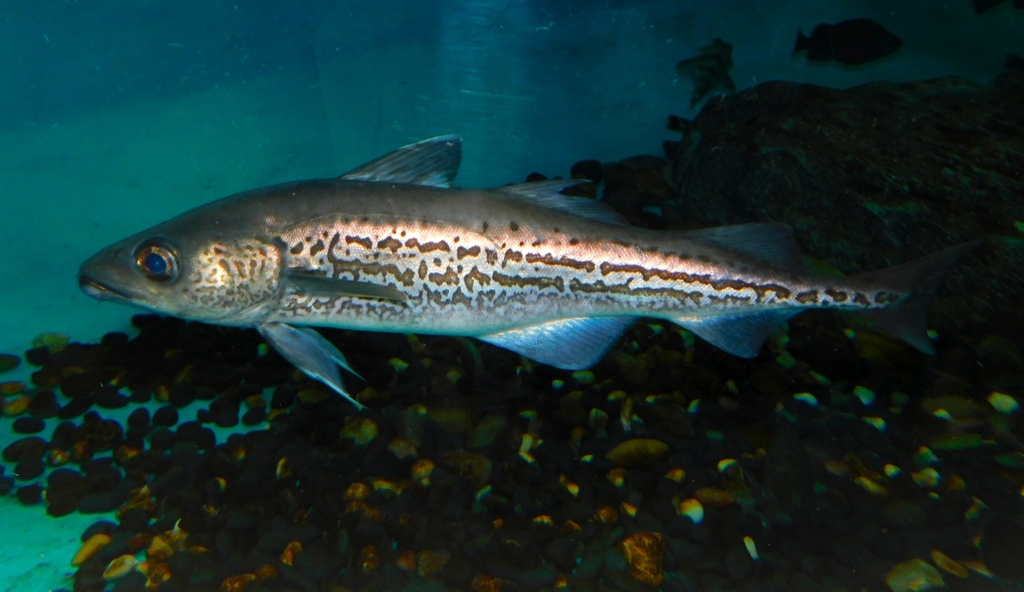
Alaska pollock
- Family
- Gadidae
- Depth
- 0–1280 m
- Season
- Jan, Feb, Mar, Apr, May, Jun, Jul, Aug
Guides for this water
Technique, gear and safety guides that fit Lesser sand-eel.