
Carpenter
Carpenter is a South African sparid of the east and south coasts, recorded from 20 to 200 m over benthopelagic ground. Adults feed on fish, crustaceans and cephalopods and sometimes make large-scale migrations. It reaches 90 cm TL with a common length of 60 cm, 3.5 kg, a maximum age of 27 years and maturity at 29.5 cm. Boat bottom fishing, drifting and jigging are the methods listed.
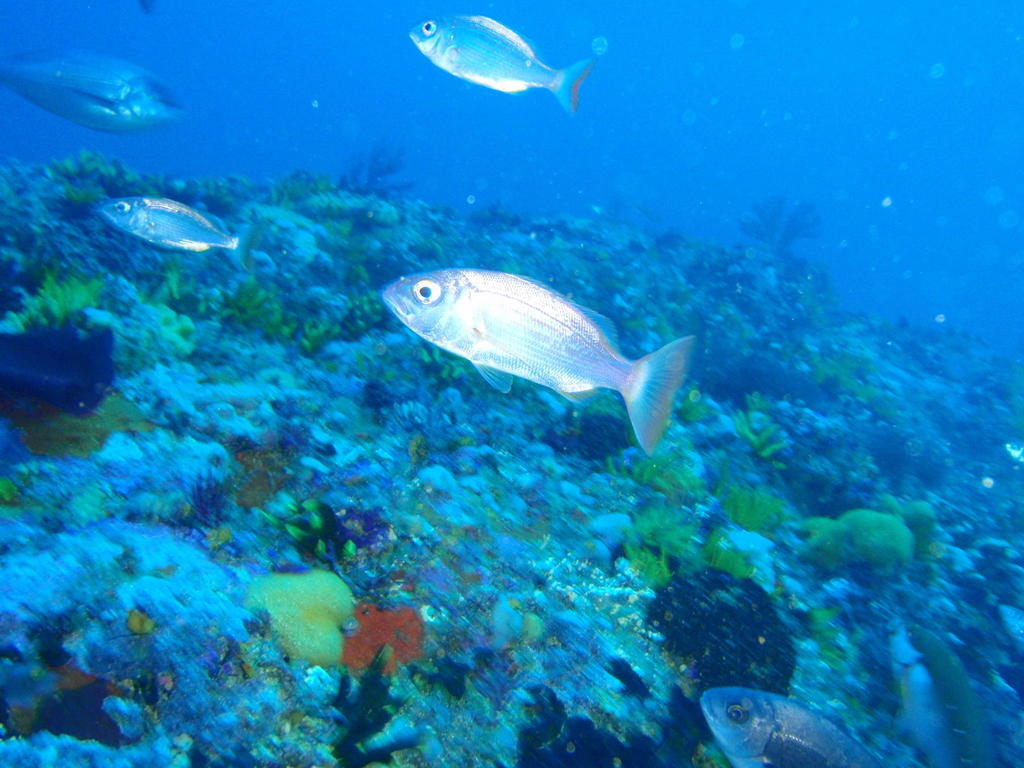
Argyrozona argyrozona is a Sparidae seabream of the South African east and south coast, recorded from 20 to 200 m over benthopelagic ground. FishBase gives a maximum of 90 cm total length, a common length of 60 cm, 3.5 kg, a maximum age of 27 years and maturity at 29.5 cm. Adults feed on fish, crustaceans and cephalopods and sometimes make large-scale migrations. South African recreational rules set a 35 cm minimum and a bag of four per person per day.
Identification
A fusiform sparid with a silver-grey body and a normal, non-humped profile. The dorsal fin has XII spines and 10 soft rays; the anal fin has III spines and 8 soft rays. FishBase gives no species-specific colour description beyond the silver body, so identification on deck rests on shape, fin counts and depth of capture.
It grows to 90 cm total length and 3.5 kg, with a common length of 60 cm, a maximum age of 27 years and maturity at 29.5 cm. The weight record carries no reference number on the summary page and should be treated as indicative.
The local names carpenter, silverfish, doppies and kapenaar all refer to this species; kapenaar is Afrikaans, the others are South African English or angling slang.
Distribution and Habitat
Western Indian Ocean: Natal to Table Bay in South Africa. FishBase lists only South Africa and Mozambique, and GBIF records are overwhelmingly South African.
The depth range is 20 to 200 m, benthopelagic, in subtropical water from 32°S to 35°S. The shallow end is boat water on steep ground; the bulk of the range is deep enough that shore anglers never see the species.
Because the fish is benthopelagic rather than strictly bottom-dwelling, baits presented a metre or two off the bottom can out-fish a lead pinned to the sand.
Habits and Diet
Adults feed mainly on fish, crustaceans and cephalopods. FishBase also notes that the species sometimes undertakes large-scale migrations, which fits the pattern of good and bad years on the same marks.
It is an important food fish and a recognised gamefish. The combination of a migratory habit and a 27-year lifespan makes local depletion slow to reverse, so a big fish is worth more released than kept.
Fishing Methods
Deep bottom fishing is the main method: a fish strip or squid bait on a heavy lead, worked down a slope while the boat drifts. Once a group is found, mark the line and repeat the drift rather than hunting blindly.
Heavy jigging in the 150 to 250 g class covers the same ground faster and suits 60 to 120 m. On reef and sand edge, keep the bait just above the bottom to avoid snagging and to present to a fish that is hunting upward.
Gear and Approach
A 6 to 7 ft heavy boat rod, a 6000 to 8000 reel, 2.0 to 3.0 PE and a 40 to 50 lb leader are appropriate for 100 m plus and a possible 90 cm fish. Deep water magnifies every weakness in the drag and the knot.
Use a two-hook or single-hook bottom rig with a heavy snapper lead. The bite is often a weight rather than a tap; lift steadily, then pump the fish up rather than winching against the swell.
Seasonal Window
FishBase records spawning in summer, citing a general reference rather than a month-by-month table. That is enough to say summer is the spawning period, not enough to name a peak week.
The fish is caught year-round in deep water, but the number of fishable days is set by swell and wind rather than by the fish. A run of small swell is worth more than a calendar date.
Tide is less important than drift angle in 100 m. Set the boat so the line runs slightly aft and the lead stays in contact.
Edibility and Handling
An important food fish with firm white flesh and a large fillet yield. It is a good candidate for the cooler, and deep-water fish should be bled as soon as they come aboard.
Deep hooking is common with bottom rigs. Keep a release tool on deck and vent or release quickly if the fish is undersized; a 27-year lifespan means the small ones are not expendable.
Regulations and Conservation
South Africa: the Marine Living Resources Act recreational list sets a minimum of 35 cm total length and a bag of four per person per day, with no closed season. A recreational fishing permit is required, and the catch may not be sold.
The species is not on the prohibited list and is not a Marine TOPS species. IUCN global status is Least Concern, assessed in 2024. Bag and size rules can be tightened by Marine Protected Area regulations, so check the MPA covering the launch site.
How to catch it
Boat bottom fishing
Drift fishing
Jigging
150–250 60–120
Where these facts come from
Check these pages before you rely on a size, range or protection status.
- GBIF — Argyrozona argyrozona occurrence records — GBIF · T2
- IUCN Red List — Argyrozona argyrozona — IUCN · T1
- Photo record — iNaturalist — iNaturalist · T3
Fish in the same water
These fish live in the same place.
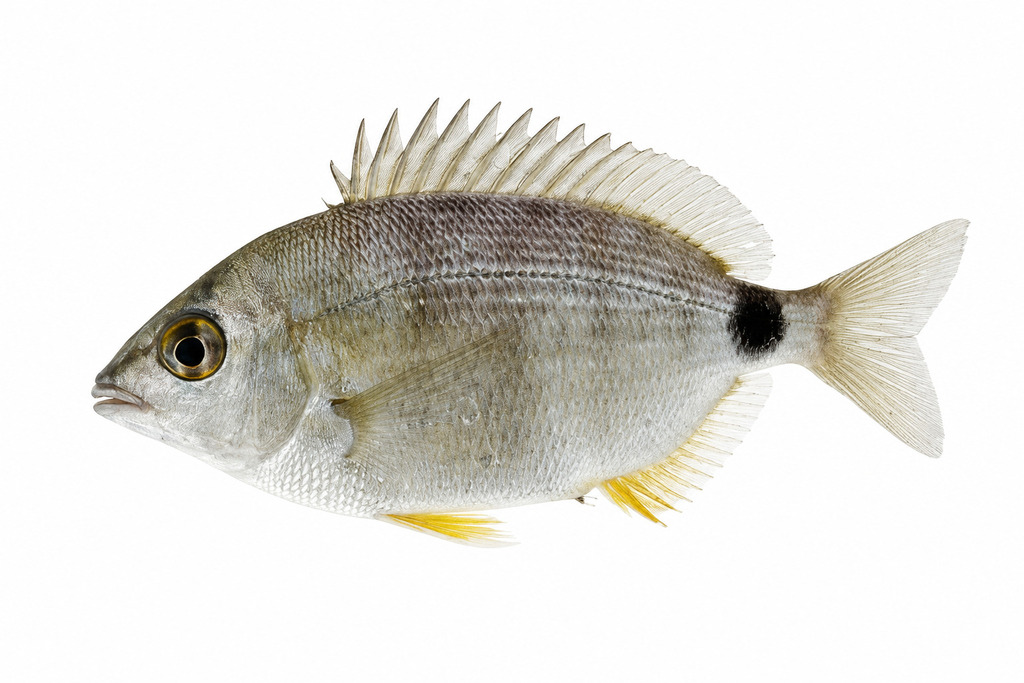
Annular seabream
- Family
- Sparidae
- Depth
- 0–90 m
- Season
- Jan, Feb, Mar, Apr, May, Jun, Jul, Aug, Sep
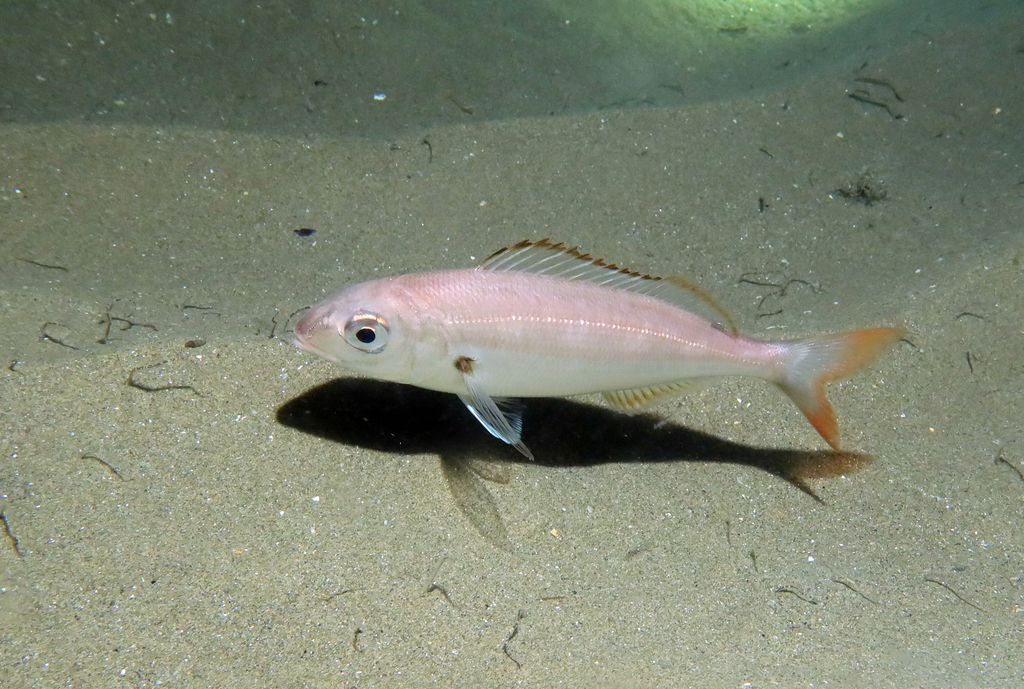
Axillary seabream
- Family
- Sparidae
- Depth
- 0–500 m
- Season
- Jan, Feb, Mar, Apr, May, Jun, Jul, Aug, Sep, Oct, Nov, Dec
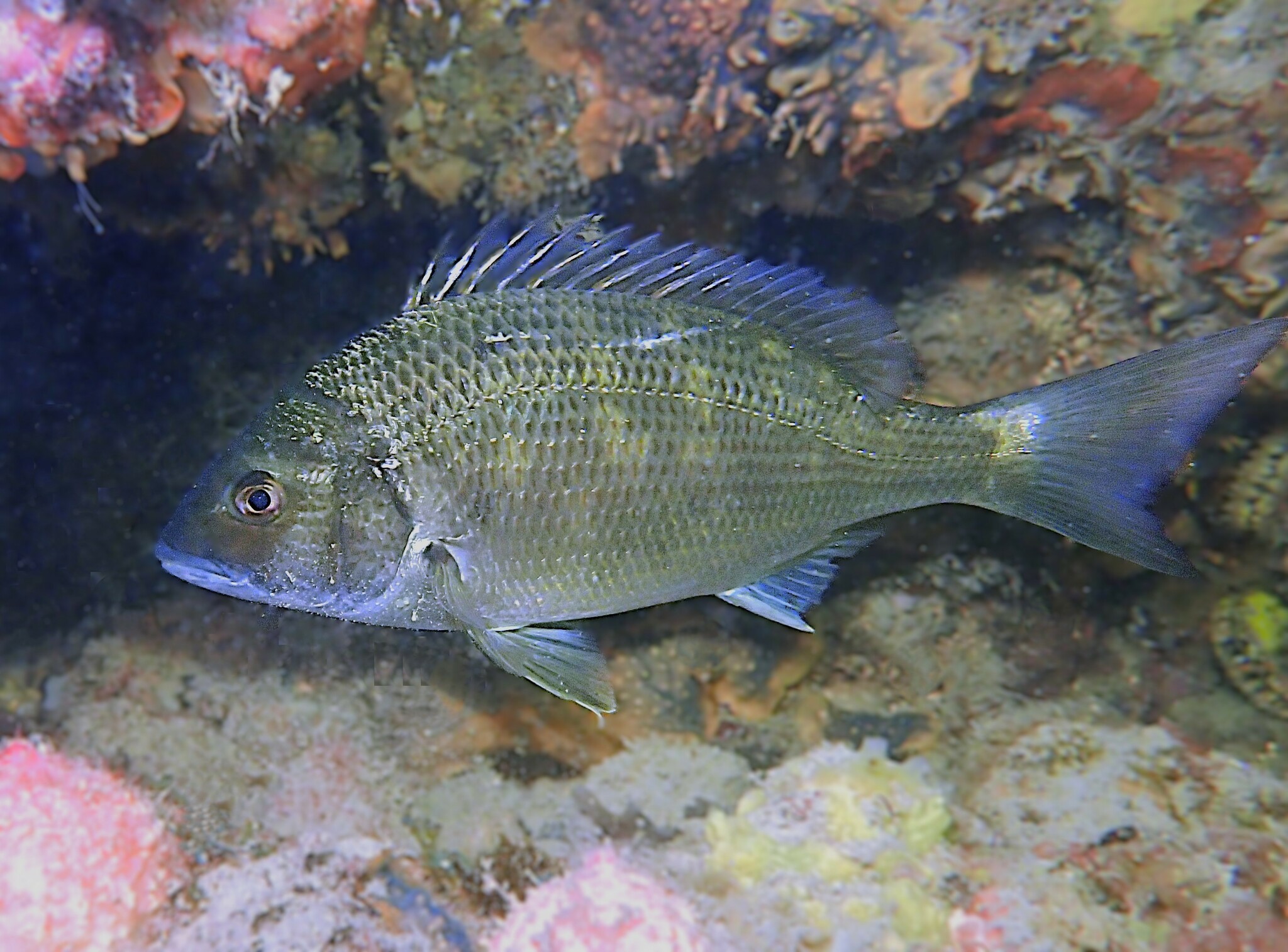
Black bream
- Family
- Sparidae
- Season
- Jan, Feb, Jul, Aug, Sep, Oct, Nov, Dec
Guides for this water
Technique, gear and safety guides that fit Carpenter.