
Red stumpnose
Red stumpnose is a South African sparid known only from the Cape to Natal. Adults feed on crustaceans, molluscs, worms and small fish in shallow coastal water, and older males grow a large hump on the forehead. It has 11 to 12 dorsal spines and 10 to 11 soft rays and often shows darker crossbars. It reaches 75 cm TL with a common length of 50 cm and 5.8 kg, and matures at 30 cm.

Chrysoblephus gibbiceps is a South African sparid known only from the Cape to Natal. It has 11 to 12 dorsal spines and 10 to 11 soft rays, often shows darker crossbars, and adult males develop a large hump on the forehead. FishBase gives 75 cm total length, a common length of 50 cm, 5.8 kg and maturity at 30 cm. It lives in shallow coastal water and feeds on crustaceans, molluscs, worms and small fishes.
Identification
A deep-bodied sparid with 11 to 12 dorsal spines, 10 to 11 soft rays, three anal spines and 7 to 9 soft rays. The body is short and deep, and the head profile becomes strongly humped in adult males.
The colour is red to reddish brown, often with darker crossbars on the flank and a pale belly. The hump on the forehead of large males is the most reliable field mark and is absent in females and juveniles.
FishBase gives 75 cm total length, a common length of 50 cm, 5.8 kg and maturity at 30 cm. It is heavier-bodied than most local reef sparids, and the forehead hump separates it from the dageraad.
Distribution and Habitat
Southeast Atlantic: known only from the Cape to Natal in South Africa. Like other Chrysoblephus, it is a single-country endemic with no second jurisdiction.
It inhabits shallow coastal waters, roughly 20 to 50 m, over reef and rocky ground. That is shallower than the dageraad and within reach of small boats and, in places, shore casts.
That shallow depth also makes it more accessible, part of why it has been heavily fished.
Habits and Diet
FishBase records a diet of crustaceans, molluscs, worms and small fishes. It is a bottom feeder that works reef and adjacent sand, crushing shellfish and picking up small prey.
It is a good food fish and is sold fresh in markets. That market value, combined with a shallow, predictable reef habitat, makes it easy to target and easy to deplete.
FishBase also records the monogenean Anoplodiscus cirrusspiralis on its fins and skin, of no practical importance to anglers.
Fishing Methods and Gear
Bottom bait on shallow reef is the main method: a whole sardine, a crab or a squid bait on a 4/0 to 6/0 hook, with enough lead to hold on the reef edge in 20 to 40 m.
A slow drift with a stop after the bite is better than anchoring, because the fish often takes as the bait passes a reef edge and then runs for the rocks.
Use a 7 ft boat rod, a 5000 to 6000 reel, 30 to 40 lb braid and a 40 to 50 lb leader. The drag should turn the fish before it reaches the reef.
Seasonal Window
FishBase does not provide monthly spawning data for this species. It is present year-round, and the cooler months tend to concentrate fish on the shallower reef.
Moving water is the key within a day: mid-flood to high tide, and the first of the ebb. Slack water is slow.
Given the Endangered status, the most useful seasonal advice is to release the fish. If one is kept, keep a small one and leave the large humped males in the water.
Edibility and Handling
A good food fish with firm white flesh, well suited to frying, baking or soup. The head is large and makes good stock.
Bleed and ice promptly. Deep-hooked fish should be handled carefully and released quickly if they are not being kept.
For released fish from 20 m or more, use a release weight or slow-descent device. A fish that floats away on the surface is unlikely to survive.
Regulations and Conservation
South Africa: red stumpnose (Chrysoblephus gibbiceps) has a 30 cm total-length minimum and a bag limit of one per person per day under the recreational linefish regulations. A recreational permit is required, boat-based fishing needs a vessel licence, and recreational catch may not be sold.
IUCN: Endangered (A2bd), assessed in 2024. South African linefish assessments have treated the stock as heavily depleted, and the one-fish limit is a recovery measure.
The species is endemic to South Africa, so there is no other regulatory regime to consider. Releasing large males protects the breeding segment of a population that is already under pressure.
How to catch it
Boat bottom fishing
20–40
Drift fishing
Release first
Where these facts come from
Check these pages before you rely on a size, range or protection status.
- GBIF — Chrysoblephus gibbiceps occurrence records — GBIF · T2
- IUCN Red List — Chrysoblephus gibbiceps — IUCN · T1
- Photo record — iNaturalist — iNaturalist · T3
Fish in the same water
These fish live in the same place.
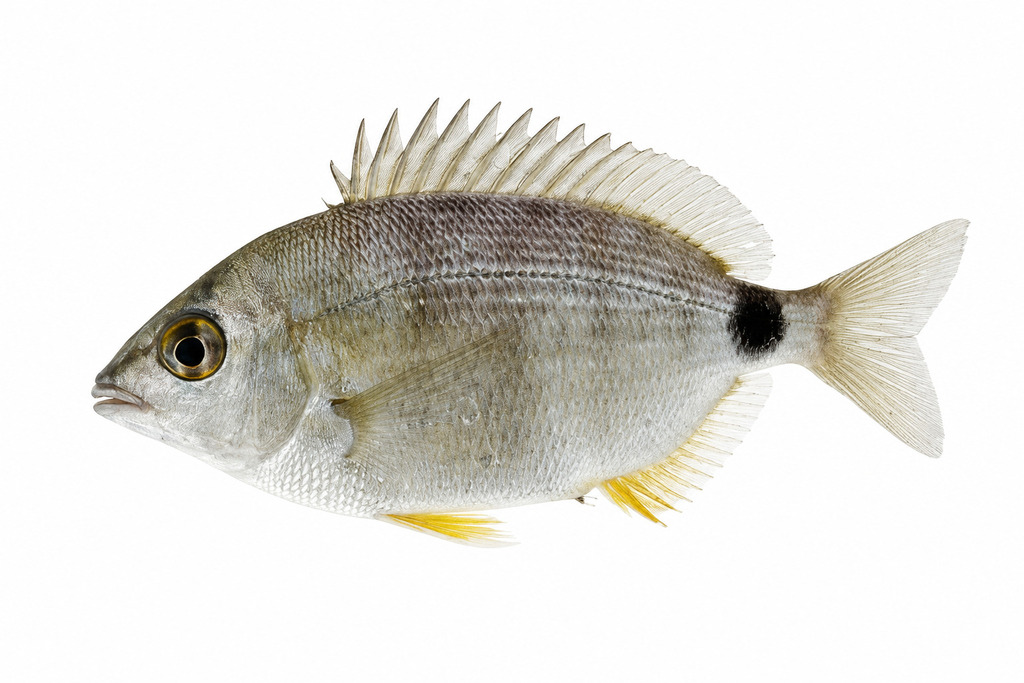
Annular seabream
- Family
- Sparidae
- Depth
- 0–90 m
- Season
- Jan, Feb, Mar, Apr, May, Jun, Jul, Aug, Sep
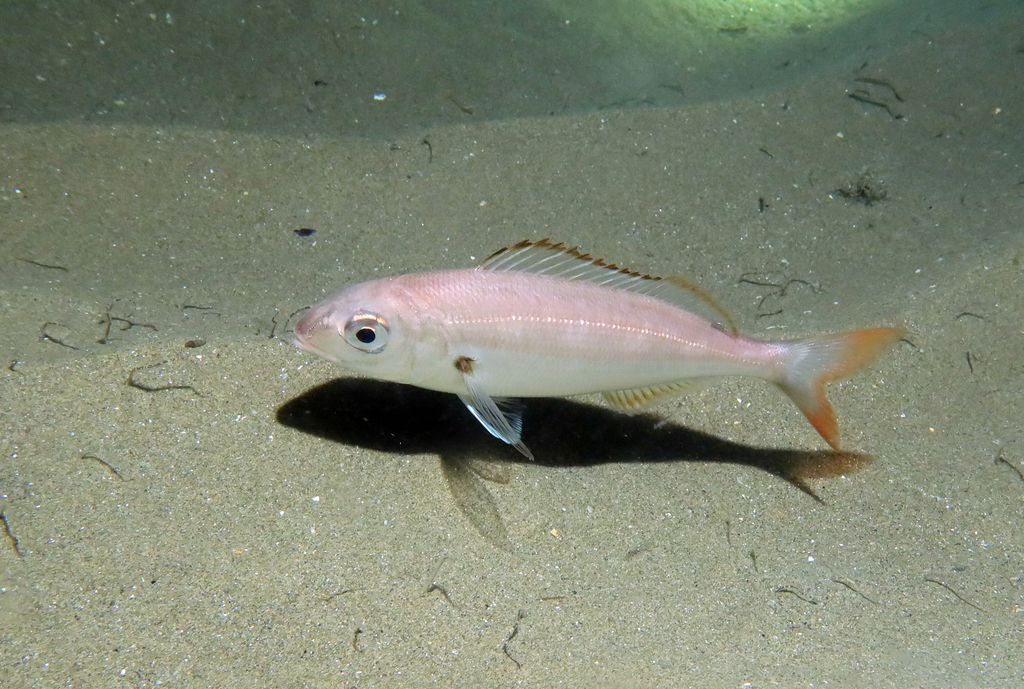
Axillary seabream
- Family
- Sparidae
- Depth
- 0–500 m
- Season
- Jan, Feb, Mar, Apr, May, Jun, Jul, Aug, Sep, Oct, Nov, Dec
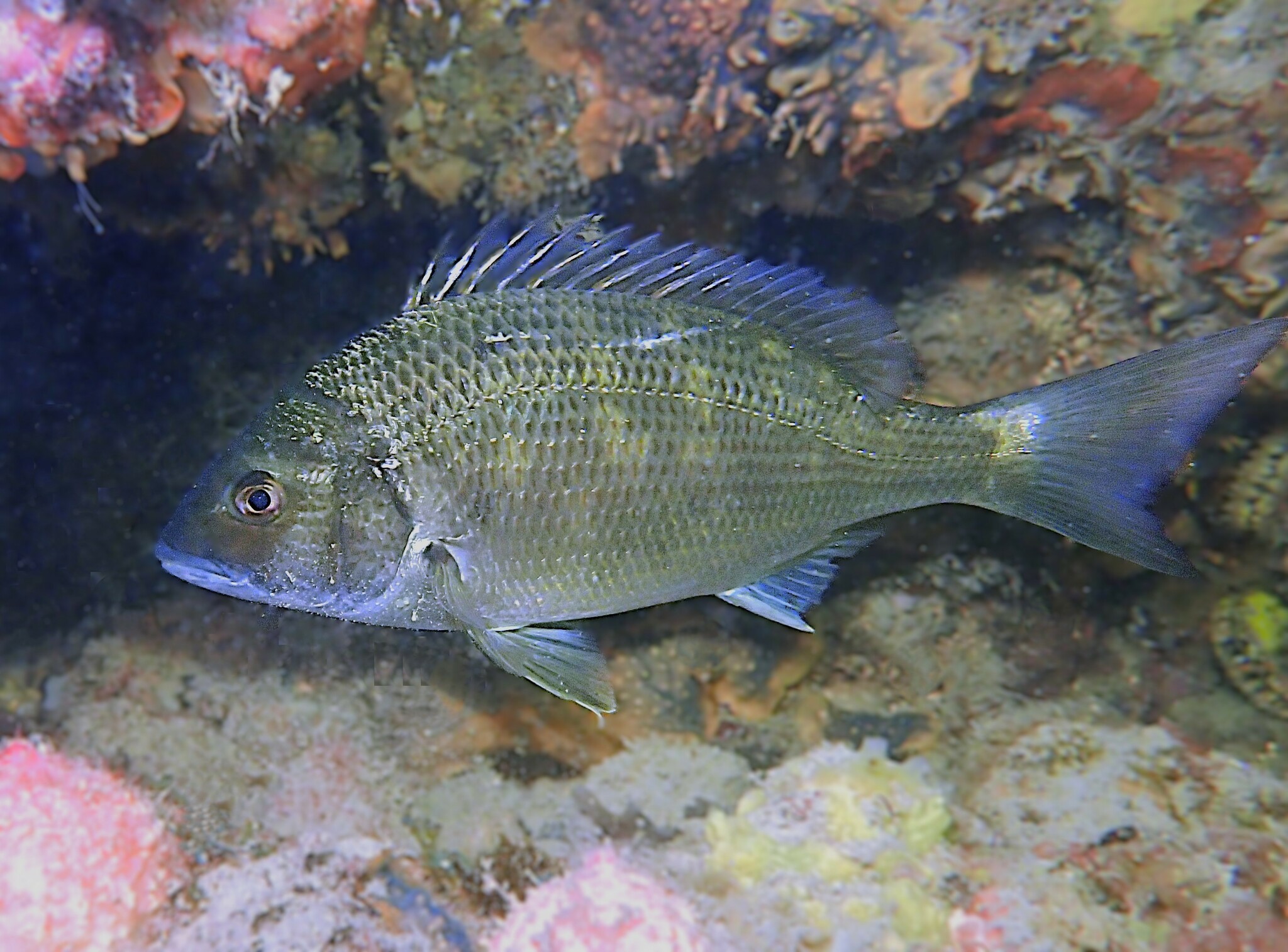
Black bream
- Family
- Sparidae
- Season
- Jan, Feb, Jul, Aug, Sep, Oct, Nov, Dec
Guides for this water
Technique, gear and safety guides that fit Red stumpnose.