
Joyner's tonguefish
A left-eyed tonguefish called aka-shitabirame in Japan. The body is flat and tongue-shaped, both eyes sit on the left side, and it lives on sand and mud inside 100 m, spawning from May to September. It gives a strong stock and mild white flesh, though the Japanese market often lumps it with the dog tonguefish.
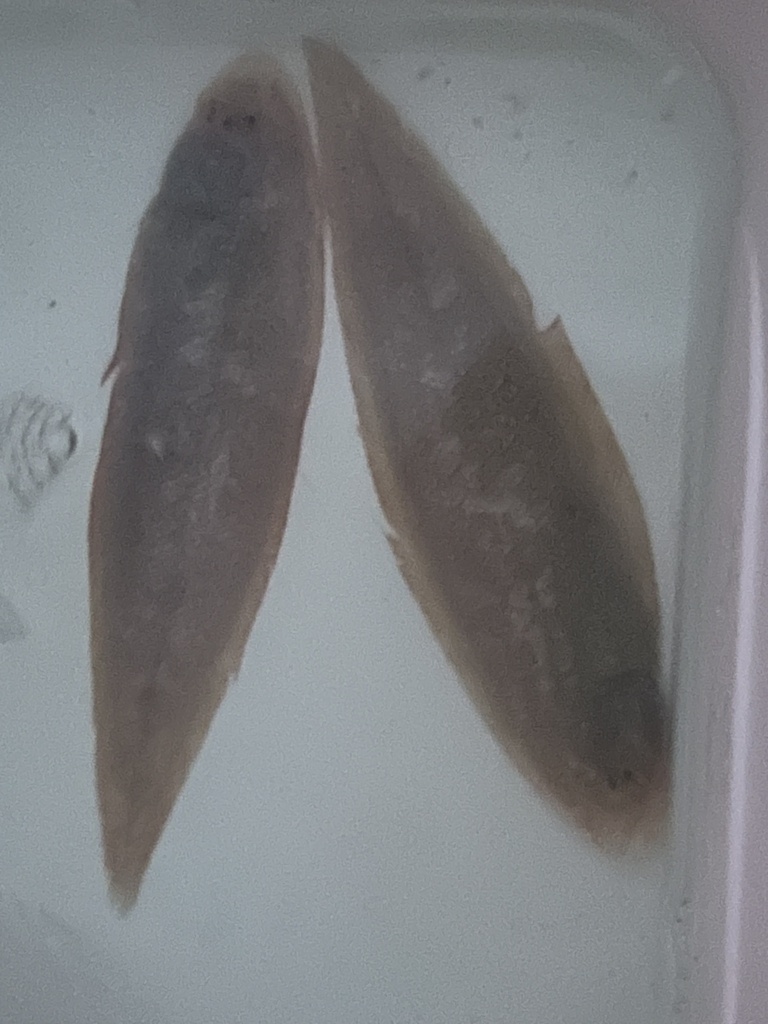
A left-eyed tonguefish called aka-shitabirame in Japan. The body is flat and tongue-shaped, both eyes sit on the left side, and it lives on sand and mud inside 100 m, spawning from May to September. It gives a strong stock and mild white flesh, though the Japanese market often lumps it with the dog tonguefish.
Both eyes on the left, body like a tongue
The body is elongate and tongue-shaped, strongly compressed, with both eyes on the left side and a small inferior mouth. The eyed side is reddish-brown to pale red, the blind side white, and the scales are small and shed easily. The dorsal, anal and caudal fins are continuous and there are no pectoral fins, which is shared across the tonguefishes. That continuous fringe is also why the fish is not mistaken for a true flounder once it is on the deck.
The Japanese guide warns that fish sold in western Japan as aka-ushinoshita or aka-shitabirame are often the dog tonguefish, Inunoshita. Mouth shape, scales and lateral line separate them; colour alone is not reliable.
FishBase gives a maximum of 39.4 cm standard length and 236.9 g.
Sand and mud, from the shelf edge of the range
FishBase records the northwest Pacific: Korea and southern Japan to the Yellow Sea and the South China Sea. The Japanese record is the Sea of Japan and East China Sea from Niigata to southern Kyushu, the Pacific coast from southern Hokkaido to southern Kyushu, the Seto Inland Sea and the Ariake Sea, plus all Korean coasts, the Bohai, the Yellow Sea, the East China Sea, the South China Sea coast and Taiwan.
The fish lives on sand and mud from 10 to 130 m, usually inside 100 m, with juveniles on shallower sand. It feeds on annelids and small shrimps and crabs on the bottom. Ground choice follows that: sand and mud, away from rock and weed beds.
May to September
Spawning runs from May to September, covering late spring into early autumn. The Japanese guide puts the season in spring and summer, which overlaps the first half of the spawning period. The two statements agree rather than compete: spring and summer is when the fish is both spawning and in decent condition. In warm summer water the fish is still active in the shallows, and it is one of the flatfish a shore angler can meet with some reliability.
It does not disappear in winter, but as coastal water cools it shifts slightly deeper and shore catches fall away.
The species is labelled Subtropical by FishBase, which sits awkwardly with winter temperatures in northern Japan; southern Hokkaido is probably the edge of the range rather than its centre.
Small hooks dragged across sand
From shore, surf casting or a bottom rig; from a boat, a small bottom rig. Baits are sandworm, green worm and shrimp. The mouth is small, so the hook should be small too, and a size 10 to 12 is enough.
The fish sucks food from the bottom, so the sinker has to drag lightly over sand. Dragging too fast misses bites; dragging too slowly lets the rig bury in soft mud. A series of light taps is not a bite to strike; wait until the line is taken and then lift.
Fine leader, exposed point
A 2.7 to 3.3 m surf rod with a size 15 to 25 sinker, or a 1.8 m boat rod with a size 30 to 50 sinker. Main line of 1.5 to 2.5 nylon or PE 0.8 to 1.2, leader 1 to 1.5, and Maruseigo hooks in 10 to 12.
The leader should not be too thick, or the bait sits stiffly on sand and mud. The hook point should be exposed so that it can penetrate as the fish sucks the bait in. When the rig snags, do not pull hard; a light flick of the rod tip usually frees it. The tip does the work in that flick, not the wrist.
Mild flesh, strong stock
The flesh is white, free of off-flavour and gives a very strong stock, and the Japanese guide rates it highly. Sashimi, salt-grilling, simmering and frying all work, and the bones make a good soup. The skin carries a slight smell, which can be removed if it bothers the cook; the scales come off easily, the bones are soft and the fish is easy to cut.
Japan has no nationwide recreational size or closed season; prefectural fishery adjustment regulations and cooperative rules apply. No species-level restriction was found, but the rules of Niigata, Chiba and Fukuoka were not checked line by line. That item is deferred.
Recreational rules in Korea and China follow local fisheries law and were not examined in this batch.
Regional scope and a name that travels
Classification, distribution and length come from FishBase. The Japanese range, spawning period, the confusion with the dog tonguefish and the eating assessment come from the market guide. Method and handling detail come from the angling encyclopedia.
The original plan listed Korea and China only. FishBase and the Japanese guide both record the species in Japan, so the regions were expanded to Japan, Korea and China, and the change is noted here rather than left invisible.
How to catch it
Boat bottom fishing
Fished with the listed approach, matched to the recorded depth and size.
Shore casting
Fished with the listed approach, matched to the recorded depth and size.
Where these facts come from
Check these pages before you rely on a size, range or protection status.
- FishBase — Cynoglossus joyneri — FishBase · T2
- GBIF — Cynoglossus joyneri occurrence records — GBIF · T2
- IUCN Red List — Cynoglossus joyneri — IUCN · T1
- Photo record — iNaturalist — iNaturalist · T3
Fish in the same water
These fish live in the same place.
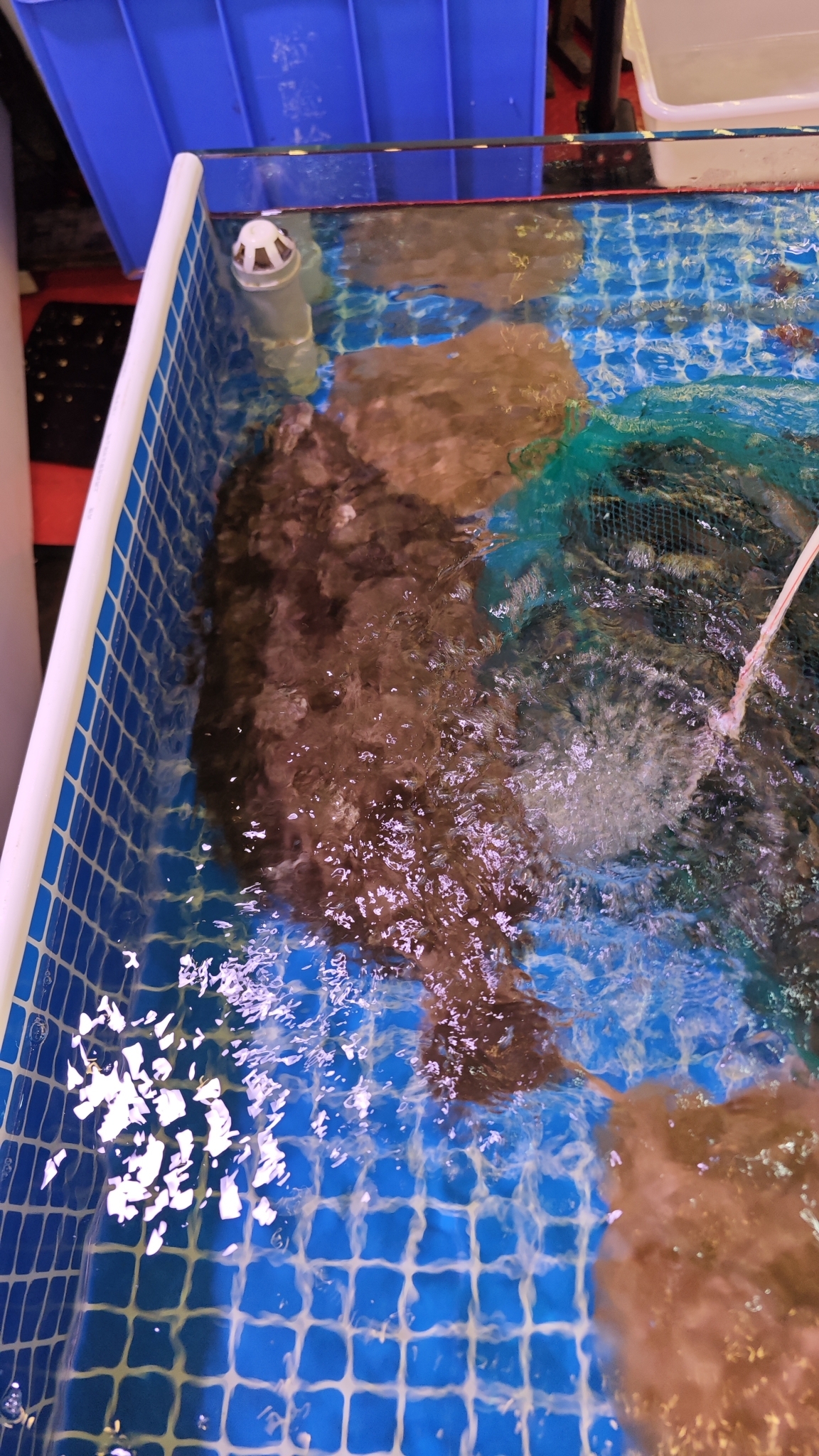
Slime flounder
- Family
- Pleuronectiformes
- Depth
- 15–800 m
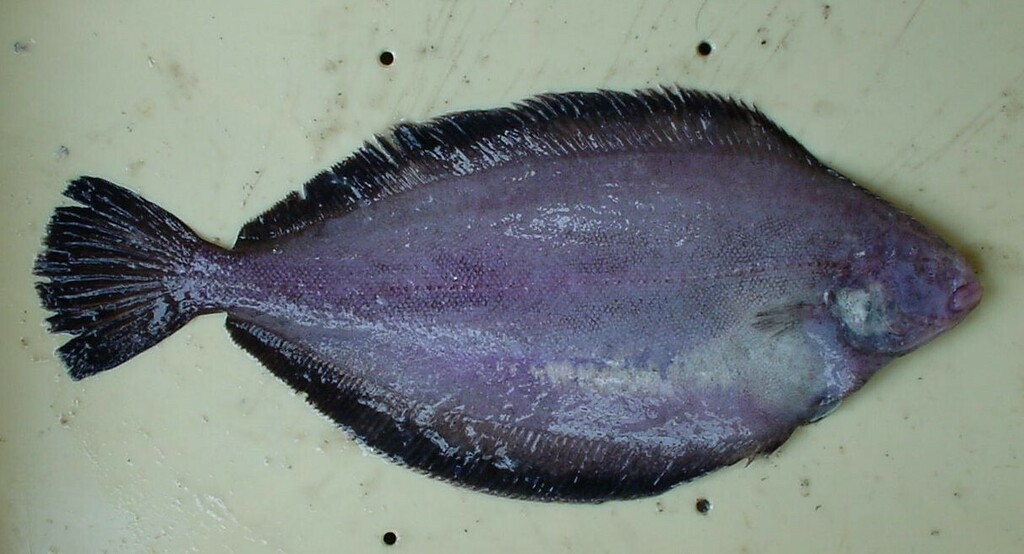
Steller's flounder
- Family
- Pleuronectiformes
- Depth
- 8–1600 m
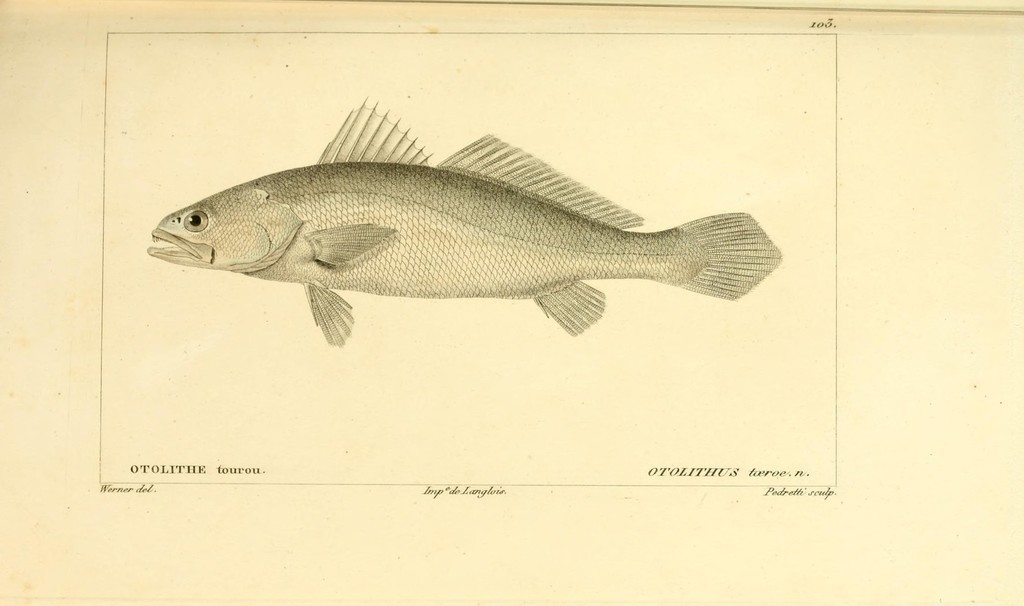
Acoupa weakfish
- Family
- Sciaenidae
- Depth
- 1–20 m
- Season
- Jan, Feb, Mar, Apr, May, Jun, Jul, Aug, Sep, Oct, Nov, Dec
Guides for this water
Technique, gear and safety guides that fit Joyner's tonguefish.