
Peruvian mojarra
Peruvian mojarra is a small gerreid of the eastern Pacific coast, from Mazatlán in Mexico to Callao in Peru, including the Galápagos and most Central American coasts. It lives from 1 to 30 m in tropical water, reaches 35 cm TL and 0.472 kg, and feeds on fish.

Peruvian mojarra (Diapterus peruvianus) is a fish of the family Gerreidae. FishBase gives its range as: Eastern Pacific: Mazatlan, Mexico to Callao, Peru. It is recorded from 1 to 30 m, in tropical water. The recorded maxima are 35 cm TL, 0.472 kg. Diet includes fishes. IUCN status: Least Concern (LC). Chinese name: .
Identification
Two lengths sit on this record and they describe different animals. The maximum is 35 cm TL, the common length is 15 cm TL, and the maximum published weight is 471.98 g. That weight belongs to the 35 cm fish; the 15 cm fish that makes up most of the catch is a fraction of it. The common length is the size reference to rig for.
Fish for the common length. A 35 cm Peruvian mojarra is an exceptional fish, not the target, and gear chosen for it will be too heavy for the 15 cm fish that actually take the bait.
Habitat and distribution
The environment line reads marine, demersal, 1–30 m, tropical from 32°N to 13°S. The habitat tags say coastal and brackish, which is the more useful of the two statements: this is a fish of shallow coastal water that moves into estuaries, not an offshore animal. The written range is the eastern Pacific, from Mazatlan in Mexico to Callao in Peru, with the Galapagos and most of the Central American coast in between.
GBIF's three distribution rows are a mangrove creek in Chocó, Colombia, a reserve checklist from Ecuador, and the global IUCN row. Those are exactly the kind of shallow, sheltered places the habitat tags imply. OBIS returns 414 records, and iNaturalist holds 46 observations. The map is a coastline, not an ocean.
Season and fishing approach
The window has to come from the tide and from local knowledge rather than from a published month. Fish the flooding tide in a mangrove creek or the mouth of an estuary, when the fish move onto the flats to feed. A small hook, a light leader and a split shot are enough; shrimp or a strip of fish matches the diet entry of fishes.
Because the usual fish is 15 cm, the rig should be built for that size. A heavy rod and a big bait will catch the occasional 35 cm fish but will miss most of the school. Fish close to structure — mangrove roots, the edge of a sand bar, the mouth of a creek — and keep the bait moving slowly along the bottom.
Edibility and regulations
FishBase records commercial use. The species is rated LC, in an assessment dated 25 May 2007. That assessment is old enough to be treated as a baseline rather than a current statement, and in any case it is not a landing rule. The enforceable text is the national recreational or small-scale fishery regulation of the country whose coast you are on, from Mexico south to Peru.
The species is a food fish in local markets, so the rules that matter are usually the ones written for the inshore multi-species fishery rather than a single-species sport limit.
Where these facts come from
Check these pages before you rely on a size, range or protection status.
- FishBase — Diapterus peruvianus — FishBase · T2
- GBIF — Diapterus peruvianus occurrence records — GBIF · T2
- IUCN Red List — Diapterus peruvianus — IUCN · T1
- Photo record — iNaturalist — iNaturalist · T3
Fish in the same water
These fish live in the same place.
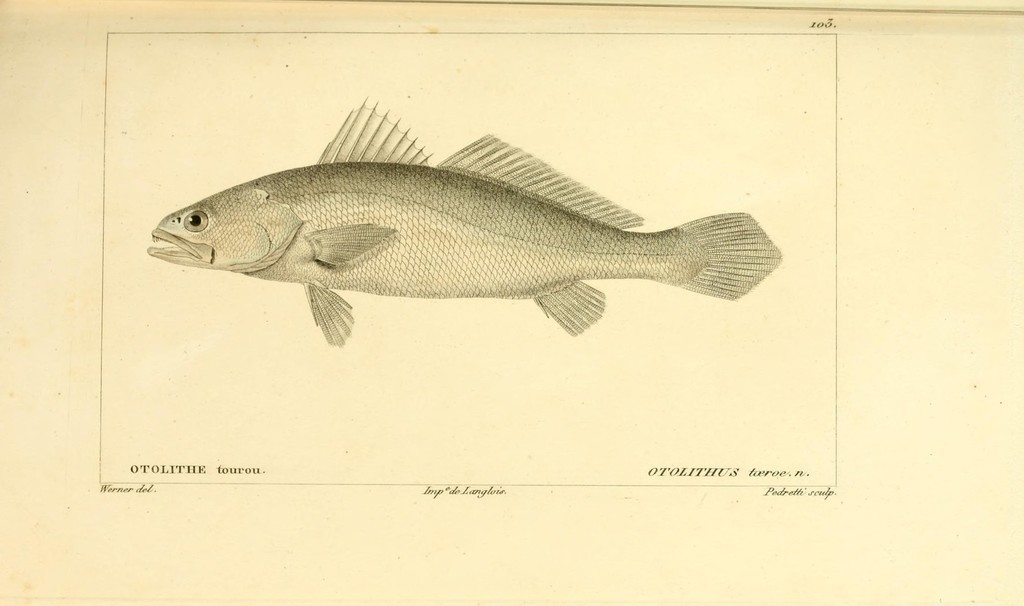
Acoupa weakfish
- Family
- Sciaenidae
- Depth
- 1–20 m
- Season
- Jan, Feb, Mar, Apr, May, Jun, Jul, Aug, Sep, Oct, Nov, Dec
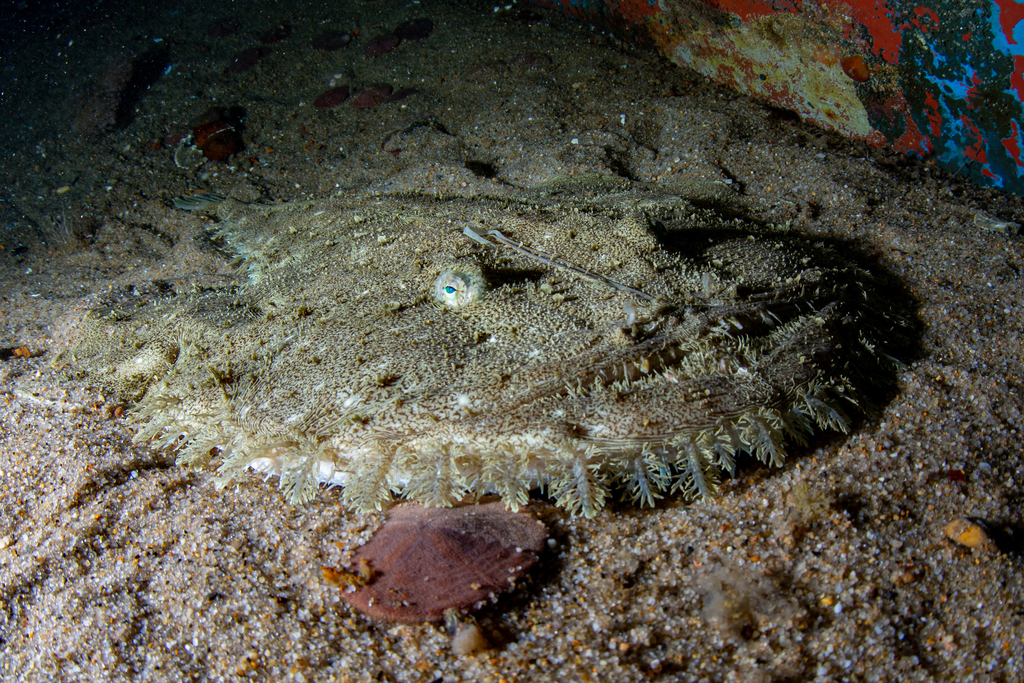
American angler
- Family
- Lophiidae
- Depth
- 0–800 m
- Season
- Mar, Apr, May, Jun

American eel
- Family
- Anguillidae
- Depth
- 0–464 m
- Season
- Jan, Feb, Mar, May, Jun, Jul
Guides for this water
Technique, gear and safety guides that fit Peruvian mojarra.