No minimum size limit
United States — California · US-CA
California has no minimum size limit for Pacific halibut.
There is no minimum size limit.

Pacific halibut is a flatfish that refuses flatfish habits: recorded from 0 to 1200 m, demersal and oceanodromous, reaching 258 cm, 363 kg and 55 years. The depth field explains why two boats on the same coastline get completely different results — one is fishing the shelf, the other the slope. Match gear and bait to the depth band you are actually on.
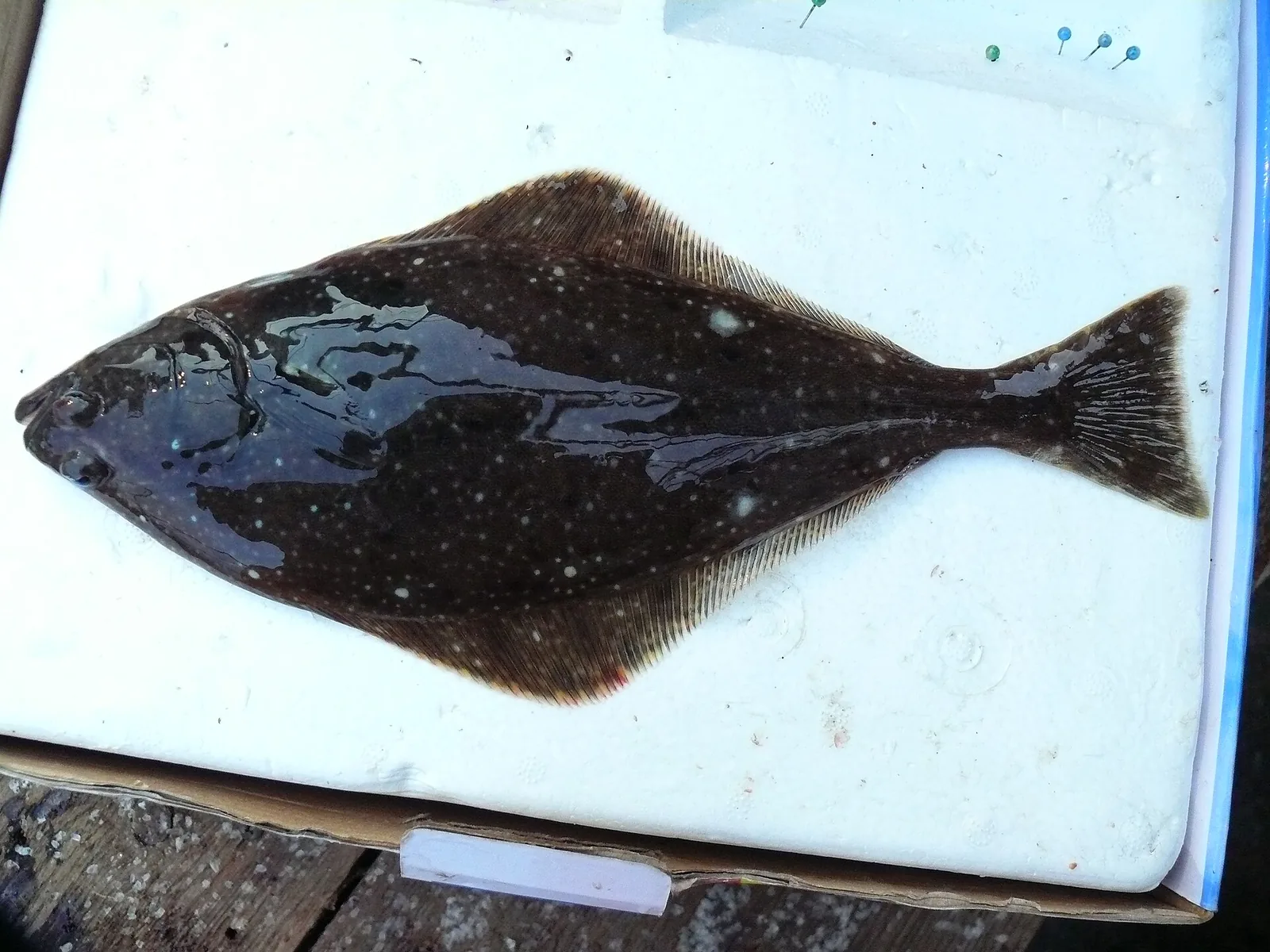
Pacific halibut is a flatfish that refuses to behave like one. Most flatfish on this site are shallow-water ambushers, fished over sand in 5–40 m. Halibut is recorded from 0 to 1200 m, classed as demersal and oceanodromous, and reaches 258 cm and 363 kg with a maximum age of 55 years. The depth field in the catalogue is the single most useful number in it, because it explains why two boats fishing the same coastline can have completely different results: one is on the shelf, the other is on the slope.
The species is a righteye flounder in the family Pleuronectidae, and its body plan is the classic one: both eyes on one side, a blind side that lies on the bottom, and a diet built on fishes. Its dorsal fin carries 90–106 soft rays and its anal fin 69–80, with 49–51 vertebrae. Those counts describe a long, powerful, muscular fish rather than the round, thin profile of a flounder.
That matters at the boat. A 100 cm halibut does not flutter up off the bottom the way a 40 cm flounder does; it rises, turns, and pulls down. Anglers who treat it as a big flounder lose fish at the surface, where a halibut's head shake can straighten a light hook.
The recorded range is 0–1200 m, with habitat keywords of coastal and continental shelf. Read together, those two lines put the fishable concentrations on the shelf and its edge, roughly 20–300 m, rather than in the abyssal part of the range. The 1200 m figure is a record, not a target.
Depth determines three things at once. It sets the weight of the jig, because a 300 g lure takes a long time to reach 250 m in current and a 700 g lure gets there but fishes stiff. It sets the drift, because a halibut boat at 1 knot over the ground and a boat at 0.3 knots need different lure angles to stay near the bottom. And it sets the safety margin, because a fish hooked at 250 m that is brought up too fast arrives in poor condition.
The practical approach is to find a hard-to-soft transition on the sounder at 120–250 m and to fish the hard side. Halibut sit on the edge of structure and move up to take a bait that passes within a metre or two of the bottom.
A 258 cm halibut is a female of several decades. A 55-year maximum age means the largest fish in a population are older than most of the boats fishing for them, and that a big fish removed from a reef is not replaced on any human timescale. Growth is slow after maturity, and the sex difference is large: females grow bigger than males, which is why the biggest fish in a catch are usually female.
The absence of a common length in the record is itself informative. Halibut are not landed at a typical size the way cod or mackerel are; the fishery is built around a size threshold that changes with regulation, and the catch spans 60 cm to 200 cm depending on area. Build tackle for 20–100 kg, not for the record.
Halibut marks are rarely solitary. The fish aggregate on gravel and hard sand where sandeels and small flatfish concentrate, and a good drift produces several fish rather than one. On the sounder, look for a hard return that breaks into soft ground over a short distance, then a second hard patch beyond it. Fish the transition, not the middle of the soft ground.
Current is the other half of the read. A drift that runs along the edge keeps the lure in the productive band for the whole pass; a drift that runs across it puts the lure over barren ground for most of the retrieve. Set the boat up so the drift follows the contour, and accept a longer run for a better angle.
Tide matters less here than on inshore marks, but it is not irrelevant. Neap tides give slower drifts and easier bottom contact; spring tides need heavier lures and shorter drops.
The spawning table for the species carries a single entry, November to January, with no locality specified. That is a northern, winter spawn on the slope, and it explains why the deep part of the range exists in the record at all: spawning fish are deeper than feeding fish.
For an angler this is a closed-season signal more than a fishing tip. Many halibut fisheries close during the winter spawn, and the closures are set by area rather than by the species as a whole. The relevant local question is not "when do they spawn" but "which weeks are closed where I am fishing".
The standard halibut rig is a heavy jig or a baited circle hook on a heavy leader, fished on a rod rated 300–800 g with a reel that holds 400 m of 0.30–0.40 mm braid. A 500 g jig is the general-purpose weight; a 700 g jig is for current and deep water; a 300 g jig is for shallow, slack conditions and small fish.
Circle hooks matter more than lure colour. Halibut take bait and hold it, and a J-hook set in the stomach kills a fish that could have been released. A 16/0 circle hook on a 200 lb leader, baited with a whole fish or a fillet, is the baseline for bait fishing.
Bring a harpoon or a large gaff if you intend to keep a big fish, and know the local rules on both. A 150 cm halibut at the boat is a different problem from a 90 cm fish, and most incidents happen in the last two metres.
The catalogue records Least Concern, assessed 5 November 2020, and classifies the species as highly commercial and as a gamefish. Pacific halibut has one of the longest management histories of any flatfish, with catch limits set by an international commission and shared between commercial, recreational and subsistence sectors.
For a recreational angler the practical consequence is a quota system rather than a size system. In several areas the season opens on a fixed date, closes when the quota is taken, and allows a fixed number of fish per vessel per day, with a size band that has changed repeatedly. Check the current year's rules for the specific area, because last year's limits are frequently wrong.
The GBIF index holds 37,467 halibut records, split almost entirely between Canada at 20,253 and the United States at 17,043, with Russia at 16, Japan at 13 and a handful elsewhere. That split mirrors the two national survey programmes on the Pacific coast, not a two-country distribution: the species runs from Hokkaido and the Sea of Okhotsk across to Baja California.
iNaturalist's 508 observations are few, which fits a deep-water fish rarely seen by divers and rarely photographed by casual anglers. Use the record set to confirm the northern shelf range and then rely on local charter knowledge for the depth band that is producing fish this season. On this species, the depth finder is a better guide than the map.
Tide. Moderate current is best. Too much current makes the drift uncontrollable and tangles gear.
Weather. Cold, settled weather with low swell. Halibut grounds are exposed; pick a calm day.
Anchored or drifting boat, bait or lure worked near the recorded bottom.
Trolled from a moving boat; suits roaming or pelagic species.
These are the published regulations for this fish. Read the number first. The notice below it is the actual regulation.
California has no minimum size limit for Pacific halibut.
There is no minimum size limit.
Unguided sport anglers in IPHC Areas 2C (Southeast Alaska) and 3A (Central Gulf of Alaska) may keep two Pacific halibut of any size per day.
Charter (guided) anglers in Areas 2C and 3A are managed under separate annual measures.
Currently, there is a two-fish of any size daily bag limit for unguided sport anglers in Areas 2C and 3A.
California's daily bag and possession limit for Pacific halibut is one fish, with no minimum size limit.
The existing rule set only covers the northern California season for this species.
The daily bag and possession limit for Pacific halibut is one fish. There is no minimum size limit.
US federal 2026 Pacific halibut recreational fishery (Area 2A): the daily bag limit is one fish of any size per person in Washington, the Columbia River and California, and two fish of any size per person in Oregon unless otherwise specified through inseason action.
Opening dates differ by area (for example Puget Sound April 2 – June 30 and August 16 – September 30); check the current area notice before you go.
Washington — The daily bag limit is one Pacific halibut of any size per person. Oregon — The daily bag limit is two Pacific halibut of any size per person unless otherwise specified through inseason action.
Oregon allows two Pacific halibut of any size per person per day in the Central Oregon Coast and Southern Oregon subareas.
The Columbia River subarea has a separate one-fish daily bag limit.
Daily bag limit Central Oregon Coast and Southern Oregon subareas: 2 Pacific halibut. No length limit.
California's Pacific halibut fishery opens April 1 and runs through November 15 north of Point Arena, or until the subarea quota is reached.
is open as of April 1, 2026. North of Point Arena, the season will continue through November 15, 2026 or until the quota is reached, whichever is earlier.
Washington's Puget Sound and Strait of Juan de Fuca halibut season runs April 2 through June 30 and August 16 through September 30, seven days a week.
The daily bag limit is one Pacific halibut of any size per person.
Puget Sound and the Strait of Juan de Fuca | April 2 through June 30, 7 days a week August 16 through September 30, 7 days a week
Oregon's Pacific halibut possession limit is one daily bag limit at sea and three daily bag limits on land.
The same page also states an annual limit of 6 Pacific halibut.
Pacific halibut possession limit: 1 daily bag limit at sea, 3 daily bag limits on land.
Every record above names its source and the date it was retrieved. See the regulation register for the full list, or how to read these regulations.
Check these pages before you rely on a size, range or protection status.
These fish live in the same place.
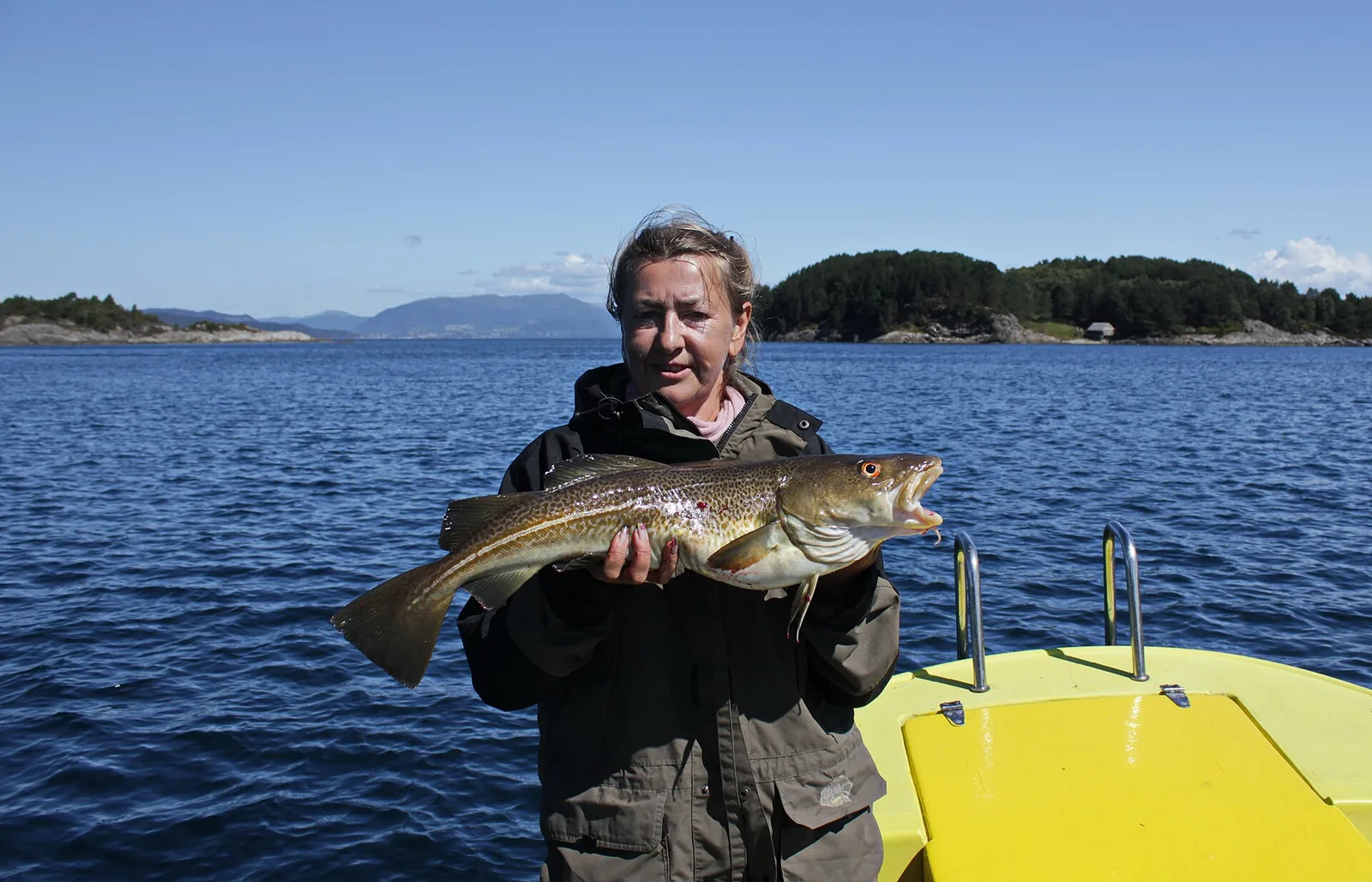
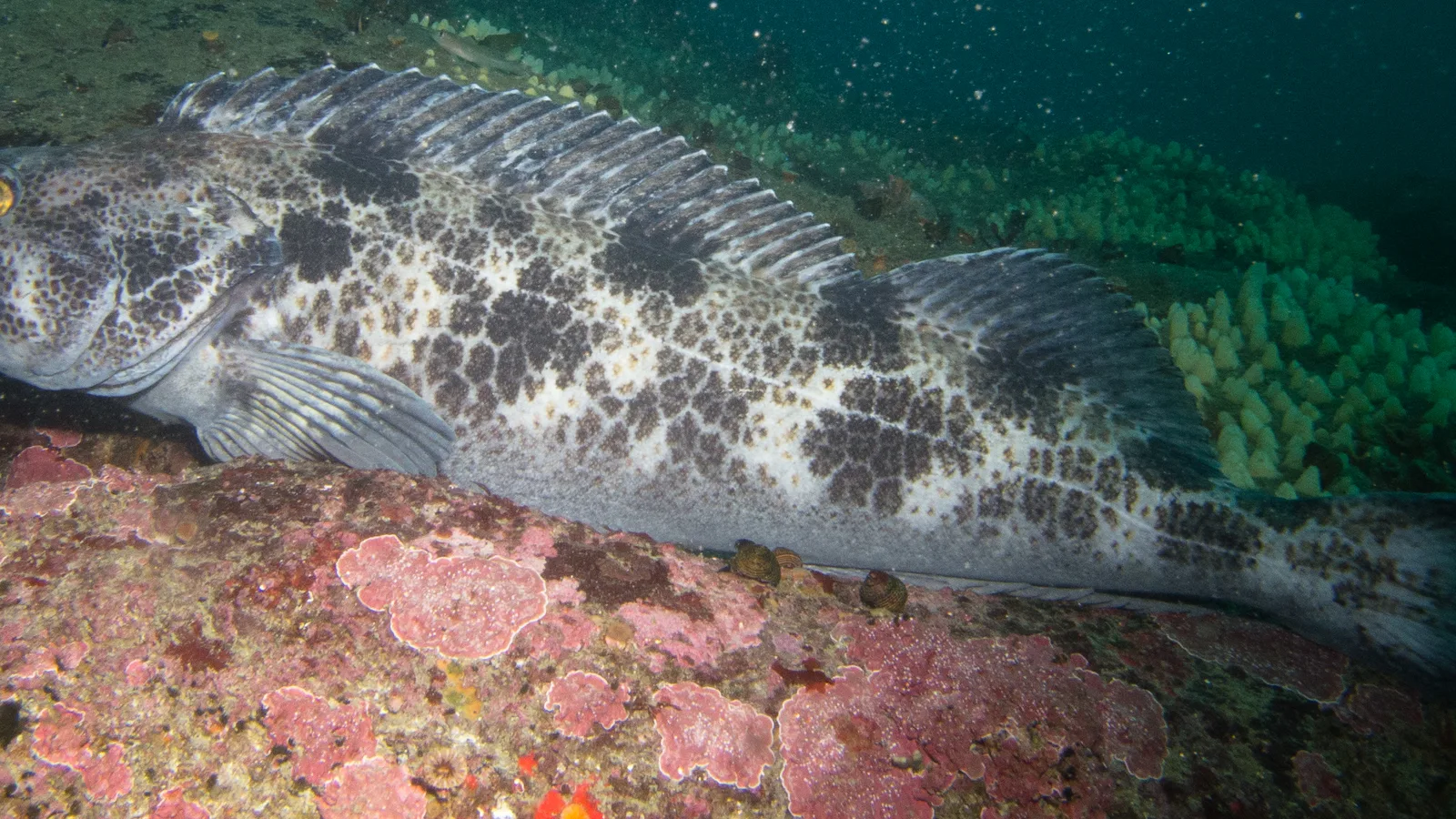
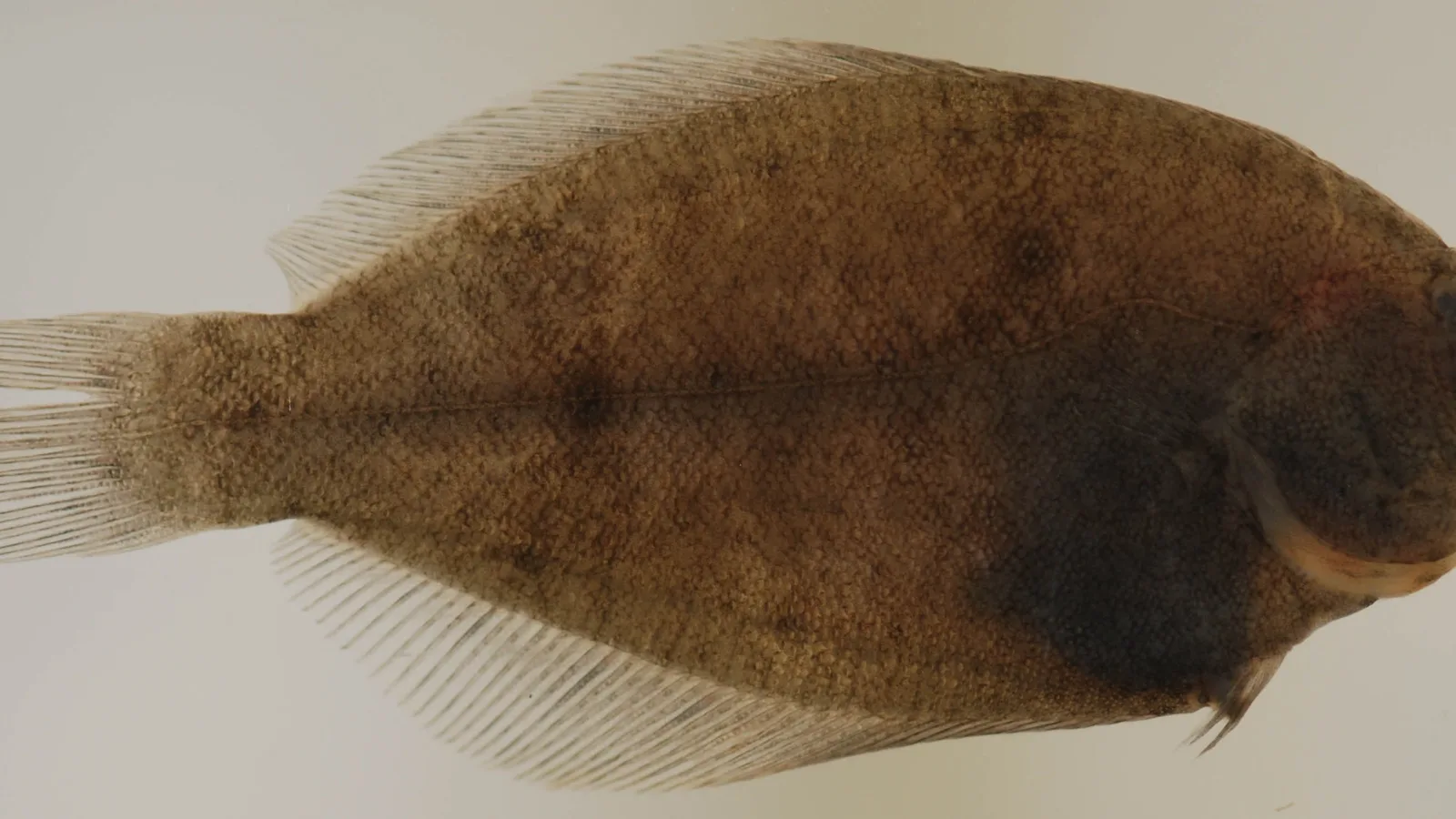
Technique, gear and safety guides that fit Pacific halibut.