
Longhorn sculpin
Longhorn sculpin is a bottom-dwelling cottid of the north-west Atlantic, recorded from eastern Newfoundland and the Gulf of St Lawrence south to Virginia. It sits on sandy coastal ground from about 1 m down to 190 m, which brings it within reach of shore anglers, and reaches 46 cm and an age of 11 years. Despite that access, FishBase records no fishery, no gamefish status and no food use for the species, and IUCN has not assessed it.
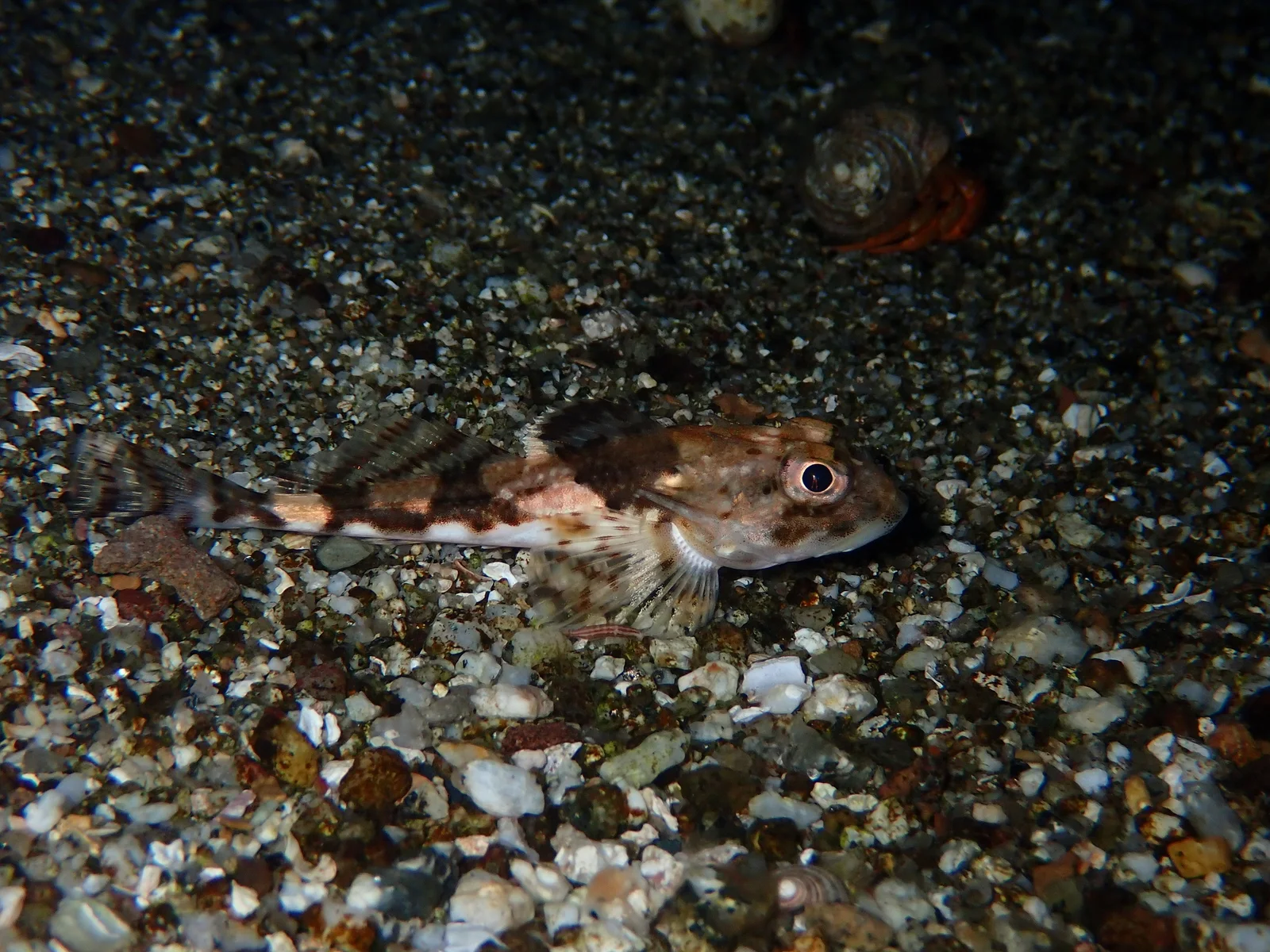
Longhorn sculpin is a bottom-dwelling cottid of the north-west Atlantic, recorded from eastern Newfoundland and the Gulf of St Lawrence south to Virginia. It sits on sandy coastal ground from about 1 m down to 190 m, which brings it within reach of shore anglers, and reaches 46 cm and an age of 11 years. Despite that access, FishBase records no fishery, no gamefish status and no food use for the species, and IUCN has not assessed it. It is best treated as an incidental catch or an observation rather than a managed target.
Identification
The names describe the fish more than the data does. FishBase's principal is Longhorn sculpin, with 18-spined sculpin, Bullhead, Cabezon, Goat sculpin and a long run of local variants. Chinese is . The epithet octodecemspinosus means eighteen-spined, which "18-spined sculpin" translates.
That is the problem. The name asserts a spine count, and the capture carries no dorsal or anal counts, no vertebrae, no body shape and no cross-section. Wikipedia places the fish in Cottidae and stops at family level. A reader cannot use this page to confirm the eighteen spines that give the species its name; the name is the only record of them here.
The size line is equally spare: 46.0 cm TL maximum for a male or unsexed fish, and 11 years maximum reported age. No common length, no maturity length, no weight. Forty-six centimetres is large for a sculpin, and eleven years is a moderate lifespan, but with no maturity point the page cannot say what part of that size range is adult.
Habitat and distribution
The distribution text is one sentence: north-west Atlantic, from eastern Newfoundland and the northern Gulf of St Lawrence in Canada to Virginia in the United States. Three country rows follow — Canada and the contiguous United States, plus Saint Pierre and Miquelon — all native. No other source adds a coastline.
The environment line is marine and brackish, demersal, depth 1–190 m, temperate, 52°N–36°N and 77°W–50°W. The depth range starts at one metre, so the fish is present in water a shore angler can reach, and it extends to 190 m, well beyond shore gear. Habitat keywords are sandy and coastal, and the diet is crustaceans, fishes and molluscs. Wikipedia adds a behavioural note: the species is predatory and also scavenges, feeding on the remains of other organisms. A scavenging sculpin is a different animal from a pure ambush predator; that is the most useful sentence here.
GBIF returns eight rows, and every one lacks a country code and an establishment means. That is a dataset confirming the taxon without placing it: eight records say the species exists, none says where. The country table and database text carry the geography. iNaturalist holds 301 observations.
Season and fishing approach
The spawning field is null, with no rows and no months; Wikipedia gives no season either. No temperature threshold is captured, and the environment line does not say non-migratory, so the page cannot claim year-round residence. It can say only that the reproductive season is undocumented here.
The human-use line is empty. FishBase records no fishery category, no gamefish flag and no aquarium use. That differs from "of no interest": a blank field means no use was recorded, not that none exists. The page should not convert silence into a statement about edibility or angling value.
What the environment does support is access: sandy coastal ground from one metre down. The capture gives no method, bait or tide advice, and no regulation that would apply to a shore capture.
Edibility and regulations
No food use is recorded, and no culinary note appears in Wikipedia. With an empty human-use line the page cannot say whether the fish is eaten, discarded or used as bait. The honest position is to report the blank.
IUCN has not assessed the species — Not Evaluated, with no assessment date. Not Evaluated does not mean secure; it means nobody has run the assessment. No size, season or bag rule is captured. An angler who encounters one should check the local rule and should not read blank fields as permission.
Where these facts come from
Check these pages before you rely on a size, range or protection status.
- FishBase — Myoxocephalus octodecemspinosus — FishBase · T2
- GBIF — Myoxocephalus octodecemspinosus occurrence records — GBIF · T2
- IUCN Red List — Myoxocephalus octodecemspinosus — IUCN · T1
- Photo record — iNaturalist — iNaturalist · T3
Fish in the same water
These fish live in the same place.
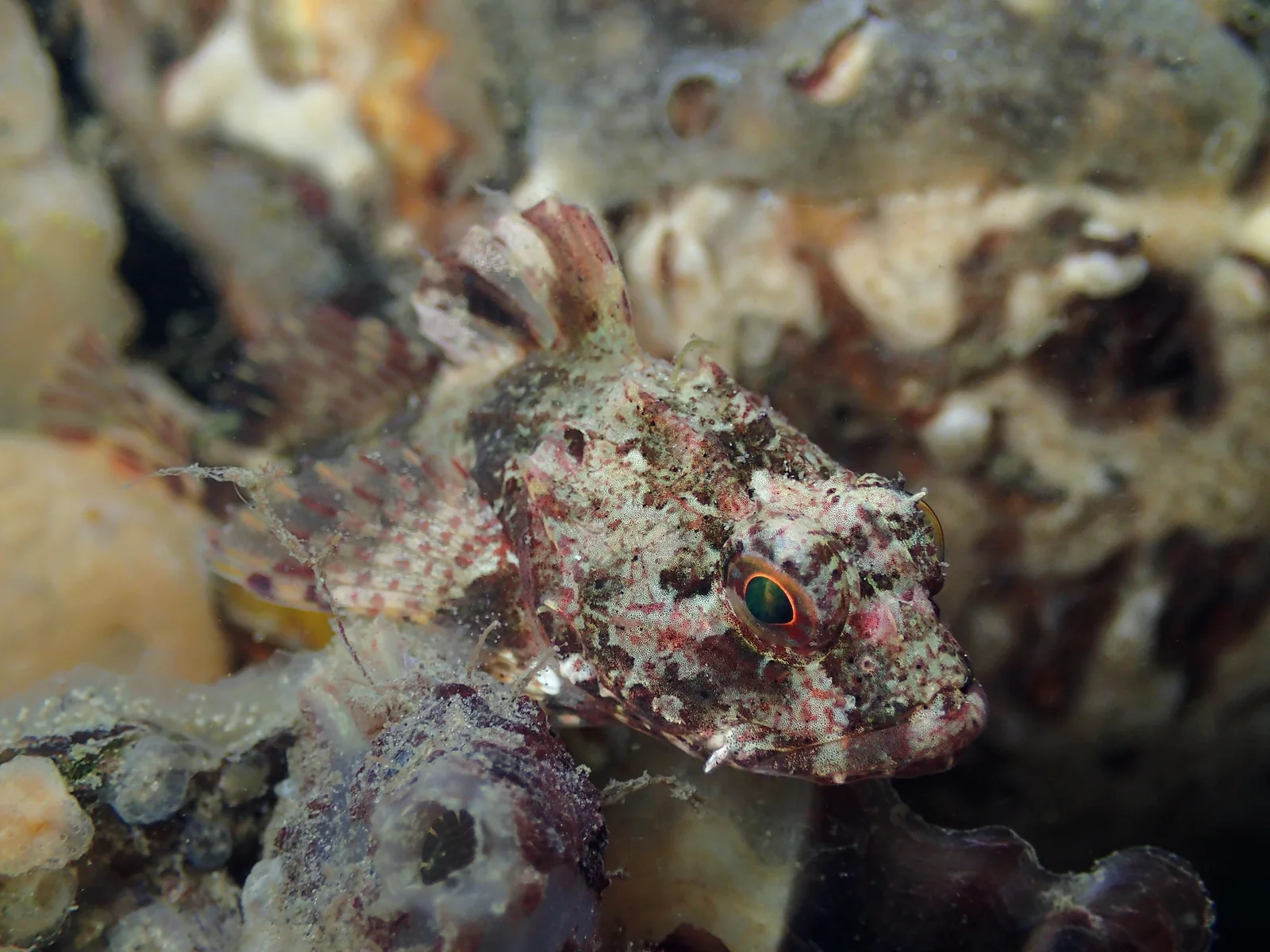
Longspined bullhead
- Family
- Cottidae
- Depth
- 0–200 m
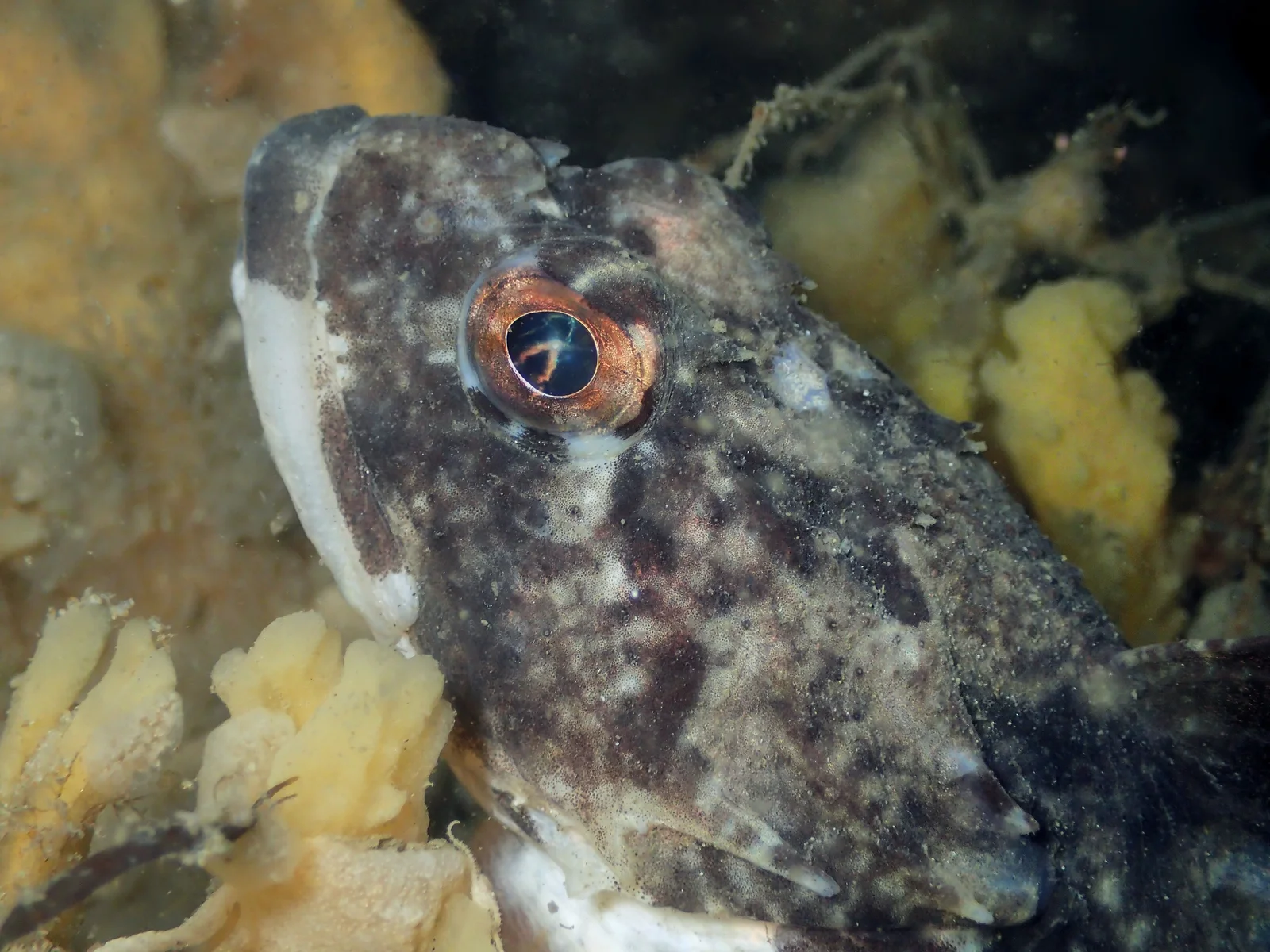
Shorthorn sculpin
- Family
- Cottidae
- Depth
- 0–451 m
- Season
- Jan, Feb, Mar, Dec

Acoupa weakfish
- Family
- Sciaenidae
- Depth
- 1–20 m
- Season
- Jan, Feb, Mar, Apr, May, Jun, Jul, Aug, Sep, Oct, Nov, Dec
Guides for this water
Technique, gear and safety guides that fit Longhorn sculpin.