≥30 cm
Australia — New South Wales · AU-NSW
New South Wales sets a 30 cm minimum legal length for snapper.
Snapper 30 cm 10

Silver seabream is a large sparid of the Indo-Pacific, from New Zealand, Australia and the Philippines through Indonesia, China and Taiwan. It lives from the surface to 200 m in subtropical water, reaches 130 cm TL and 20 kg, can live 54 years, and feeds on crustaceans, fish, worms and echinoderms. Its season runs January to December.
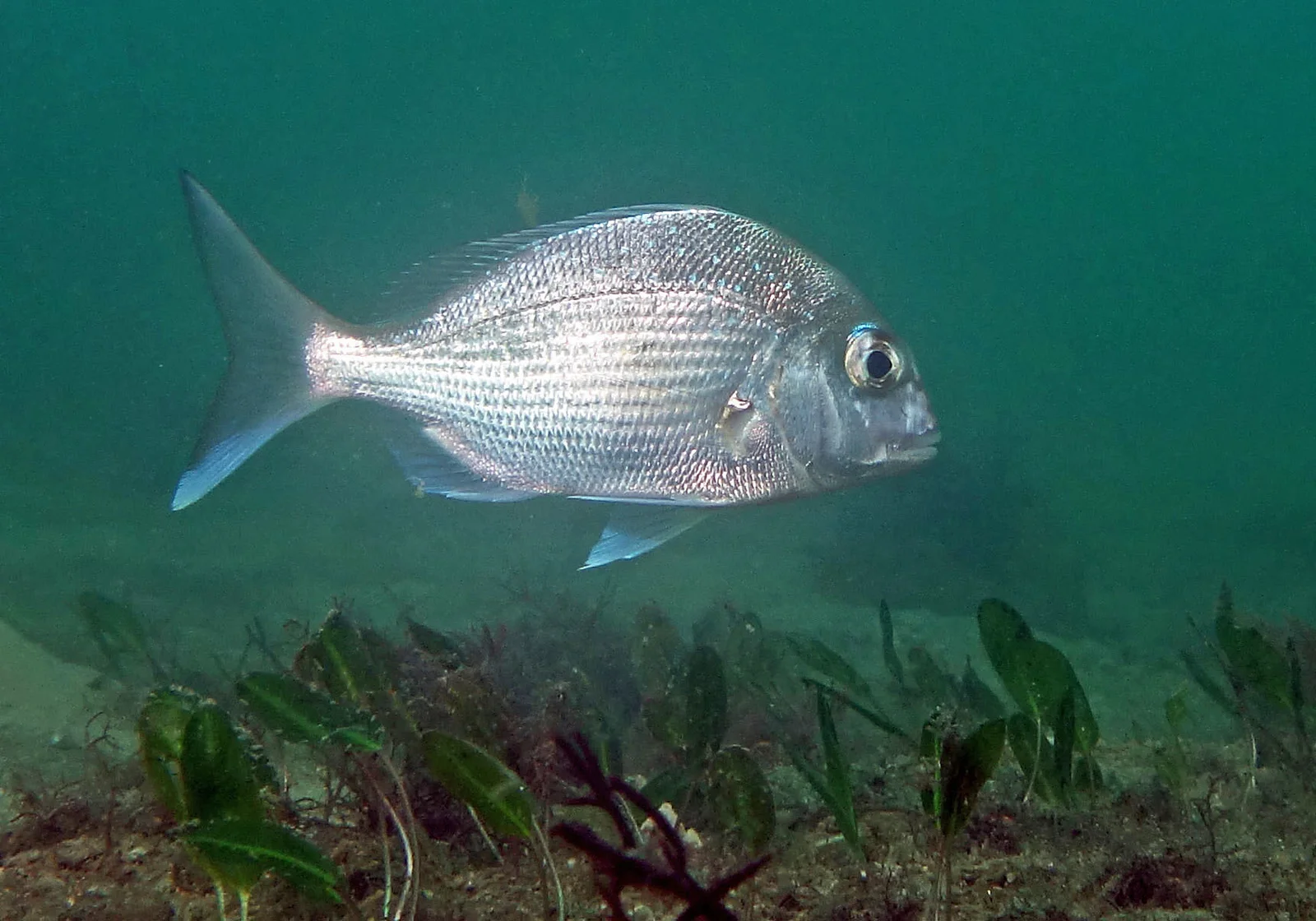
Silver seabream (Pagrus auratus) is a fish of the family Sparidae. FishBase gives its range as: Indo-Pacific: widely occurring off New Zealand, Australia, Philippines, Indonesia, China, Taiwan, and Japan. Populations in the northern and southern hemispheres are independent and isolated but were similar enough to be declared one and the same species. Previously classified as Chrysophrys auratus. It is recorded from 0 to 200 m, in subtropical water. The recorded maxima are 130 cm TL, 20 kg, 54 years. Diet includes crustaceans, fishes, worms and echinoderms. IUCN status: Least Concern (LC). Chinese name: .
The environment line gives 0–200 m together with reef-associated, brackish and oceanodromous labels. The entry carries no usual-depth qualifier, so both ends stand as recorded. The 200 m end is the record's outer boundary, not a description of everyday habitat. Read alone, the range would suggest a deep reef fish; read against the biology section, it describes a coastal fish with a broad tolerance and a deep edge.
Juveniles mainly inhabit inlets, bays and other shallow, sheltered marine waters, often over mud and seagrass. That places the 0 end of the card in sheltered water rather than on an exposed shore. The same page also says the species occurs in estuaries, which extends the shallow end into brackish ground. A shore angler should treat this as the first band to work: the quiet, muddy, weedy margins where young fish can hold, not the deep reef.
Small fish measuring less than 30 cm TL are common inshore around reef areas, often in groups of around 30 individuals, while larger fish are shy and less frequently seen. That is a size-structured description of the same shallow band: the fish an angler meets most often is small, schooled and close to structure. The common length for the species is 40 cm TL, so the 30 cm school fish is below the common figure but still the fish that fills the inshore band.
Mature adults form large schools in preferred spawning areas, are serial spawners, and spawning generally occurs in water less than 50 m deep, generally only when the temperature is 18°C. That is the sharpest depth statement on the page: whatever the 200 m card allows, reproduction is a shallow event. The page gives temperature but not months, so the calendar remains open. The 50 m line is the number that survives the missing months, because it is tied to the act rather than to the calendar. It also means the spawning schools are within range of a small boat, and the angler who finds them in season is working the same shallow band the juveniles use, not the deep end of the card.
The 200 m maximum is not matched by any behavioural description. Adults often live near reefs but are also found over mud and sand, and the fish are described as relatively sedentary although tagging has shown substantial migrations. Neither sentence puts adults at 200 m. Nor does the page connect the 130 cm maximum to a depth: the two figures sit on different lines and no sentence joins them. The deep end therefore remains a recorded limit without a story: fish may be there, but no sentence explains what they do there, and this article leaves the gap open.
The habitat words are reef, rocky, sandy, muddy, estuary and seagrass. The biology adds that adults sit near reefs but also over mud and sand. For the angler this matters more than the reef-associated label: the fish is not glued to rock, and the shallow band includes soft ground. A reef edge with mud or sand at its foot is the transition to work, and the 30 cm school fish is the first target on it.
GBIF accepts Pagrus auratus and holds 96,329 records, of which New Zealand contributes 80,154 and Australia 16,079. iNaturalist lists the same animal as Australasian Snapper with 4,443 observations. FishBase's territory table contains 10 entries, while the common-name table carries 29 English names, from Snapper and Pink snapper to Cockney, Squire and Tamure. The gap between 10 territories and 29 names is the same pattern as the one between the record count and the written range: names and observations accumulate where the fishery is, not evenly across the range. The page also carries a taxonomic note that the names Chrysophrys aurata/us, Pagrus aurata/us and Sparus aurata/us have been confused in past literature for two different species, and advises checking the geographic origin of specimens. This page uses Pagrus auratus for the West Pacific fish; the note is a warning about old records, not a reason to merge the two species.
The distribution endpoint for this key is unusually coarse: four declarations, all at continental or ecoregion level (FADA Australasian and Oriental, FADA Palaearctic, and the IUCN global line), with no EEZ-level statement. WoRMS holds two records under this name: AphiaID 293424, classified as a misspelling of Sparus aurata, and AphiaID 398546, a superseded combination whose valid name is Chrysophrys auratus (Forster, 1801).
The working band is shallow: sheltered inlets and bays for juveniles, reef edges inshore for the 30 cm schools, and water under 50 m for spawning adults. The 130 cm maximum and 20 kg top weight belong to the rare deep-end fish, not to the school fish, and a 40 cm common size is the realistic target. The 26.2 cm maturity figure with a 20–28 cm range sits below the common size, which means the usual fish is mature. Fish the top quarter of the card and treat the 200 m figure as the outer boundary rather than the plan. The outer 150 m of the card is left without a described target, and that is a reason to spend time on the shallow marks rather than on a deep drop.
These are the published regulations for this fish. Read the number first. The notice below it is the actual regulation.
New South Wales sets a 30 cm minimum legal length for snapper.
Snapper 30 cm 10
Queensland sets a 35 cm minimum size for snapper.
Snapper | Min: 35cm | Limit: 4 per person with no more than 1 fish over 70cm, or 8 per boat (with 2 or more people on board) with no more than 2 fish over 70cm
South Australia sets a 38 cm minimum legal length for snapper in the south east zone only.
Snapper (south east zone only) | 38 | 5 | 15
Tasmania sets a 30 cm minimum size for snapper.
Snapper | 5 | 10 | - | 30 cm
Victoria sets a 28 cm minimum legal size for snapper.
Listed as snapper (Chrysophrys auratus) on the official page; species.json uses the same species under the name Silver seabream. The official Australian and New Zealand tables publish this species as snapper (Pagrus auratus).
Juvenile snapper (pinky) - Minimum legal size: 28cm
Western Australia sets area-specific minimum sizes for pink snapper: 500 mm between Lancelin and Black Point, 410 mm north of Kalbarri, and 450 mm outside the West Coast bioregion.
"Snapper (pink snapper) Chrysophrys auratus ... - between Lancelin and Black Point (east of Augusta): 500 mm - between Lancelin and Zuytdorp Cliffs (north of Kalbarri): 410 mm. Outside of West Coast bioregion: 450 mm"
Snapper must be at least 25 cm in the South-East fishing area.
The official Australian and New Zealand tables publish this species as snapper (Pagrus auratus).
Snapper | 10 | 25 | 125
New South Wales allows 10 snapper per person per day.
Snapper 30 cm 10
Queensland sets a possession limit of 4 Silver seabream with no more than 1 over 70 cm, and a boat limit of 8 when two or more people are on board.
A possession limit is the total number of fish you may keep at any time, including fish at home or in the freezer; it is not a daily take limit.
Snapper | Min: 35cm | Limit: 4 per person with no more than 1 fish over 70cm, or 8 per boat (with 2 or more people on board) with no more than 2 fish over 70cm
South Australia allows 5 snapper per person per day and a boat limit of 15 in the south east zone only.
Snapper (south east zone only) | 38 | 5 | 15
Tasmania allows 5 snapper per day and 10 in possession.
Snapper | 5 | 10 | - | 30 cm
Victoria allows 10 snapper per person per day, of which no more than 3 may be 40 cm or longer.
The page also states: "Snapper - Maximum 3 fish may be 40cm or over". The official Australian and New Zealand tables publish this species as snapper (Pagrus auratus).
Bag limit | 10 (of which no more than 3 fish may be equal to or exceed 40cm in length)
Pink snapper have an individual daily bag limit of 2 in all WA bioregions except the Abrolhos Islands Fish Habitat Protection Area.
The same page states pink snapper sit within a mixed demersal bag limit of 4 in the South, North and Gascoyne Coast bioregions and 2 in the West Coast bioregion. The official Australian and New Zealand tables publish this species as snapper (Pagrus auratus).
For example, pink snapper have an individual daily bag limit of 2 in all bioregions, except when in the Abrolhos Islands Fish Habitat Protection Area (FHPA).
The South-East area daily limit for snapper is 10 per active fisher.
The official Australian and New Zealand tables publish this species as snapper (Pagrus auratus).
Snapper | 10 | 25 | 125
Cockburn Sound and Warnbro Sound are closed to pink snapper fishing from 1 August to 31 January inclusive.
The official Australian and New Zealand tables publish this species as snapper (Pagrus auratus).
Fishing for pink snapper in Cockburn Sound and Warnbro Sound is closed from 1 August to 31 January (inclusive).
Every record above names its source and the date it was retrieved. See the regulation register for the full list, or how to read these regulations.
Check these pages before you rely on a size, range or protection status.
These fish live in the same place.
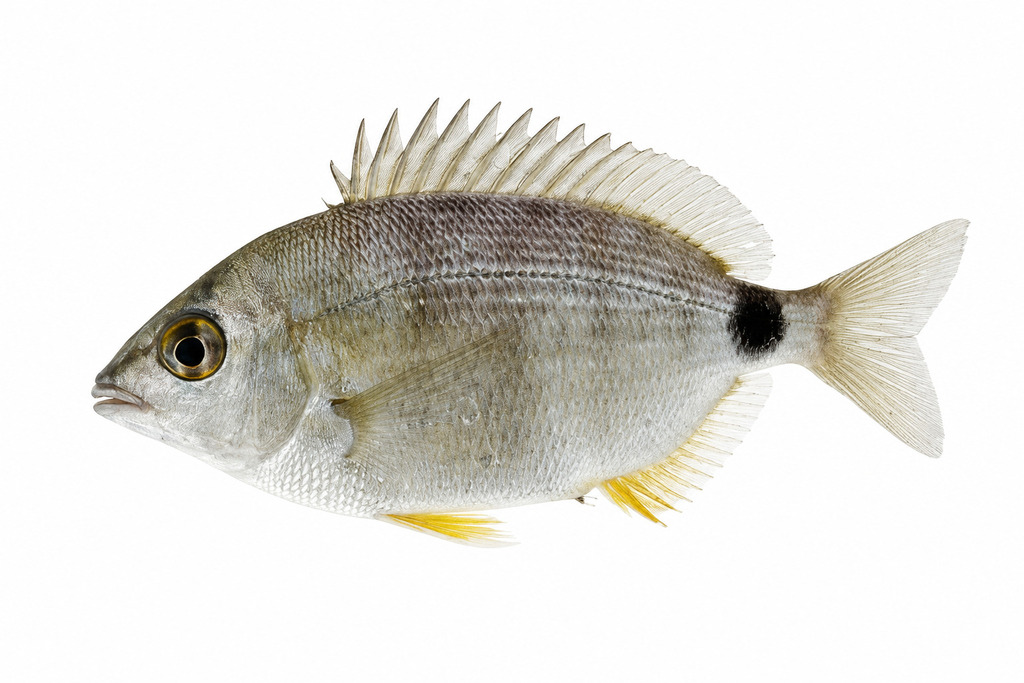
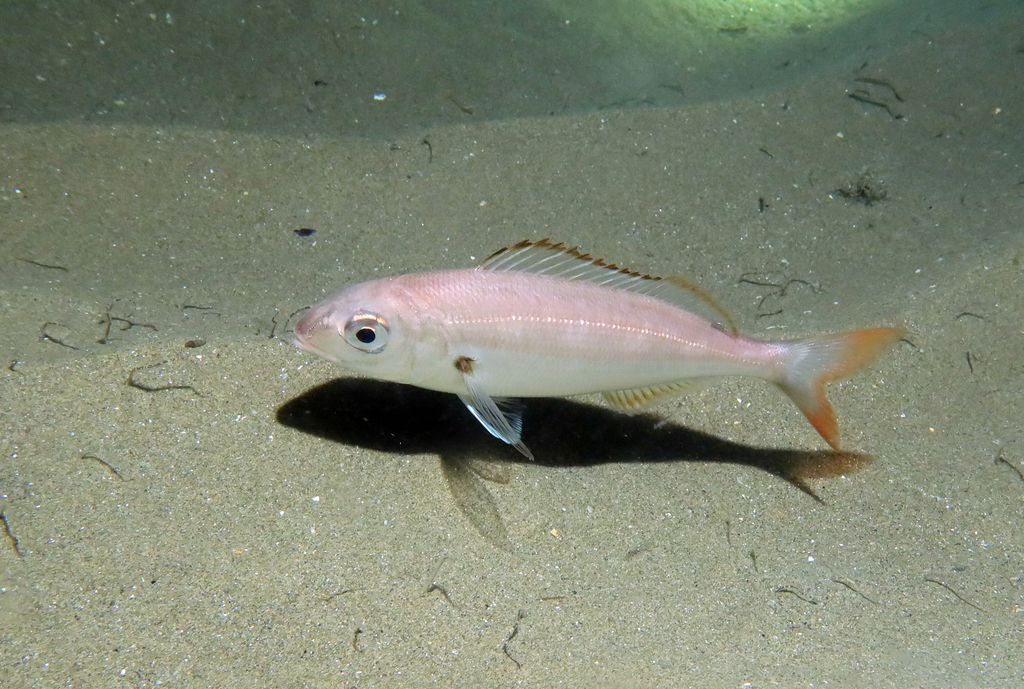
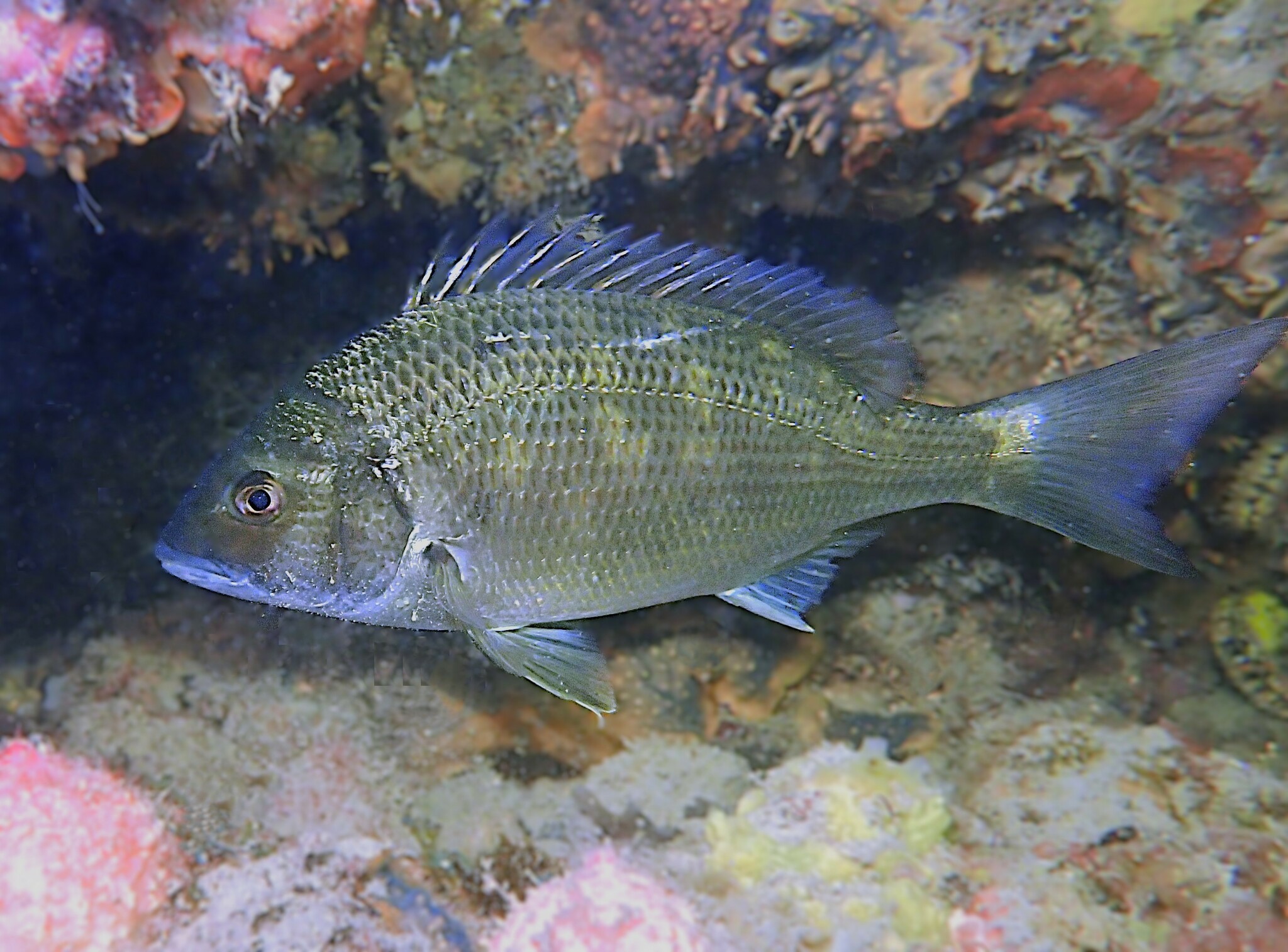
Technique, gear and safety guides that fit Silver seabream.