36–70 cm (slot limit)
Australia — New South Wales · AU-NSW
NSW dusky flathead must measure between 36 cm and 70 cm.
The same row lists a bag limit of 5 in total and 10 in possession.
36cm - 70cm

A flathead is built to lie still. The dusky flathead is the largest member of its family, and it spends most of its life on the bottom of an estuary rather than on a reef. The recorded ceiling is 120 cm TL with a 15 kg top weight; depths run from the shoreline to 30 m, and the bottom list reads like a coastal river — sand, mud, estuary, seagrass and freshwater.

A flathead is built to lie still. The dusky flathead is the largest member of its family, and it spends most of its life on the bottom of an estuary rather than on a reef. The recorded ceiling is 120 cm TL with a 15 kg top weight; depths run from the shoreline to 30 m, and the bottom list reads like a coastal river — sand, mud, estuary, seagrass and freshwater. The record calls it largely estuarine, and that one word is the most useful thing on the page.
The distribution is a single Australian east-coast strip, from Cairns in Queensland to the Gippsland Lakes in Victoria. The occurrence data agrees: 15,732 GBIF records, 15,714 of them Australian, with no second country. Open sea is outside its brief: the depth record stops at 30 m, and estuary plus coastal bottom dominate the habitat list. The freshwater keyword is a reminder that the species can reach the tidal limit of a river, not that it lives in lakes.
The practical geography is therefore an estuary, a coastal bay or a river mouth. A rock ledge far offshore is the wrong address. Within that estuary, the fish will be on the bottom, and the bottom is the thing to read before the first cast.
Sand, mud and seagrass are three different floors, and they meet along edges. A flathead lies on one of them with its head slightly raised, waiting for a crustacean, a fish or a worm to come within reach. The diet record is exactly those three groups. It is not a chaser; the recorded morphology and the name describe a low, flattened fish with eyes on top, built for a sit-and-wait attack rather than a pursuit.
That changes how you fish. The bait or lure has to arrive at the fish's level, not above it. A slowly hopped soft plastic, a live bait on a running sinker, or a strip of fish dragged along the bottom all present the offering in the zone where the fish is already waiting. The productive locations are the seams: sand meeting seagrass, mud beside a channel, the shadow line of a bridge pylon, the drop at the edge of a sandbank. An open flat with no edge gives the fish nothing to sit against.
Length at first maturity is 50.2 cm, and the maximum recorded length is 120 cm. The maximum published weight is 15 kg; no age record was found. The gap between 50 cm and 120 cm is wide, and it is the gap between a mature fish and an exceptional one. Because the source gives no age, this page cannot say how long a 120 cm flathead took to reach that size, and it will not guess.
For tackle, 15 kg is a heavy fish in shallow water, where it can use the bottom and the structure. A rod with backbone, a leader that shrugs off sandpaper teeth, and a drag you can tighten after the strike beat any finesse outfit. At 50.2 cm the maturity figure makes a better release line: shorter fish have yet to spawn. A big female is the breeding stock of an estuary, and the record gives no evidence that removing the largest fish is cost-free.
The morphology record gives 8 to 9 dorsal spines with 13 to 14 soft rays, 13 to 14 soft anal rays and 27 vertebrae. The anal fin has no spines. There is no body-shape or cross-section entry on the checked page, so the family's flattened head and depressed body are the visual characters, and the counts are the ones you can actually verify.
Australian estuaries hold several overlapping flathead species, and no comparative key appears on the checked page. That leaves counts and a photograph as the working evidence. If the fish is going into the bag, count the soft rays; if the identification is uncertain, put it back. The name on the local catch card is not a diagnosis.
For Australia, spawning falls into two blocks, one from January through March and one from September through December. The detail is more local: Moreton Bay in January, February, November and December; New South Wales and Victoria in January to March; northern tropical waters in January to March and September to December. South of the equator those months cover late spring, summer, autumn and early winter, leaving a mid-year hole.
Two blocks mean two periods when fish may concentrate, and closures are often drawn around concentration. The Moreton Bay, NSW and Victorian entries are separate records, not one coast-wide survey. A local flathead closure is more likely to fall inside one of these blocks than in the winter gap. The table logs spawning dates; it makes no claim about fishing quality in them.
The English alias list is long: black flathead, estuary flathead, river flathead, mud flathead, flattie, frog and lizard. The Chinese record in the approved list is ; FishBase's Mandarin vernacular is . Neither name is a description of the fish's behaviour, and neither resolves an identification. They are labels that accumulated around a common estuary animal.
This matters when you compare notes with another angler. "Flattie" can mean any flathead in the estuary, and "black" can mean this species or another dark form. Ask for the fin counts, not the nickname. The Chinese names behave the same way: and resolve to this taxon in the sources checked, while the Latin binomial stays fixed.
FishBase lists commercial fisheries and gamefishing. No Red List assessment exists: the category is NE, and no date is attached. That is not the same as Least Concern: NE means nobody has carried out the assessment, so the page cannot say whether the stock is healthy, declining or stable. A blank in a conservation column is a blank, not a clean bill of health.
The human-use record contains no regulation text. Estuary flathead rules differ between Australian states, and the source checked here does not reproduce them. The biological facts that do travel are the 50.2 cm maturity and the 15 kg ceiling: an estuary can produce a few very large fish, and those are the ones a size limit is usually written to protect.
The occurrence data is the densest part of the file: 15,732 GBIF records, almost all Australian, and 2,160 iNaturalist observations. Two mainstream approaches are approved: boat-based bottom fishing and shore casting. Use the records to choose an estuary, then use the bottom to choose the spot: a seagrass edge, a channel drop, a bridge pylon. The flathead is not a fish to chase across open water; it is a fish to find sitting still.
Anchored or drifting boat, bait or lure worked near the recorded bottom.
Cast from shore or a breakwater, within reach of the recorded inshore range.
These are the published regulations for this fish. Read the number first. The notice below it is the actual regulation.
NSW dusky flathead must measure between 36 cm and 70 cm.
The same row lists a bag limit of 5 in total and 10 in possession.
36cm - 70cm
Queensland sets a 40 cm minimum and 75 cm maximum size for dusky flathead.
Dusky (mud) flathead | Min: 40cm Max: 75cm | Limit: 5
Dusky flathead must be at least 30 cm and no more than 55 cm in Victoria.
| Minimum legal size | 30cm | | Maximum legal size | 55cm | | Bag limit | 5 |
Queensland sets a possession limit of 5 Dusky flathead.
A possession limit is the total number of fish you may keep at any time, including fish at home or in the freezer; it is not a daily take limit.
Dusky (mud) flathead | Min: 40cm Max: 75cm | Limit: 5
Victoria allows 5 dusky flathead per person per day.
| Bag limit | 5 |
Every record above names its source and the date it was retrieved. See the regulation register for the full list, or how to read these regulations.
Check these pages before you rely on a size, range or protection status.
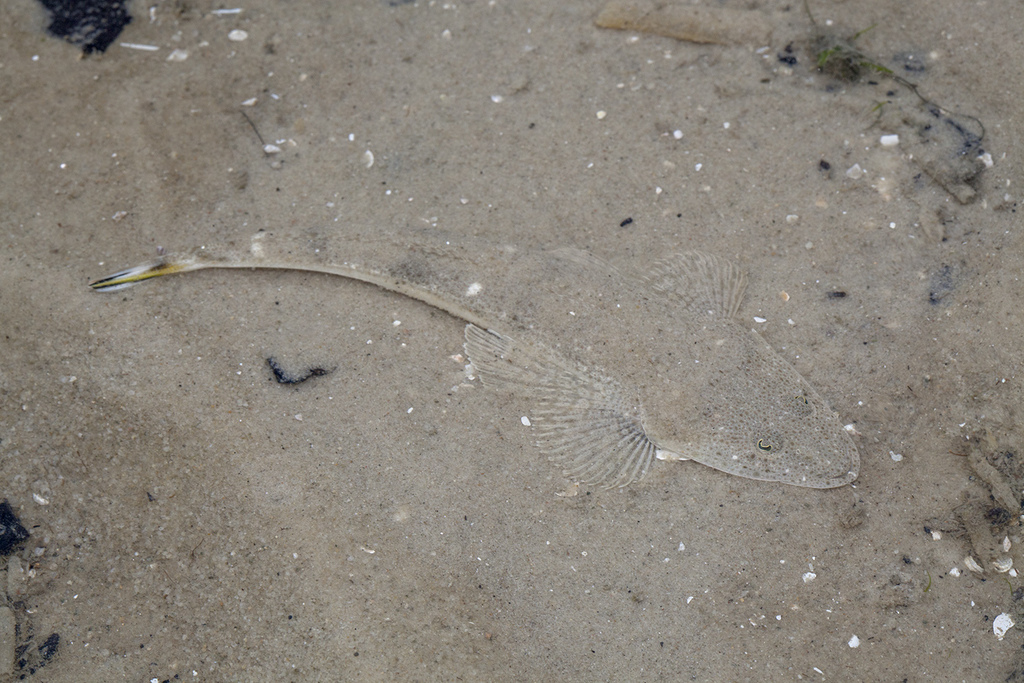
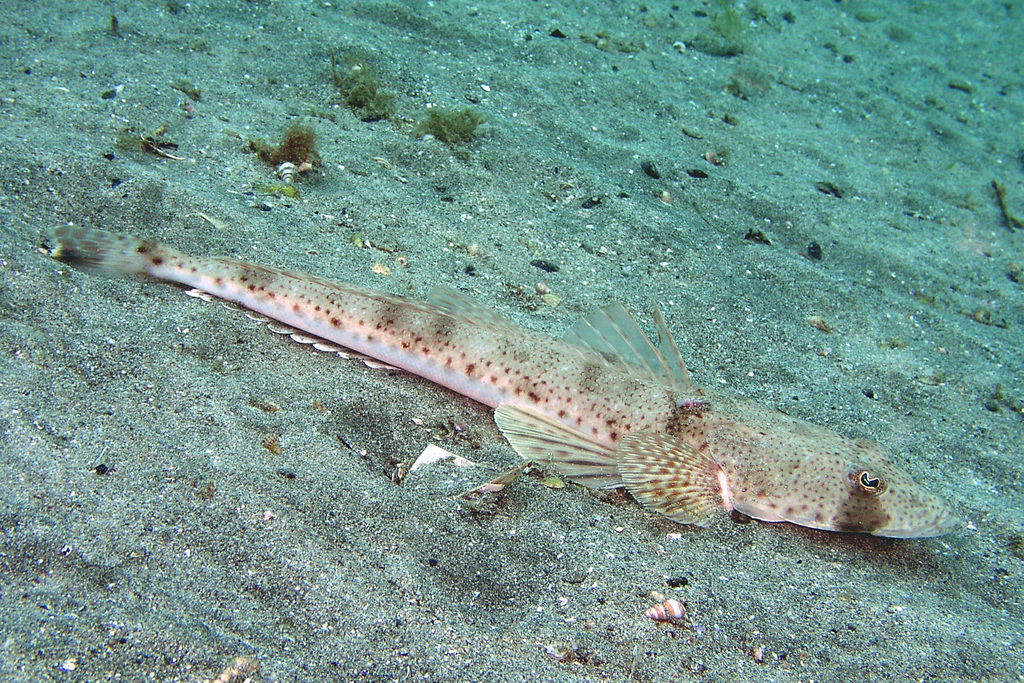
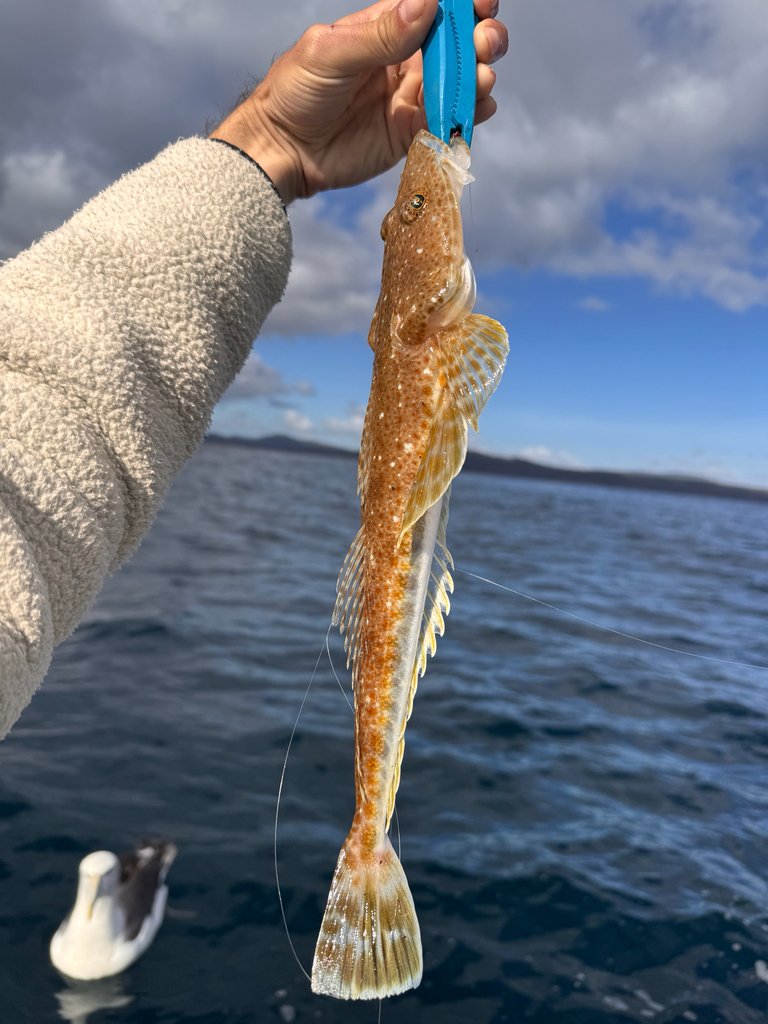
These fish live in the same place.
Technique, gear and safety guides that fit Dusky flathead.