
Ridged-eye flounder
The depth column reads 2 to 170 metres, which looks like a species that can be caught from the beach. The same line, in the unparsed text, adds "usually 100 -? The two-metre figure is the extreme of the record, not its centre, and the 170-metre figure is the other extreme. Between them sits a working band that starts an order of magnitude deeper than the minimum.
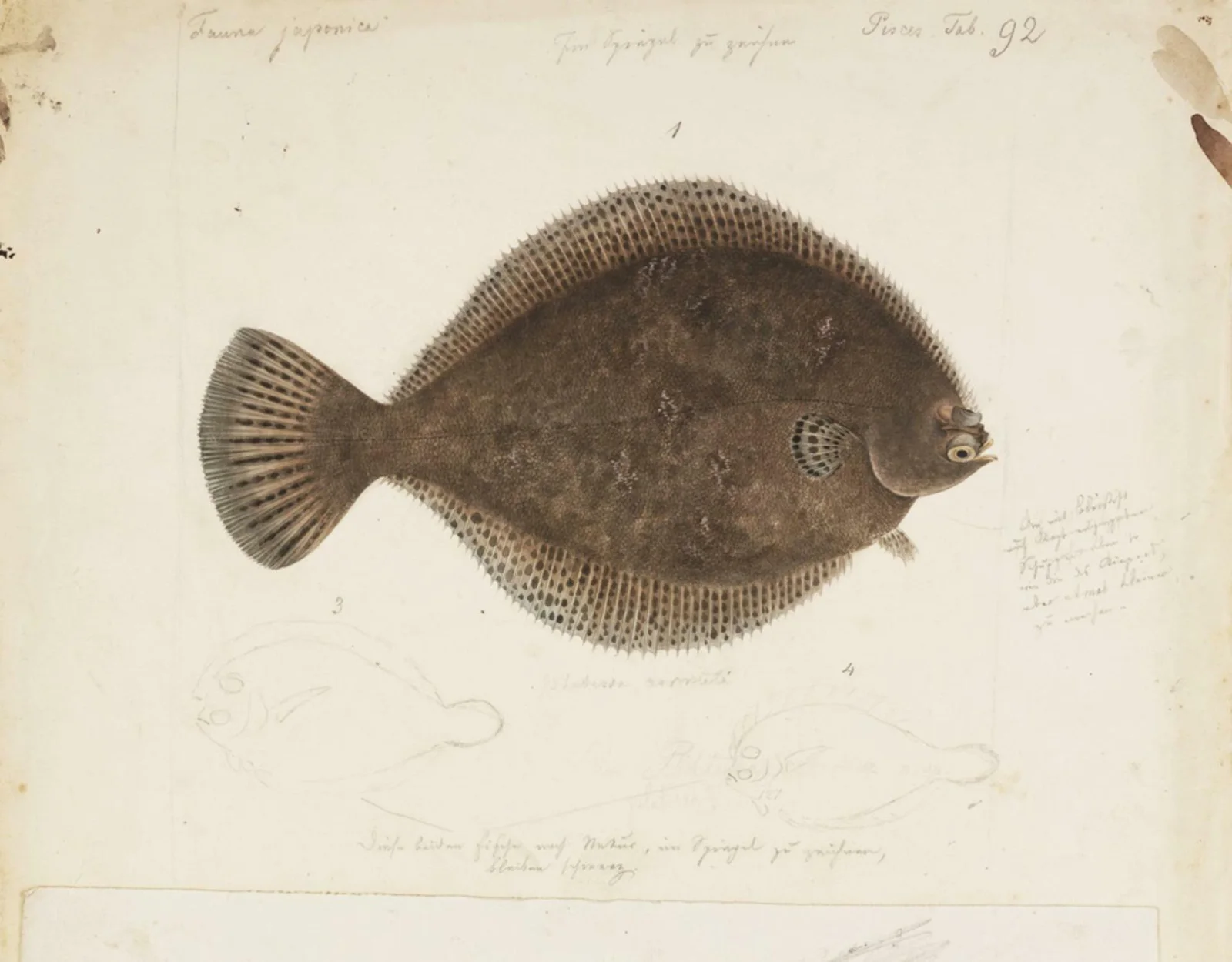
The depth column reads 2 to 170 metres, which looks like a species that can be caught from the beach. The same line, in the unparsed text, adds "usually 100 - ? m". The two-metre figure is the extreme of the record, not its centre, and the 170-metre figure is the other extreme. Between them sits a working band that starts an order of magnitude deeper than the minimum. Reading that band correctly is the whole job with this fish.
Two metres is not the usual depth
The structured depth field stores only the minimum and maximum: 2 and 170. The raw environment line behind it says "depth range 2 - 170 m, usually 100 - ? m". The usual band begins around 100 metres and its upper end is not stated.
That single phrase changes the map. A reader who takes 2 metres as the shallow edge will fish the shoreline; a reader who takes "usually 100" seriously will fish the shelf edge. The source supports the second reading, and the parsed two-number field hides it. This is a case where the raw line is more useful than the summary.
The span is 168 metres, the useful band is the top of it
The recorded span is 168 metres, from 2 to 170. If the usual band starts near 100, then most of the span is a tolerance envelope and the fishable part is roughly the upper 70 metres of it.
The summary says the species lives on sand and mud coastal bottoms between 2 and 170 metres. "Coastal" and "100 metres" are not contradictory — a continental shelf is coastal water — but the word invites a shallow reading that the raw line does not support. For a boat, the practical target is the deeper part of the band, not the two-metre edge.
Coastal, but not the shoreline
The habitat keywords are sand and mud, and the summary places the fish on coastal bottoms. There is no reef, no rock, and no vegetation in the description.
Sand and mud at 100 metres is a different ground from sand and mud at 3 metres: it is beyond the reach of most shore angling, beyond the usual light-tackle flatfish zone, and usually worked from a boat with a vertical or drifting presentation. The substrate words are the same as a shallow flat; the depth is not. That combination is the reason the 2-metre minimum should be treated as an exception rather than an invitation.
Autumn spawning
A single row makes up the spawning table: September to October, in the Yellow Sea and Korea Bay. It is the only seasonal statement in the record, and it is an autumn window.
Most of the flatfish on this site spawn in spring or early summer. An autumn record is not impossible, but it is worth flagging: it means the fish's calendar is offset from the better-known North Atlantic flounders, and it may mean the reproductive season is tied to the Yellow Sea's temperature cycle rather than to a generic temperate pattern. The source gives no peak month inside the two-month window.
Data Deficient removes the trend
IUCN places the species in Data Deficient, assessed in March 2021. There is no population trend, no abundance estimate, and no stock status in the record.
Data Deficient is not a synonym for scarce, and it is not a synonym for common either. The category means the information needed to assign one was unavailable. For an angler, the consequence is that no catch trend can be read from the page, and the 30 cm maximum with its 1 kg are the only size facts available. Any statement about whether the fish is getting scarcer would be an invention.
Frog flounder
FishBase lists Hornyhead flounder as the English name, with Finespotted flounder, Frog flounder, Phantom frog flounder and Ridged-eye flounder as alternatives; the FAO name is Ridged-eye flounder. The Chinese list runs to , , , and the romanised Jiǎo mù yè dié and Mù yè dié. Japanese entries are Hon-meita, Meita-garei and Nagare-meitagarei.
The English names split into two groups: head-shape names (hornyhead, ridged-eye) and frog names. The Chinese names split into a market name , a leaf name , and an imperial name . No single trade name identifies the species, which is what the binomial is for.
No maturity, no age
Both maturity and maximum age are blank. The only size facts are 30 cm standard length and 1 kg.
That removes the possibility of a biological release line from this record. Thirty centimetres SL is the largest specimen, not a threshold; without maturity data there is no way to say which fish have spawned. The kilogram figure is likewise a maximum, and it cannot be tied to the 30 cm length because the source does not say they belong to the same specimen.
Read the top of the band
Plan for the deeper part of the range: the raw line says usually about 100 metres and the maximum is 170, so treat 2 metres as an exception. Work sand and mud with a bottom presentation, and expect an autumn spawning window rather than a spring one.
Carry 30 cm SL as the record and a kilogram as the ceiling, and use neither as a release line. The GBIF layer returns only two records, both at basin level with no countries, so it cannot refine the map; the FishBase country and territory list, from China to Taiwan, China, is the usable geography. The iNaturalist taxon page holds 24 observations, far too few to map a range.
Where these facts come from
Check these pages before you rely on a size, range or protection status.
- FishBase — Pleuronichthys cornutus — FishBase · T2
- GBIF — Pleuronichthys cornutus occurrence records — GBIF · T2
- IUCN Red List — Pleuronichthys cornutus — IUCN · T1
- Photo record — iNaturalist — iNaturalist · T3
Fish in the same water
These fish live in the same place.
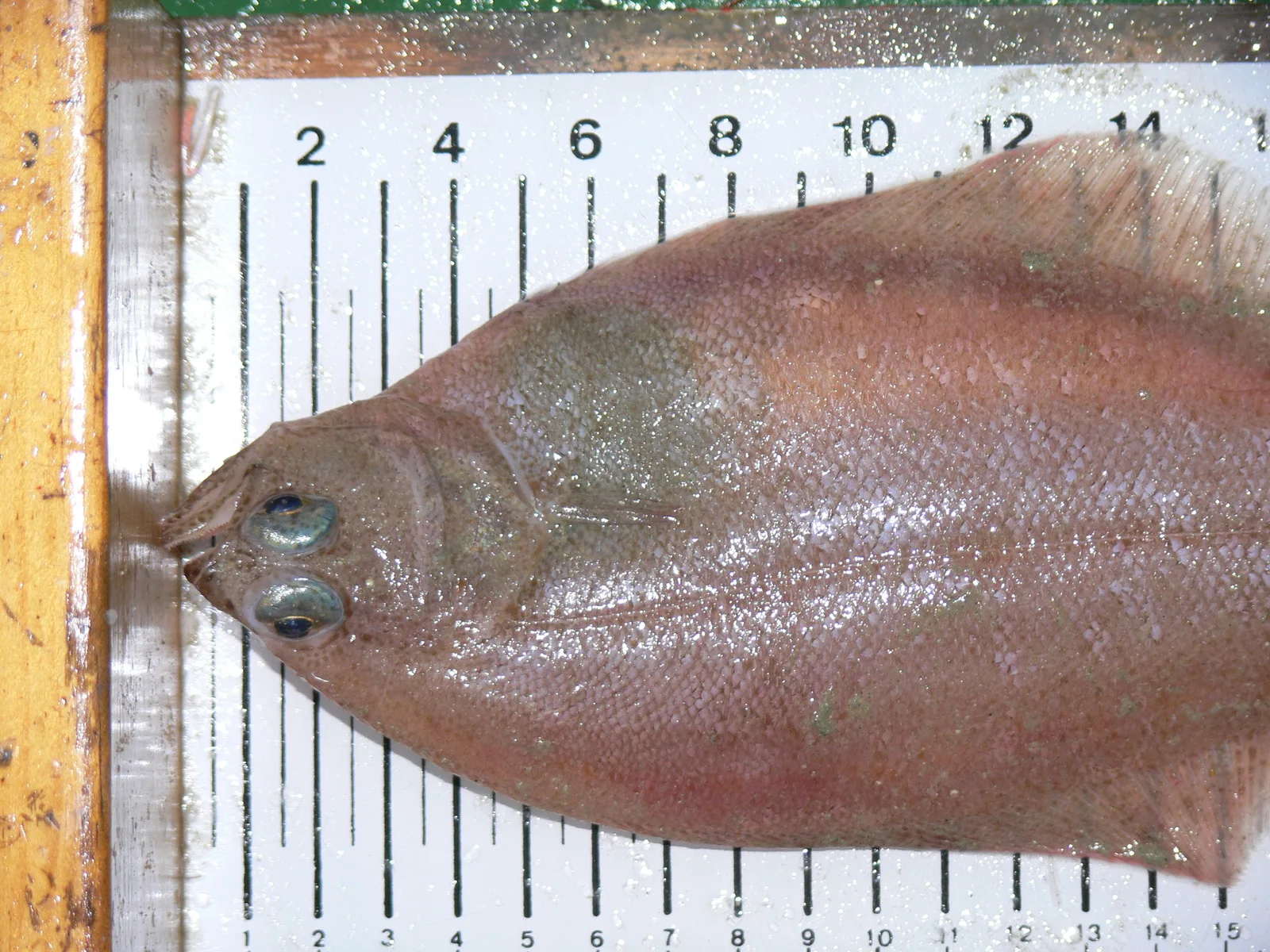
American plaice
- Family
- Pleuronectidae
- Depth
- 10–3000 m
- Season
- Mar, Apr, May
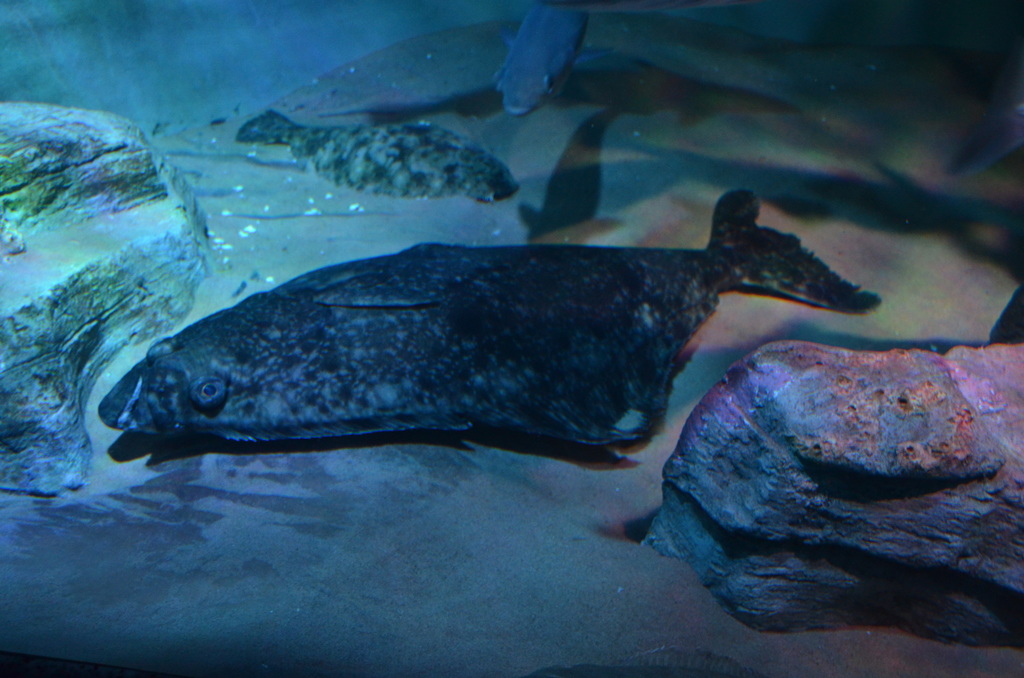
Atlantic halibut
- Family
- Pleuronectidae
- Depth
- 50–2000 m
- Season
- Jan, Feb, Mar, Apr, Dec
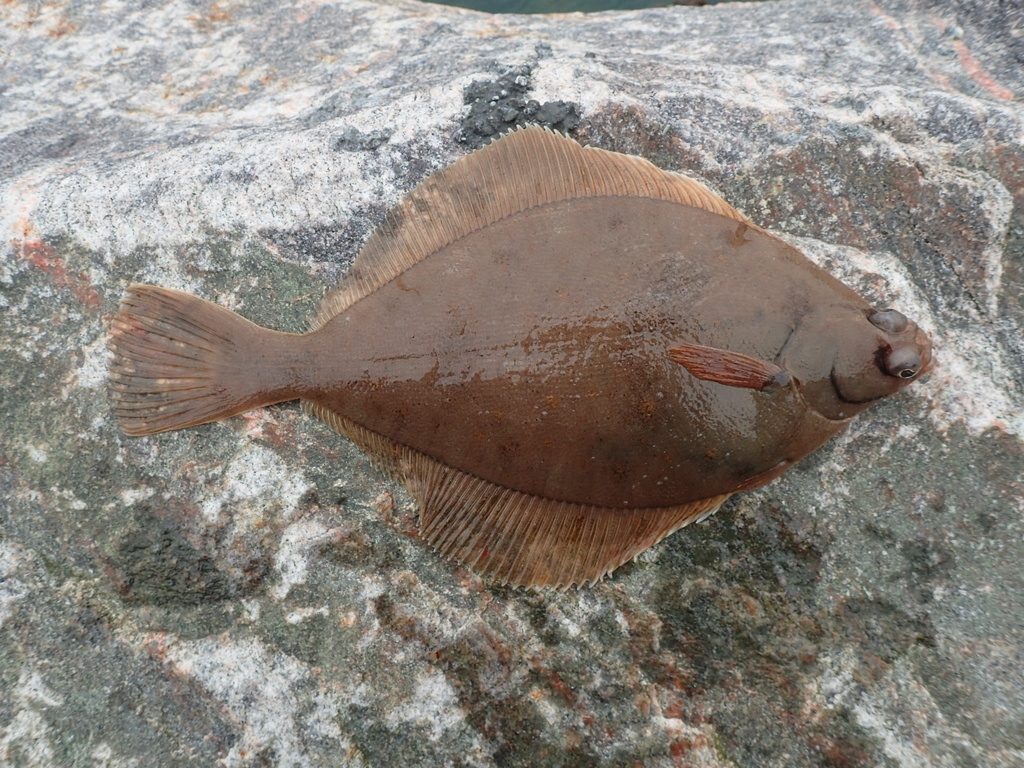
Common dab
- Family
- Pleuronectidae
- Depth
- 20–150 m
- Season
- Jan, Feb, Mar, Apr, May, Jun, Jul, Aug
Guides for this water
Technique, gear and safety guides that fit Ridged-eye flounder.