
Argentinian sandperch
Argentinian sandperch, sold as salmon de mar, is a southwest Atlantic sandperch from Sao Paulo to Golfo San Jorge on the Argentine shelf. It is caught in 100 m or less, reaches 100 cm TL with a common length of 48.6 cm SL, and carries a published maximum weight of 10 kg that the same page contradicts with a report of 24 kg fish off Rio de Janeiro. Boat bottom fishing and shore fishing are the methods listed.
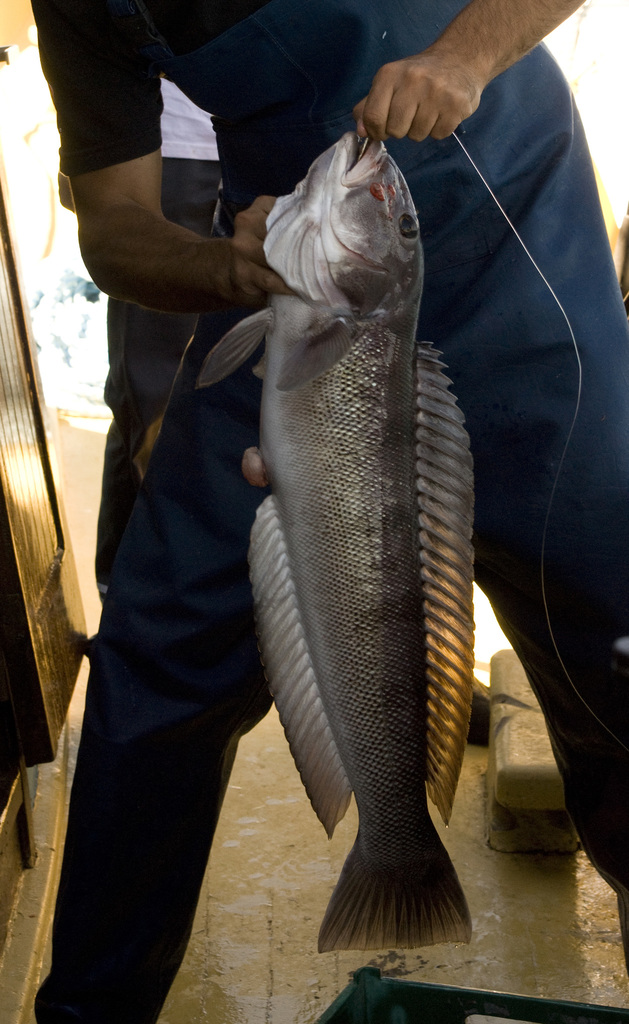
*Pseudopercis semifasciata*, the salmón de mar, is a sandperch of the southwest Atlantic, recorded from São Paulo to Golfo San Jorge on the Argentine shelf. FishBase gives 100 cm TL as the maximum and 48.6 cm SL as the common length, with a published maximum weight of 10 kg that the same page contradicts with a report of 24 kg fish off Rio de Janeiro. It spawns in November and December on the northern Patagonian shelf, and it has never been assessed by IUCN. This page covers the stripes, the weight discrepancy and the Buenos Aires rules.
Identification
Fin counts are 4–5 dorsal spines, 24–27 dorsal soft rays, a single anal spine and 22–24 anal soft rays. The colour pattern is the most detailed in this group: a pale brown body with several dark brown vertical and horizontal stripes made up of blotches, a row of dark brown blotches along the middle of the dorsal fin membrane, and an obvious black blotch at the base of the upper caudal lobe. Those marks are the practical check on a boat.
The size figures need care. Maximum length is 100 cm TL, common length 48.6 cm SL, published maximum weight 10 kg. In the same biology section, a captain quoted on the page reports fish of 24 kg off the Rio de Janeiro coast, with 12–18 kg fish fairly common. The page does not reconcile them: one is a reference figure, the other a personal communication, neither a measured sample. No maturity length is given.
The alias list records salmón de mar, salmón and salmón blanco in Argentina, chanchito in Argentina and Uruguay, and namorado in Brazil. Salmón is a market word here, not a taxonomic one; the fish is not a salmonid.
Range and habitat
The distribution text runs from São Paulo, Brazil, to Golfo San Jorge, Argentina. The environment line adds demersal, non-migratory, subtropical, 23°S to 48°S, with depth written as "?–100 m". The missing shallow limit leaves inshore range undefined.
GBIF returns 994 present records, 970 from Argentina, 18 from Brazil, 2 from Uruguay, 1 from Japan and 1 with no country; iNaturalist carries 54 observations. The Argentine share is 97.6 percent; the Japanese record is most likely a specimen or a data error.
The site lists Chile, but the sources checked do not place the fish there: FishBase's text is Atlantic and GBIF has no Chilean records. The Chilean rule is given below because the site covers the country, not because occurrence is documented.
Habitat is recorded as rocky and sandy bottoms in coastal waters.
Habits and diet
The biology notes say rocky and sandy bottoms in coastal waters, oviparous with low batch fecundity. There is no diet record: no prey, no feeding time, no daily ration. For a metre-long fish that is a real gap, and it is why the bait advice below is labelled inference.
Reproduction is better covered than in most of this batch. Spawning is recorded in November and December on the northern Patagonian shelf, Argentina. That is one ground and one window; no second spawning area is given. Low batch fecundity is stated without a number, so the page cannot say how many eggs a female releases.
The species is Not Evaluated by IUCN, with no global category, trend or assessment date.
Season and time of day
The one dated event is the November–December spawn on the northern Patagonian shelf. That is late spring into early summer, and the only seasonal marker in the sources. The species is recorded as non-migratory, so the spawn is not tied to a long movement.
Time of day is not recorded. An inference: a non-migratory fish over coastal rock and sand, fusiform with a large mouth, is likely to feed near the bottom when light is low, which puts dawn and dusk first. That is reasoning from habitat, not a record, and with no diet data it cannot be tightened.
November and December are a spawning marker, not a bag recommendation; whether the fish is easier to catch then is not answered.
Tackle and techniques
The page records a gamefish entry and a 100 cm maximum, so the tackle must cover a metre-long fish, while most landed fish are near 48.6 cm. A rod that only handles the average will be short at the top end.
The substrate is rock and sand in coastal water, with a depth ceiling of 100 m. That points to a bottom presentation worked close to structure, with a trace that can be lifted over rock rather than pinned in it. No bait, rig or method is recorded; fish or squid on a bottom rig is inference, not a source recommendation.
The weight discrepancy matters for gear. If the page's 10 kg reference is right, a 15 kg line class covers the fish; if the captain's 12–18 kg common fish and 24 kg maximum are right, it does not. The upper end is uncertain; choose tackle for the heavier figure on the Brazilian edge.
Release matters more than usual here because batch fecundity is recorded as low.
Kitchen and handling
FishBase records commercial use and a gamefish entry; no price, quality note or culinary description. It gives a 10 kg maximum and a 48.6 cm SL common length but no common weight, so no kilogram grade follows.
The 24 kg report and the 12–18 kg range are a personal communication quoted on the page, describing fish off Rio de Janeiro, not a sample. Treat them as an anecdote about large fish, not a landing profile.
The only handling rule the sources supply is regulatory: in Buenos Aires the fish falls in the directed group with a 37 cm minimum and a 10-piece daily ceiling.
Regulations and conservation
IUCN has no assessment for the species: the category is Not Evaluated. That is not a clean bill of health: no global extinction-risk assessment exists, and the page carries no trend or stock estimate.
Argentina, Buenos Aires Province: a recreational licence is required, salmón de mar sits in the directed group at up to 10 pieces per angler per day, and the minimum size is 37 cm. Other provinces and national waters set different rules.
Chile: a recreational licence is required under the national fisheries law. No species-specific size or bag rule was located, so the rule is deferred; verify with Sernapesca before keeping a fish. No Chilean occurrence is documented in the sources used here.
Brazil and Uruguay hold 20 of the 994 GBIF records; no species-specific rule for either was located, and the Brazilian name namorado is shared with other sandperches.
The Argentine 37 cm minimum is the only species-specific size found here, and it sits below the 48.6 cm common length.
How to catch it
Boat bottom fishing
Fished with the listed approach, matched to the recorded depth and size.
Shore fishing
Fished with the listed approach, matched to the recorded depth and size.
Where these facts come from
Check these pages before you rely on a size, range or protection status.
- FishBase — Pseudopercis semifasciata — FishBase · T2
- GBIF — Pseudopercis semifasciata occurrence records — GBIF · T2
- IUCN Red List — Pseudopercis semifasciata — IUCN · T1
- Photo record — iNaturalist — iNaturalist · T3
Fish in the same water
These fish live in the same place.
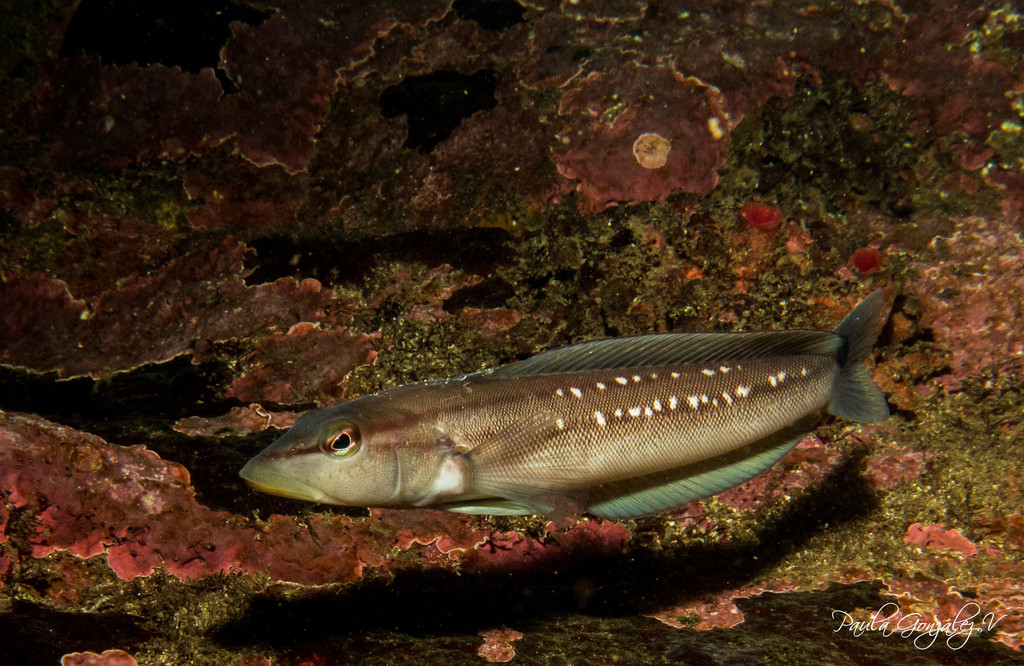
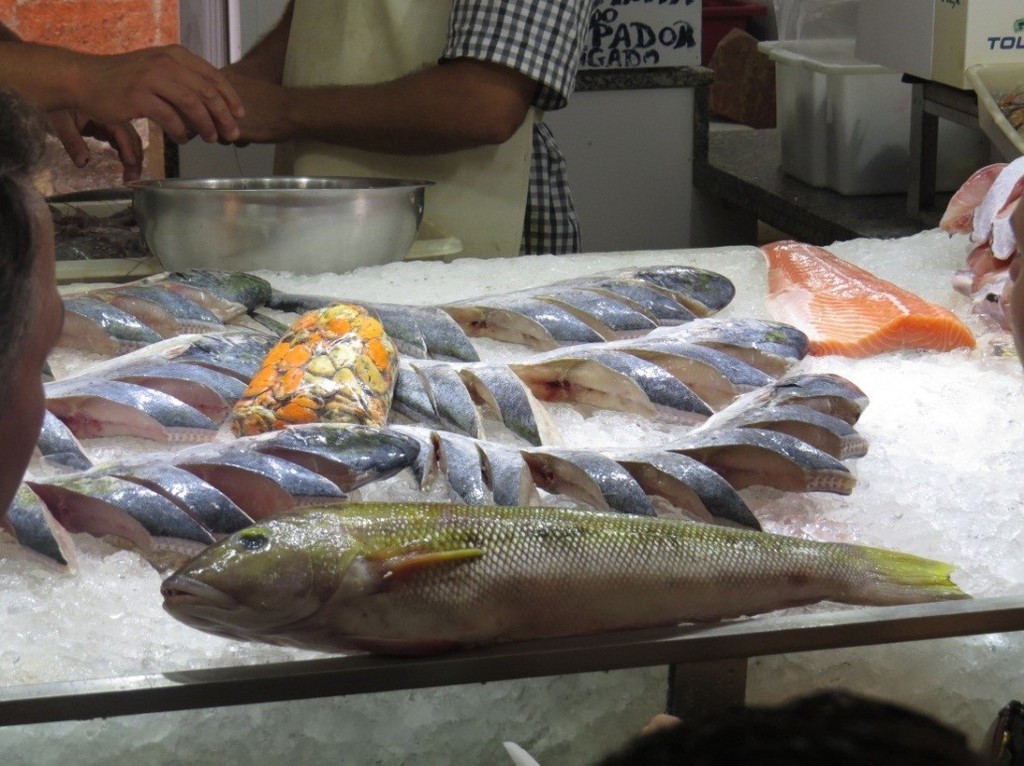
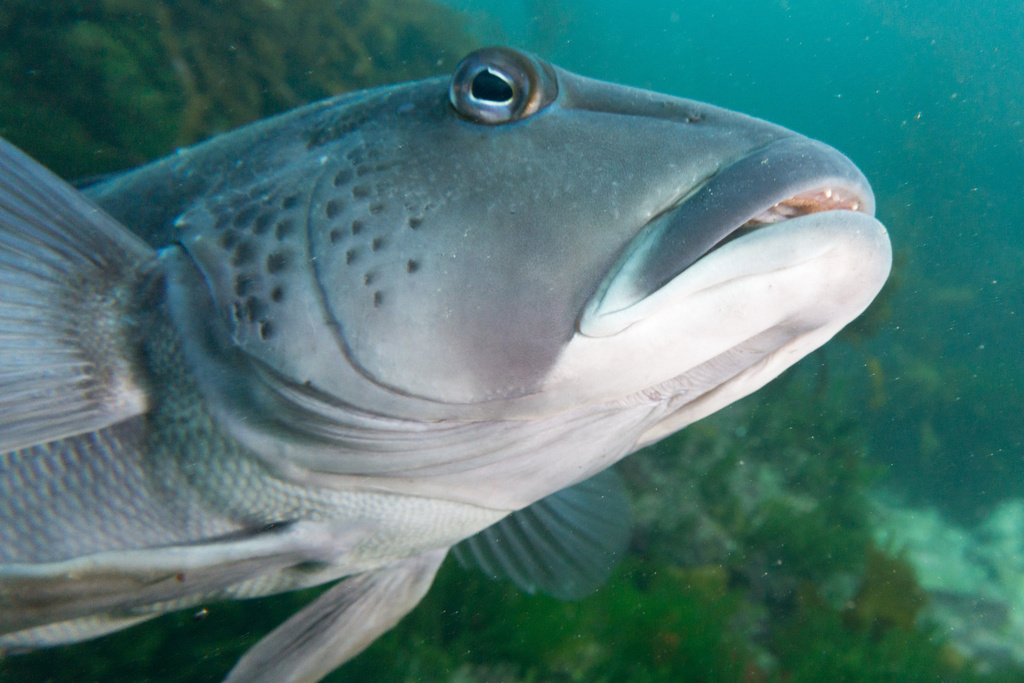
Guides for this water
Technique, gear and safety guides that fit Argentinian sandperch.