
Musselcracker seabream
Musselcracker seabream is a large sparid of the southeast Atlantic, from the Cape of Good Hope to Natal in South Africa. It lives from the surface to 80 m in tropical water, reaches 120 cm TL, and feeds on fish. It is recorded in January and again from September to December.
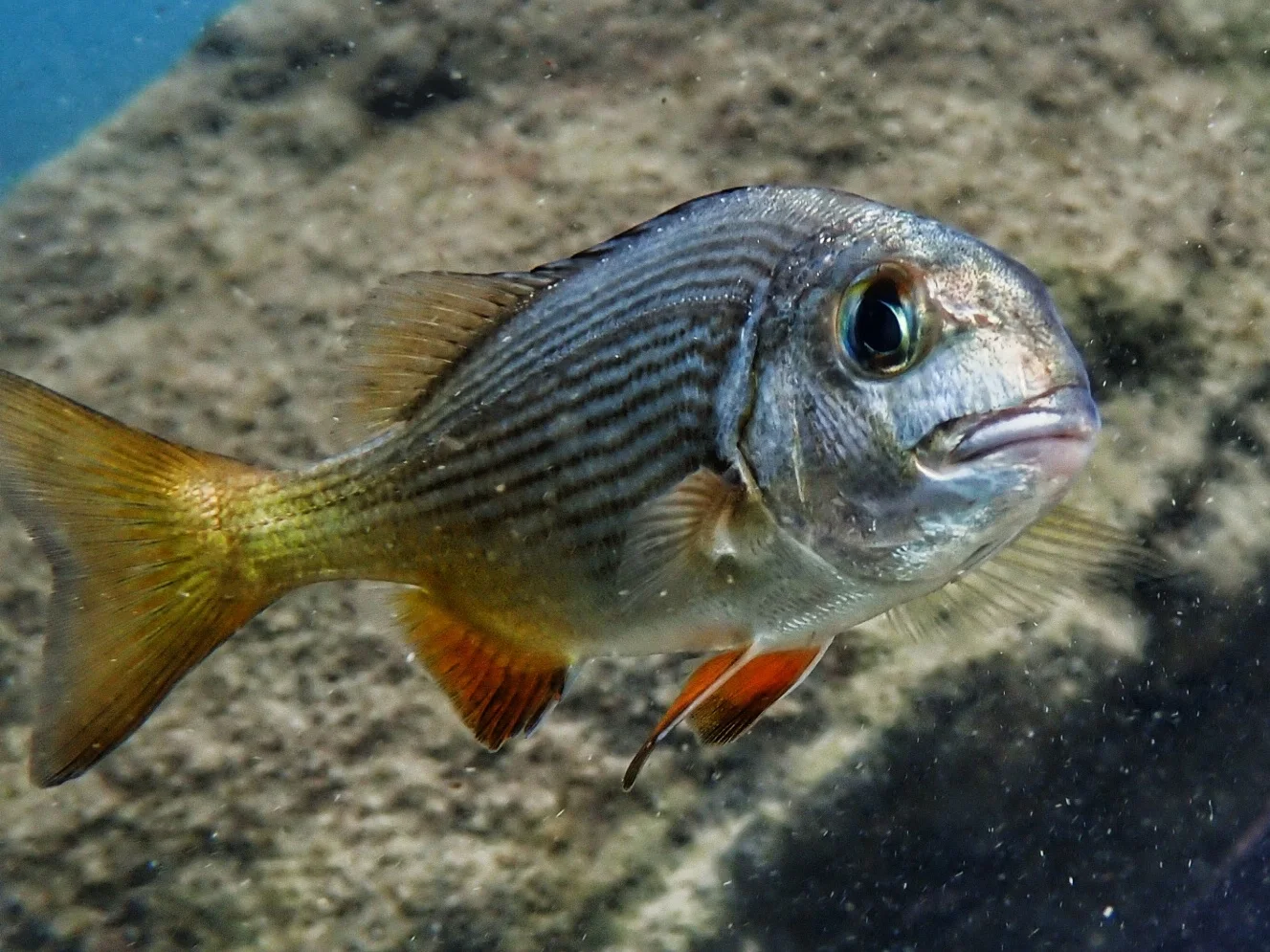
Musselcracker seabream (Sparodon durbanensis) is a fish of the family Sparidae. FishBase gives its range as: Southeast Atlantic: Cape of Good Hope to Natal in South Africa. Also recorded from Djibouti and from Mozambique. It is recorded from 0 to 80 m, in tropical water. The recorded maximum is 120 cm TL. Diet includes fishes. IUCN status: Near Threatened (NT). Chinese name: .
Two numbers, one species
FishBase lists both figures in the same size block, and both are total length. The maximum is attributed to a 1986 reference, the common length to a 1984 FAO identification sheet. Neither figure comes with a weight, and the species record contains no maximum age. That gap is important: a 120 cm fish cannot be converted into kilograms from this source, and the age needed to reach that length is not stated either. The two numbers therefore stand as records, not as a growth curve.
The record and its missing support
A 120 cm TL musselcracker is 1.7 times the common length. No age, weight or growth data accompany the maximum, so the source does not explain how long such a fish takes to build. What the same entry does say is that the species is a commercial capture and a gamefish. A large maximum in a fish that is both landed and targeted is a plausible record, but the datasheet offers no evidence that the 120 cm class is common anywhere in the range.
The seventy-centimetre fish you will hook
The 70 cm TL common size is the working figure. It is the size at which the fish is already a serious opponent on shore tackle, and it is the size the 1984 identification sheet treats as typical. The 35 cm length at first maturity is exactly half the common length, which means the breeding population is built from fish well below the headline maximum. A 70 cm fish is an adult twice over; a 120 cm specimen belongs in the record books, not on the average boat.
Juveniles in the tide pools
Young fish are commonly found in tide pools, while adults inhabit shallow coastal waters mainly off rocky shores down to 80 m. The species rarely enters estuaries. That vertical separation — small fish in the intertidal, adults on the open rock — is more useful than the maximum length when you are choosing where to fish. It also explains why a 35 cm maturing fish and a 70 cm adult are caught in different places, not merely at different sizes.
Range: three territories, four names on the map
The territory table counts three territories for the species. The distribution text is wider: Cape of Good Hope to Natal in South Africa, with additional records from Djibouti and Mozambique. GBIF holds 454 occurrence records, of which 372 are South African and 71 Namibian, with a single Italian record and one unplaced entry. The three-territory count, the Djibouti and Mozambique lines, and the GBIF centre in South Africa do not agree, and the disagreement is reported here rather than resolved. The safest reading is that the core range is the South African coast and that the northern records are marginal.
Two further declarations on the same GBIF endpoint widen the map: Djibouti and Mozambique each appear as presence records sourced from WoRMS, alongside the South African entry. In WoRMS the accepted record is AphiaID 218627 under Castelnau, 1861, and the brackish box is left empty — a reef fish, not an estuarine one.
Molluscs, and the bait that follows
The diet is given as mainly molluscs. That is a specific feeding instruction, not a general "bottom feeder" label: the fish is built to crush shell, and the bait that matches is crab, mussel and other hard-shelled material rather than a soft fish fillet. The body carries faint stripes on a greyish background and a bluish glow underwater, a coloration that makes a fish in the swell harder to see than its size suggests. The common names point the same way: Brusher, Cracker, Mussel cracker seabream, Musselcracker seabream and White musselcracker. "Cracker" is a diet note disguised as a name.
Gear for seventy, not one hundred and twenty
The 70 cm TL working size and the rocky, shallow-to-80 m habitat set the tackle window. A rod with enough backbone to lift a heavy fish clear of rock, and a leader built for abrasion, are the priorities; a 120 cm-class fish will not be stopped by the same outfit that handles a 70 cm one, and pretending otherwise is how tackle fails. The tide-pool nursery is a reason to leave small fish alone rather than to target them. Because the species rarely enters estuaries, freshwater or brackish marks are the wrong place to spend a session.
The record is not the target
The species is assessed Near Threatened, under criterion A2bd, with the assessment dated 11 July 2024. A 120 cm maximum does not imply a healthy population of 120 cm fish; the Near Threatened rating and the 35 cm maturity length point to a breeding stock that is mostly far smaller. iNaturalist carries 141 observations, a thin public record that matches a fish with a narrow range and a small GBIF footprint. The practical rule is to size gear for the 70 cm common fish and to treat anything near the maximum as a fish to release carefully, not as the reason for the trip.
Where these facts come from
Check these pages before you rely on a size, range or protection status.
- FishBase — Sparodon durbanensis — FishBase · T2
- GBIF — Sparodon durbanensis occurrence records — GBIF · T2
- IUCN Red List — Sparodon durbanensis — IUCN · T1
- Photo record — iNaturalist — iNaturalist · T3
Fish in the same water
These fish live in the same place.
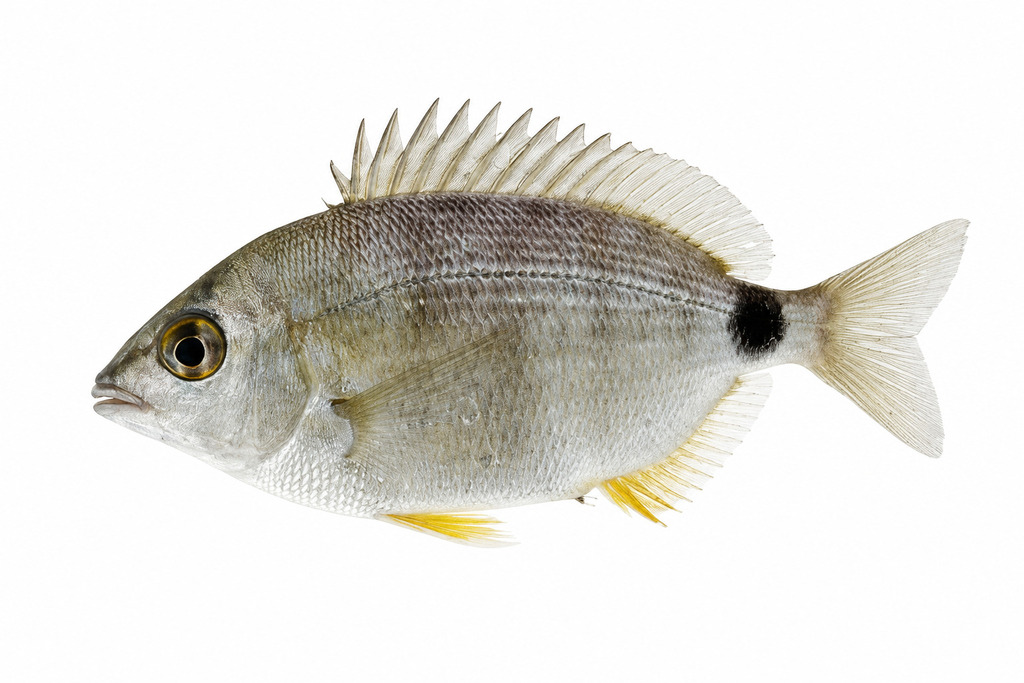
Annular seabream
- Family
- Sparidae
- Depth
- 0–90 m
- Season
- Jan, Feb, Mar, Apr, May, Jun, Jul, Aug, Sep
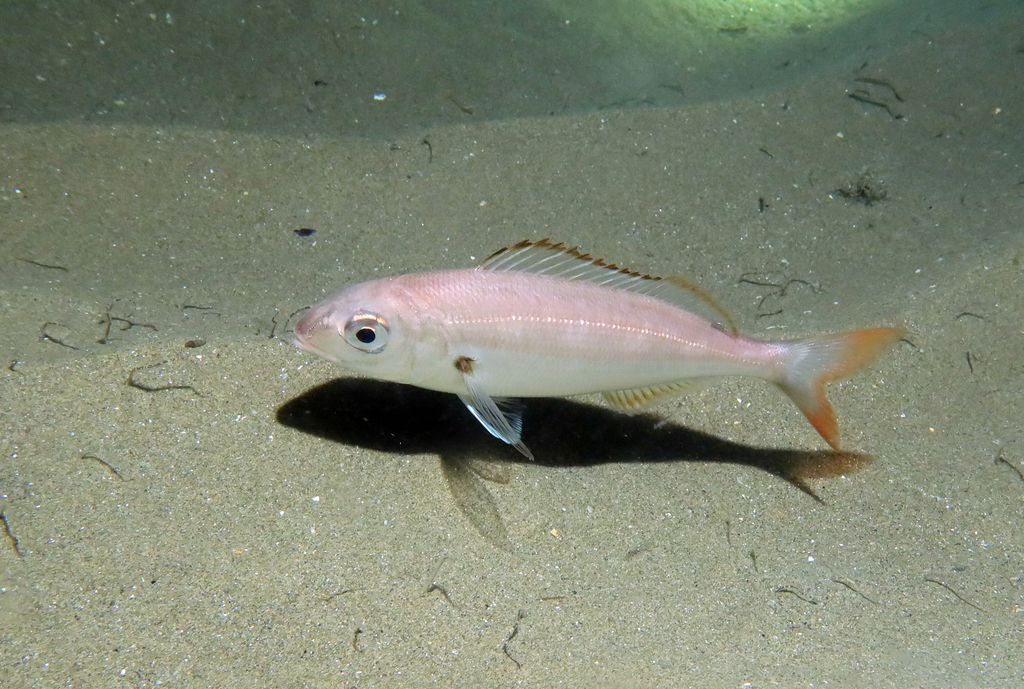
Axillary seabream
- Family
- Sparidae
- Depth
- 0–500 m
- Season
- Jan, Feb, Mar, Apr, May, Jun, Jul, Aug, Sep, Oct, Nov, Dec
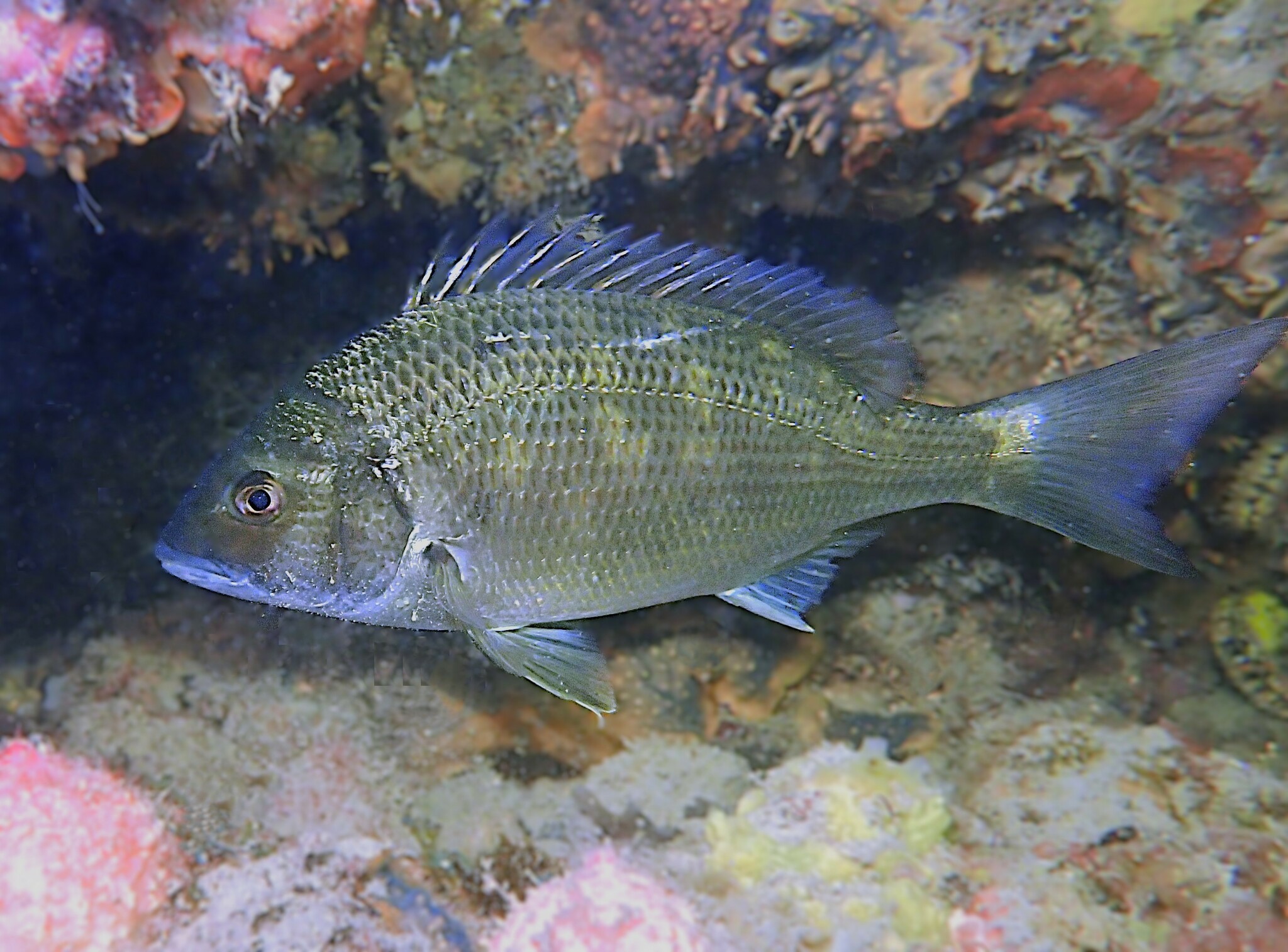
Black bream
- Family
- Sparidae
- Season
- Jan, Feb, Jul, Aug, Sep, Oct, Nov, Dec
Guides for this water
Technique, gear and safety guides that fit Musselcracker seabream.