
European sprat
European sprat is a small clupeid of the northeast Atlantic and Mediterranean, from the North Sea and Lofoten south through the British Isles and the Baltic to Morocco. It works 10 to 150 m in temperate water on crustaceans, fish and zooplankton. Adults reach 25.1 cm SL and can live six years. February to August is the season.

European sprat (Sprattus sprattus) is a fish of the family Clupeidae. FishBase gives its range as: Northeast Atlantic: North Sea and adjacent waters as far north as the Lofoten Area and the west of the British Isles, and Baltic Sea south to Morocco; also in northern Mediterranean (Gulf of Lion and the Adriatic Sea) and Black Sea. Its dorsal fin origin sits behind the pelvic fins, the back carries a grey cast rather than the blue of a juvenile herring, and the belly has a keel of sharp scutes — three field marks that separate it from the herring shoals it often travels with. It is recorded from 10 to 150 m, in temperate water. The recorded maxima are 25.1 cm SL, 6 years. Diet includes crustaceans, fishes and zooplankton. IUCN status: Least Concern (LC). Chinese name: .
Identification
The European sprat reads as a small, restless clupeid rather than a fish built to hold station. Its dorsal fin origin sits behind the pelvic fins, the back carries a grey cast rather than the blue of a juvenile herring, and the belly has a keel of sharp scutes — three field marks that separate it from the herring shoals it often travels with. The body is slender and laterally compressed, the eye large for the head, the mouth terminal, and the tail deeply forked. Landings in the North Sea and Baltic mostly run 5–13 cm; FishBase lists a typical size near 12 cm and a maximum of 25.1 cm standard length, with fish living to about six years. Anything past 20 cm is a large sprat.
Habitat and behaviour
Sprat is a pelagic schooling fish of shelf water. ICES places it largely inside the 50 m contour and notes that it is common inshore, while FishBase records a depth range down to 150 m. In the Baltic it tolerates low salinity but stays an open-water species: HELCOM describes it as rarely found along the coast, following warmer water layers as the seasons turn. Near 2–3 °C the fish crowd together, and in harsh winters the occupied area contracts sharply while local density rises. Crustaceans and zooplankton dominate the diet, with small fish taken when available. Shoals are tight and often betray themselves at first light by dimpling the surface.
Stock and landings
North Sea sprat is assessed as a single management unit, with Skagerrak and Baltic fish treated separately, and three subspecies are recognised across the range. ICES estimated North Sea biomass at roughly 360,000 t, with landed fish measuring 5–13 cm. Most of the catch is reduced to meal and oil, often mixed with juvenile herring, while a smaller trade supplies smoked sprat and whitebait. That structure matters to an angler: local abundance swings with recruitment rather than with the slow accumulation of old fish, so one poor year class can empty a normally reliable mark for a season. Only 89 iNaturalist observations exist for the species, which says more about how rarely shore naturalists log small pelagics than about scarcity.
Seasonal window
FishBase records spawning from February through August, with the peak moving north with latitude. Southern North Sea fish begin first; Baltic fish spawn later in summer. Outside that window the shoals remain mobile, and birds working the surface are a better guide than any calendar. Winter fishing is possible in deep harbours and fjord mouths, but in cold Baltic winters the stock packs into a smaller area and ice can close the shore marks altogether.
Gear and approach
A light rod rated 2–8 lb, a small fixed-spool reel and 0.12–0.16 mm fluorocarbon are enough. Hooks in sizes 10–14, baited with a sliver of mackerel or squid, hold better than bare feathers when fish are shy. Keep bait cool and change it often; sprat respond to scent and movement more readily than to a static lure. Fish the top third of the water column at dawn, then follow the shoal down as the light strengthens. A small float fishing two metres down keeps the bait above the weed and in the feeding lane. Land fish quickly and return surplus fish without letting them dry out.
Edibility and regulations
Sprat is oily and best smoked, fried whole, or eaten as whitebait. ICES lists no minimum landing size for the species, so the rules that decide retention are national recreational ones rather than a biological floor: bag limits, gear restrictions and local closures differ between the North Sea states, Norway and the Baltic countries. Any closed season sets when angling is permitted; it does not decide retention. The species is assessed as Least Concern, most recently on 18 July 2018. Because sprat is a forage fish, some protected bays restrict taking it even where the open coast allows it.
Where to look
The densest North Sea concentrations lie south of the Dogger Bank and in the Kattegat, with secondary groups along the British coast in the Firth of Forth and Moray Firth. Harbour walls, ferry terminals and fjord mouths concentrate fish at night. The range also takes in the northern Mediterranean and the Black Sea, and FishBase lists 46 countries and territories from Morocco and Norway to Ukraine and Georgia. On the Baltic coast, look for archipelago channels with moving water rather than stagnant inner bays.
Where these facts come from
Check these pages before you rely on a size, range or protection status.
- FishBase — Sprattus sprattus — FishBase · T2
- GBIF — Sprattus sprattus occurrence records — GBIF · T2
- IUCN Red List — Sprattus sprattus — IUCN · T1
- Photo record — iNaturalist — iNaturalist · T3
Fish in the same water
These fish live in the same place.
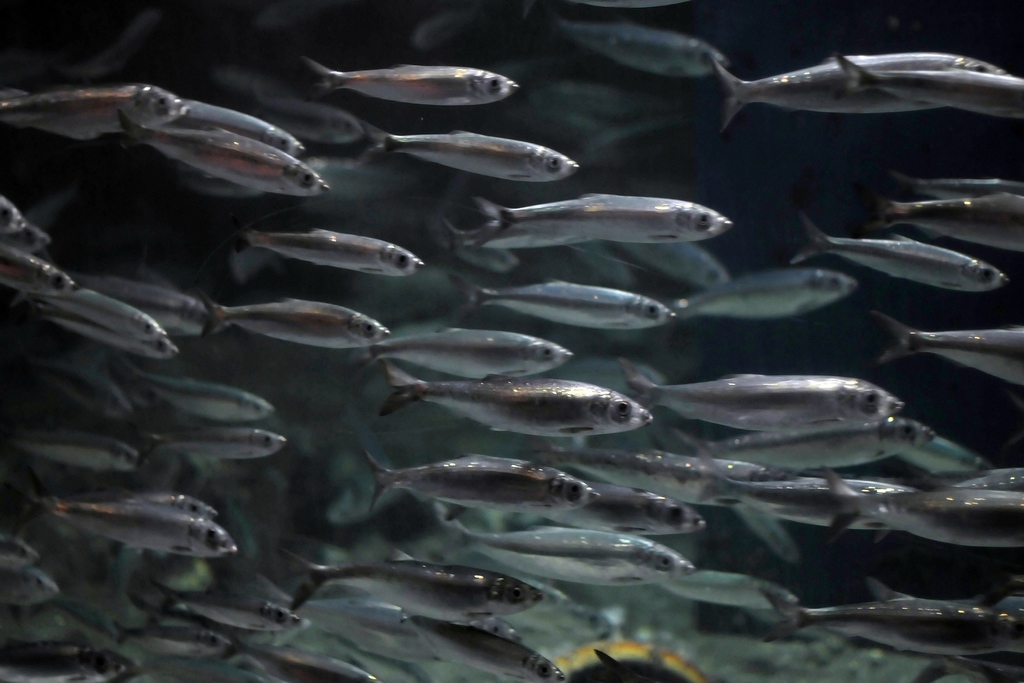
Atlantic herring
- Family
- Clupeidae
- Depth
- 0–364 m
- Season
- Jan, Feb, Mar, Apr, May, Jun, Jul, Aug, Sep, Oct, Nov, Dec
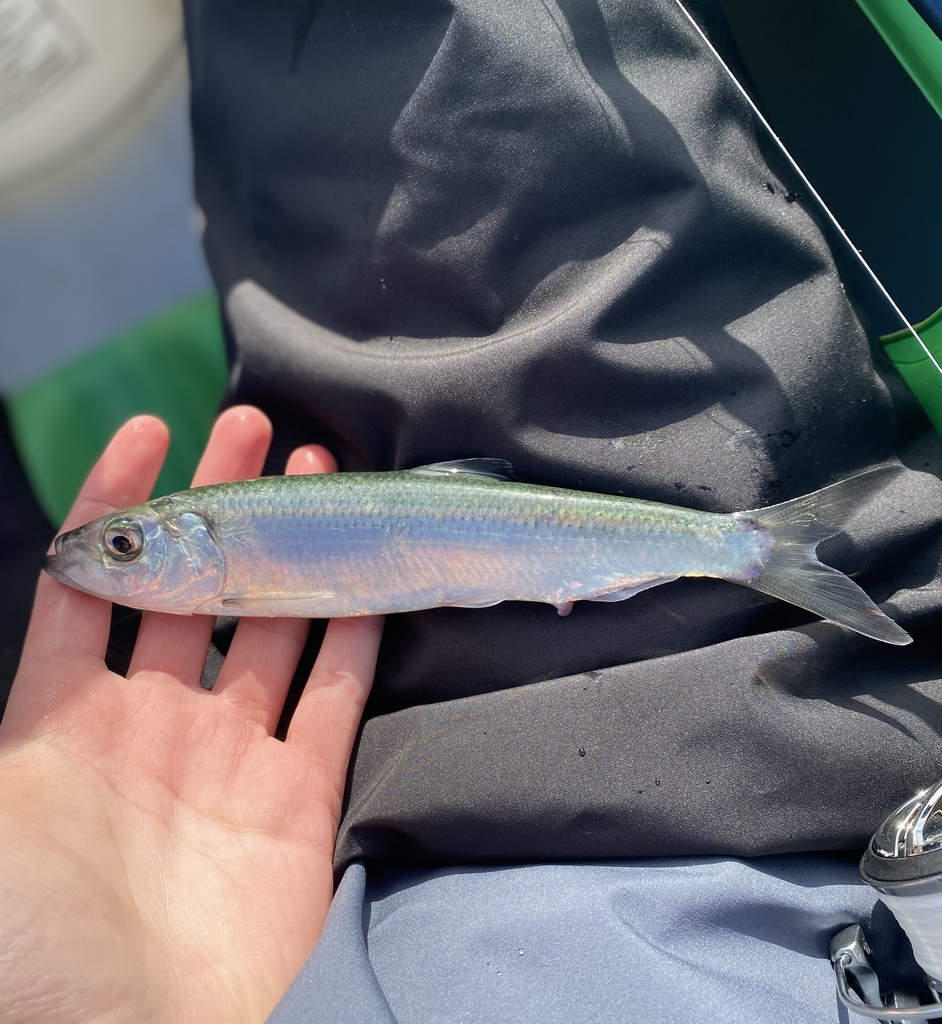
Pacific herring
- Family
- Clupeidae
- Depth
- 0–475 m
- Season
- Jan, Feb, Mar, Apr, May, Jun, Jul, Aug, Sep, Dec
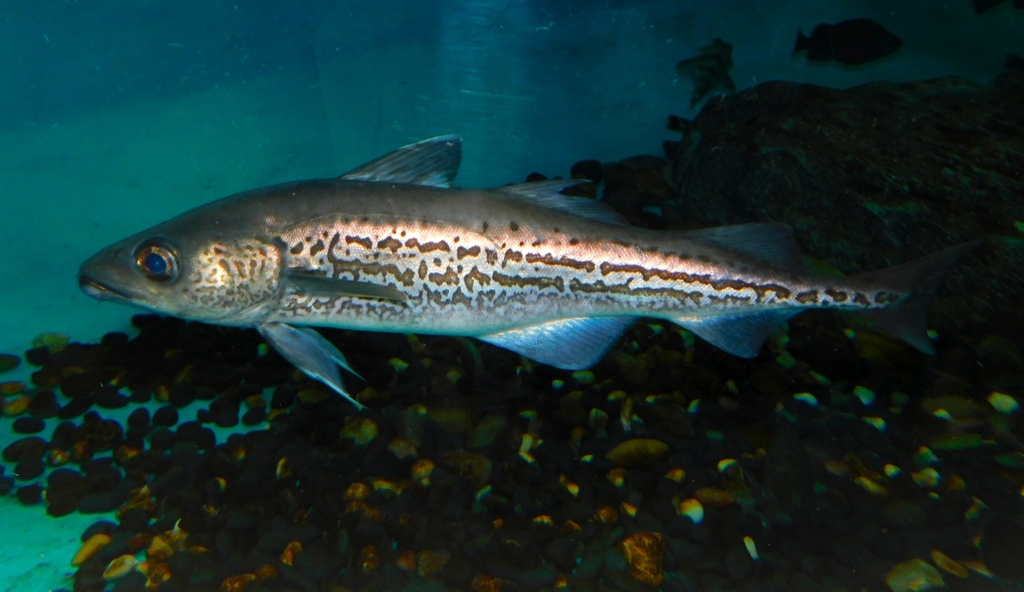
Alaska pollock
- Family
- Gadidae
- Depth
- 0–1280 m
- Season
- Jan, Feb, Mar, Apr, May, Jun, Jul, Aug
Guides for this water
Technique, gear and safety guides that fit European sprat.