
What fish are on your coast? — page 16 of 16
Choose the water you fish: shore, reef, surf or deep water. Then open a fish to see what it eats, when it comes in, and how to catch it.
Species records
Yellowfin hind
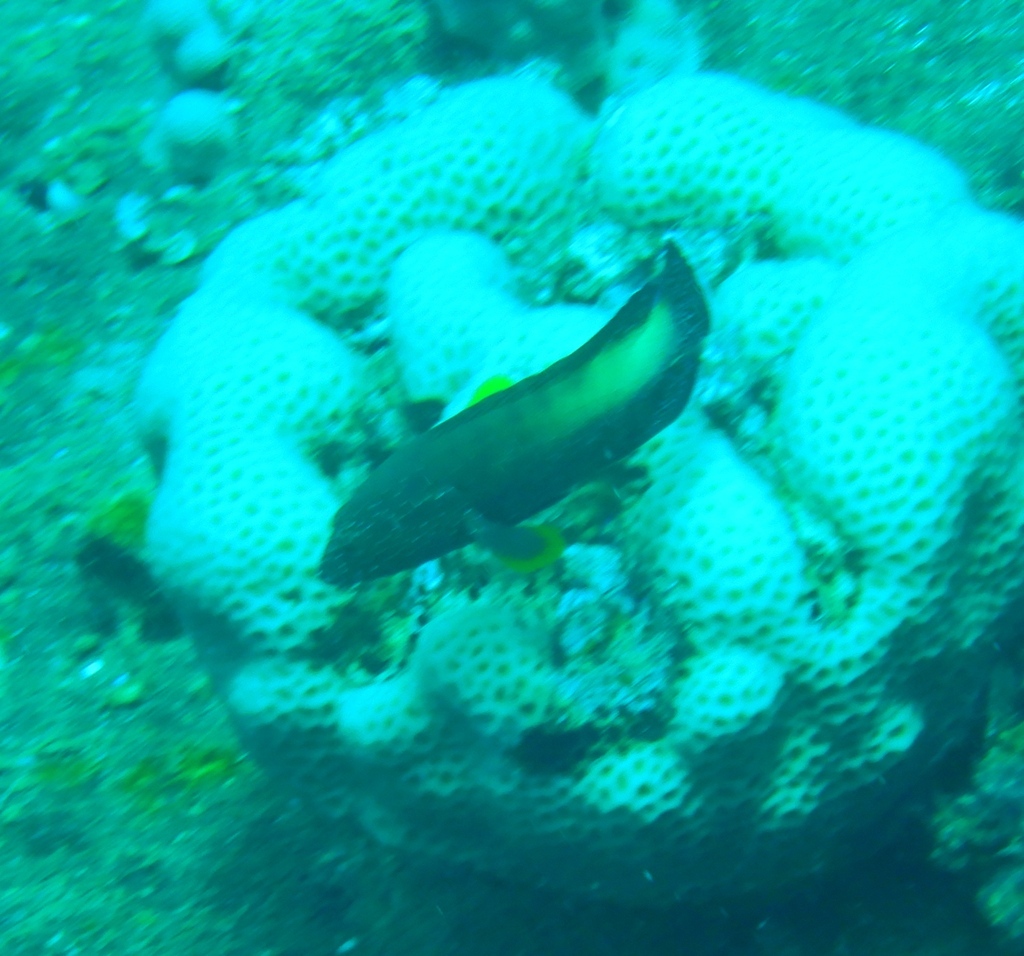
Yellowfin hind is a small serranid known only from the northern Red Sea through the Persian Gulf to the coast of Pakistan. It works 4 to 55 m of reef, reaches 35 cm TL with a common length of 23 cm, and can live 26 years. Boat bottom fishing, jigging and sight fishing are the methods listed for it.
Yellowfin seabream
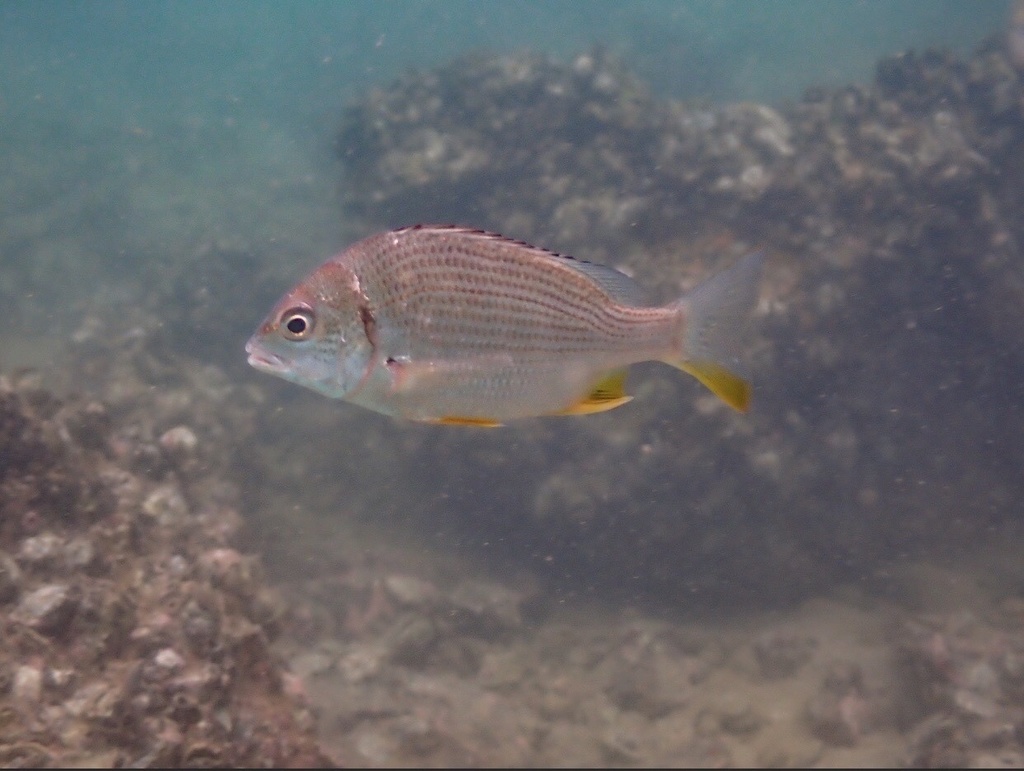
Yellowfin seabream is a sparid of the East Asian shelf, from Honshu, Shikoku and Kyushu through Korea and Taiwan to the Chinese coast and northern Vietnam. It lives in subtropical water, reaches 40 cm and 1.5 kg, and is targeted by shore casting or rock fishing.

Yellowfin tuna
Yellowfin tuna, a member of the family Scombridae, is found Worldwide in tropical and subtropical seas, but absent from the Mediterranean Sea. It grows to 239 cm FL and 200 kg, with a diet of crustaceans and fishes. The usual approach is trolling, jigging or live bait. It is present year-round.
Yellowfin whiting
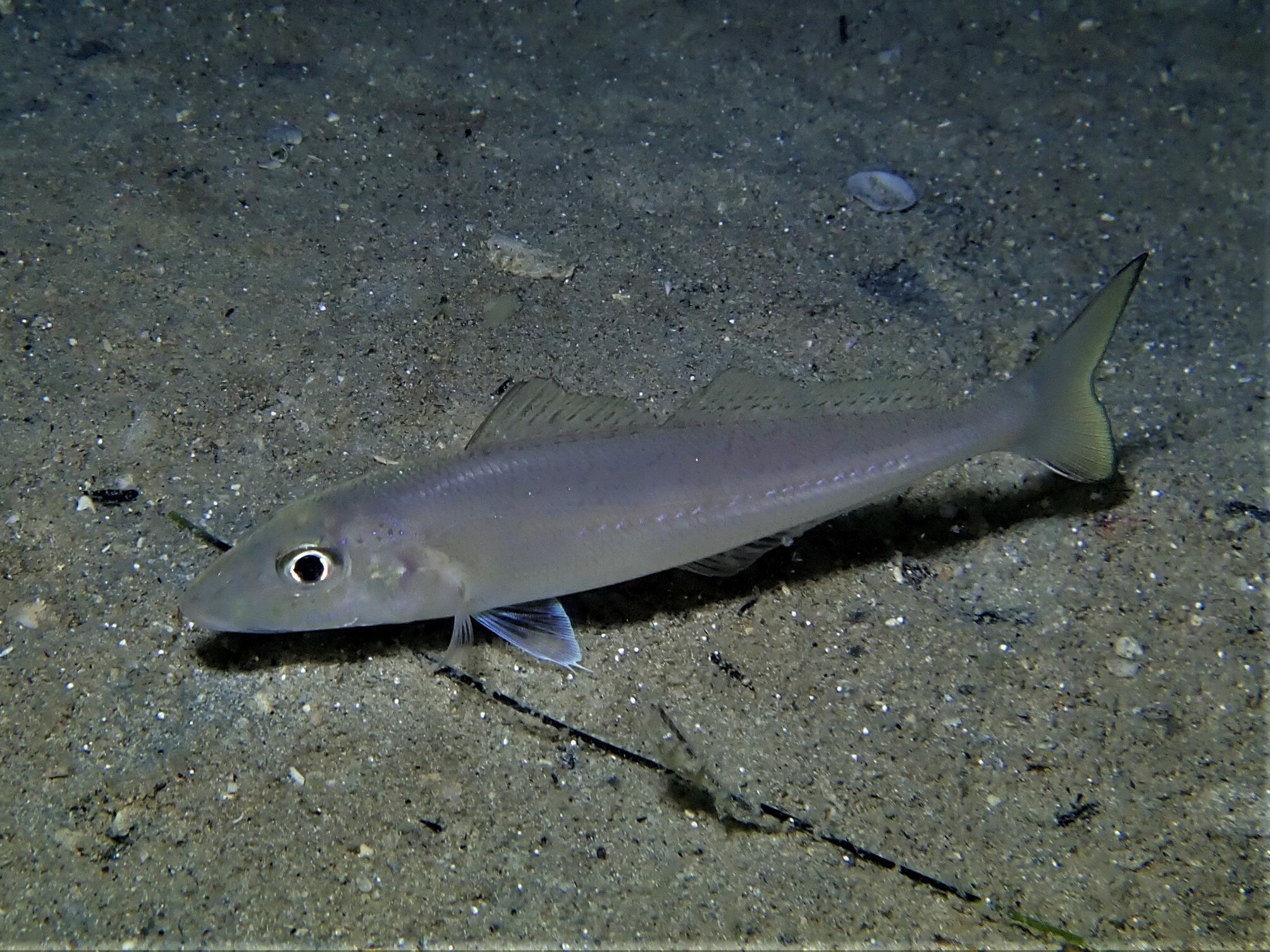
Yellowfin whiting is a shallow-water sillaginid of the eastern Indian Ocean, from Dampier to Albany in Western Australia and through Gulf St Vincent and Spencer Gulf in South Australia. It lives in the top 30 m of temperate water. Adults reach 42 cm TL and can live 12 years. The season runs January and February and then September to December.
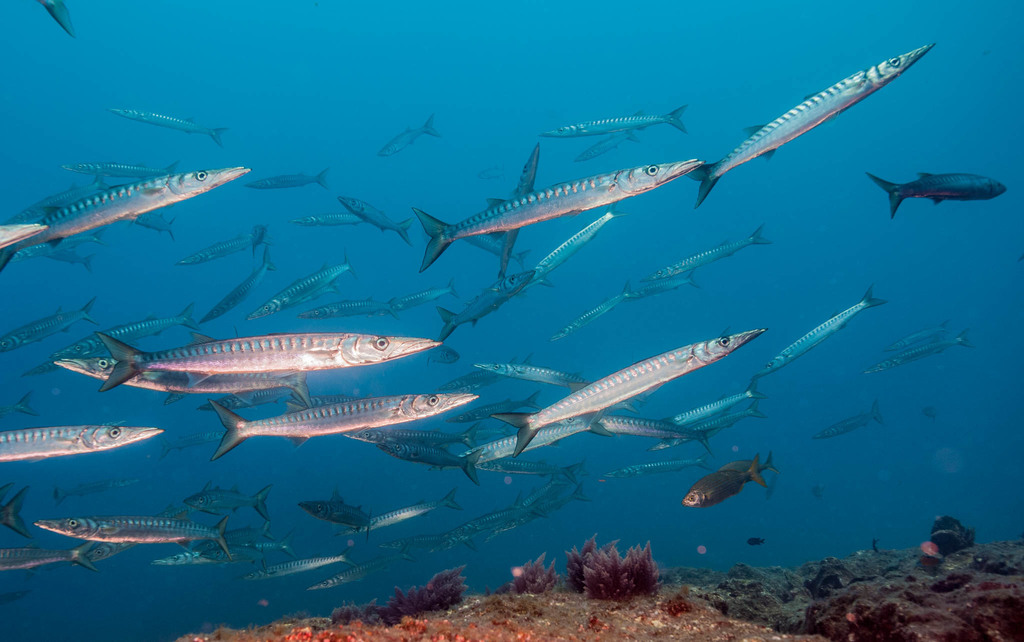
Yellowmouth barracuda
Yellowmouth barracuda is a slim sphyraenid of the eastern central Atlantic and Mediterranean, recorded from Cape Verde and the Canary Islands. It works the top 100 m of tropical water and preys on crustaceans, fish and molluscs. Adults reach 128 cm FL and 8.2 kg. The yellow around the mouth is the mark the name refers to.
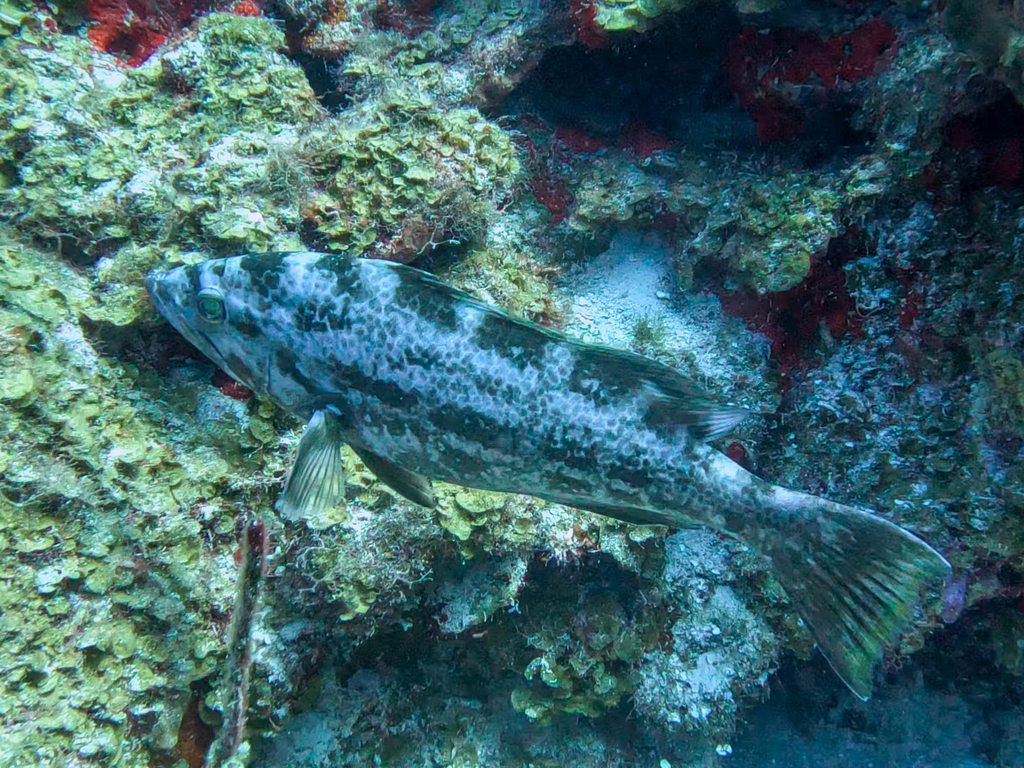
Yellowmouth grouper
Yellowmouth grouper is an Epinephelidae grouper of rocky and coral bottom from shorelines to about 55 m, recorded from the Gulf of Mexico, Bermuda, the Caribbean and Brazil. It reaches 84 cm and 10.2 kg, lives up to 41 years, and is separated from scamp by its yellow mouth and lack of dark spots.
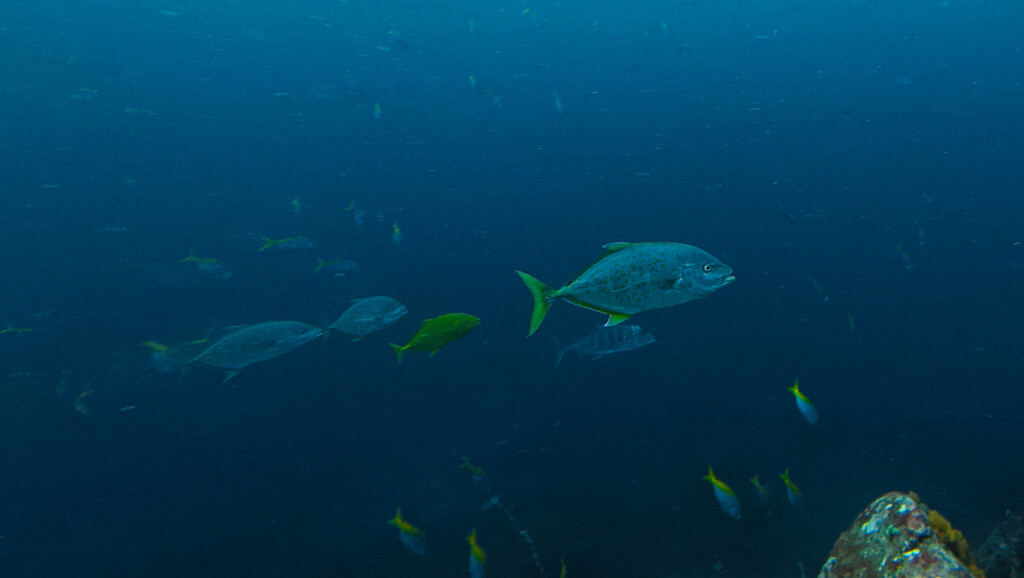
Yellowspotted trevally
Most species pages have to warn that the record fish is a fantasy. This one needs the opposite warning. The maximum is 120 cm fork length and 18 kg, and the common length is 90 cm total length. The gap between the ceiling and the everyday fish is about 30 cm, and the two figures are measured differently — fork length against total length — so even that gap is not exact.

Yellowstriped butterfish
A small schooling fish of Japanese coastal rock, marked by a bright yellow band along the flank. It feeds on plankton, spawns in autumn, grows slowly, and reaches the Kanto market in summer, where salt-grilling is the standard treatment. Records thin out west of Kanto and on the Japan Sea side.

Yellowtail flounder
Yellowtail flounder is a right-eyed flatfish of the northwest Atlantic, from southern Labrador down to Chesapeake Bay. It is a temperate shelf fish caught between 27 and 364 m on a diet of crustaceans, fish and worms. Adults reach 64 cm TL and 1.5 kg and live about 12 years. March to August is the season here, and the reddish-brown upper surface with yellow fins is the field mark to check.
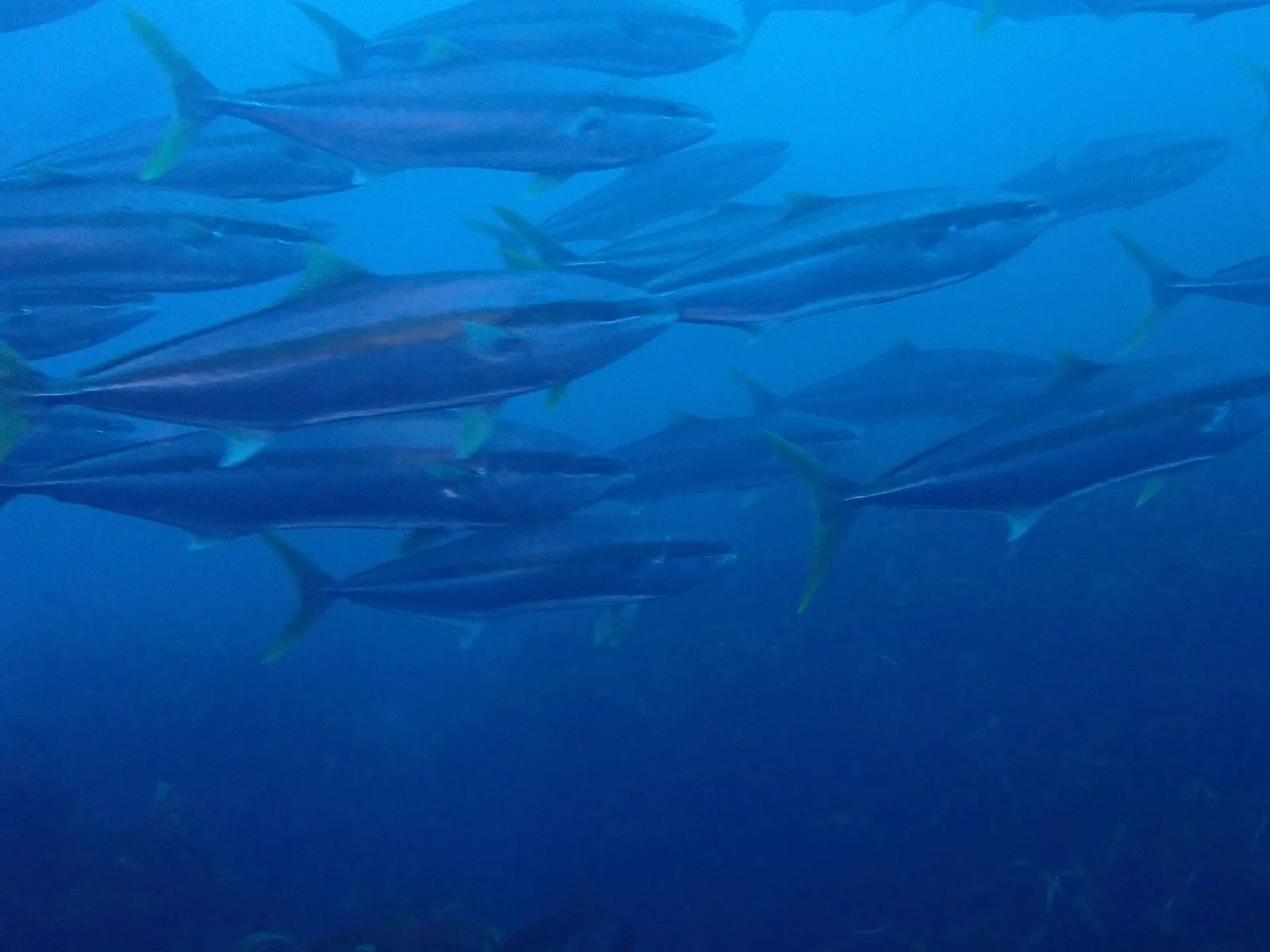
Yellowtail kingfish
Yellowtail kingfish is two fish in one record: a 250 cm, 96.8 kg maximum and an 80 cm common length that weighs only 6–8 kg. The catalogue also gives 12 years and 3–825 m. Plan around the size class your gear can handle, because the tackle for a 6–8 kg fish and a 100 kg fish has almost nothing in common.
Yellowtail rockfish
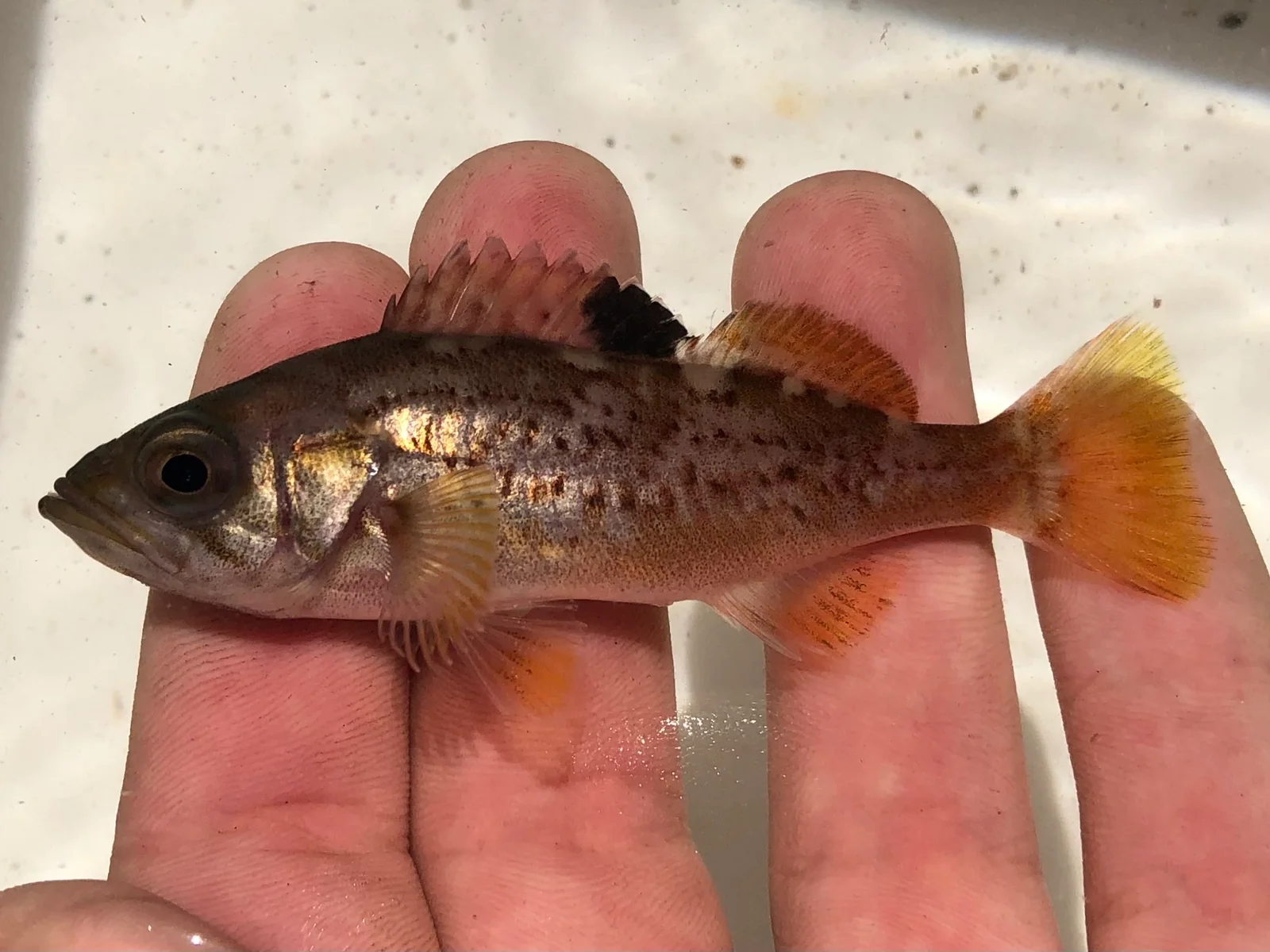
Yellowtail rockfish is recorded across the Northeast Pacific, from Unalaska Island, Alaska to San Diego, California, USA, within the family Sebastidae. It is caught from 0 to 549 m, in temperate water. It tops out at 66 cm TL and 2.5 kg, on a diet of crustaceans and fishes. The usual approach is boat bottom fishing or slow pitch jigging. The season runs January to May.

Yellowtail snapper
Yellowtail snapper is a lutjanid of the western Atlantic, from Massachusetts and Bermuda south to southeastern Brazil, including the Gulf of Mexico and Antilles. It lives from the surface to 180 m in subtropical water, reaches 86.3 cm TL and 4.1 kg, can live 19 years, and feeds on crustaceans, fish, molluscs, zooplankton and worms. It is present year-round.
Zebra seabream
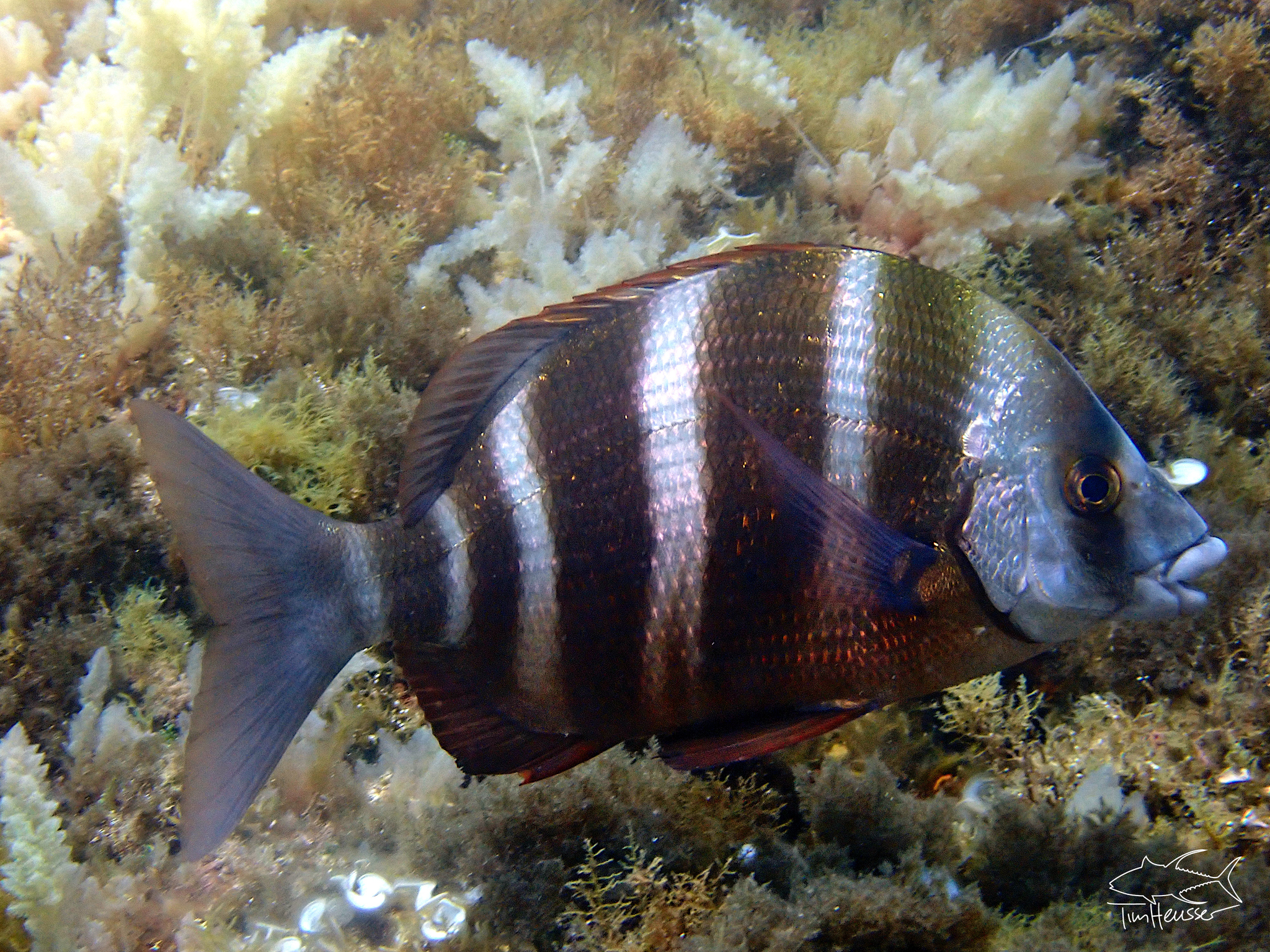
Zebra seabream is a sparid of the eastern Atlantic and Mediterranean, from the Bay of Biscay and Gibraltar to South Africa, including Madeira and the Canaries but absent from Cape Verde, Senegal and the Gulf of Guinea. It lives from 30 to 300 m in subtropical water, reaches 55 cm TL and 2.7 kg, and feeds on algae. Its season runs January to June.
No fish match this water on this page. Clear the filter or choose another habitat.