
What fish are on your coast? — page 13 of 16
Choose the water you fish: shore, reef, surf or deep water. Then open a fish to see what it eats, when it comes in, and how to catch it.
Species records
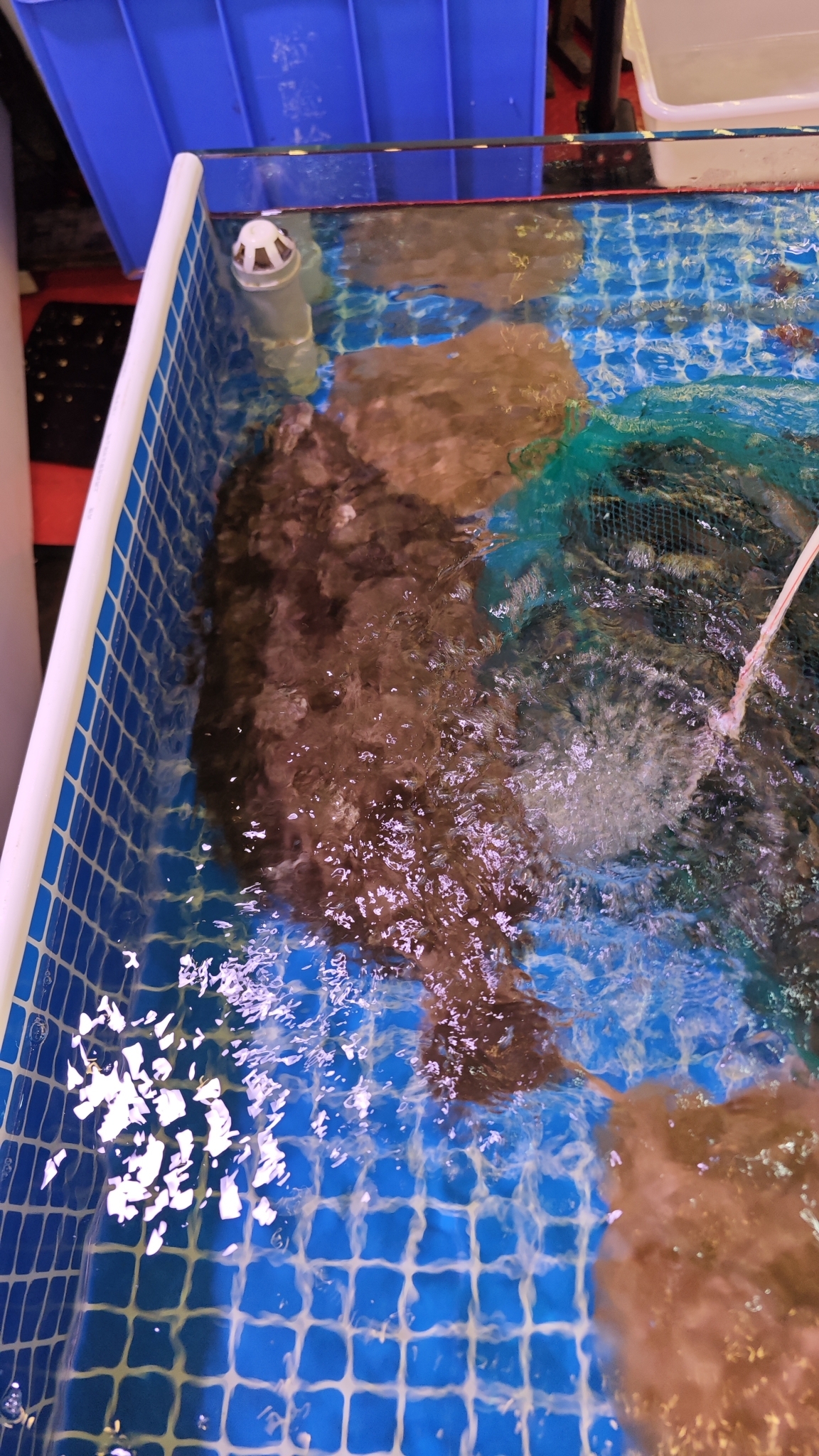
Slime flounder
A large, thick-bodied flounder that produces so much mucus that it comes aboard slippery and slack-skinned. It lives on sandy mud deeper than 50 m, grows slowly, and is prized in Kanto and Tohoku from winter to early spring, above all for its ovaries. In western Japan it is little known and cheap.
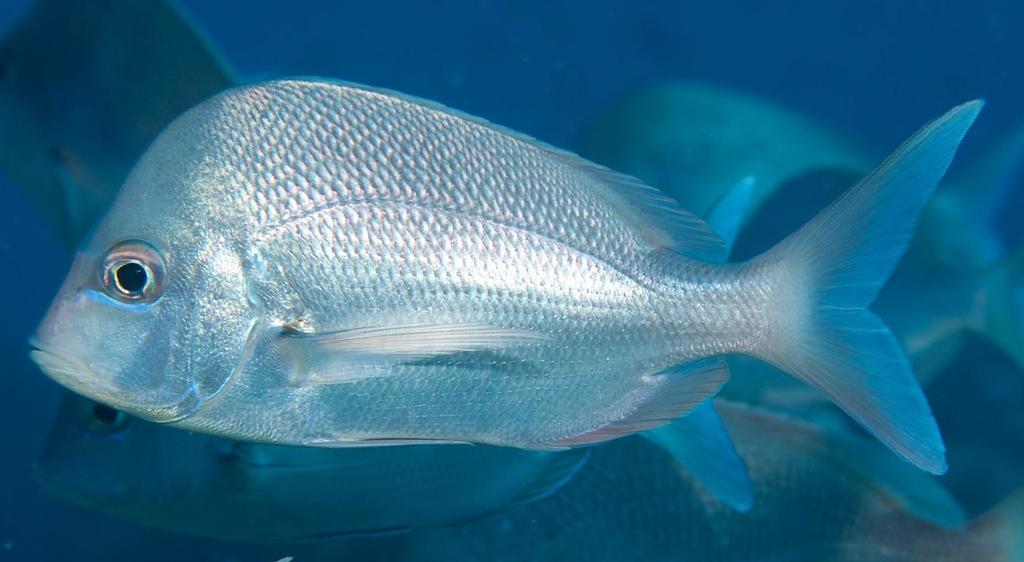
Slinger
Slinger is a western Indian Ocean sparid, from Mozambique and Madagascar to South Africa, where anglers know it by that name and Mozambican markets sell it as red stumpnose. It reaches 85 cm TL with a common length of 55 cm and matures at just 23 cm. It lives between 10 and 100 m. South Africa allows five fish a day at 25 cm TL, and boat bottom fishing and shore casting are the methods listed.
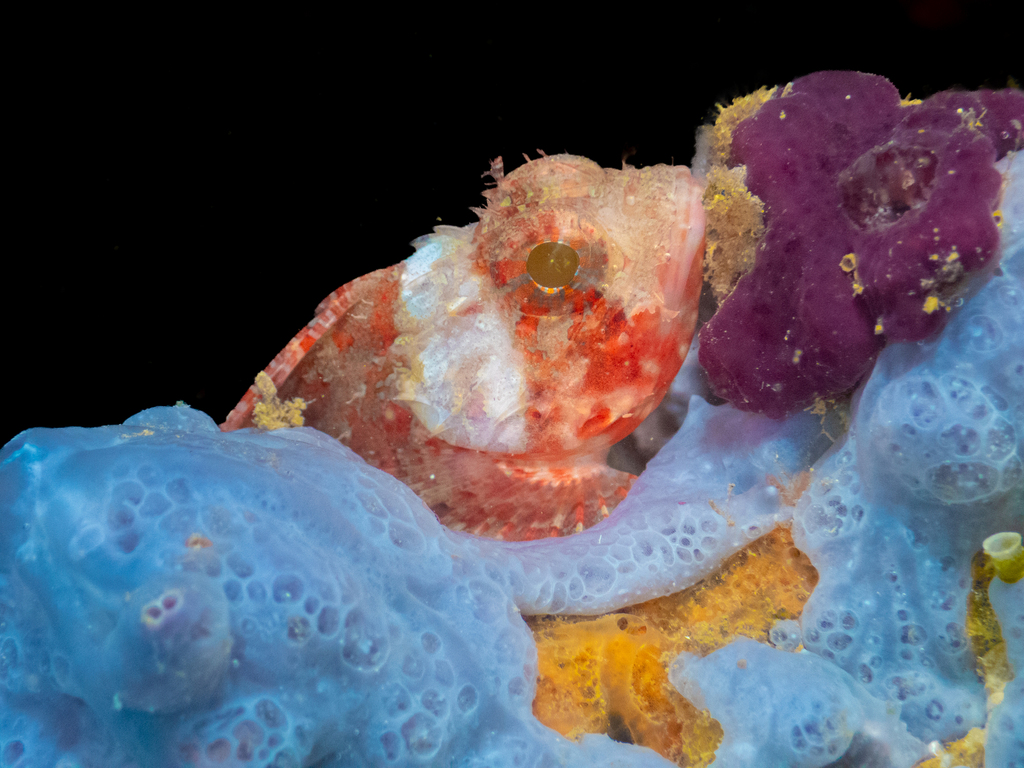
Small red scorpionfish
The small red scorpionfish is not hard to catch; it is hard to handle. It sits in shallow rock crevices in numbers, takes bait readily, and stays small enough that anglers relax around it, which is exactly when a dorsal spine finds a thumb. Read the pectoral fin and the snout before you touch the fish, and it becomes a predictable shallow-water target instead of an accident.
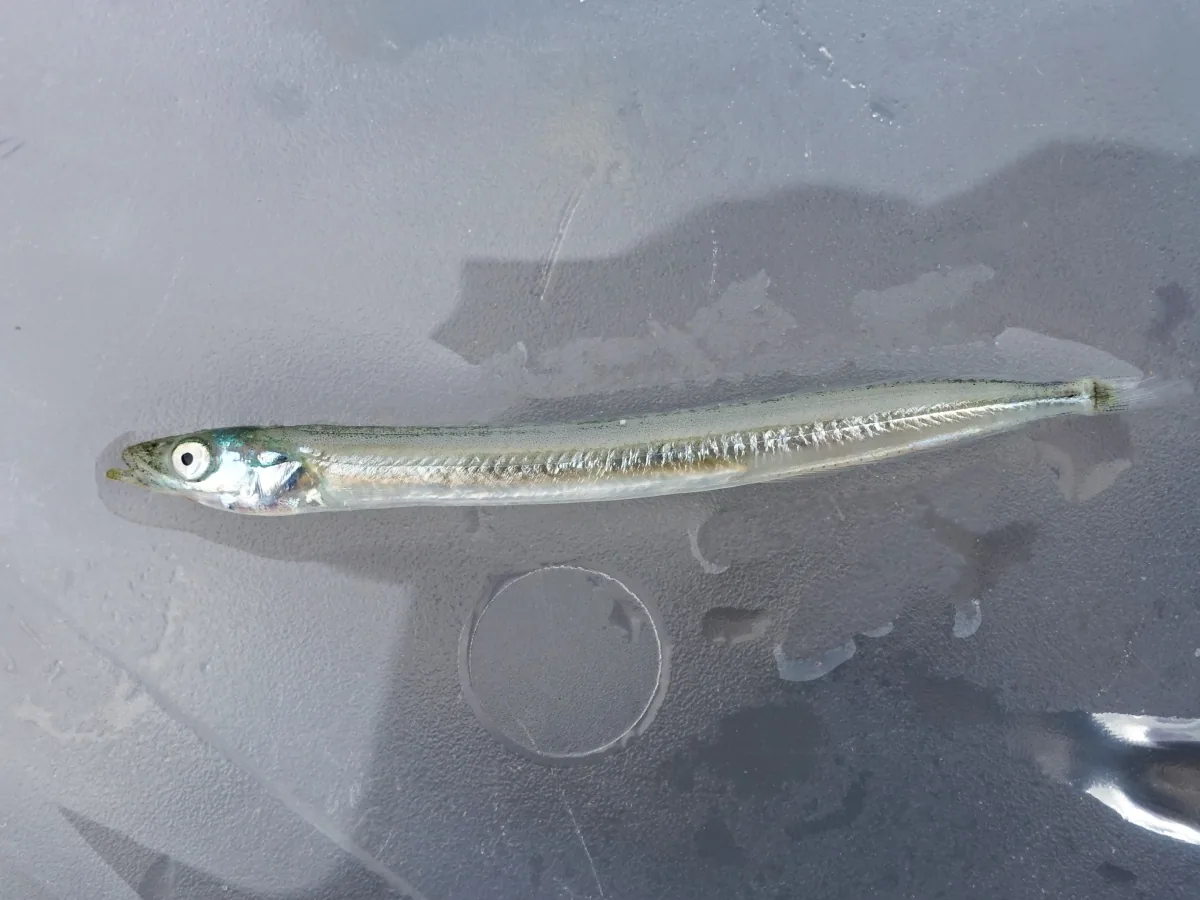
Small sandeel
The small sandeel is a slender ammodytid ranging through the Northeast Atlantic from Murmansk to Spain, with Iceland and the Baltic included; Mediterranean reports are treated as misidentifications. It lives from 1 to 96 metres over sand, estuaries and coast, and reaches only 20 cm. FishBase calls it highly commercial and notes that it is usually used as bait, which is the honest role it plays for anglers — 13 cm is the approximate length at first maturity.
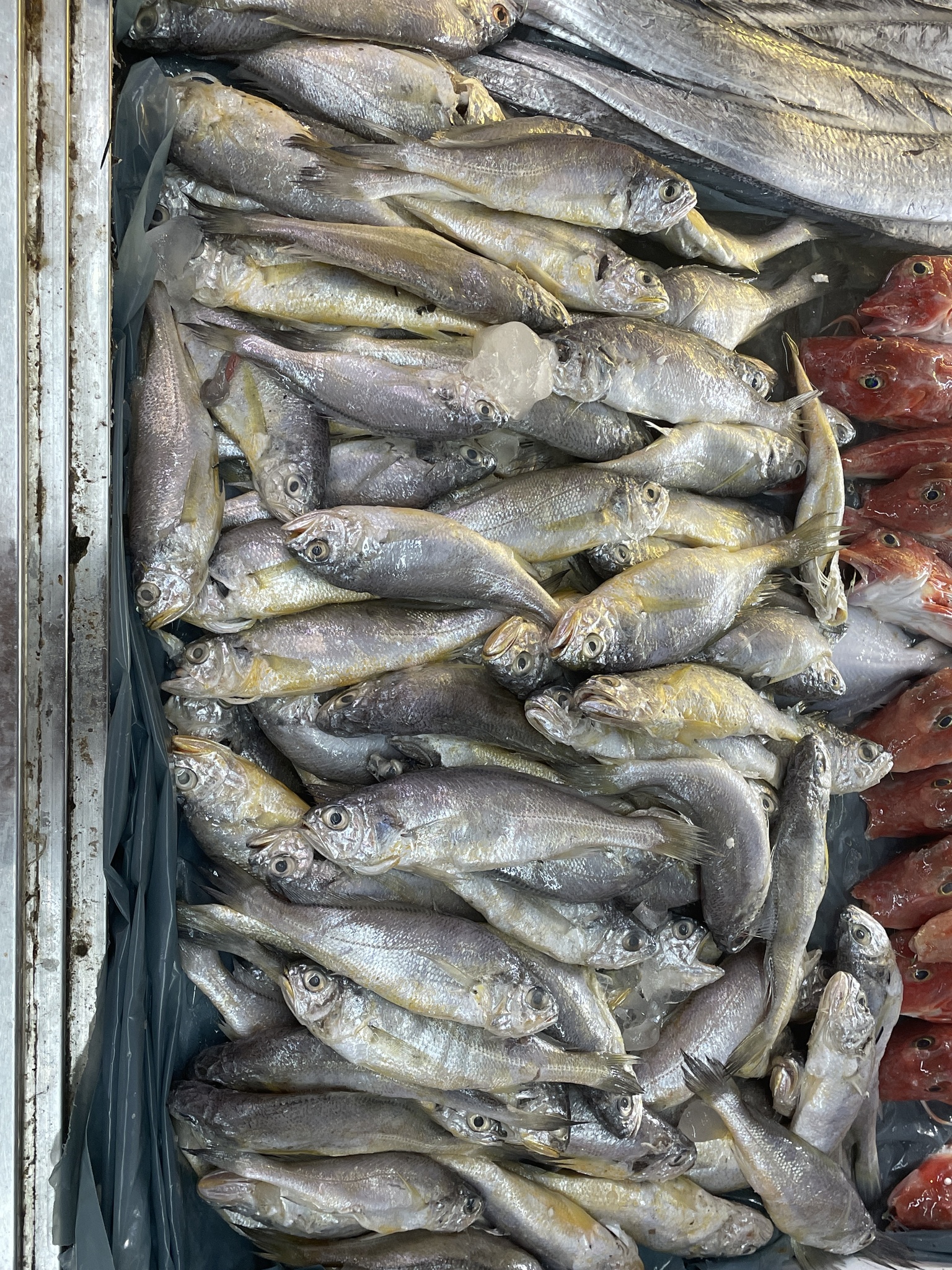
Small yellow croaker
Small yellow croaker is a sciaenid of the northwest Pacific, from the Yellow and East China seas, living shallower than 120 m in subtropical water. It reaches 40 cm and 0.1898 kg and can live 23 years. Boat bottom fishing or a small hook rig is the usual approach, with the season running March to June.
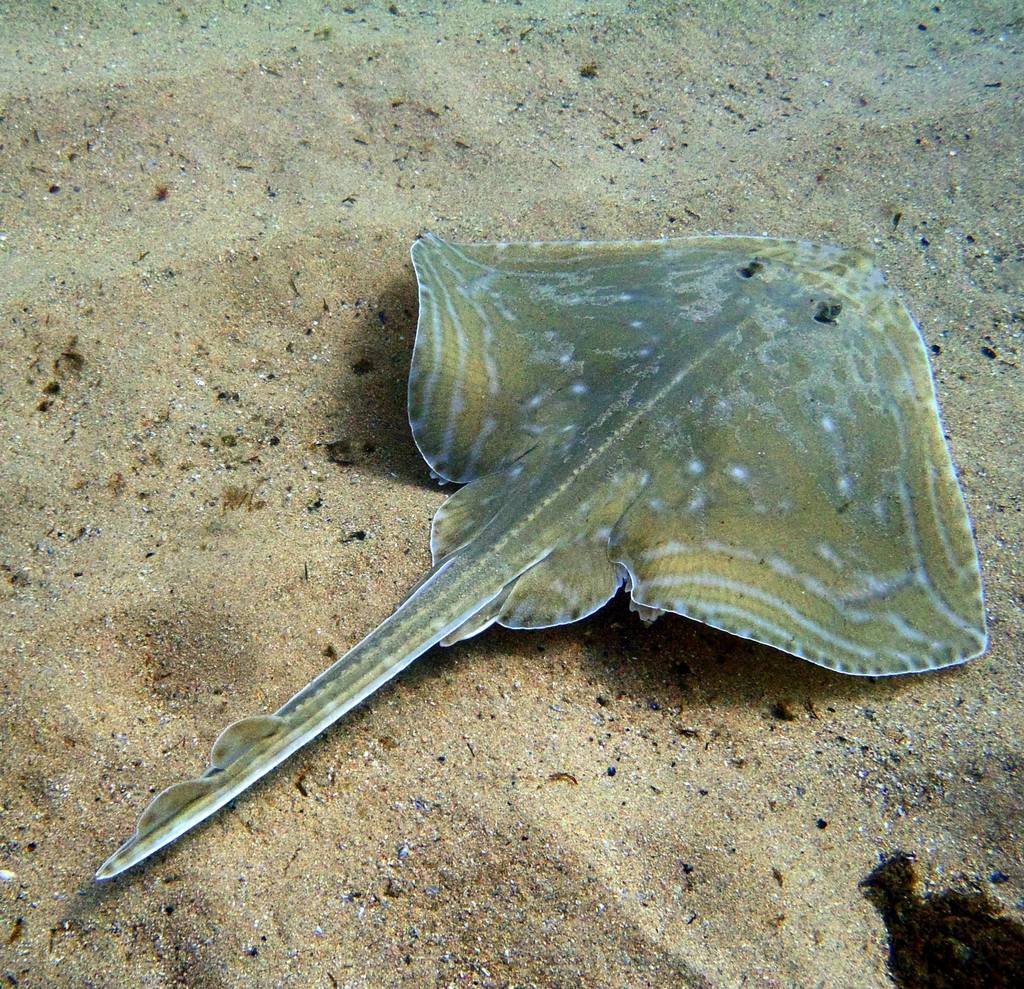
Small-eyed ray
Small-eyed ray is recorded across the Northeast Atlantic, from the British Isles southwards to Gibraltar and north-western Africa (Western Sahara and Mauritania), within the family Rajidae. It is caught shallower than 100 m, in temperate water. It tops out at 87 cm TL and 4.5 kg, on a diet of fishes.
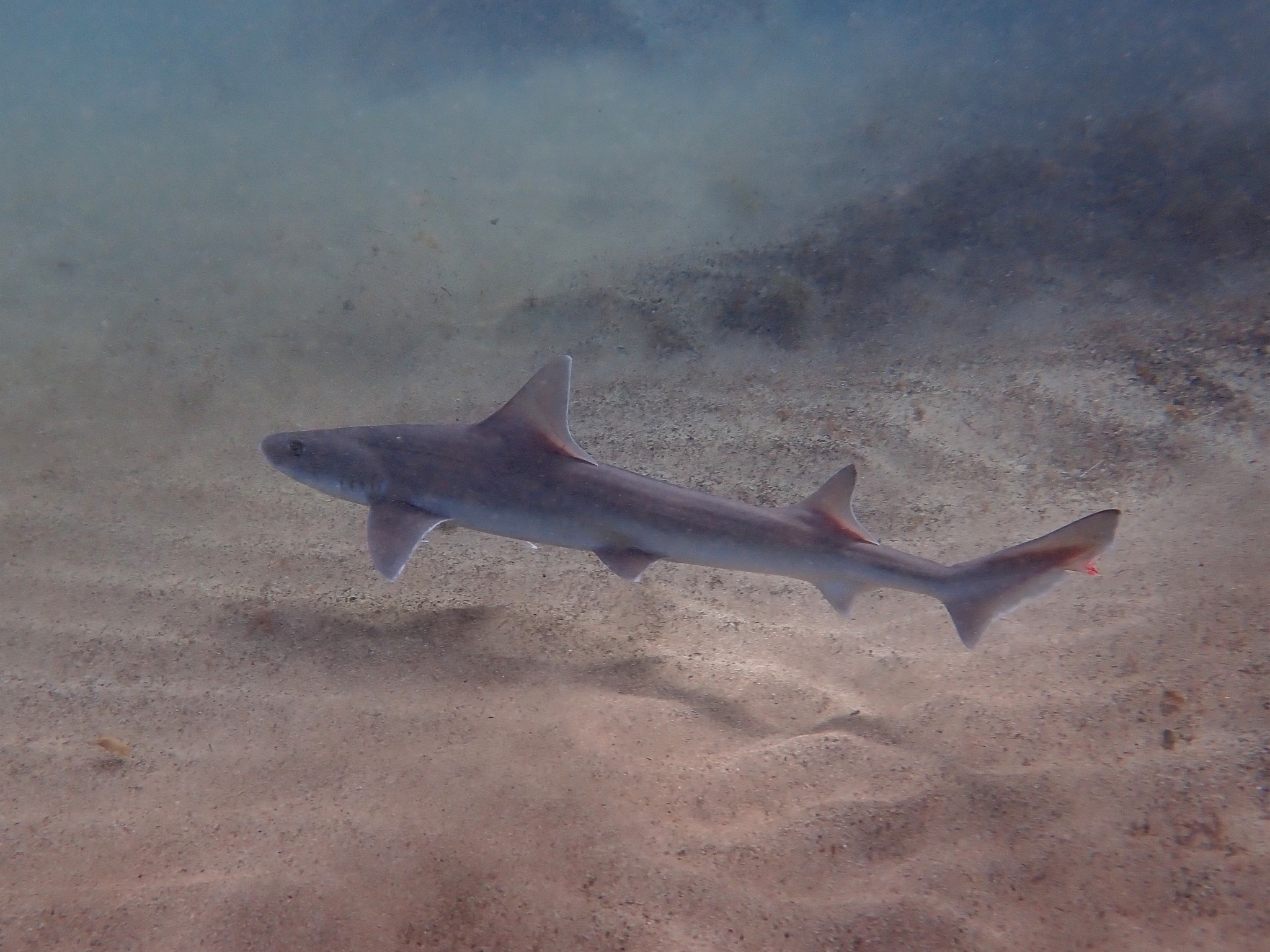
Smoothhound
Smoothhound is a triakid shark of the eastern Atlantic, from the UK through the Mediterranean and down the African coast to South Africa. It lives from 5 to 624 m in temperate water, reaches 200 cm, can live 24 years, and feeds on crustaceans, fish and molluscs. Boat bottom fishing is the usual approach.
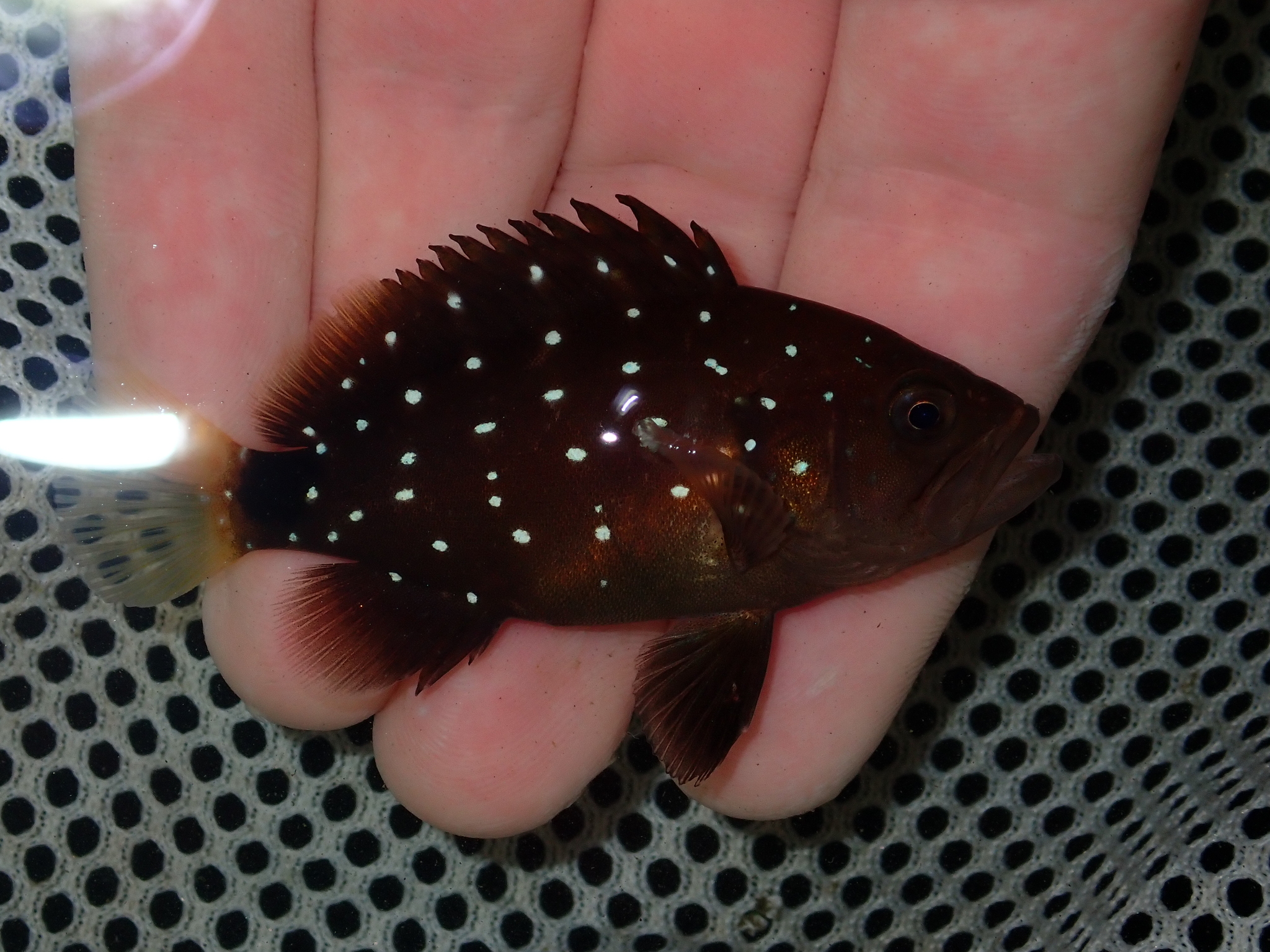
Snowy grouper
Snowy grouper is a deep-water Epinephelidae of the western Atlantic, from Canada and Massachusetts through the Gulf of Mexico and the Caribbean to southern Brazil. It is usually found at 100–200 m over rocky bottom, reaches 122 cm and 30 kg, matures near 54 cm and lives about 27 years.

Snubnose pompano
Snubnose pompano is a deep-bodied carangid of the Indo-Pacific, from the Red Sea and East Africa across to the Marshall Islands and Samoa, north to southern Japan and south to Australia. It is a shallow fish, recorded from just 1 to 7 m, and it is usually met where reef flat meets sand and mud. Adults reach 110 cm FL and 3.4 kg.
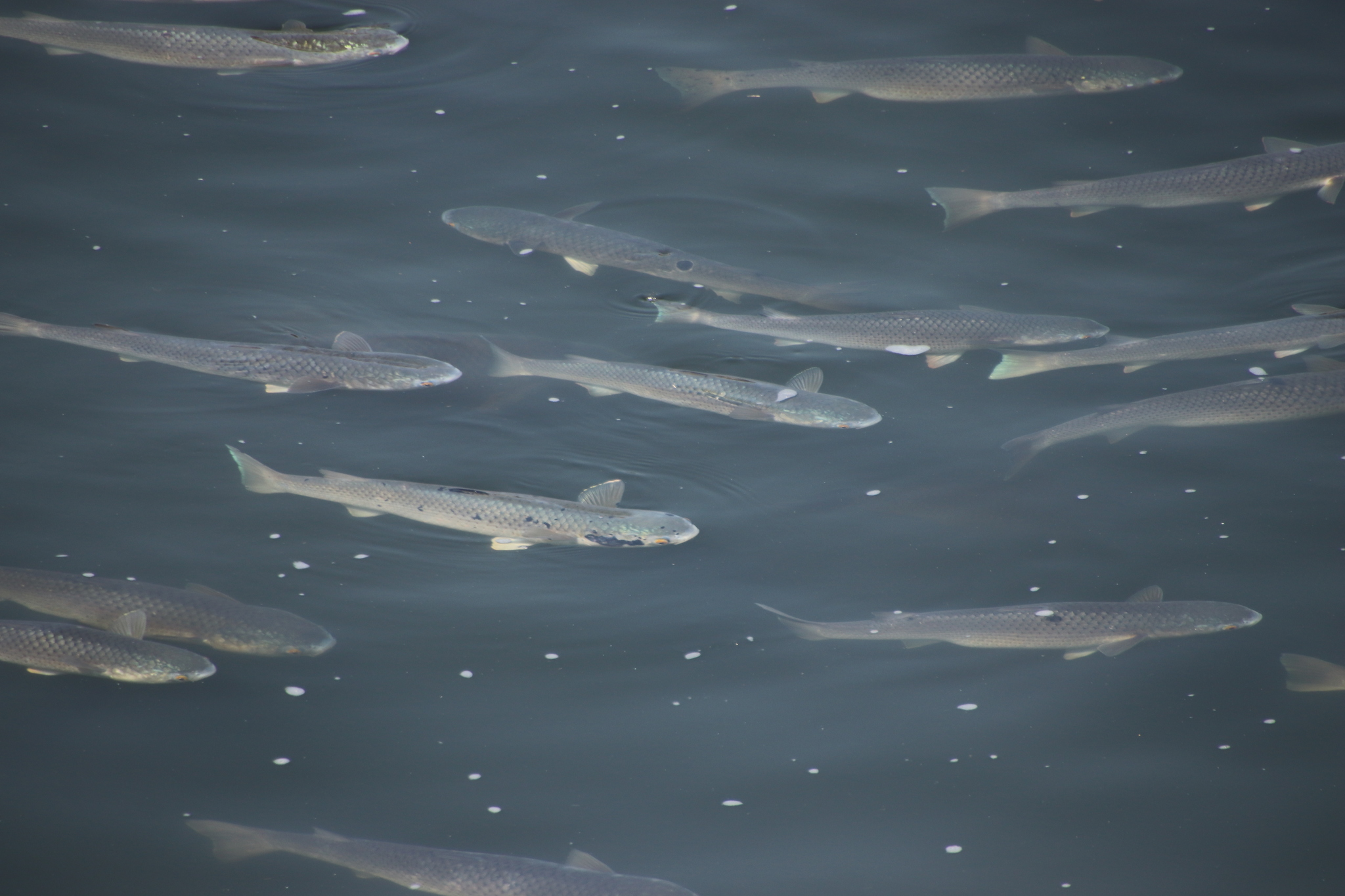
So-iuy mullet
So-iuy mullet is a mugilid of the northwest Pacific, from Hokkaido southward to Kyushu, Japan. It lives from 5 to 10 m in temperate water, reaches 80 cm TL and 5 kg. Its season runs from May to July.
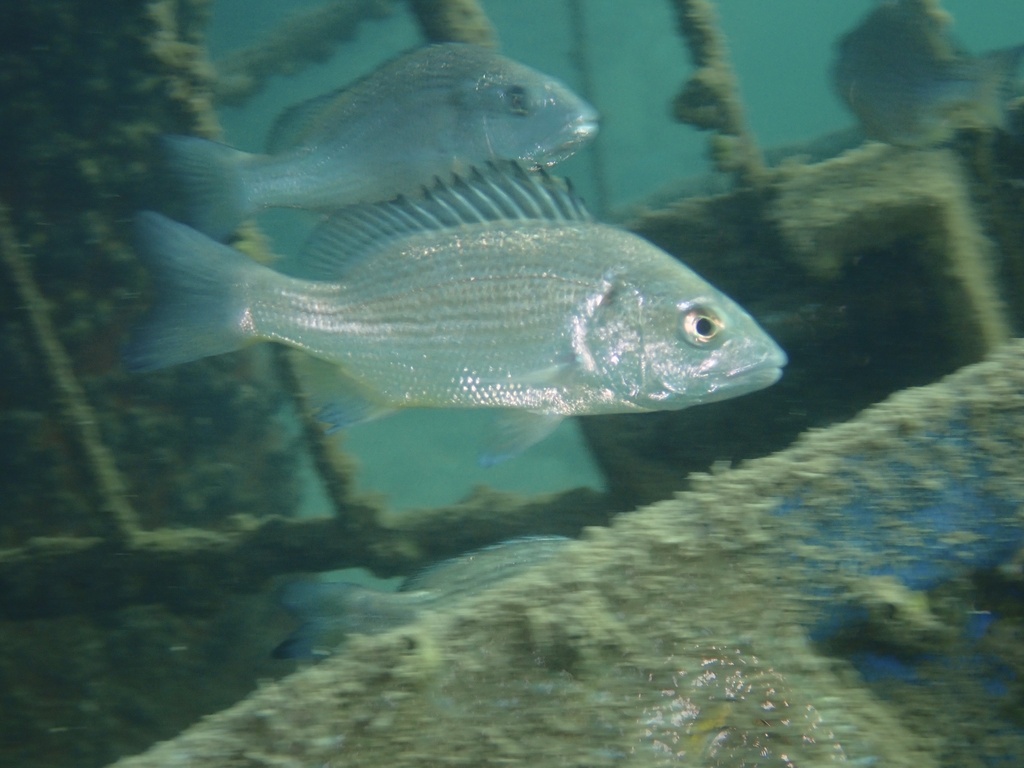
Sobaity
Sobaity is a Sparidae seabream of the Persian Gulf and the coasts of India, recorded from 1 to 50 m over demersal ground. It reaches 83 cm TL with a common length of 20 cm, and spawning has been recorded from February to March at a sea-cage site off Kuwait and Doha. It is carnivorous, marketed fresh and produced in aquaculture. Boat bottom fishing, drifting and jigging are the methods listed.
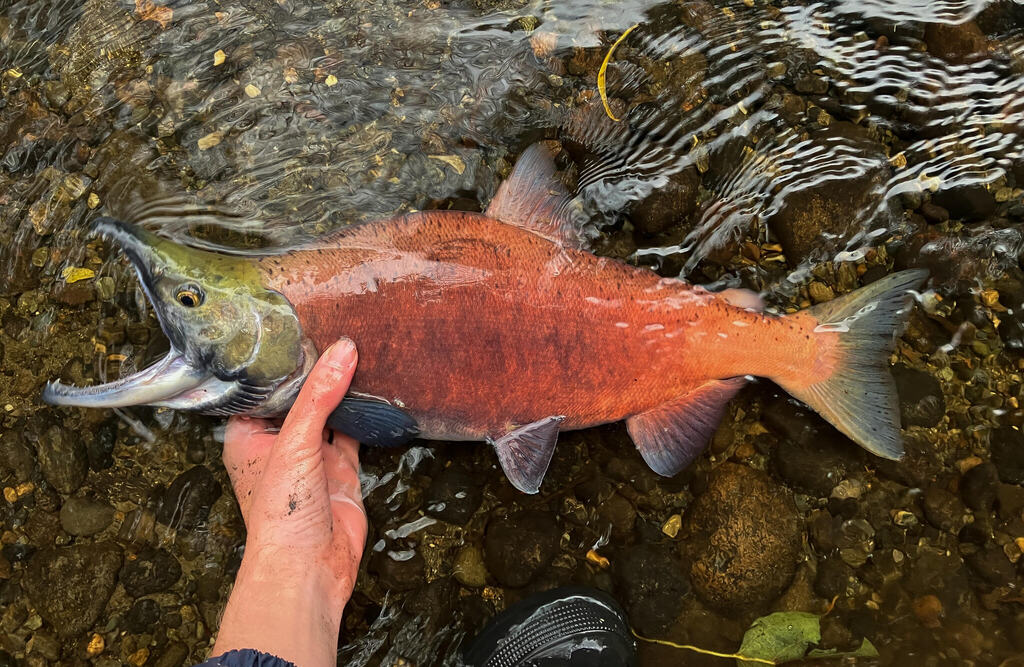
Sockeye salmon
Sockeye salmon is a salmonid of the North Pacific, from northern Japan and the Bering Sea to Los Angeles. It lives from the surface to 250 m in water of 0 to 25 °C, reaches 84 cm and 7.7 kg, can live eight years, and feeds on fish and zooplankton. Trolling or fly fishing is the usual approach, and it is recorded year-round.
Sordid grunt
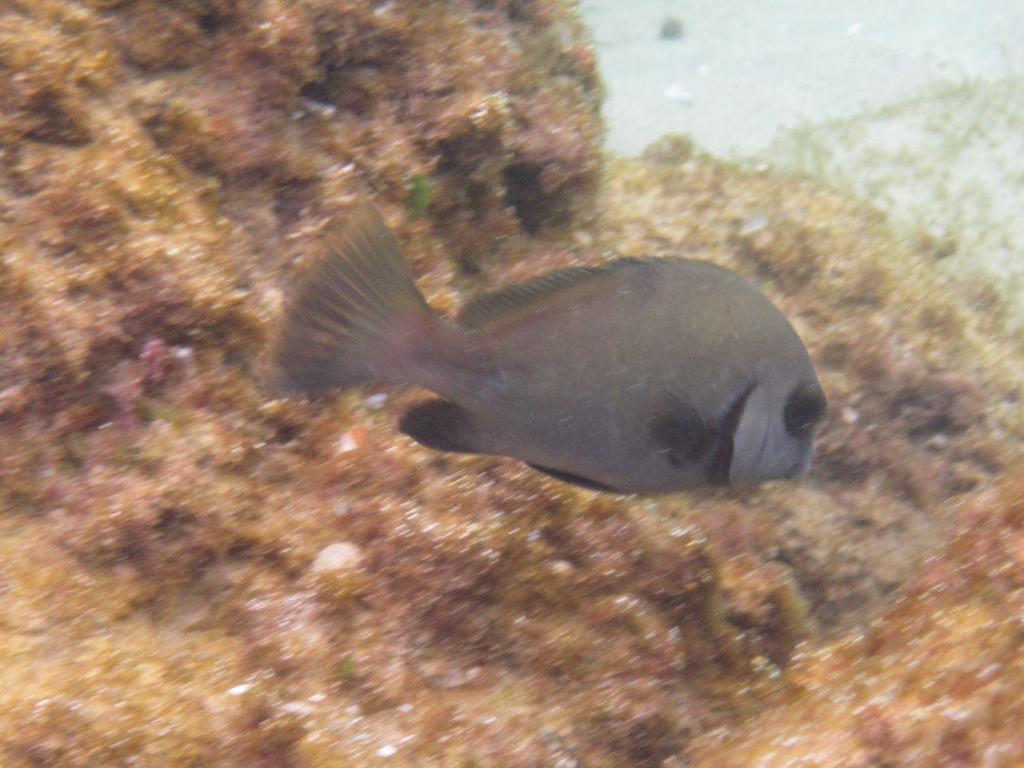
Plectorhinchus sordidus is a haemulid grunt with 12 dorsal spines and 17 to 18 soft rays, three anal spines and 7 to 8 soft rays. Adults are dark slate grey with thick orange-red lips; juveniles are paler and less distinctive. FishBase gives a maximum of 60 cm total length, maturity at about 26 cm and a maximum age of 14 years.
Southern bluefin tuna
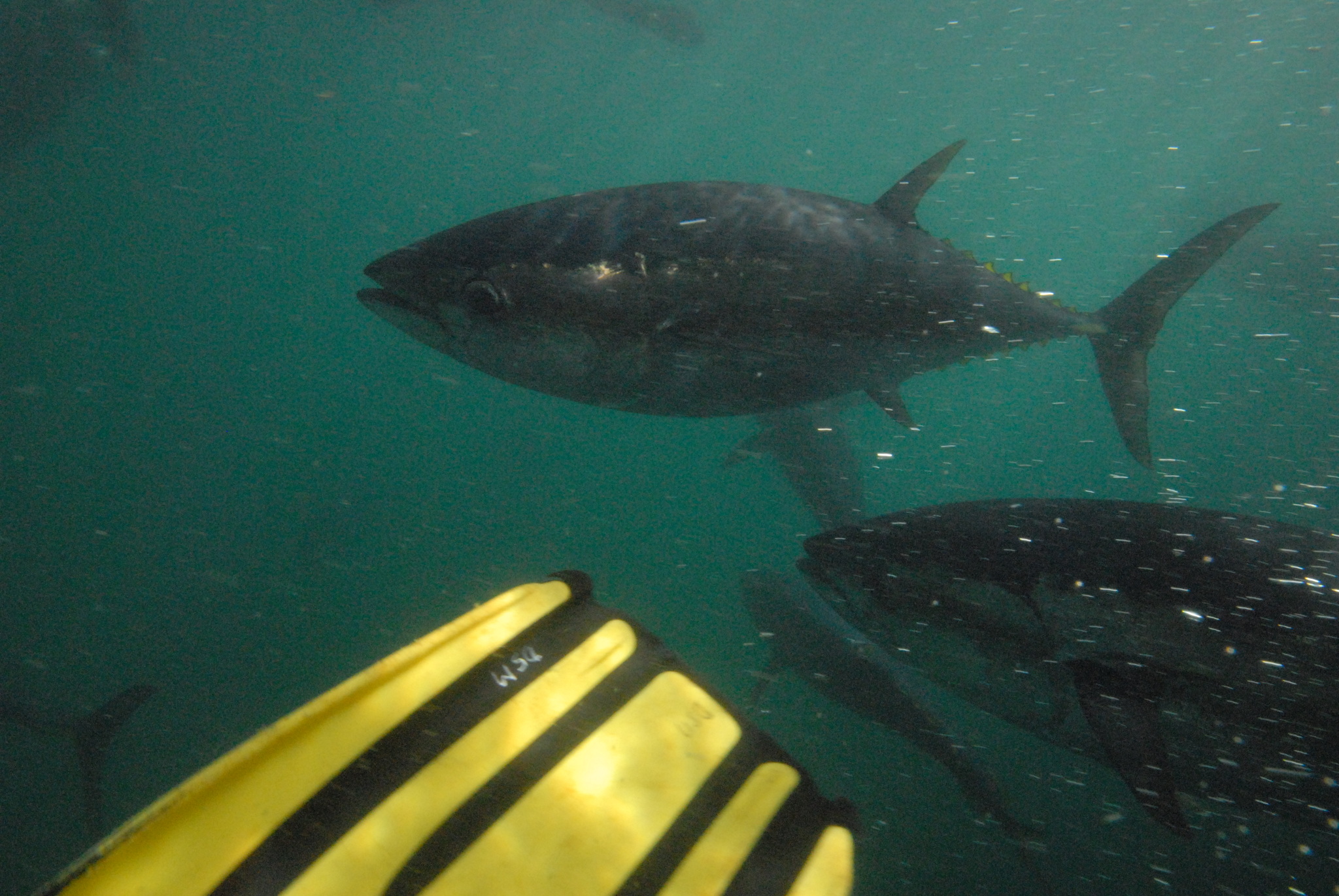
FishBase puts this species inside a temperate envelope: 5°C to 20°C, 10°S to 60°S. Two lines further down, its spawning grounds are listed between 7°S and 20°S, south of Java, and in the tropical eastern Indian Ocean. Both statements belong to the same record, and neither is a typing error. The first is a climate class applied to the whole page; the second is a list of dated observations.

Southern flounder
Across the Western Atlantic, from Virginia to Texas in USA, northern Mexico, south to Trinidad and Tobago, Southern flounder represents the family Paralichthyidae. This is a subtropical-water fish, recorded from 1 to 43 m. Adults run to 83 cm TL and 9.3 kg and prey on fishes. The usual approach is boat bottom fishing or shore casting.
Southern kingfish
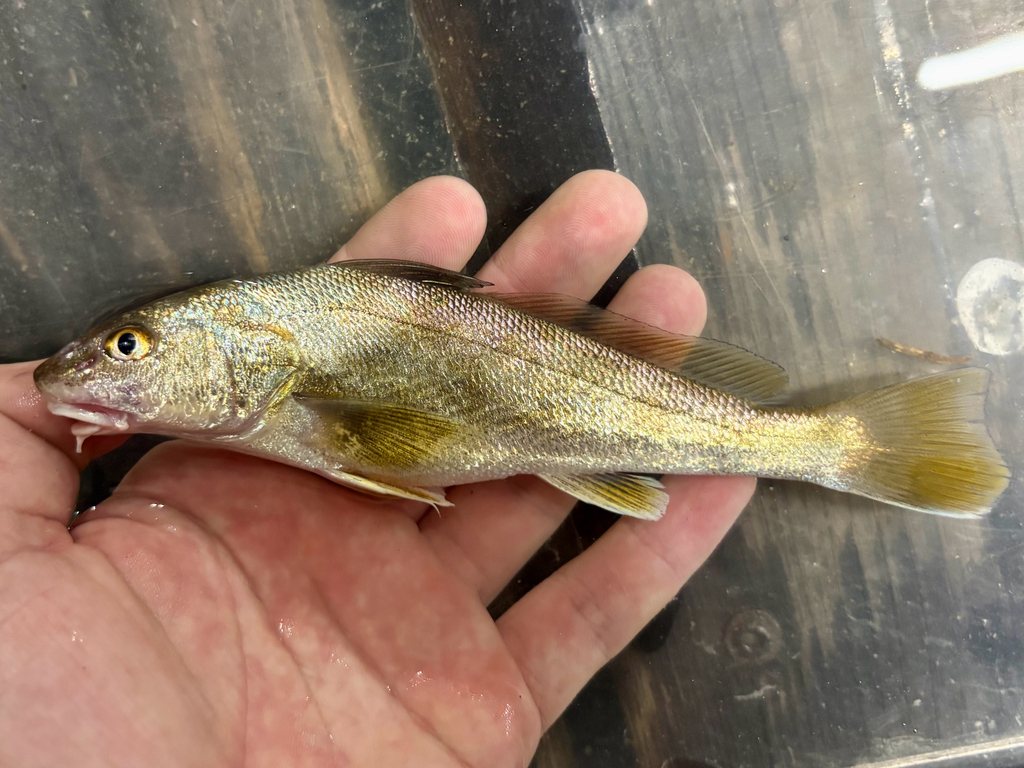
Southern kingfish is a slender, silver sciaenid of open sandy beaches from Cape Cod to Argentina, common in the surf trough and behind the first bar. It picks small crustaceans and worms from moving sand, reaches about 50 cm, and is caught on light two- or three-hook bottom rigs with shrimp or squid.

Southern red snapper
Southern red snapper is a lutjanid of the western Atlantic, from Cuba south through the Caribbean to northeastern Brazil. It lives from 26 to 340 m in tropical water, reaches 100 cm TL and 10 kg, can live 18 years, and feeds on fish, molluscs and zooplankton. It is present year-round.

Southern reef squid
Southern reef squid is a squid of the Indo-West Pacific, from Western Australia to northern New Zealand. It lives from the surface to 70 m in subtropical water, reaches 39.4 cm mantle length and 4 kg. Boat fishing, handline or eging is the usual approach.

Southern stingray
Southern stingray is a big western Atlantic ray, found from New Jersey and the northern Gulf of Mexico down to southern Brazil and through the Antilles. It works shallow ground in 0 to 53 m of subtropical water on a diet of fish, molluscs and worms. The disc can reach 200 cm and 135.6 kg, though most fish run about half that, and a maximum age of 28 years marks it as slow-growing.

Spangled emperor
Spangled emperor is a big, laterally compressed lethrinid of the Indo-West Pacific, from the Red Sea, Persian Gulf and East Africa across to southern Japan and Samoa. It works reef from 10 to 75 m and eats almost anything on the bottom, from crustaceans and fish to algae, worms and echinoderms. Adults reach 87 cm TL and 8.4 kg and can live 28 years. It is present year-round.
Spear squid
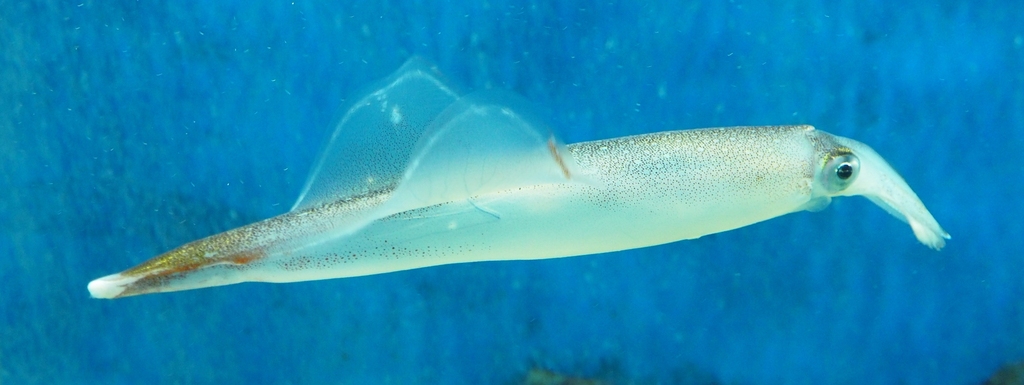
The description of this squid and the fishery for it do not sit on the same shelf. A catalogue entry calls it pelagic and puts it in the top hundred metres; the stock assessment that decides its catch describes a bottom trawl, working grounds where the animals are taken in the net. Both statements are true, and neither is useful without the other.
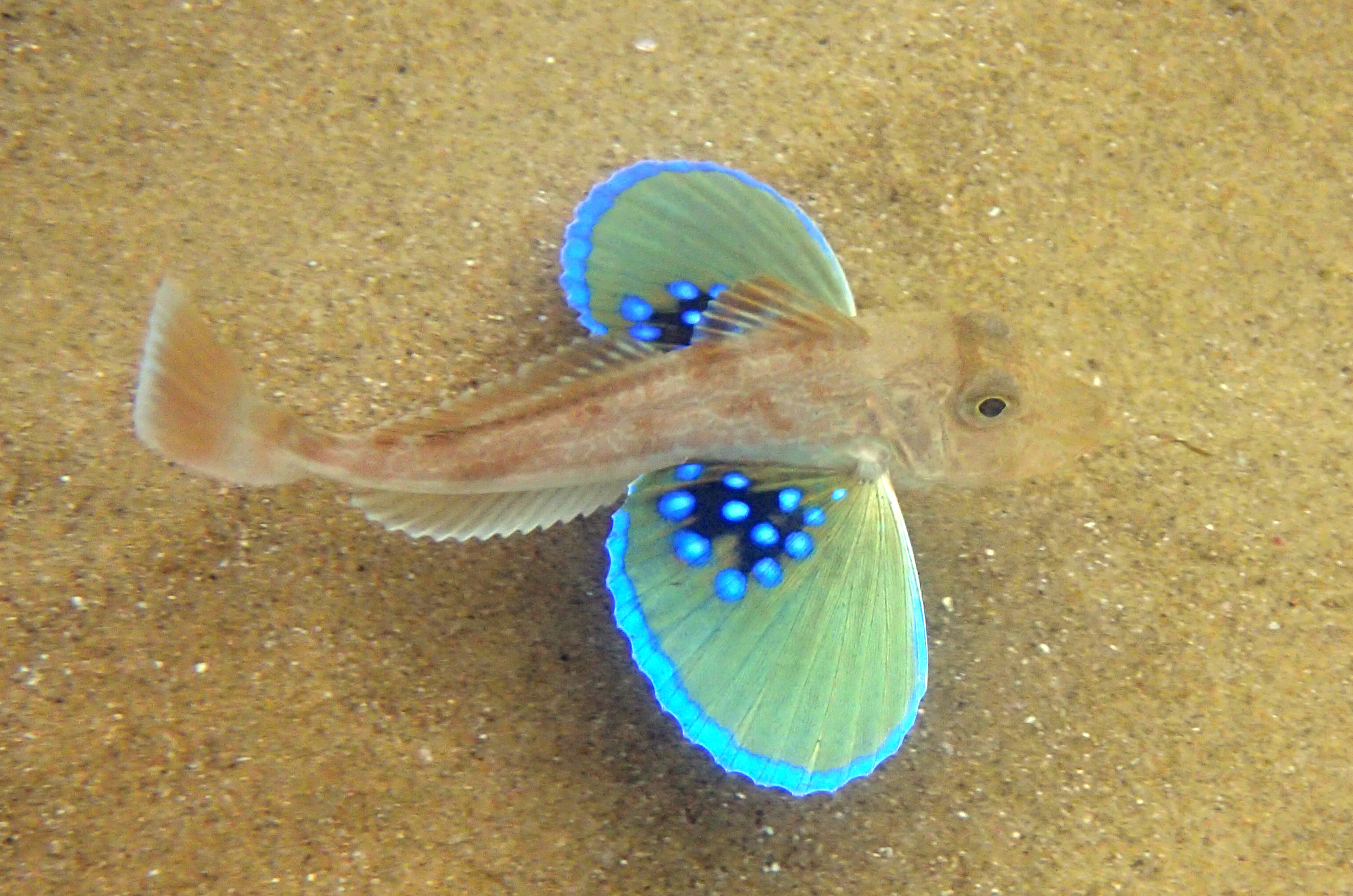
Spiny red gurnard
Spiny red gurnard is a bottom-dwelling triglid of the northwest Pacific, from southern Hokkaido to the South China Sea. It lives from 25 to 615 m in tropical water, reaches 40 cm TL and 0.95 kg, and has a wide depth range.
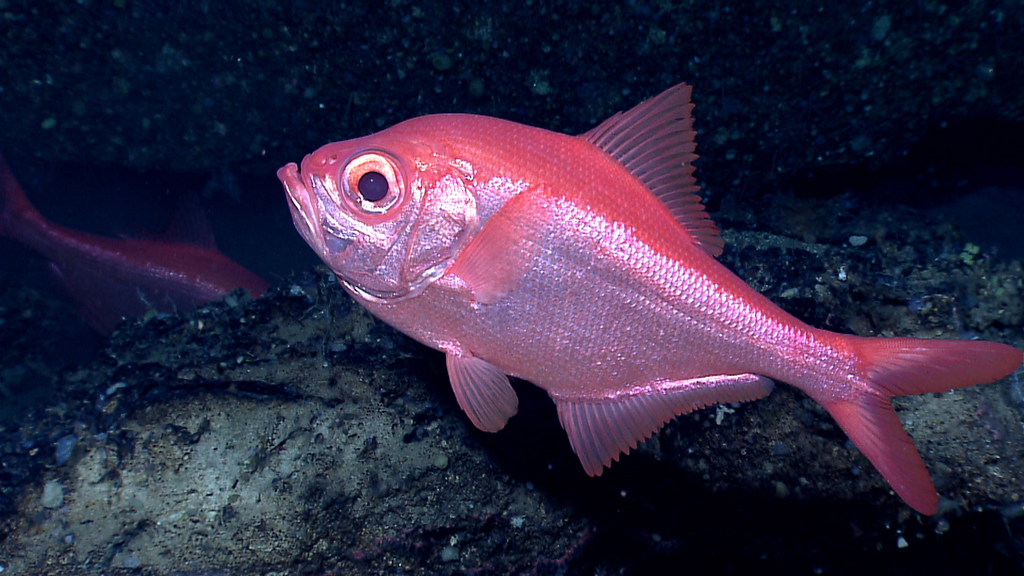
Splendid alfonsino
Splendid alfonsino is a berycid of deep reef slopes in the eastern Atlantic, western Atlantic, Gulf of Mexico, eastern Pacific and Mediterranean. It lives from 25 to 1,300 m in subtropical water, reaches 70 cm TL and 4 kg, can live 23 years, and feeds on crustaceans, fish and molluscs. It is recorded from November to February.

Spot
Spot, a member of the family Sciaenidae, is found across the Western Atlantic, from Massachusetts to northern Mexico. Its depth range is shallower than 60 m, in subtropical seas. It grows to 36 cm TL and 0.45 kg, with a diet of crustaceans, worms and detritus. The usual approach is boat bottom fishing or shore casting. The season runs January to December.
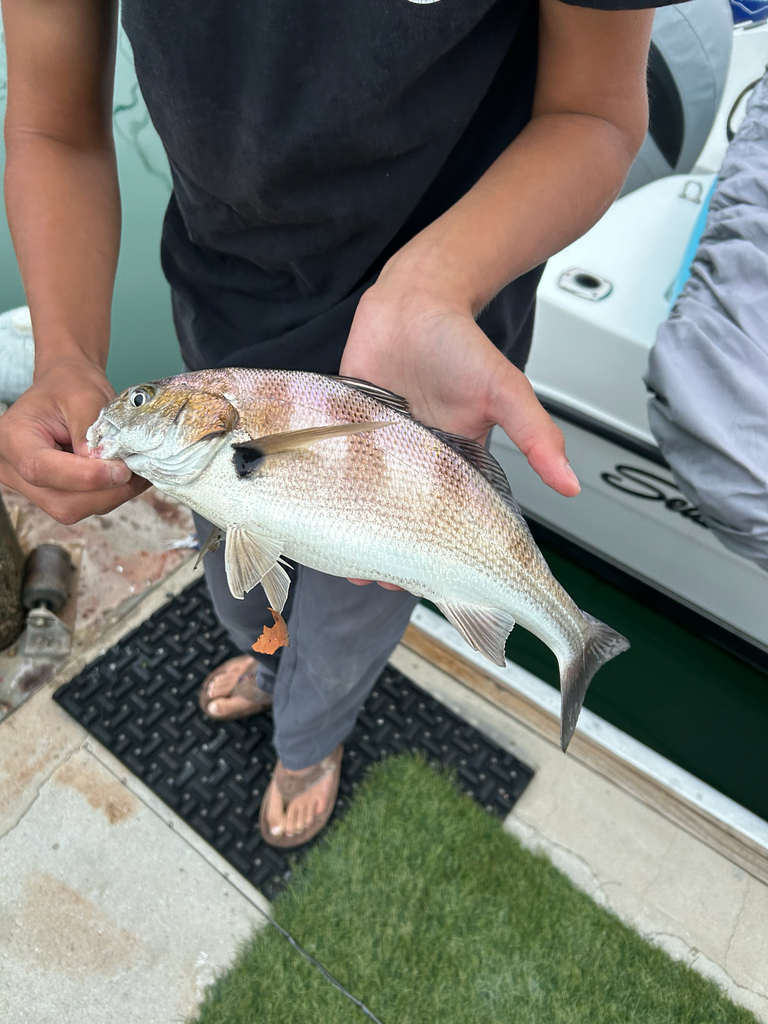
Spotfin croaker
A black patch at the base of the pectoral fin is the easiest identification on the beach: a silver-grey body, no vertical bars, and the mark at the fin root settles the species. It is also the big-fish option among Southern California's croakers, and a 70 cm record means the same light surf rig sometimes hooks something it cannot hold.
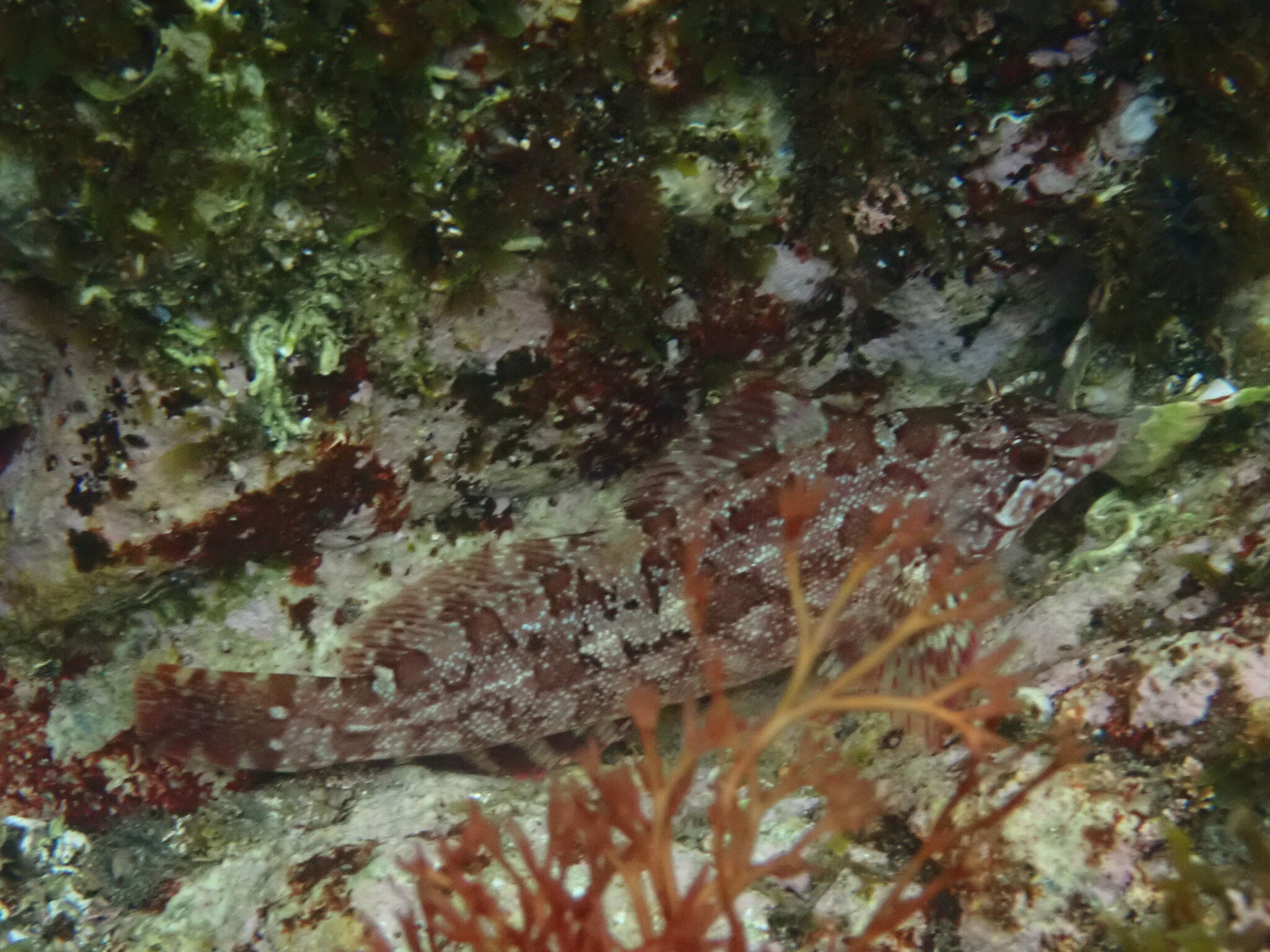
Spothead greenling
Spothead greenling is a bottom fish of the northwest Pacific, from Japan and the Korean Peninsula to the Yellow Sea. It lives in temperate water, reaches 30 cm, and feeds on fish and algae. Boat bottom fishing or rock fishing is the usual approach, and it is recorded in the colder months, from November to January.
Spotted coral grouper
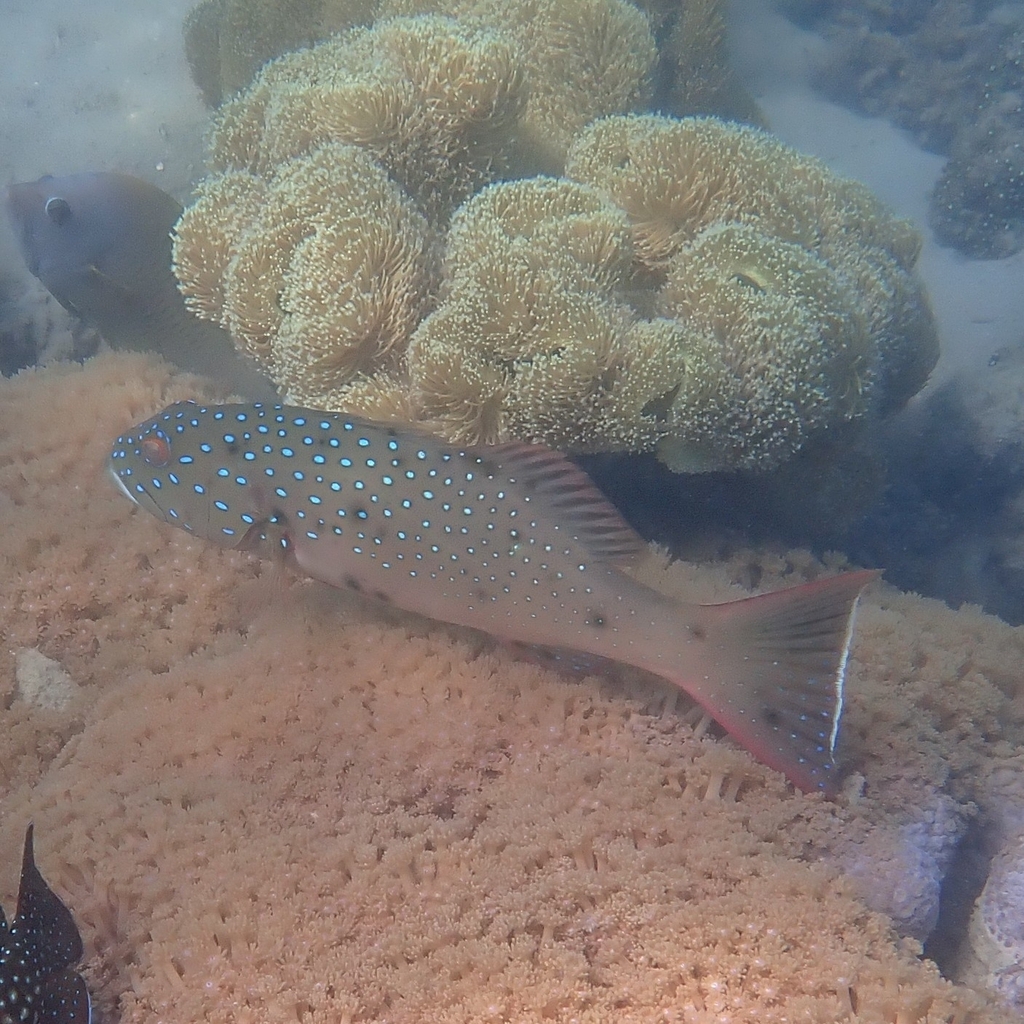
Spotted coral grouper is a western Pacific reef grouper, from Thailand, Singapore, the Philippines, Indonesia, Papua New Guinea, the Arafura Sea and the Solomon Islands to Australia (Houtman Abrolhos to Gladstone). It lives on coastal reefs at 5–100 m, preferring mixed algae and coral, common on inshore reefs and scarce on clear offshore reefs; juveniles use shallow coral rubble, and adults make short spawning migrations and aggregate.
Spotted flounder
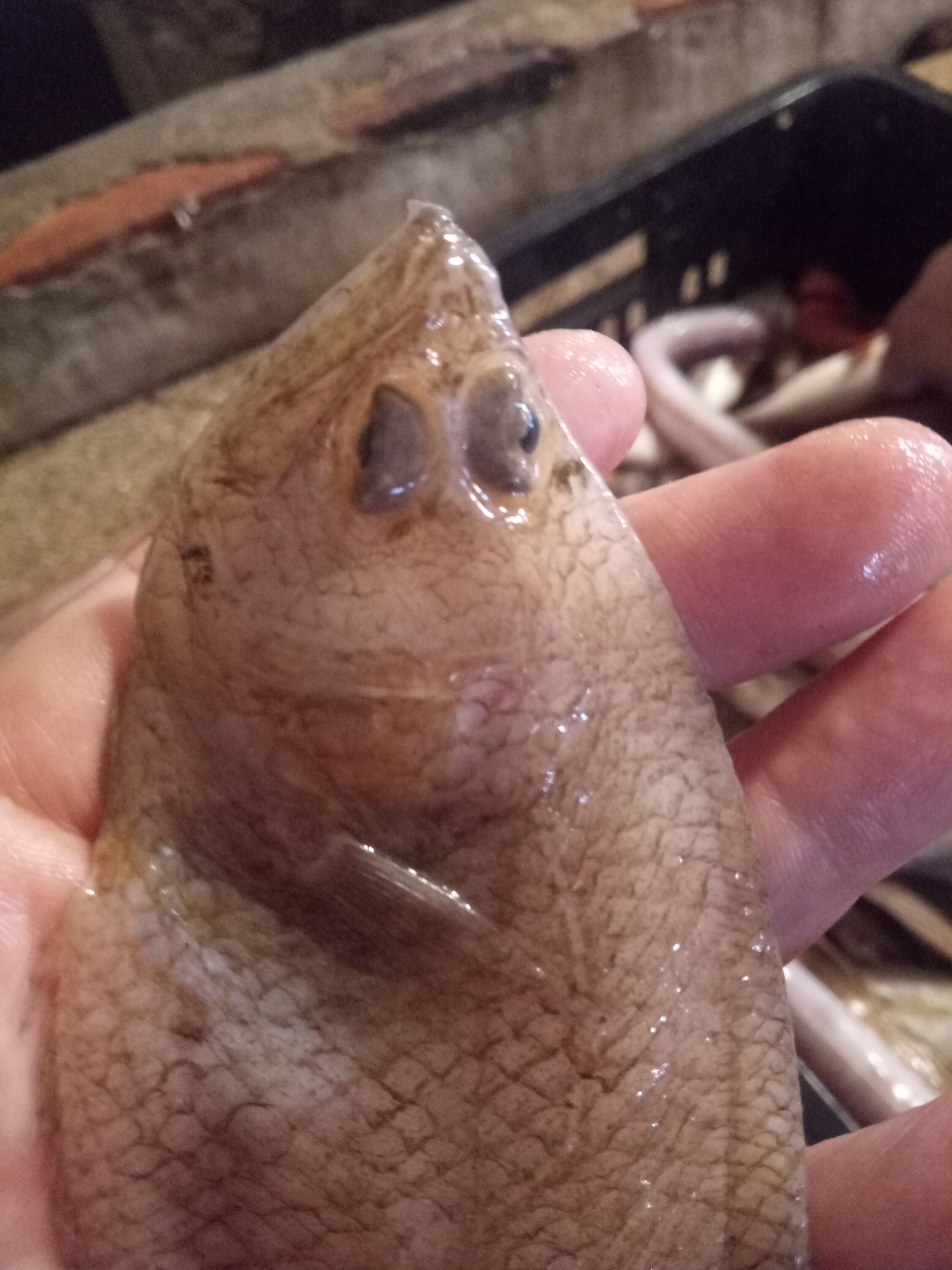
The spotted flounder is a left-eyed flatfish: lying on sand or mud, the side facing up is its left, and both eyes sit there. It does not hide in rock. It presses itself into soft sediment and relies on low contrast, which means catching one starts with accepting a flat that looks like it holds nothing at all.
Spotted grunter
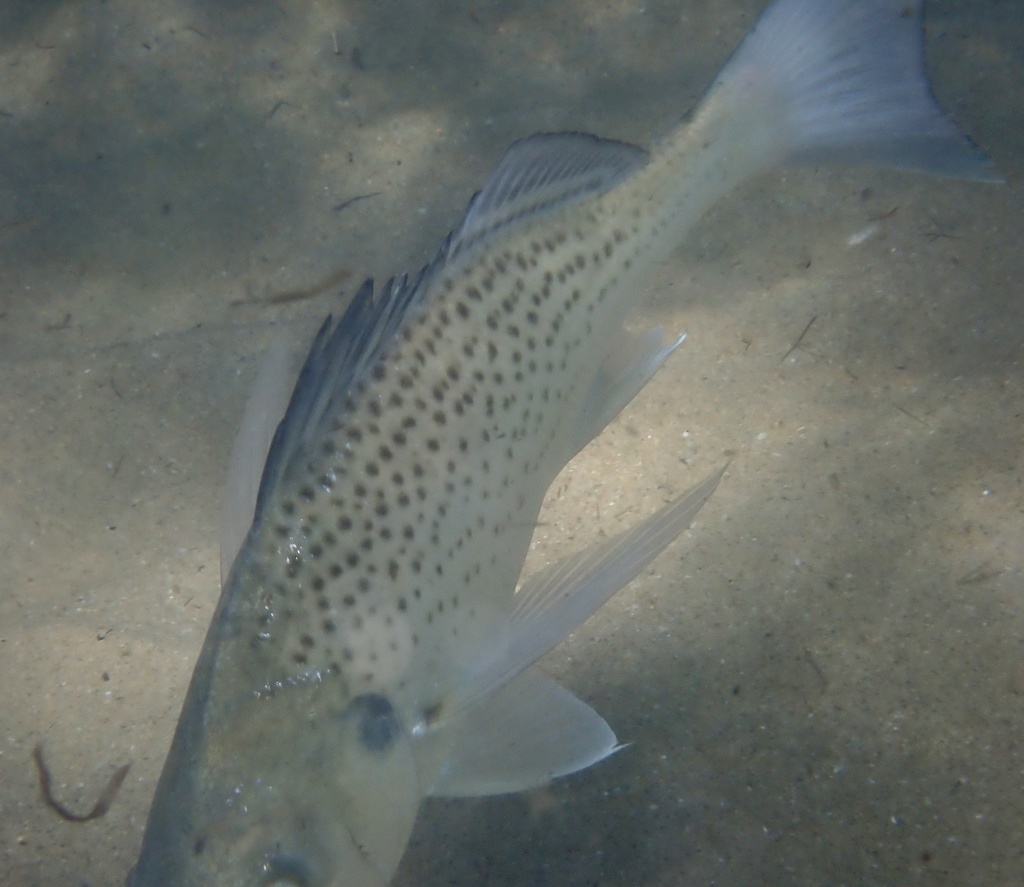
Pomadasys commersonnii is the spotted grunter, a haemulid recorded to 80 cm TL with maturity from 38 cm. Its range runs from the Western and Eastern Cape through East Africa and the Persian Gulf to Madagascar and the north-west coast of India. South Africa allows 5 fish per person per day at 40 cm TL.
Spotted knifejaw
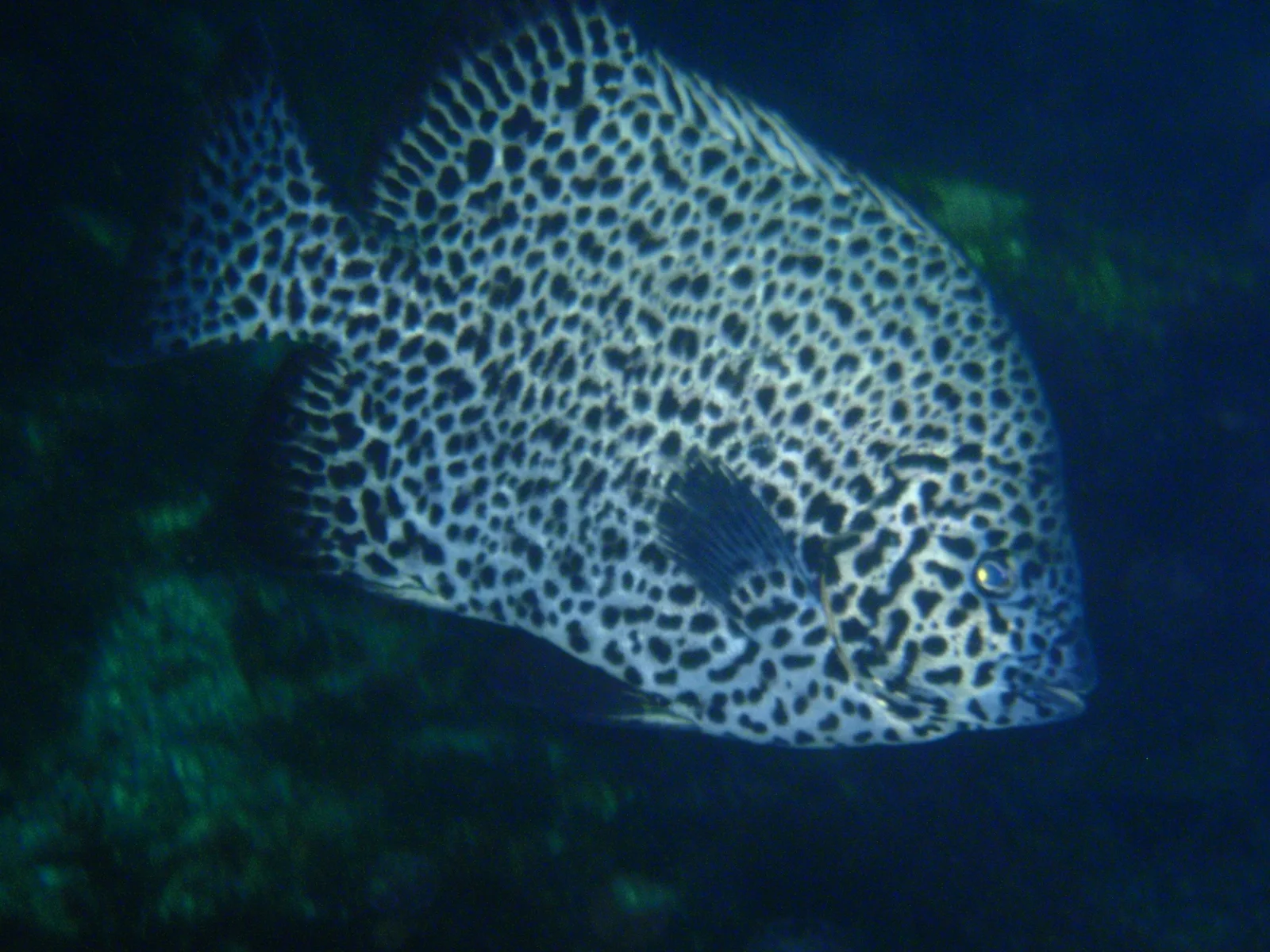
Spotted knifejaw is an oplegnathid of the western Pacific, from central Honshu to the South China Sea. It lives from 3 to 135 m in tropical water, reaches 86 cm and 12.1 kg, and feeds on algae. Rock fishing or boat fishing is the usual approach.

Spotted ray
Spotted ray is a medium-sized rajid of the eastern Atlantic, from the Shetlands, southern North Sea and western Baltic down to Mauritania, and into the western Mediterranean as far as Tunisia and western Greece. It is a broad, rounded disc scattered with dark spots, and it works 8 to 530 m of temperate water on crustaceans, fish, molluscs and worms. Fish reach 102 cm TL and can live 18 years.
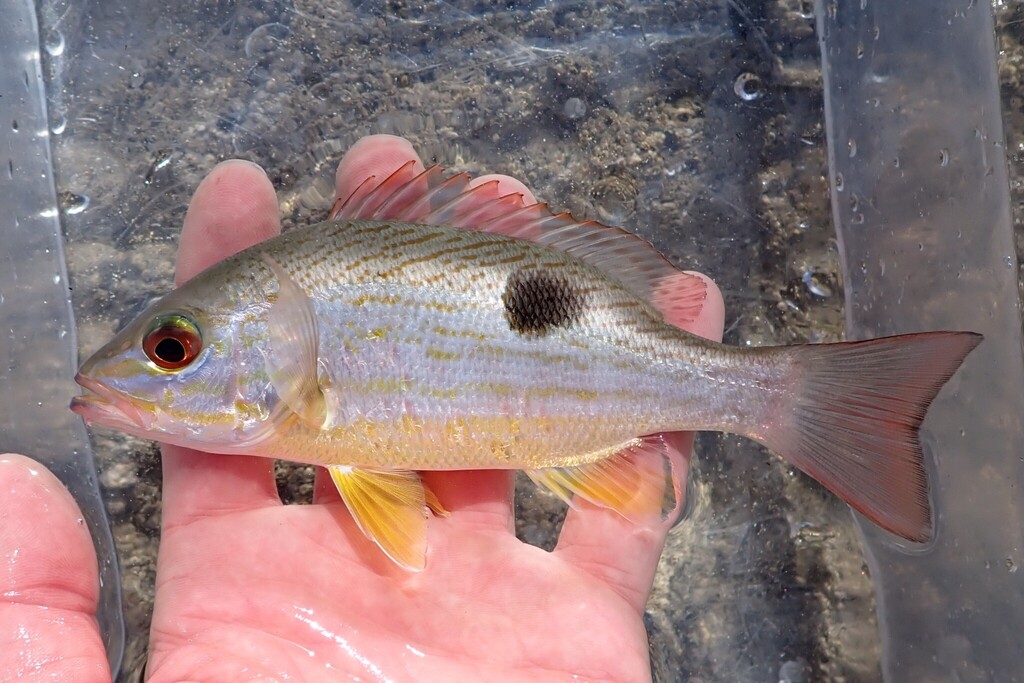
Spotted rose snapper
A spotted rose snapper can be a farmed product, a restaurant fish and a wild reef fish in the same week. In Mexico it has sold for US$5–8 per kilogram, and a laboratory in Mazatlán has closed its full generation cycle in captivity. The wild record is stranger: a maximum length of 105 cm paired with a 1.3 kg maximum weight.
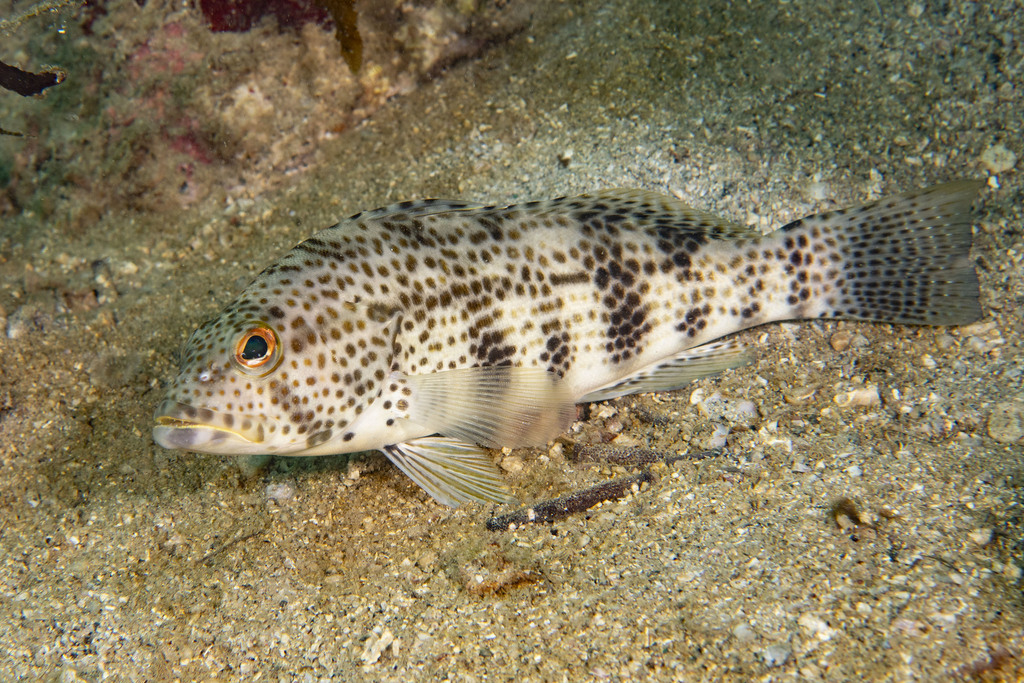
Spotted sand bass
Of the three Paralabrax basses, this is the one that speaks in spots: small dark speckles cover the upper body and fins, with none of the pale blotches of a kelp bass and none of the vertical bars of a barred sand bass. It is also the smallest of the three at 60 cm, and it stays in bays and eelgrass, which makes it a quieter target than the other two.
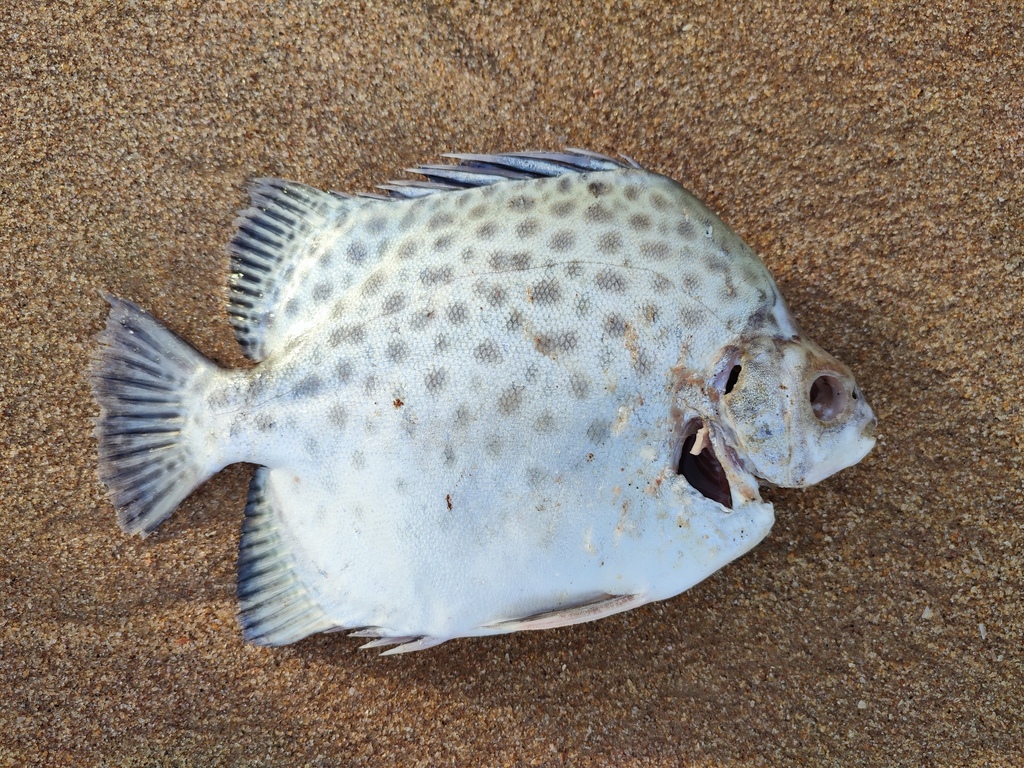
Spotted scat
Spotted scat is an Indo-Pacific euryhaline fish, from Kuwait to Fiji, north to southern Japan and south to New Caledonia. It lives at 0 to 5 m in 20 to 28 degrees C in harbours, embayments, estuaries, mangroves and the lower reaches of freshwater streams, and it is amphidromous. It reaches 45 cm TL with a common length of 20 cm and maturity at about 14 cm. Bottom fishing and lures are the methods listed.
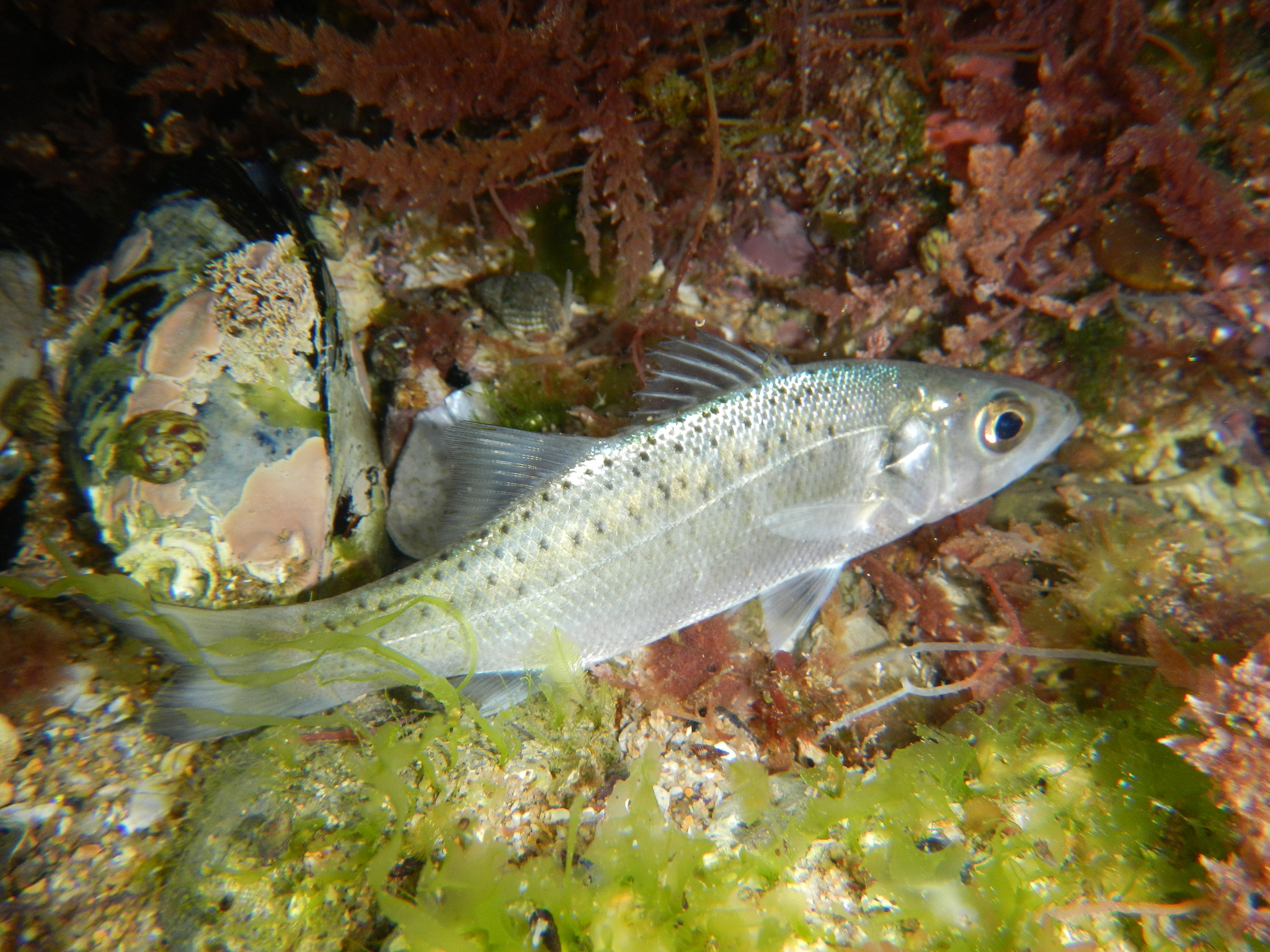
Spotted seabass
Spotted seabass is recorded across the Eastern Atlantic, from English Channel (occasional) southward along the coasts of Europe and Morocco to Senegal and the Canary Islands, within the family Moronidae. It is caught deeper than 30 m, in subtropical water. It tops out at 70 cm TL, on a diet of fishes. Anglers target it by shore casting or boat fishing. The season runs January to June.
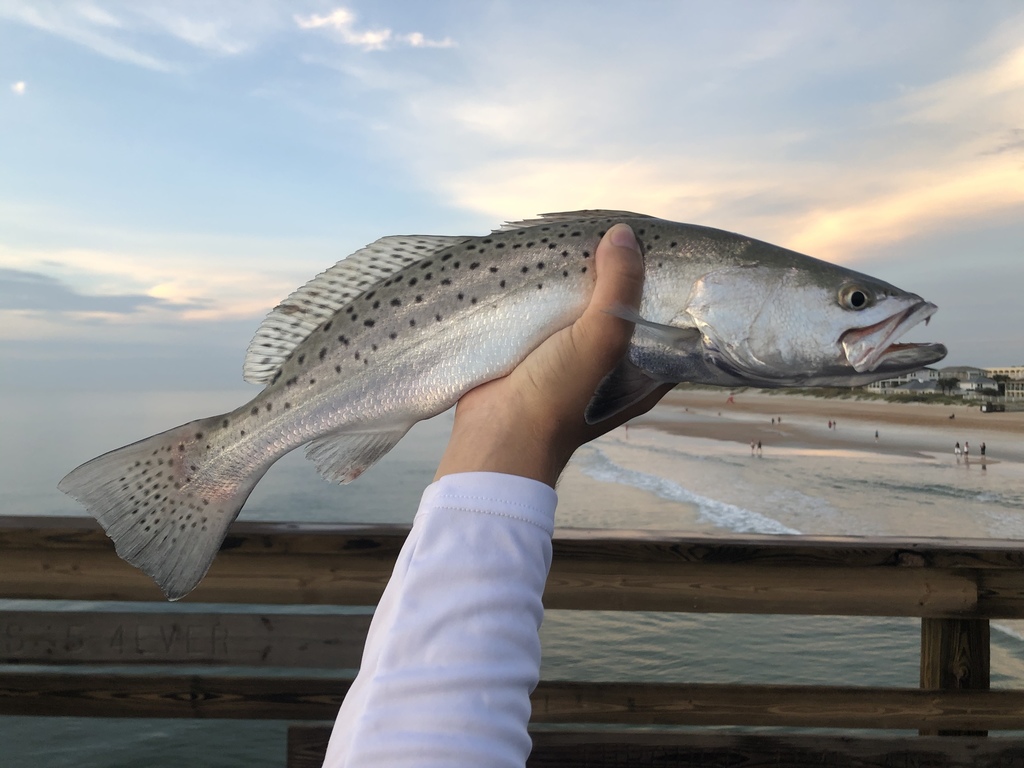
Spotted seatrout
Across the Western Atlantic, from New York to southern Florida in USA and the entire Gulf of Mexico, Spotted seatrout represents the family Sciaenidae. This is a subtropical-water fish, recorded deeper than 10 m. Adults run to 100 cm TL and 7.9 kg and prey on crustaceans and fishes. The usual approach is shore casting or boat fishing. It is present year-round.

Spotted wolffish
Spotted wolffish is a long, heavy-bodied bottom fish of the North Atlantic and adjacent Arctic. It lives between 25 and 600 m, grows to 180 cm and 27.9 kg, and is recorded mainly in the colder months, with the season running from October into January.
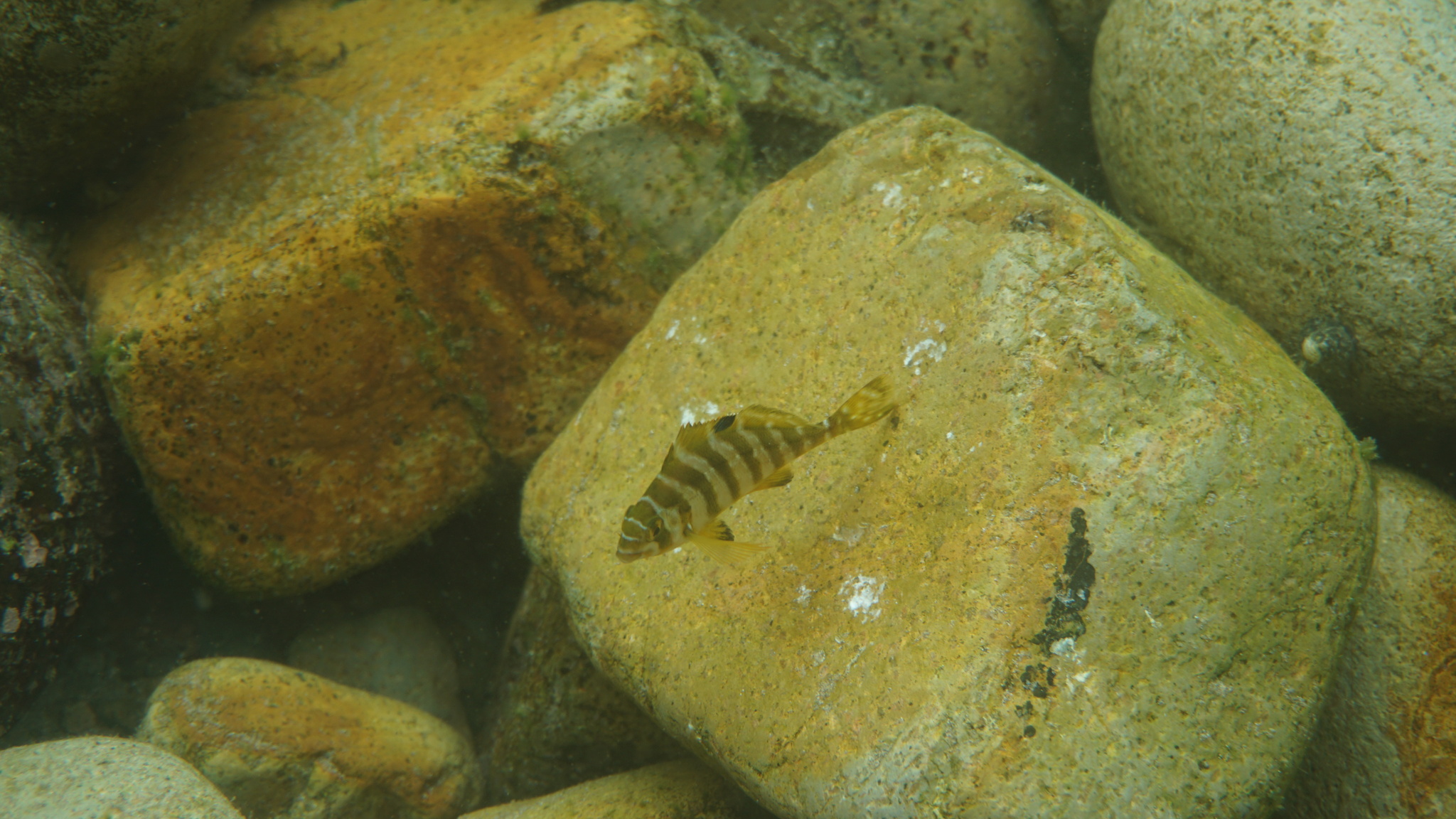
Spottedtail morwong
A shallow rocky-reef fish that reaches 45 cm, with nine oblique brown bands and pale spots on the tail. It is solitary, omnivorous, and takes bait so readily that it often arrives before the fish an angler wanted. Handled properly it gives clean white flesh; in summer, when the weed rots, it can carry a shore smell.
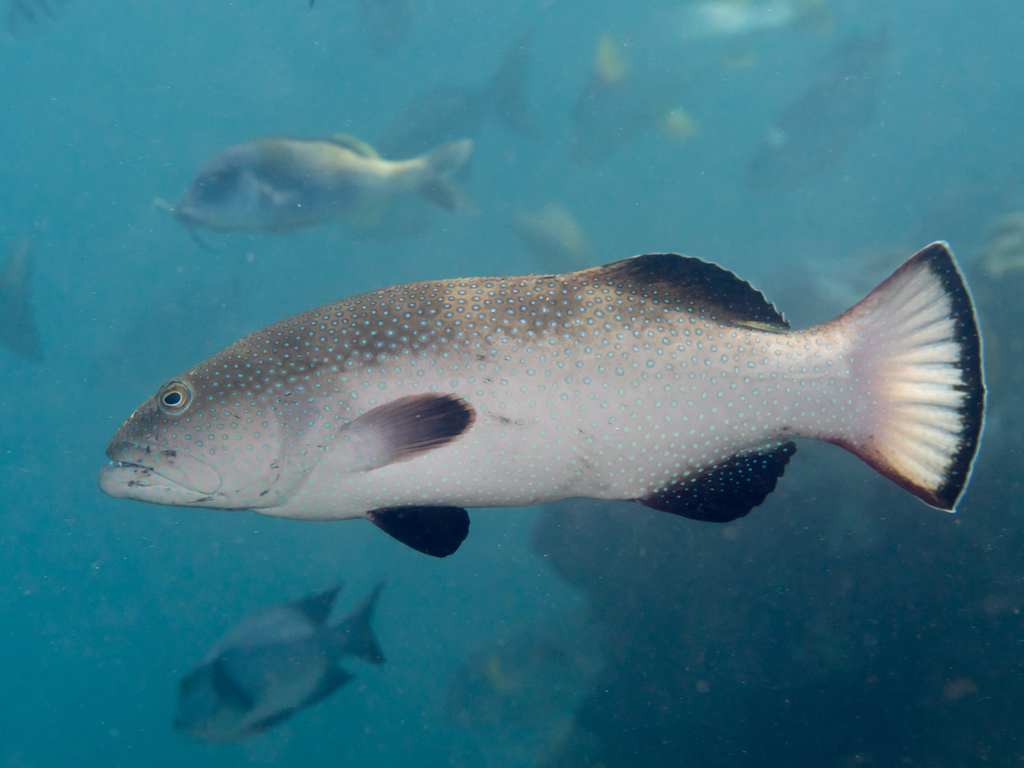
Squaretail coral grouper
Squaretail coral grouper is a reef grouper of the Indo-Pacific, from the Red Sea to the Phoenix Islands and Samoa, north to the Ryukyus and south to Australia. It lives from 1 to 20 m in tropical water, reaches 80 cm TL, and feeds on fish. Boat bottom fishing is the usual approach.
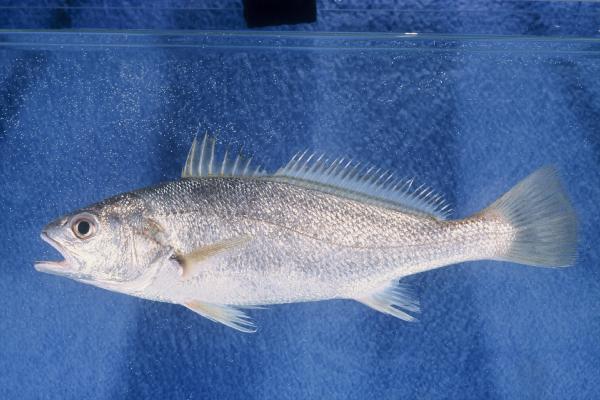
Squaretail kob
Squaretail kob is a western Indian Ocean sciaenid, from Mozambique to Port Elizabeth in South Africa and along the west coast of Madagascar. It reaches 71 cm TL with a common length of 40 cm, publishes at 12 kg and matures at 33 cm. IUCN assessed it as Endangered in August 2019. Boat bottom fishing and shore casting are the methods listed, and no depth band is recorded.
Sri Lanka sweetlips
Sri Lanka sweetlips is an Indian Ocean haemulid recorded from Sri Lanka and the Andaman Islands. It lives from 5 to 20 m in tropical water and reaches 44 cm TL. Almost nothing else is published: no common length, no weight, no age, no maturity length and no spawning months. Boat bottom fishing and handlines are the methods listed.
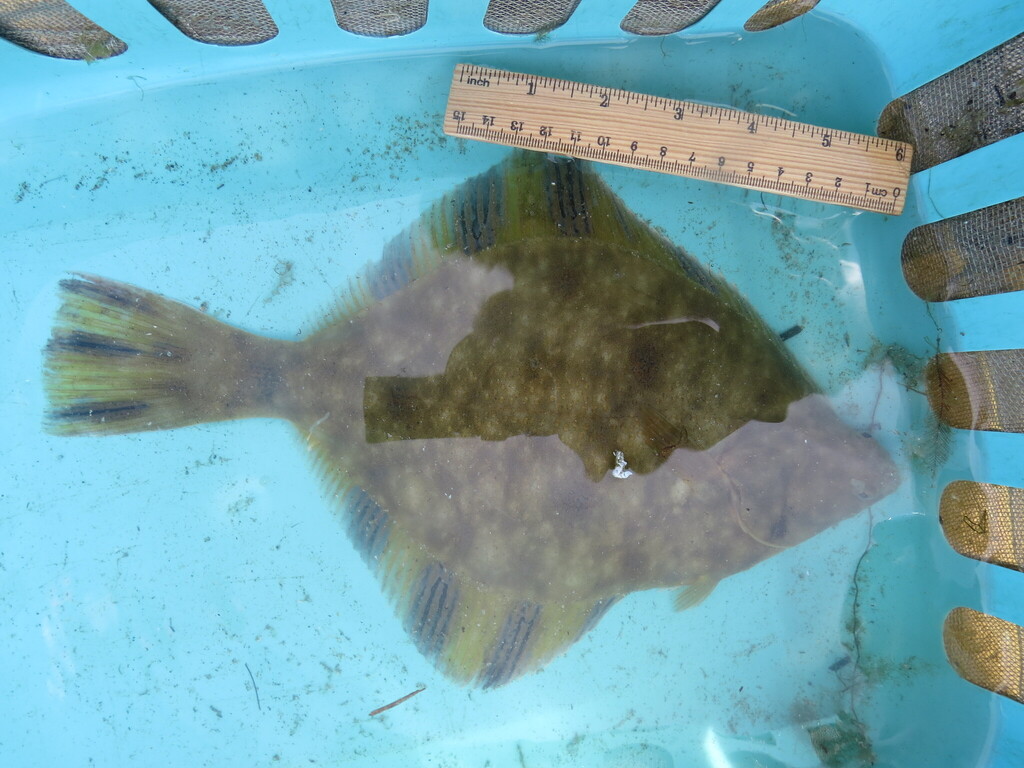
Starry flounder
Both eyes sit on one side of the head. The dorsal fin has 52–66 soft rays, the anal fin one spine and 38–47 soft rays, and the vertebral count is 34–37. The stellate bony tubercles scattered over the body are the quickest field mark, backed by four to seven dark bars on the dorsal fin, four to six on the anal fin, and three or four dark longitudinal bars on the rear of the caudal fin.
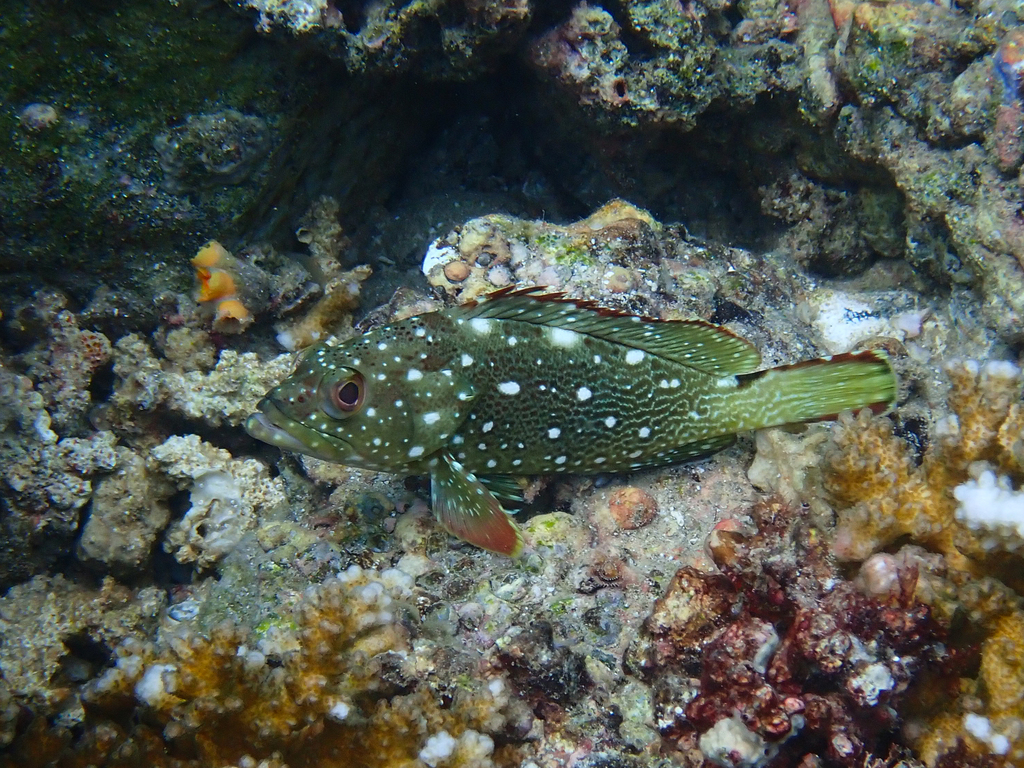
Starry grouper
Starry grouper is a small tropical grouper of the eastern Pacific, ranging from Baja California and Mexico down to Peru, with Cocos, Revillagigedo and the Galapagos Islands inside its range. It is an inshore fish recorded from 1 to 50 m, feeding on crustaceans and small fish. Even full grown it stays modest, with 60 cm TL the largest recorded. Anglers working shallow warm water are the ones most likely to meet it.

Starry ray
Starry ray is a cold-water skate of the North Atlantic and adjacent Arctic, from Canada to northern Europe. It feeds on crustaceans, fish, molluscs, worms and echinoderms over the continental shelf, from 5 to 1,540 m, in water of 1 to 14 °C. Adults reach 105 cm and 11.4 kg, and the species can live 28 years.

Starry rockfish
Starry rockfish is a reef rockfish of the eastern Pacific, from San Francisco to southern Baja California. It lives from 15 to 274 m in water of 15 to 28 °C, reaches 46 cm TL and 1 kg, can live 32 years, and feeds on fish and zooplankton. Boat bottom fishing is the usual approach, with the season running March to May.

Starry smooth-hound
The starry smooth-hound is a small northeast Atlantic shark of the family Triakidae. FishBase gives a maximum length of 154 cm TL, a maximum published weight of 4.8 kg and a length at first maturity of 81 cm, and places the species from the British Isles and the North Sea south to the Canary Islands, including the Mediterranean and Mauritania.
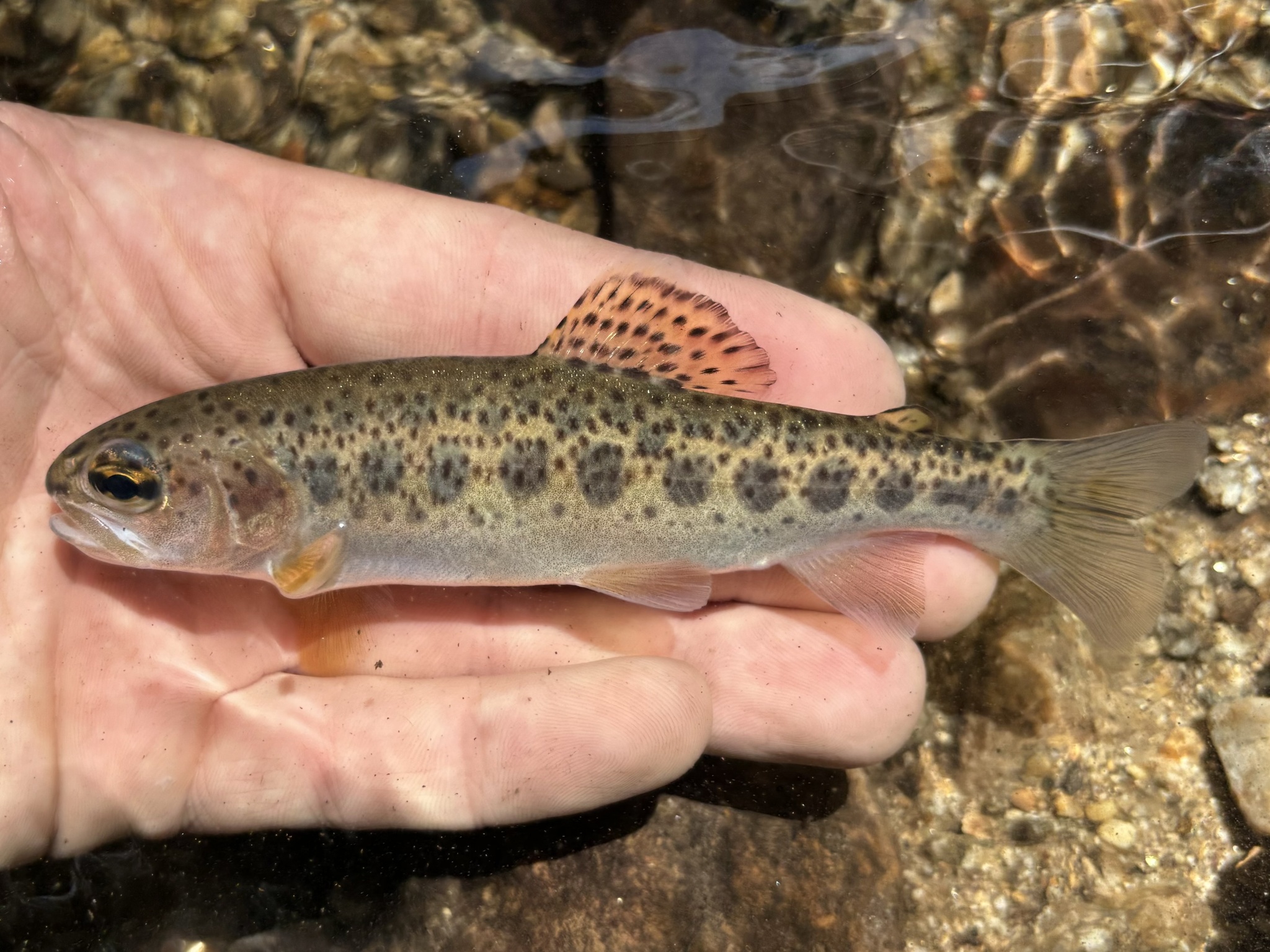
Steelhead
Steelhead, a member of the family Salmonidae, is found across Pacific Slope from Kuskokwim River drainage in Alaska to Otay River drainage in California, USA. It grows to 123 cm TL and 25.9 kg, with a diet of fishes and molluscs. Anglers target it by trolling or fly fishing. The season runs January to December, in water of 10 to 24 °C.

Steller's flounder
A cold-water flounder of the northwest Pacific, fished from Hokkaido and Tohoku and sold in Kanto under another name. It feeds on sandy mud shallower than 100 m, spawns at three different times depending on the sea area, and is valued less for its watery flesh than for its roe in spring.
No fish match this water on this page. Clear the filter or choose another habitat.