
What fish are on your coast? — page 14 of 16
Choose the water you fish: shore, reef, surf or deep water. Then open a fish to see what it eats, when it comes in, and how to catch it.
Species records
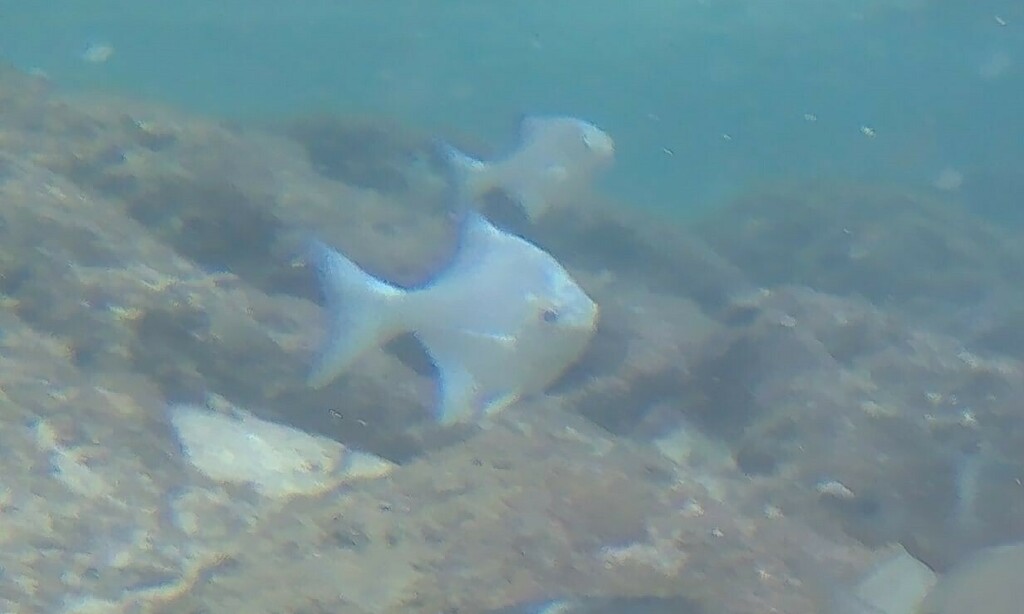
Stonebream
Stonebream is a Kyphosidae sea chub from Inhaca Island in southern Mozambique to False Bay in South Africa. It has six to eight dorsal spines, three anal spines, a deep oval body and a small mouth. It reaches 50 cm SL with a common length of 18 cm, 2.6 kg, maturity at 30 cm and a maximum age of 10 years. Bait, float fishing and soft plastics in the surge are the methods listed.
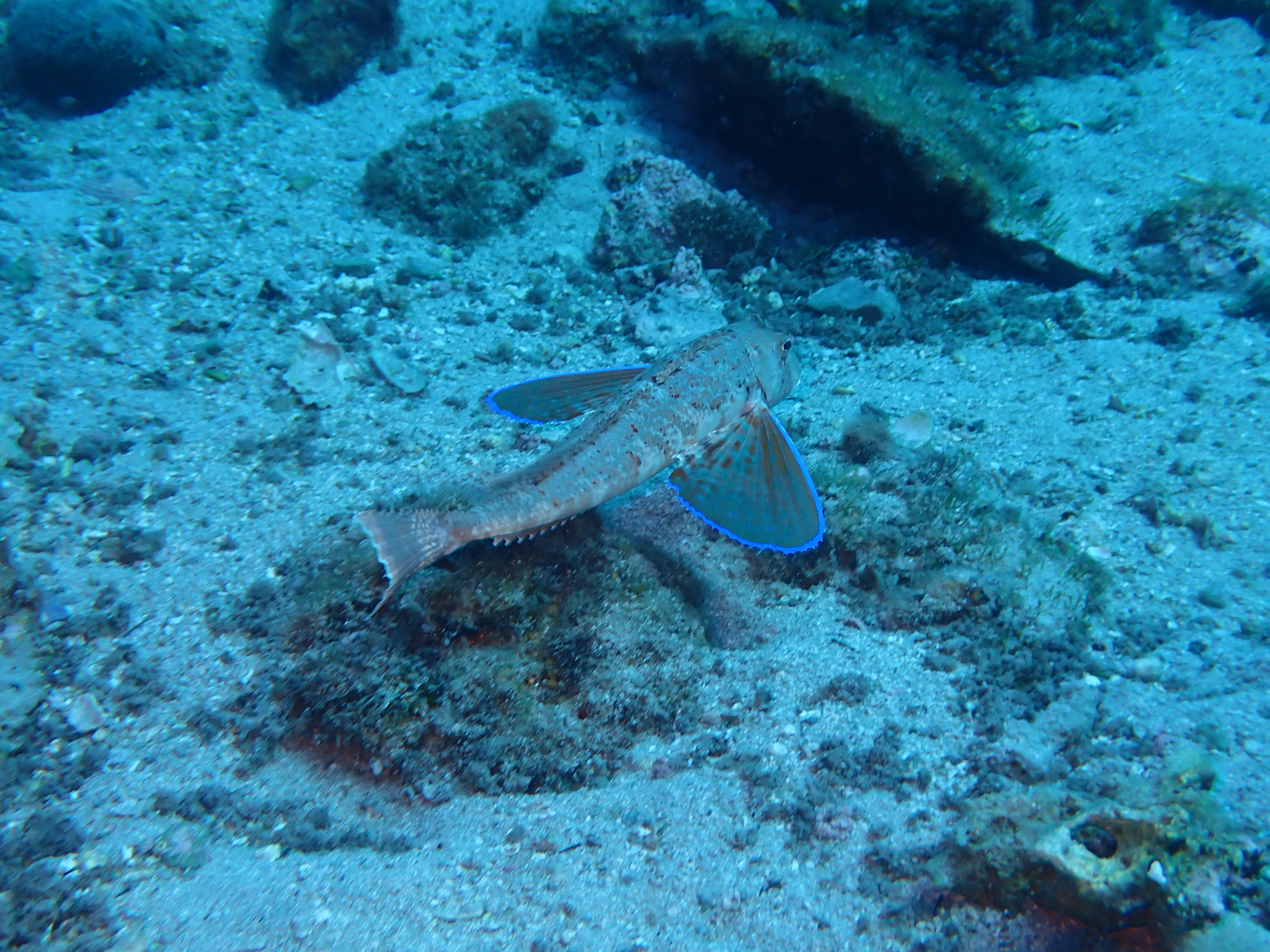
Streaked gurnard
Shallow and deep gurnards get treated as one fish. Put the two side by side at the boat and the separation takes three steps: the depth the fish came from, the length of the snout, and whether the flank carries lengthwise bands. All three point the same way. This species is far commoner than the lyre gurnard, which is exactly why it gets shaken off the hook as by-catch.
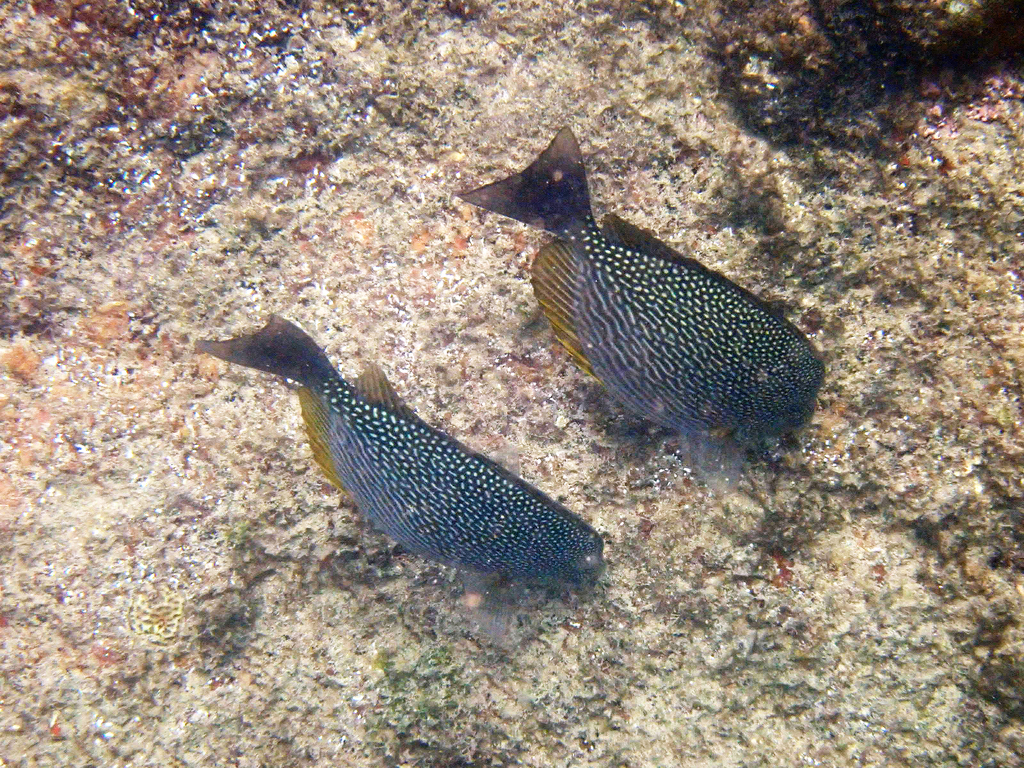
Streaked spinefoot
Most reef fish are described by what they sit on. This one is described by where it floats. When it is not feeding, Siganus javus rests in midwater at two to six metres, in small schools of up to about ten individuals. The reef is still the reason it is there, and the algae on the reef is what it came to eat, but between meals the fish is not on the bottom at all.
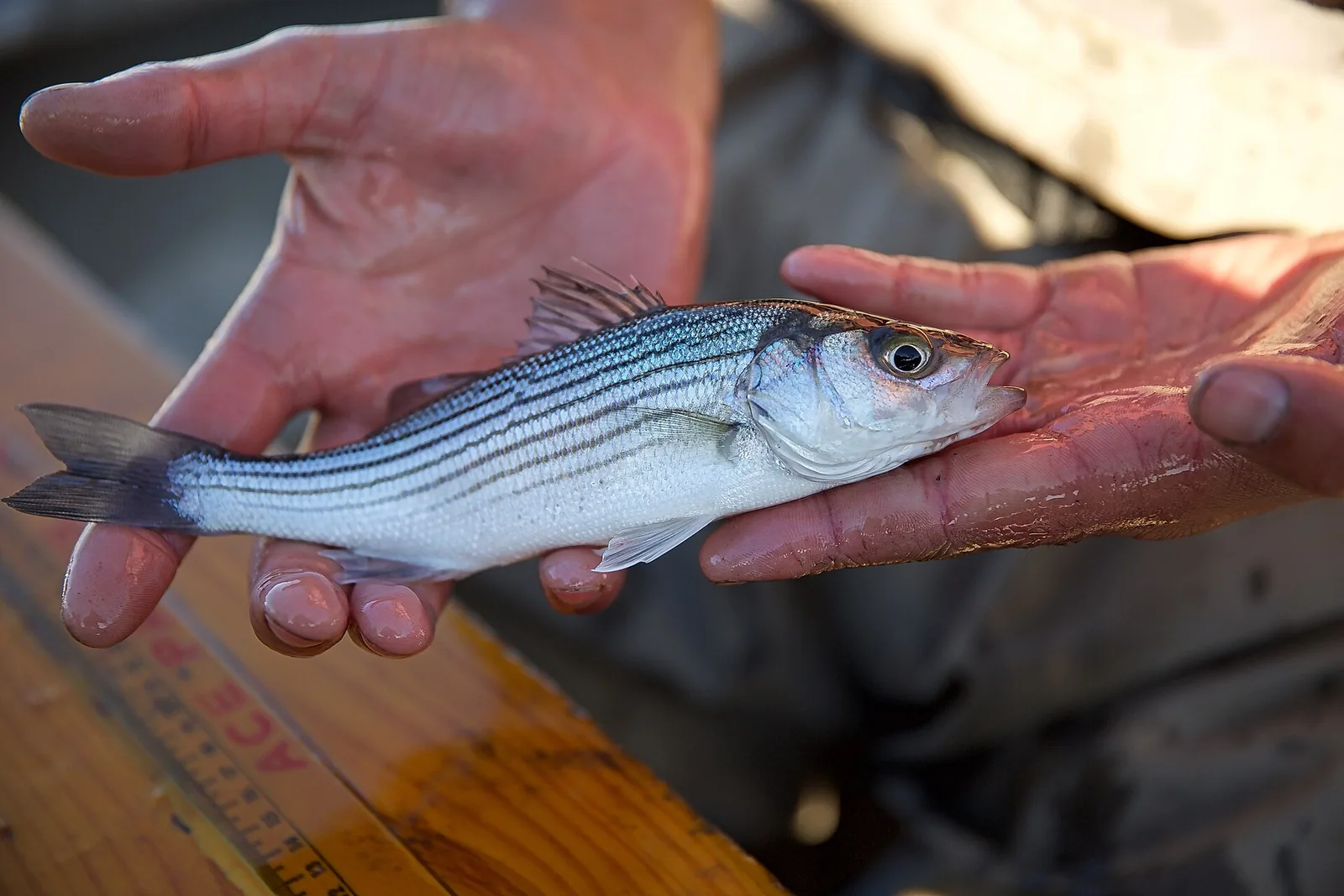
Striped bass
Striped bass is also called linesider, rock, rockfish and striper, and on the Pacific coast "rockfish" means the dozens of Sebastes species managed under entirely different rules. The name decides which regulation you read and which fish you may keep. On the Atlantic coast, fish tide, current seams and low light along beaches, points and back-bay channels.

Striped marlin
One row of this record calls the fish commercial; the next calls it a gamefish. The summary goes further, saying it is a desirable commercial and game fish and that conservation measures restrict its commercial landings. Those are not competing descriptions of the animal. They are two ledgers kept by two industries over the same 290 cm body, and the numbers below explain why both can be true at once.
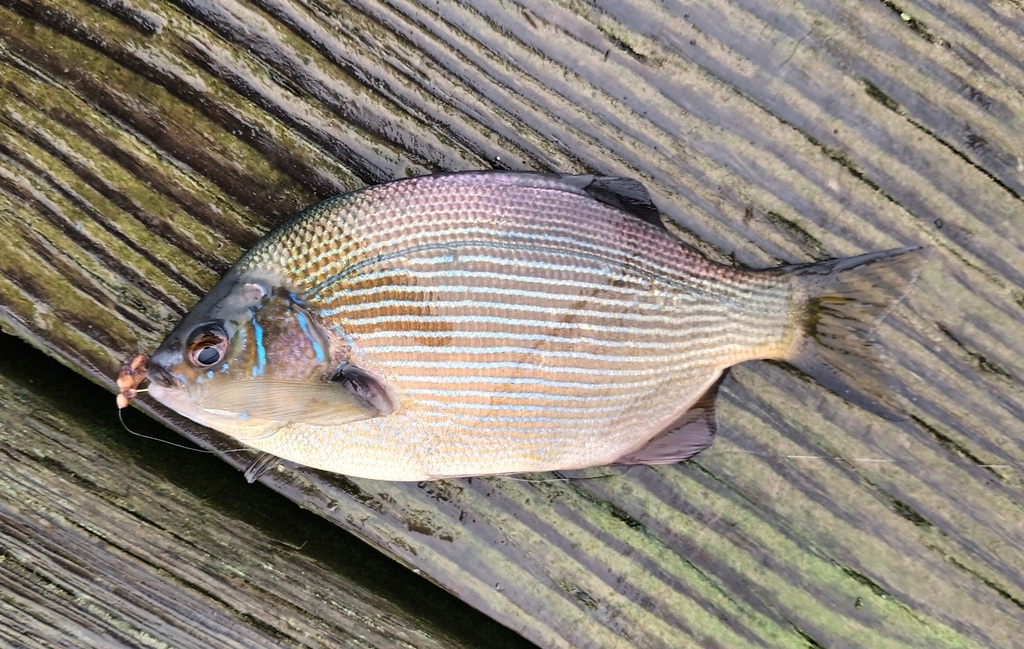
Striped surfperch
Blue stripes are the striped surfperch's identity card and the fastest way to separate it from a black surfperch: a blue-silver ground, about fifteen blue horizontal lines along the flank, and copper-red fins. Its centre of abundance sits on colder northern coast, so Southern California is the southern edge, where the fishing depends on water temperature and on kelp more than on the month.
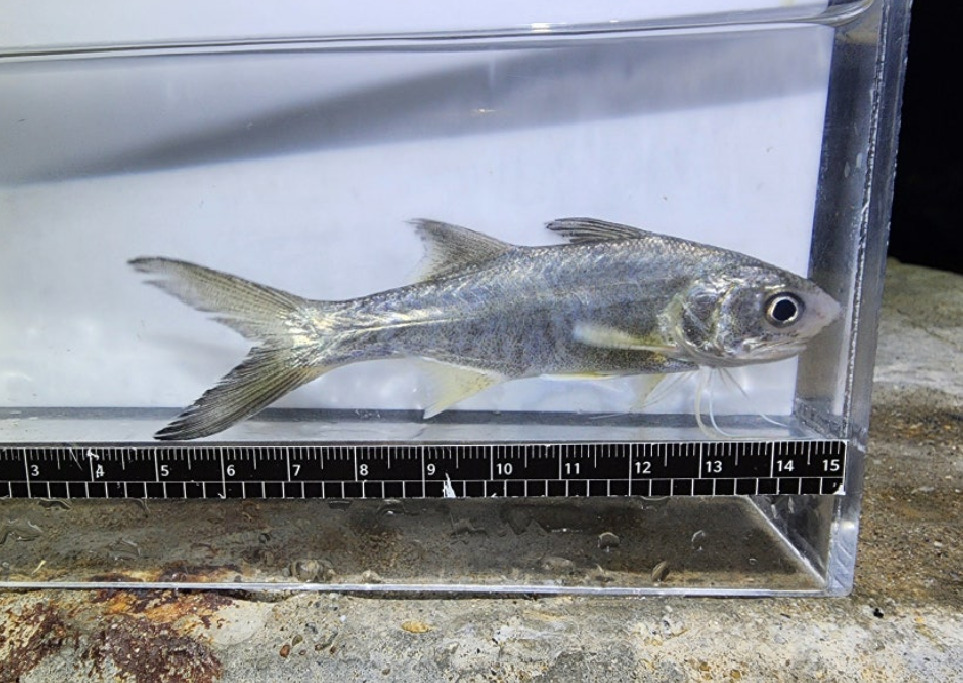
Striped threadfin
On a threadfin, identification does not stop at the body. The pectoral fin carries free filaments, the rays are unbranched, and in this species the fourth or fifth filament is the longest, running 22 to 40 per cent of standard length. That is a structure nearly half the length of the fish, thinner than a leader, and it is the first thing a hand reaches for when the fish comes aboard.
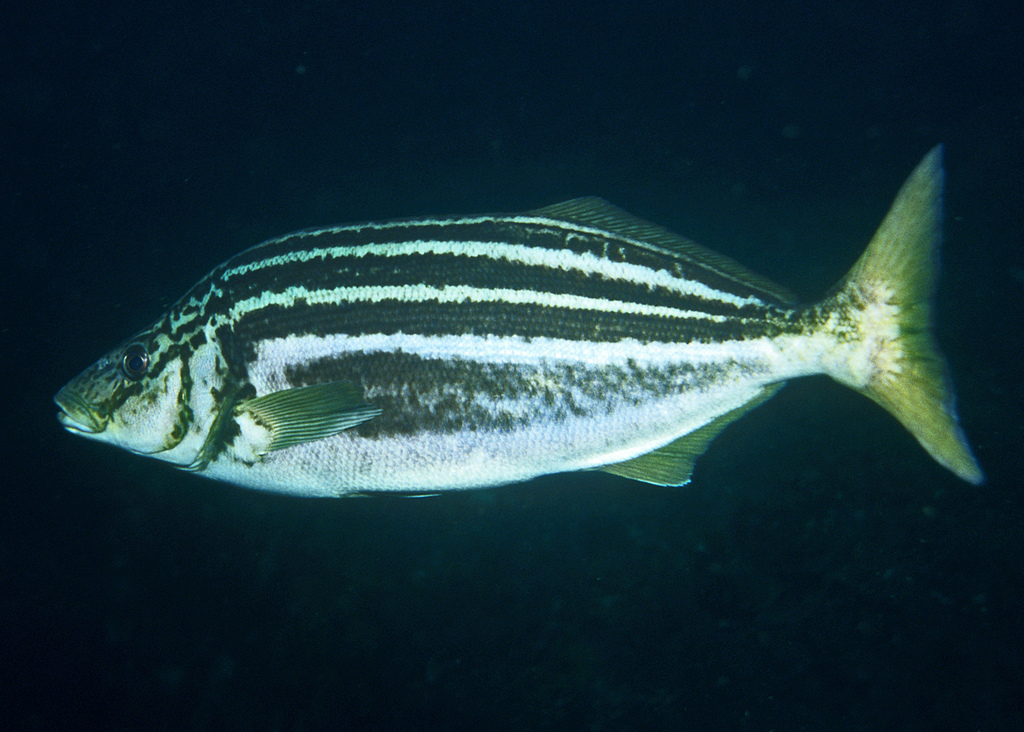
Striped trumpeter
Striped trumpeter is a member of the family Latridae and ranges across the Southern Hemisphere, from Atlantic Ocean (from Tristan da Cunha and Gough I.). It lives from 5 to 400 m in temperate water. Fish reach 120 cm TL and 25 kg. Anglers target it by boat bottom fishing or trolling. The season runs August to November.
Summer flounder
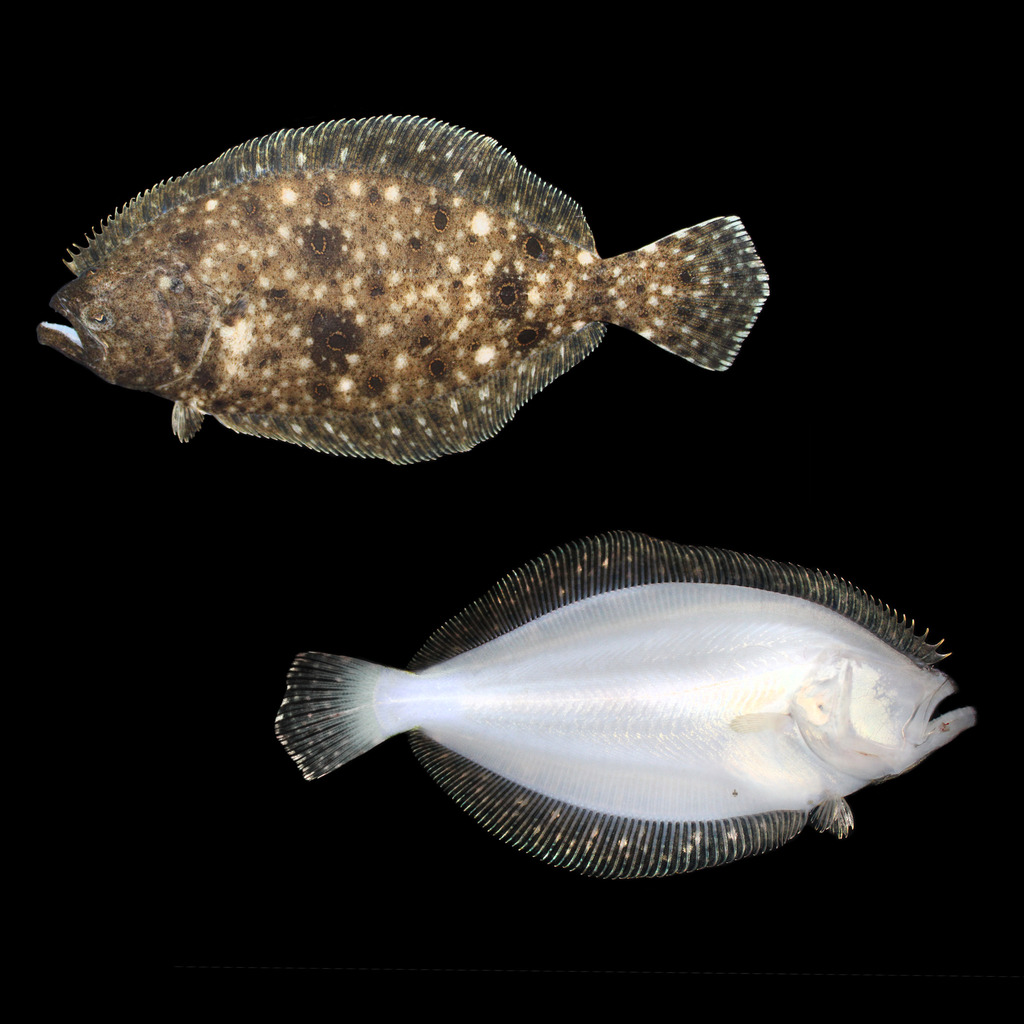
Summer flounder, a member of the family Paralichthyidae, is found across the Northwest Atlantic, from Maine (rarely Nova Scotia, Canada) to southern Florida, USA. Its depth range is from 10 to 183 m, in temperate seas. Fish reach 94 cm TL and 12 kg. Anglers target it by boat bottom fishing or shore casting. The season runs January to December.
Swordfish
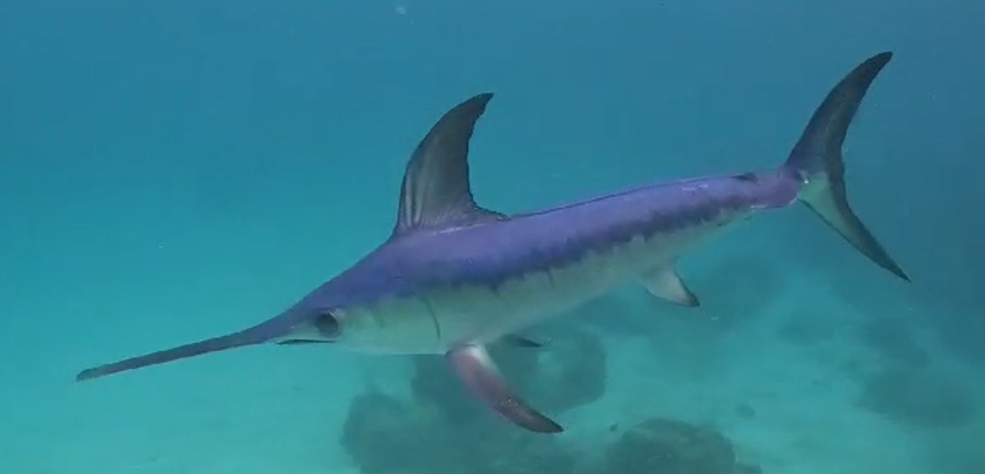
Swordfish is a large pelagic billfish found through the Atlantic, Indian and Pacific Oceans, including the Mediterranean, Marmara, the Black Sea and the Sea of Azov. The flattened bill and the long body with no pelvic fins are its signature, and it has been recorded from the surface down to 2,878 m in water of 5 to 27 degrees C. It feeds on crustaceans and fish, reaches 455 cm FL and 650 kg, and is present year-round.
Swordtip squid
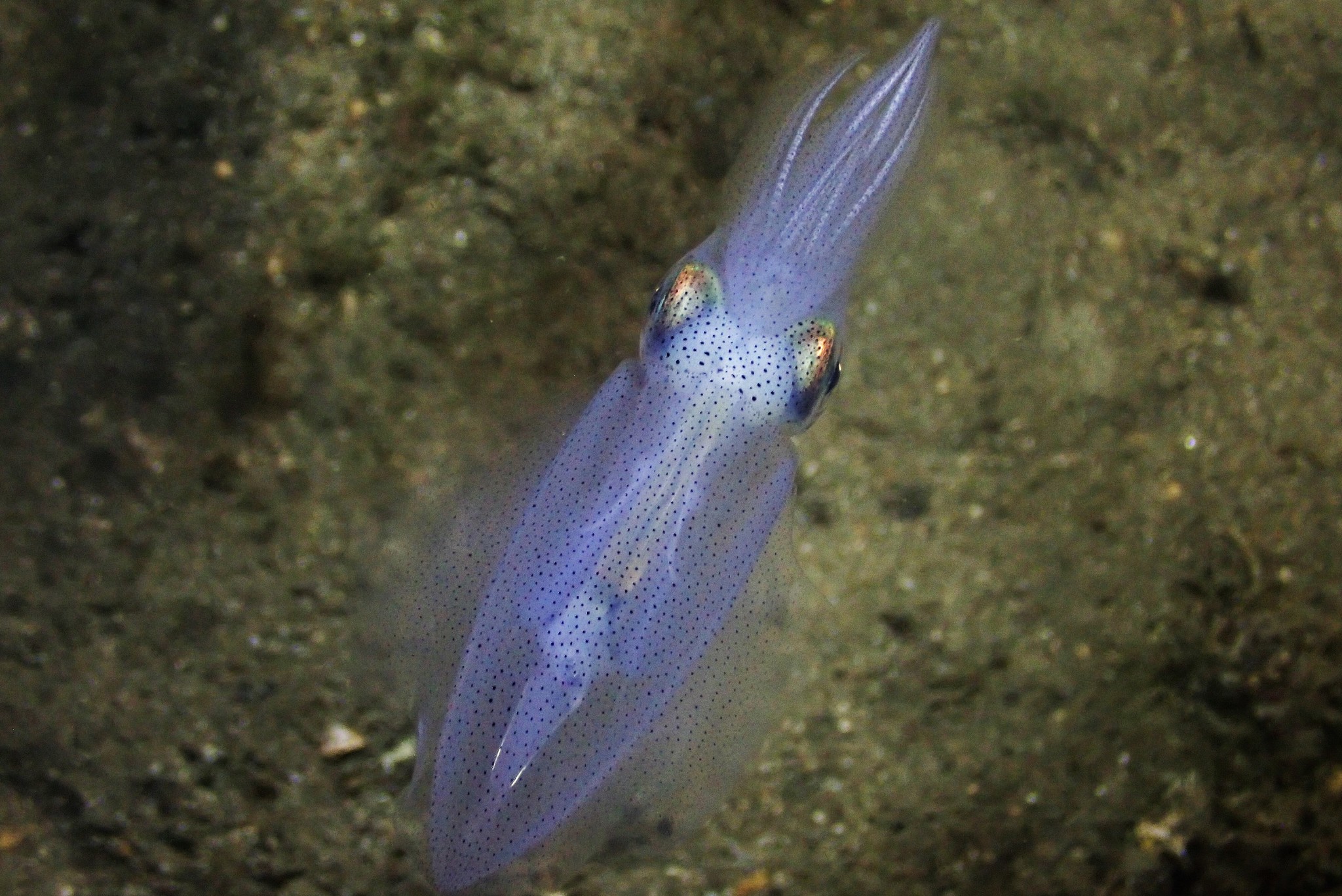
Swordtip squid is an inshore loliginid of the Indo-Pacific, recorded from 30 to 170 m in tropical water of 15 to 28 °C, with a maximum mantle length of 50 cm. Boat fishing or handline is the usual approach.
Sôhachi
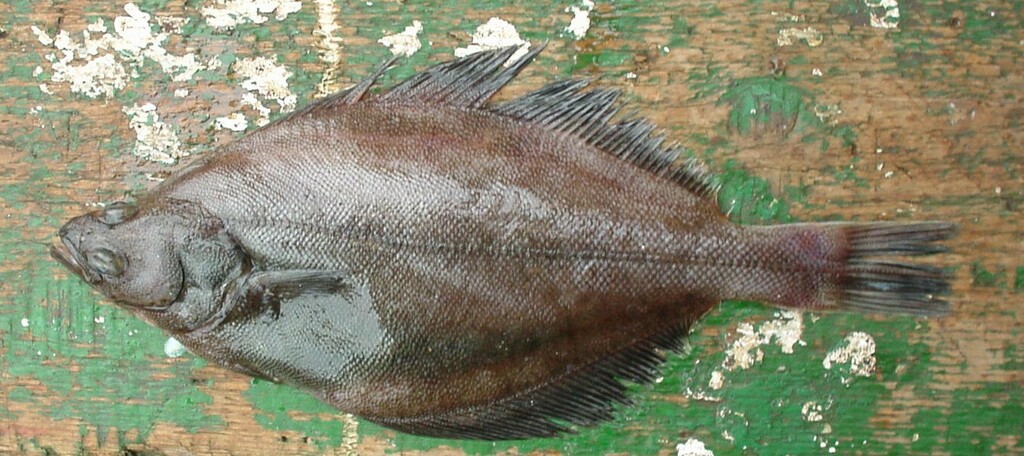
The habitat line for this flatfish contains two words that are not synonyms: sandy, muddy. Sand drains and mud holds; a bait that rests on one can disappear into the other. Everything else in the record — 50 to 200 metres, a typical length of 31 cm, first maturity at 24.5 cm — only becomes a fishing plan once that pair is read as a boundary instead of a list.

Taiwan seabream
Taiwan seabream is a small sparid known from the waters around Taiwan; FishBase gives the distribution as the northwest Pacific, Taiwan only. It is recorded as marine, demersal and temperate, with no depth, temperature or spawning data. It is also small: males reach 18.4 cm standard length and females 21.6 cm standard length, at the small end of the genus.

Talang queenfish
Talang queenfish is a large coastal carangid of the Indo-West Pacific, from East Africa and the Red Sea to Australia and the China Seas. It lives shallower than 50 m in tropical water, reaches 120 cm TL and 16 kg, and feeds on fish and molluscs. Trolling or boat fishing is the usual approach.
Tarakihi
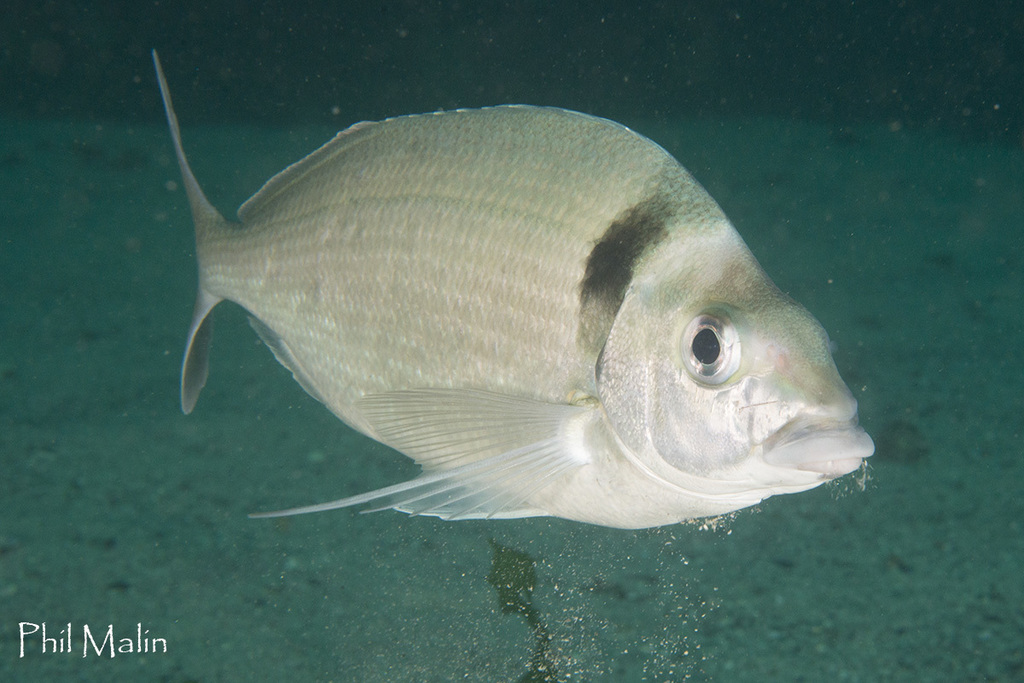
Tarakihi is a latrid of the Indo-Pacific, from southern Australia around New Zealand. It lives from 22 to 450 m in subtropical water, reaches 70 cm and 2.9 kg, can live 50 years, and feeds on crustaceans, worms and echinoderms. Boat bottom fishing is the usual approach, with the season running February to May.

Tarpon
Tarpon is the fish that makes the difference between a record and a catch impossible to ignore. On the same page the maximum-length entry is 250 cm TL, the common length 130 cm, the maximum weight 161 kg and the maximum age 55 years. Those numbers describe the tail of the distribution, not the fish most people will ever see.

Tautog
The tautog is labelled marine and brackish on the same environment line. It is not a fish that crosses into fresh water; it is a fish that uses the saltier end of an estuary as well as the open coast, and the record compresses that into two words. The fishing consequence is a question of position on a gradient that runs from ocean rock to bay rock, not a question of choosing between two separate waters.

Temminck's surfperch
A small ovoviviparous reef fish built like a freshwater crucian carp, found in eelgrass and rockweed along the Japanese coast. It mates in November, holds the sperm until the eggs mature, and gives birth to 5 to 7 cm young in April and May. A familiar breakwater target for families, and at its most worthwhile in winter when other species are scarce.
Thickhead rockfish
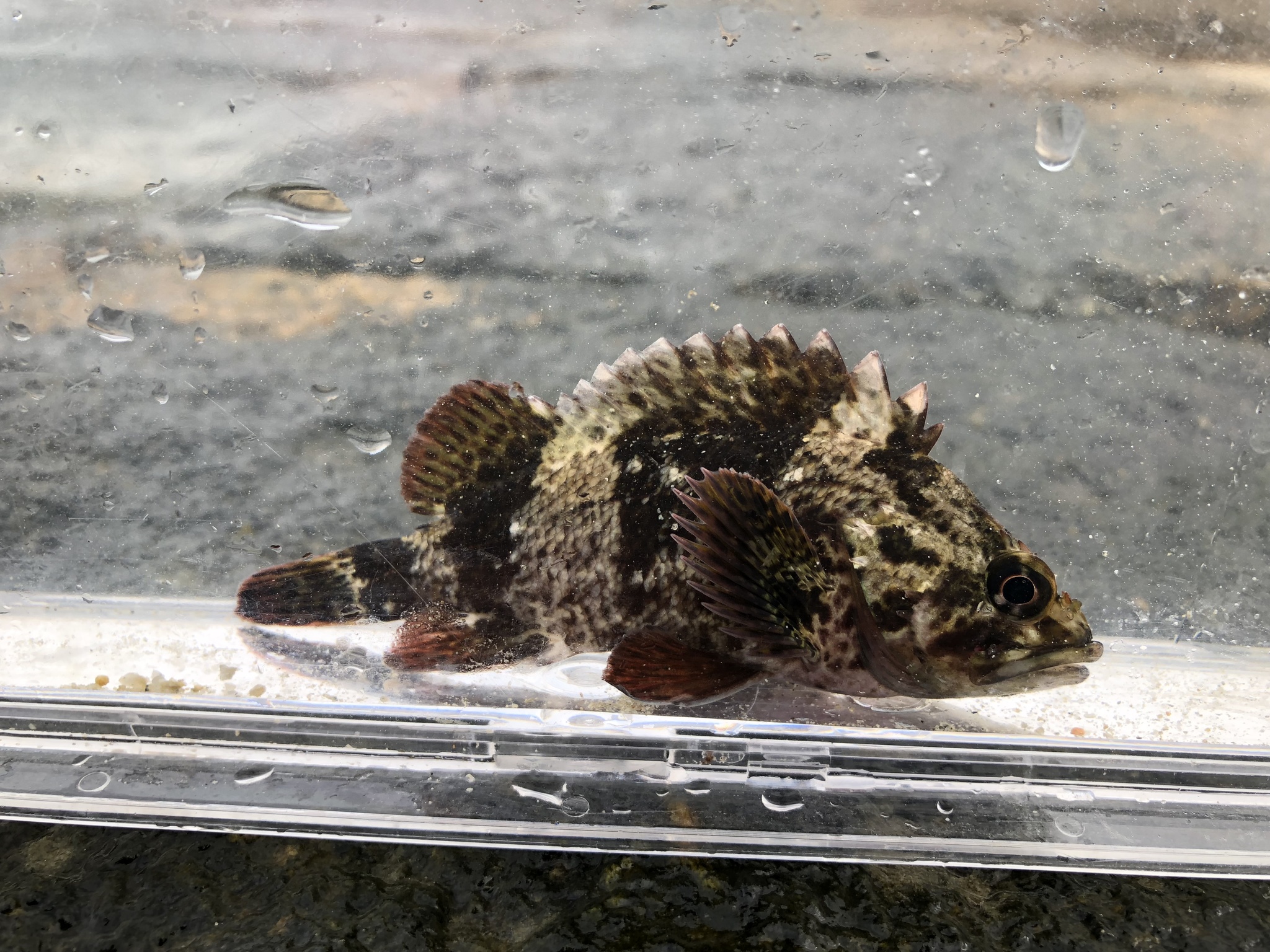
Across the Northwest Pacific, from Japan to the southern part of the Korean Peninsula, and the Yellow and Pohai Sea coasts of China, Thickhead rockfish represents the family Sebastidae. It lives in temperate water. Fish reach 42 cm TL and 1.6 kg. The standard approach is boat bottom fishing.
Thicklip grey mullet
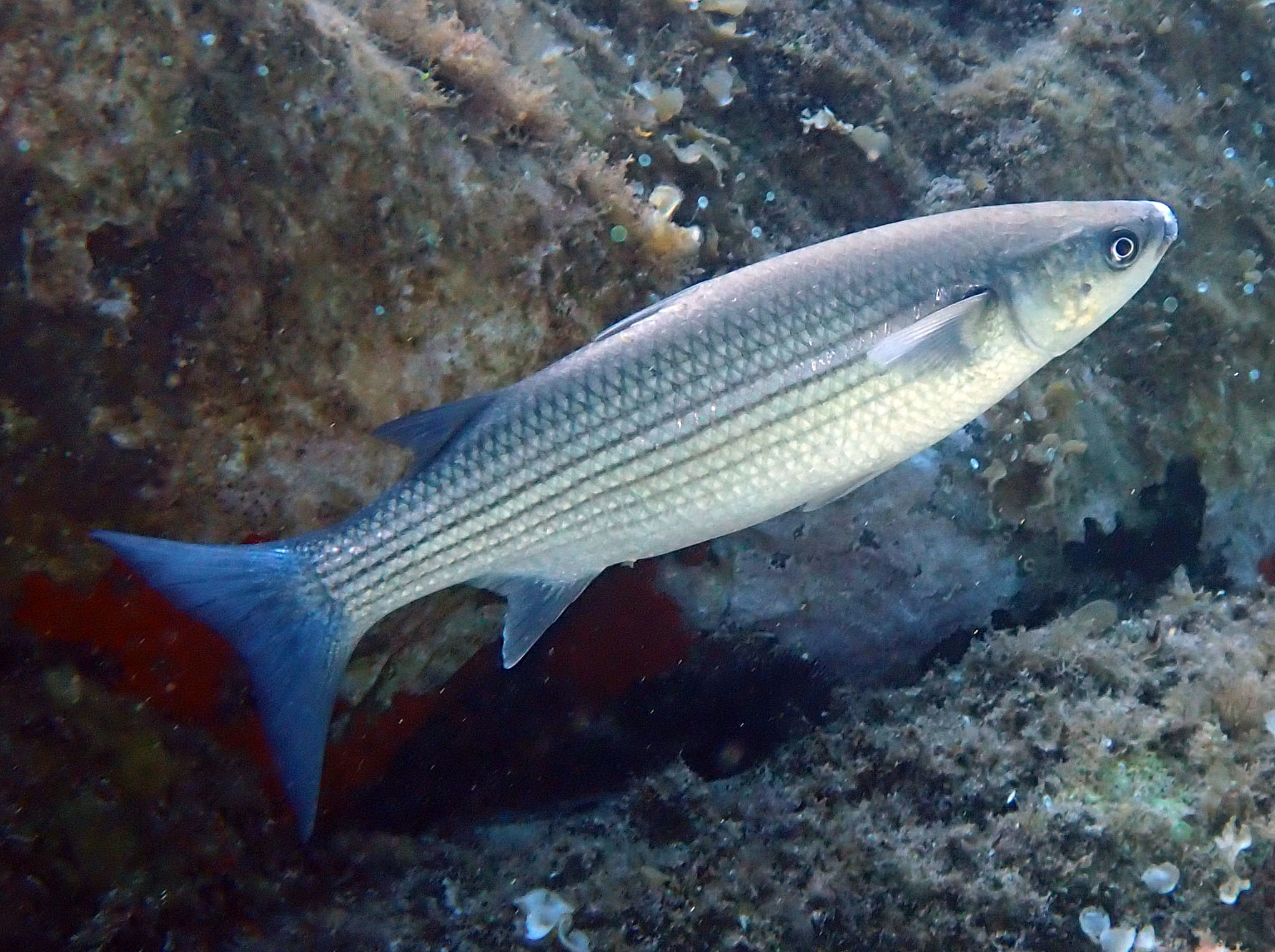
WoRMS keeps three water boxes for this fish and ticks all of them: Chelon labrosus is marine, brackish and freshwater at once. That is not a licence to fish anywhere the water is wet. It means the species name sits on three separate checklists, and an angler has to decide which salinity band the fish is using before picking a mark.
Thinlip grey mullet
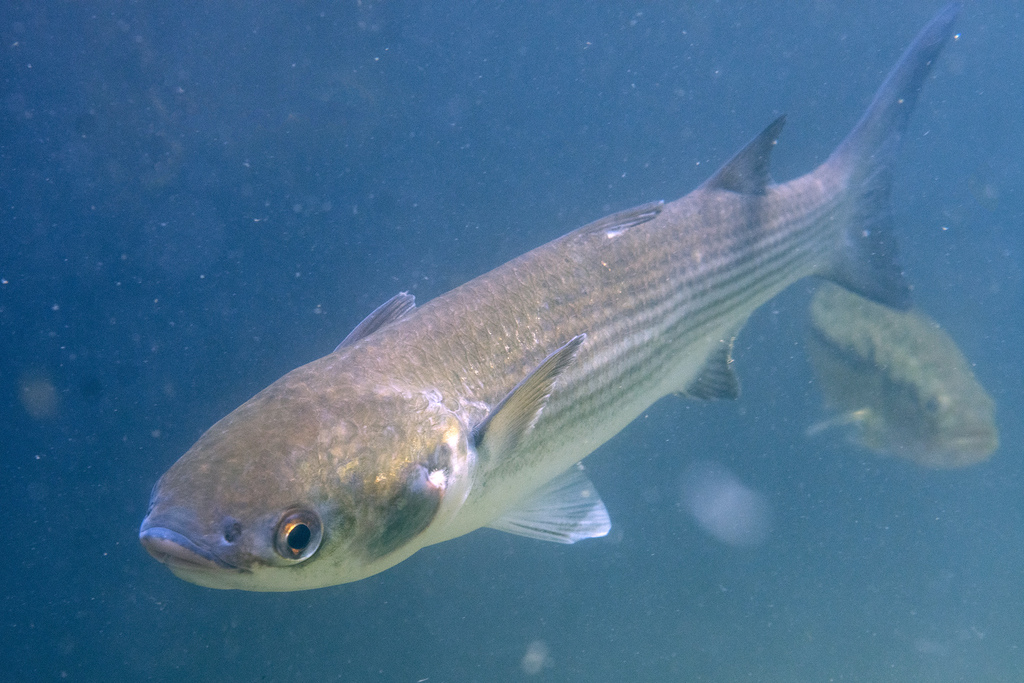
Thinlip grey mullet is a mugilid of the eastern Atlantic, from southern Norway to Cape Verde, including the Mediterranean and Black Sea. It lives from 10 to 20 m in temperate water, reaches 70 cm TL and 2.9 kg, can live 10 years, and feeds on zooplankton, algae and detritus. Its season covers January to December except March.

Thomson's rockfish
Thomson's rockfish, or usu-mebaru, is Japan's large mebaru: a cold-water rockfish approaching half a metre that gives birth to live young at 70–150 m. It schools tightly around deep reefs, which is why one productive patch of rock can fill a boat. Fish it vertically with bait or slow jigs.
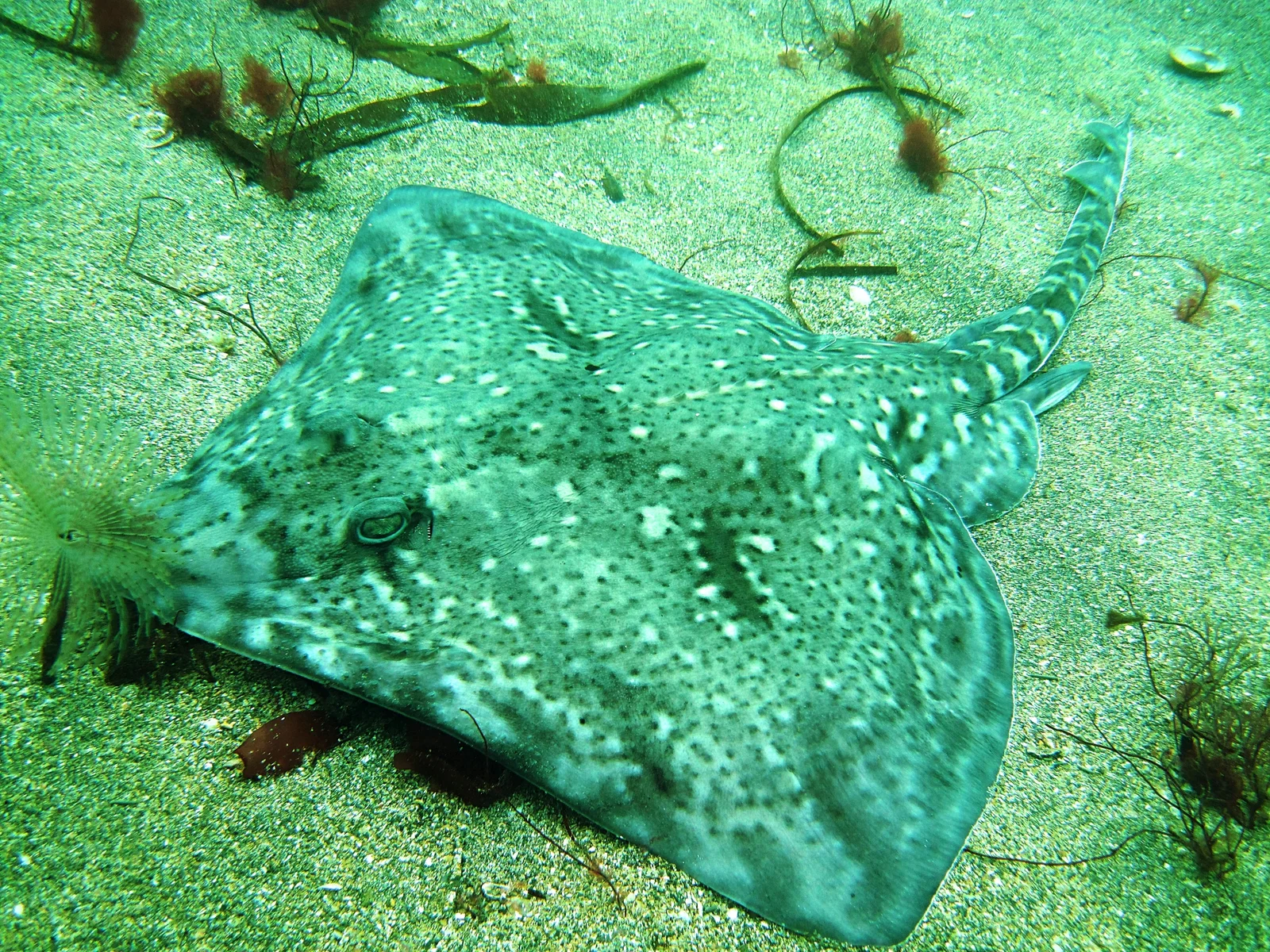
Thornback ray
Thornback ray is a broad, flat skate of the eastern Atlantic and southwest Indian Ocean, from Iceland to Madagascar and through the Mediterranean. It lives from 5 to 1,020 m in subtropical water, reaches 105 cm TL and 18 kg, and feeds on crustaceans and fish. Boat bottom fishing is the usual approach, with the season running February to September.
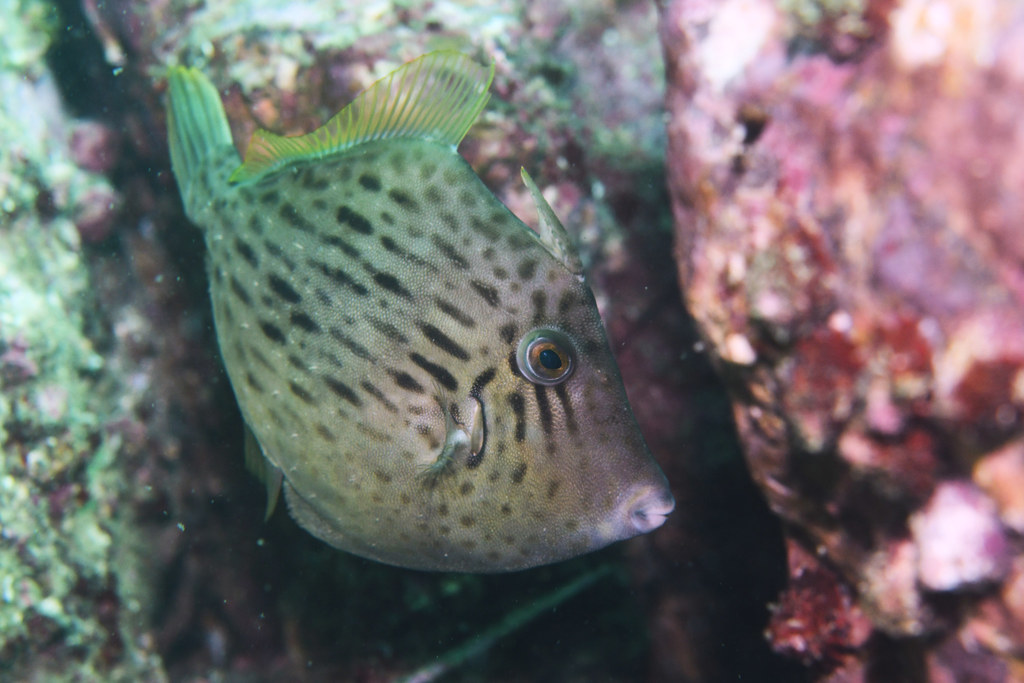
Threadsail filefish
A FishBase page can hold two numbers that never met. On this filefish's card the size box prints a maximum length of 30.0 cm TL and a maximum published weight of 77.70 g. Thirty centimetres is about twelve inches, and the Wikipedia entry repeats that figure. The same box holds no common length and no maturity length.
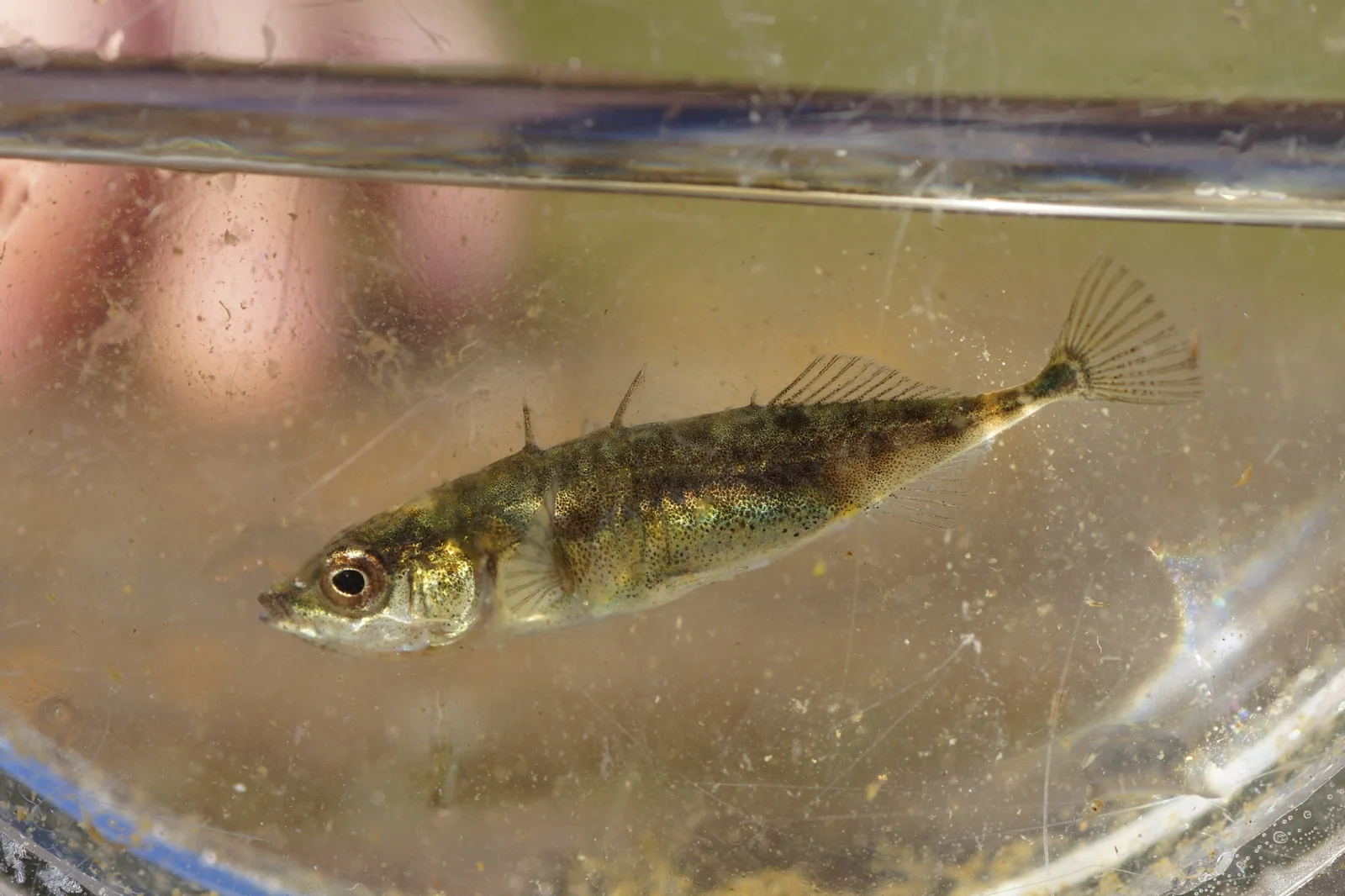
Three-spined stickleback
Three-spined stickleback is a small gasterosteid of circumarctic and temperate waters, from the Black Sea, southern Italy, the Iberian Peninsula and North Africa northward. It lives from the surface to 100 m, reaches 11 cm TL with a common length near 5 cm, can live eight years, and feeds on crustaceans, fish, algae and worms. Its season runs March to September, in water of 4 to 20 °C.

Threespot grouper
Threespot grouper is a small reef grouper of the northwest Pacific, from southern Japan, Korea and Taiwan to China. It lives from the surface to 30 m in tropical water and reaches 50 cm. Boat bottom fishing or rock fishing is the usual approach.
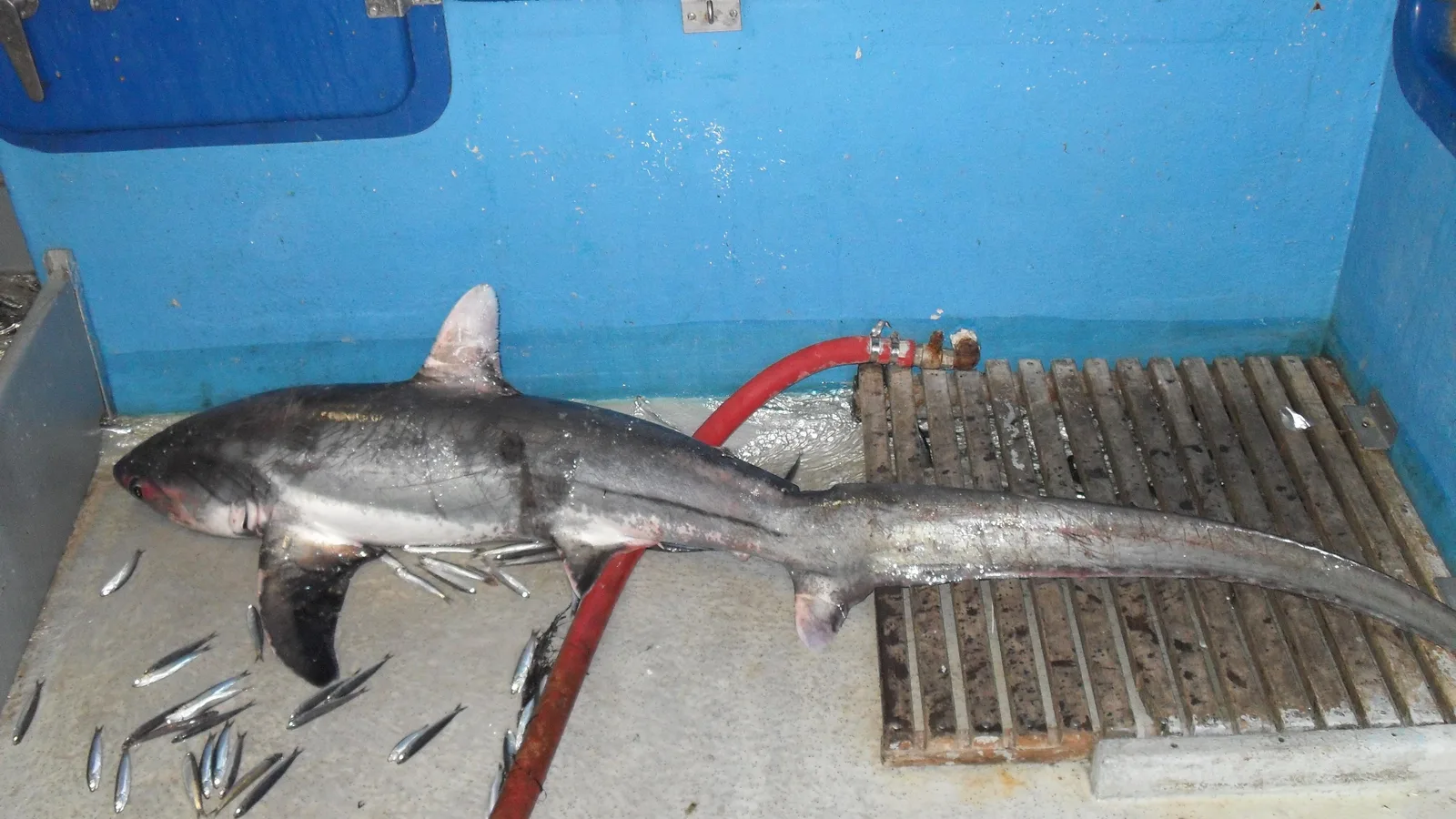
Thresher
Coastal over continental and insular shelves and epipelagic far from land. Oceanic although most abundant near land, pelagic at 1-366 m. Young often close inshore and in shallow bays. It feeds on schooling fishes (including mackerels, bluefishes, clupeids, needlefishes, lancetfishes and lanternfishes), squid, octopi, pelagic crustaceans, and rarely seabirds. Ovoviviparous, embryos feeding on yolk sac and other ova produced by the mother.
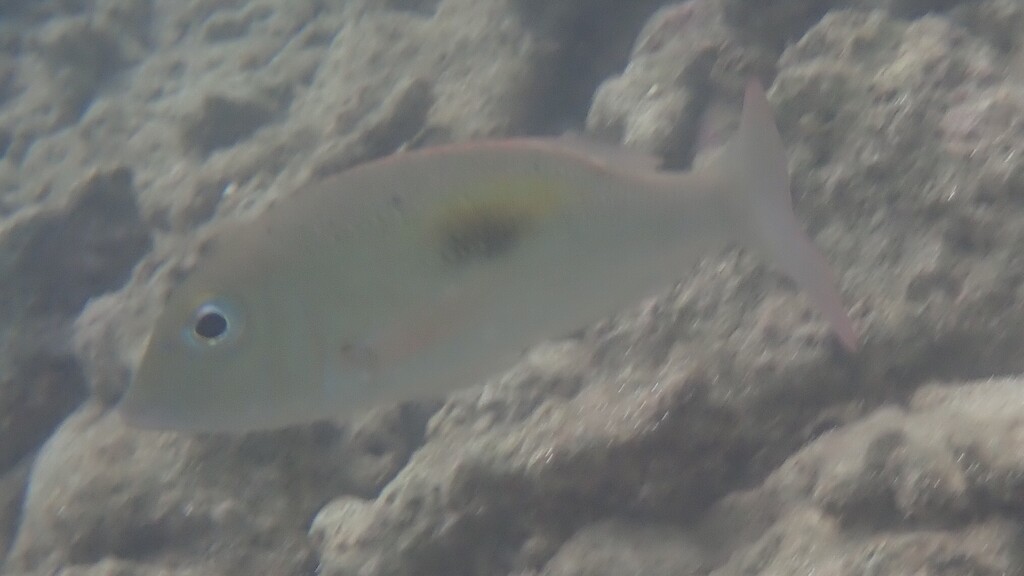
Thumbprint emperor
FishBase gives this species 0 to 20 m, reef-associated, non-migratory, and tolerant of brackish water. A twenty-metre ceiling is not a boat depth. It is the depth of reef flats, shallow bommies and harbour mouths, so the vertical part of the search is settled before you leave the beach. What changes through the day is not how deep the fish is, but how much water sits above the flat.
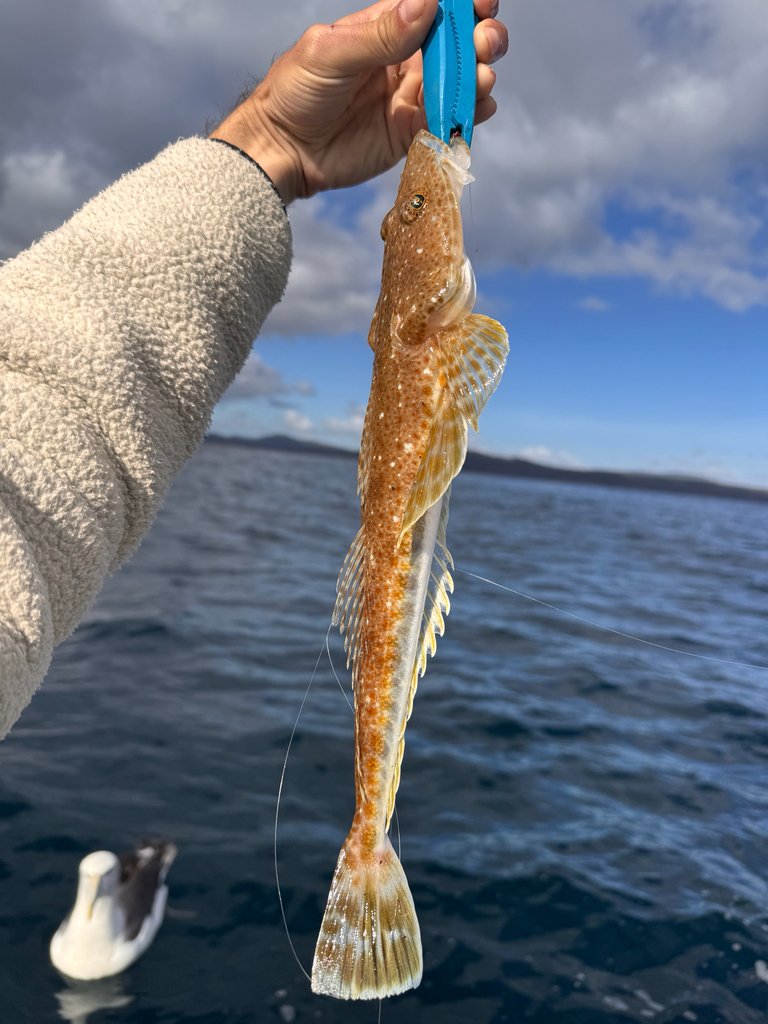
Tiger flathead
The first decision on a tiger flathead trip is not lure size or leader class; it is which side of a bottom change the rig should land on. The habitat terms and the depth line frame that decision, and the sources disagree often enough to be worth reading against each other.
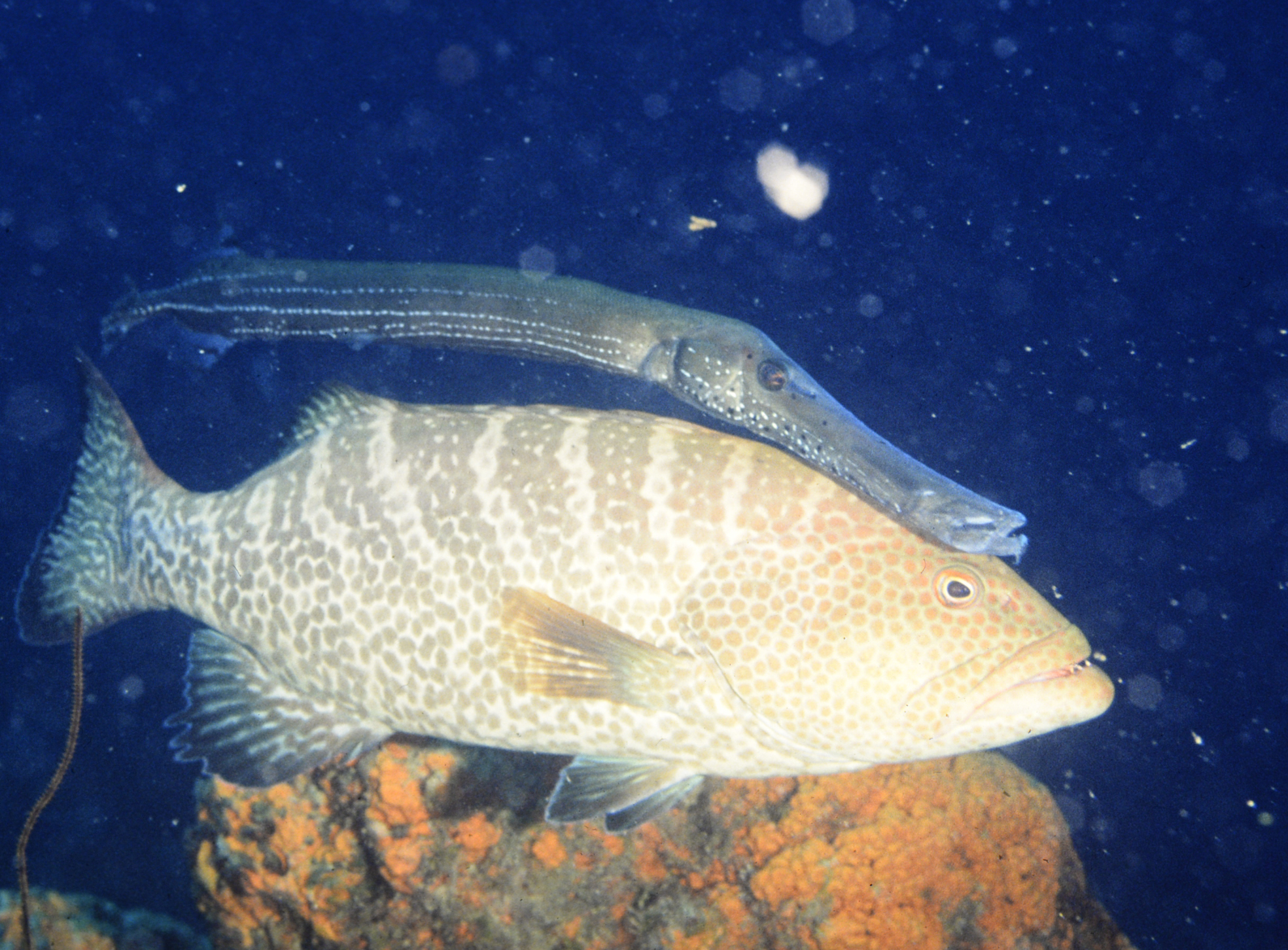
Tiger grouper
Tiger grouper is an Epinephelidae grouper of coral and rock from 10 to 40 m, ranging from southern Florida and the Gulf to Brazil. It is olive to grey-brown with broad dark bars, reaches 101 cm and 10 kg, and has become common on the Flower Garden Banks off Texas.

Tiger puffer
Tiger puffer is a large tetraodontid of the northwest Pacific, from the western Sea of Japan and the East China and Yellow seas north to Muroran, Hokkaido. It lives in temperate water, reaches 80 cm TL, and feeds on fish. Boat fishing or shore fishing is the usual approach, with the season running March to April.

Tiger rockfish
Tiger rockfish has XIII dorsal spines and 13–15 soft rays, and III anal spines and 6–7 soft rays. Head spines are strong, with nasal, preocular, supraocular, postocular, tympanic, coronal, parietal and nuchal spines present; the interorbital space is strongly concave and the parietal ridges are thick and coarse. The body is light pink to red with 5 or 6 black or dark red bars, and two dark bars radiate from each eye.
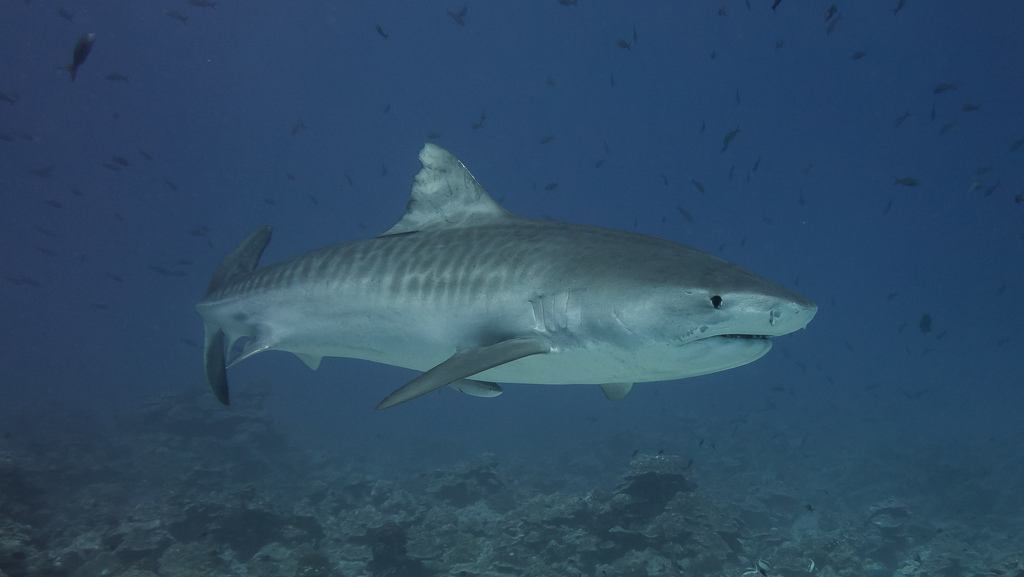
Tiger shark
Tiger shark is a large, wide-ranging shark of tropical and temperate seas, recorded from the surface to 800 m. It reaches 750 cm and 807.4 kg, lives up to 50 years, and feeds on crustaceans, fish, molluscs and detritus. Boat or shore fishing is the usual approach, and it is recorded in every month of the year.
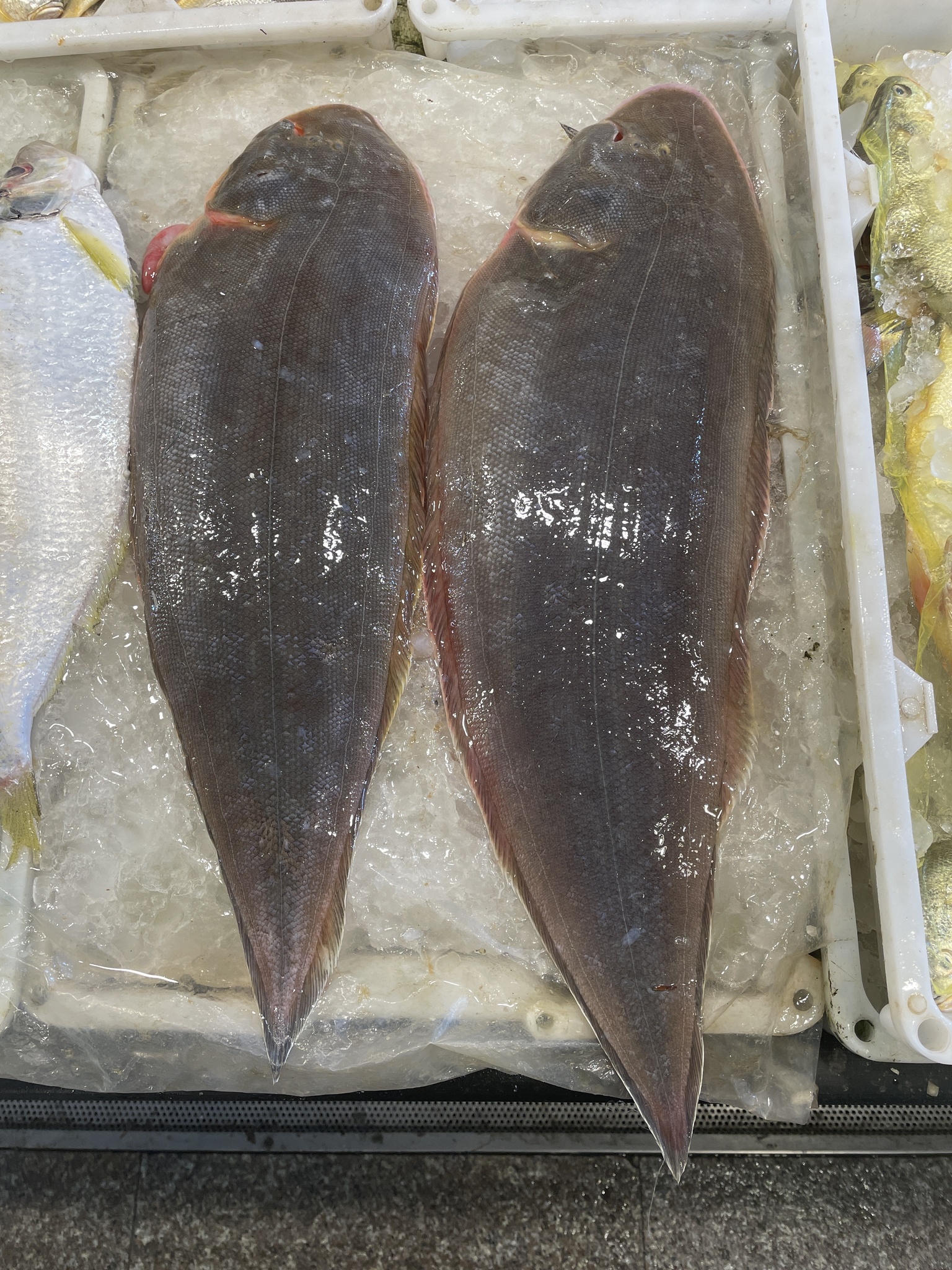
Tongue sole
Tongue sole, a member of the family Cynoglossidae, is found across Asia, in the China. It lives in subtropical water. It grows to 61.1 cm TL, with a diet of crustaceans and fishes. Anglers target it by boat bottom fishing or shore fishing.

Tope shark
Tope shark is a slim, wide-ranging houndshark of cold to warm temperate seas, the fish British and German anglers simply call tope. It can be met from the surface down to 1,100 m. Fish reach 193 cm TL and 44.7 kg and take a mixed diet of fish, crustaceans, molluscs, worms and echinoderms. The season runs January and December, and a maximum age of 55 years marks it as a slow-growing shark.
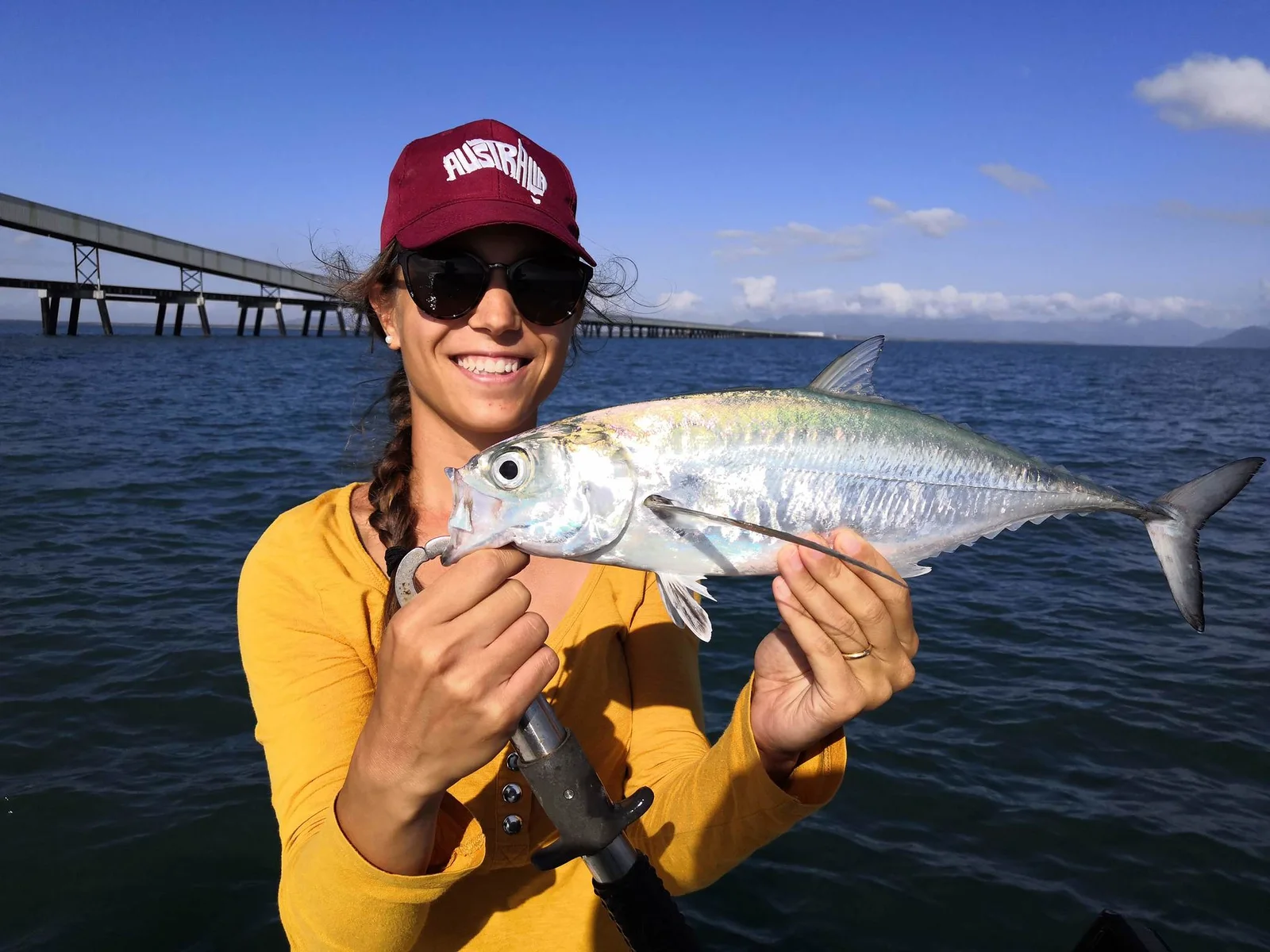
Torpedo scad
Torpedo scad is recorded across the Indo-West Pacific, from East Africa to Japan and Australia, within the family Carangidae. It is caught from 20 to 100 m, in tropical water. It tops out at 80 cm TL and 4 kg, on a diet of fishes. Anglers target it by boat fishing or trolling.

Treefish
Treefish is a thick-set nearshore rockfish with a large head, heavy lips and strong head spines; maximum total length is 41 cm. The FishBase summary gives no fin-ray or vertebral counts, so identification rests on head shape, the heavy lips and the dark bars on the flank. The body is olive brown with darker bars, which separates it from the finely mottled grass rockfish at the same sites.

Tripletail
Tripletail is a deep-bodied, oddly built fish of tropical and subtropical waters in every ocean, named for the rounded rear dorsal and anal fins that make it look as if it has three tails. It lives in the top 70 m and feeds on crustaceans and fish. Adults reach 110 cm TL and 19.2 kg. May to July is the season.

Trout sweetlips
The painted sweetlips is an Indo-West Pacific grunt, recorded by FishBase from the Persian Gulf to Sri Lanka and eastward to China. It is marine and reef-associated, at 20–200 m, in tropical water. The maximum is 83 cm total length, the maximum published weight 6.9 kg, and the maturity length 53.6 cm, with a range starting at 40 cm.

Tub gurnard
Tub gurnard is a bottom-dwelling triglid of the eastern Atlantic and Mediterranean, from Norway to Cape Blanc. It lives between 20 and 318 m, reaches 82.8 cm and 6.6 kg, feeds on crustaceans and fish, and can live 15 years. Boat bottom fishing is the usual approach, with the season running January to December in water of 8 to 24 °C.
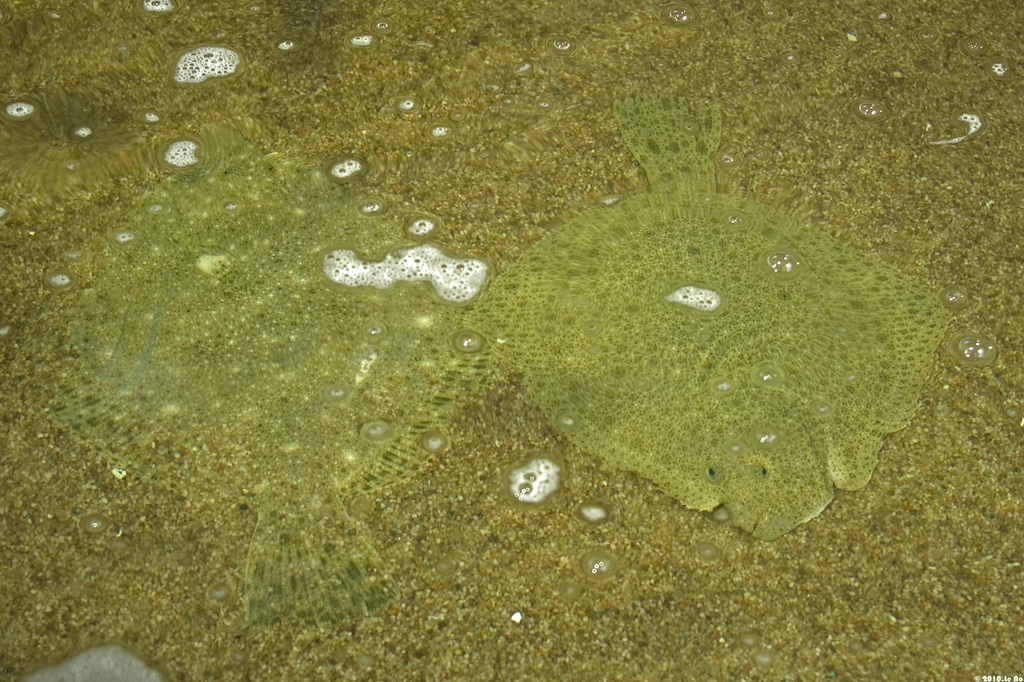
Turbot
Turbot is a large flatfish of the northeast Atlantic and Mediterranean, from the Arctic Circle along the European coast. It lives from 20 to 70 m in temperate water, reaches 100 cm SL and 25 kg, can live 25 years, and feeds on crustaceans, fish and molluscs. Boat bottom fishing is the usual approach, with the season running April to August.
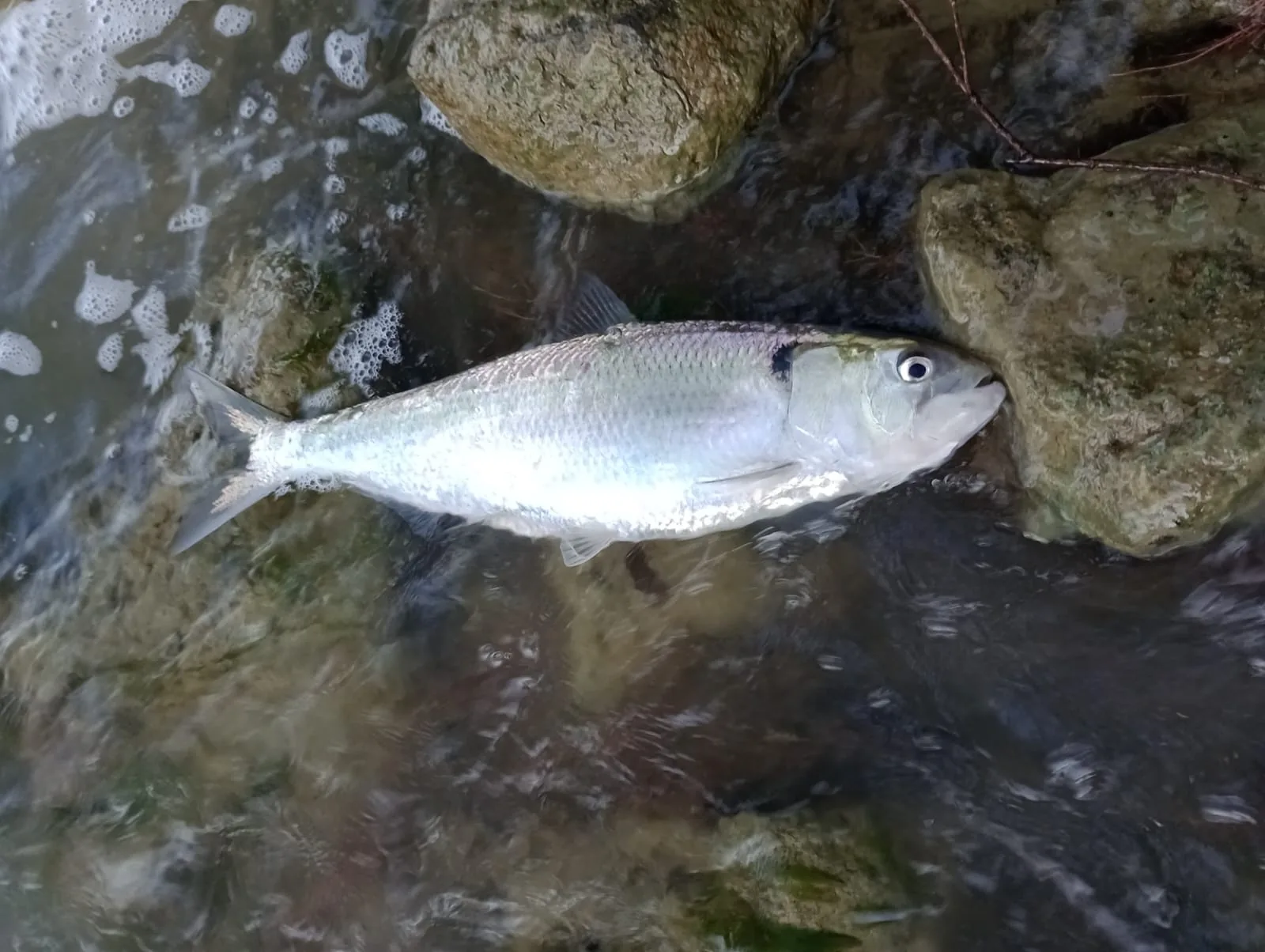
Twaite shad
The twaite shad is a compact, herring-like member of the Alosidae that lives in coastal seas and migrates up rivers to breed. It occurs from Iceland and the British Isles south to Morocco, with additional populations in the Baltic, Mediterranean and Black Sea. FishBase gives a marine depth band of 10–400 m and spawning records from April to July, mostly in lower river reaches.
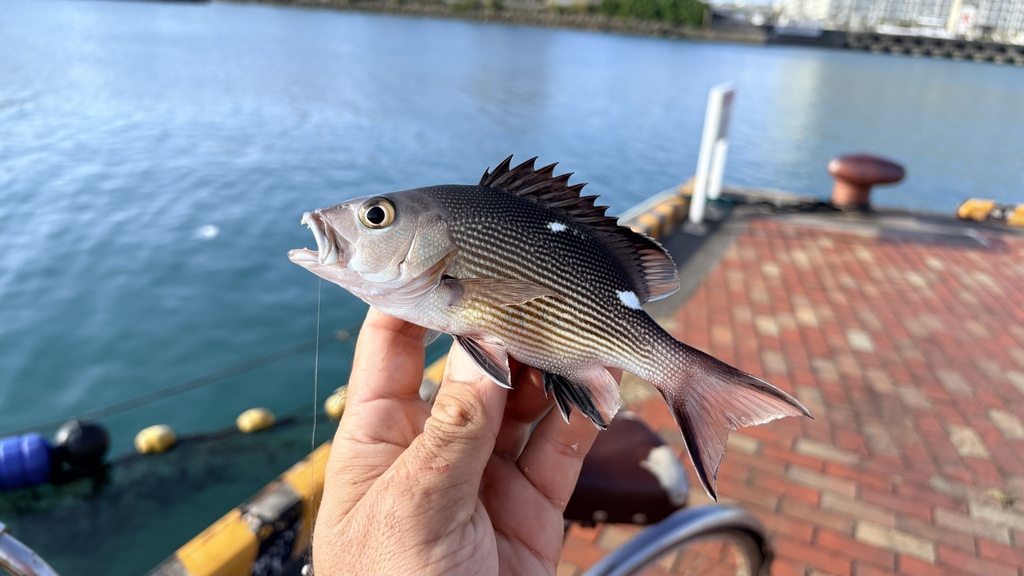
Two-spot red snapper
In one village this is dinner and in the next market it is the fish nobody will buy. Both statements describe Lutjanus bohar, and the reason is not fashion but ciguatera. FishBase records poisoning reports and adds a sharper line: large fish from oceanic areas in the western Pacific are often ciguatoxic, with Tuvalu named as an example. The same species is a commercial catch, a gamefish, and a fish that is utilised fresh and dried-salted.
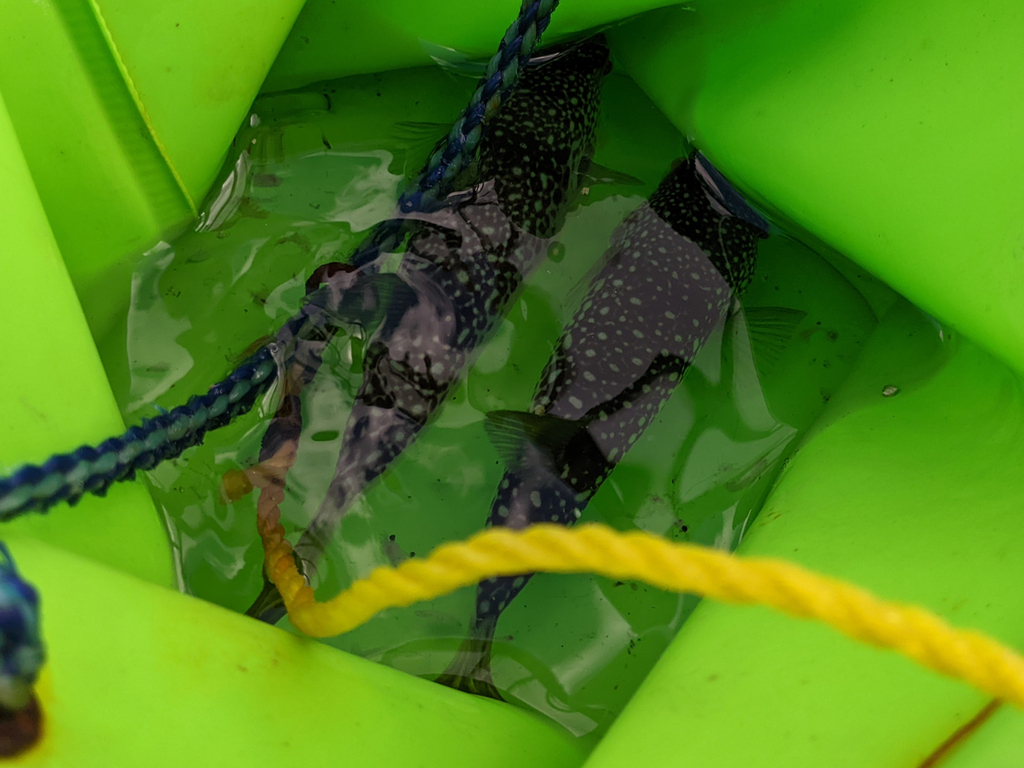
Vermiculated puffer
A medium puffer common along the Japanese coast, called shosai-fugu in Kanto. It lives on sand inside 100 m, spawns in early summer on sand, mud or gravel shallower than 20 m, and lays adhesive eggs. The liver and ovary are highly toxic, the skin and intestine strongly toxic, and the milt is not; processing is licensed in Japan.
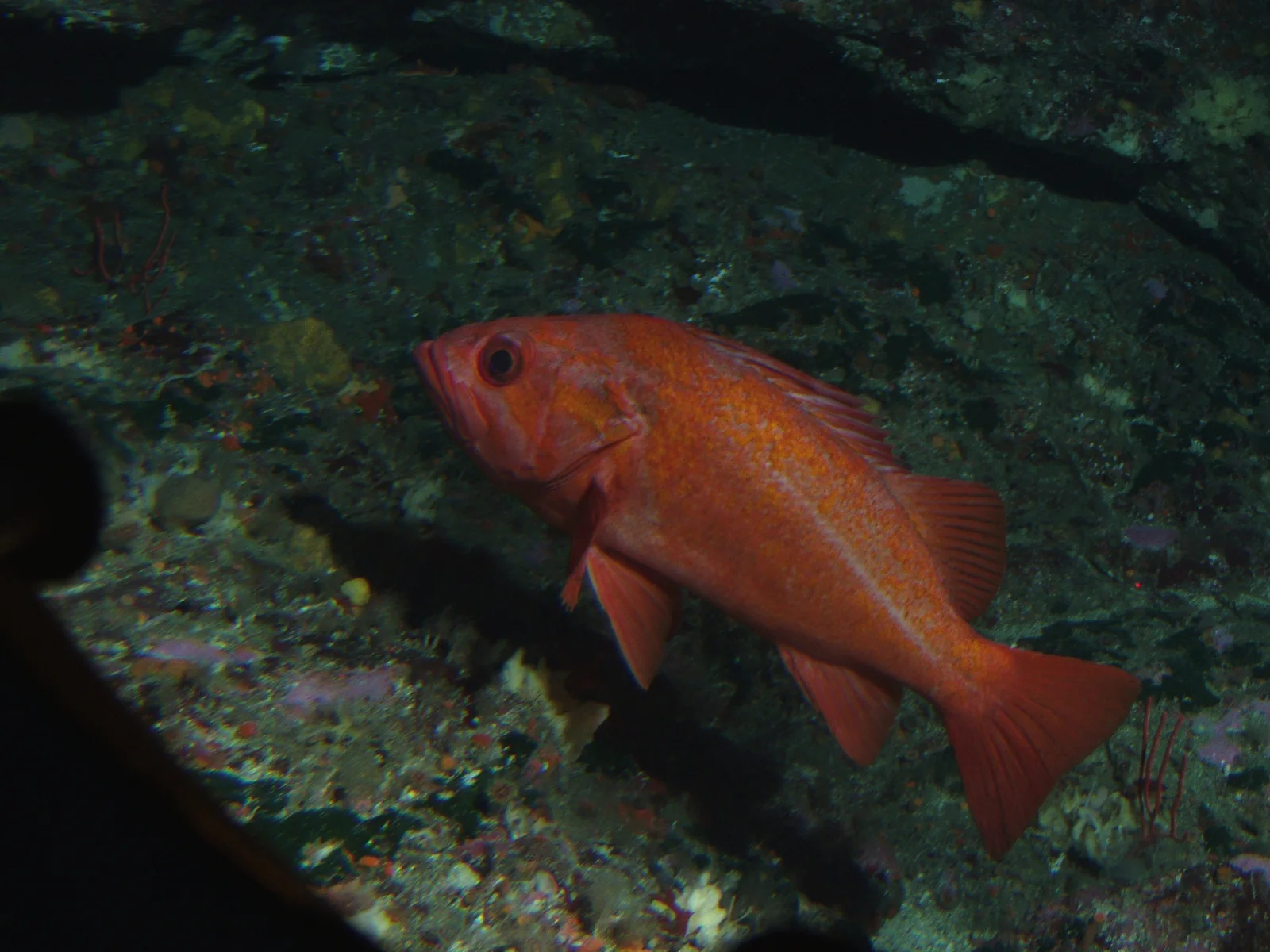
Vermilion rockfish
Vermilion rockfish is a member of the family Sebastidae and ranges across the Eastern Pacific, from Prince William Sound, Alaska and Queen Charlotte Island, British Columbia, Canada to central Baja California, Mexico. Fish reach 91 cm TL and 6.8 kg. Anglers target it by boat bottom fishing. It prefers water of 8 to 9 °C.

Vermilion snapper
Vermilion snapper is a deep-water lutjanid of the western Atlantic, from Bermuda and North Carolina through the Gulf of Mexico and Caribbean to São Paulo. It lives from 40 to 300 m in subtropical water, reaches 60 cm TL and 3.2 kg, can live 13 years, and feeds on fish, molluscs, zooplankton and worms. Boat bottom fishing is the usual approach, and it is present year-round.
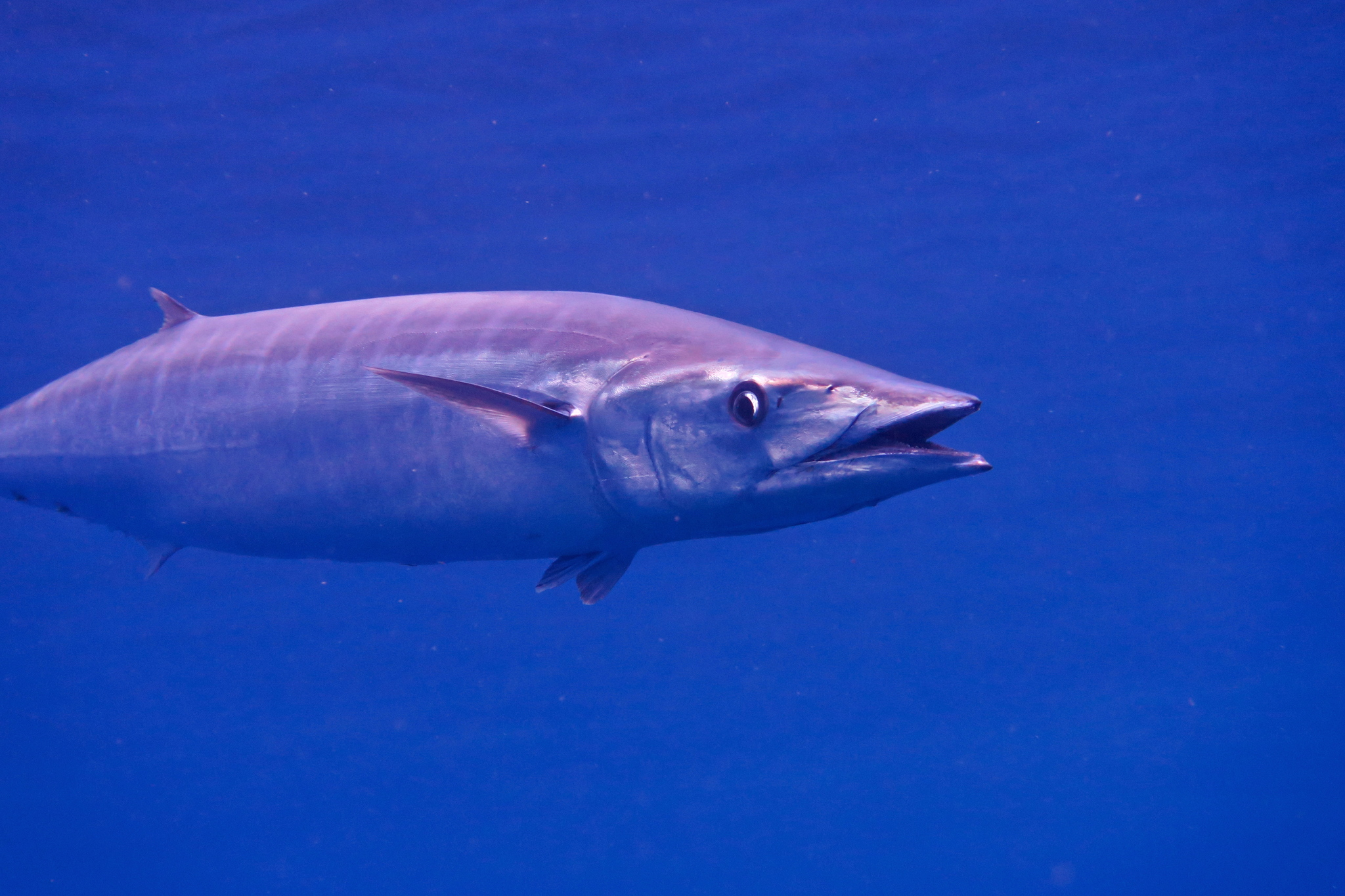
Wahoo
Wahoo is a large scombrid that patrols the top 20 m of tropical and subtropical seas, from the Atlantic and Indian oceans into the Pacific, Caribbean and Mediterranean. Fish reach 250 cm and 83 kg and feed on smaller fish. Anglers troll for them and set the lure to run in that shallow surface layer. The season runs May to October.
Walleye surfperch
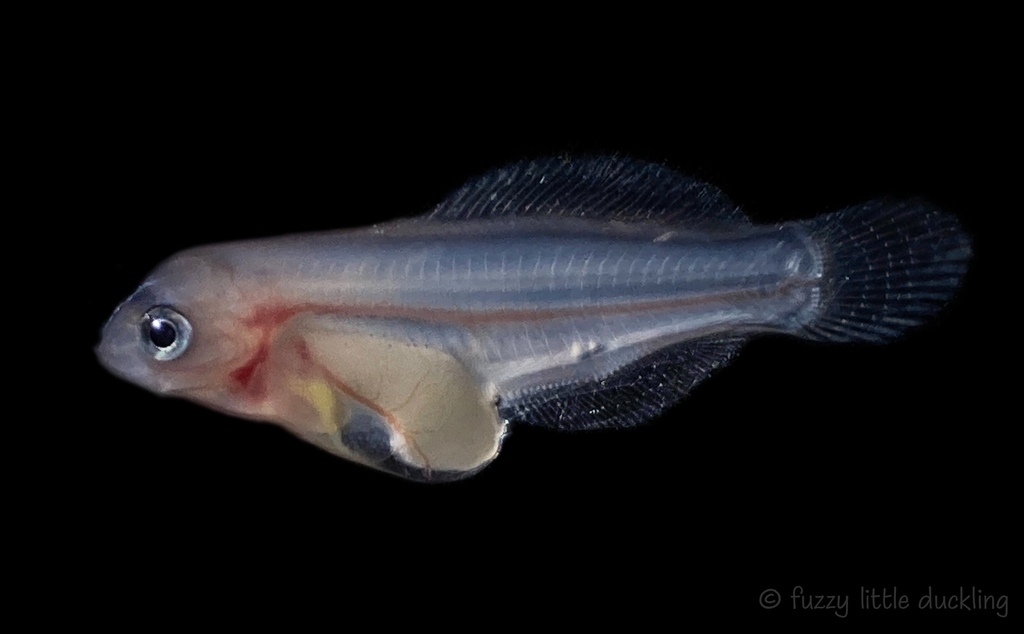
The walleye surfperch is close to unmistakable in the wash: an eye too large for its head, a silver body, and a mouth small enough that it can only pick. It is the common small surfperch along Southern California beach slopes, and the one most often slipped into the bag under the surfperch aggregate of 20 with a 10-fish single-species cap.
No fish match this water on this page. Clear the filter or choose another habitat.