
What fish are on your coast? — page 3 of 16
Choose the water you fish: shore, reef, surf or deep water. Then open a fish to see what it eats, when it comes in, and how to catch it.
Species records
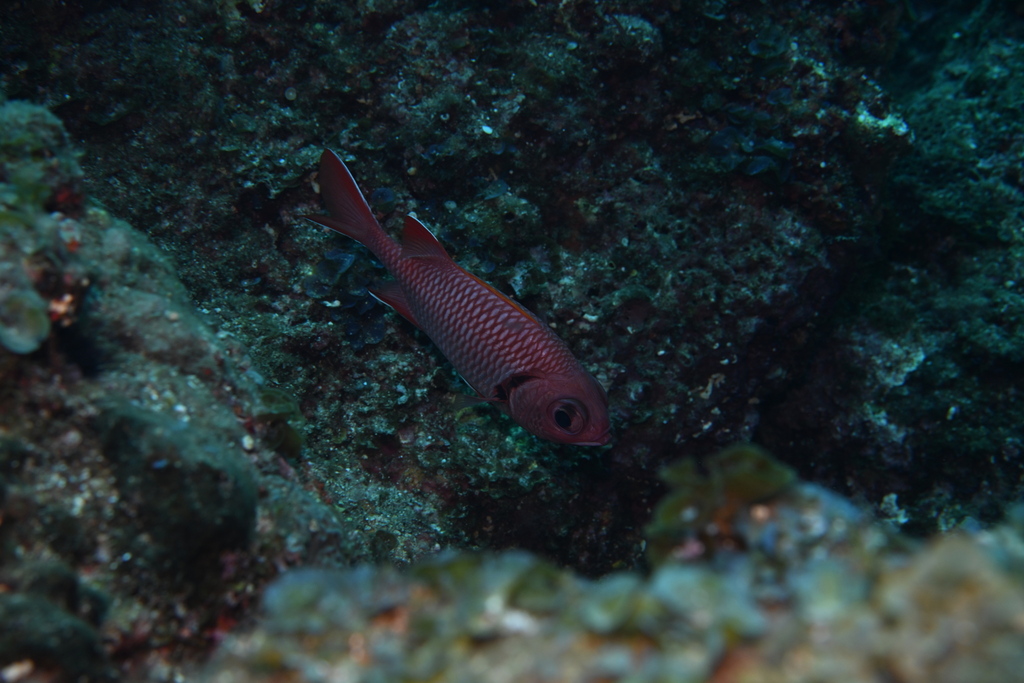
Blotcheye soldierfish
The fin counts are the quickest check: eleven dorsal spines with thirteen to fifteen soft rays, and four anal spines with eleven to thirteen soft rays. Four anal spines is the detail that separates it from most of the red fish sharing the same ledge. The lower jaw projects noticeably when the mouth is closed, and the lower half to three-quarters of the inner pectoral axil carries small scales.

Blubberlip snapper
The blubberlip snapper is named for a feature that only adults show: the lips thicken until the head looks blunt and almost swollen. The body is very deep, 2.1–2.4 times into standard length, and the tail is truncate or only slightly emarginate. Counts on the checked page are 10 dorsal spines and 15–16 soft rays, three anal spines and eight soft rays, and 17–18 gill rakers on the first arch.

Blue grenadier
Blue grenadier is a long, tapering hake-like fish of the southwest Pacific, found off New Zealand and southern Australia. It moves through a huge depth band, from the surface to 1,000 m, and feeds on crustaceans and fish. Adults reach 120 cm TL and can live 25 years. June to September, the southern winter, is the season.
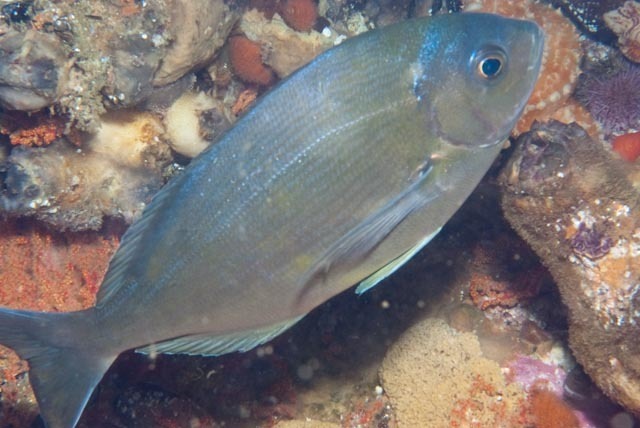
Blue hottentot
Pachymetopon aeneum is a South African endemic sparid recorded from Sodwana Bay in northern KwaZulu-Natal south and west to the Cape. FishBase gives a maximum of 55 cm total length, a common length of 30 cm and maturity at about 25 cm. It lives over reef at 20 to 50 m and feeds on worms, ascidians, crustaceans, molluscs and algae. It is a recognised food fish and is taken mainly by boat anglers fishing bottom baits over reef.

Blue jack mackerel
The blue jack mackerel is a carangid of the eastern Atlantic, recorded from the southern Bay of Biscay to southern Morocco, including the Azores, Madeira, the Canary Islands, Tristan da Cunha and Gough Island, and from the western Mediterranean; FishBase also lists Mauritania and notes that eastern Mediterranean reports need confirmation.
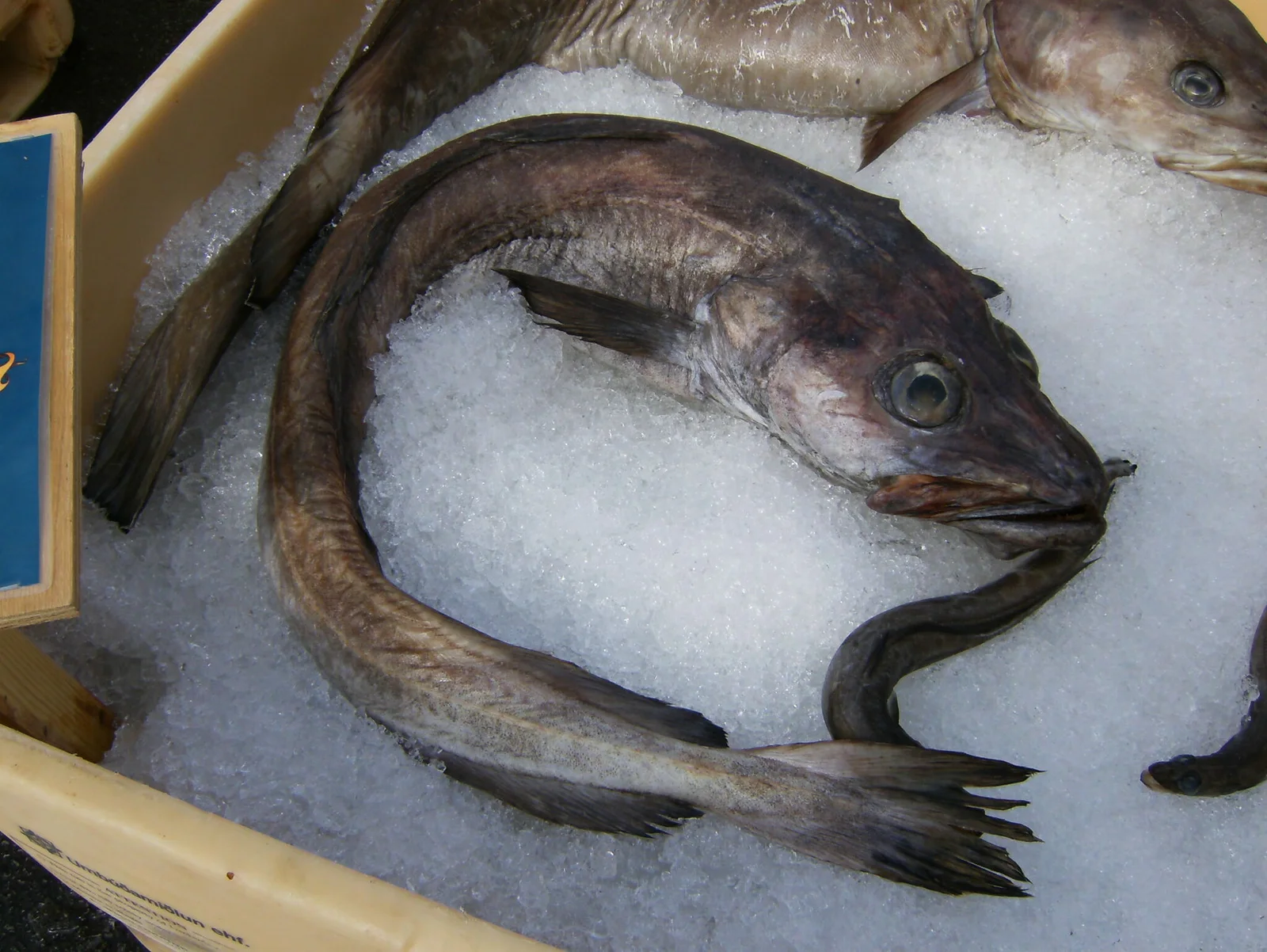
Blue ling
Blue ling is a large gadiform of the family Lotidae, built long and heavy enough to reach 155 cm and 30 kg. It ranges across the Northeast Atlantic from the Barents Sea and Iceland down to Morocco and into the western Mediterranean, with an isolated western record off Newfoundland. Most of its depth range is 350–500 metres, deeper than typical sport gear.

Blue mackerel
Blue mackerel is a subtropical scombrid of the Indo-West Pacific, from the Red Sea and Persian Gulf through Australia, New Zealand, Japan, Korea and the Chinese coast. It lives from 87 to 200 m, reaches 50.2 cm SL and 1.4 kg, and feeds on crustaceans, fish and zooplankton. Trolling or jigging is the usual approach.
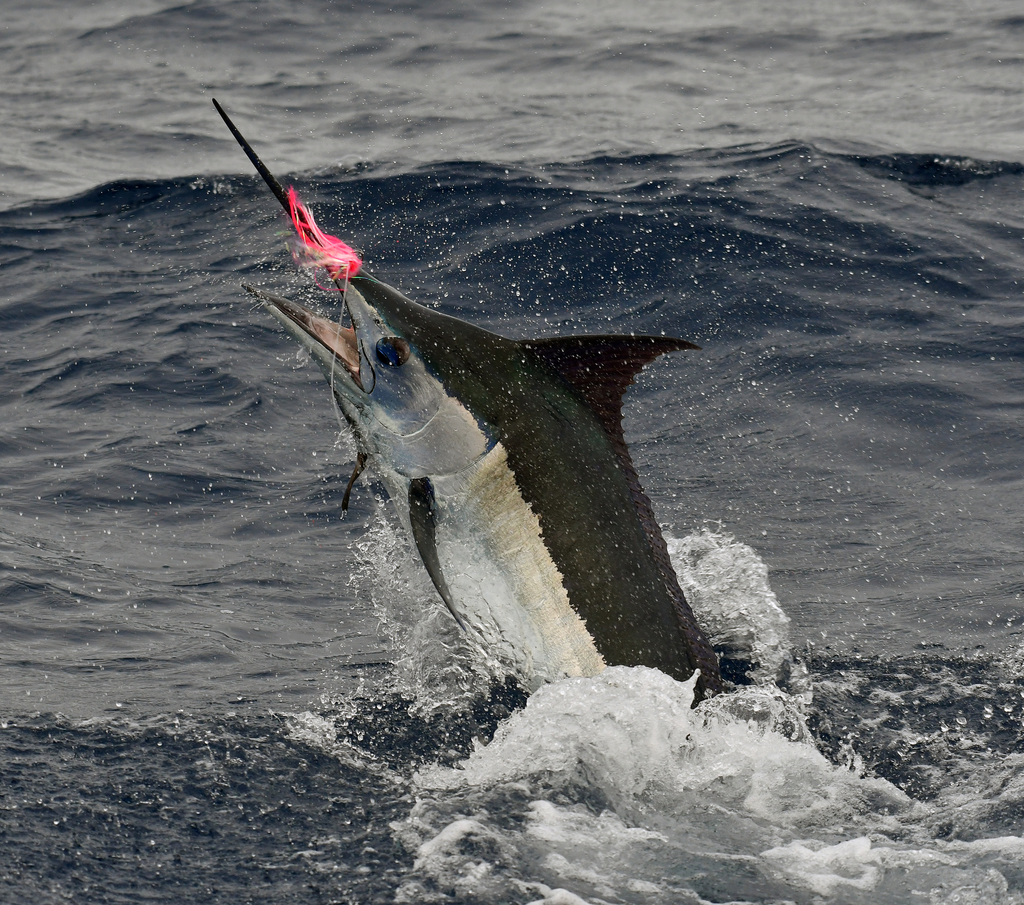
Blue marlin
The two length figures in this record are 500 cm and 290 cm. They are not a range and they are not a disagreement. The first is the largest specimen the source has accepted; the second is the fish a boat is likely to meet. Almost every practical decision about blue marlin — leader class, release handling, how a photograph is framed — belongs to the second number, while most of the fish's reputation belongs to the first.
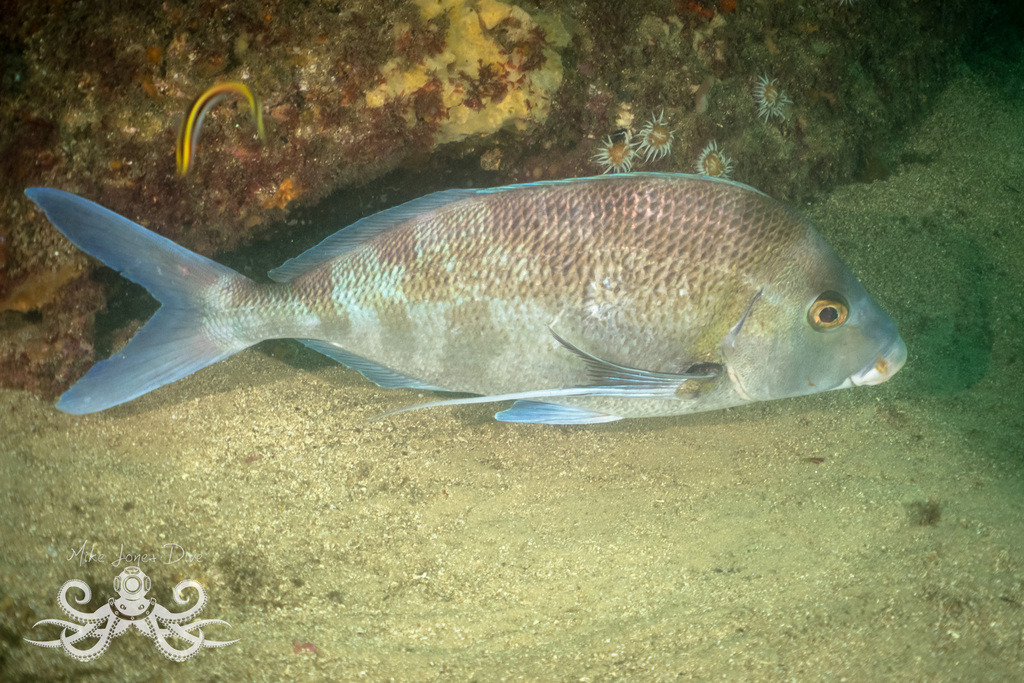
Blue moki
Blue moki is a latrid of the southwest Pacific, from Australia and New Zealand to the Kermadec Islands. It lives from the surface to 200 m in temperate water and reaches 81 cm and 4 kg. Boat bottom fishing is the usual approach.

Blue rockfish
Blue rockfish is a rockfish of the eastern Pacific, from Vancouver Island in British Columbia to northern Baja California. It lives from the surface to 550 m in water of 1 to 8 °C, reaches 61 cm TL and 3.8 kg, can live 44 years, and feeds on fish and zooplankton. Boat bottom fishing is the usual approach, with the season running November to January.

Blue runner
Blue runner is a schooling jack of both sides of the Atlantic, from Senegal to Angola and through the Caribbean into the Gulf of Mexico. It gathers around reefs and inshore structure from the surface down to 100 m, reaches 70 cm and 5.1 kg, and feeds on fish. The season runs February to September.
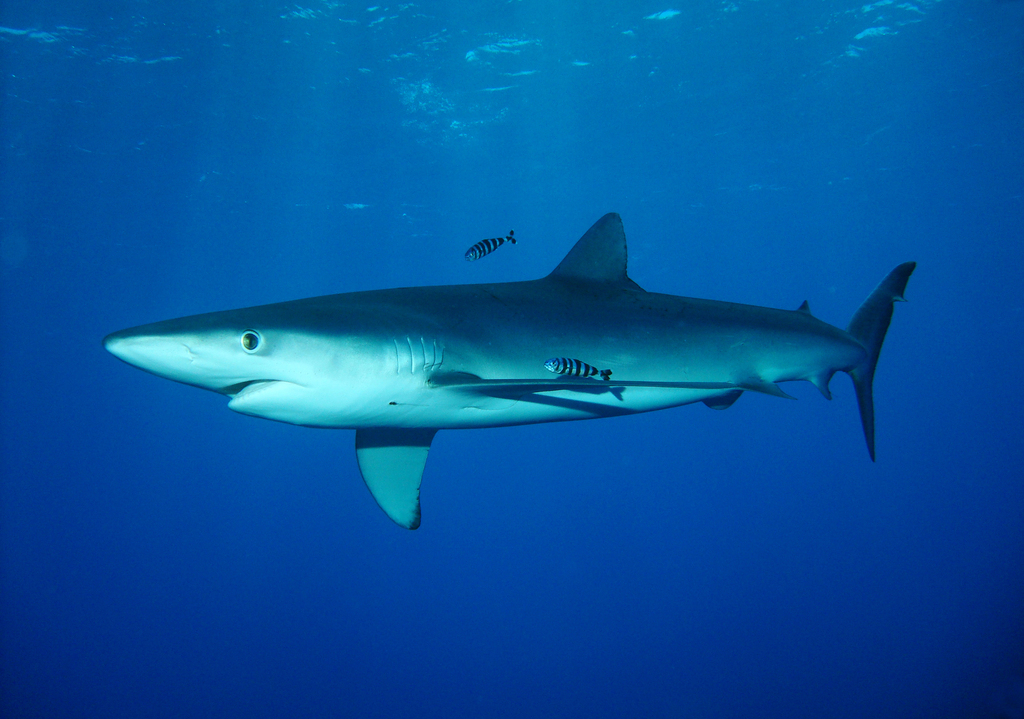
Blue shark
Five numbers describe the species on one page, and four of them are not lengths: 205.9 kg, 199.1 cm, 20 years, a common length of 335 cm, and a maximum of 400 cm. Read together they suggest a giant. Read separately they describe a fish whose ordinary size, first breeding size and heaviest published weight are three different pieces of evidence that the record never joins.

Blue tuskfish
Blue tuskfish is a labrid of the Indo-West Pacific, from Western Australia to Queensland, with reports from Sri Lanka to Papua New Guinea, north to the Ryukyus and south to New Caledonia. It lives in subtropical water and reaches 70 cm TL.

Blue-barred parrotfish
Blue-barred parrotfish is a large labrid of the Indo-West Pacific, from Algoa Bay, the Red Sea and the Persian Gulf across to Rapa and Ducie, north to southern Japan and south to Perth and New South Wales. It is a fusiform, laterally compressed fish marked with blue lines and yellow patches, and it works reef from 1 to 90 m in tropical water. It feeds on fish and algae, reaches 75 cm TL and can live 13 years.
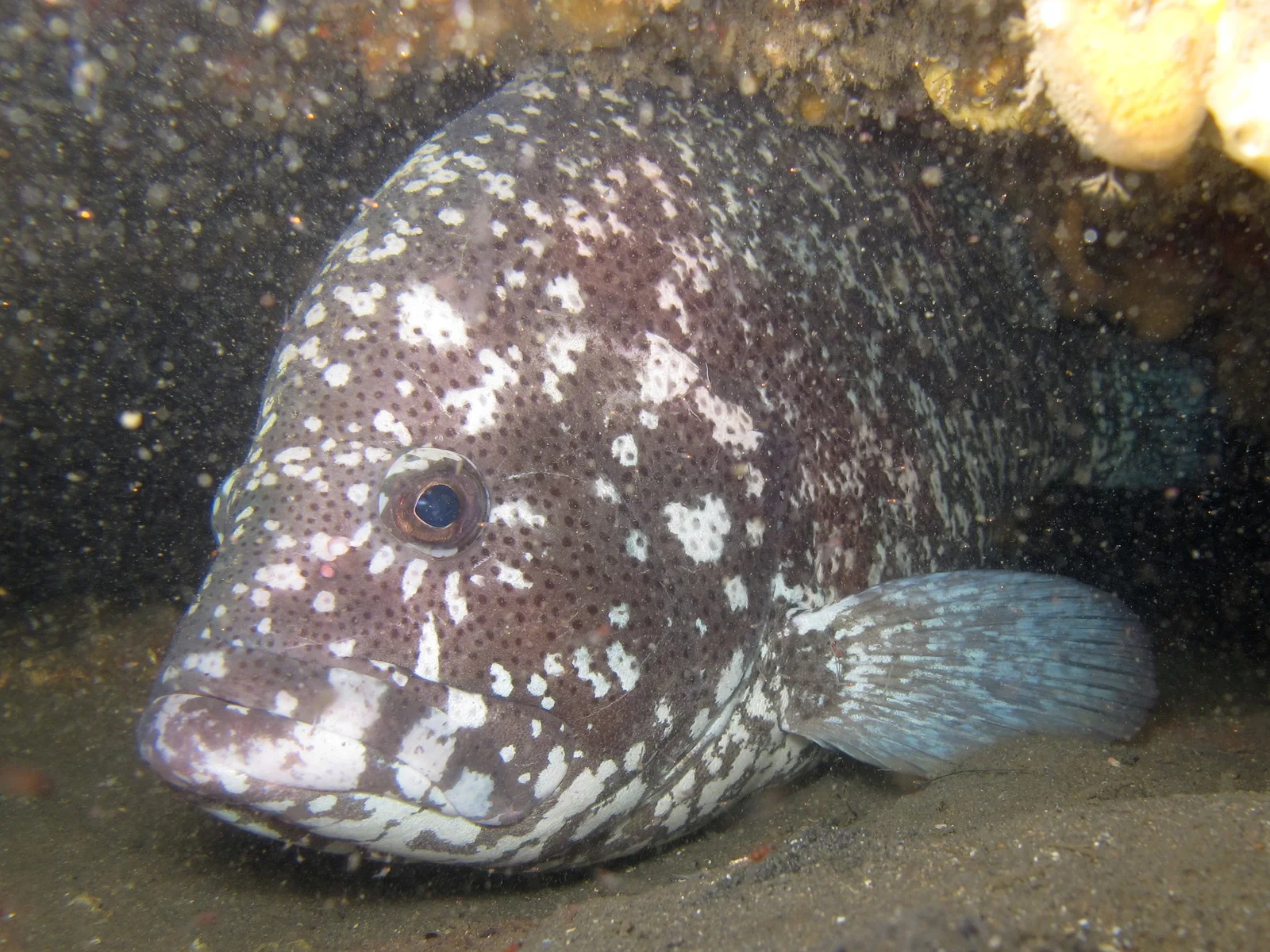
Blue-spotted grouper
Blue-spotted grouper is a reef grouper of the western Pacific, from southern Japan to southern Queensland, Fiji and Micronesia. It lives from 2 to 150 m in tropical water, reaches 122 cm and 17.3 kg, and feeds on crustaceans and fish. Boat bottom fishing is the usual approach.
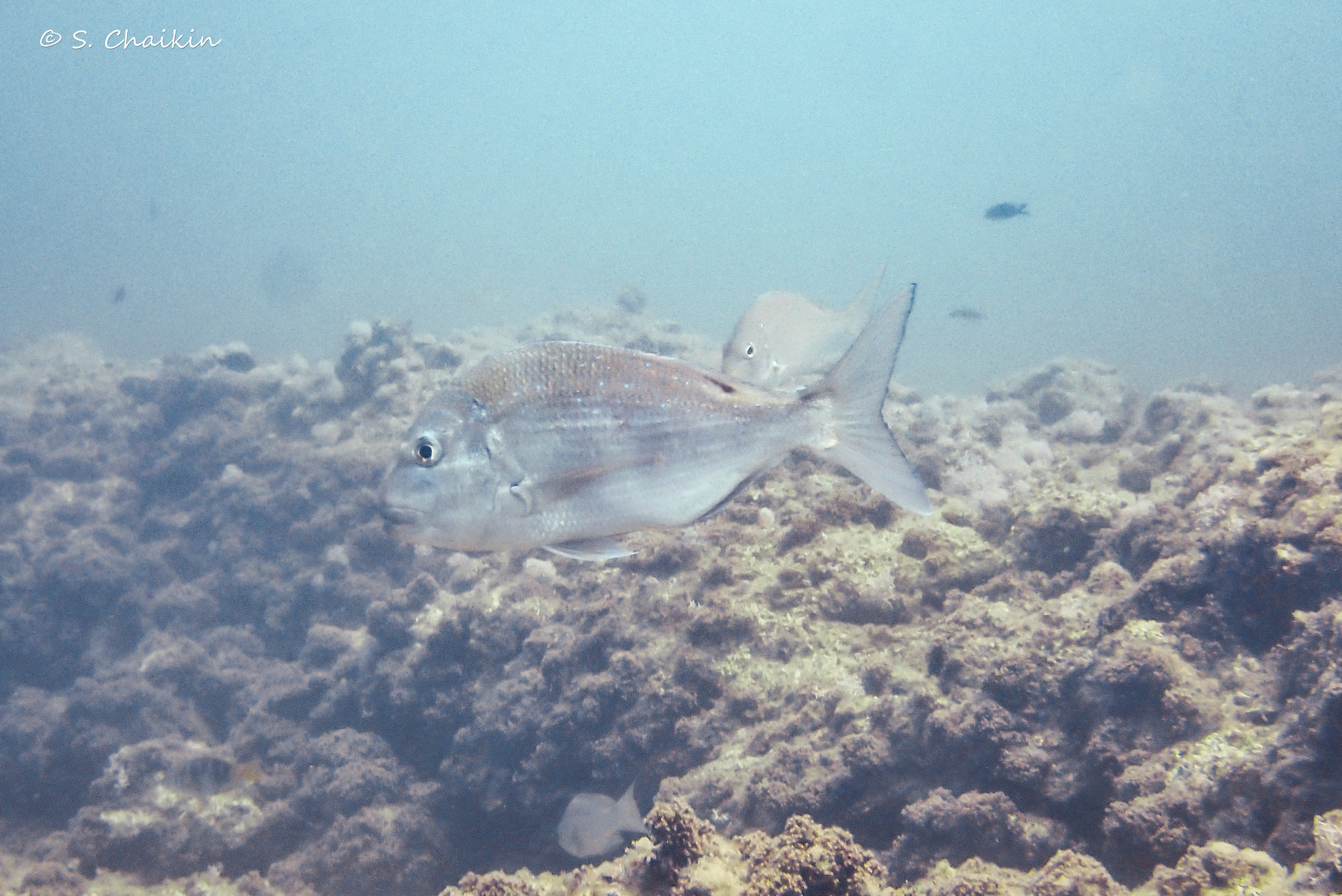
Blue-spotted seabream
Blue-spotted seabream is a large sparid of the eastern Atlantic and Mediterranean, from Portugal and Gibraltar to Angola. It lives from 1 to 200 m in subtropical water, reaches 90 cm and 11.6 kg, and feeds on crustaceans, fish and molluscs. Boat bottom fishing is the usual approach, with the season running January to November.

Blue-striped snapper
Blue-striped snapper is a small lutjanid of the Indo-Pacific, including the southeast African coast, and reaches 40 cm in six years. It feeds on crustaceans, fish, molluscs, zooplankton and algae. Boat bottom fishing or rock fishing is the usual approach, and fish are present year-round.
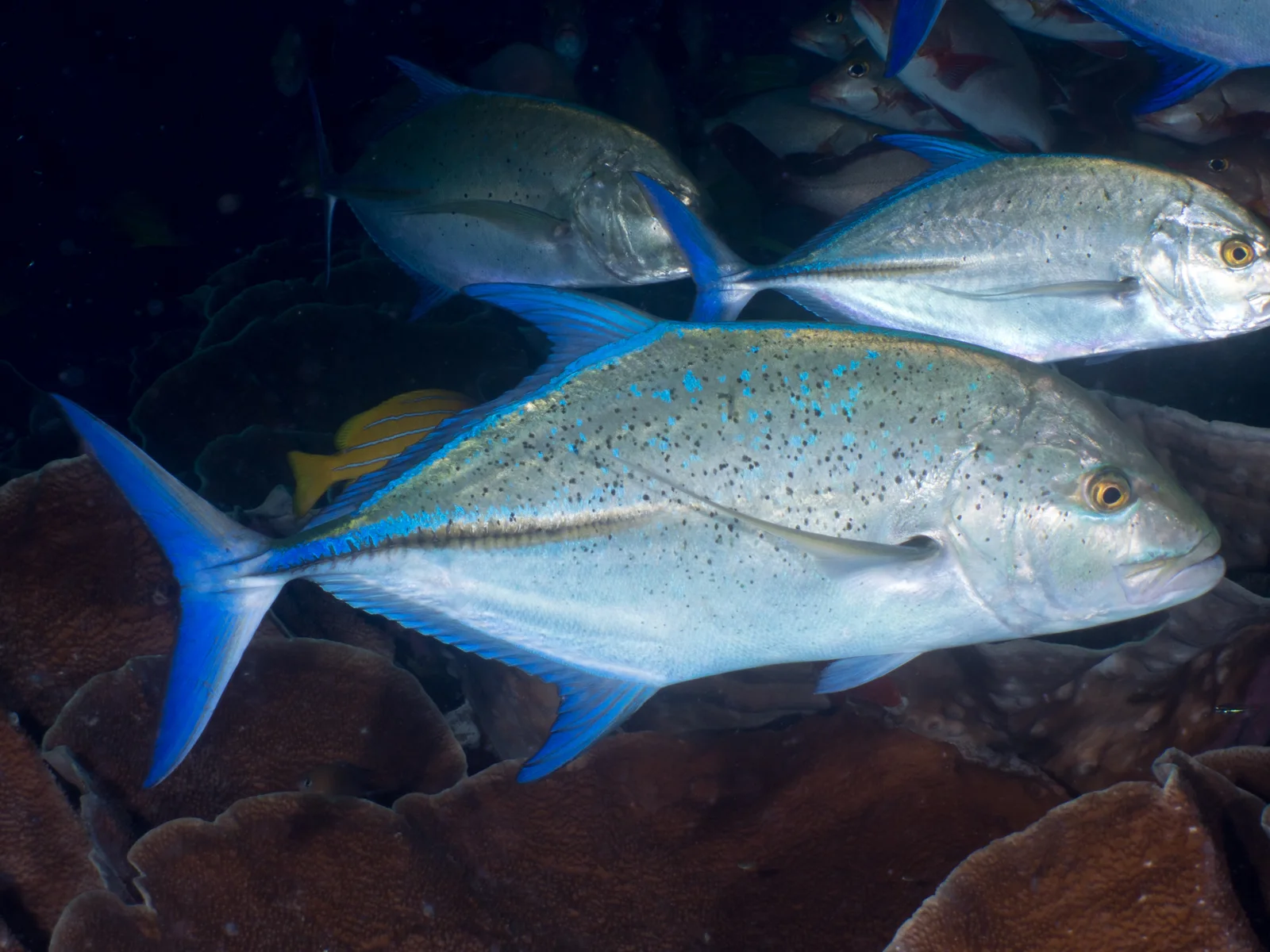
Bluefin trevally
Bluefin trevally is a reef carangid of the Indo-Pacific, from the Red Sea and East Africa to Ducie Island, the Ryukyus and New Caledonia. It lives from the surface to 190 m in tropical water, reaches 117 cm and 43.5 kg, and feeds on crustaceans and fish. Lure fishing or trolling works, with the season running April to November.
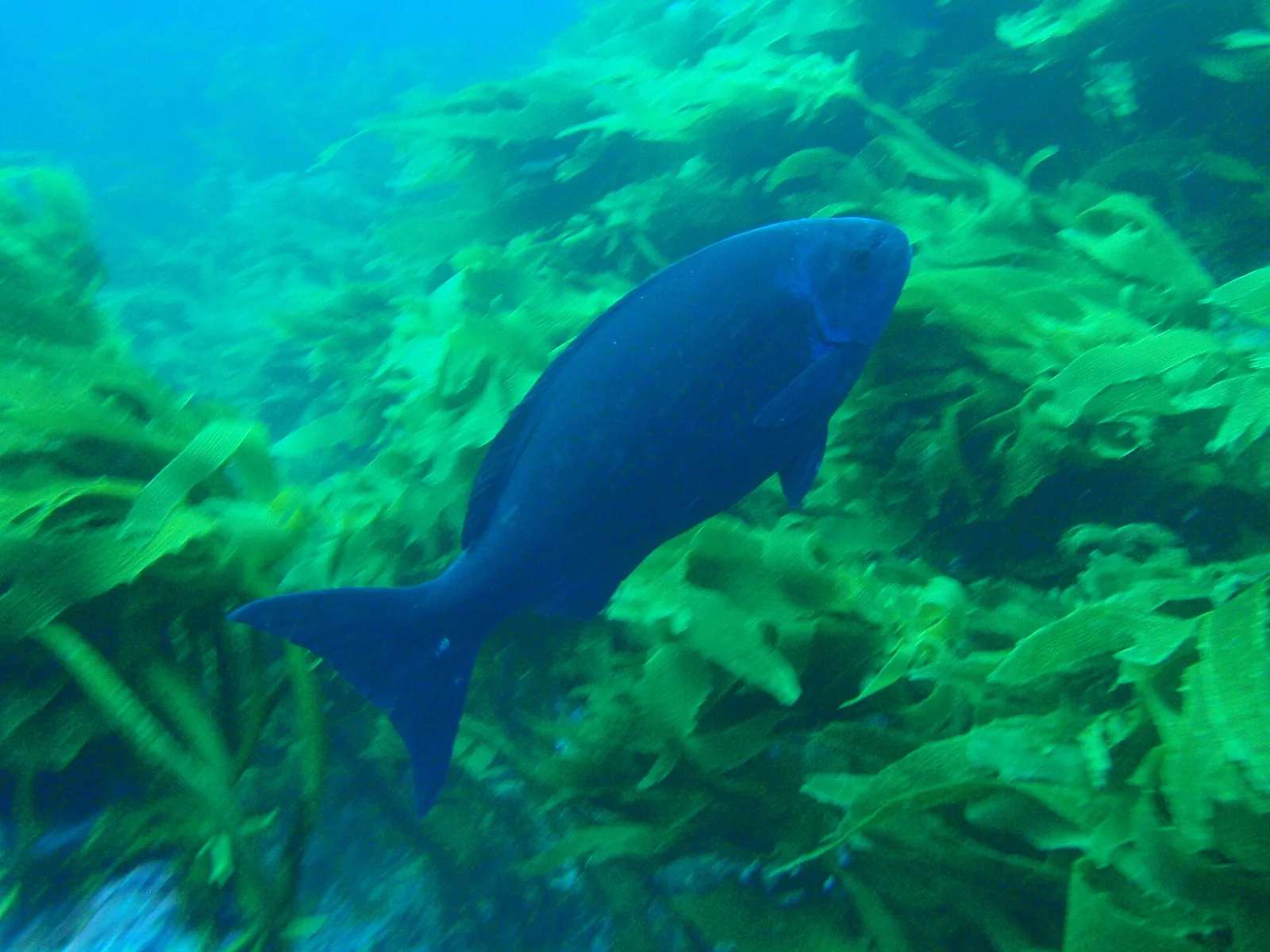
Bluefish
Bluefish carries a different name in every fishery: tailor in Australia, elf or shad in South Africa, lufer in Turkey, chopper or snapper blue in the United States. The species is the only living member of its family, so there is no close relative to compare it with. The fish behind the labels is a fast, toothy predator that blitzes bait along beaches and inlets.
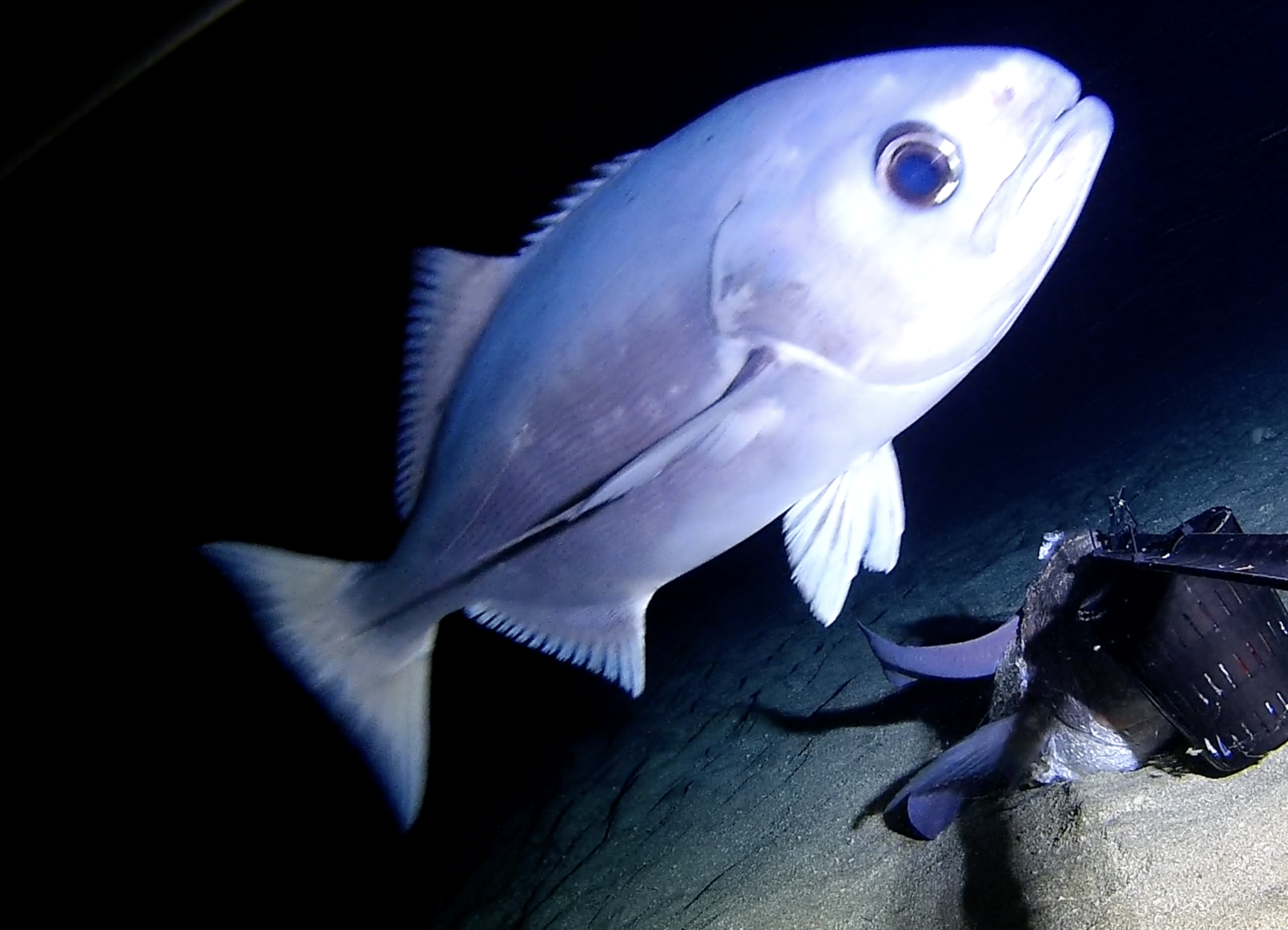
Bluenose
Bluenose is a southern-hemisphere deep-water fish, recorded from Argentina in the southwest Atlantic and known elsewhere as blue-eye trevalla. It is benthopelagic, with a 1,460 m envelope and a much narrower working band of about 230 m, generally between 40 and 1,500 m. It reaches 140 cm TL and 63 kg and lives about 15 years.
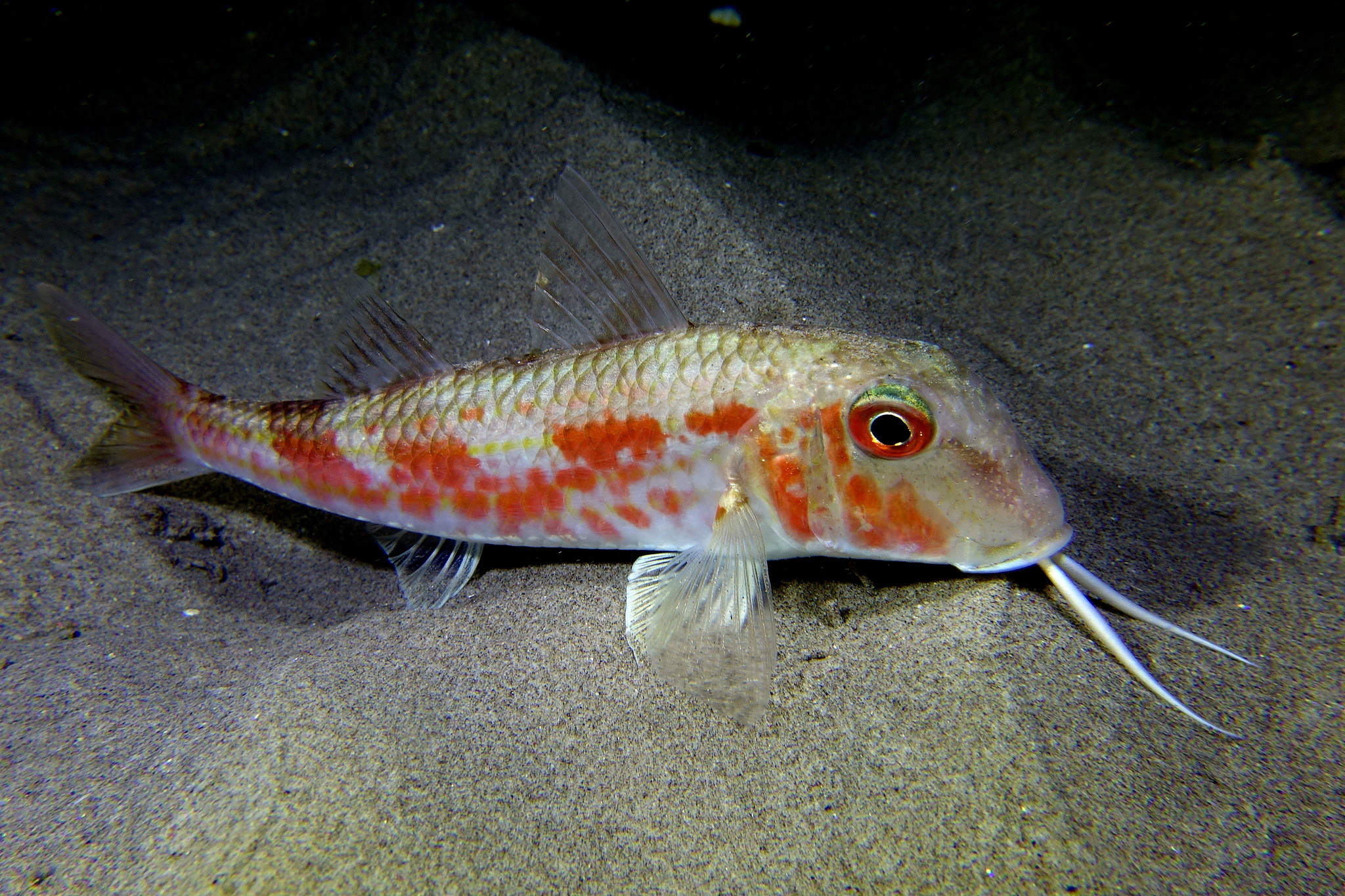
Blunt-snouted mullet
Red mullet is the wrong fish to look for in an estuary. FishBase marks it marine, not brackish and not freshwater, and yet its range includes the Black Sea. The useful question is therefore not "which part of the river holds fish" but "where the salt end of the gradient begins to feel like a sea".

Bocaccio
Bocaccio is recorded across the Eastern Pacific, from Stepovak Bay, Alaskan Peninsula to Punta Blanca, Baja California, Mexico, within the family Sebastidae. It is caught from 0 to 476 m, in subtropical water. It tops out at 91 cm TL and 9.6 kg, on a diet of fishes and zooplankton. Anglers target it by boat bottom fishing or slow pitch jigging. The season runs January to December.

Bogue
Bogue is a small sparid of the eastern Atlantic and Mediterranean, from Norway to Angola and the Canary, Cape Verde and São Tomé–Príncipe islands. It lives from the surface to 350 m, reaches 40 cm and 0.455 kg, and feeds on crustaceans and algae. Boat or shore fishing works, and fish are present year-round.
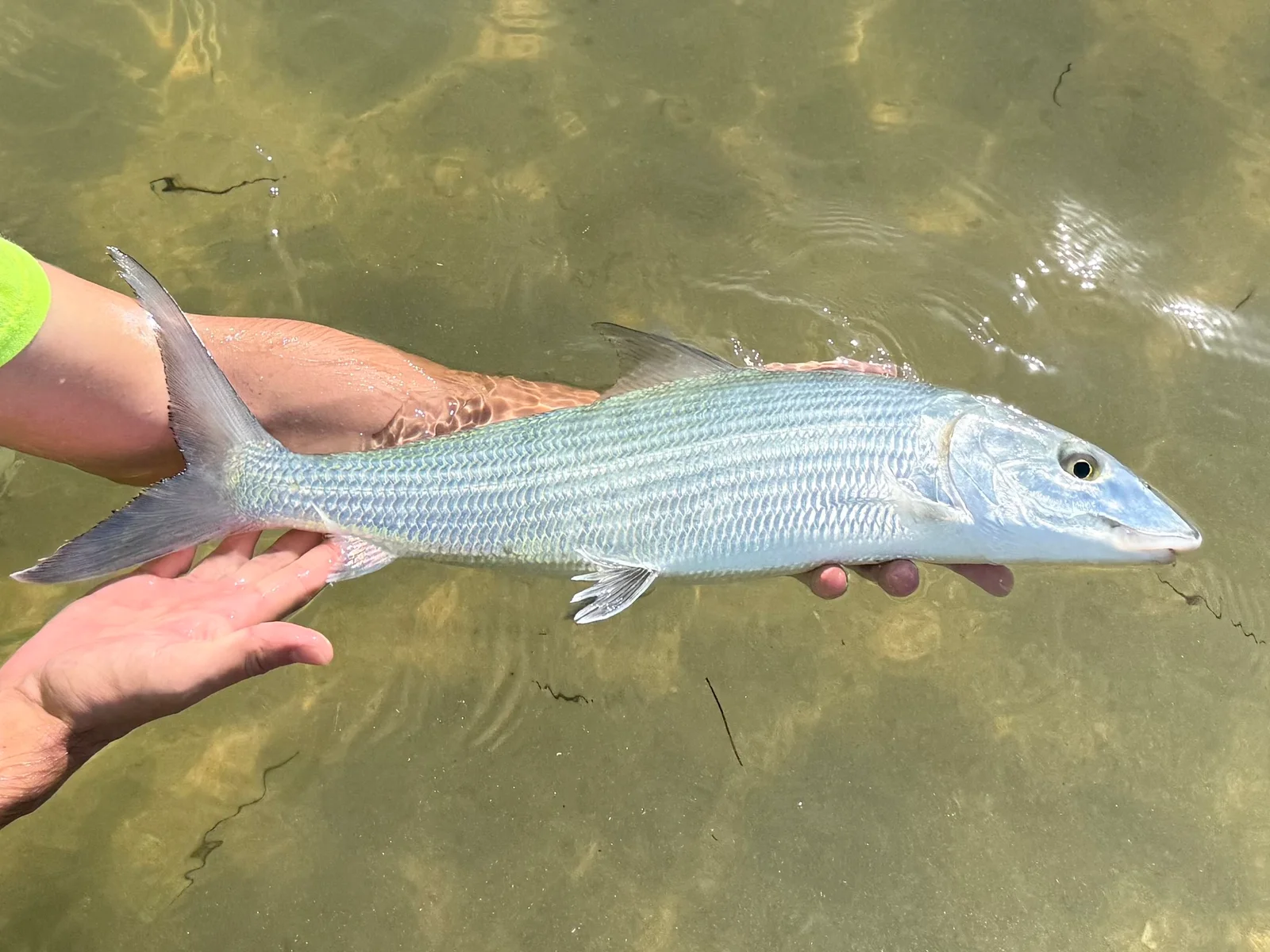
Bonefish
Adults inhabit shallow coastal waters, estuaries and bays, over sand and mud bottoms. Often in schools, except large individuals which are solitary. Dorsal fin may show above surface. More or less pelagic but feed on benthic worms, crustaceans, and mollusks; that are picked from mud and sand bottoms. They can tolerate oxygen poor water by inhaling air into a lung-like airbladder.
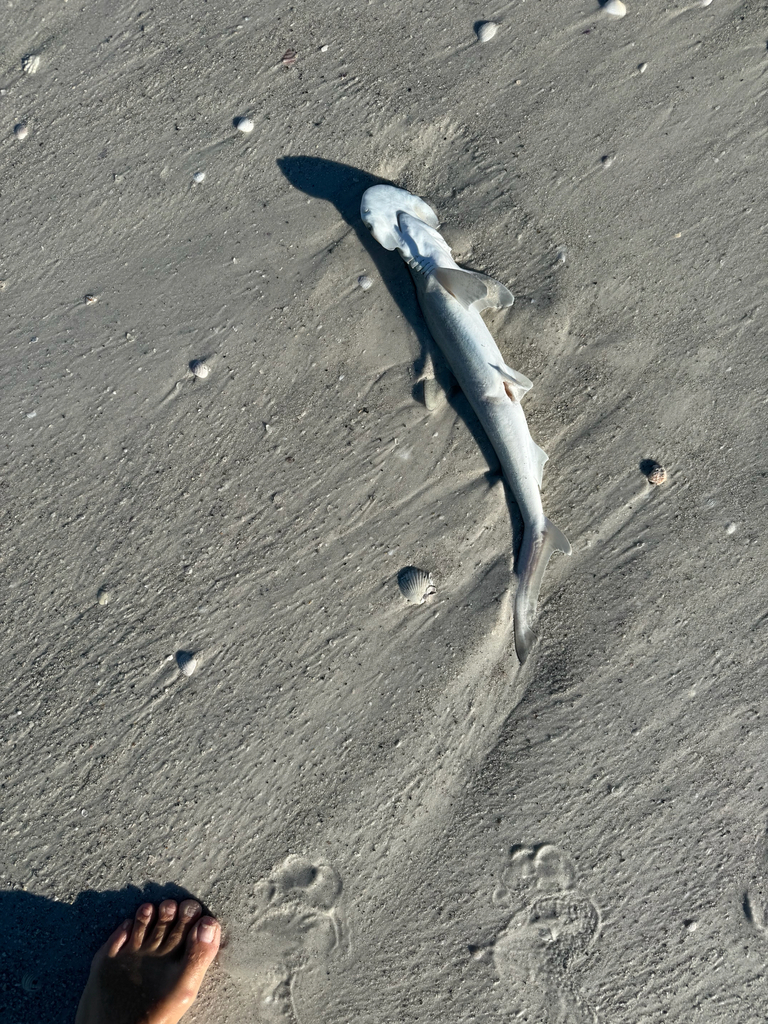
Bonnethead
The bonnethead is the smallest hammerhead and the only one centred on the western Atlantic: FishBase records it from North Carolina to Belize, including the Gulf of Mexico and the Caribbean. Maximum length is 150 cm TL, common 80 cm, maximum weight 10.8 kg and maximum age 12 years; maturity is about 85 cm. It is an inshore shark of estuaries, bays, sand and mud bottoms, seagrass and reefs.
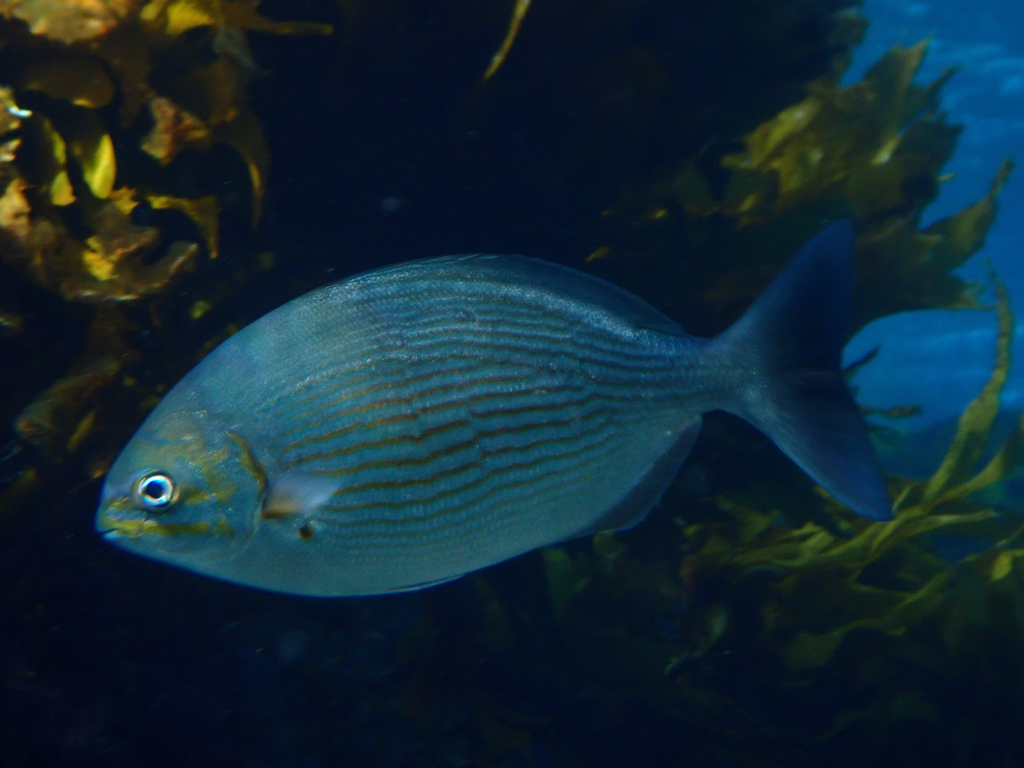
Brassy chub
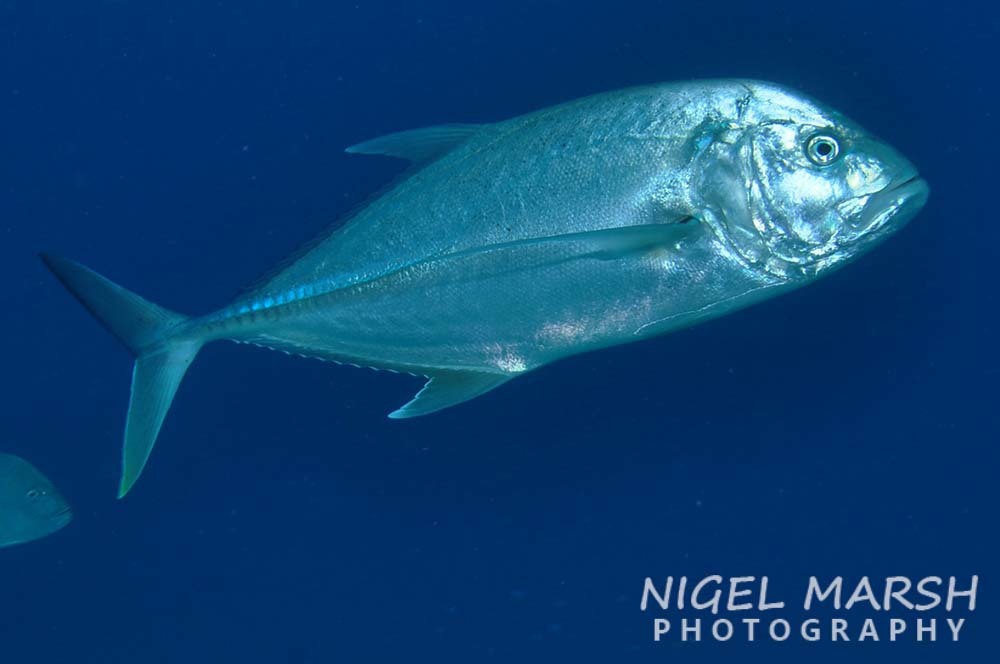
Count first: ten or eleven dorsal spines with 13 to 15 soft rays, three anal spines with 12 to 14 soft rays, 17 to 20 pectoral rays, 26 vertebrae. Horizontal scale rows alternate gold and blue, the back is metallic blue and the belly white, and roughly 23 to 29 golden lines run along the flank, those above the lateral line curving with it.
Brassy trevally
The brassy trevally is an Indo-Pacific carangid, from Zanzibar, Tanzania and South Africa east to the Caroline and Marquesas islands, north to the Ryukyu Islands and south to Australia. It is recorded as marine, brackish, reef-associated and non-migratory, at 1–50 m, in tropical water from 31°N to 34°S and 26°E to 135°W.
Brazilian sardinella
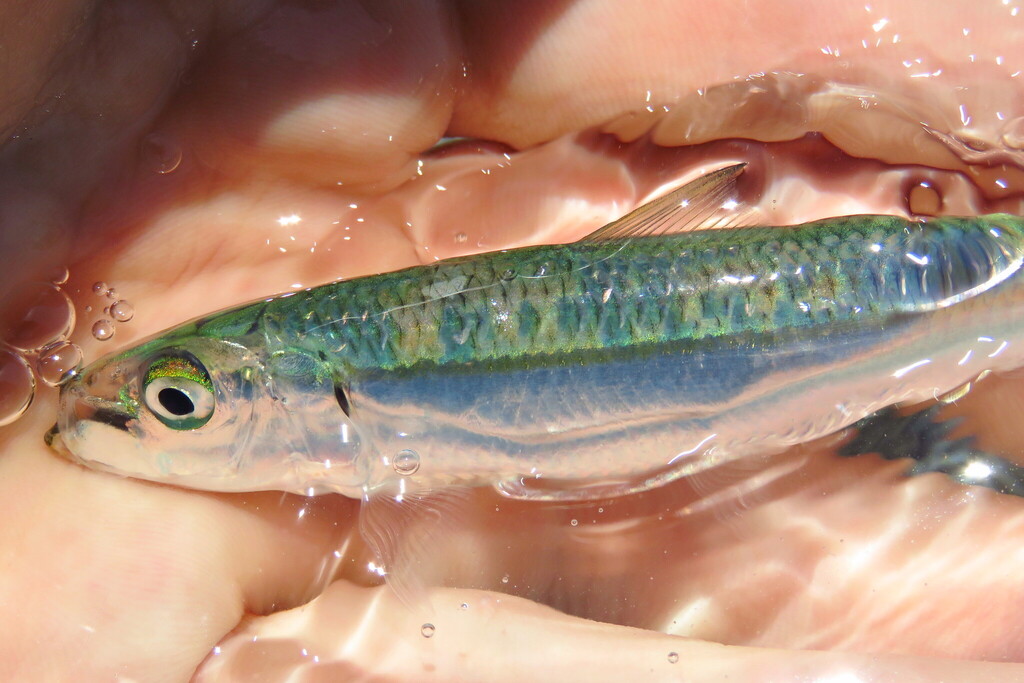
Sardinella brasiliensis, the Brazilian sardinella, is a small, silvery, strongly schooling sardine of the family Dorosomatidae. It is found in the western Atlantic from the Caribbean south to Brazil and northern Uruguay, where it supports a large purse-seine fishery, and it is extremely hard to distinguish from Sardinella aurita.
Breaksea cod
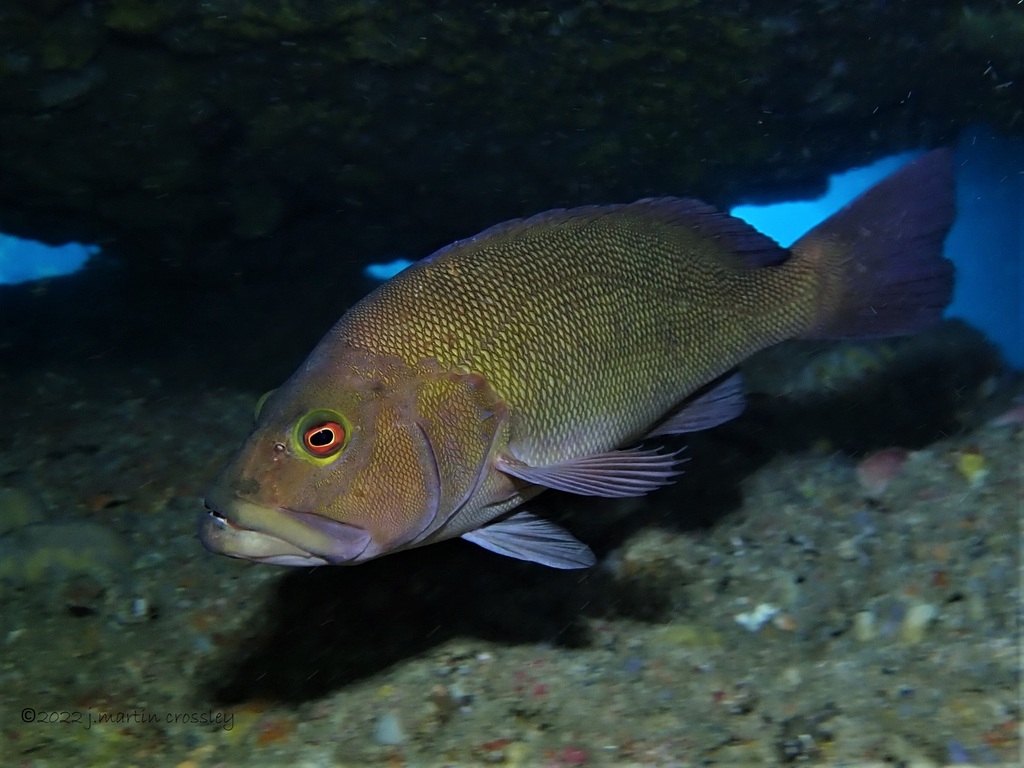
Breaksea cod is the only species in its genus, a reef anthiadid endemic to southern Australia. It lives in temperate water, reaches 56 cm TL, and is listed as Near Threatened. Its season runs from January to April and again from October to December.
Brill
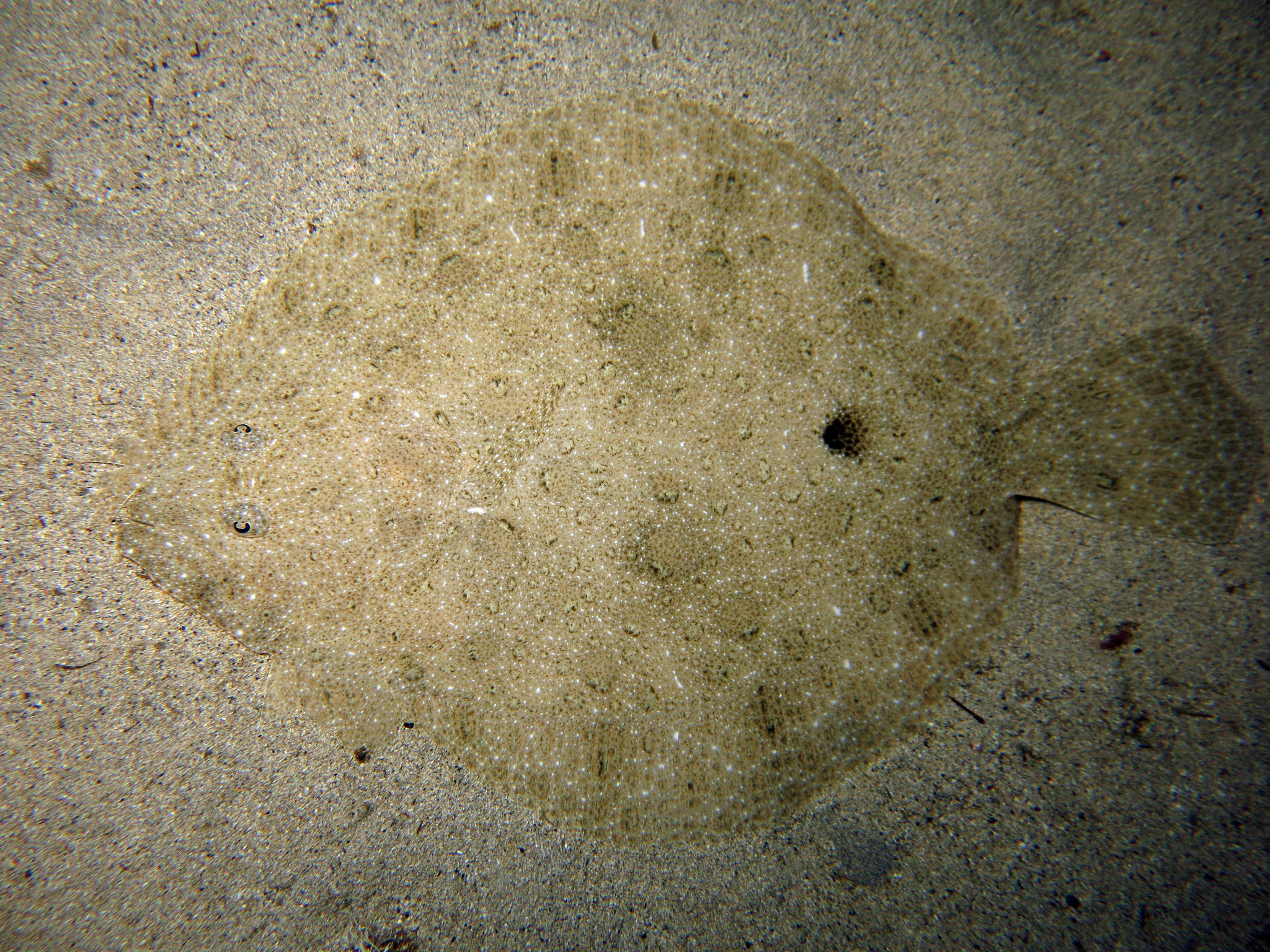
A brill is not found by hunting deep water. It is found by locating the seam where sand gives way to mud, then putting the bait on the correct side of that seam. The fish is a bottom specialist before it is a depth statistic.

Broad-barred king mackerel
Broad-barred king mackerel is a scombrid of the western Pacific, from southern Papua New Guinea and northern Australia, Shark Bay in Western Australia east to northern New South Wales. It is caught shallower than 100 m in tropical water. Fish reach 120 cm FL and 10 kg. The season runs from October through January, so the southern warm season is the window that matters.
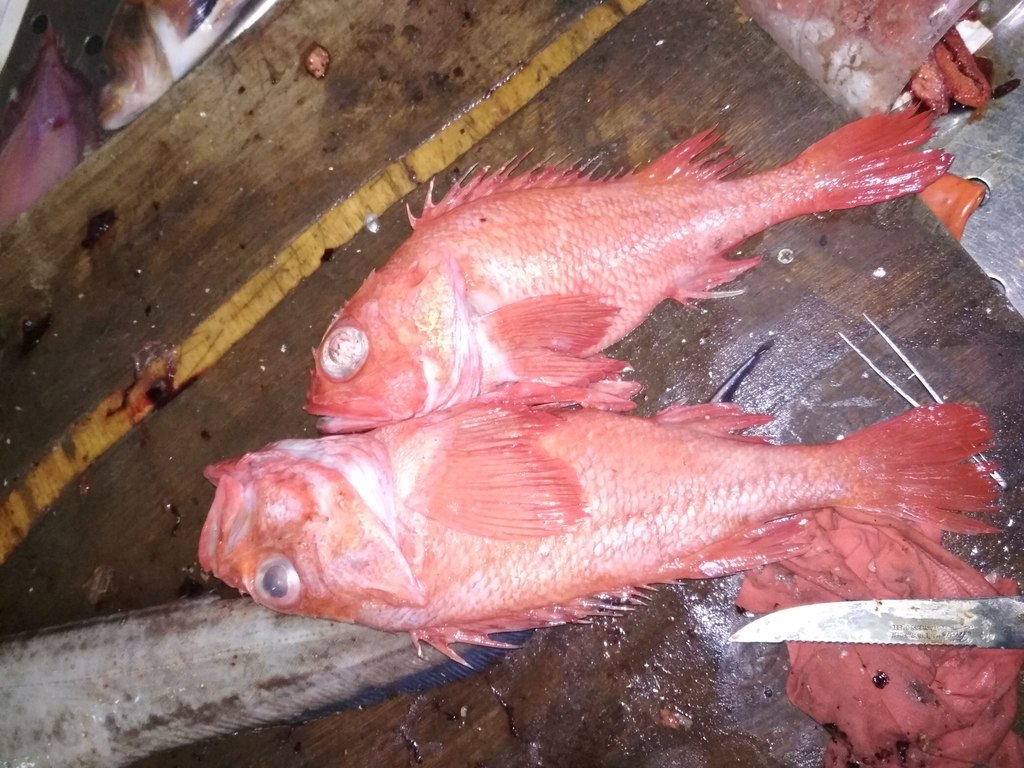
Broadbanded thornyhead
A deep-water bottom scorpaenid called kichiji in standard Japanese and kinki in the market. It lives on muddy slope from 100 to 1500 m, feeds mainly on brittle stars, and spawns around Hokkaido from February to May. Its fat is mixed into white flesh, and it is among the most expensive of the red fish.
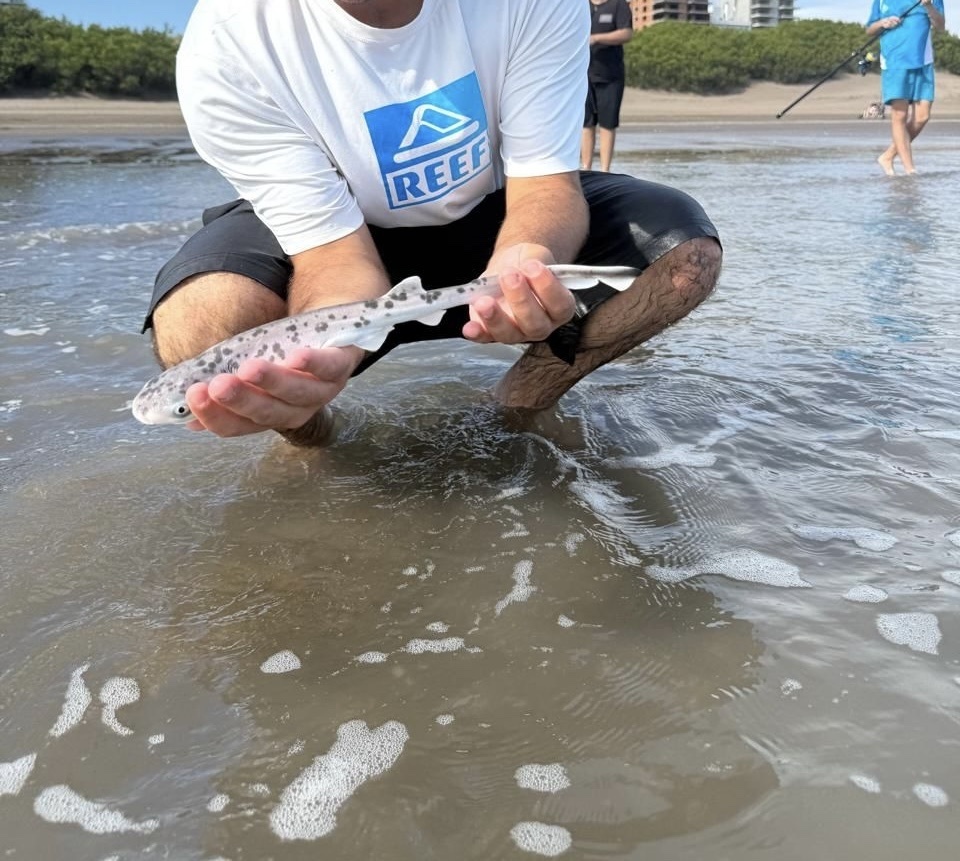
Broadnose sevengill shark
Broadnose sevengill shark has seven pairs of gill slits, a wide blunt head, a single dorsal fin set far back and dark spots over a grey-brown body. It is recorded from South Africa and Namibia between the surface and 570 m. It reaches 300 cm TL with a common length of 150 cm, about 107 kg, maturity near 200 cm and a maximum age of 49 years. Shore casting and boat bottom fishing are the methods listed.
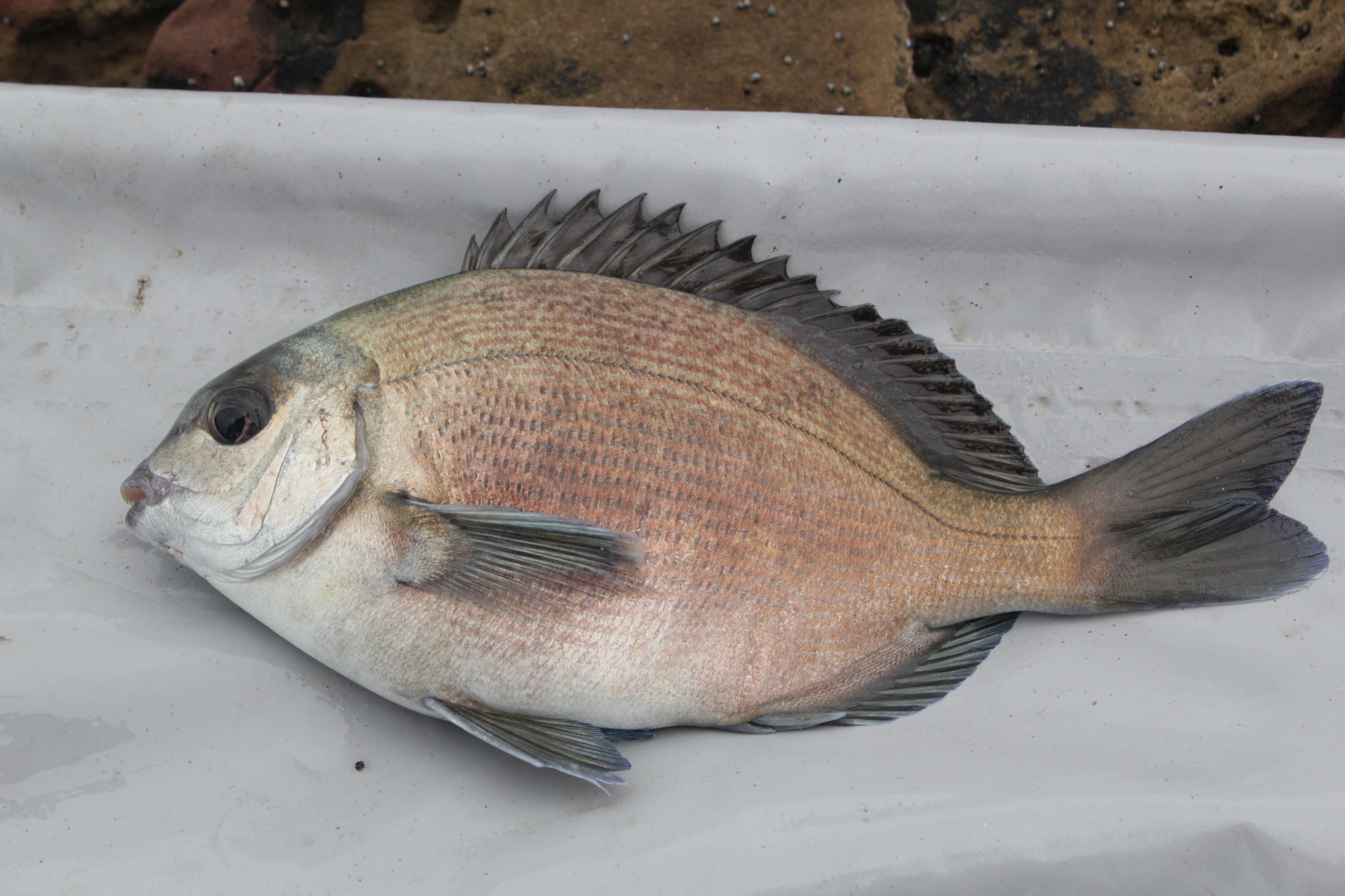
Bronze seabream
Bronze seabream is a demersal, rocky coastal sparid of the western Indian Ocean, from southern Mozambique and Madagascar to the Cape of Good Hope. It lives in subtropical water and reaches 65 cm TL, and its recorded season runs from January to June.
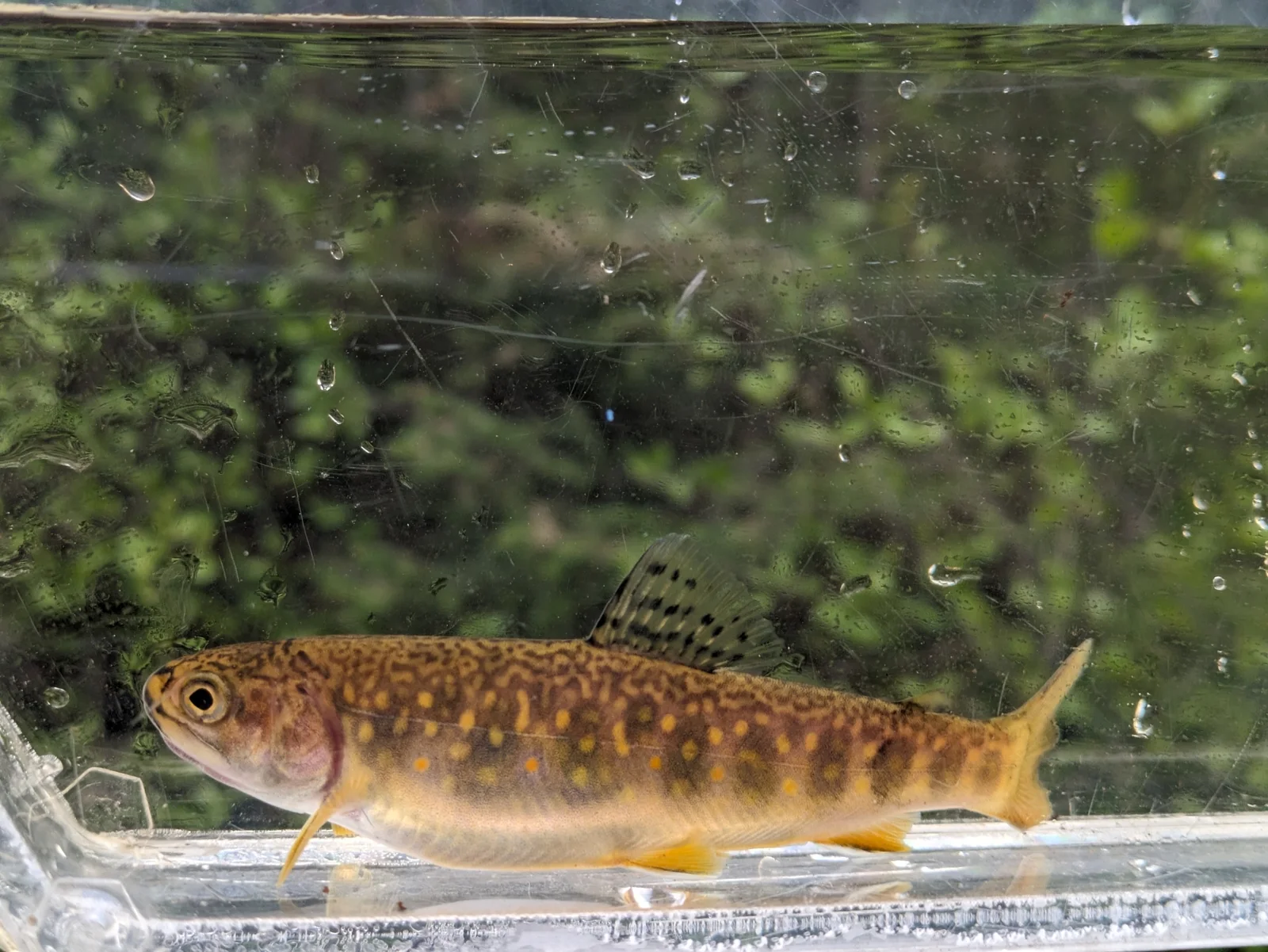
Brook trout
Brook trout is a char of the genus Salvelinus, a salmonid native to the streams and lakes of eastern North America from Labrador to the Appalachian Mountains. It has been introduced far beyond that ground, and most of its present map is stocked rather than native. The species tolerates 0–25 °C, reaches a maximum of 86 cm and 8 kg, and lives up to 24 years.
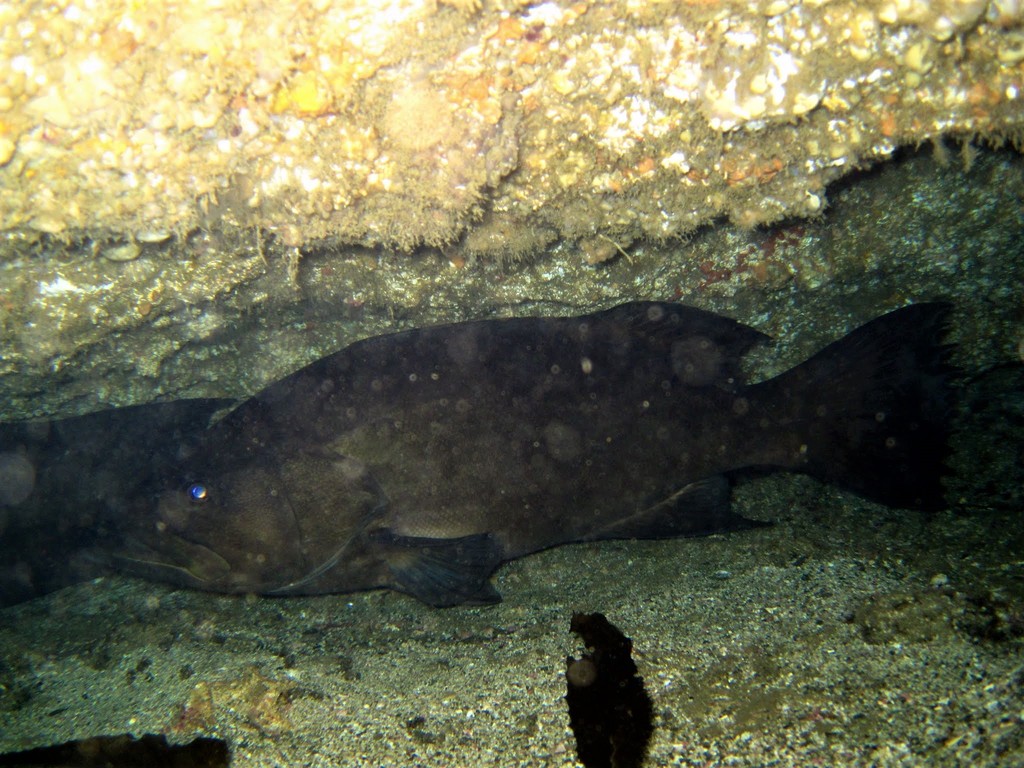
Broomtail grouper
The first is a brown blotched phase: a grey or grey-green body with oblong dark blotches along the upper side that form an irregular, pale, maze-like reticulum. The second is plain: uniform greyish brown with darker fins edged in white. Both phases share the same fin counts, eleven dorsal spines with fifteen or sixteen soft rays, and three anal spines with ten or eleven soft rays.
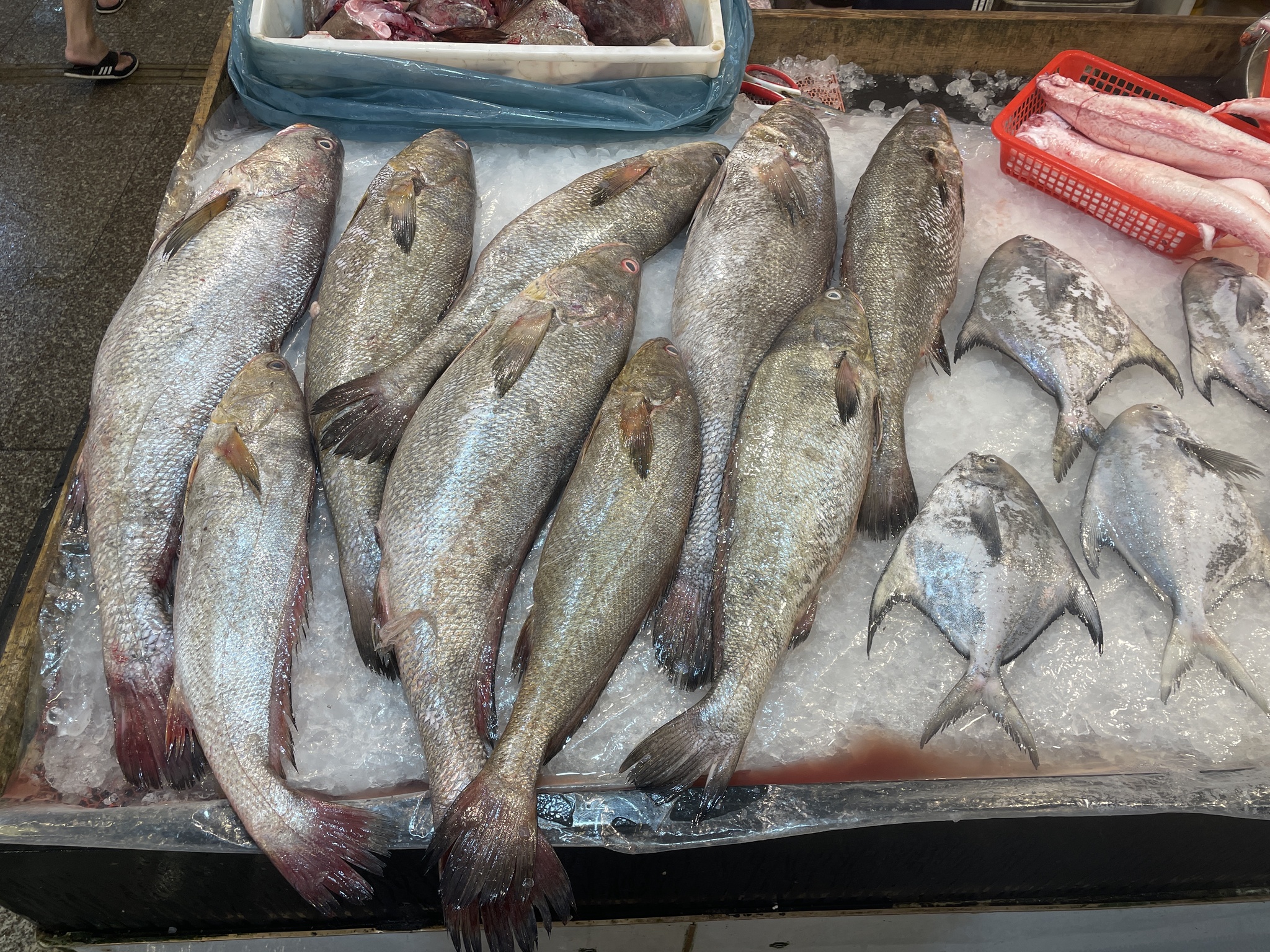
Brown croaker
Brown croaker is a bottom-dwelling sciaenid of the northwest Pacific, from western Japan to the East China Sea. It lives from 15 to 100 m in temperate water and reaches 73.8 cm and 3.8 kg. Boat bottom fishing is the usual approach for this food fish.
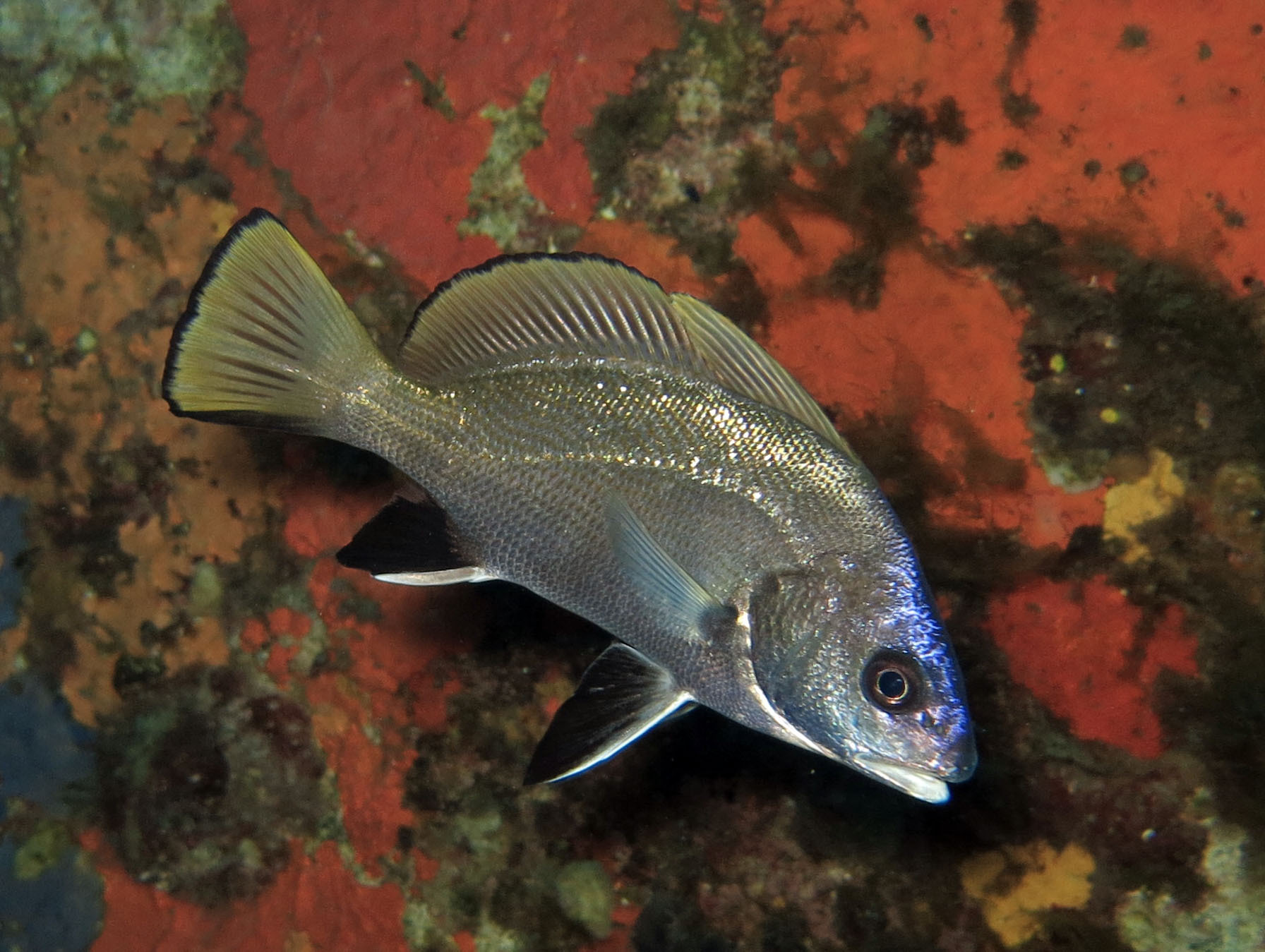
Brown meagre
Brown meagre is a member of the family Sciaenidae and ranges across the Eastern Atlantic, from Southern Bay of Biscay to Mauritania, occasionally southwards to Senegal. It lives from 1 to 200 m in subtropical water. Fish reach 70 cm TL, feeding on crustaceans and fishes. Anglers target it by boat bottom fishing or shore fishing. The season runs March to August.
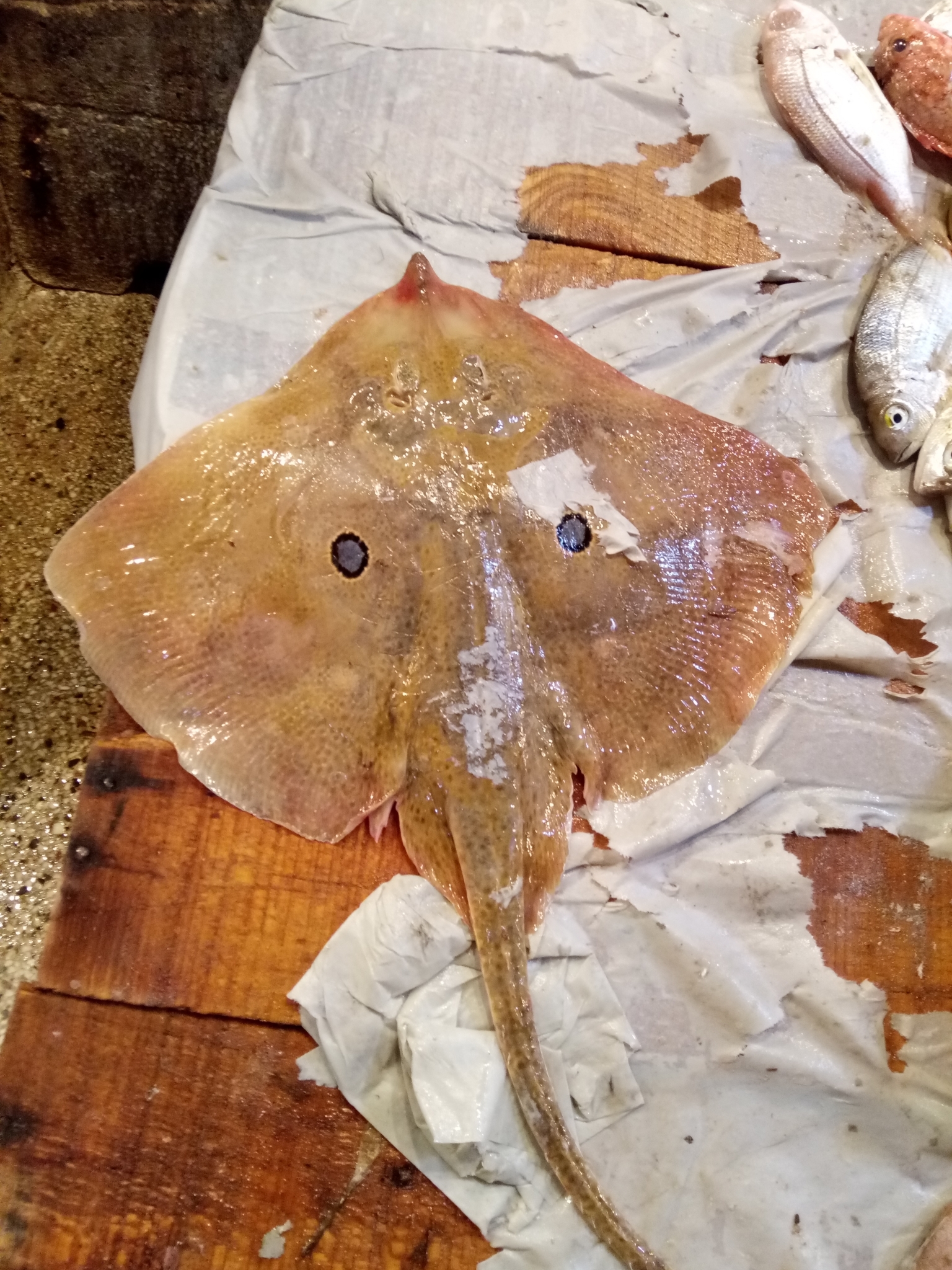
Brown ray
Two bright blue eyespots at the base of the pectoral fins settle the identification faster than any measurement. The brown ray is small, plainly coloured and easy to lump with other skates in a mixed catch; knowing the eyespots is what makes a confident release possible.
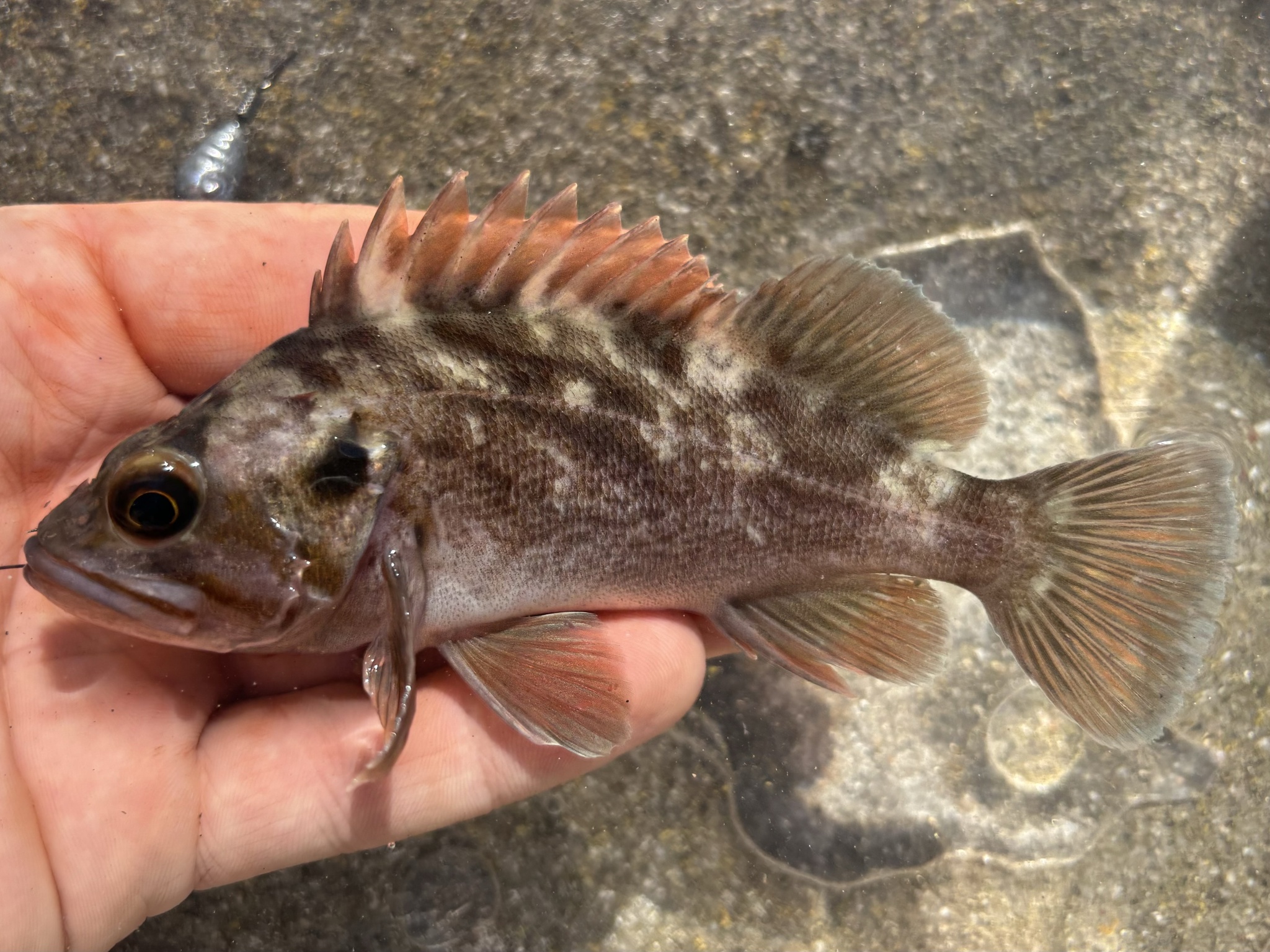
Brown rockfish
Brown rockfish has XIII dorsal spines and 12–15 soft rays, III anal spines and 5–8 soft rays, and 26–27 vertebrae. Head spines are strong, the supraoculars are absent, the interorbital space is flat to barely convex, and the caudal fin is rounded.
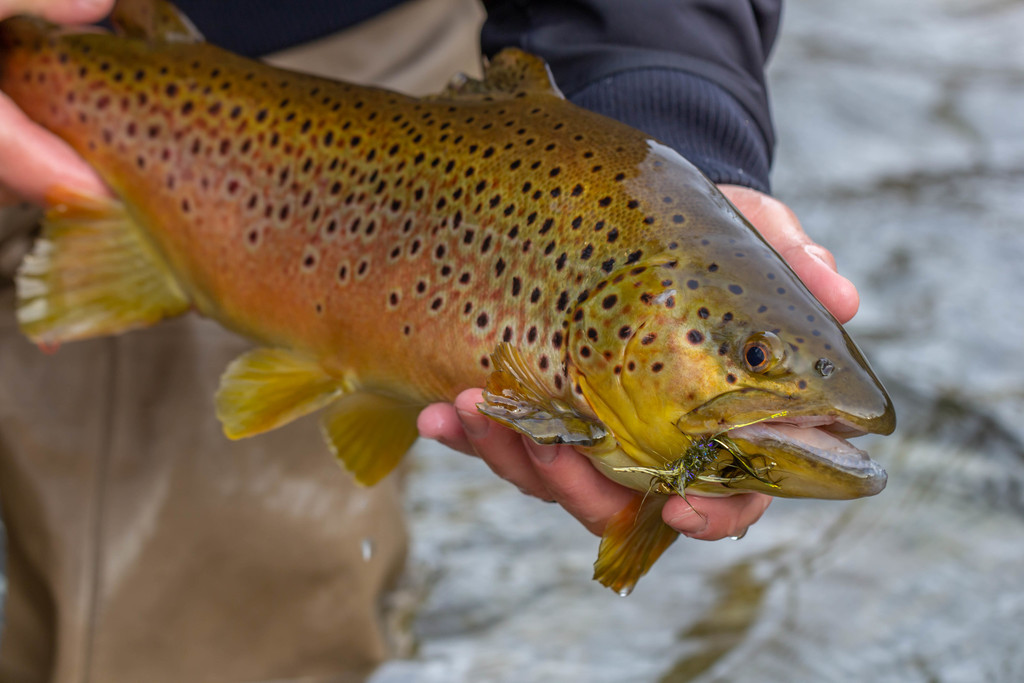
Brown trout
Brown trout is a salmonid native to Europe and Asia, now established in North America, South America, Australia, New Zealand and parts of Asia. It lives from the surface to 28 m in water of 18 to 24 °C, reaches 140 cm SL and 50 kg, can live 38 years, and feeds on crustaceans and fish. Fly fishing or trolling is the usual approach, and it is present year-round.
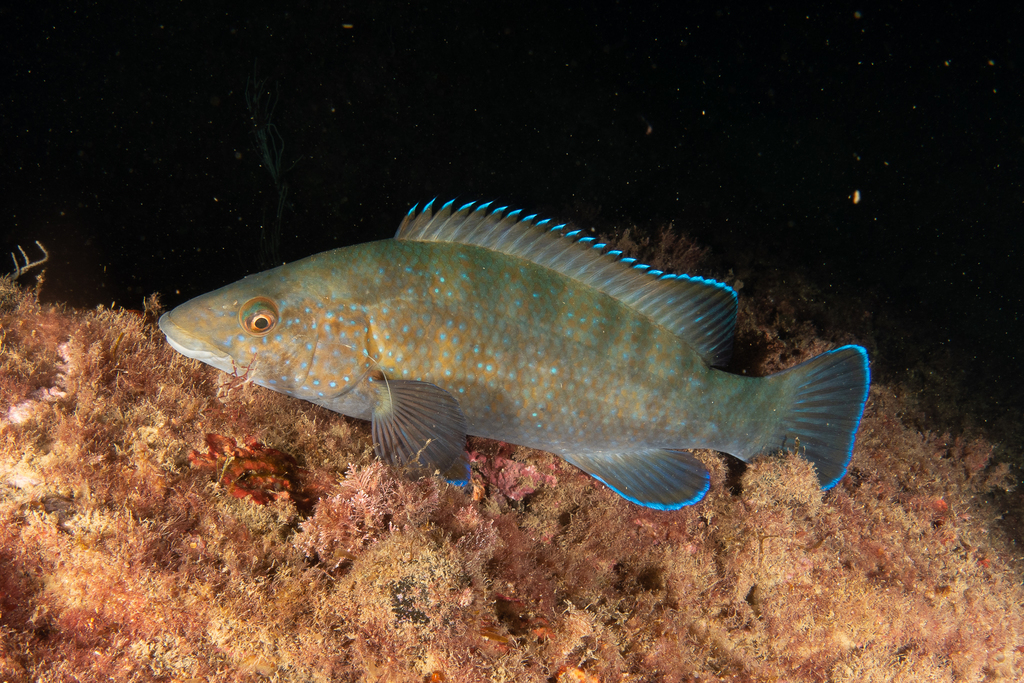
Brown wrasse
Brown wrasse is a heavy-bodied labrid of the eastern Atlantic and Mediterranean, found from Portugal and Morocco through the Azores. It feeds on algae, worms and echinoderms. It reaches 45 cm SL, with most adults nearer 40 cm, and can live 17 years. February to May is the season that matters here.
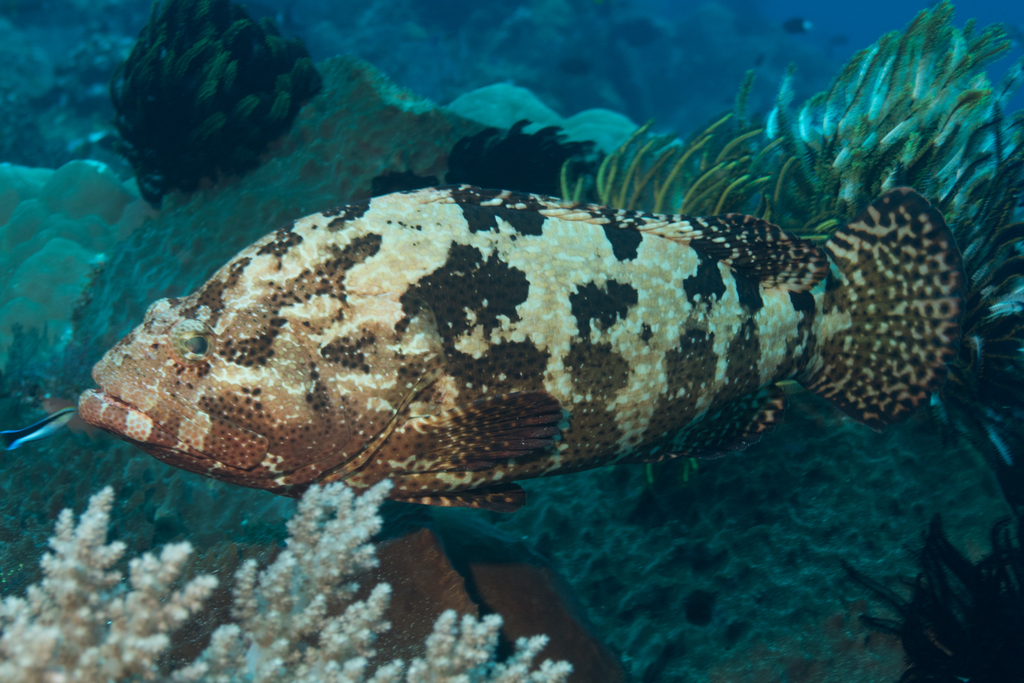
Brown-marbled grouper
Brown-marbled grouper is an ambush fish of the seam where hard reef meets seagrass, not of either habitat alone: rock gives it cover, grass gives it the fish and molluscs it eats. That seam is the mark to fish, not the middle of a reef. The species can live forty years and rebuilds slowly, so the release line at roughly 48 cm is the rule that applies everywhere, whatever the local keep window says.
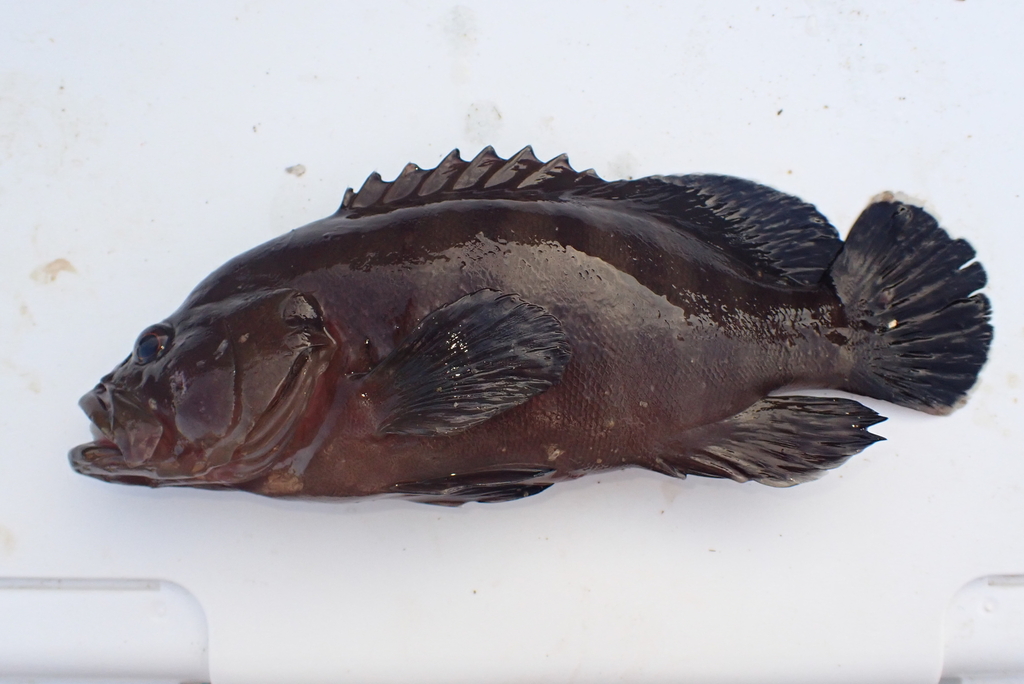
Brownbarred rockcod
Brownbarred rockcod is a small grouper of the Indo-West Pacific, from Kenya and southern Mozambique east into the western Pacific, though it is absent from the Red Sea and Persian Gulf. It lives on shallow reef at 1 to 64 m, usually 4 to 30, and matures at just 12.2 cm. Adults reach 30 cm TL and live up to 11 years. Bottom fishing and lures are the methods listed.
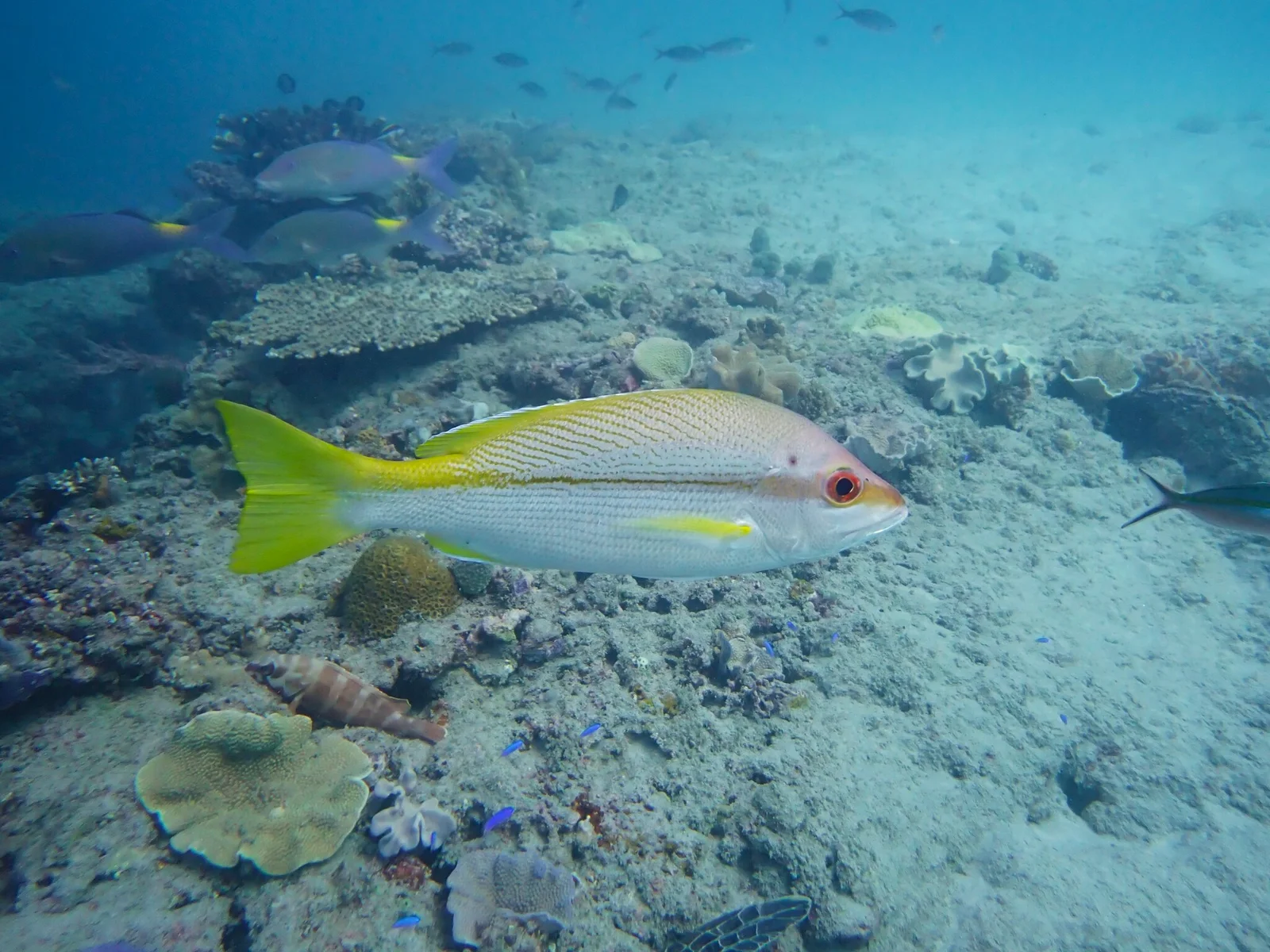
Brownstripe snapper
Brownstripe snapper is a small lutjanid of the Indo-West Pacific, from the Seychelles and southern India to New Caledonia and the Gilbert Islands, north to the Ryukyus. It lives from 10 to 72 m in tropical water, reaches 40 cm, can live 12 years, and feeds on fish. Boat bottom fishing is the usual approach, and fish are present year-round.
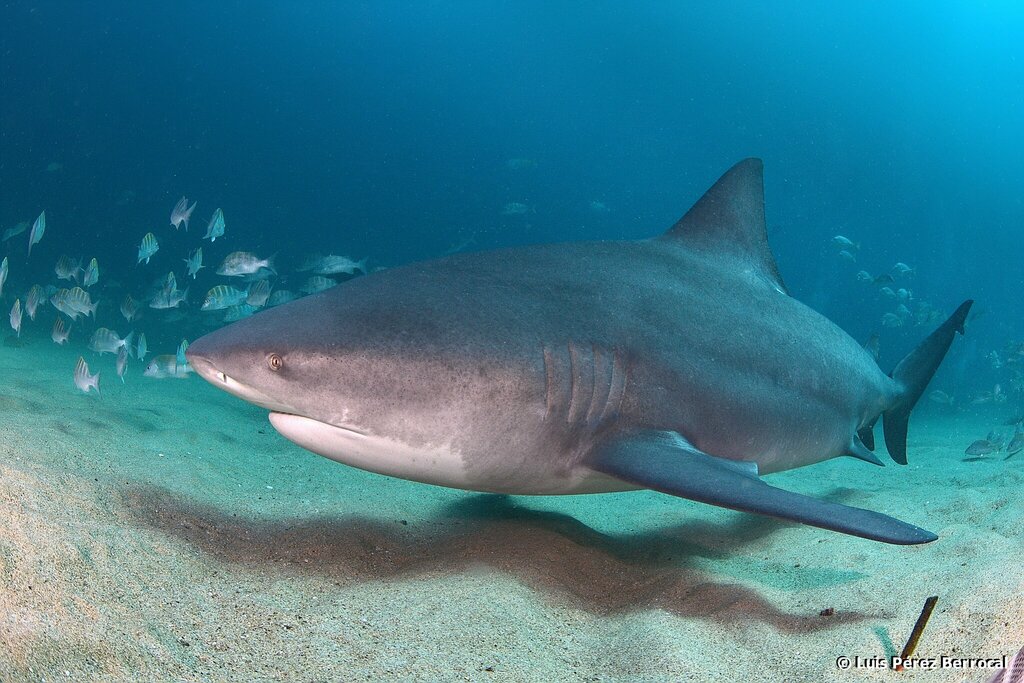
Bull shark
Bull shark is a large requiem shark that moves between reef, coast, estuary, brackish water and fresh water. It is recorded from 1 to 164 m, reaches 360 cm and 316.5 kg, and can live 32 years. It is recorded in January, February, June, July and December.
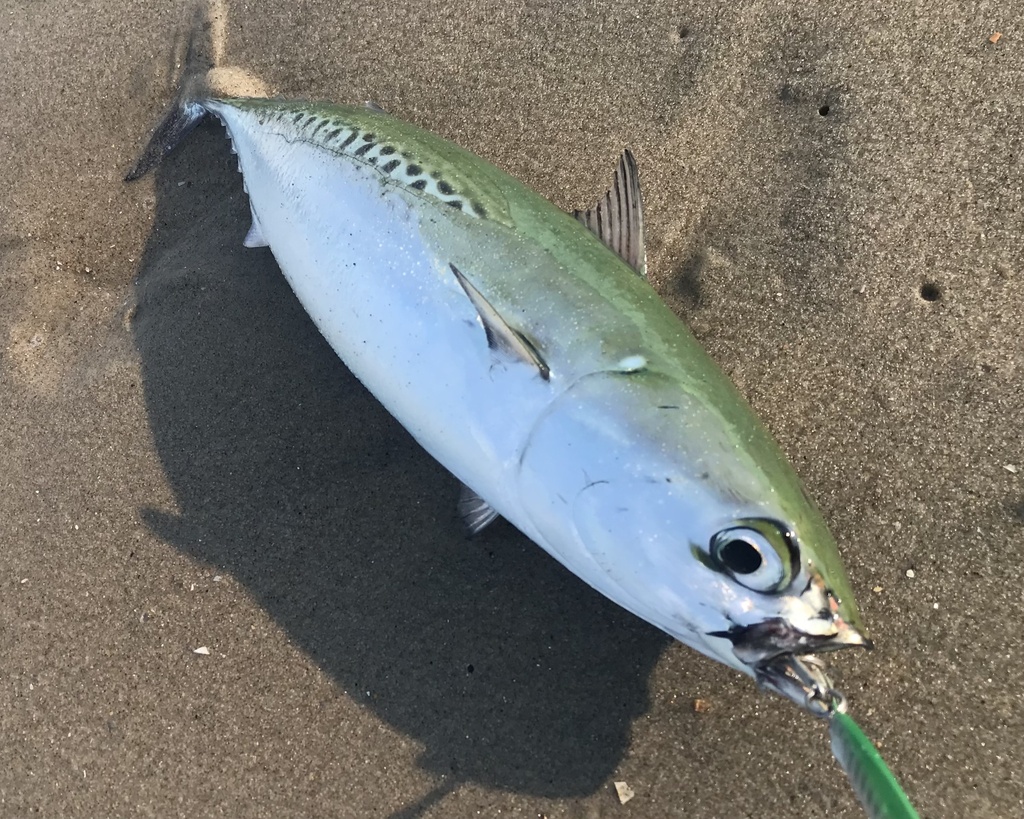
Bullet tuna
Two statements about the bullet tuna sit a few lines apart in the record and describe different animals. The fisheries line says "highly commercial"; the angling line says "gamefish: yes". Both are true, and neither cancels the other, but the fish in a landing table and the fish at the end of a line are not the same object even when they are the same species.
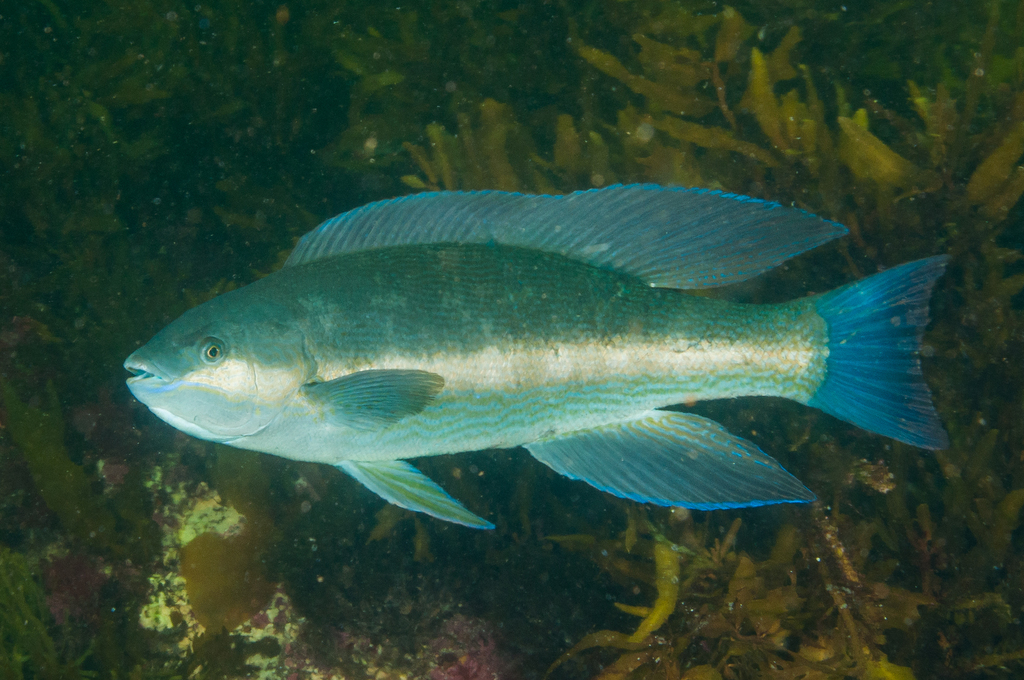
Butterfish
Butterfish is a New Zealand weed whiting that lives in the first 20 m and eats brown algae. It reaches 40 cm SL, 1.5 kg and about 11 years, and no common length is published, so there is a ceiling but no ordinary size. The season covers January to March and July to December, with April to June left out. Maori names for it are marari and rari, and greenbone is the alternative English name.
No fish match this water on this page. Clear the filter or choose another habitat.