
What fish are on your coast? — page 4 of 16
Choose the water you fish: shore, reef, surf or deep water. Then open a fish to see what it eats, when it comes in, and how to catch it.
Species records

Cabezon
Cabezon is a large cottid of the eastern Pacific, the only species in its genus, found from Sitka in southeastern Alaska to Punta Abrejos in central Baja California. It works the top 200 m of subtropical water on crustaceans and fish. Adults reach 99 cm TL and 14 kg and can live 13 years. January to March is the season.
Cabinza grunt
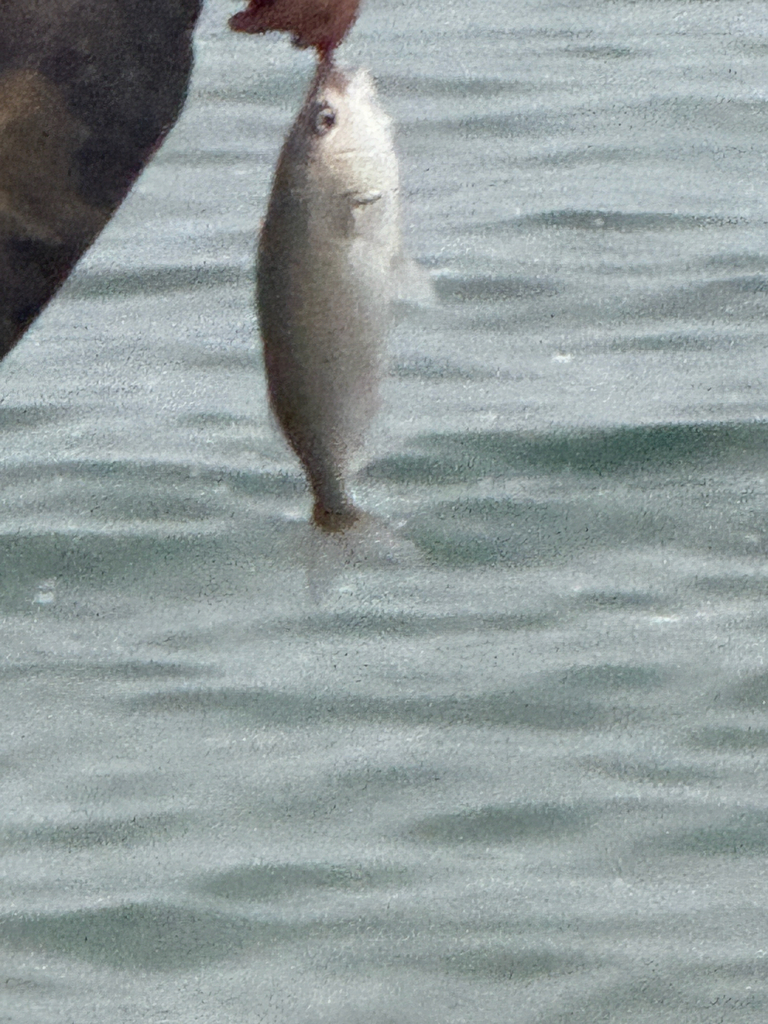
The cabinza grunt is a 60 cm fish that lives from the surface down to 50 m, is the only known member of its genus, and carries a published weight that does not survive a sanity check. Those three facts set the shape of this page.
California corbina
One long chin barbel and a single weak anal spine separate this croaker from the other two, and the same two features explain why it is almost always caught inside the shorebreak. It follows sand crabs and the movement of the wash, reaches 71 cm, and still feels light on most people's line. The current state rule is the general 20/10 bag, with no separate size limit or closed season.
California halibut
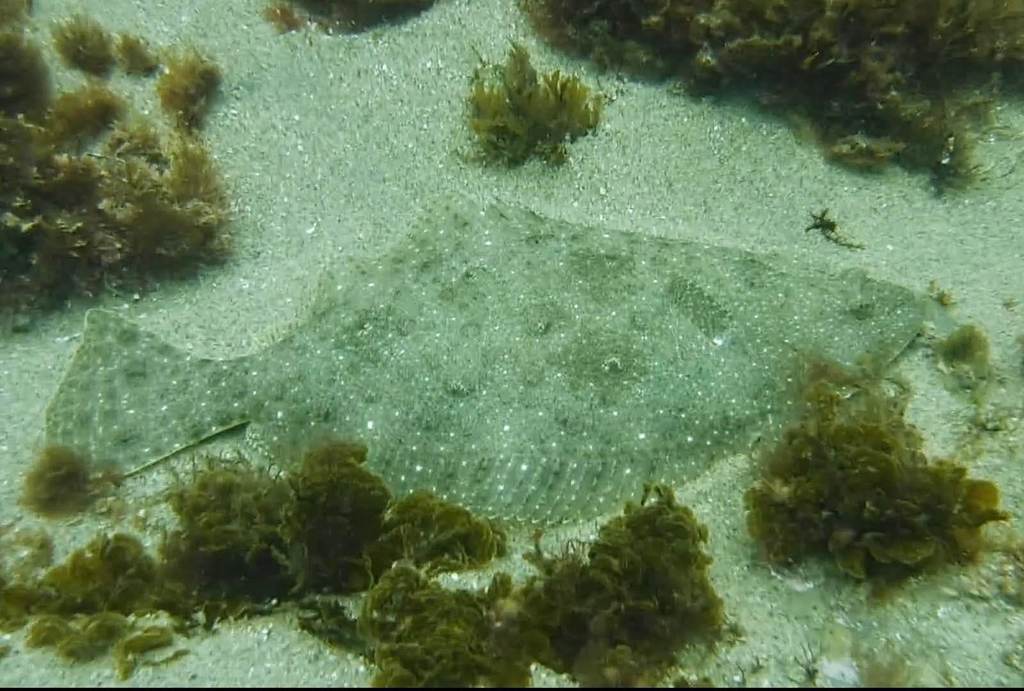
California halibut is a member of the family Paralichthyidae and ranges across the Eastern Pacific, from Quillayute River in northern Washington, USA to southern Baja California, Mexico, also in northern gulf of california. It lives from 0 to 183 m in subtropical water. Fish reach 152 cm TL and 33 kg, feeding on fishes. The standard approach is boat bottom fishing or shore casting. The season runs April to September.

California scorpionfish
The difficulty with a California scorpionfish is not catching it. It is the venom in the dorsal, anal and pelvic spines, and the two rulebooks that apply in state and federal water. Locals call it a sculpin, but it belongs to Scorpaenidae, not Cottidae; misidentify the fish or mismeasure it at the boat and the trip can turn into a violation.
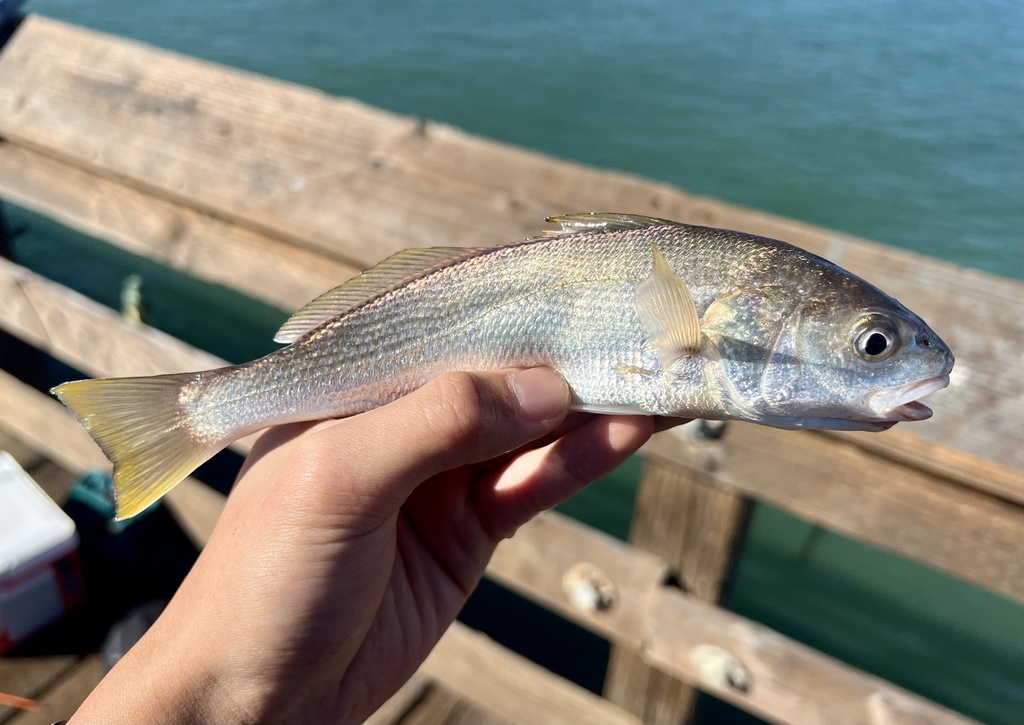
California white croaker
The white croaker is one of the most numerous pier fish in Southern California, with no size limit and a generous bag limit, and it is also the subject of the most specific consumption warning on this coast: OEHHA advises against eating fish taken between Santa Monica Pier and Seal Beach Pier. Knowing which stretch of coast to release it on is the harder part.
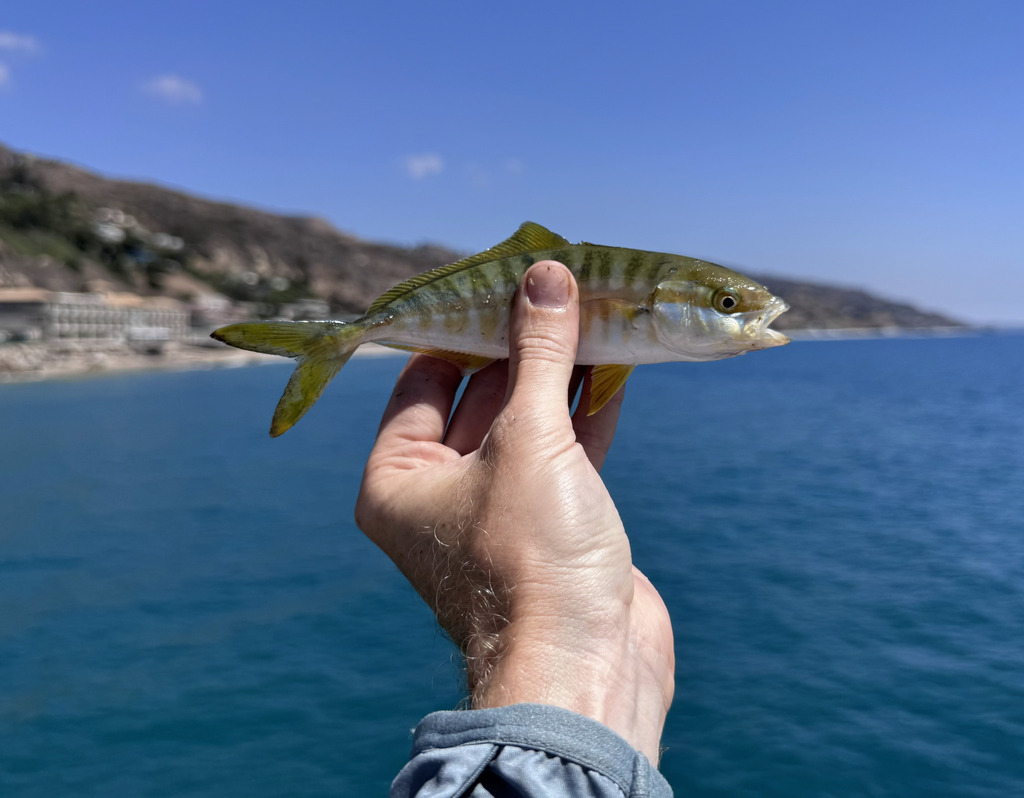
California yellowtail
The California yellowtail's rule fits in one line and holds two numbers: ten fish a day, a 24-inch fork-length minimum, and no more than five of those ten may be shorter than 24 inches. Most arguments at the rail are not about tackle. They are about measuring to the fork instead of the tip, and about reading the five-fish exception as a guarantee rather than a ceiling.
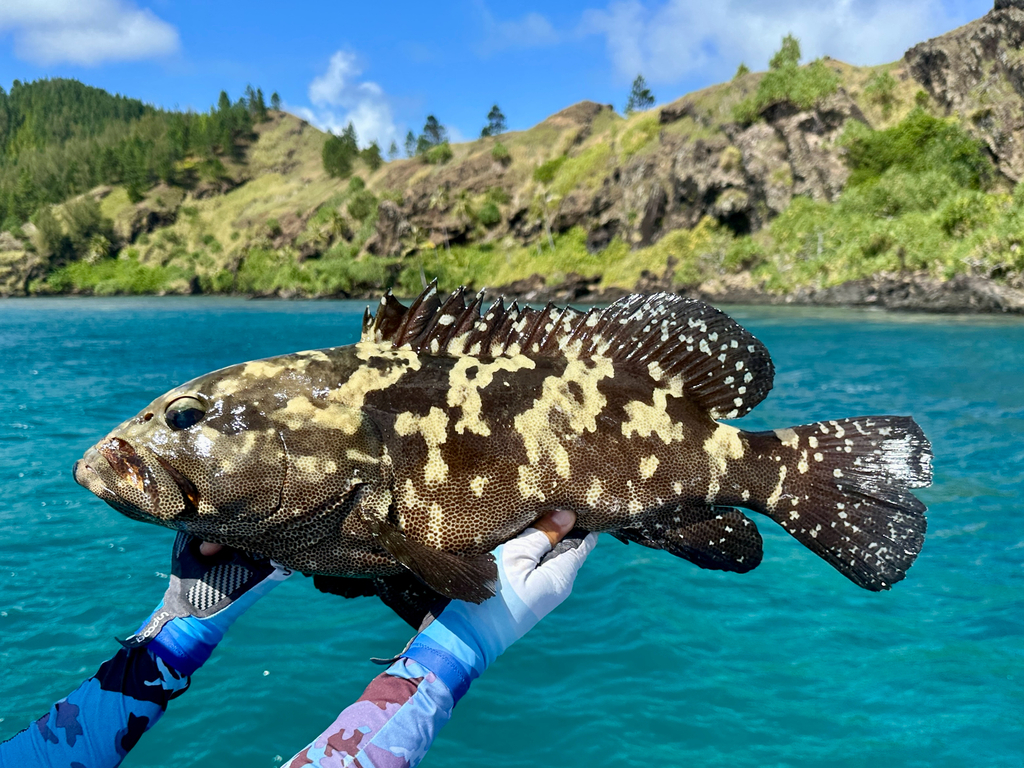
Camouflage grouper
In a fish market, a camouflage grouper is a grouper, and the name on the ice may say nothing more. At sea it is one of two species that are routinely confused, the other being Epinephelus fuscoguttatus. FishBase says so directly in the distribution note, which is unusual and useful: the confusion is part of the species description, not a buyer's mistake.
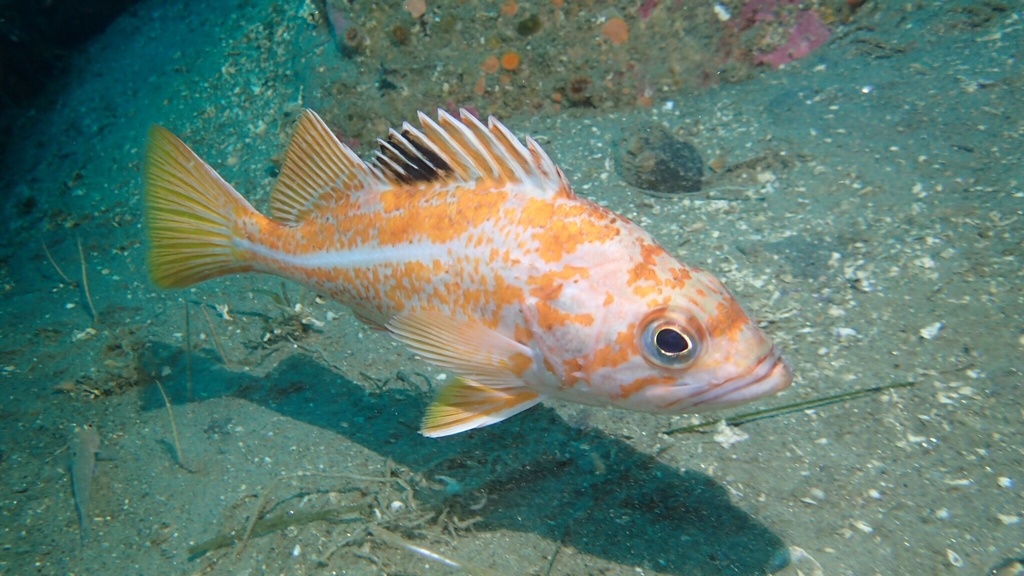
Canary rockfish
Canary rockfish is a member of the family Sebastidae and ranges across the Eastern Pacific, from south of the Shelikof Strait in the Gulf of Alaska to Cape Colnett, Baja California, Mexico. Fish reach 76 cm FL and 4.5 kg, feeding on fishes and zooplankton. The usual approach is boat bottom fishing or slow pitch jigging. The season runs January to December, in water of 5 to 26 °C.
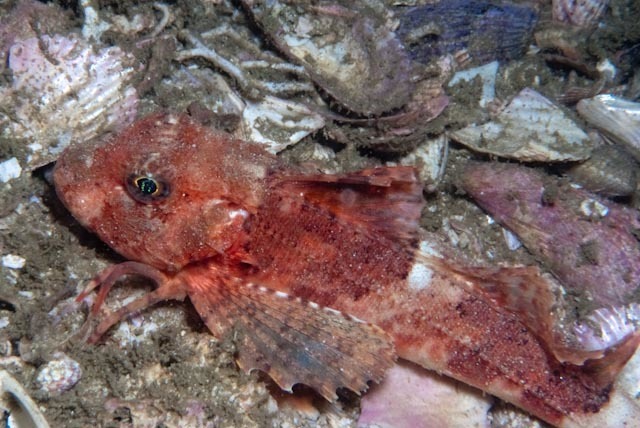
Cape gurnard
Cape gurnard is a triglid of southern Africa, from Cape Fria in Namibia around the South African coast to Maputo in Mozambique. It lives on sand and mud between 10 and 390 m, feeding on fish and crustaceans. It reaches 75 cm TL with a common length of 35 cm, matures at about 33 cm and can live 16 years. Boat bottom fishing and jigging are the methods listed.
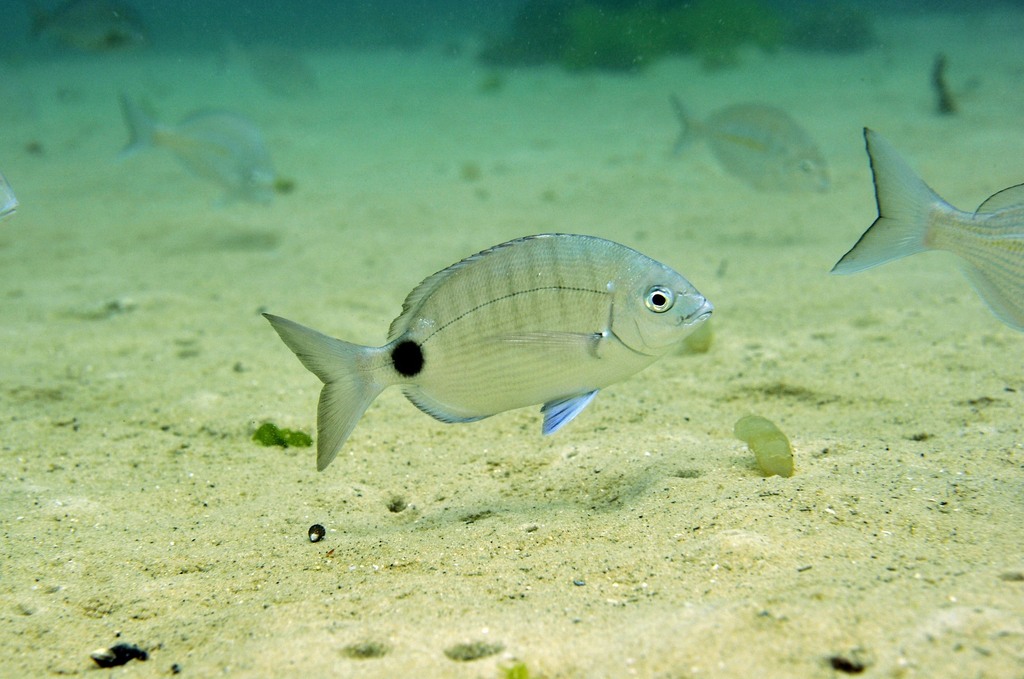
Cape white seabream
This is a generalist with three substrate words and five diet groups, and that combination is the whole problem. A fish that eats almost anything over almost any bottom gives the angler no single answer, so the only stable clue left is where two bottoms meet. The 0–50 m band makes every one of those seams reachable, which is why this species is met so often and planned for so badly.
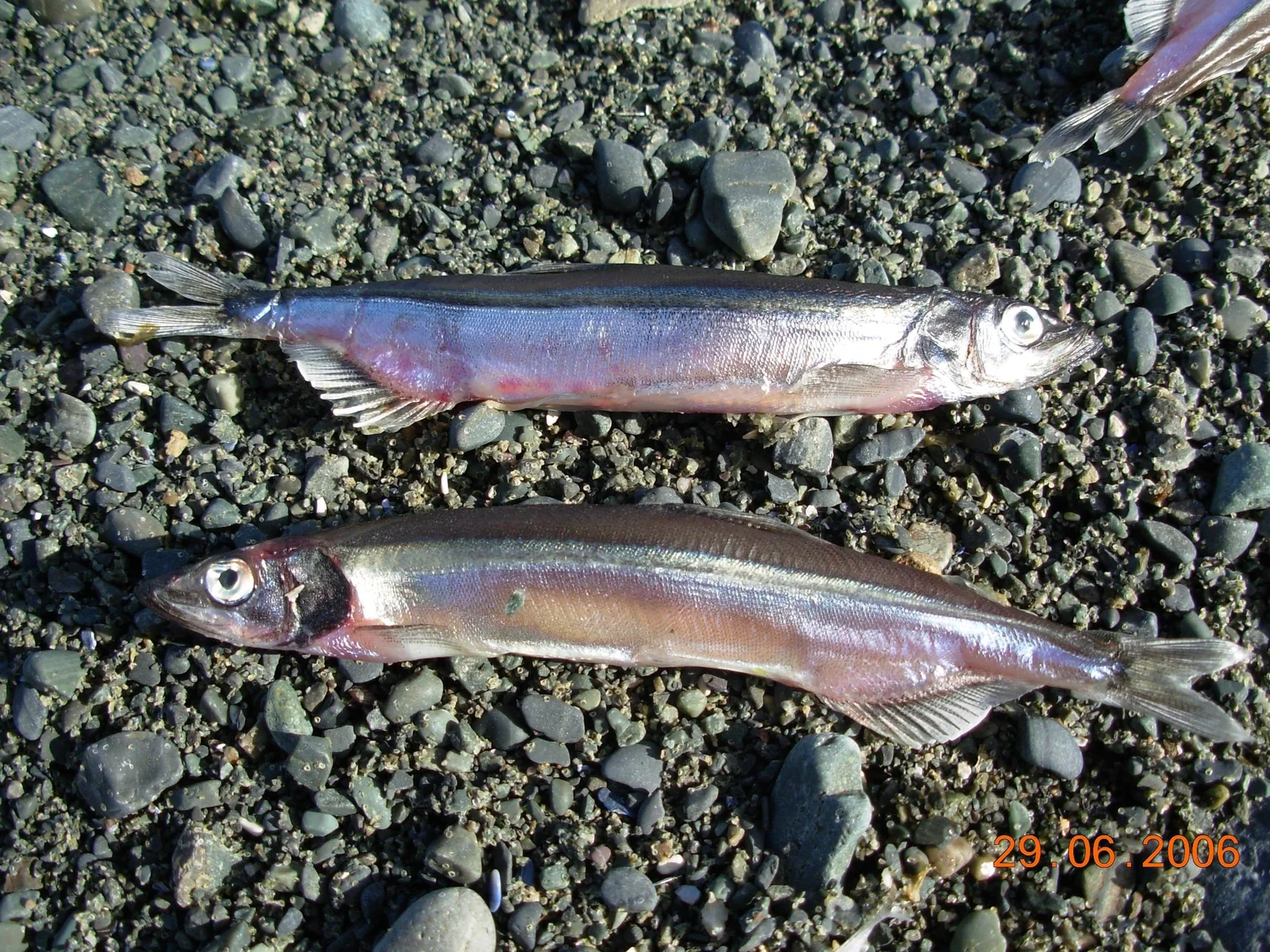
Capelin
Capelin is a small forage fish of the smelt family Osmeridae, a key link in the food webs of the North Atlantic, North Pacific and Arctic. It travels in large pelagic schools from the surface down to about 725 m, and some populations spawn on sandy beaches, where males often die after spawning. At a common length near 15 cm and a maximum weight of about 52 g, it lives up to 10 years.
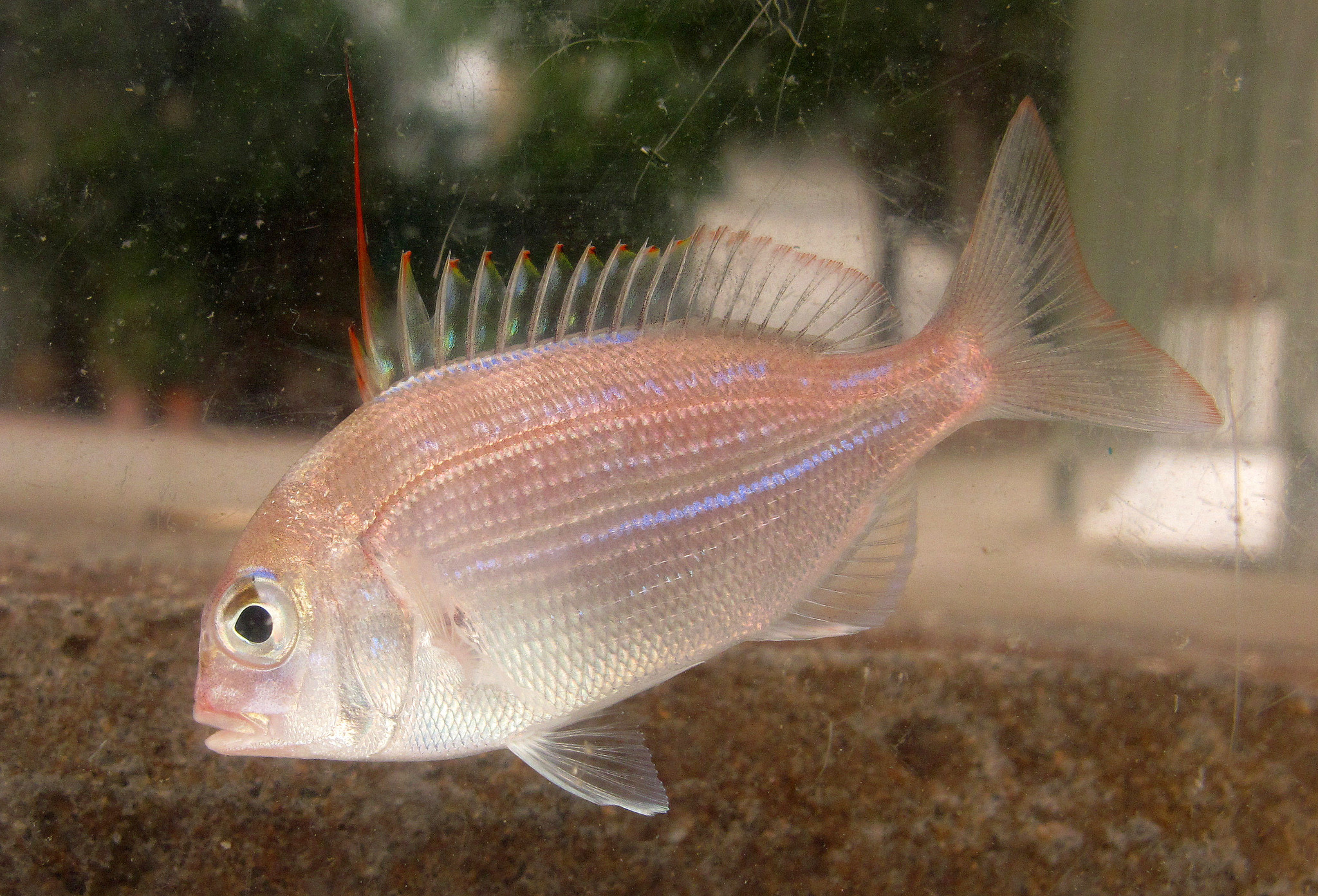
Cardinal seabream
Cardinal seabream is a western Pacific sparid of the East China Sea, South China Sea and northern Philippines, with records from Taiwan region, Hong Kong SAR, Japan, Korea and Vietnam. It lives from the surface to 100 m, more often near reefs and rough bottom; small fish are common in shallow sheltered bays and larger fish occur deeper. FishBase gives a maximum of 40 cm total length, a common length of 20 cm and maturity at about 11.7 cm.
Carpenter
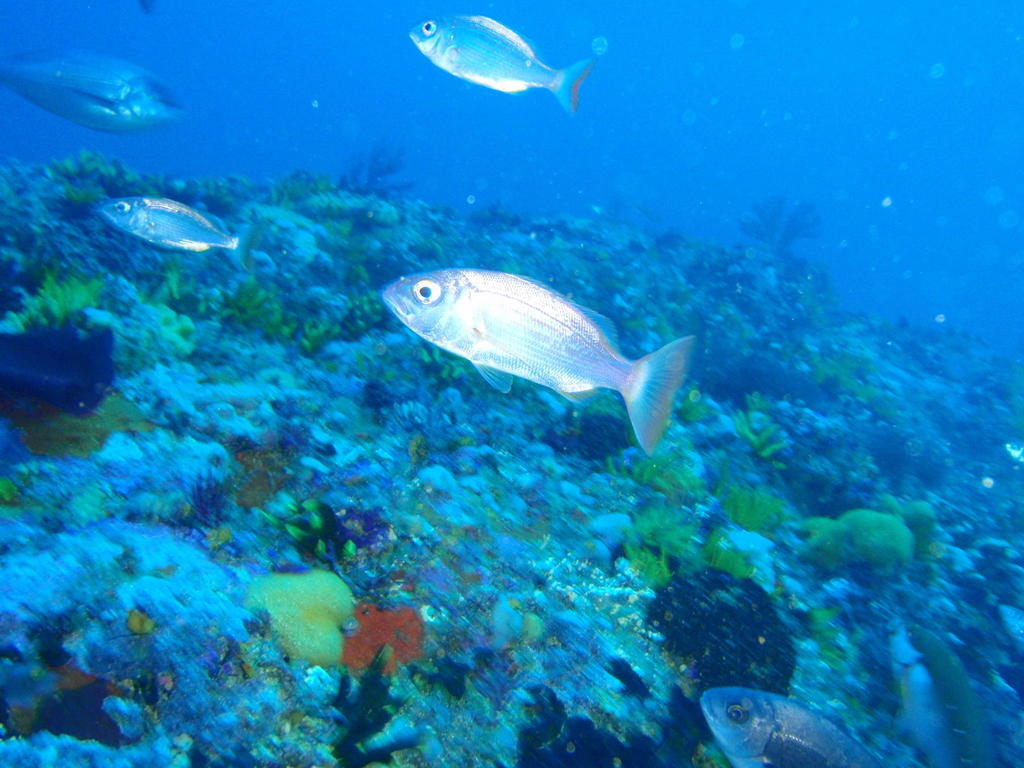
Carpenter is a South African sparid of the east and south coasts, recorded from 20 to 200 m over benthopelagic ground. Adults feed on fish, crustaceans and cephalopods and sometimes make large-scale migrations. It reaches 90 cm TL with a common length of 60 cm, 3.5 kg, a maximum age of 27 years and maturity at 29.5 cm. Boat bottom fishing, drifting and jigging are the methods listed.
Cero
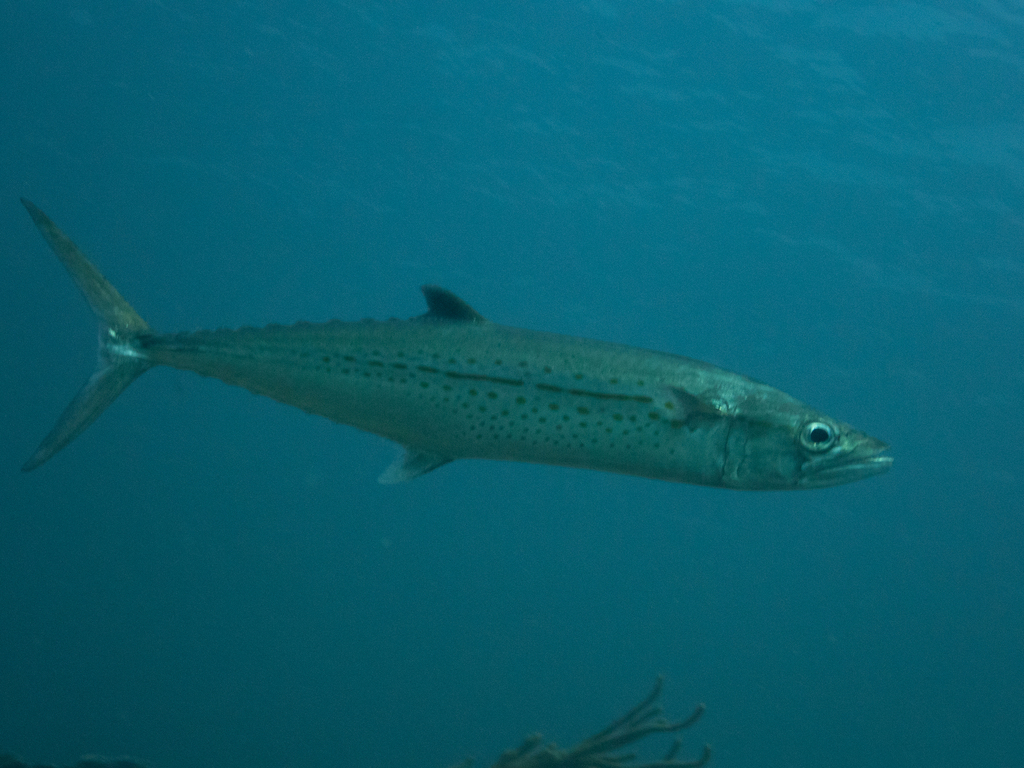
Cero is a tropical scombrid of clear western Atlantic reefs, from Massachusetts to Brazil, found from 1 to 20 m. It reaches a recorded 183 cm and matures near 40.5 cm, and it feeds on herrings, silversides, squid and shrimp. It is a fast, hard-fighting game fish and a good table fish. Trolling, bait and lures are the methods listed.
Chicken grunt
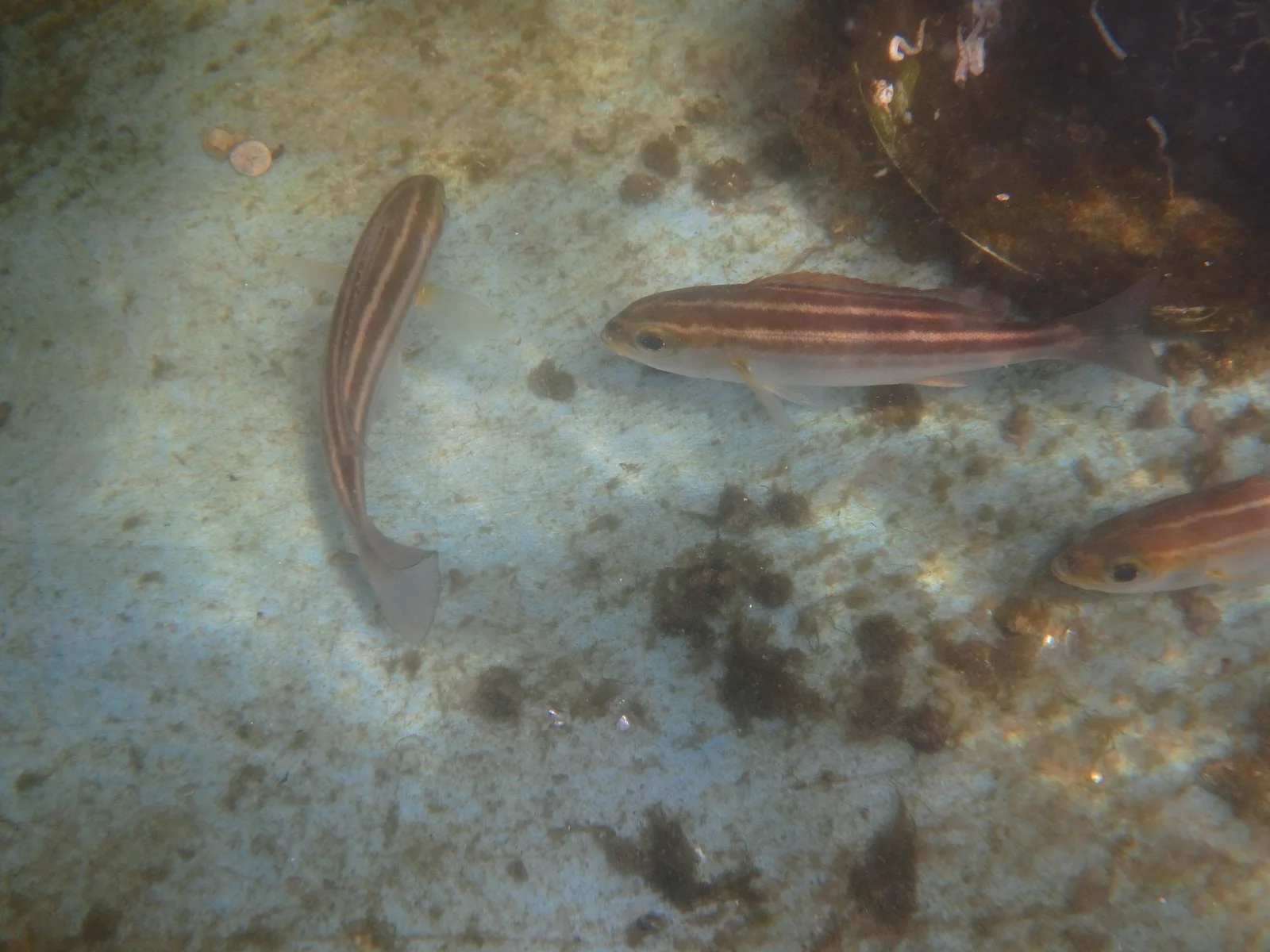
Chicken grunt is a warm-water haemulid of rocky western Pacific ground, from southern Japan and the East China Sea to Taiwan, marked by three dark stripes along the back. It lives in subtropical water, reaches 40 cm SL and 1.1 kg. Boat fishing or rock fishing is the usual approach, with the season running June to August.
Chilean jack mackerel
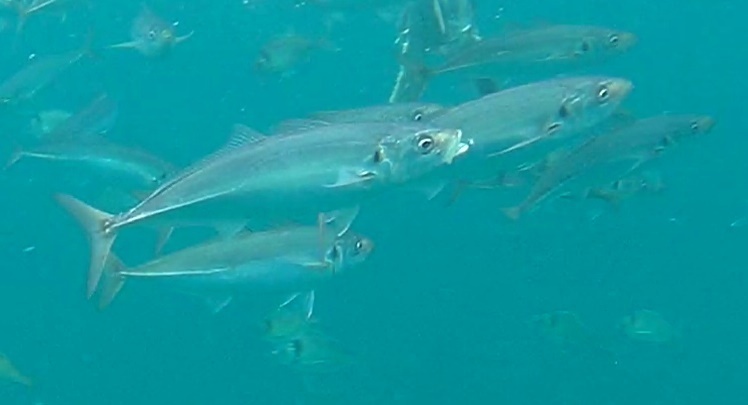
The Chilean jack mackerel is a 70 cm carangid with a 45 cm common length, a 16-year maximum age and 823,994 GBIF records. The record volume is enormous, and the FishBase page still publishes no spawning month. That combination of record volume and missing reproductive data is the frame for this account.
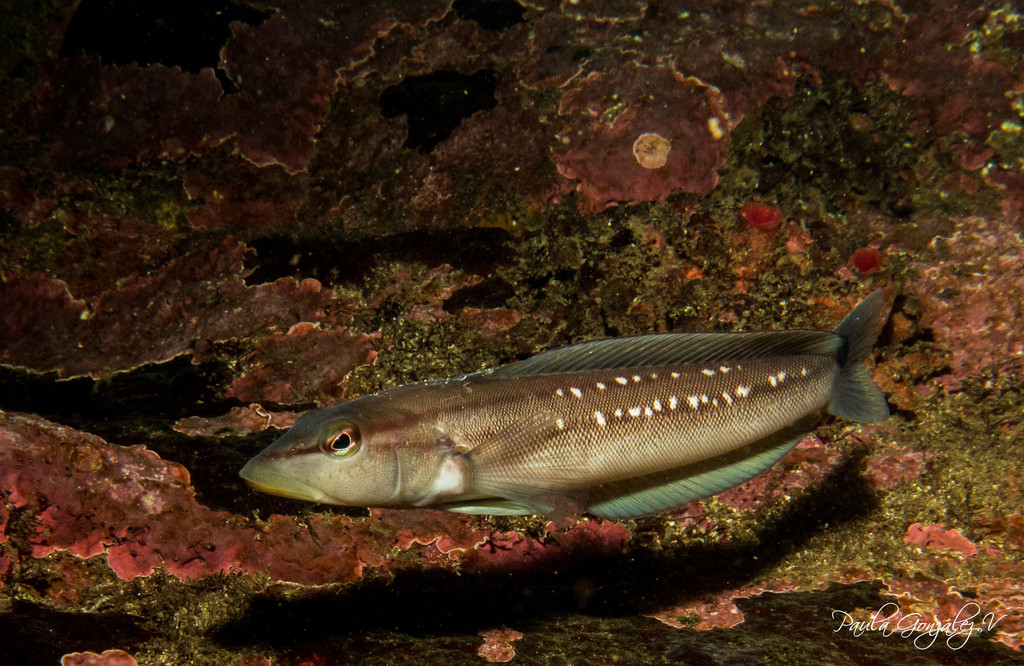
Chilean sandperch
The Chilean sandperch is a 51 cm demersal fish with a 100 m depth ceiling, a 1.6 kg weight record and no published shallow limit. FishBase lists it from Tumbes in Peru to Magallanes in Chile, but 517 of its 542 GBIF records are Chilean. This account's editorial regions are both countries, and that difference between a two-country range and an one-country record set is the first thing to keep straight.
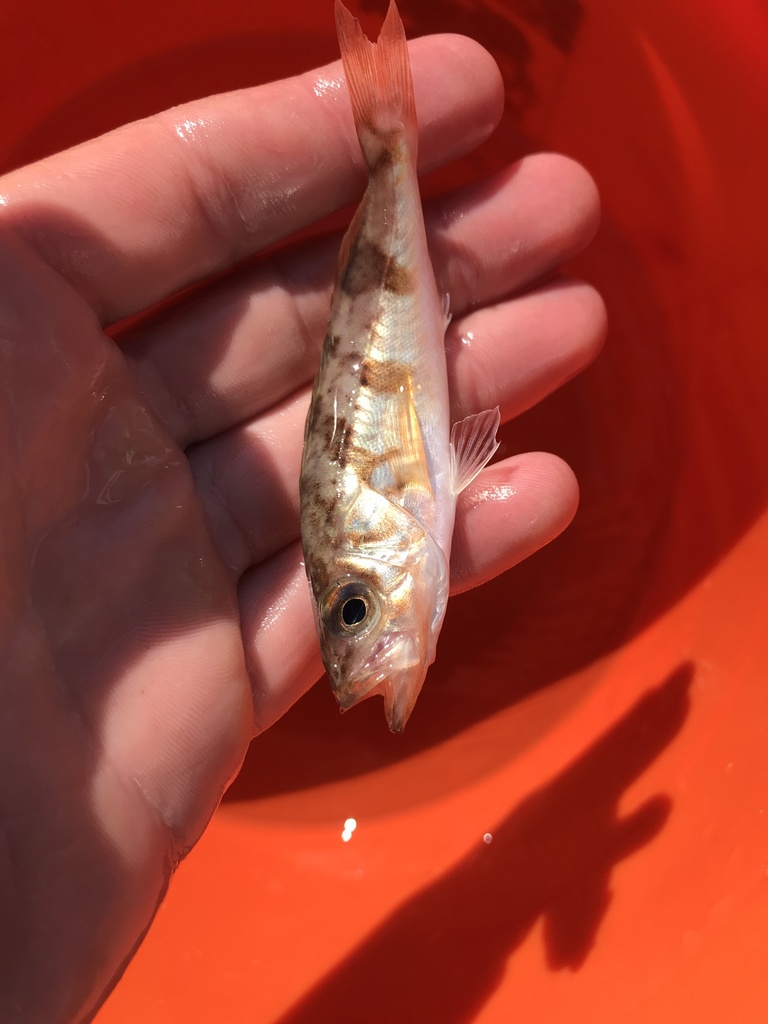
Chilipepper
Chilipepper is slender, with 13 dorsal spines, 13–16 dorsal soft rays, 3 anal spines and 7–9 anal soft rays, and 26 vertebrae. The head spines are very weak: preocular spines are present, while nasal, supraocular and parietal spines are usually absent; the chin projects and the anal fin is small with a slanted rear edge. Colour is pinkish red to copper pink, white below, with a bright red lateral-line zone and a dusky caudal fin.

China rockfish
China rockfish has 13 dorsal spines, 13–14 dorsal soft rays, 3 anal spines and 6–8 anal soft rays, with 27–31 vertebrae. The head spines are strong: nasal, preocular, postocular, tympanic and parietal spines are present, while supraocular, coronal and nuchal spines are absent. The body is blue or black mottled with yellow, some fish are white below, and a broad yellow stripe runs from the third dorsal spine into or along the lateral line.
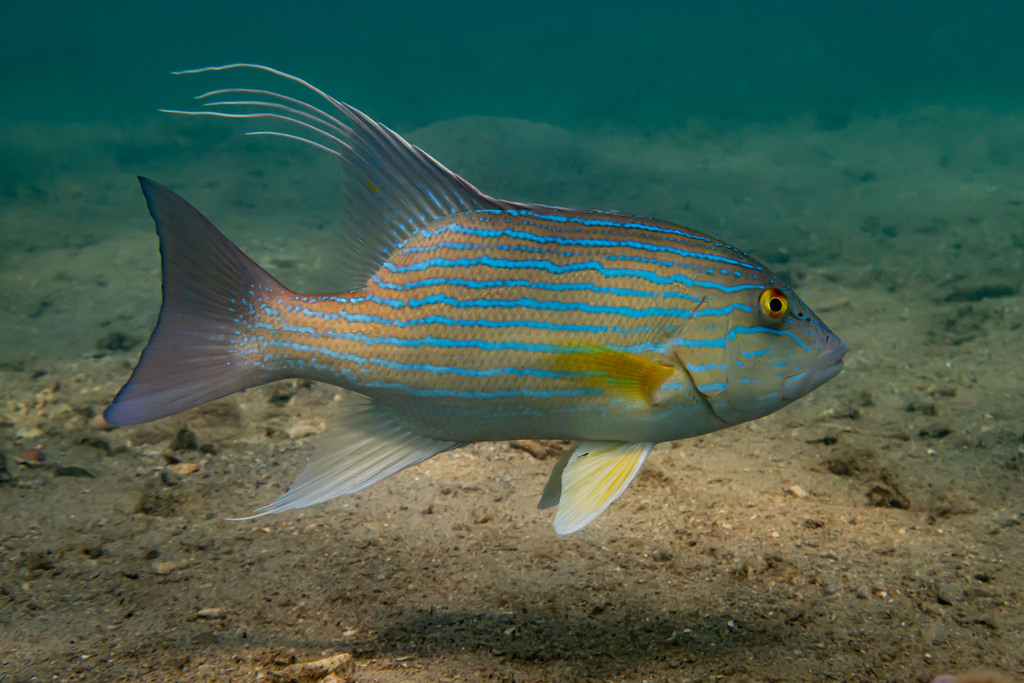
Chinamanfish
Chinamanfish is a large western Pacific snapper, from the Ryukyu Islands to the Indo-Australian Archipelago. It lives on coral reefs at 20 to 100 m, with adults from shallow water to at least 50 m, usually solitary and feeding mainly on fish. It reaches 100 cm SL with a common length of 35 cm and 13.2 kg. Bottom fishing and lures are the methods listed.
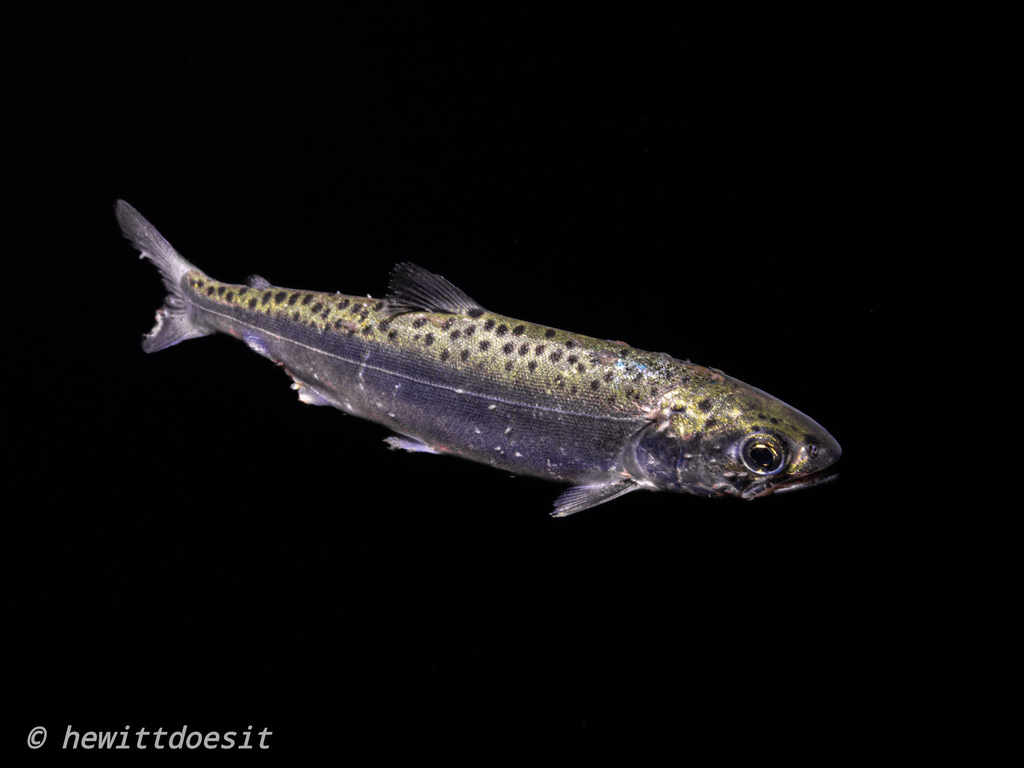
Chinook salmon
Chinook salmon is the largest Pacific salmon, from Point Hope in Alaska to the San Joaquin and King rivers in California. It lives from the surface to 375 m in water of 0 to 25 °C, reaches 150 cm and 61.4 kg, can live nine years, and feeds on crustaceans and fish. Trolling or fly fishing is the usual approach, with the season running March to November.

Chub mackerel
Across the Southeast Atlantic and Indo-Pacific, from anti-tropical, from South Africa (Western Cape to Natal), Madagascar to Philippines, north to Russia and Gulf of Alaska, and south to Chile, Chub mackerel represents the family Scombridae. Adults run to 64 cm TL and 2.9 kg and prey on crustaceans and fishes. The standard approach is boat fishing, shore casting or jigging. The season runs January to October, in water of 10 to 27 °C.
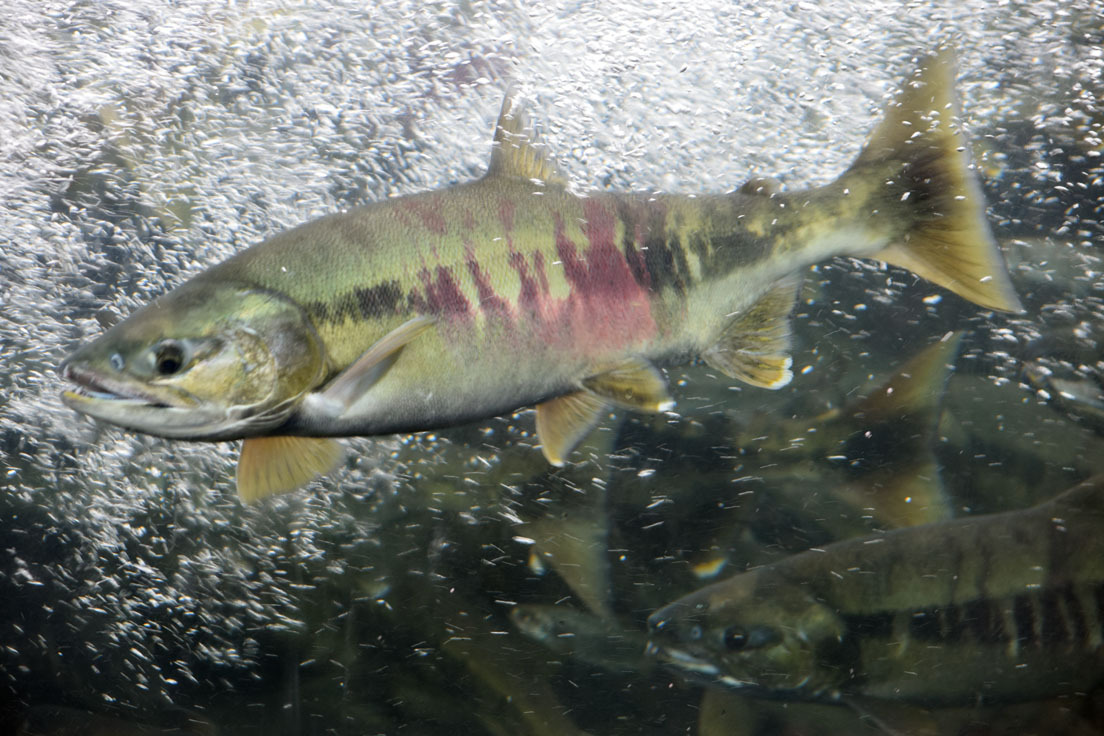
Chum salmon
Chum salmon is the most widely distributed of the Pacific salmon, found from Korea and Japan through the Okhotsk and Bering Seas and down the American coast to San Diego. Adults reach 100 cm FL and 18.1 kg and feed on fish. It is recorded from the surface to 250 m in water of 0 to 24 degrees C. The season runs May to December, and the adult body is built for long migration rather than for looks.
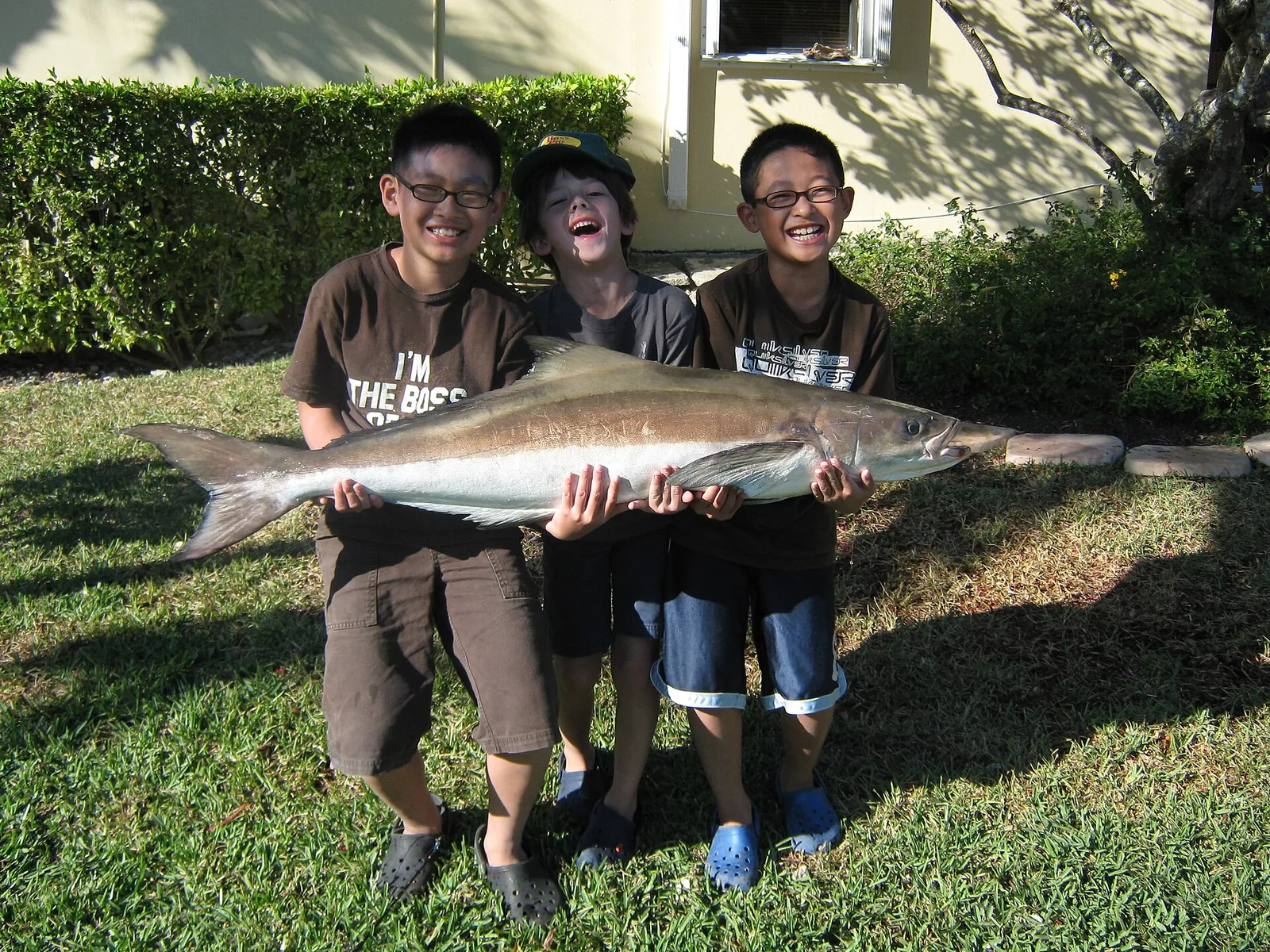
Cobia
Cobia is catalogued as reef-associated, brackish-tolerant and oceanodromous, over 0–1200 m and 17–32 °C. Those labels only fit once you watch the fish: a strong open-water swimmer that spends its fishable life beside something solid. The structure is the method. A cobia trip without a plan for which object you will find is just a boat ride.
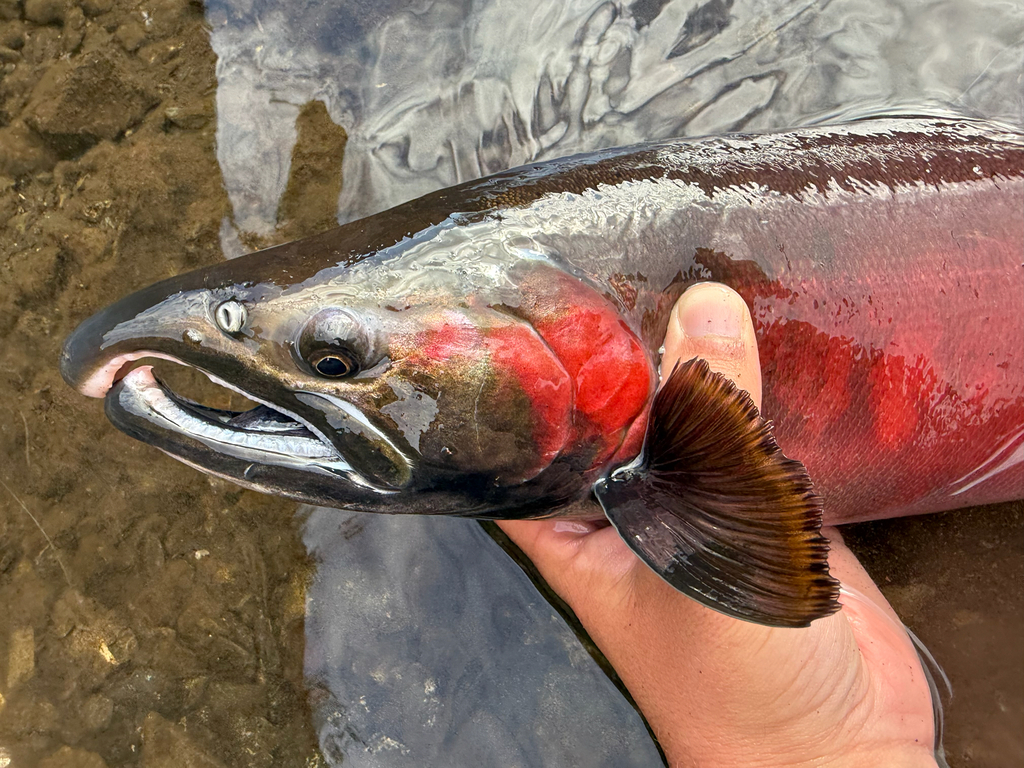
Coho salmon
Coho salmon is a salmonid of the North Pacific, from the Anadyr River in Russia and Hokkaido to Point Hope in Alaska and Baja California. It lives from the surface to 250 m in water of 0 to 25 °C, reaches 108 cm and 15.2 kg, and feeds on crustaceans, fish and zooplankton. Trolling or fly fishing is the usual approach, with the season running October to November.
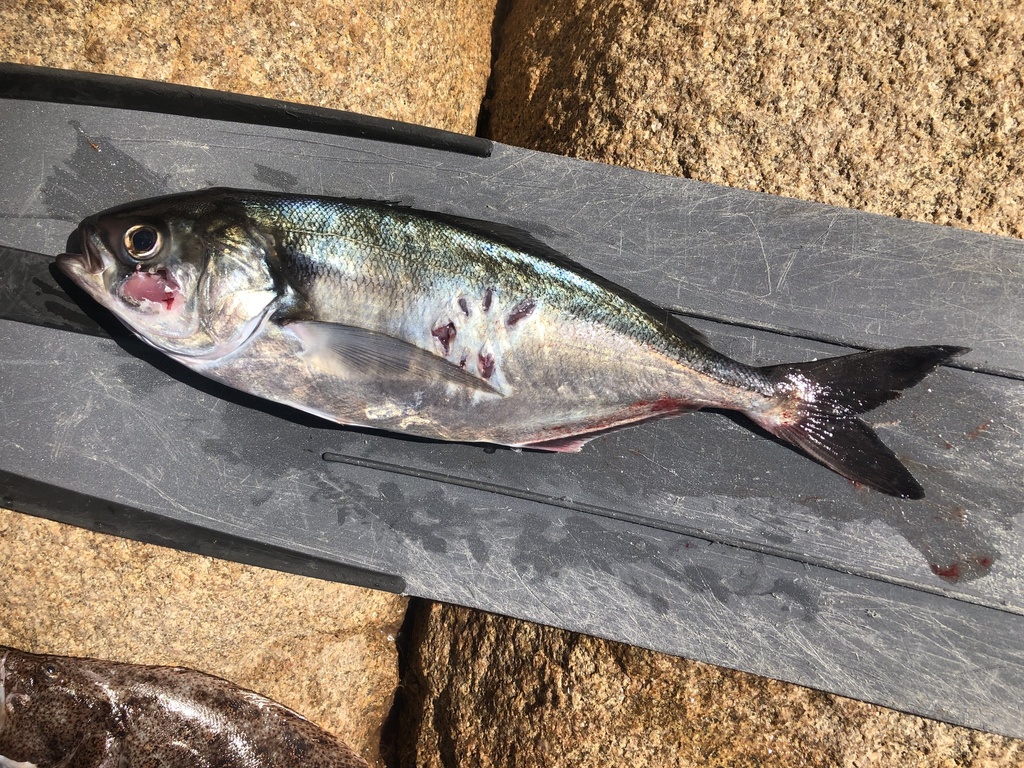
Cojinoba
The cojinoba is a 65 cm pelagic fish from the southeast Pacific, and its page publishes no depth, no weight, no age and no spawning month. What it does publish is a length, a latitude span, and a catch record that is almost entirely Chilean.
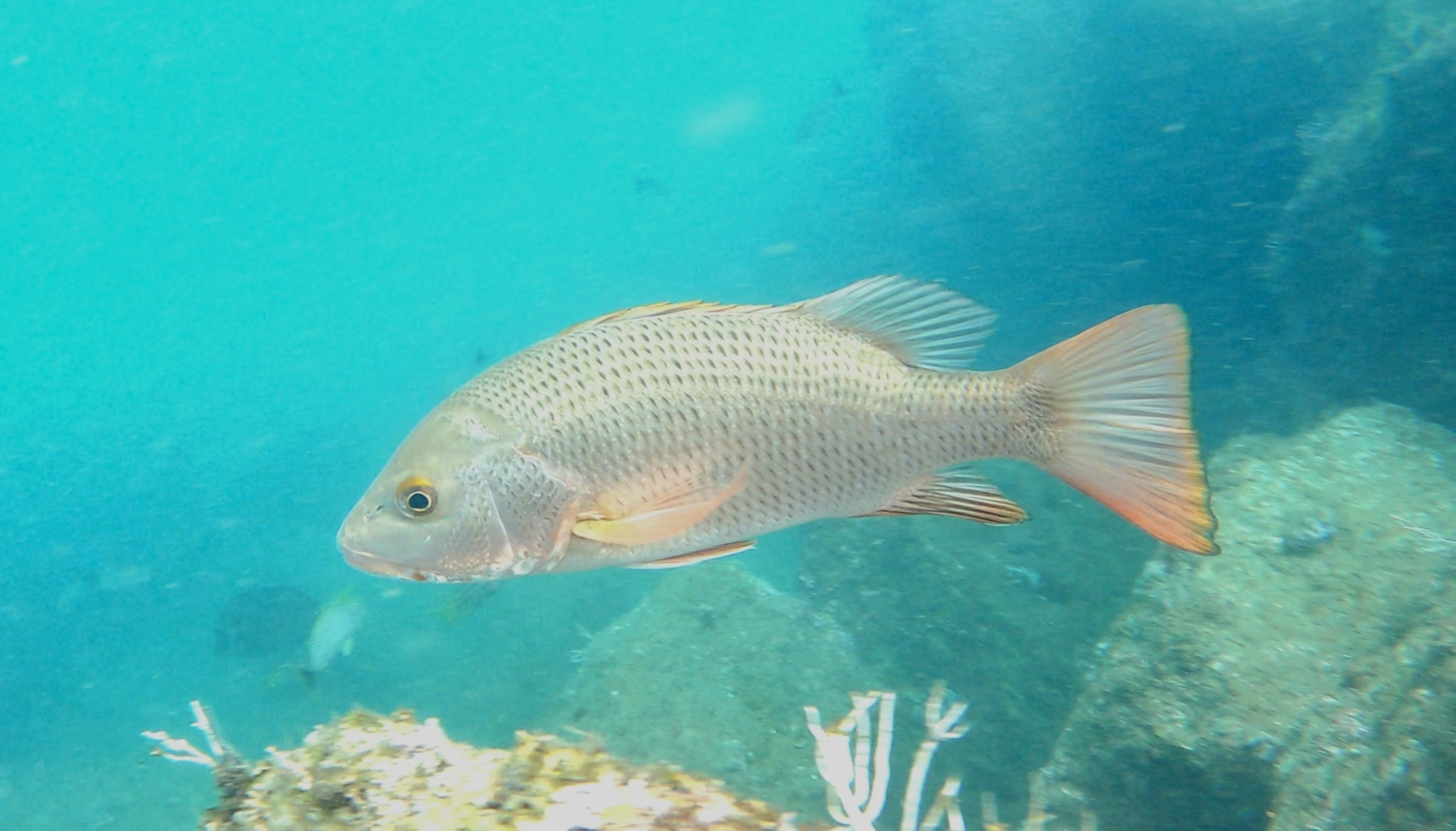
Colorado snapper
Colorado snapper is a medium-sized lutjanid of the eastern Pacific, from southern California to Panama. It is a reef species, living from 1 to 70 m in subtropical water, reaches 91 cm TL and 9.3 kg, and feeds on fish.
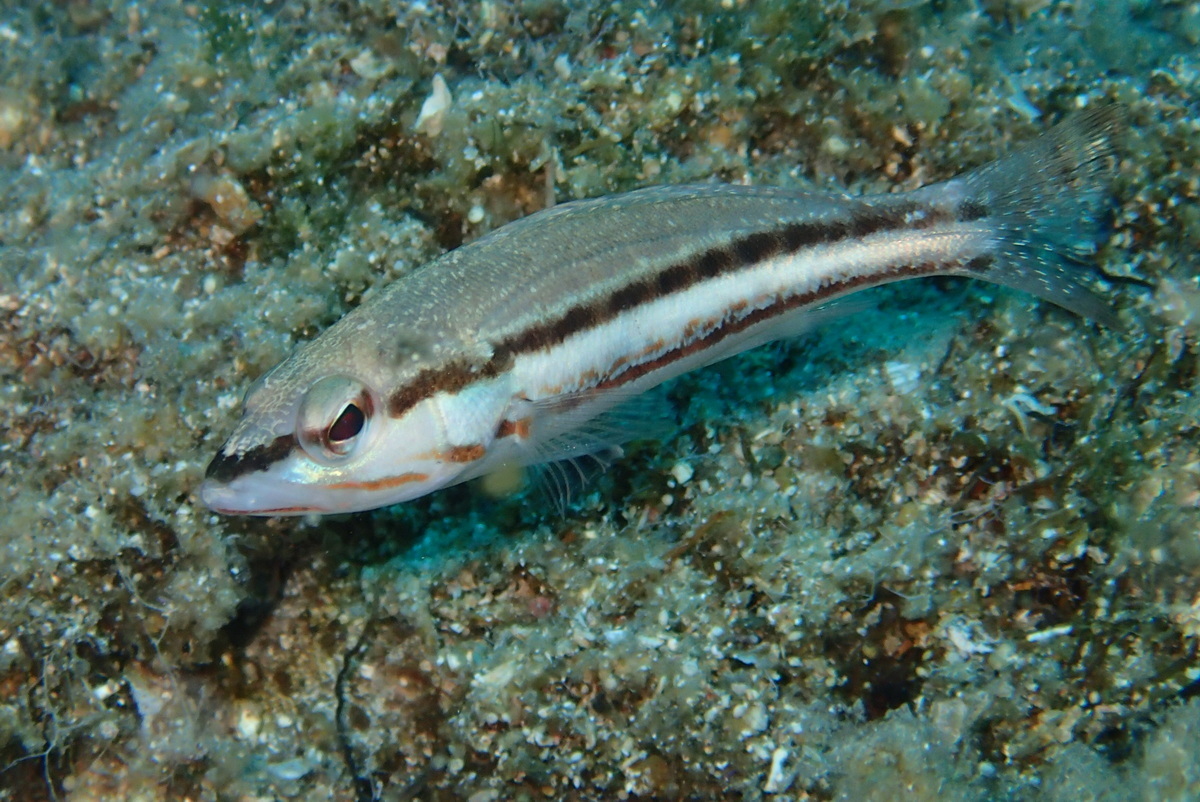
Comber
Comber is a bottom-dwelling serranid of the eastern Atlantic and Mediterranean, from the English Channel around the Cape of Good Hope to Natal, including the Azores, Madeira and the Canaries. It lives from 5 to 500 m in deep water, reaches 40 cm SL, and feeds on crustaceans, fish and molluscs. Boat bottom fishing is the usual approach, with the season running February to August.

Common cuttlefish
Common cuttlefish is a cuttlefish of the eastern Atlantic and Mediterranean, from Shetland and southern Norway to northwestern Africa. It lives from the surface to 242 m in tropical water, reaches 49 cm mantle length and 4 kg, and feeds on fish, molluscs and algae. Boat fishing, handline or trap fishing is the usual approach, and it is present year-round.
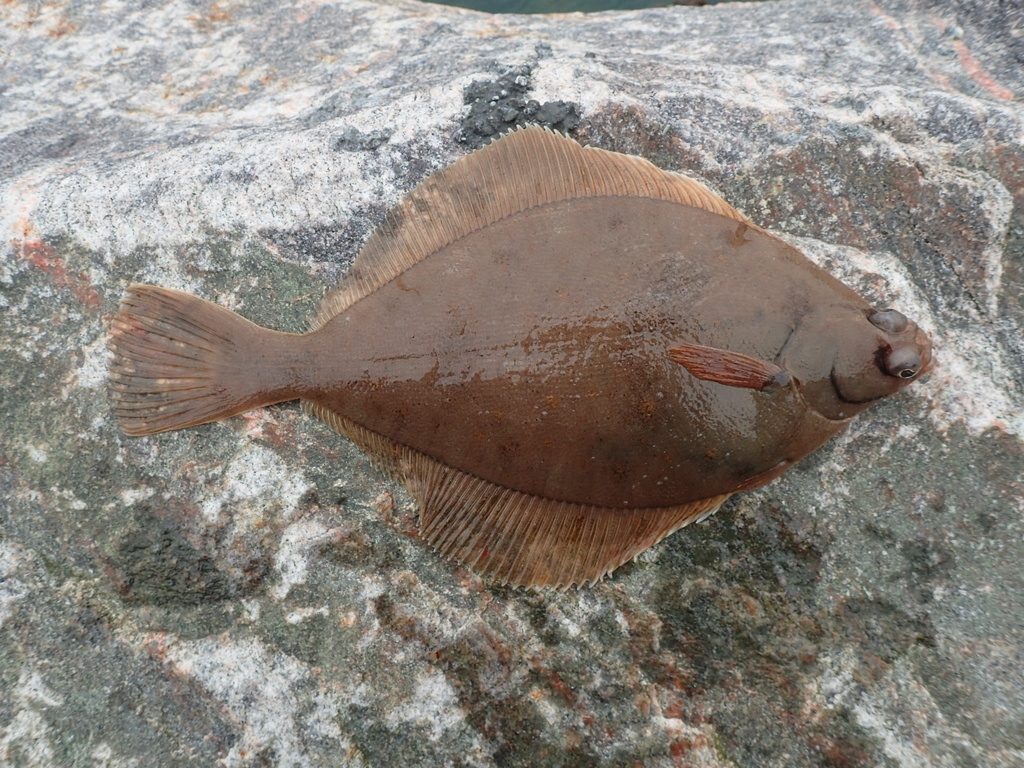
Common dab
Common dab is a small flatfish of the northeast Atlantic, found on sandy ground in the North Sea and the Baltic. It is a shallow shelf fish, generally worked between 20 and 150 m. It is small: 40 cm SL and about a kilo is the top of the range, though most fish never get near 20 cm. The season runs January to August, and the Baltic records widen its range beyond the North Sea.
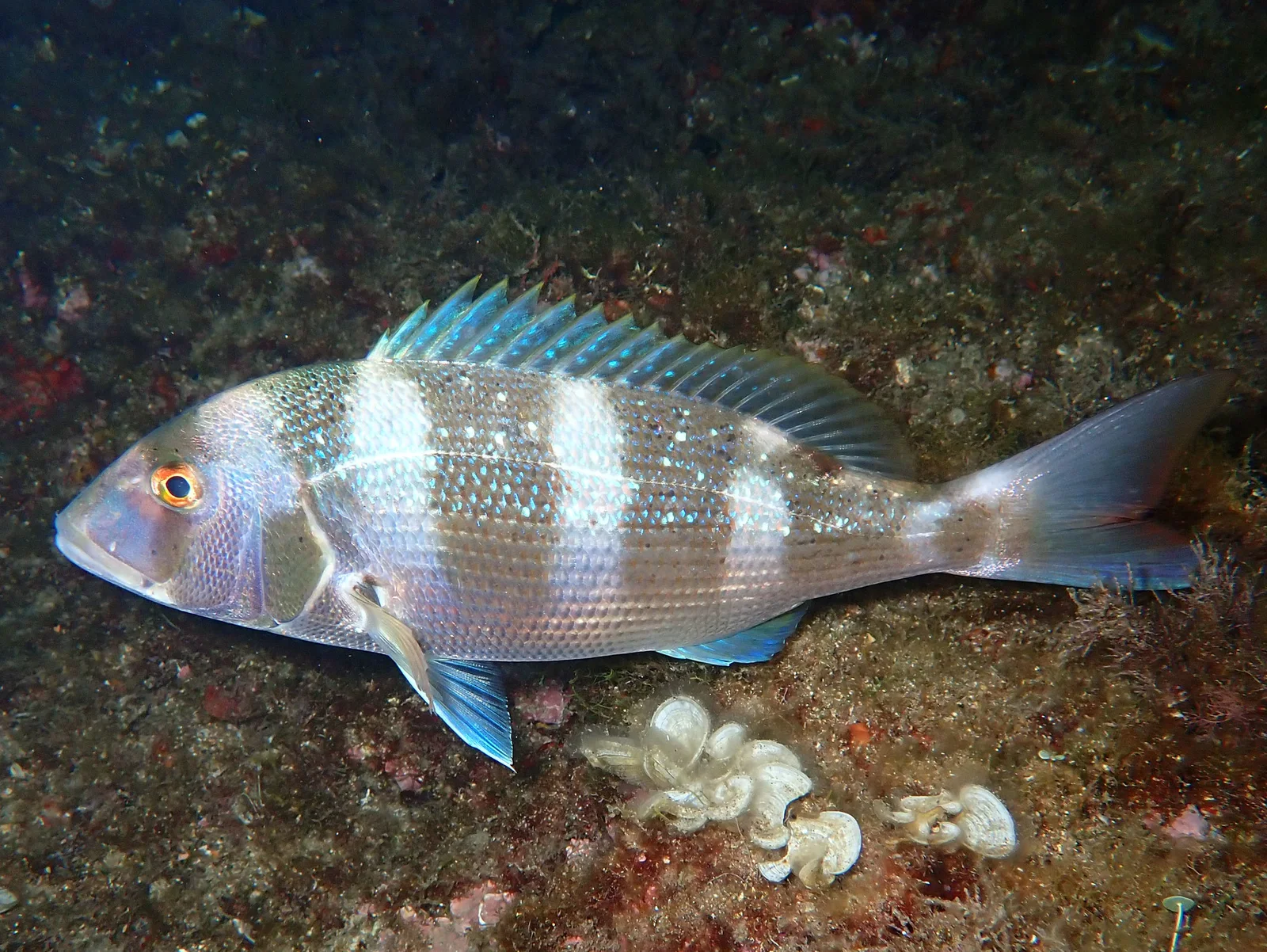
Common dentex
Common dentex, a member of the family Sparidae, is found across the Eastern Atlantic, from British Isles to Cape Blanc, Mauritania. Its depth range is from 0 to 200 m, in subtropical seas. It grows to 100 cm TL and 14.3 kg, with a diet of fishes and molluscs. The usual approach is boat bottom fishing or jigging. The season runs March to May.
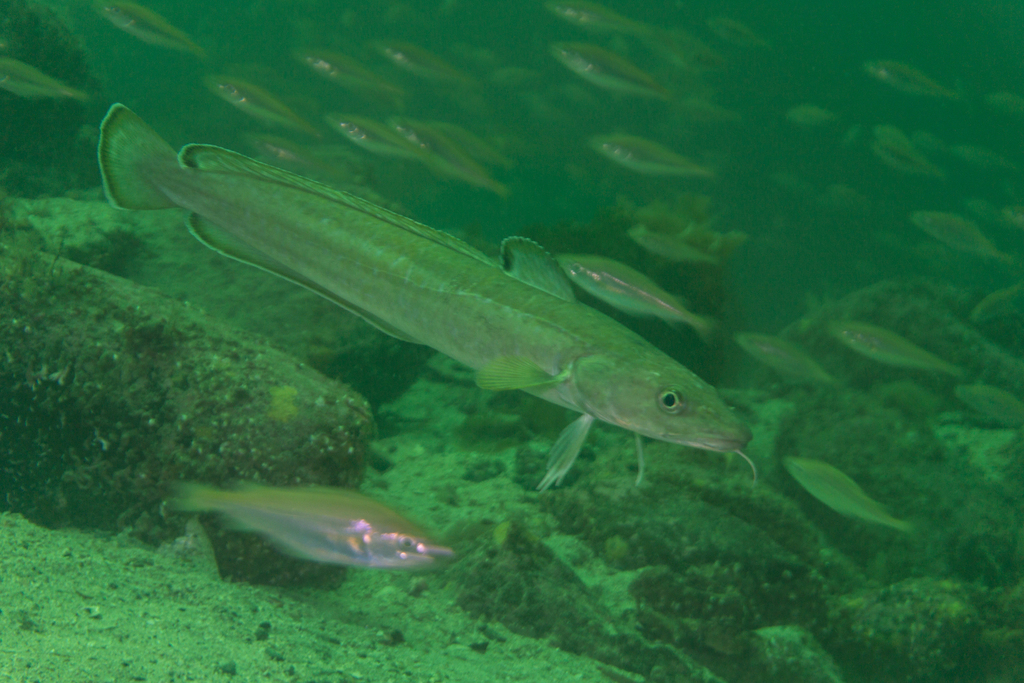
Common ling
For most coastal species, "shallow" means the edge of the beach. For the ling it means a hundred metres. That single offset reorganises everything else on this page: the fish is not deep in the sense of extreme, it is deep in the sense that the shallow end of its range is already past the limit of a rod cast, and the band it actually occupies sits further down the slope.
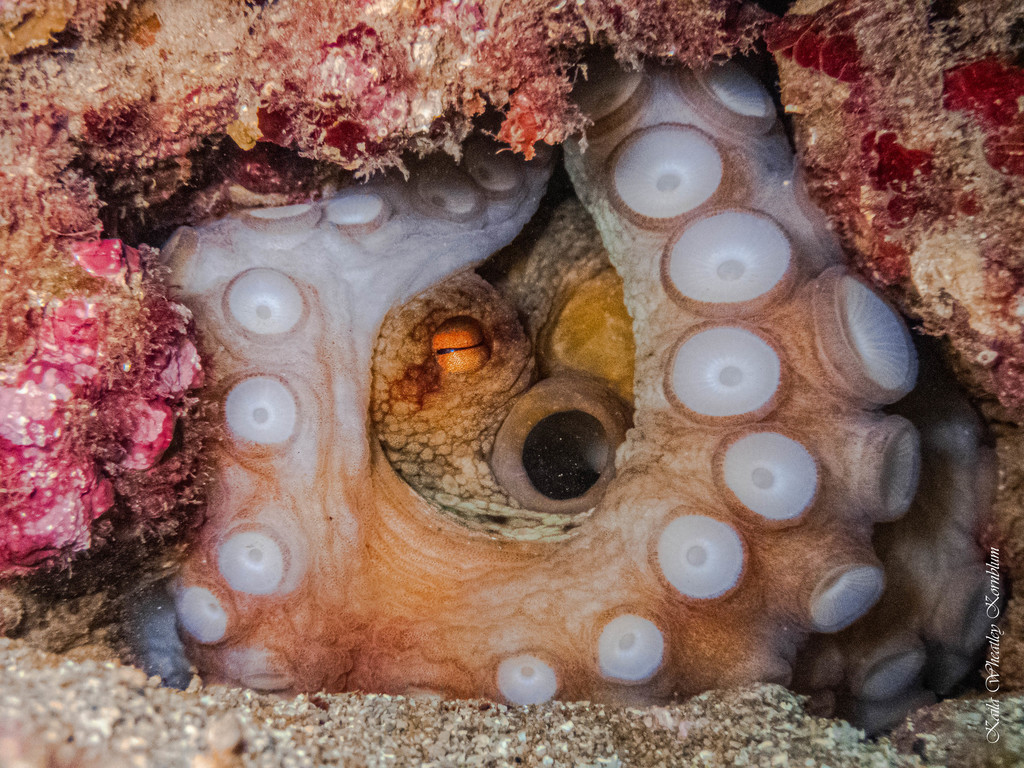
Common octopus
The common octopus is the cephalopod most coastal anglers meet by accident: on a jig that stopped falling, in a trap, or wrapped around a crab-pot rope. It is not a fish, and the record says so plainly — class Cephalopoda, family Octopodidae — which means the measurements that matter are not the ones a bass angler would reach for first.
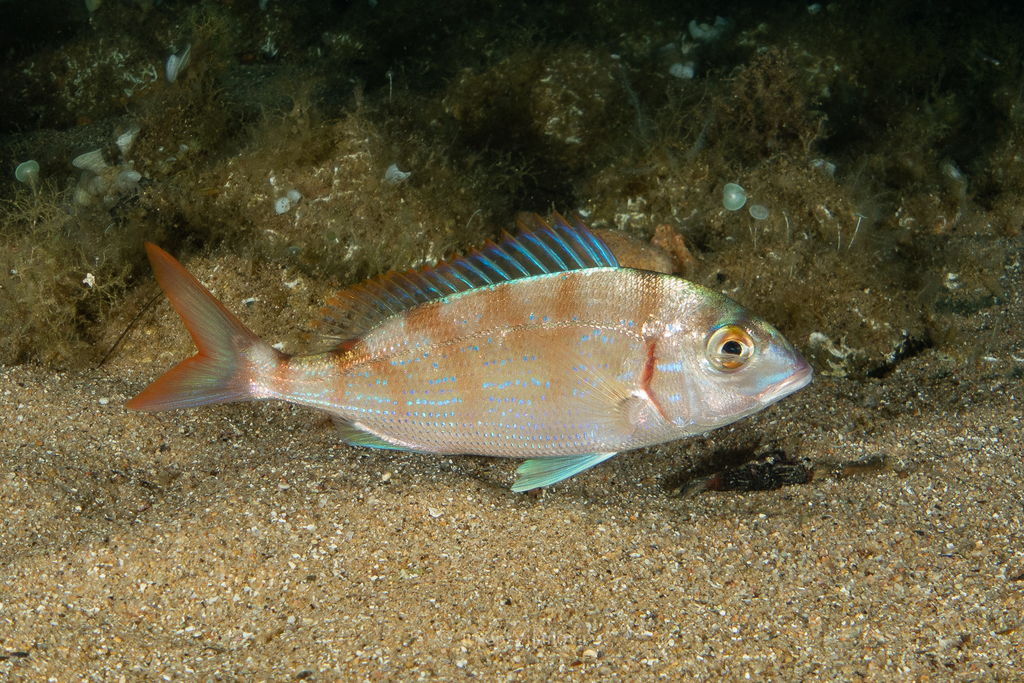
Common pandora
Common pandora is a sparid of the eastern Atlantic and Mediterranean, from Norway and Guinea-Bissau to Cape Verde, Madeira and the Canaries. It lives from 20 to 320 m in subtropical water, reaches 60 cm and 3.2 kg, and feeds on fish. Boat bottom fishing is the usual approach, and fish are present year-round.

Common snook
Common snook is a fish described by the water it moves through. The page carries five environment words at once — marine, freshwater, brackish, reef-associated and amphidromous — and not one salinity figure. That mismatch between labels and measurements is the useful thing to work with.

Common sole
Common sole is a flatfish of the northeast Atlantic and Mediterranean, from Trondheim Fjord and the North Sea through the western Baltic, Marmara, Bosporus and the Black Sea. It lives from the surface to 150 m in water of 8 to 24 °C, reaches 70 cm SL and 3 kg, can live 26 years, and feeds on crustaceans and worms. Boat bottom fishing is the usual approach, with the season running December to June.
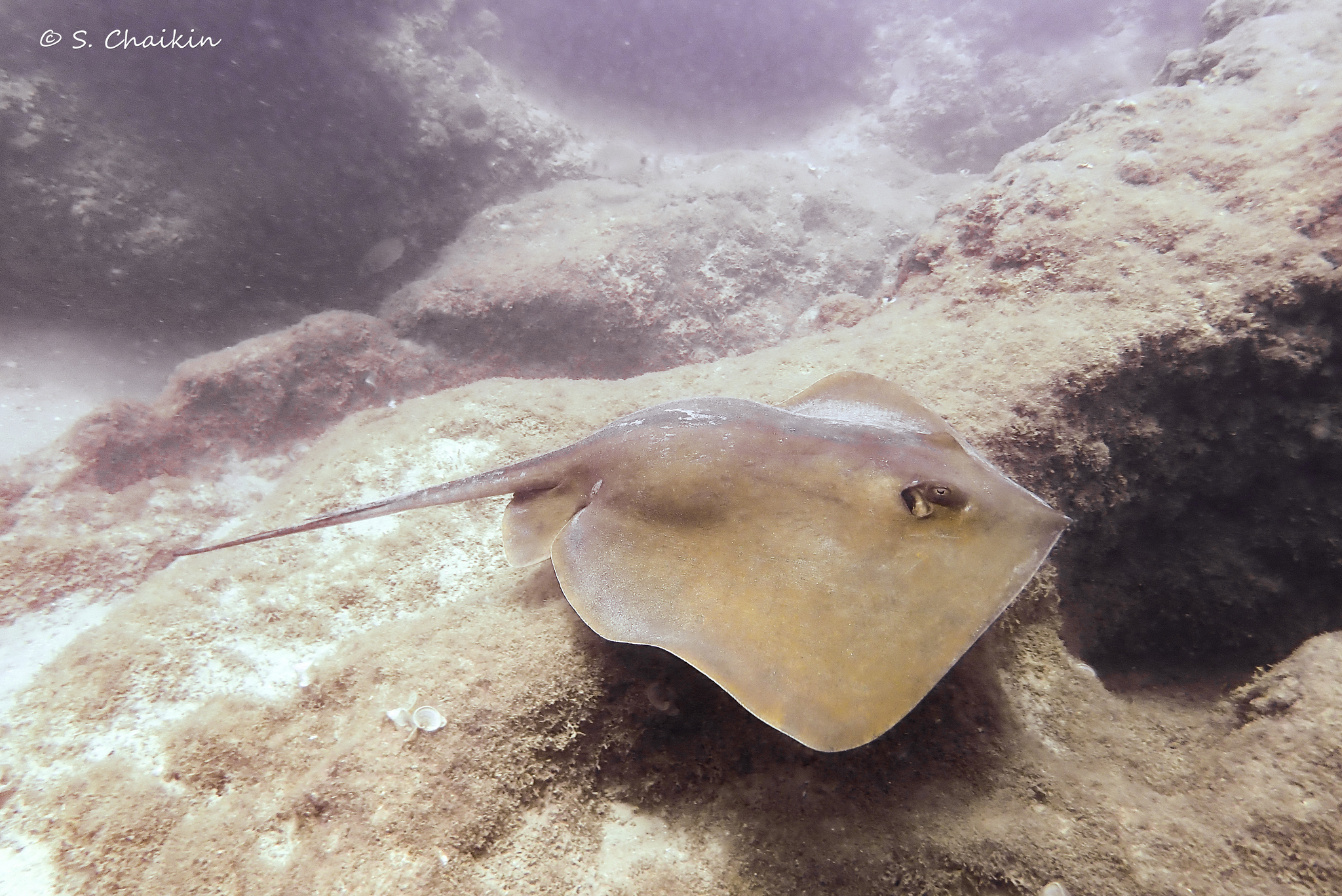
Common stingray
A common stingray is hooked in minutes on a sandy flat and released badly in seconds. The disc is diamond-shaped, the tail is a whip carrying one serrated spine, and the fish has no interest in coming aboard. Everything worth learning about this species happens at the boat: where it lies in wait, how to make a bottom bait sit still, and how to get the hook out without taking a spine to the leg.
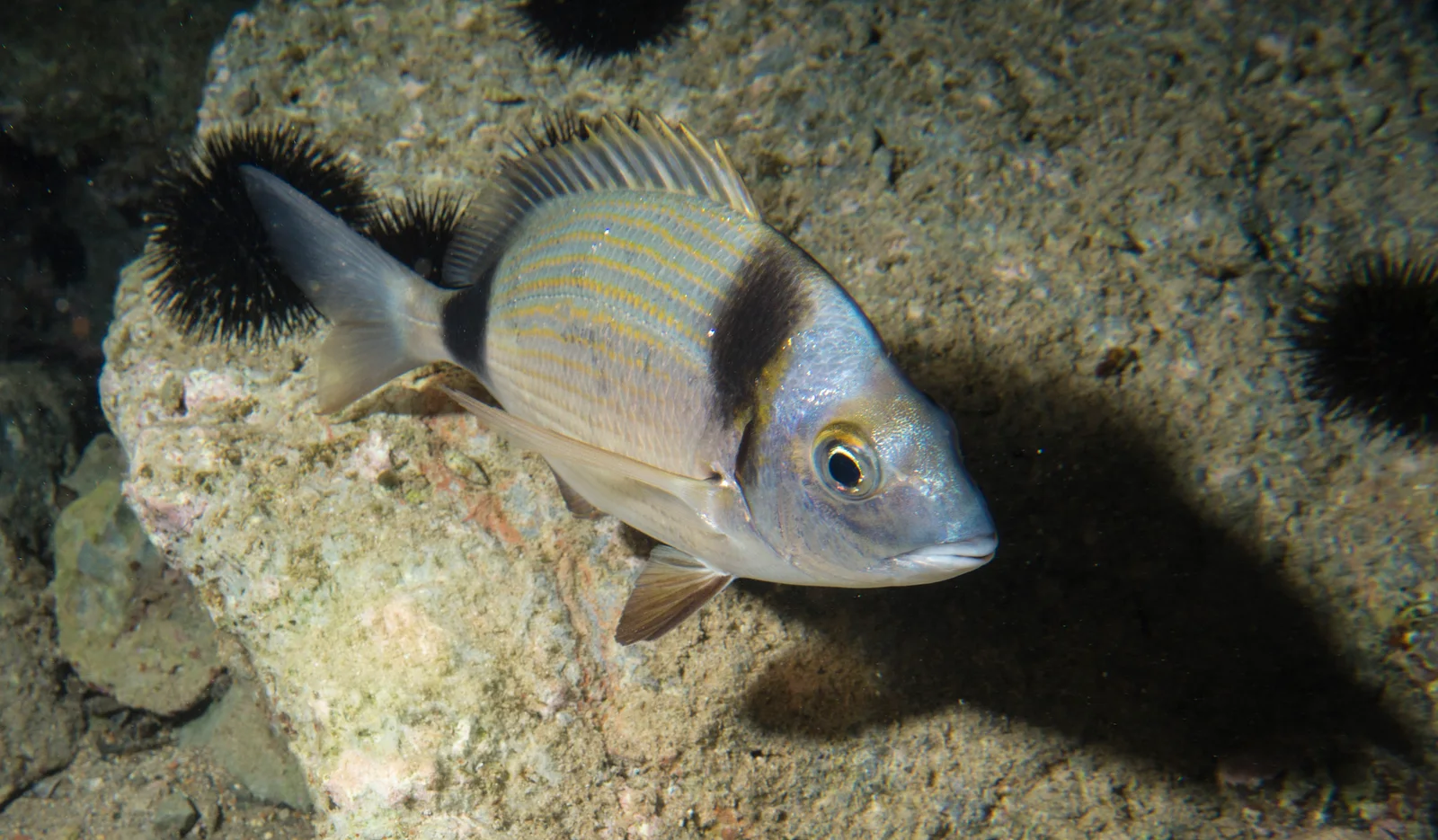
Common two-banded seabream
Common two-banded seabream, a member of the family Sparidae, is found across the Eastern Atlantic, from Bay of Biscay to Cape Verde and the Canary Islands including the Mediterranean and Black Sea (off Bulgaria). Its depth range is from 0 to 160 m, in subtropical seas. It grows to 45 cm TL and 1.3 kg, with a diet of crustaceans, fishes and worms. The standard approach is shore casting or boat fishing. It is present year-round.
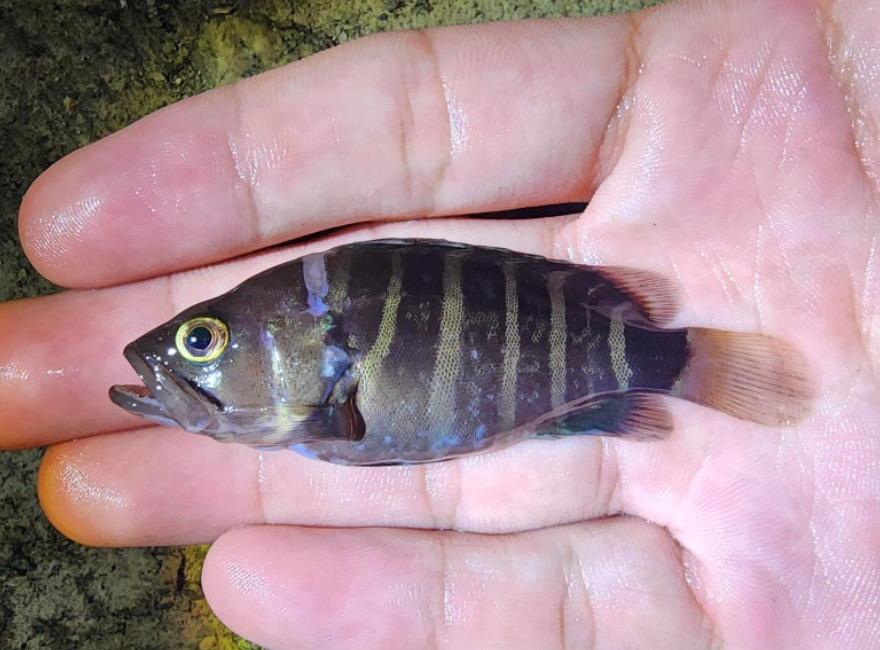
Convict grouper
Sevenband grouper is a non-migratory resident of shallow rock, recorded only between 5 and 30 m, so the mark that holds fish in summer is likely to hold them next month — and the hole you empty stays empty. There is no common length and no spawning month on the record: build for a 50–80 cm fish, and read the season from water temperature at the northern edge of the range rather than from a borrowed breeding calendar.

Copper rockfish
Copper rockfish is a rockfish of the eastern Pacific, from the Kenai Peninsula in the Gulf of Alaska to central Baja California. It lives from 10 to 183 m in subtropical water, reaches 58 cm TL and 2.7 kg, can live 57 years, and feeds on fish and zooplankton. Boat bottom fishing is the usual approach, with the season running February to May.
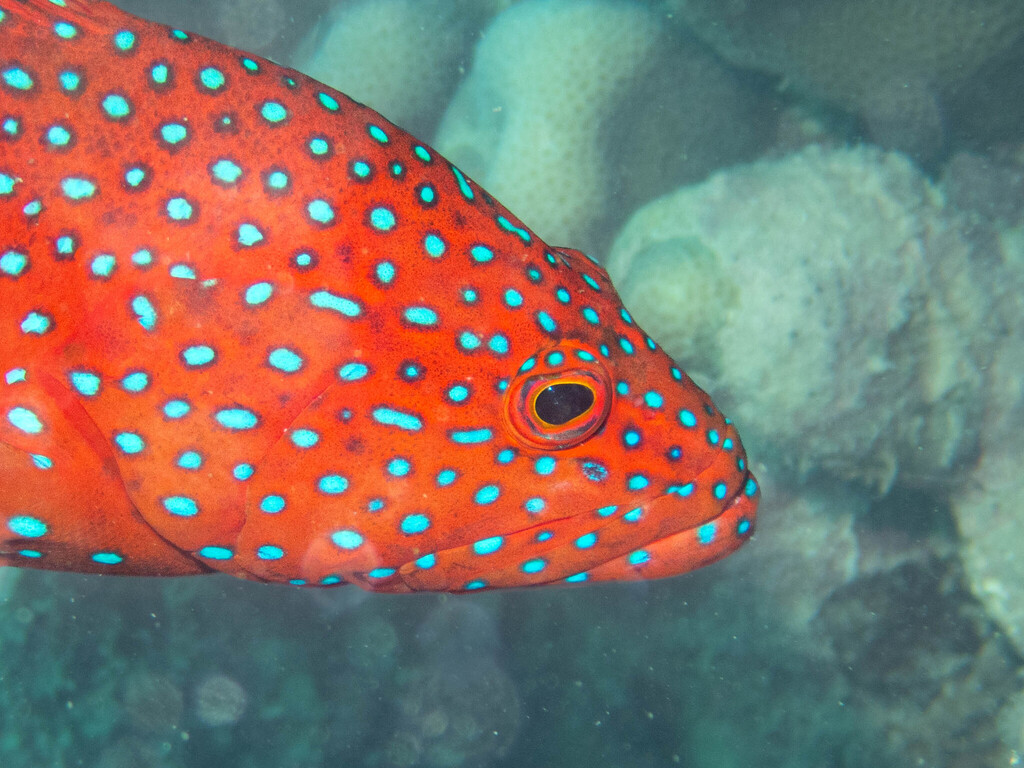
Coral hind
Coral hind is described from clear-water coral reefs, and the record adds a detail worth more than the depth range: it turns up more often on exposed reef than on sheltered reef. Exposed means the side the swell hits, the face with the undercut, the corner where the current accelerates. Fish the calm side of the island and you are fishing the wrong half of it.

Corkwing wrasse
Corkwing wrasse is a small labrid of the eastern Atlantic and Mediterranean, from Norway and the Azores down to Morocco. It is a laterally compressed fish whose colour shifts with its surroundings, and it lives in just 1 to 12 m of temperate water. It feeds on crustaceans, fish, algae and worms, reaches 28 cm SL and can live nine years. March to July is the season.
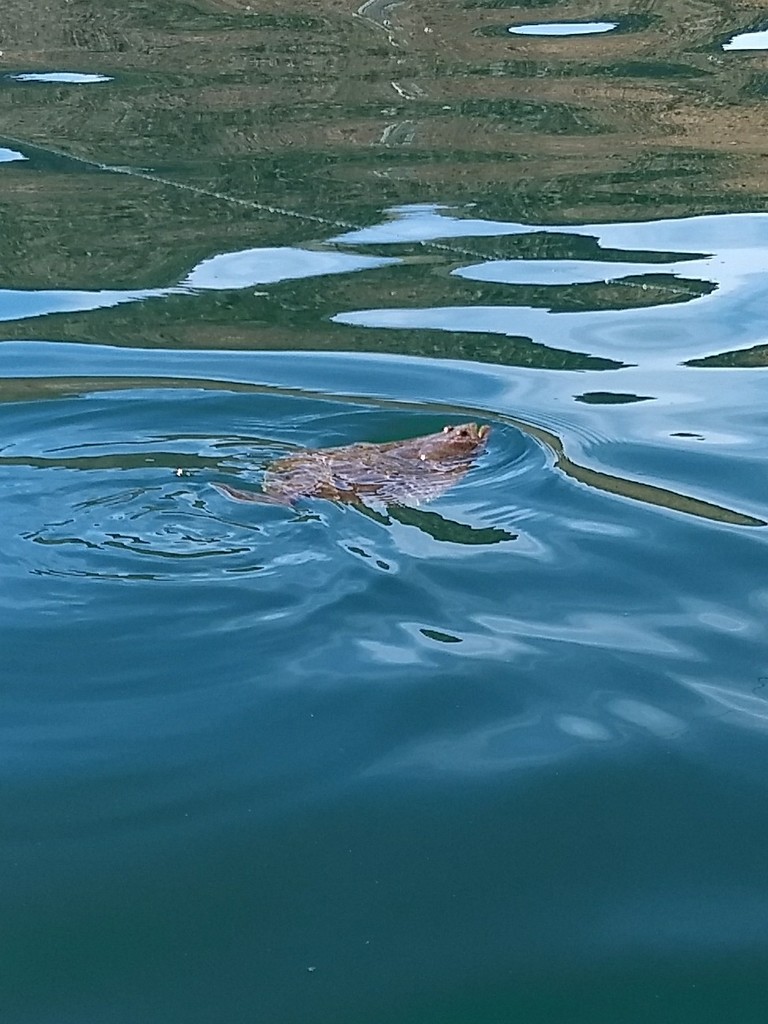
Cortez halibut
FishBase's identification field for this species is empty. What the record does give is a size: 58.3 cm maximum and 45 cm common. That absence shapes how the fish should be handled. Identify by provenance first — Baja California and the Gulf of California — and then by the characters the record does not describe.

Cowcod
Cowcod is a large deep-water rockfish of the eastern Pacific, from Mendocino County in California to central Baja California and Guadalupe Island. It lives from 20 to 500 m, reaches 100 cm FL and 13 kg, can live 55 years, and feeds on zooplankton. Boat bottom fishing is the usual approach, with the season running December to February.
Crescent grunter
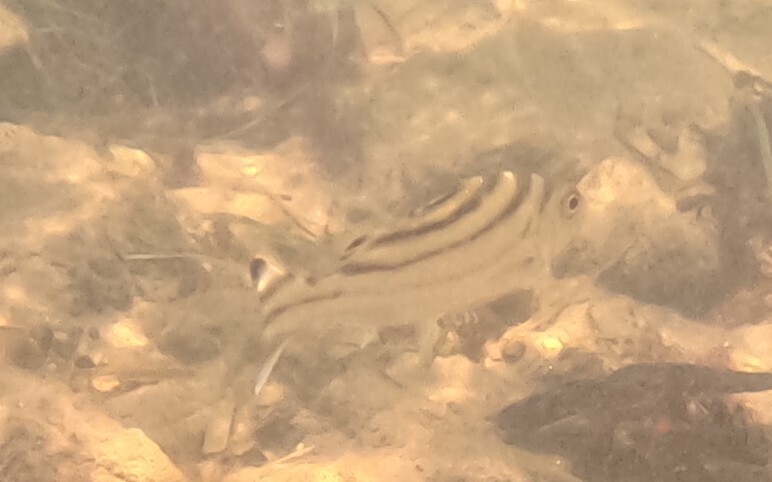
Crescent grunter is an Indo-Pacific euryhaline terapontid, from the Red Sea and East Africa to Samoa, north to southern Japan and south to the Arafura Sea, Australia and Lord Howe Island. It lives over shallow sand, in estuaries and rivers, with adults also in freshwater and juveniles common in sandy intertidal areas and tidal pools; FishBase's recorded depth range is 20–350 m, but adults are mainly shallow.
Crescent sweetlips
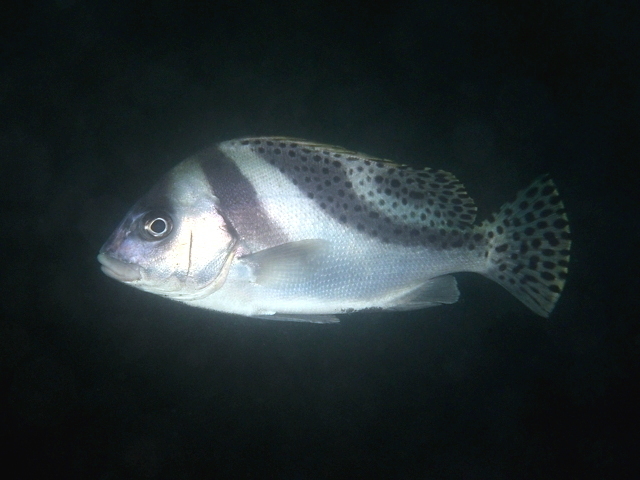
Crescent sweetlips is a reef haemulid of the Indo-West Pacific, from the Arabian Sea to southern Japan, with Taiwan and the Penghu Islands inside its range. It is a tropical fish that reaches 60 cm TL and feeds on fish. No depth band is recorded for it, and IUCN lists it as Least Concern.
Crevalle jack
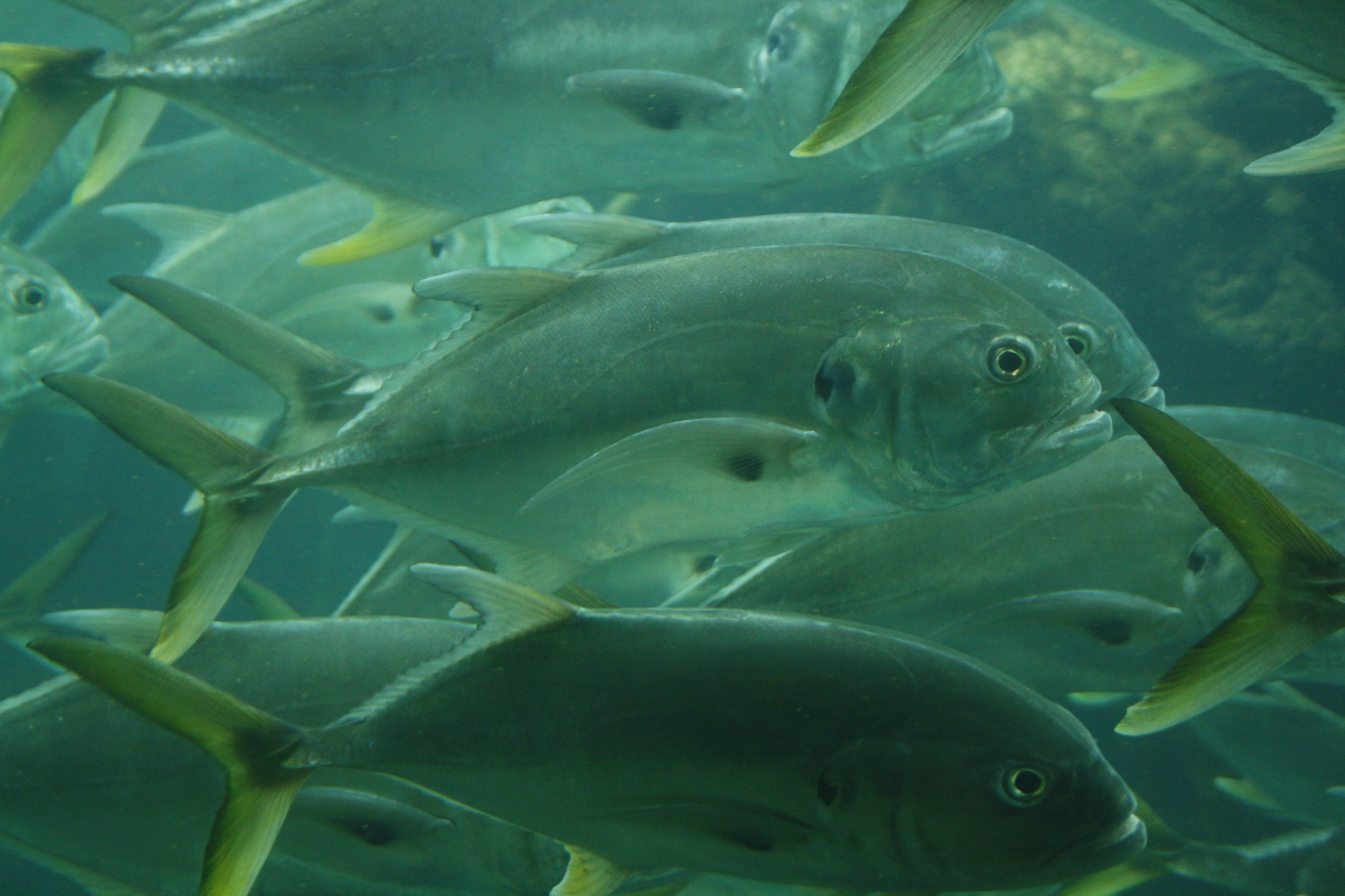
Crevalle jack is a carangid of Atlantic continental-shelf waters, from the eastern seaboard into the Gulf and Caribbean. Adults push into rivers while young fish gather in estuaries, seagrass beds and mangroves. It lives from 1 to 350 m, reaches 124 cm and 32 kg, feeds on fish, and has a season from April to June.
No fish match this water on this page. Clear the filter or choose another habitat.