
What fish are on your coast? — page 8 of 16
Choose the water you fish: shore, reef, surf or deep water. Then open a fish to see what it eats, when it comes in, and how to catch it.
Species records

Kelp rockfish
Kelp rockfish is a nearshore rockfish of the eastern Pacific, from central California to central Baja California. It lives from 9 to 46 m in water of 13 to 19 °C, reaches 42 cm TL, can live 20 years, and feeds on fish and zooplankton. Boat bottom fishing is the usual approach, with the season running February to May.
King George whiting
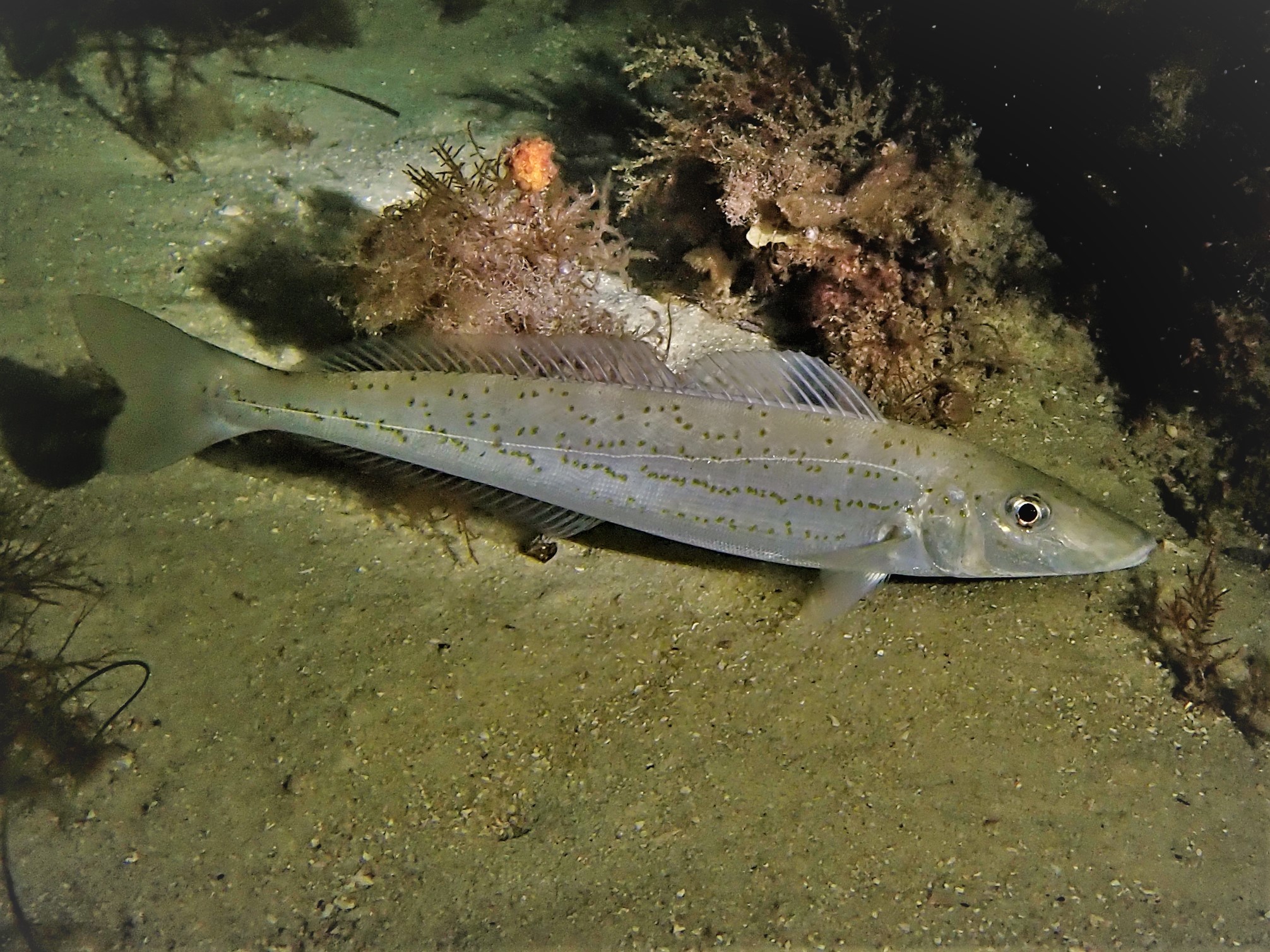
King George whiting is a southern Australian sillaginid, found from shallow bays out to 200 m in temperate water. It feeds on crustaceans, fish and worms. Adults reach 72 cm TL and 4.8 kg and can live 15 years. February to July is the season.
King mackerel
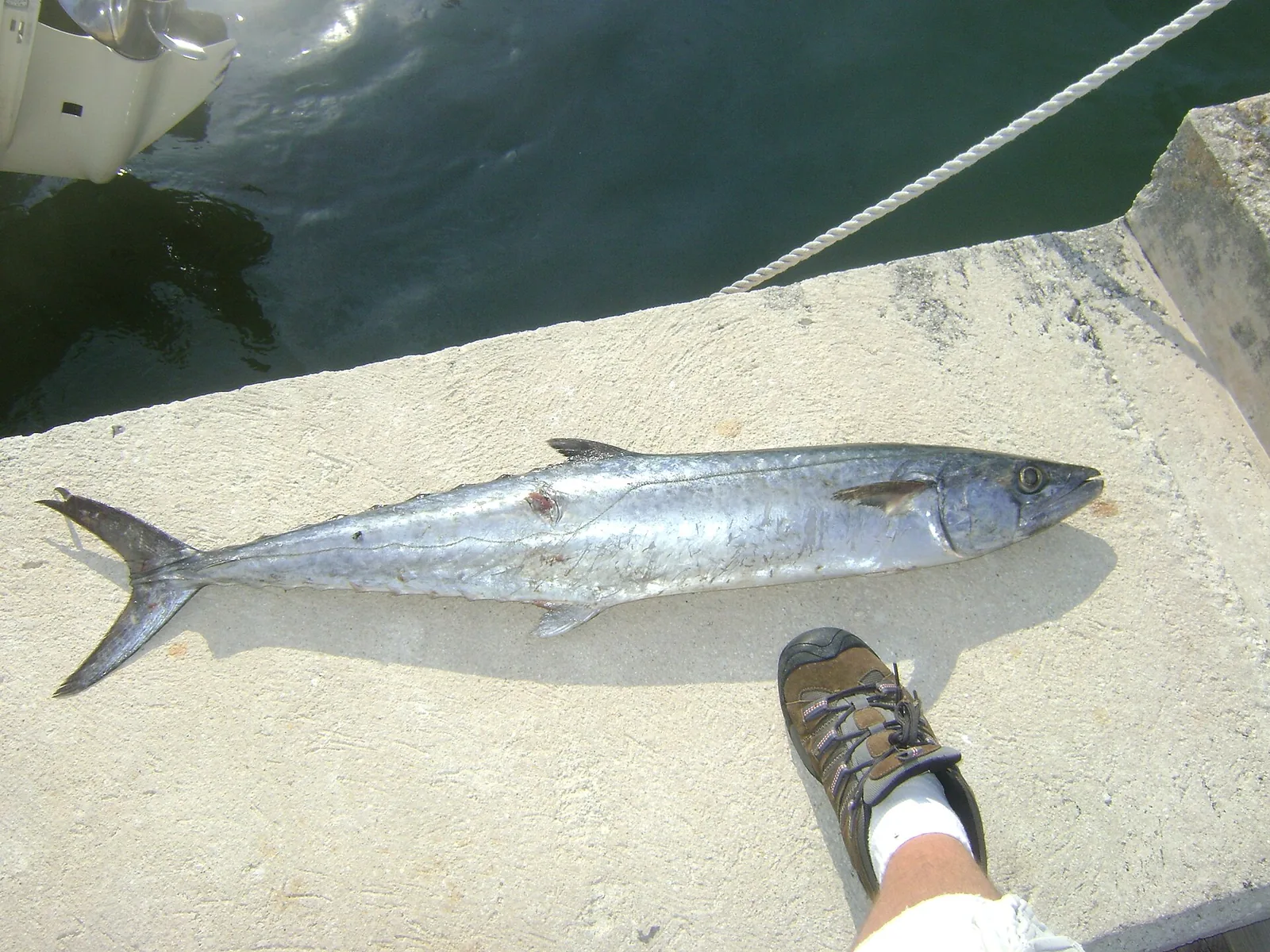
King mackerel is filed as pelagic-neritic but tagged reef and coastal, and the depth field settles the argument: 5 to 140 m, usually 5 to 15 m. It is a surface fish over structure, not a resident of it. Fish the water column above reefs and wrecks with fast lures or live bait, and watch for birds and bait sprays.
King soldier bream
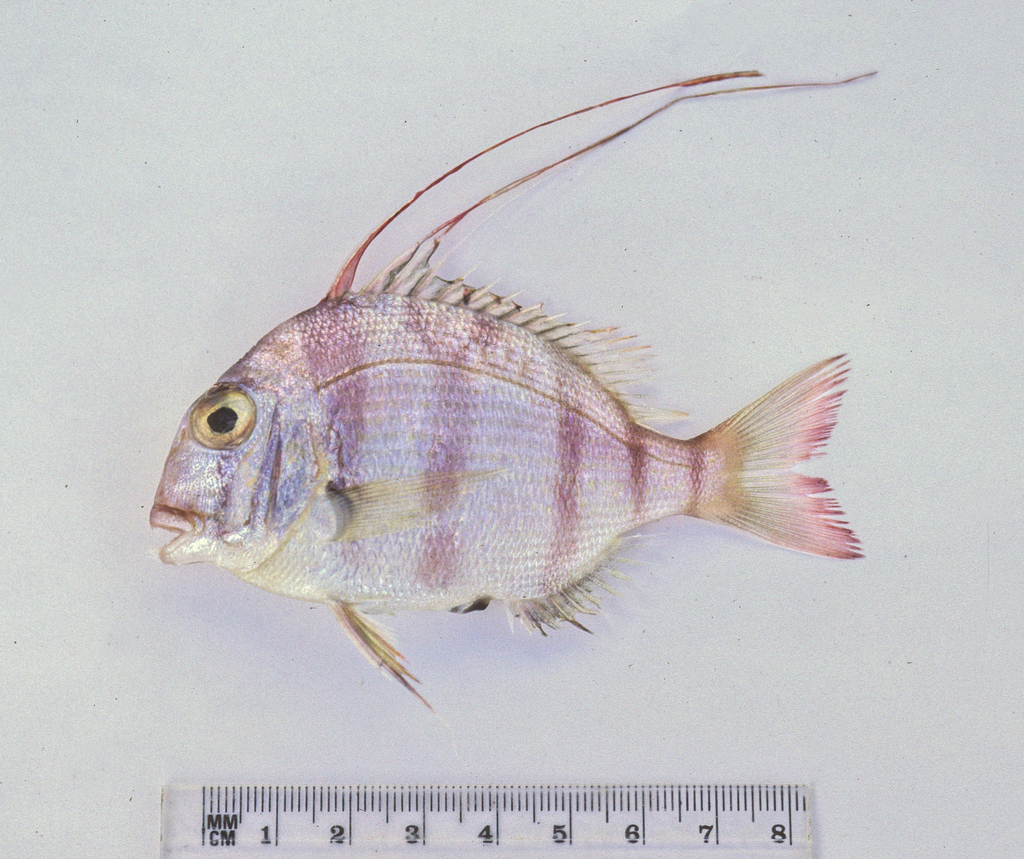
King soldier bream is an Indian Ocean sparid, from the Red Sea and Persian Gulf eastward. It is a deep, compressed fish, uniform pink with a red head and two rudimentary forward dorsal spines, and it is recorded from 1 to 450 m, usually between 5 and 100. It reaches 80 cm TL with a common length near 30 cm and maturity at about 31 cm. Boat bottom fishing, drifting and jigging are the methods listed for it.
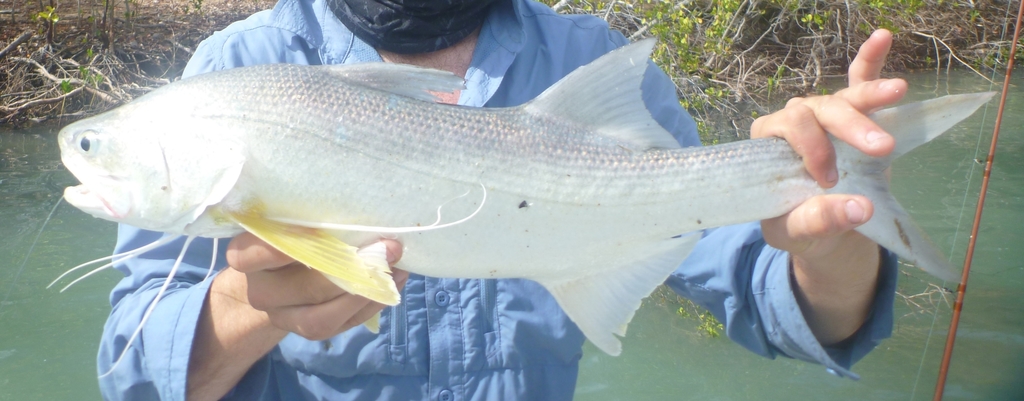
King threadfin
The king threadfin reaches 170 cm and 45 kg in water that is often less than six metres deep, and it is a sport fish recorded in fresh water as well as at sea. Its record is thin in one respect: 25 iNaturalist observations against 1,234 GBIF records.
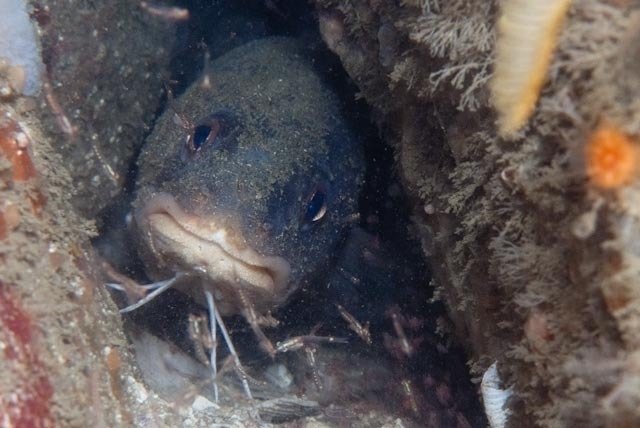
Kingklip
The most useful thing on this page may be what is missing. Kingklip has a maximum length, a maximum weight and a maturity length, but no common length, no recorded gamefish use and a spawning table with a single row whose location reads "Not stated". Those blanks are not decoration; they tell you which parts of a fishing plan the source can support.
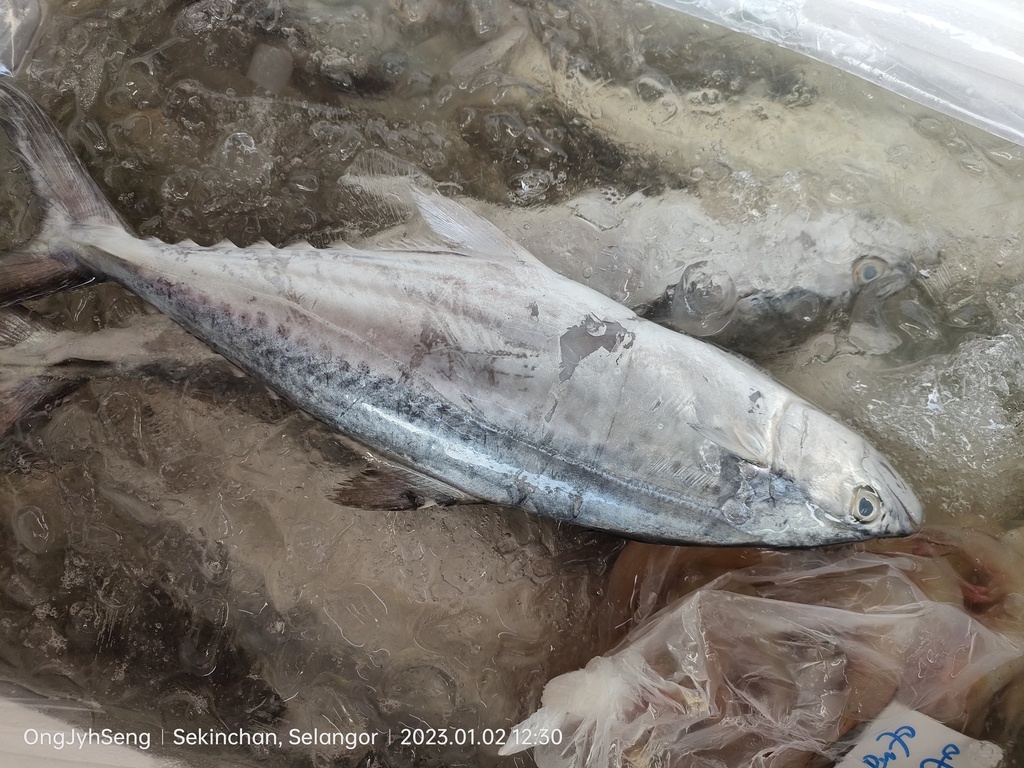
Korean mackerel
Korean mackerel is a tropical scombrid of the Indo-West Pacific, from the west coast of India and Sri Lanka along the continental shelf to Sumatra, Singapore, China, Korea and Wakasa Bay. It reaches 150 cm FL and 15 kg and feeds on fish. Trolling or boat fishing is the usual approach, and July is the recorded season.
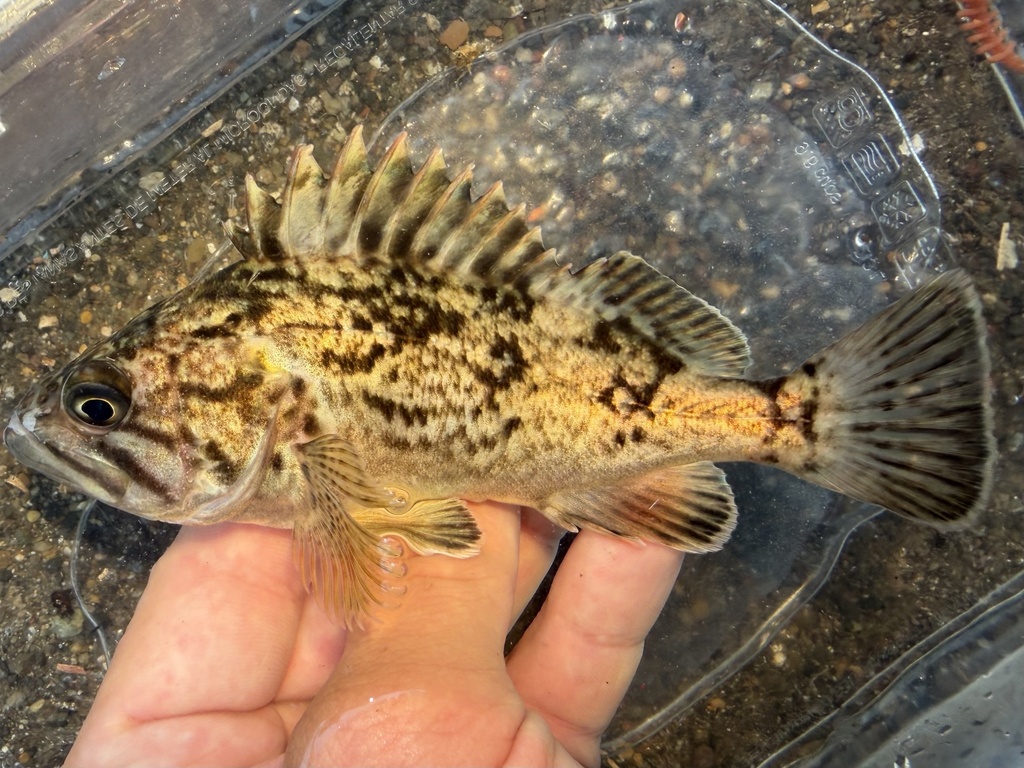
Korean rockfish
Korean rockfish is a demersal, rocky-reef fish of the northwest Pacific, from Japan and Korea to China and the Russian Far East. It lives from 3 to 100 m in temperate water, reaches 65 cm TL and 3.1 kg, and can live 20 years. Sources disagree on diet, with FishBase listing algae and other accounts calling it predatory. Boat bottom fishing or rock fishing is the usual approach, with the season running May to June.
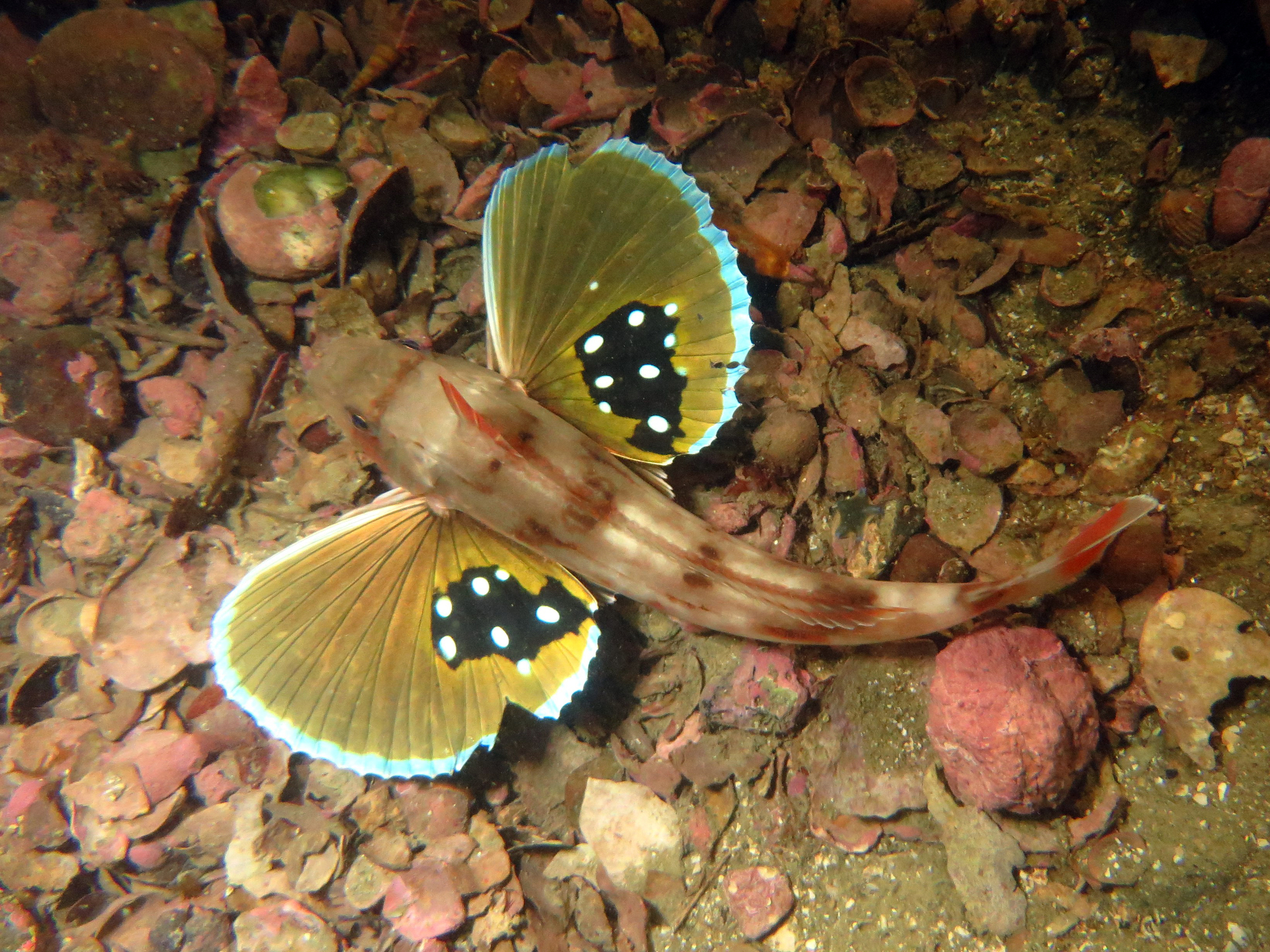
Kumu gurnard
The red gurnard is a 60 cm bottom fish with a venomous dorsal spine, and New Zealand holds 9,057 of its 13,243 GBIF records. It is also one of the most important commercial fish species in New Zealand, which is an useful thing to know before treating it as a bycatch.

Ladyfish
Ladyfish is a slender, silver elopid of the western Atlantic and Gulf of Mexico, often moving in schools through shallow coastal water. It lives from the surface to 50 m in subtropical water, reaches 100 cm TL and 10.1 kg, and is recorded year-round in water of 11 to 34 °C.

Lane snapper
Lane snapper is a shallow-reef lutjanid of the western Atlantic, from Bermuda and North Carolina to southeastern Brazil, including the Gulf of Mexico and Caribbean. It lives from 10 to 400 m in subtropical water, reaches 60 cm TL and 3.5 kg, can live 10 years, and feeds on fish, molluscs and worms. It is present year-round.
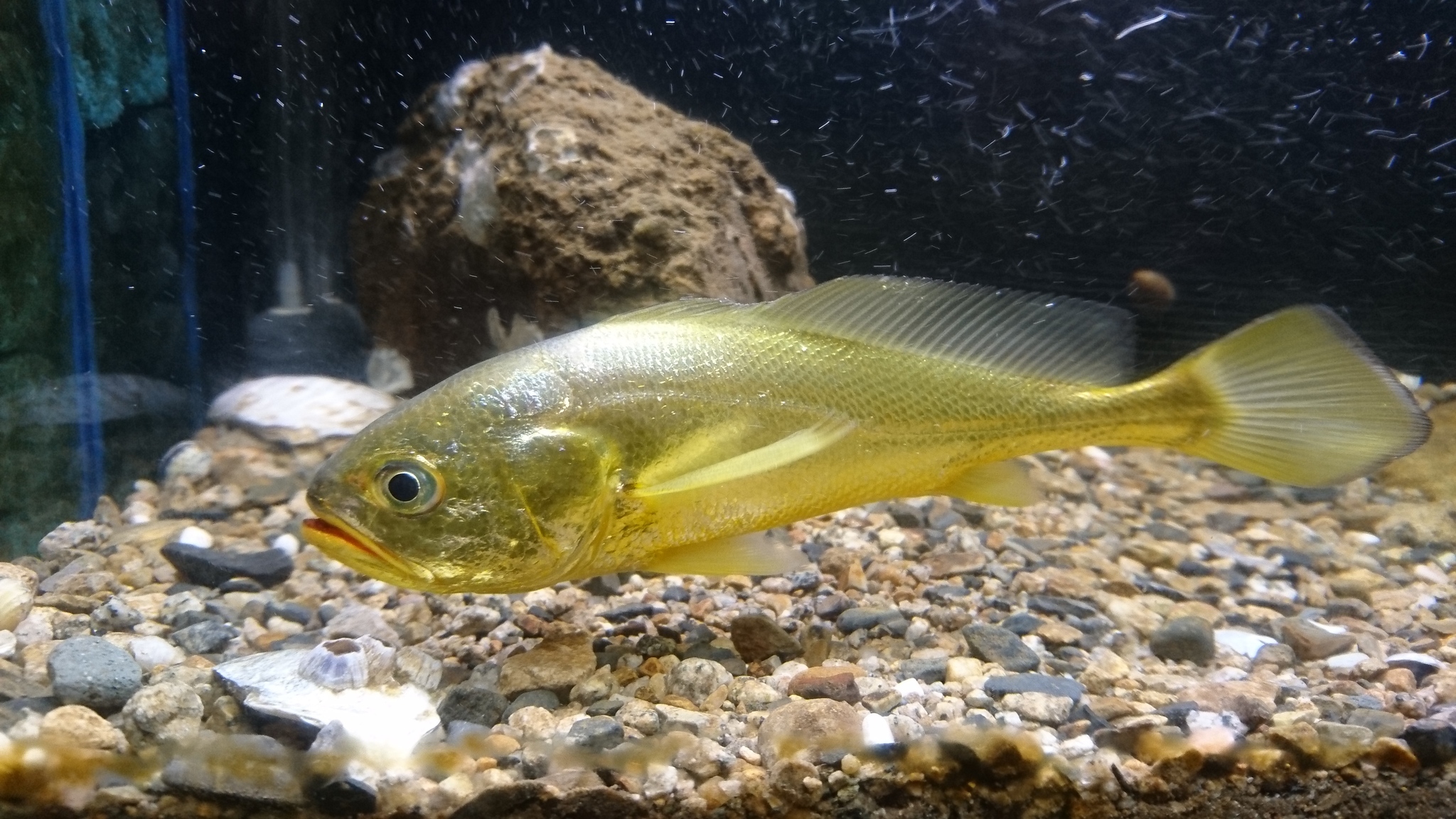
Large yellow croaker
Large yellow croaker is a member of the family Sciaenidae and ranges across the Northwest Pacific, from central Vietnam to South Korea and Japan, Yellow and East China seas. It lives from 0 to 120 m in temperate water. Fish reach 80 cm TL, feeding on crustaceans and fishes. The standard approach is boat bottom fishing or slow pitch jigging. The season runs January to December.
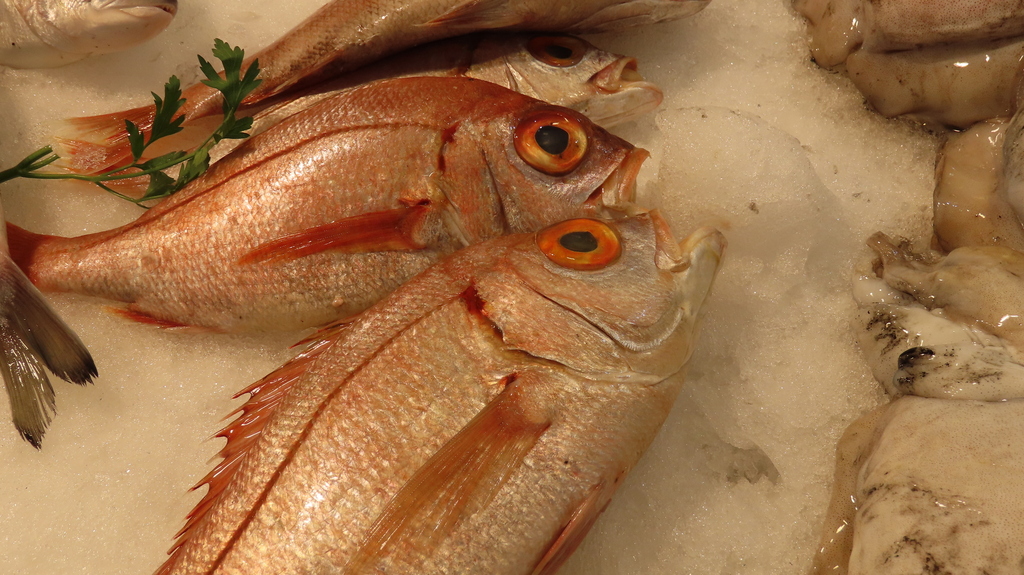
Large-eyed dentex
The large-eyed dentex is a deep-water red fish that sits on the bottom by day and lifts at night, so the fishing is about finding the right depth and putting a bait in that layer. It is also the fish most often misnamed at the boat: a red body invites the name Dentex dentex, and the Croatian 30 cm rule belongs to that other species.
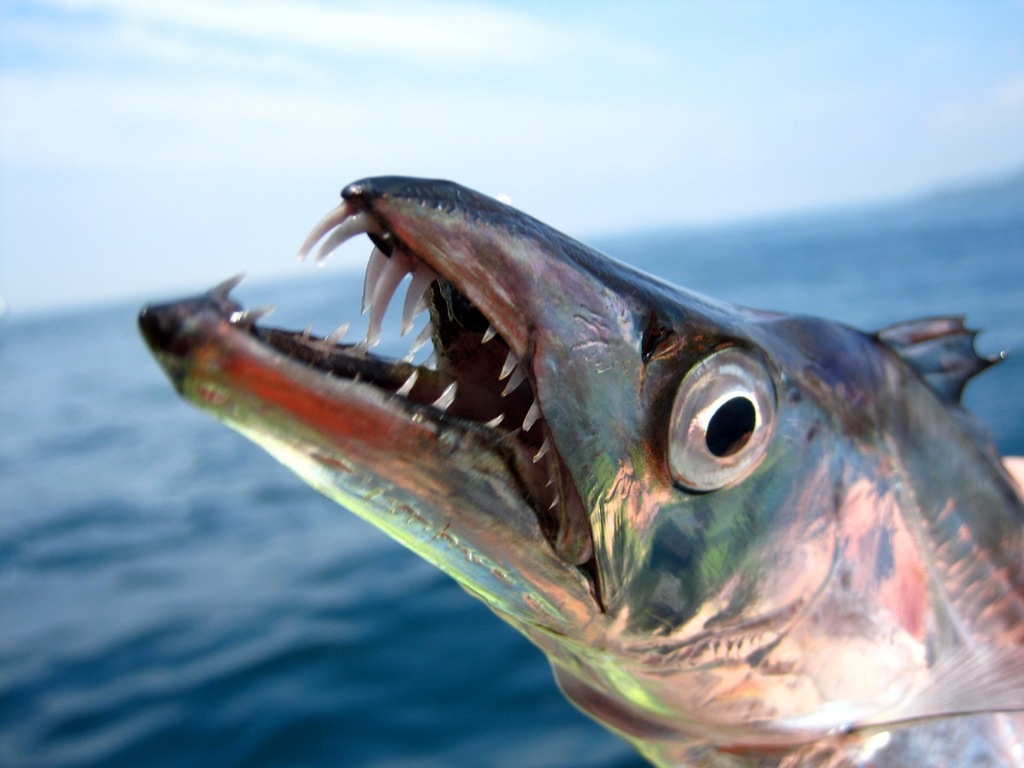
Largehead hairtail
Largehead hairtail is recorded across Circumtropical and Circumtemperate, from including Gulf of Mexico, Caribbean Sea, Mediterranean Sea, Sea of Marmara, Red Sea, Persian Gulf, within the family Trichiuridae. It is caught from 0 to 589 m, in subtropical water. It tops out at 234 cm TL, on a diet of crustaceans, fishes and zooplankton. The standard approach is boat bottom fishing or slow pitch jigging. It is present year-round.
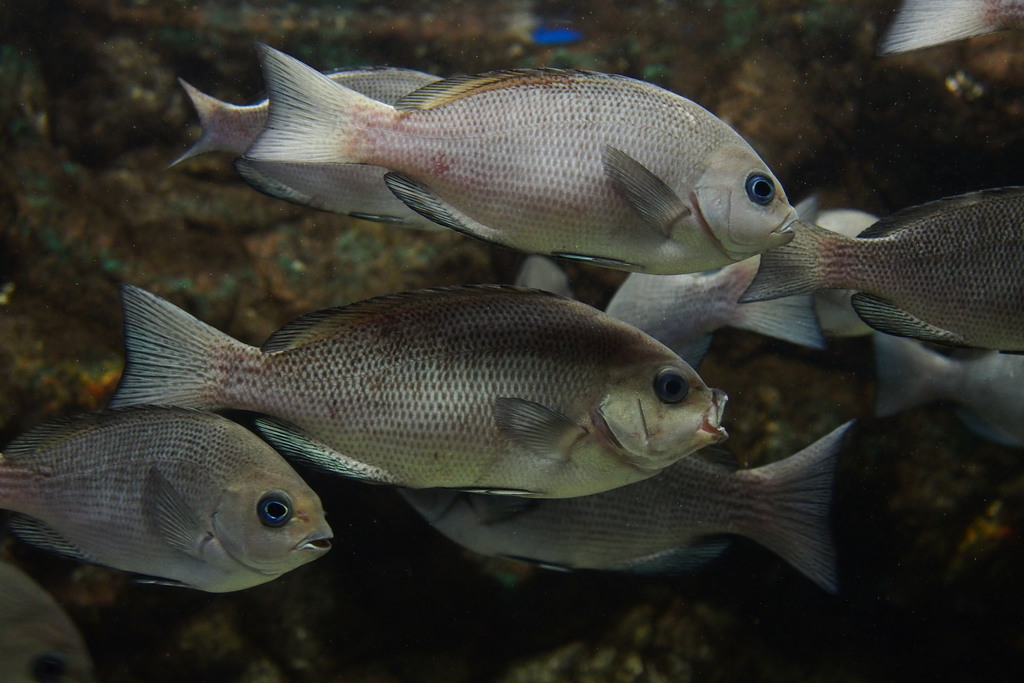
Largescale blackfish
Largescale blackfish is a girellid of rocky northwest Pacific shores, from southern Hokkaido and Japan through Taiwan to the East China Sea. It lives in temperate water and reaches 50 cm, feeding on algae. Rock fishing, shore fishing or float fishing is the usual approach, with the season running February to June.
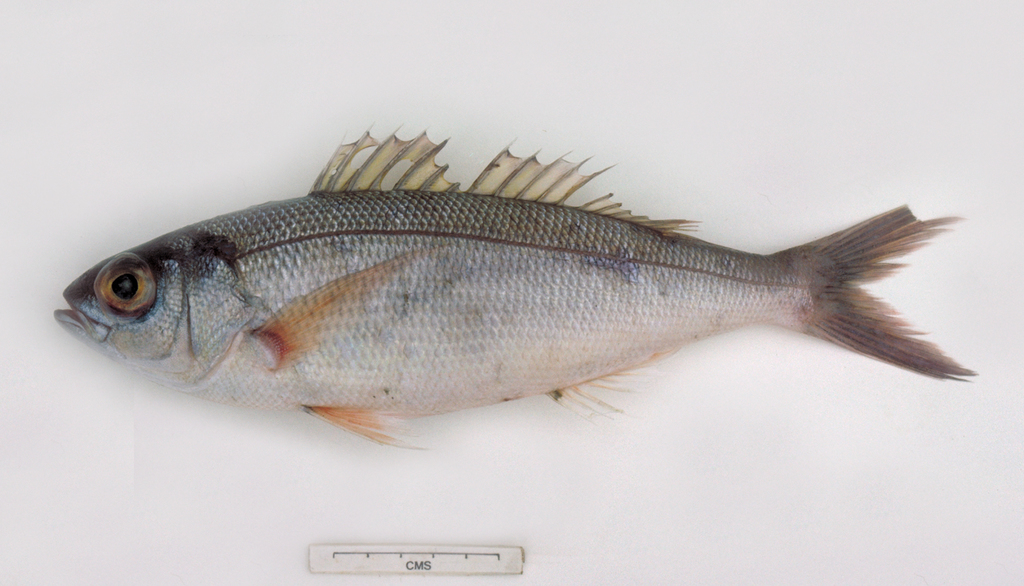
Lavender jobfish
Lavender jobfish is a deep-water lutjanid of the Indo-Pacific, from East Africa across to Hawaii and north to southern Japan. It is a spindle-shaped fish of the 100 to 360 m band, feeding on fish, molluscs and worms. Adults reach 79 cm TL and 8.4 kg. It lives well below normal reef depths.
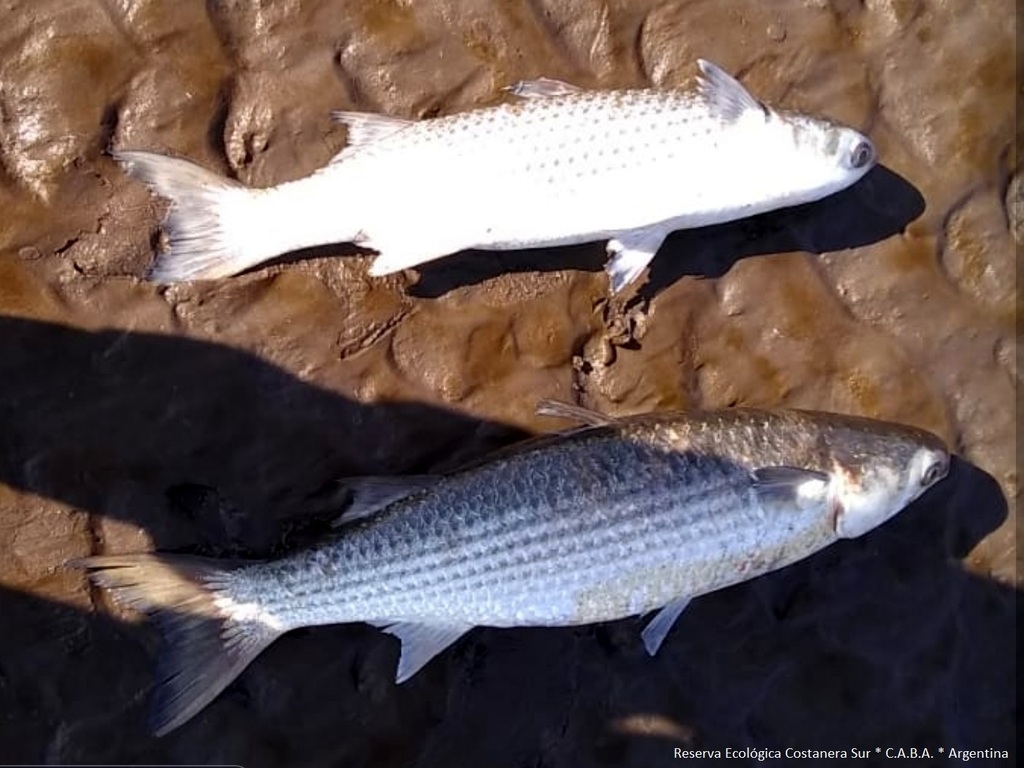
Lebranche mullet
Lebranche mullet is a slim coastal mullet of the western Atlantic and Caribbean, a fish most people meet on ice rather than in the water. In the Caribbean and Brazil it is sold as liza or simply as mullet, and the market name covers more than one animal. The record gives 40 cm as a common length and 80 cm TL and 9 kg as the maximum, and it is a fish of water 10 m and deeper.
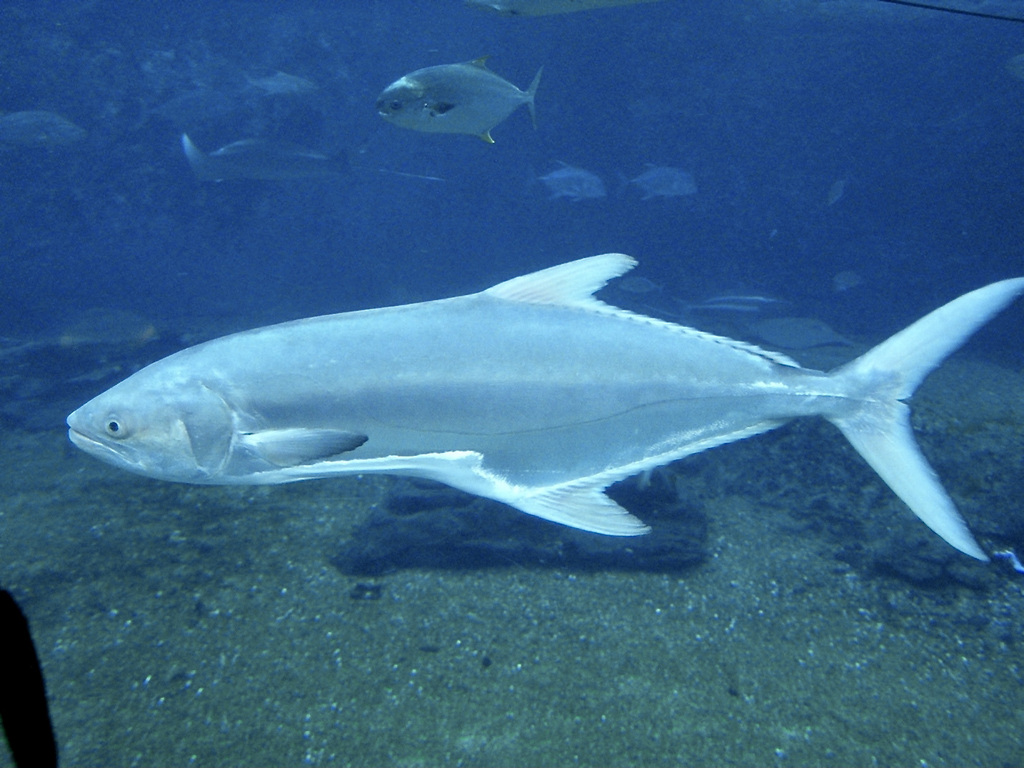
Leerfish
Leerfish is a large coastal carangid of the Mediterranean, eastern Atlantic and western Indian Ocean, where South African anglers call it garrick. It lives from the surface to 50 m in subtropical water, reaches 200 cm TL and 50 kg, with a common length around 100 cm. Its season runs from September to November.

Lehi
The build is elongate and laterally compressed, lighter than most snappers of the same length. Several characters together make the identification reliable. The lower jaw protrudes slightly, and the premaxillae are not protrusible, being fixed by a frenum, which is unusual among snappers. The jaw teeth are extremely small, minute in large adults, and the roof of the mouth is toothless.
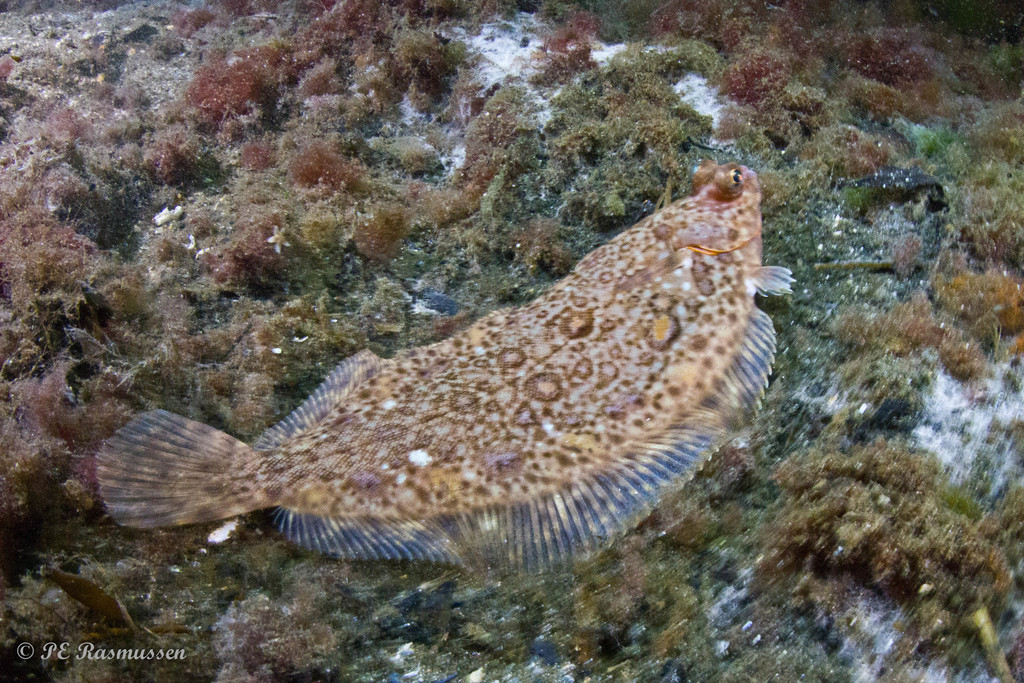
Lemon sole
Lemon sole is a small flatfish of the northeast Atlantic shelf, a fish sold simply as lemon sole. It is taken between 10 and 200 m. Adults reach 65 cm TL and 3 kg and can live 23 years, and the season runs March to November. Sources disagree on its bottom, one placing it on stony ground down to about 1,400 m, a gap worth knowing before choosing a mark.
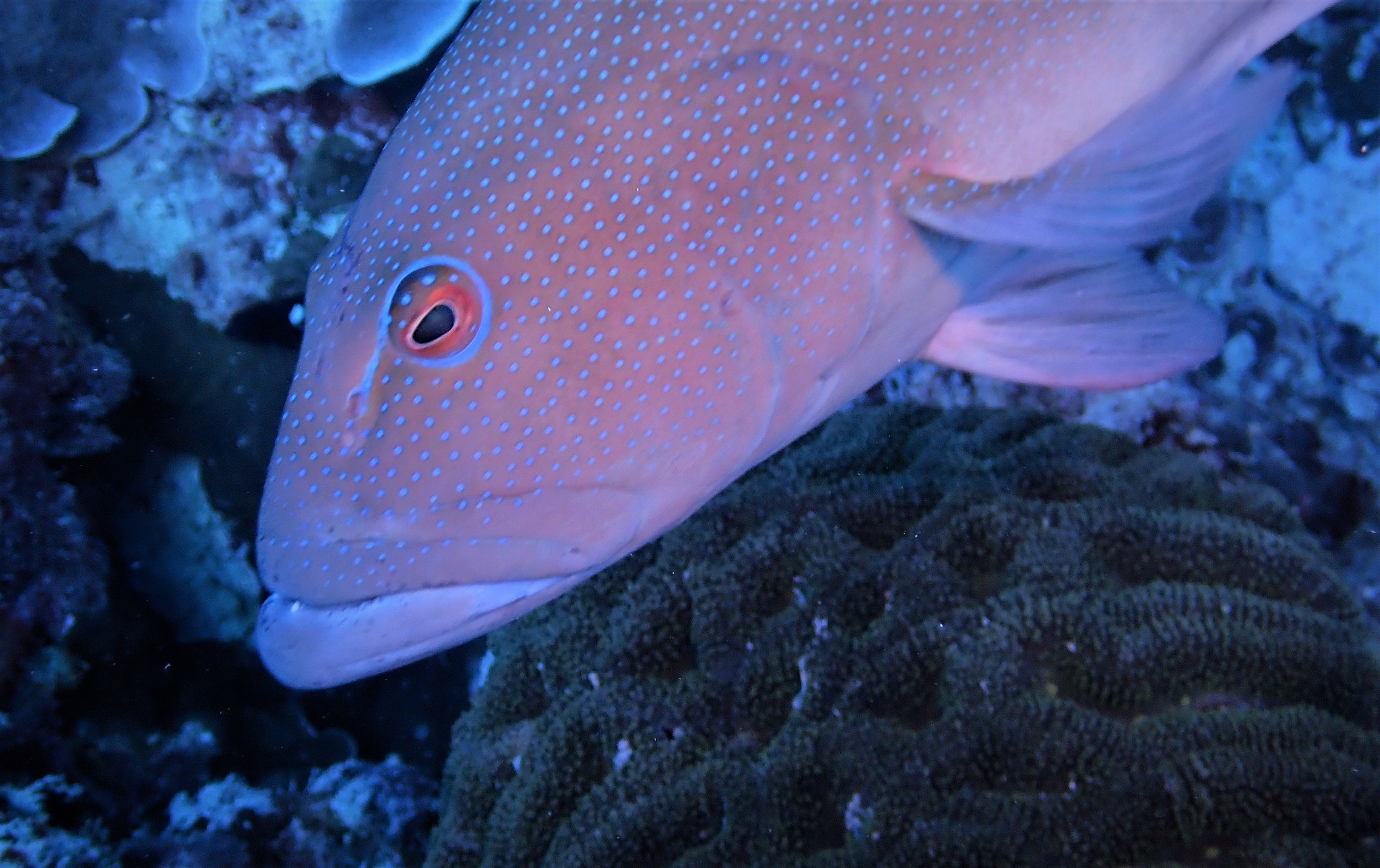
Leopard coral grouper
Leopard coral grouper is recorded across the Western Pacific, from Western Australia, eastward to the Caroline Islands and Fiji: from southern Japan to Australia (Queensland), within the family Epinephelidae. It is caught from 3 to 100 m, in tropical water. It tops out at 120 cm SL and 23.6 kg, on a diet of crustaceans and fishes. The usual approach is boat bottom fishing or slow pitch jigging. The season runs January to December.

Leopard grouper
Leopard grouper is an epinephelid of the Gulf of California and the southwest coast of Baja California, south to Jalisco. It lives from 1 to 50 m in tropical water, reaches 86 cm TL and 9.6 kg, and feeds on crustaceans and fish.
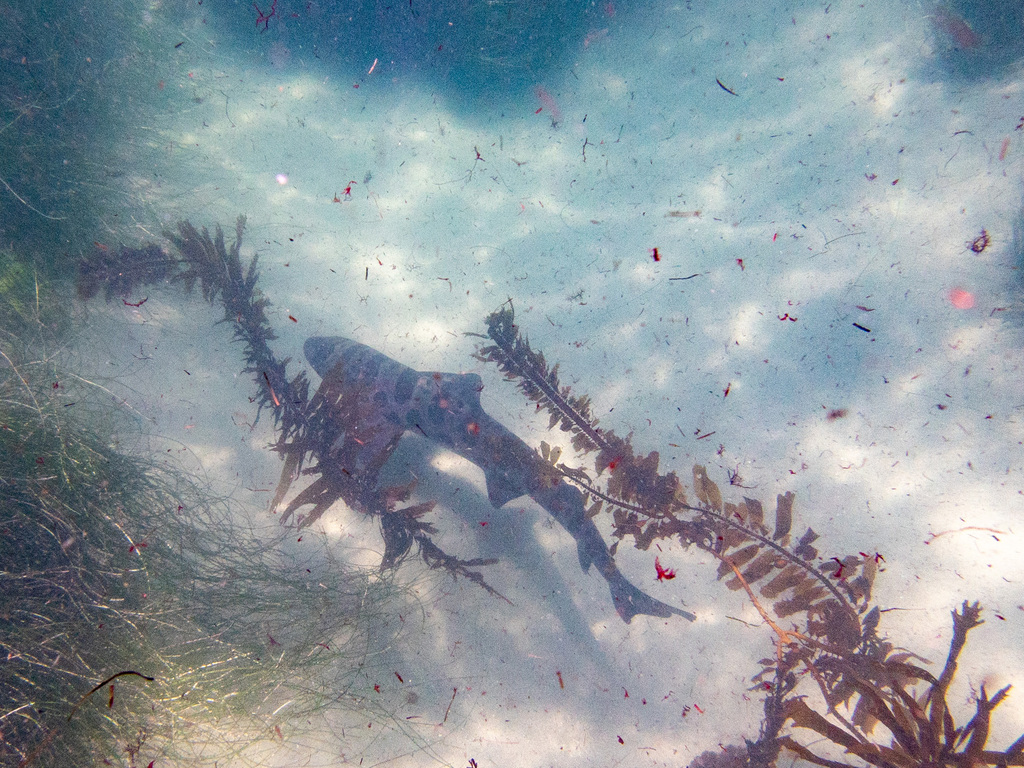
Leopard shark
FishBase does not publish a fin-ray or vertebral count for this species, so identification rests on shape and pattern. The body is elongate and fusiform with a short, rounded snout. The ground colour is grey-brown, with dark saddle bars across the back and upper flanks and small black spots scattered between and within the bars; juveniles show the strongest contrast.
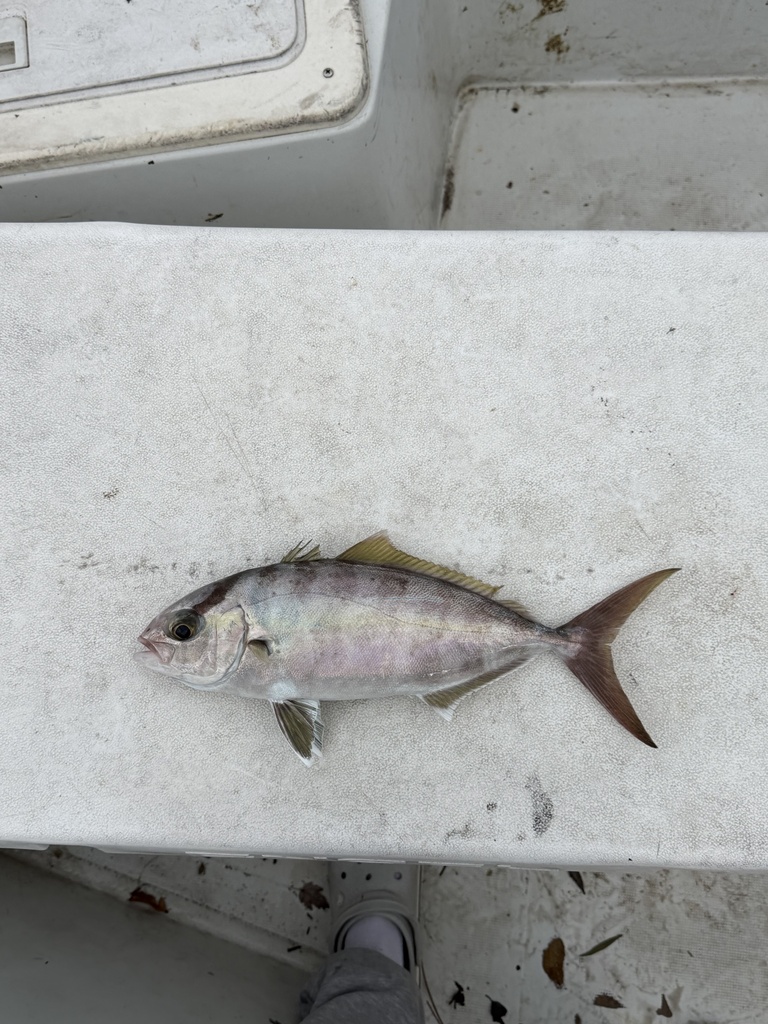
Lesser amberjack
Lesser amberjack is a small western Atlantic carangid, common at 50 cm and reaching 67.5 cm fork length and 4.6 kg. Adults live near the bottom on outer reefs and deep structure from 55 to 348 m, while juveniles are pelagic offshore. It feeds on squid and fish and is often mistaken for a small greater amberjack.
Lesser sand-eel
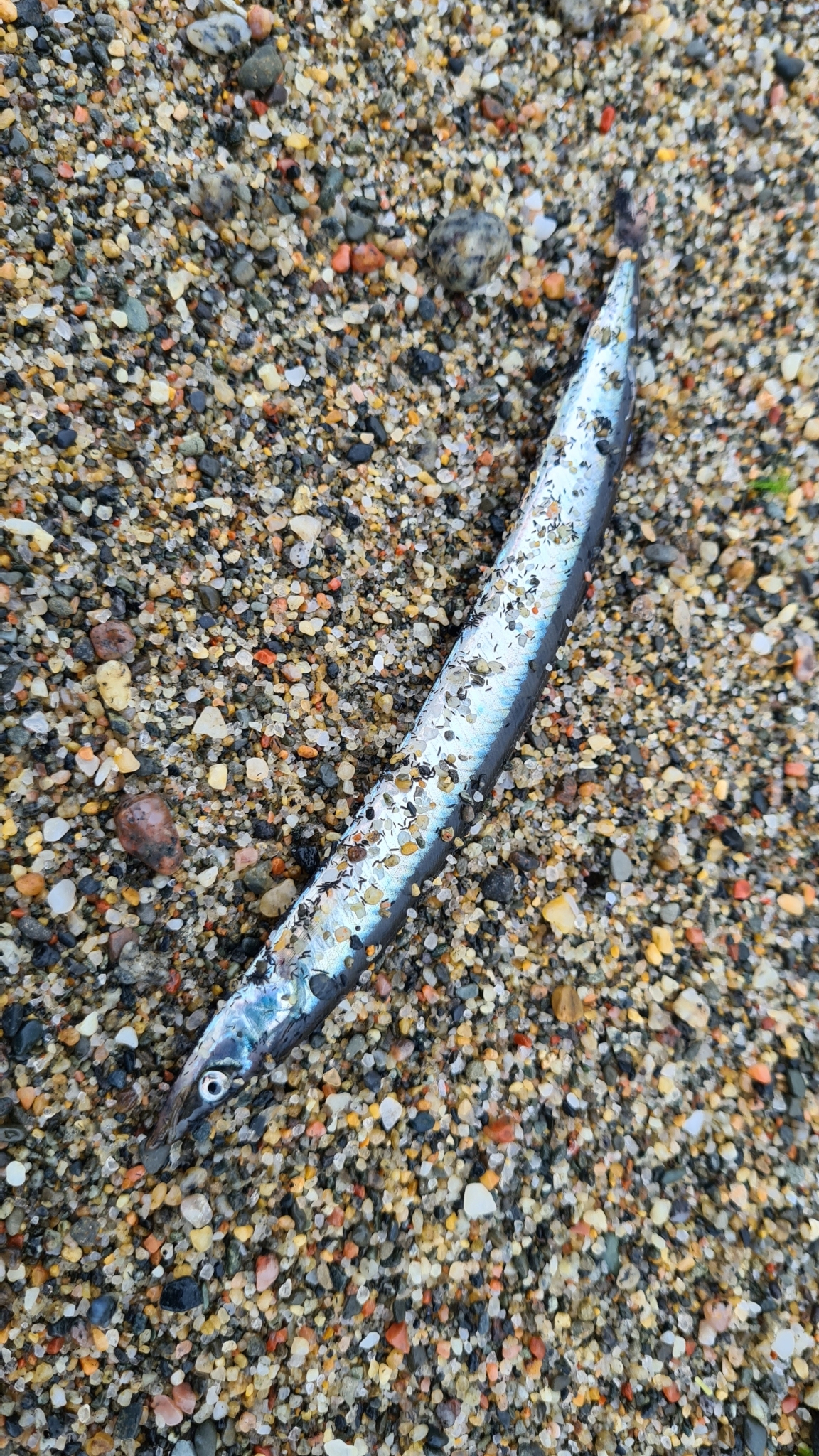
The lesser sand-eel is a slender ammodytid of the Northeast Atlantic, recorded from about 74°N near Novaya Zemlya down to the Channel Islands, including Iceland, the Barents Sea and the Baltic. It is a shelf fish of 10 to 150 metres, and in this record the usual depth band is the same as the full range.

Lesser spotted dogfish
Lesser spotted dogfish is a small catshark of the northeast Atlantic and Mediterranean, from the Swedish west coast and Denmark through Ireland, the UK, France and Portugal. It lives from 10 to 780 m in subtropical water, reaches 100 cm TL and 3.7 kg, can live 12 years, and feeds on crustaceans, fish, molluscs, algae and worms. Boat bottom fishing is the usual approach, and it is recorded in every month except September.
Ling
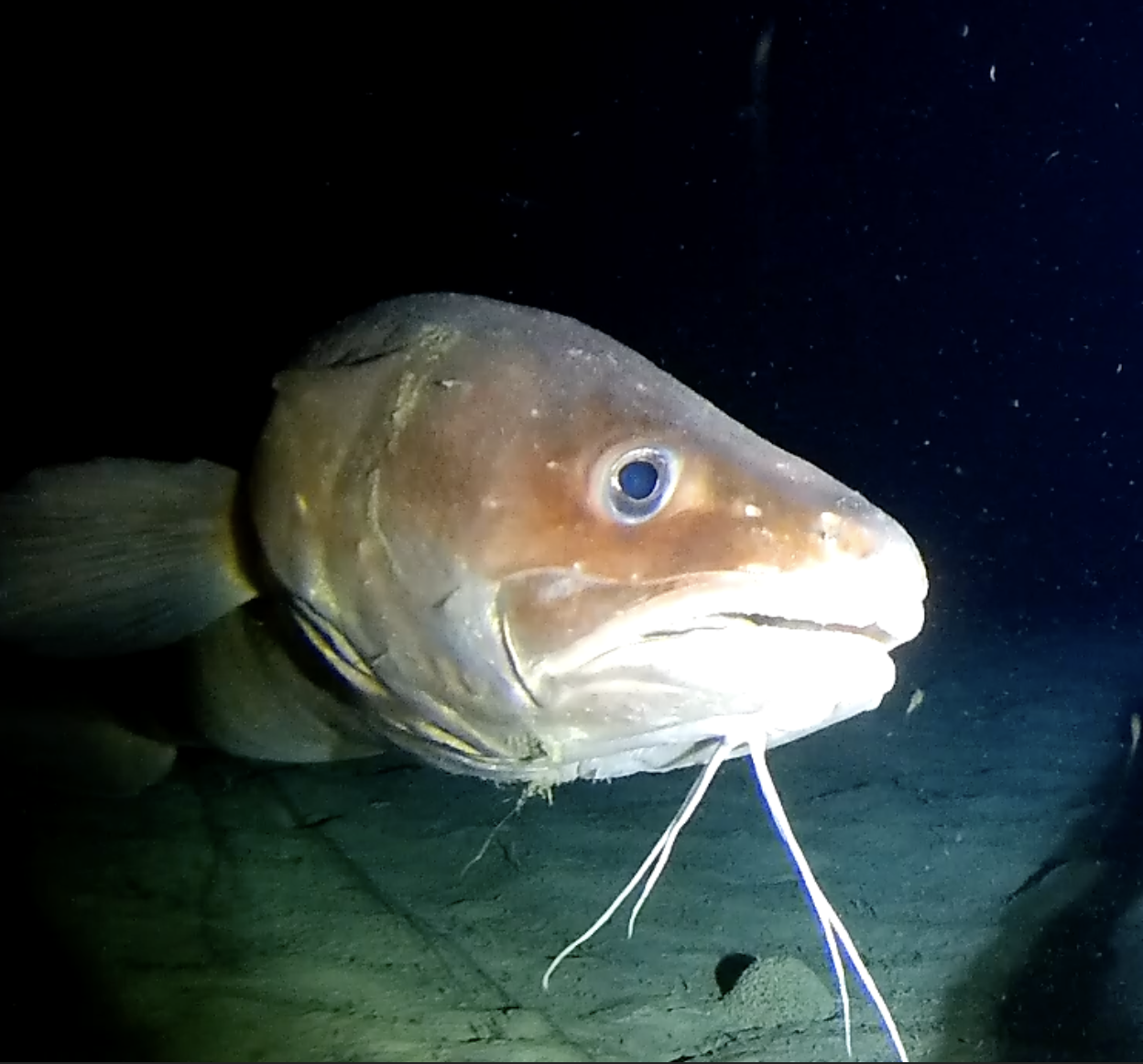
Ling is a deep-water ophidiid of the southwest Pacific, from southern Australia around New Zealand. It lives from 22 to 1,000 m, reaches 200 cm and 25 kg, feeds on crustaceans and fish, and can live 46 years. Boat bottom fishing is the usual approach, with the season running May to October.
Lingcod
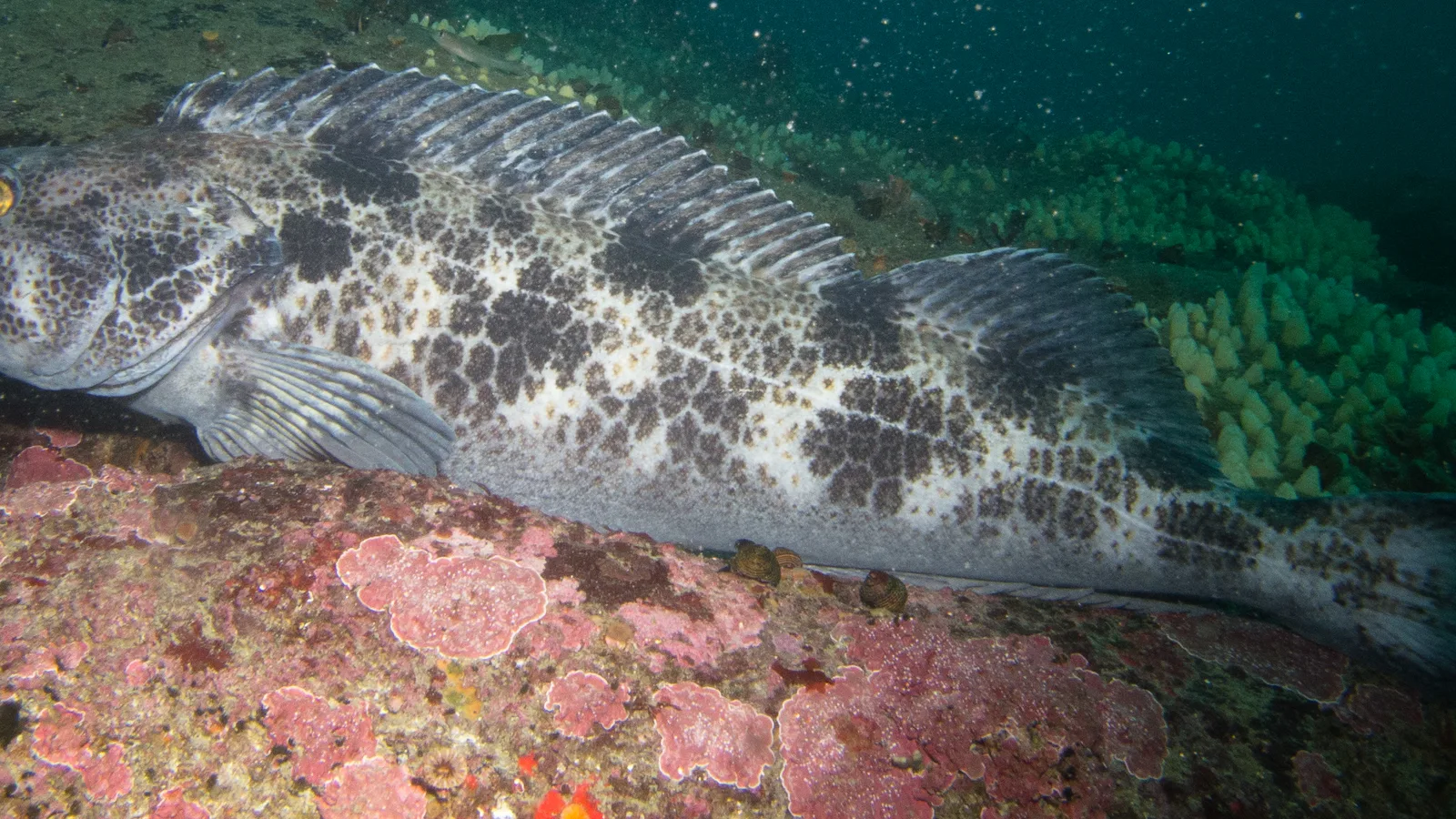
Lingcod is neither a cod nor a ling: it sits alone in the greenling family Hexagrammidae, and its aliases include buffalo cod, cultus cod and buckethead. The record gives 152 cm, 59.1 kg, 25 years, maturity at 70.5 cm and 0–475 m. What no catalogue says is that almost every lingcod is caught within a few metres of rock.
Little tunny
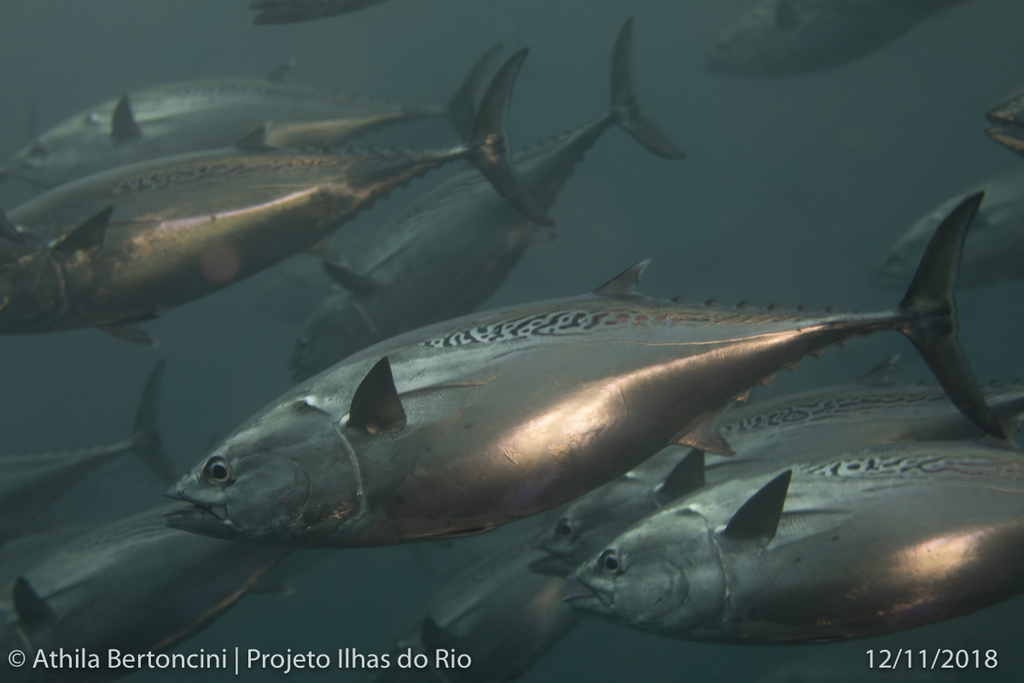
Little tunny is a small, warm-water scombrid of the Atlantic, including the Mediterranean, Black Sea, Caribbean and Gulf of Mexico. It lives from 1 to 150 m, reaches 122 cm and 16.5 kg, and feeds on crustaceans and fish. Trolling or jigging is the usual approach, and the fish are present year-round.
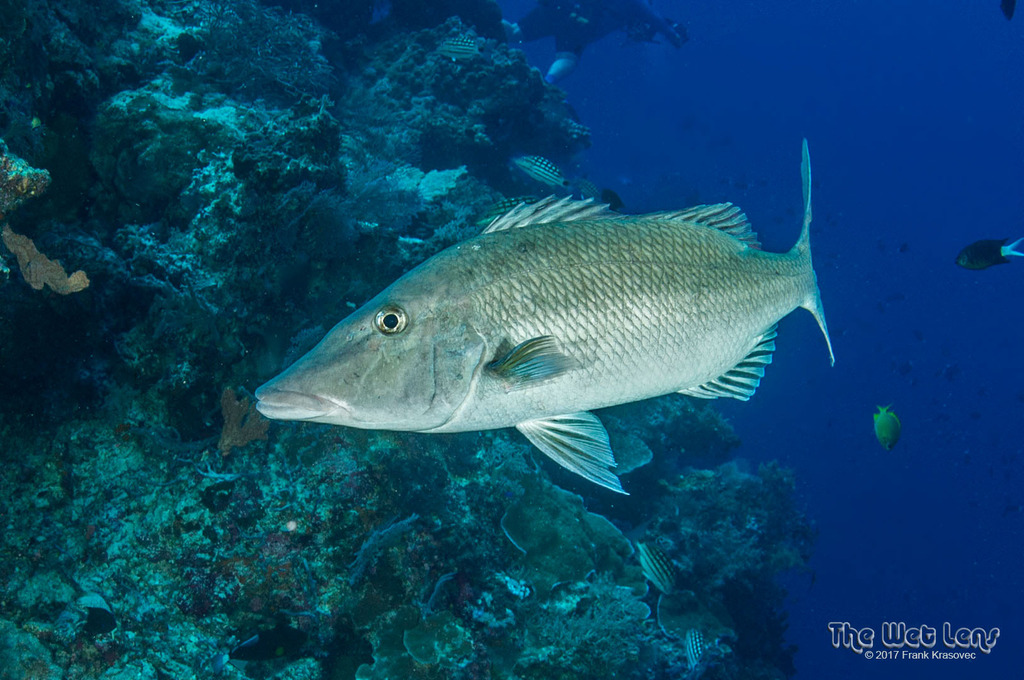
Longface emperor
One hundred centimetres total length is the record. Seventy centimetres is the common length. Between those two figures sits the entire argument of this page: a longface emperor in a photograph is usually the second number, while the first number is what sells tackle, books trips and ends up in the caption.
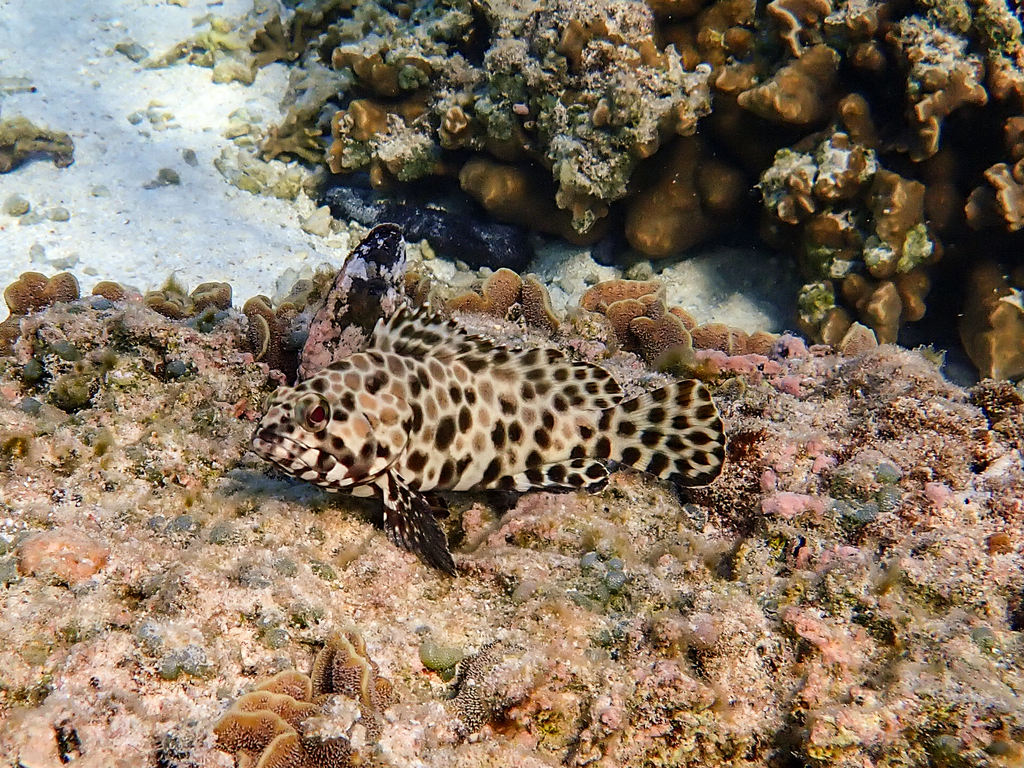
Longfin grouper
Longfin grouper is a small western Pacific grouper, from Japan to Australia, with a single Indian Ocean record from the Andaman Islands. It lives on inshore silty reef no deeper than 50 m and is often mistaken for Epinephelus macrospilos. It reaches 40 cm TL and matures at about 18 cm. Bottom fishing and lures are the methods listed, and it occurs in Taiwan, Hong Kong, southern China and Southeast Asia.

Longfin inshore squid
Longfin inshore squid (Doryteuthis pealeii) is a cephalopod of the family Loliginidae. SeaLifeBase gives its range as: Western Atlantic. It is recorded from 0 to 400 m, at 10–14 °C. The recorded maximum is 50 cm ML. The usual approach is boat fishing or handline.
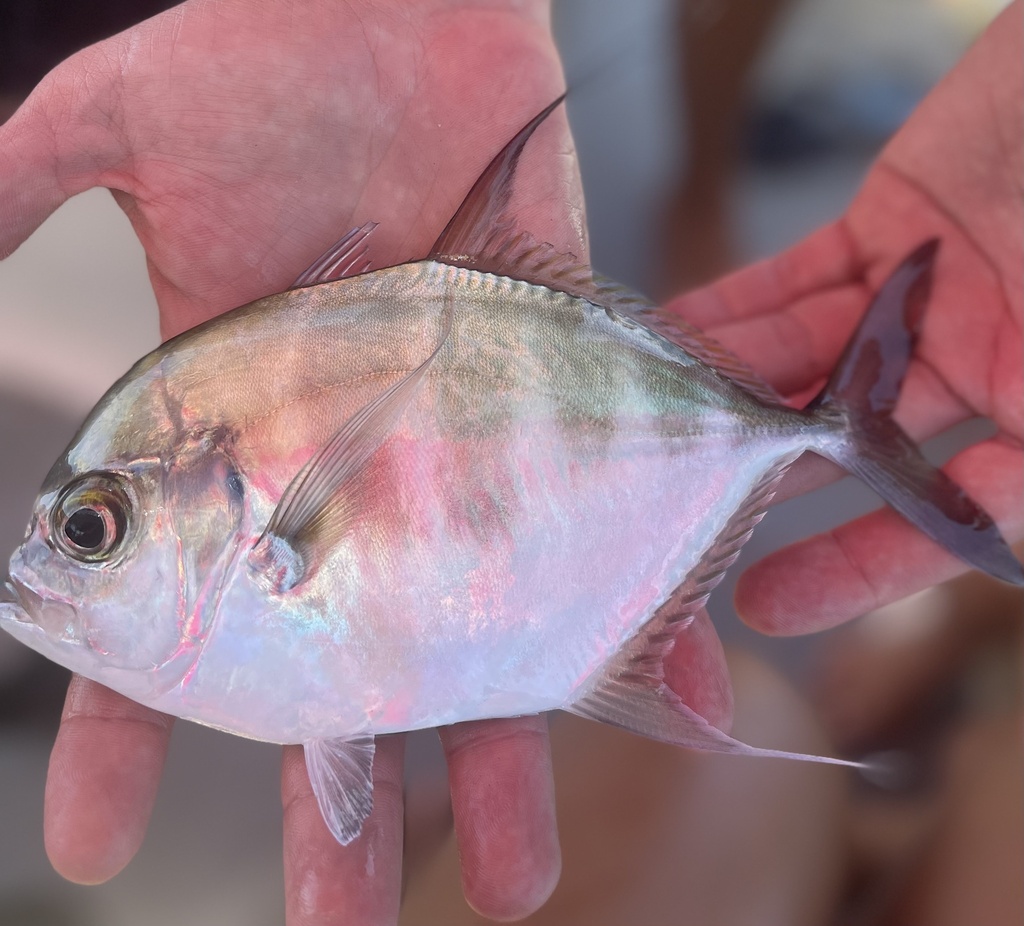
Longfin trevally
A longfin trevally does not hold on a mark; it patrols the border of one. The record puts it from 1 to 59 m, in coastal water near corals and rocks and in shallow lagoons, with small groups working the perimeter of reefs. Adults are often solitary on inshore reefs, while juveniles may enter estuaries.
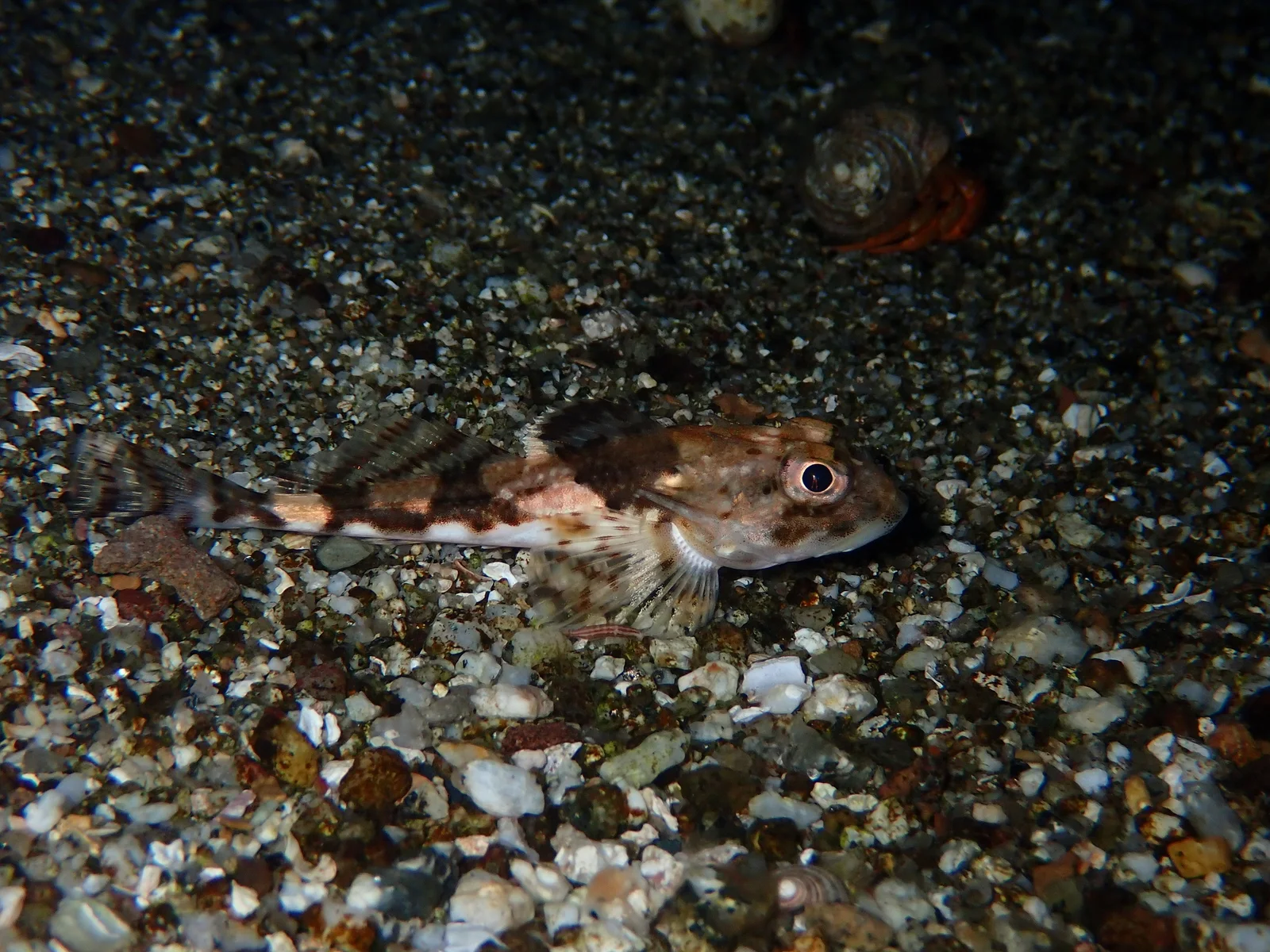
Longhorn sculpin
Longhorn sculpin is a bottom-dwelling cottid of the north-west Atlantic, recorded from eastern Newfoundland and the Gulf of St Lawrence south to Virginia. It sits on sandy coastal ground from about 1 m down to 190 m, which brings it within reach of shore anglers, and reaches 46 cm and an age of 11 years. Despite that access, FishBase records no fishery, no gamefish status and no food use for the species, and IUCN has not assessed it.
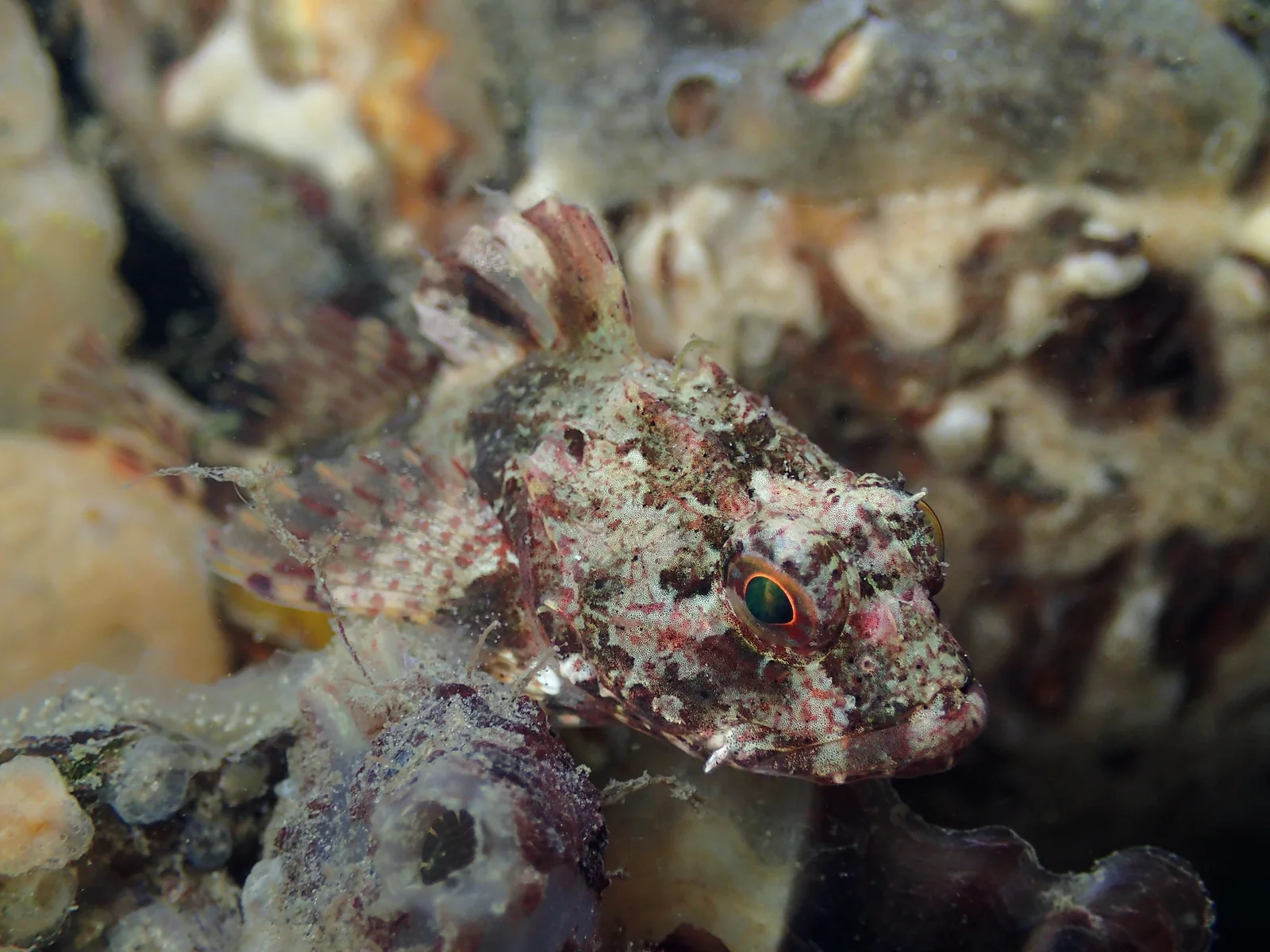
Longspined bullhead
The longspined bullhead is a cottid, one of the bottom-dwelling sculpins whose names point to a spiny head. It ranges through the eastern Atlantic from Murmansk and Iceland to Portugal, entering the Baltic and reaching the northern Mediterranean, and is recorded from the shoreline down to 200 m. Most fish are around 12 cm; males reach 17.5 cm standard length and females a little more.
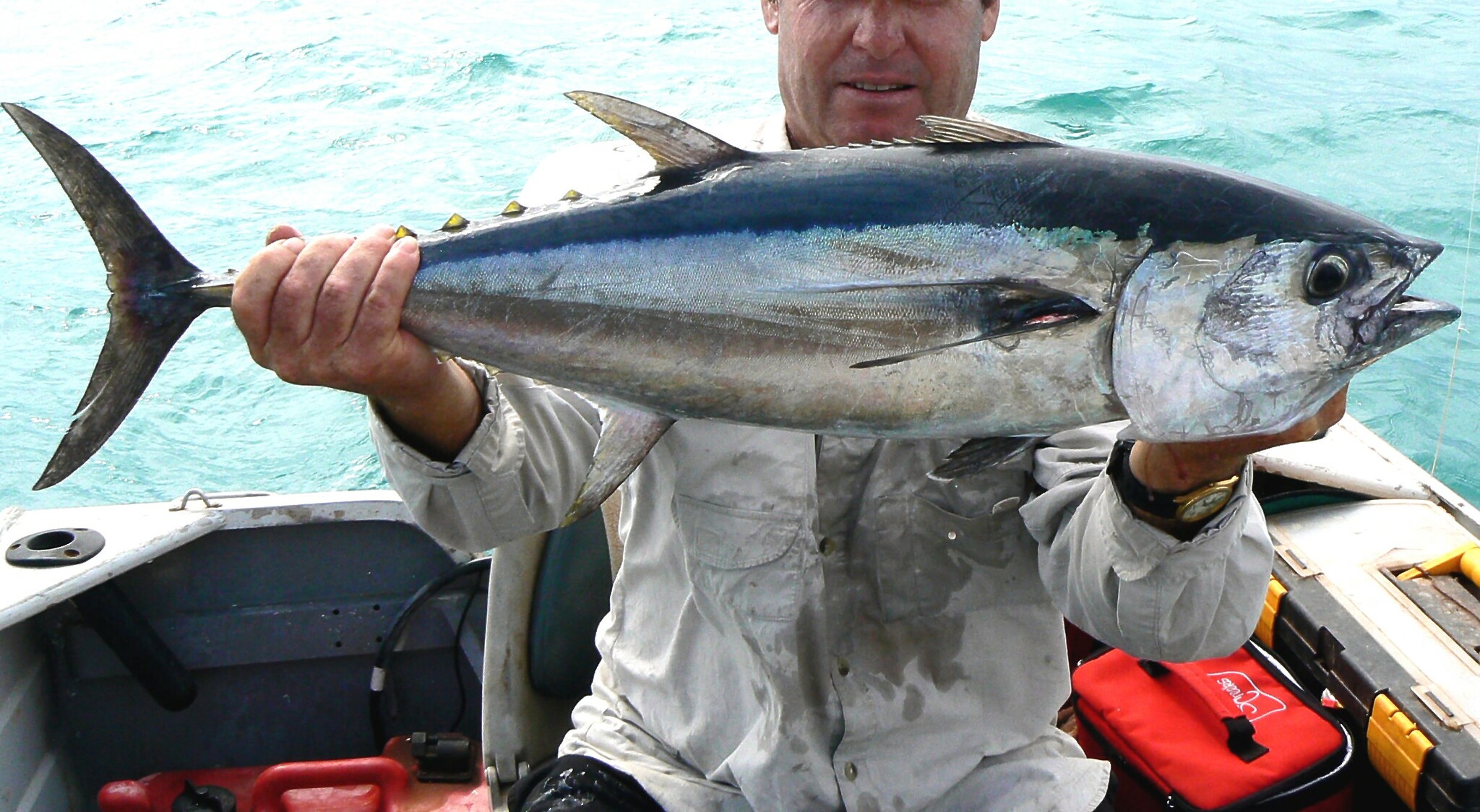
Longtail tuna
Longtail tuna is a tropical scombrid of the Indo-West Pacific, from the Red Sea and East Africa to New Guinea, Japan and Australia. It lives deeper than 10 m, reaches 145 cm FL and 35.9 kg, can live 19 years, and feeds on crustaceans, fish and molluscs. Trolling or jigging is the usual approach, and it is present year-round.
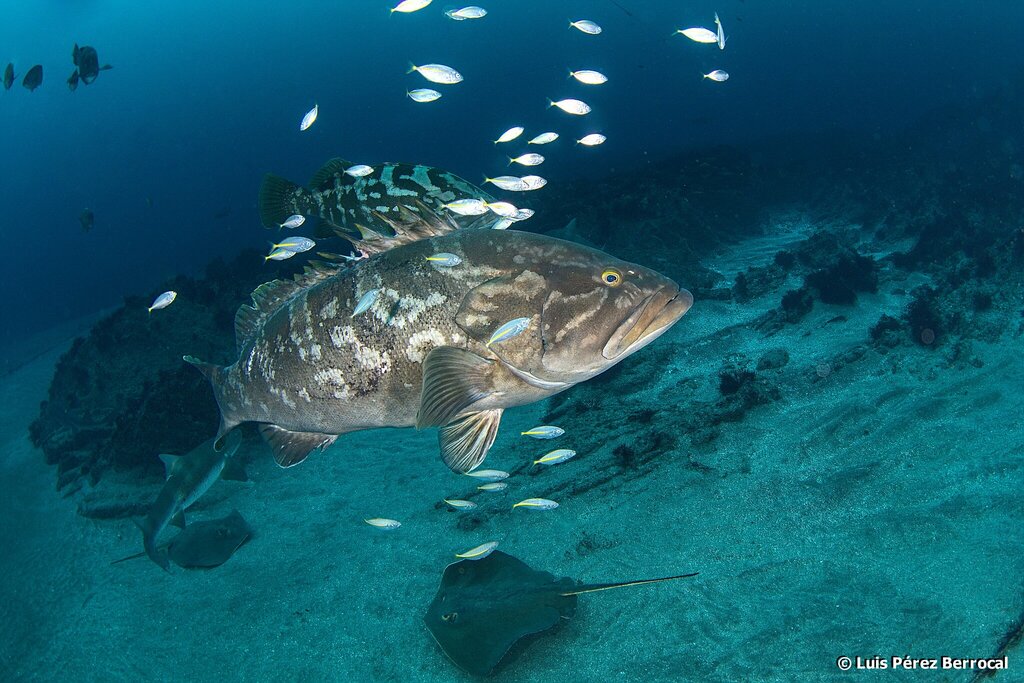
Longtooth grouper
Longtooth grouper is a large epinephelid of the northwest Pacific, from Korea and Japan to China, Hong Kong, Hainan and Taiwan. It lives from 20 to 200 m in tropical water and reaches 136 cm TL and 33 kg. It is a deep reef species.
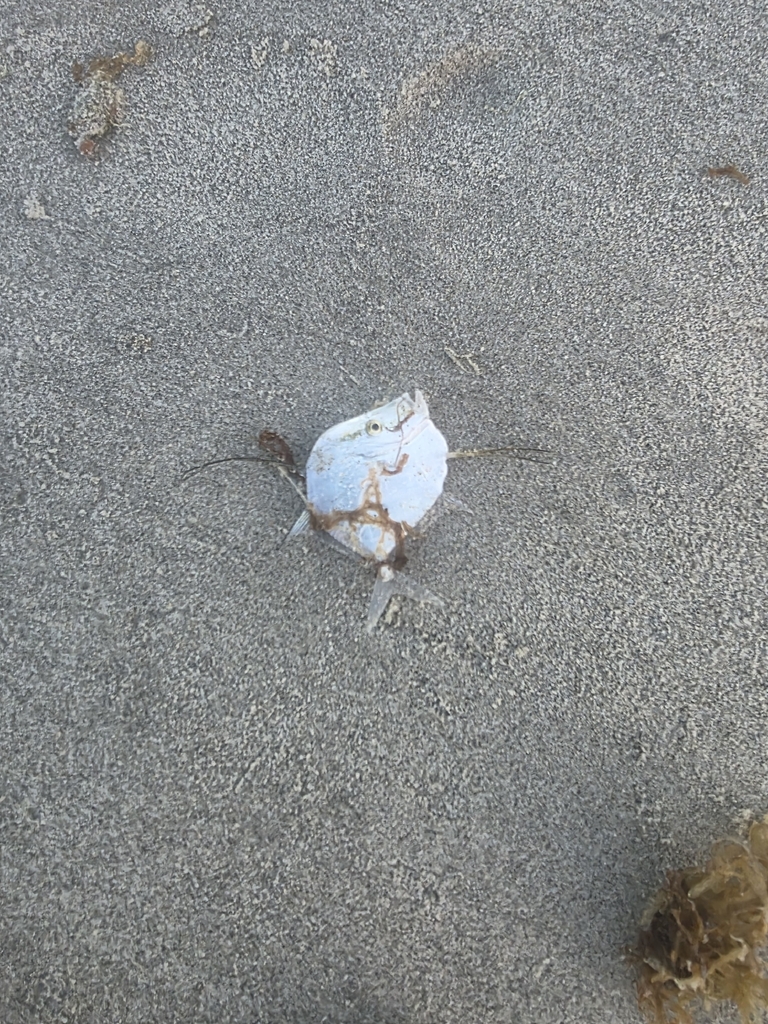
Lookdown
Lookdown is a carangid of the western Atlantic, from Canada and Maine south through Florida, Bermuda and the Gulf of Mexico to Uruguay. It is a shallow subtropical fish from 1 to 53 m, reaches 48.3 cm TL and 2.1 kg with a common length of 35 cm, and is listed as a gamefish and a minor commercial species. Shore casting with lures, boat fishing and small hook rigs are the methods listed.
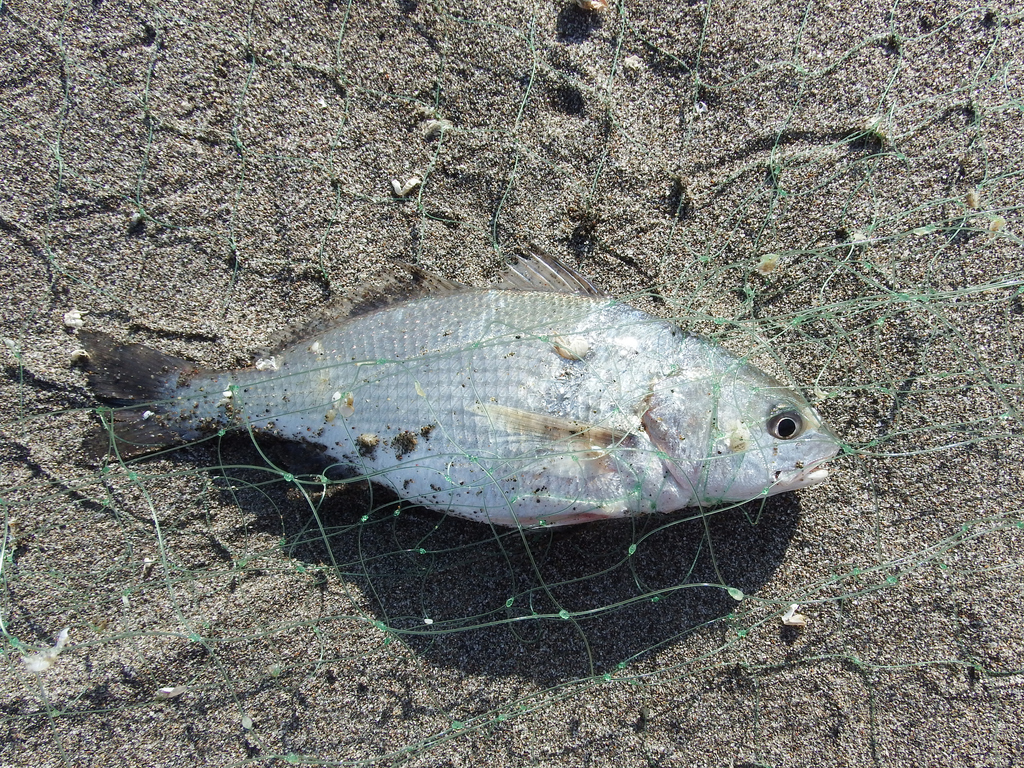
Lorna drum
The lorna drum is a 46 cm sciaenid with a 23.9 cm maturity estimate, no published weight and no published depth. FishBase gives its range as "South America" and lists Ecuador and Peru; Wikipedia extends it to Chile; GBIF holds 1,979 Chilean records against 44 Peruvian ones. This account's editorial region is Peru.
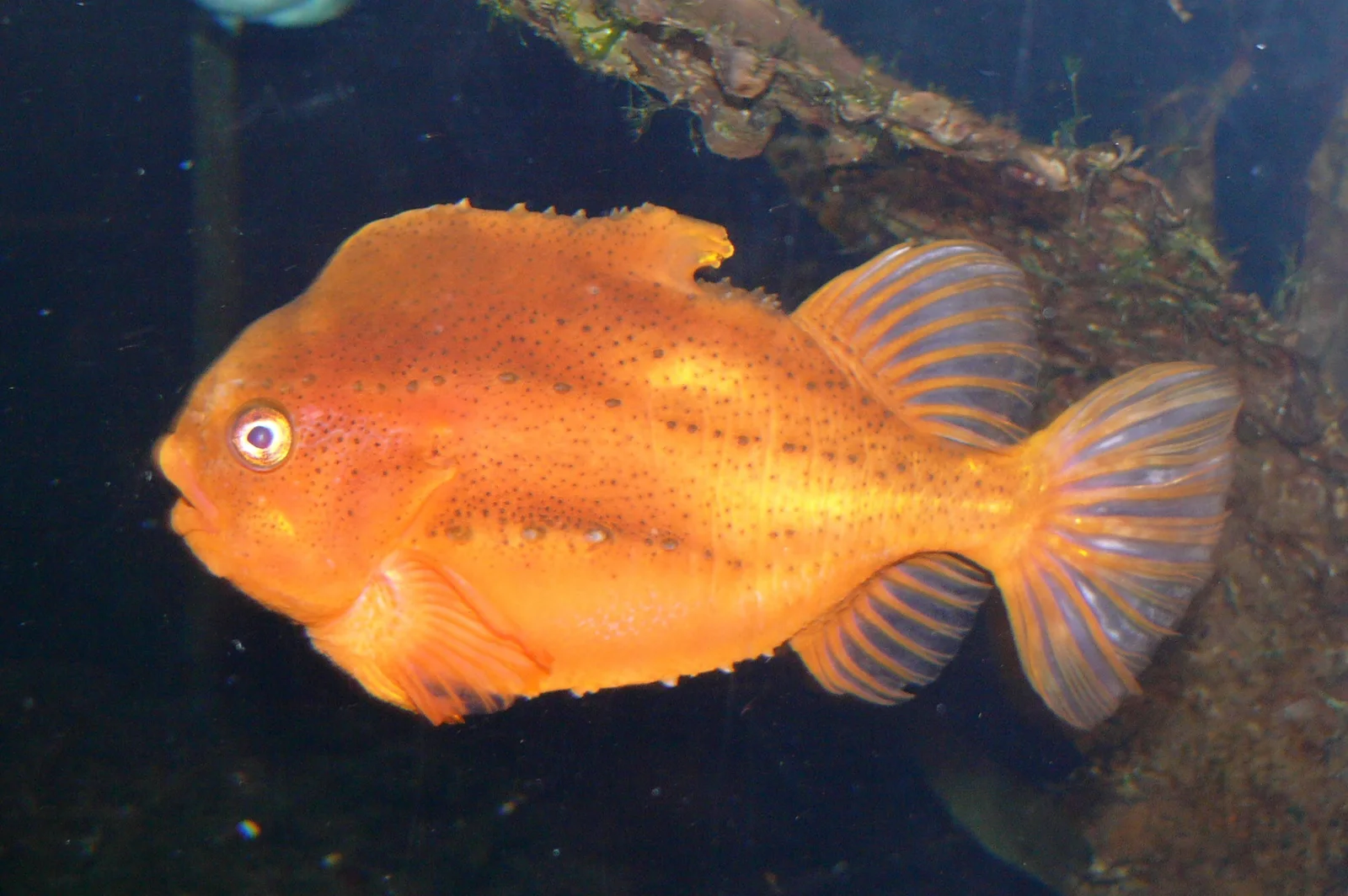
Lumpfish
The lumpfish is a stout, knobbly cyclopterid of the North Atlantic, found on both sides — from Hudson Bay and Labrador down to New Jersey in the west, and from the Barents Sea and Greenland to Spain in the east. It is a cold-water fish, recorded at 3–11 °C and usually between 50 and 150 metres, though the full range runs from the surface to 868 m.
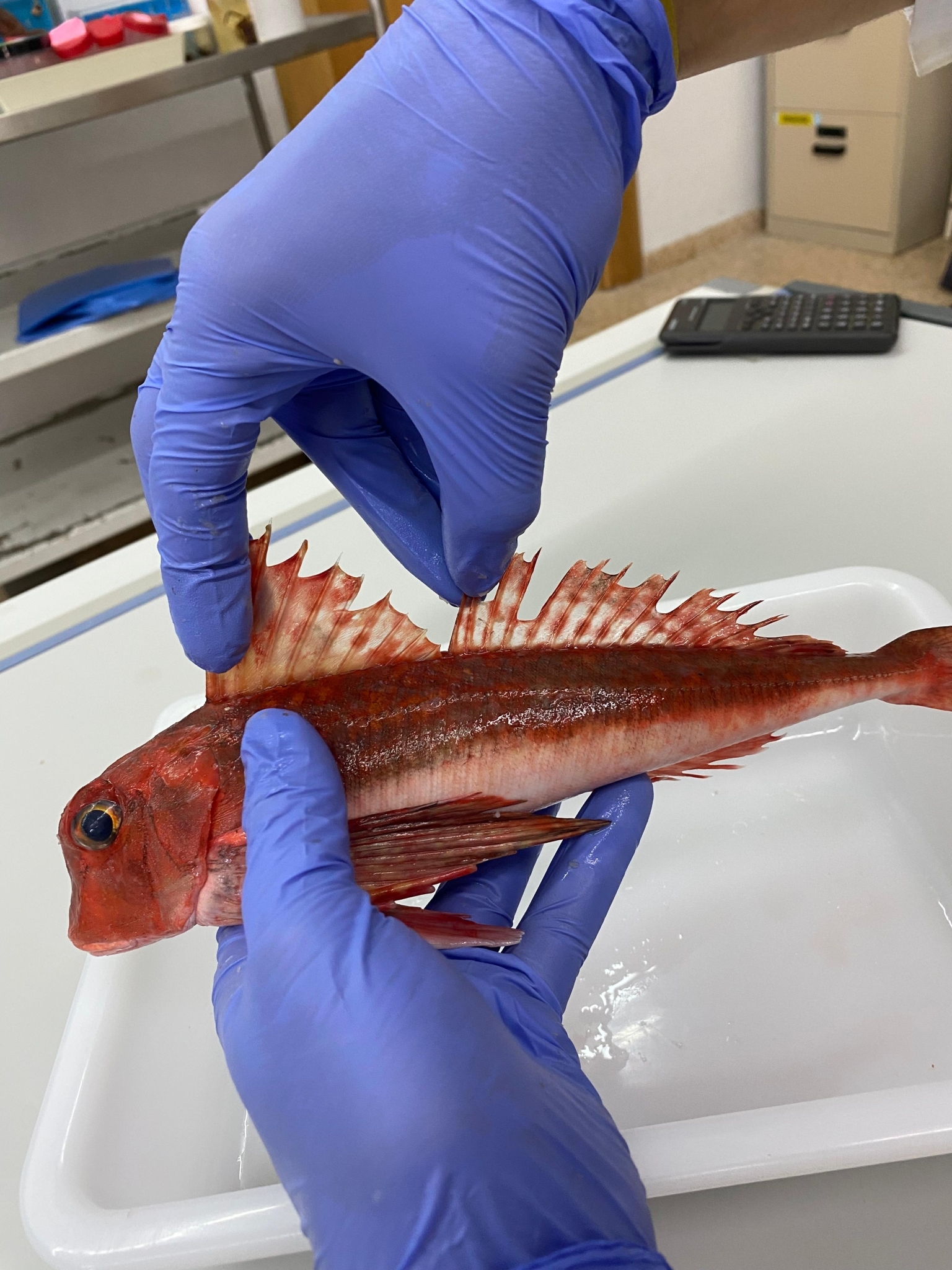
Lyre gurnard
The lower three pectoral rays of the lyre gurnard are free. In water they work as legs, propping the body on sand and mud; out of water they can vibrate and produce sound. The fish lives below 100 m, most anglers never see one, and when they do the first problem is a deep-water release rather than a recipe.
Mackerel scad
The quickest mark is inside the mouth: in adults the oral valve at the symphysis of the upper jaw is conspicuously white. The shoulder girdle has two small papillae on its margin, the lower one the larger. The dorsal and anal fins each end in a widely detached finlet, the carangid trademark expressed in this species' own way.

Mahi-mahi
Mahi-mahi is a large surface fish of warm seas, known in markets as dorado and sometimes confused with the dolphin mammal. It lives from the surface to 85 m, reaches 210 cm and 40 kg, and can live four years. Trolling or jigging is the usual approach, with fish present year-round in water of 21 to 30 °C.
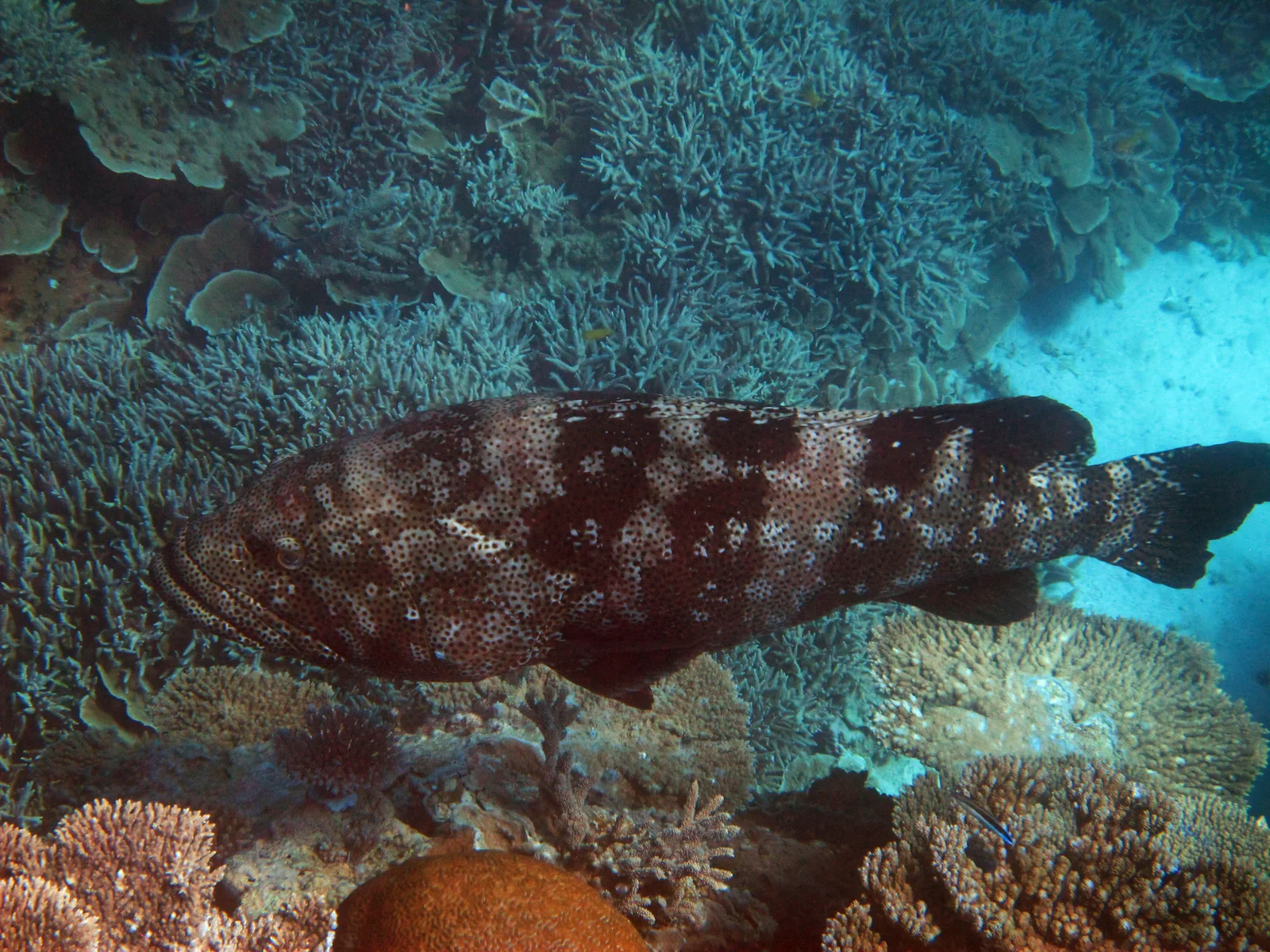
Malabar grouper
Malabar grouper is a large reef grouper of the Indo-Pacific, from the Red Sea and East Africa to Tonga, Japan and Australia. It lives from the surface to 150 m in tropical water, reaches 234 cm and 150 kg, and feeds on crustaceans, fish and molluscs. Boat bottom fishing is the usual approach.

Malabar snapper
Malabar snapper is a large lutjanid of the Indo-West Pacific, from the Persian Gulf and Arabian Sea to Fiji, Japan and Australia. It lives from 12 to 100 m in tropical water, reaches 100 cm and 7.9 kg, can live 48 years, and feeds on crustaceans, fish and molluscs. Boat bottom fishing is the usual approach, and fish are present year-round.
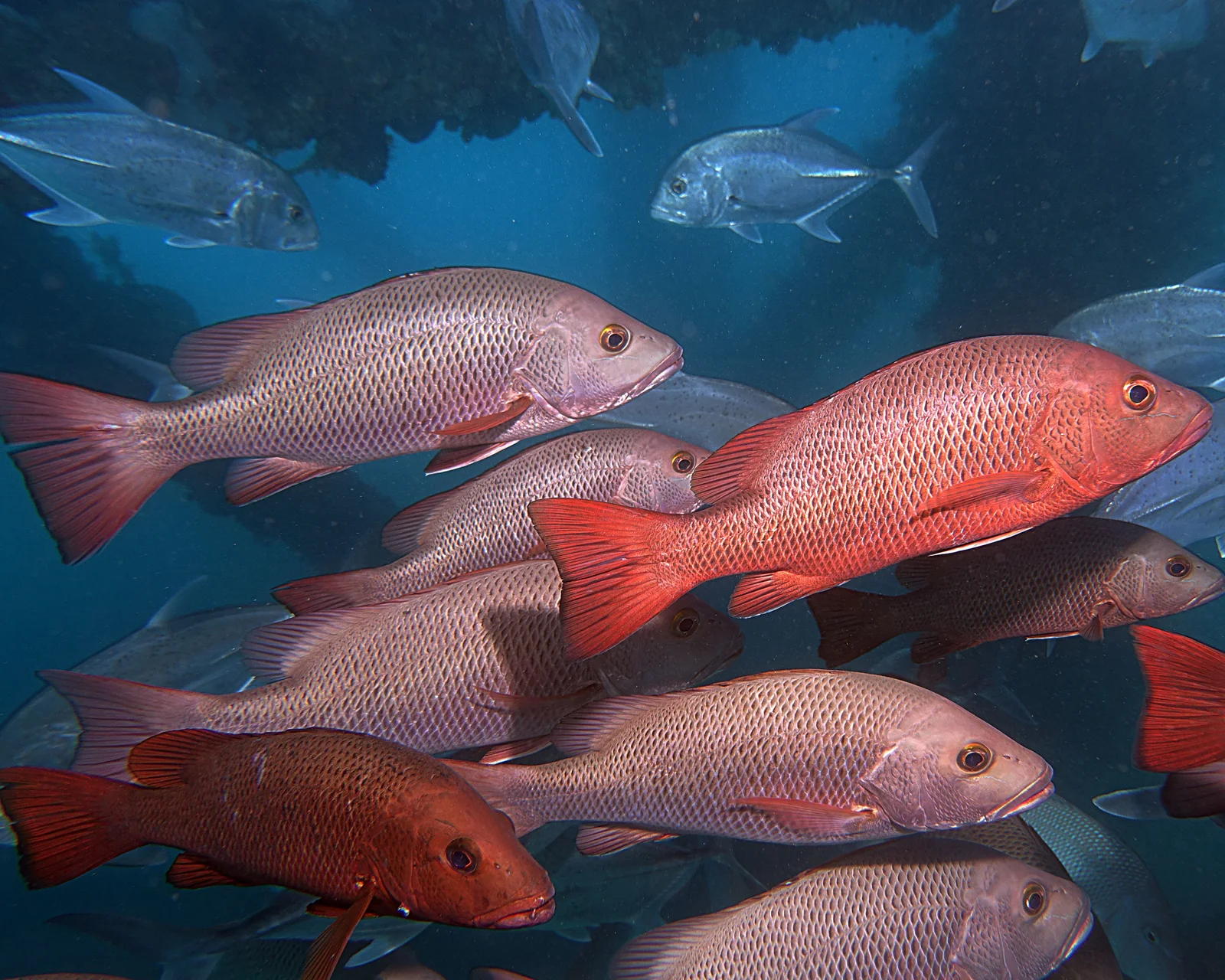
Mangrove red snapper
Mangrove red snapper, a member of the family Lutjanidae, is found across the Indo-West Pacific, from East Africa to Samoa and the Line Islands, north to the Ryukyu Islands, south to Australia. It grows to 150 cm TL and 12 kg, with a diet of crustaceans and fishes. The standard approach is boat bottom fishing or lure fishing. It is present year-round.

Manybar goatfish
Manybar goatfish is a slender, reef-dwelling mullid of the eastern Indian and Pacific oceans, from Christmas Island to Hawaii, the Line and Marquesas islands, southern Japan and Lord Howe. It lives from the surface to 161 m in tropical water, reaches 35 cm TL and 0.453 kg, and feeds on fish. Boat bottom fishing or rock fishing is the usual approach, and it is present year-round.
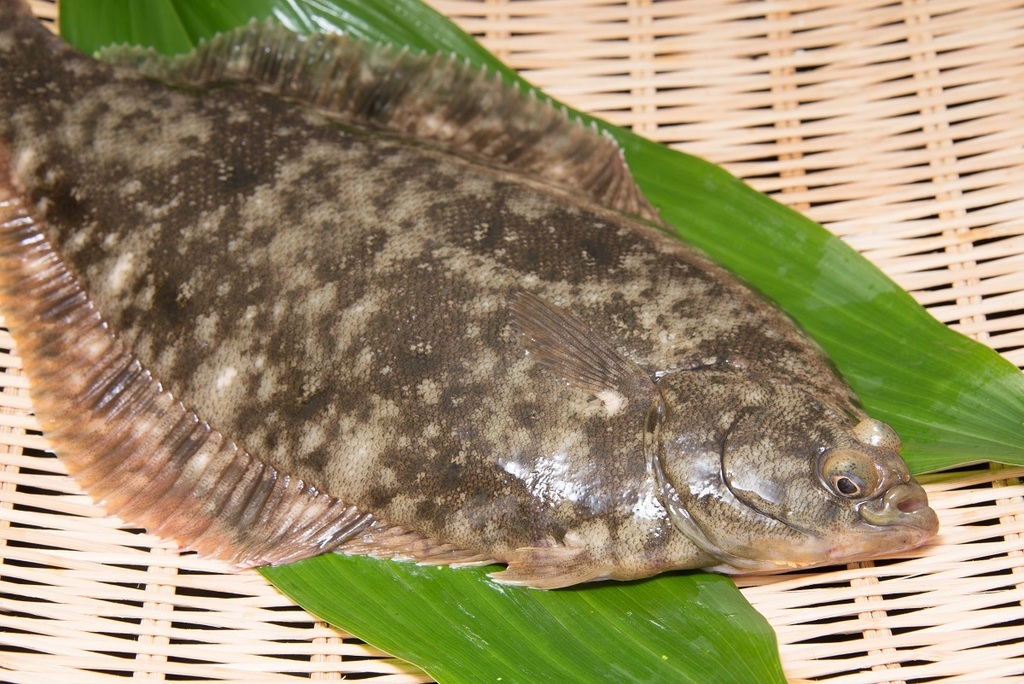
Marbled flounder
Marbled flounder is recorded across the Northwest Pacific, from southern Hokkaido, Japan to the Yellow Sea, the Gulf of Bo Hai, and the northern part of the East China Sea, including Korea, within the family Pleuronectidae. It lives in temperate water. It tops out at 45 cm SL and 1.9 kg, on a diet of worms. Anglers target it by boat bottom fishing or shore casting. The season runs January to December.
No fish match this water on this page. Clear the filter or choose another habitat.