
What fish are on your coast? — page 9 of 16
Choose the water you fish: shore, reef, surf or deep water. Then open a fish to see what it eats, when it comes in, and how to catch it.
Species records
Marbled spinefoot
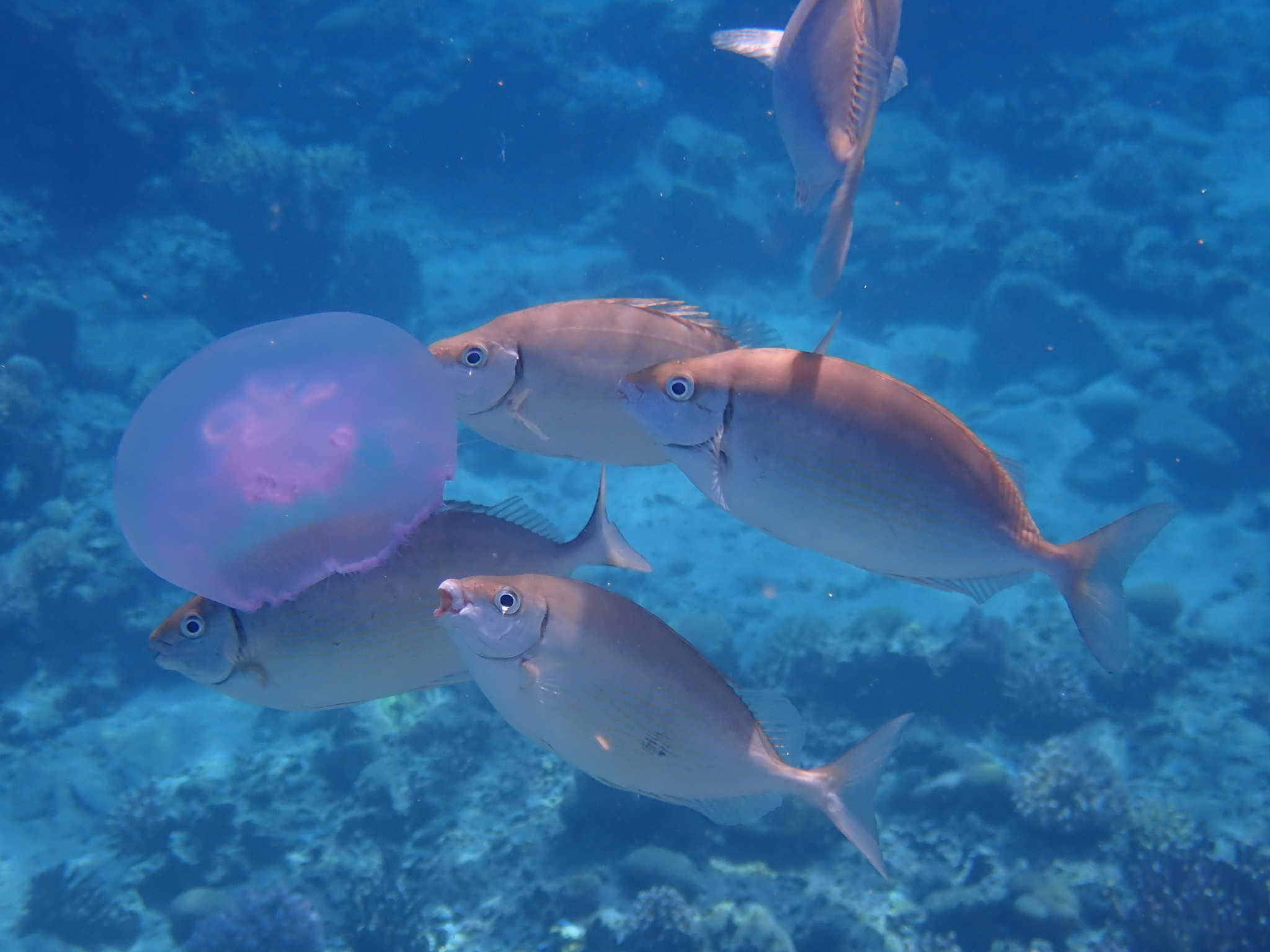
The marbled spinefoot behaves like an occupying force in the Mediterranean: schools of fifty to several hundred strip algal film off harbour walls, and a float and a ball of bread can produce fish after fish inside a port. Identification rests on the tail and the body colour, not on the golden name, and every dorsal spine is venomous.

Masu salmon
A northwest Pacific salmon with two life histories: the sea-run form, sakura-masu, and the resident river form, yamame. It hatches in rivers, spends a year in fresh water, a year at sea, and spawns from late August to early October. Its flesh is the reddest in its genus and it is a high-value fish in Japan; Russian Far East rules are strict about it.
Matsubara's rockfish
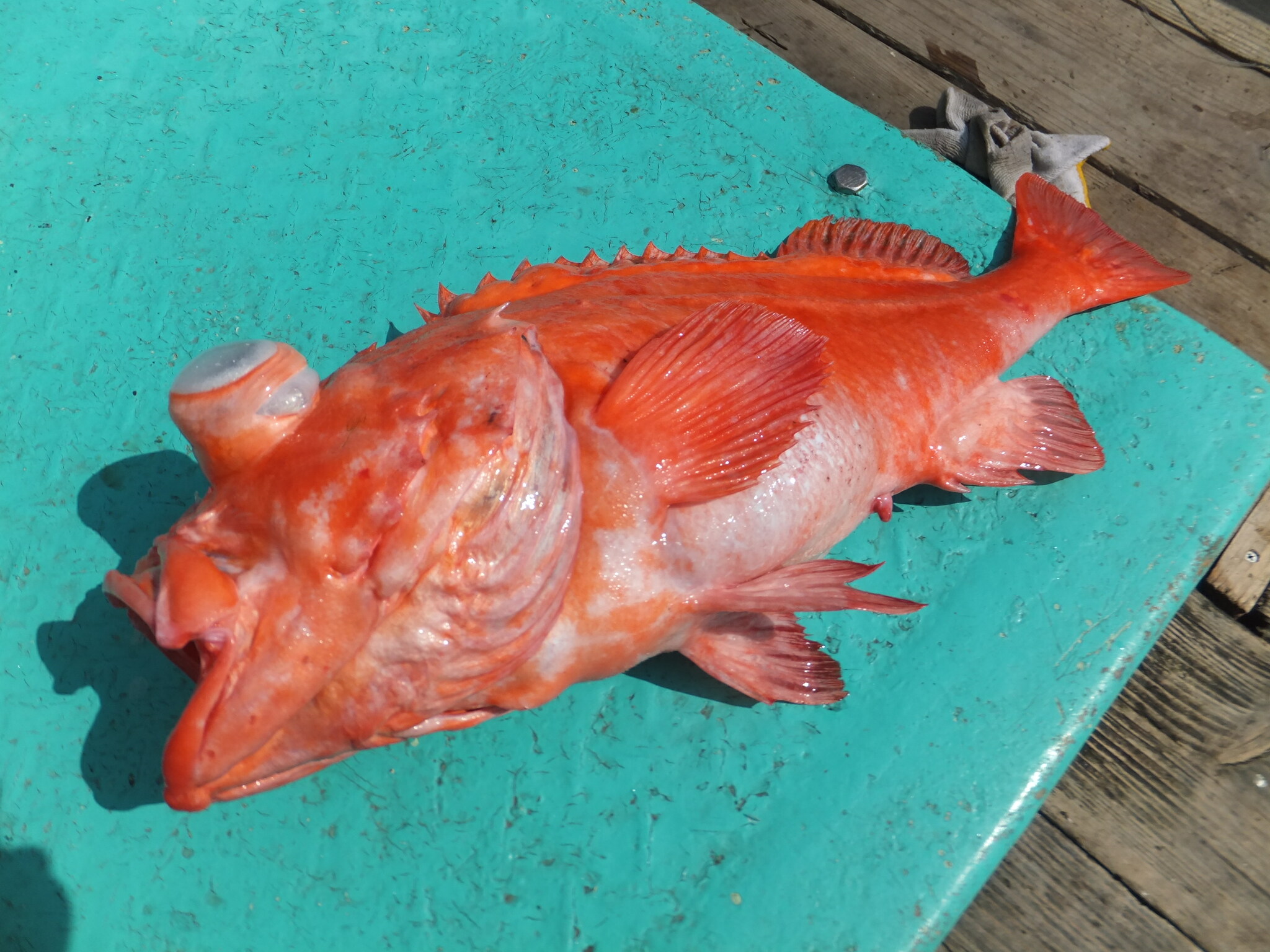
A large red deep-water rockfish called akou-dai in Japan. It lives on rocky ground from 200 to 1000 m, is viviparous, mates from December to April, and pregnant females rise to 200 to 300 m to release larvae. The bulging eyes caused by pressure change give it the Kanto name menuke.
Meagre
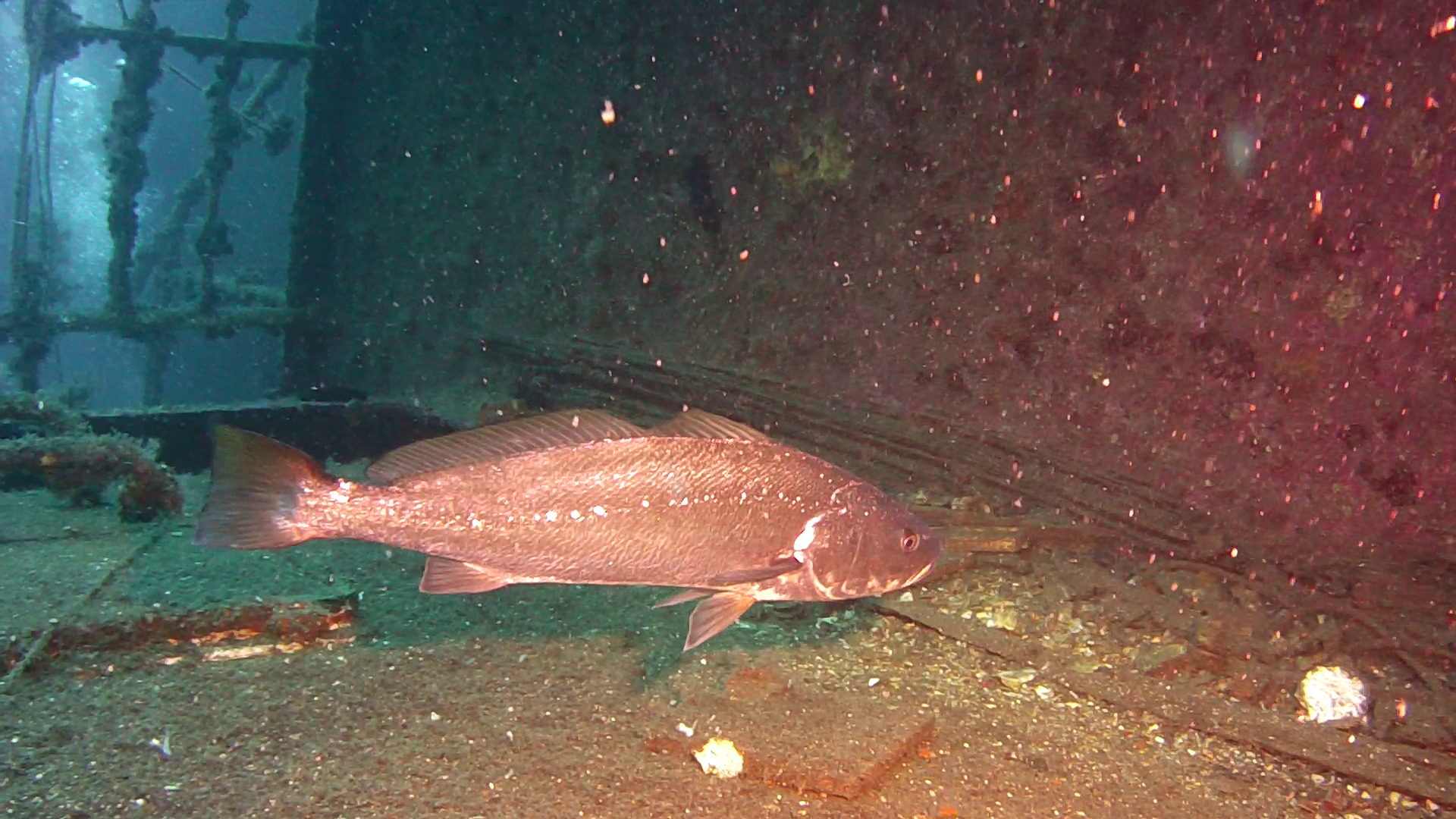
The depth band runs from 15 to 300 m. Typical size is 150 cm, the largest 230 cm, and the heaviest 103 kg. A band 285 m deep is about 124 times the length of the largest fish in it, and the spawning table puts four separate windows at four different latitudes. The band is not one address. It is a strip that the fish and the season move along.

Mediterranean horse mackerel
The 15 cm line is the easiest rule to misread on this fish. The EU sets a minimum conservation reference size for Trachurus, while Spain's older national table still prints 12 cm, and the two figures cannot both be right. The fish itself needs no refined tackle: when a school is under the boat almost every drop gets hit. Knowing which one goes back is the harder skill.

Mediterranean moray
Mediterranean moray is a big eel-like moray of the Mediterranean and eastern Atlantic, an animal that lives in holes in hard bottom rather than in the open. It reaches 150 cm TL and 6.5 kg and can live 38 years. It has been recorded from 1 m down to 801 m. January to August is the season, and the scientific name is the only stable label, because common names change from country to country.
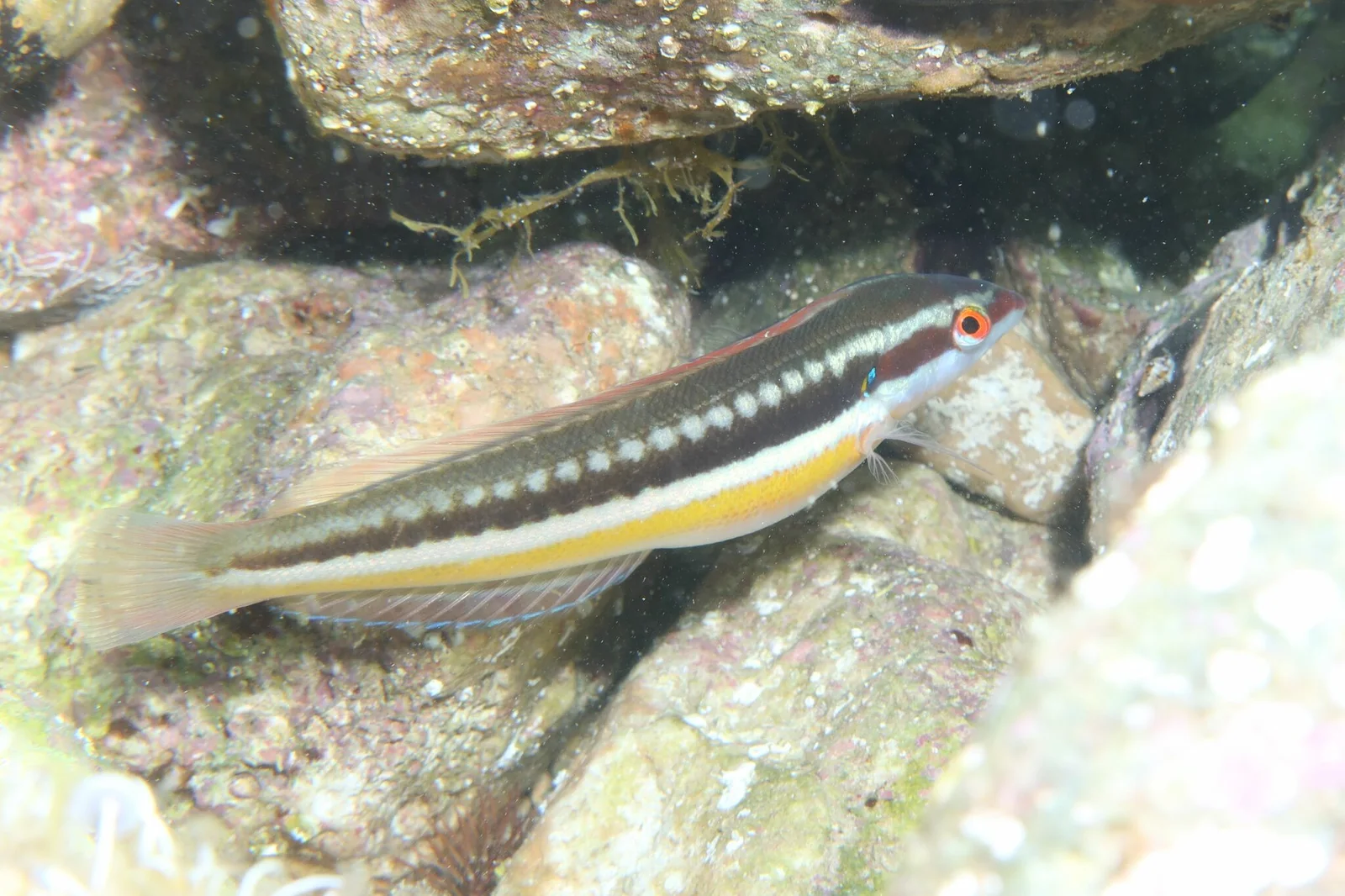
Mediterranean rainbow wrasse
Rainbow wrasse is a slender labrid of the eastern Atlantic and Mediterranean, from Sweden to Gabon. It lives around rock, sand and open reef, usually at 1 to 60 m in water of 18 to 22 °C, and reaches 30 cm with a common length near 20 cm. It is listed as Least Concern.
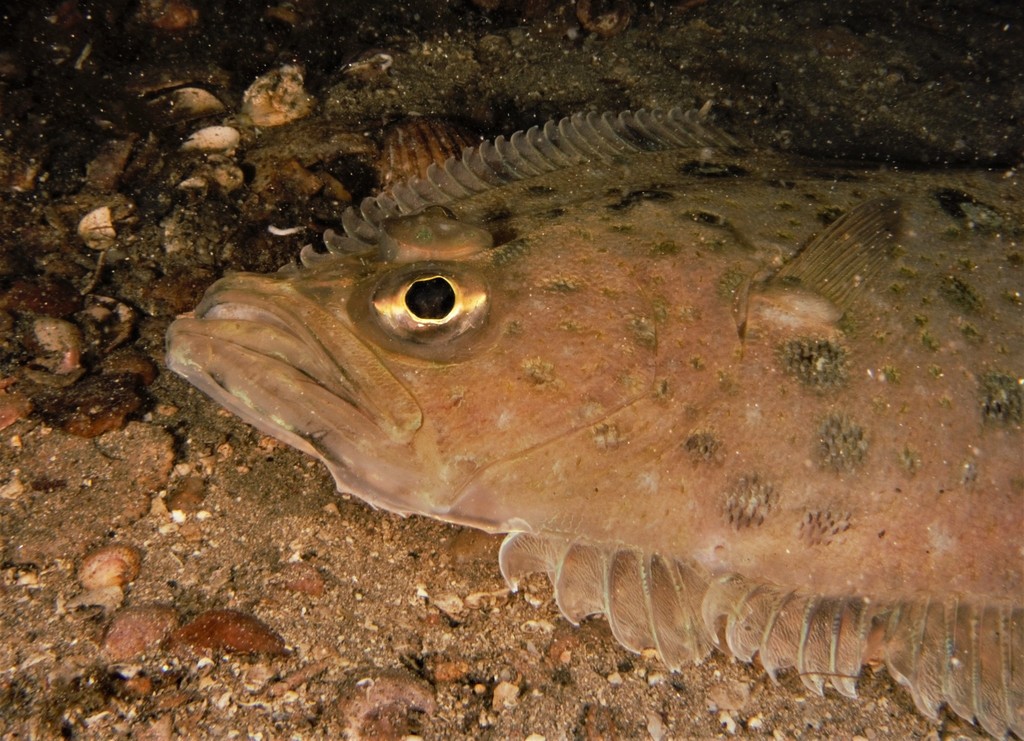
Megrim
Megrim is a left-eyed flatfish of the northeast Atlantic, found from Iceland south to Cape Bojador and into the western Mediterranean. It is a deep shelf fish, worked between 100 and 700 m, and feeds on crustaceans and fish. It tops out at 60 cm TL and can live 16 years. January to June is the season, so the first half of the year is when it is fished.
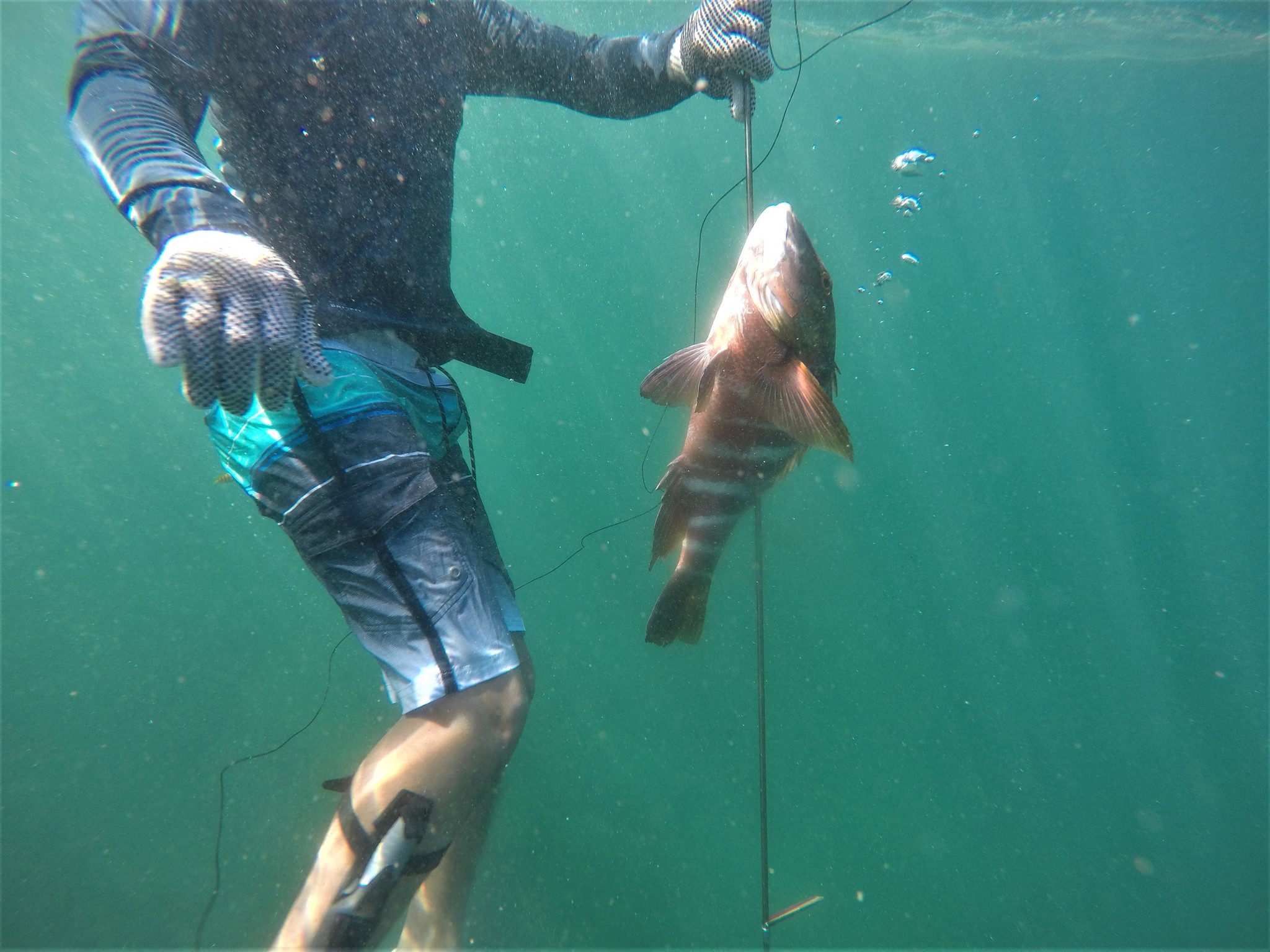
Mexican barred snapper
The body is deep and compressed, with a head profile that slopes and is slightly convex, and a prominent snout. The anterior nostril is long and tubular, while the posterior nostril sits in a deep furrow, a combination that is easy to see on a fresh fish. The preopercle is deeply notched, and the post-opercular notch and knob are strong. Teeth on the vomer and along the sides of the jaws are molariform, built for crushing rather than slicing.
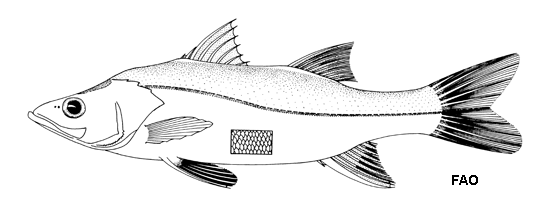
Mexican snook
Mexican snook is a centropomid of Mexican inshore and coastal waters, including estuaries, brackish reaches and fresh water. It reaches 90 cm TL and 9 kg, and is a minor commercial catch and a gamefish. Its season runs June to August.
Milkfish
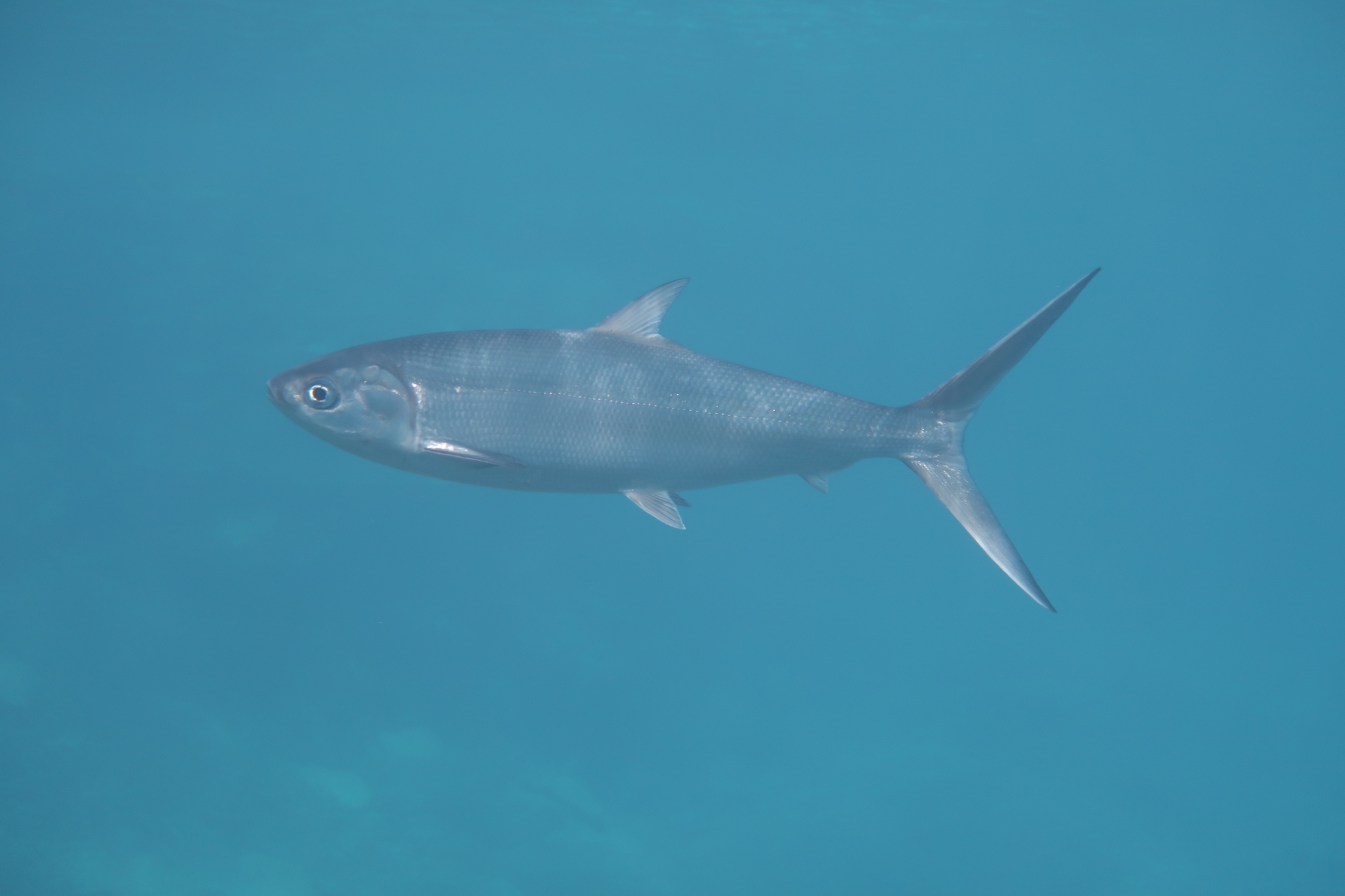
Milkfish is a large, single-family species of the Indo-West Pacific and eastern Pacific, from South Africa and the Red Sea to Hawaii and the Marquesas. It lives from 1 to 30 m, reaches 180 cm and 14 kg, and feeds on fish, zooplankton and algae. Shore or boat fishing works, and the season runs February to December in water of 15 to 43 °C.

Moki
Blue moki is a southwestern Pacific trumpeter with an 80 cm FL maximum, a 63 cm TL ordinary length and a 33-year lifespan. Wikipedia calls it a species of trumpeter; FishBase places it in the family Latridae. It is also recorded as a gamefish, which is why the page carries both a boat method and a rock method.
Moontail bullseye
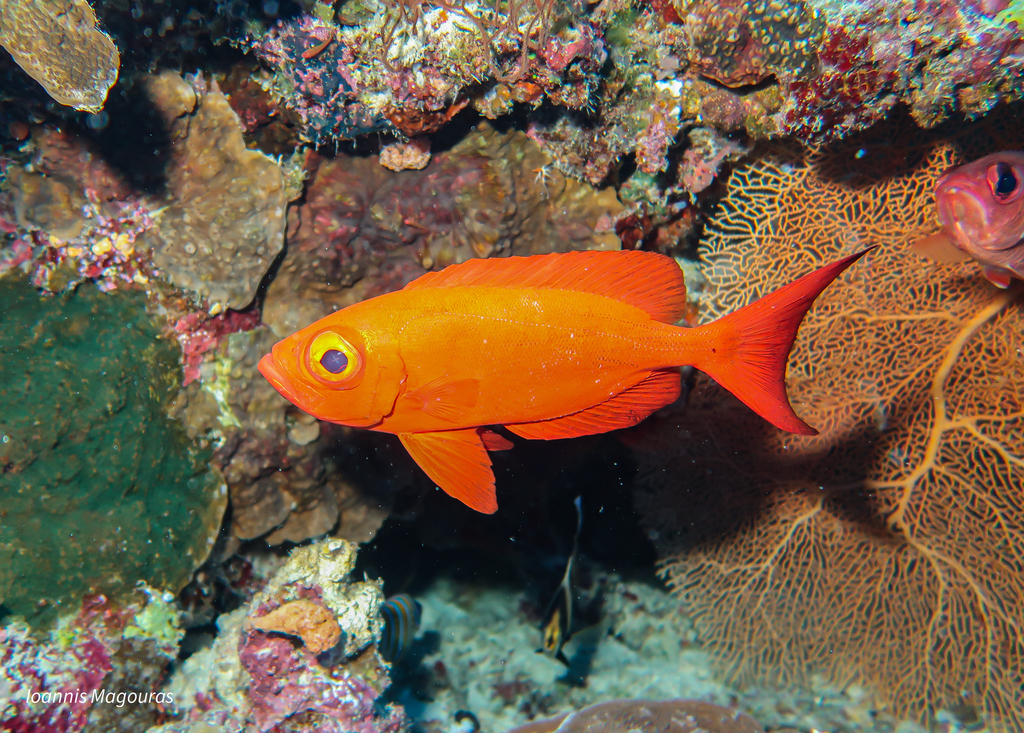
FishBase gives this bigeye a depth range of 0 to 250 m. The biology text on the same page describes it on outer reef slopes and deep lagoon pinnacles from 8 to at least 80 m. Both statements are true and they are not the same statement. The wide figure is the outer envelope of everything ever recorded; the narrow one is where the fish is actually encountered.
Mottled grouper
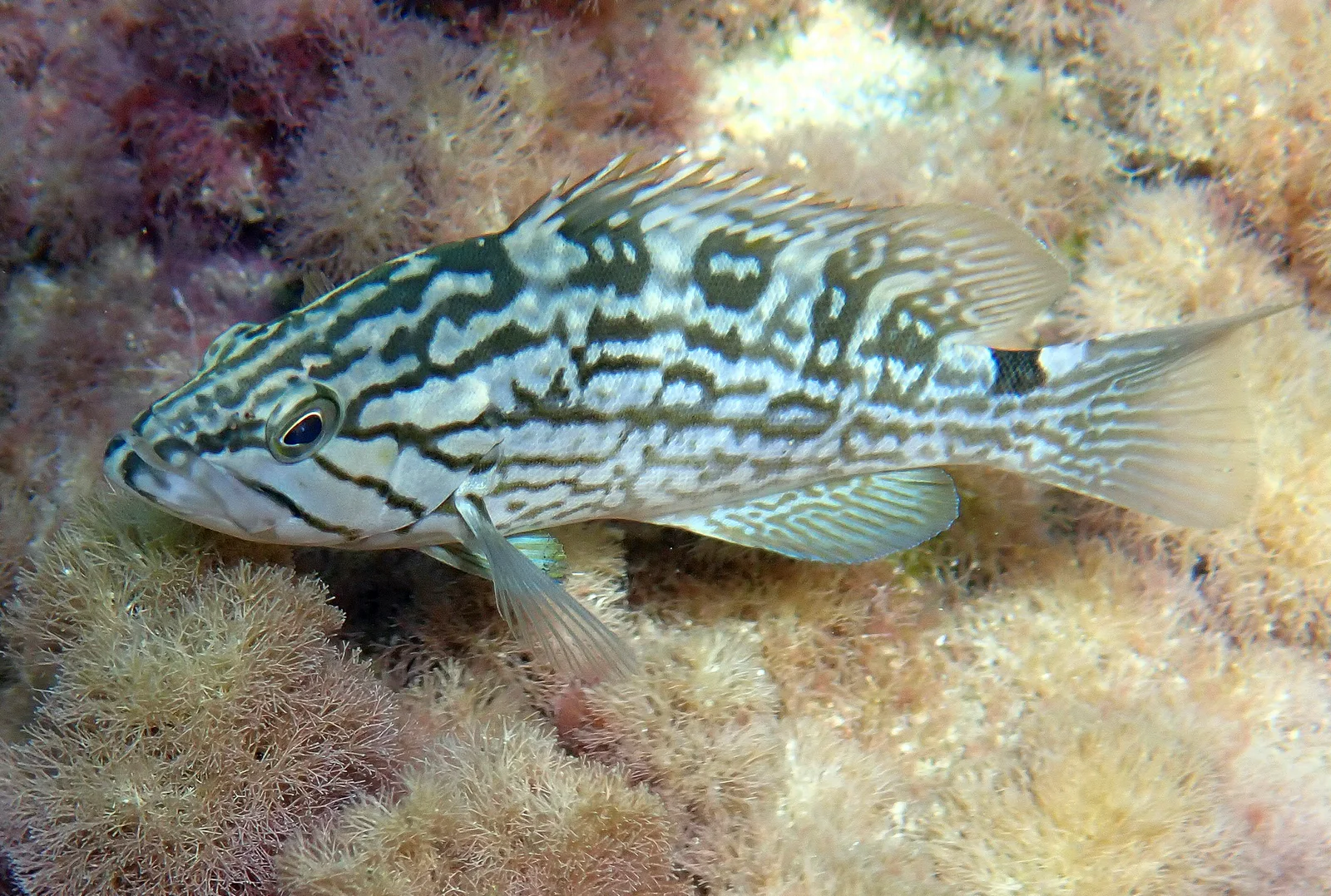
Mottled grouper is an epinephelid of the eastern Atlantic, from Portugal to southern Angola. It lives from 15 to 200 m in subtropical water, reaches 144 cm TL and 49.7 kg, and feeds on fish and molluscs. It is one of the larger groupers in the region.
Mullet snapper
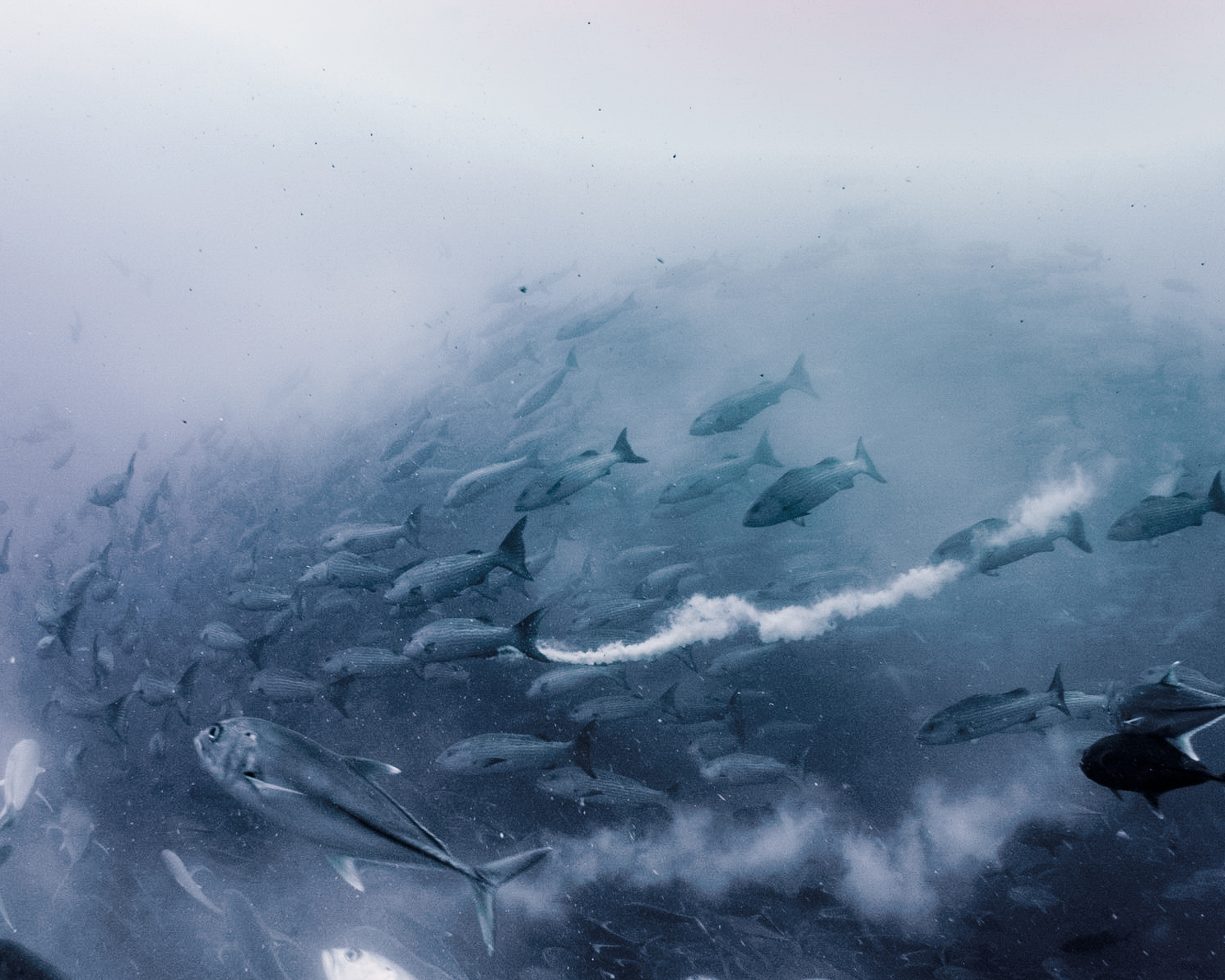
The fin formula is eleven or twelve dorsal spines with twelve soft rays, and three anal spines with seven or eight rays. The preopercular notch is moderate, and the scale rows on the back run parallel to the lateral line. The back is dark grey-green and the belly pale, but the signature is in the scales themselves: each has a yellowish white centre, so the flank reads as alternating dark and light stripes.
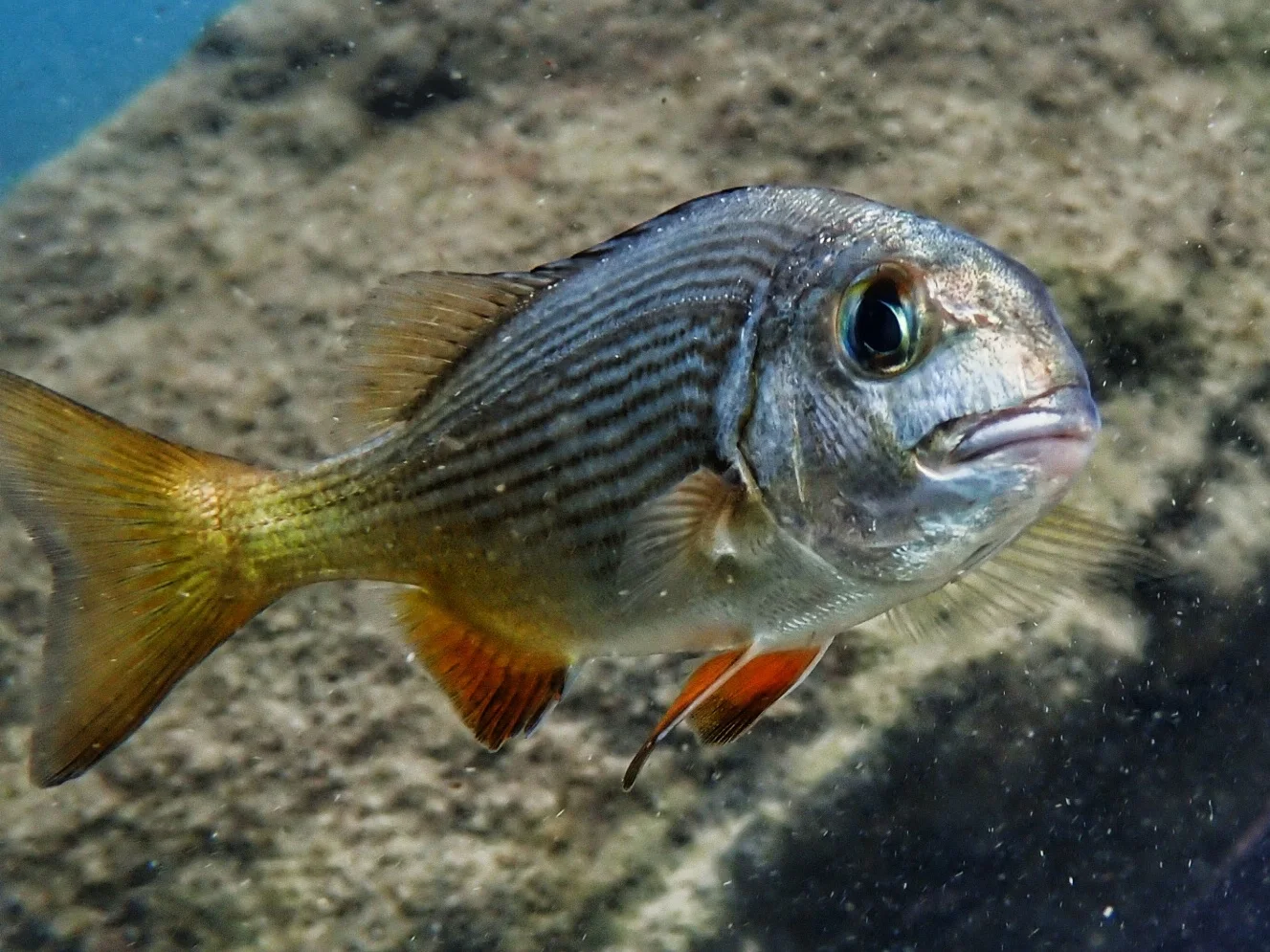
Musselcracker seabream
Musselcracker seabream is a large sparid of the southeast Atlantic, from the Cape of Good Hope to Natal in South Africa. It lives from the surface to 80 m in tropical water, reaches 120 cm TL, and feeds on fish. It is recorded in January and again from September to December.
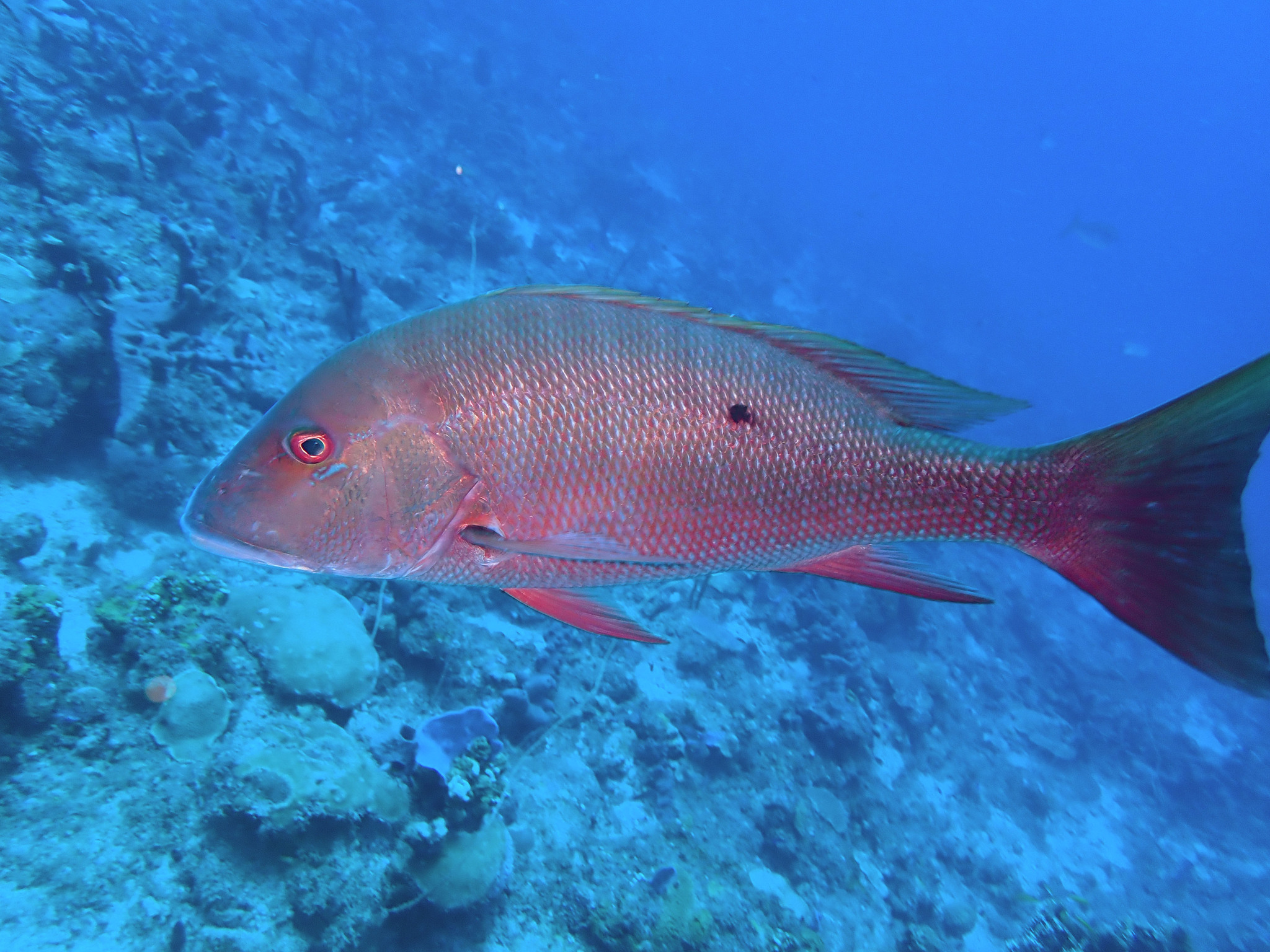
Mutton snapper
Mutton snapper is a lutjanid of the western Atlantic, from Massachusetts and Bermuda through the Gulf of Mexico and Caribbean. It lives from 25 to 95 m in water of 20 to 28 °C, reaches 94 cm and 15.6 kg, and feeds on fish and molluscs. Boat bottom fishing is the usual approach, and it is present year-round.
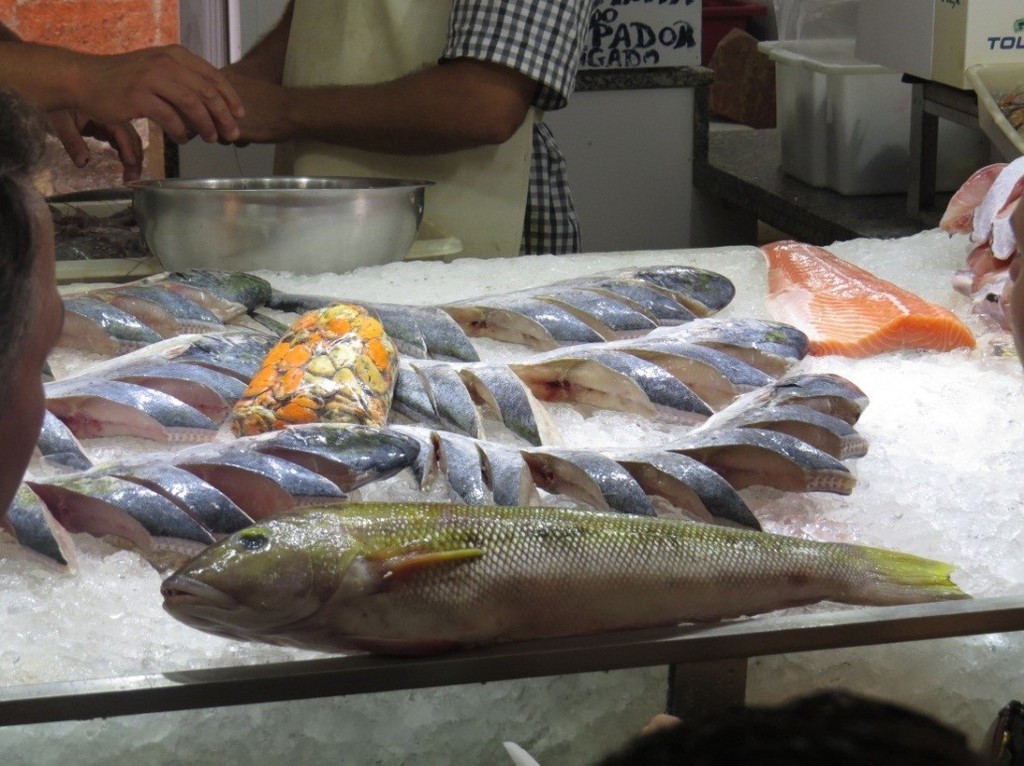
Namorado sandperch
Namorado sandperch is a pinguipedid of the Brazilian and Argentine shelf, from Rio de Janeiro to Santa Catarina and south to Nuevo Gulf. It works 15 to 300 m, reaches 120 cm TL with a common length of 40 cm and 20.2 kg, and no maturity figure is published. It is listed as both a commercial fish and a gamefish, and IUCN assessed it as Least Concern in 2009. Boat bottom fishing and jigging are the methods listed.
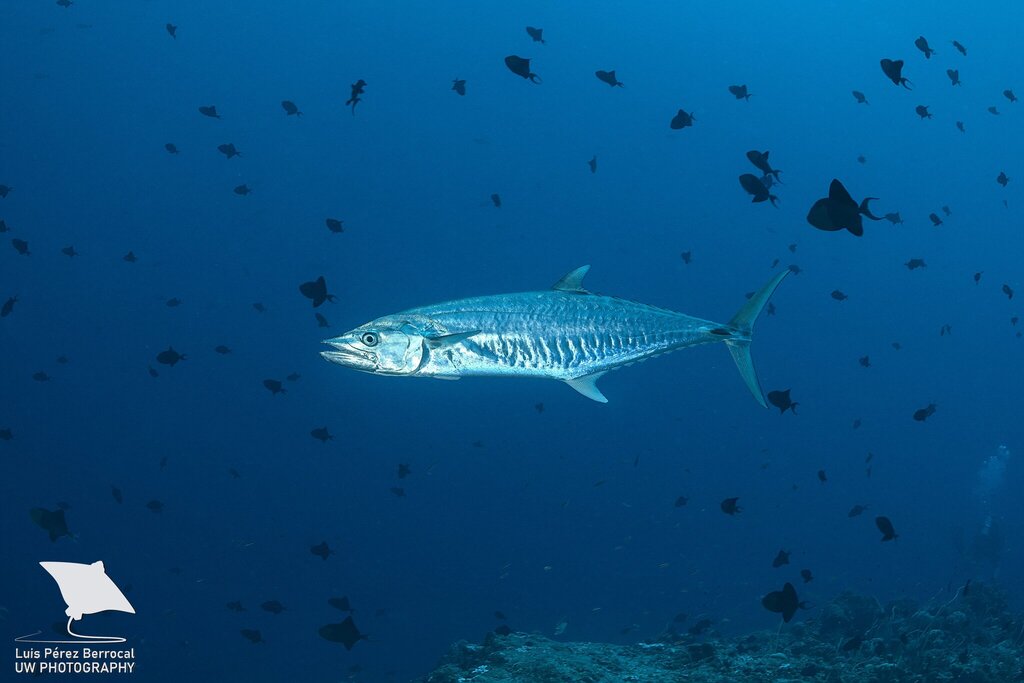
Narrow-barred Spanish mackerel
Narrow-barred Spanish mackerel, a member of the family Scombridae, is found across the Southeast Atlantic, in the St. Its depth range is from 10 to 70 m, in tropical seas. It grows to 240 cm FL and 70 kg, with a diet of fishes. The standard approach is trolling or shore casting. It is present year-round.
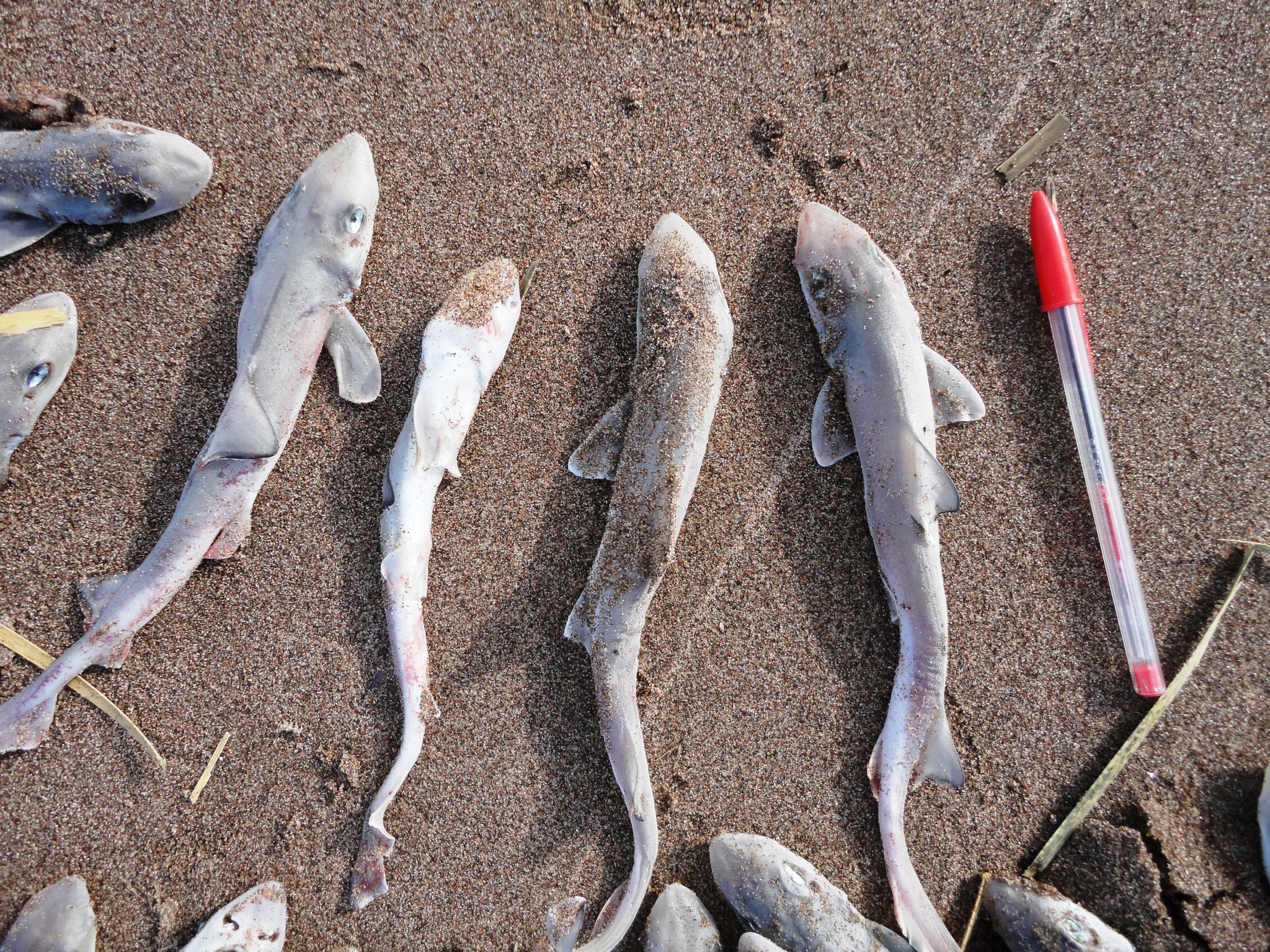
Narrownose smooth-hound
*Mustelus schmitti*, the narrownose smooth-hound, is a small Triakidae of the southwest Atlantic shelf, recorded from southern Brazil to northern Argentina. It reaches 92 cm TL, matures at 58.3 cm and pups 2–7 young at 26 cm. In 2019 IUCN assessed it as Critically Endangered, and the CMS proposal behind that assessment records a decline of more than 80 percent.
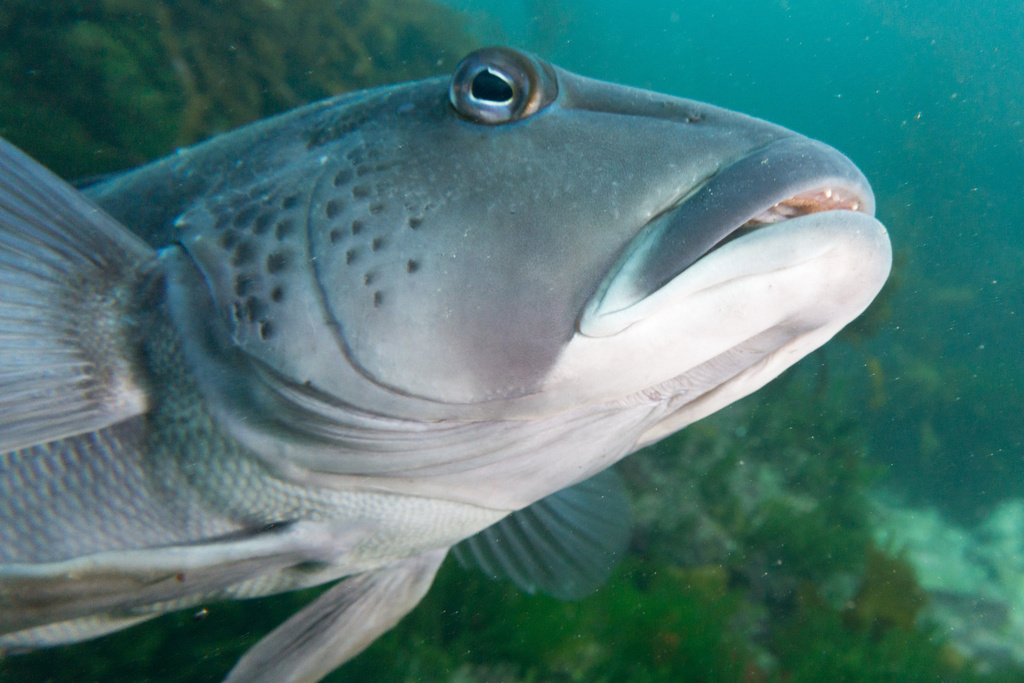
New Zealand blue cod
Blue cod is two fisheries wearing one name. On the market side it is a commercial line item; on the wild side it is a recreational bag limit with a 33 cm minimum and area rules that range from 2 to 10 fish. Both descriptions are official, and both apply to the same animal.
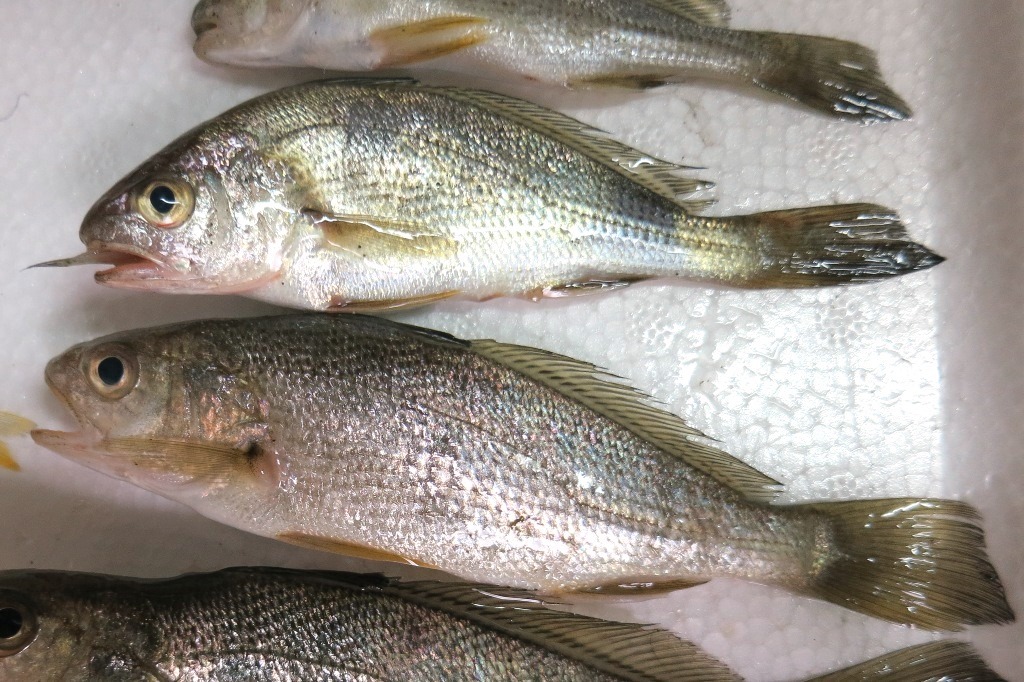
Nibe croaker
An inshore bottom croaker called nibe in Japan. It lives on shallow sand and mud facing the open sea, makes a croaking sound with its swim bladder, and spawns in April or September. It stays offshore compared with the inner-bay white croaker, and its fine flesh is better than its market profile suggests.

Northern kingfish
Northern kingfish is a small sciaenid of the western Atlantic, from Massachusetts south to Florida and across the Gulf of Mexico to Yucatan. It reaches 46 cm TL with a common length of 30 cm, 1.1 kg and a maximum age of four years, and matures at about 25.6 cm. April to August is the season. Shore casting, small hook rigs and boat bottom fishing are the methods listed.
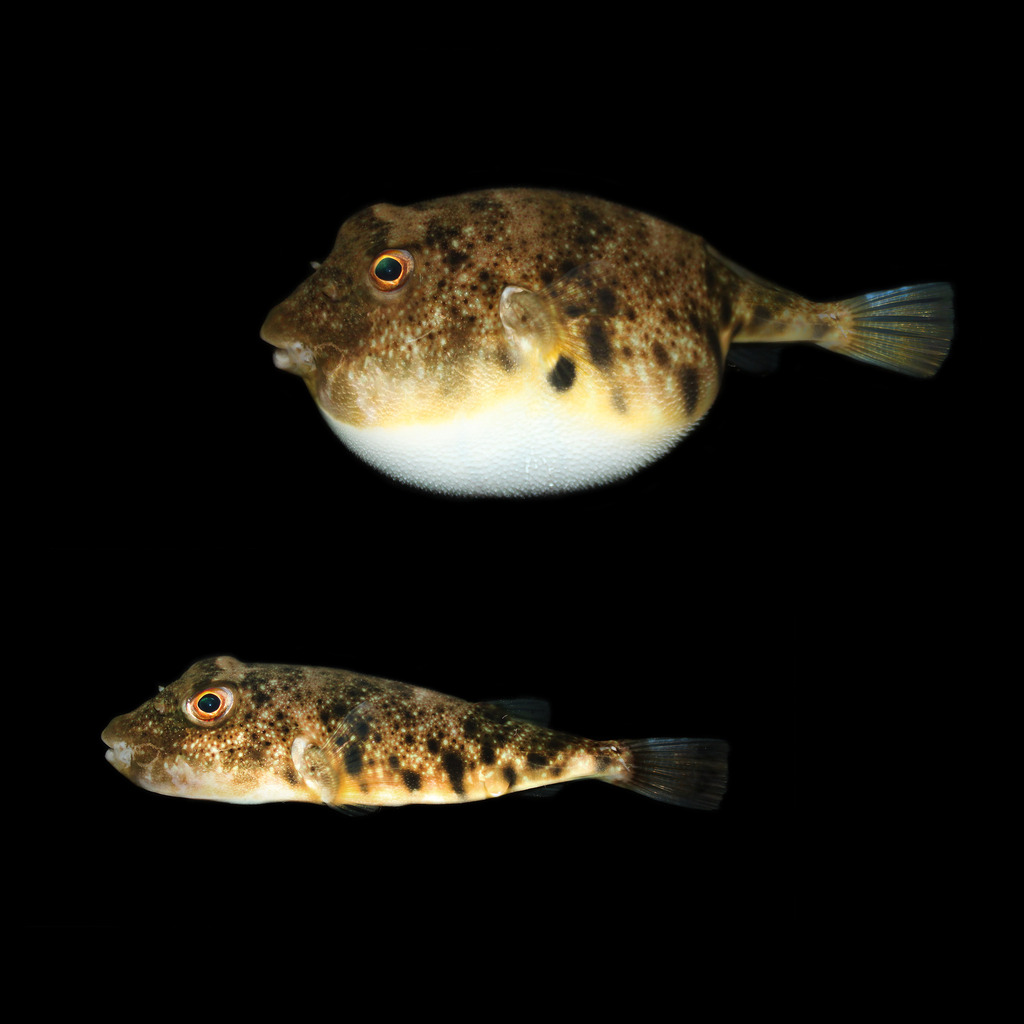
Northern puffer
Northern puffer is a small tetraodontid of the western Atlantic, recorded from Newfoundland in Canada to northeastern Florida. It is a temperate fish of 10 to 183 m, reaches 36 cm TL with a common length of 20 cm. May to August is the season. Shore casting, small hook rigs and boat bottom fishing are the methods listed.

Northern searobin
The northern searobin is a triglid of the northwest Atlantic, recorded by FishBase from Nova Scotia to central Florida and through the Gulf of Mexico. It reaches 38 cm TL with a common length of 30 cm. It is a bottom fish of sandy ground from 15 to 170 m, marine to brackish, and it is a minor commercial species and an occasional bait fish rather than a mainstream recreational target.
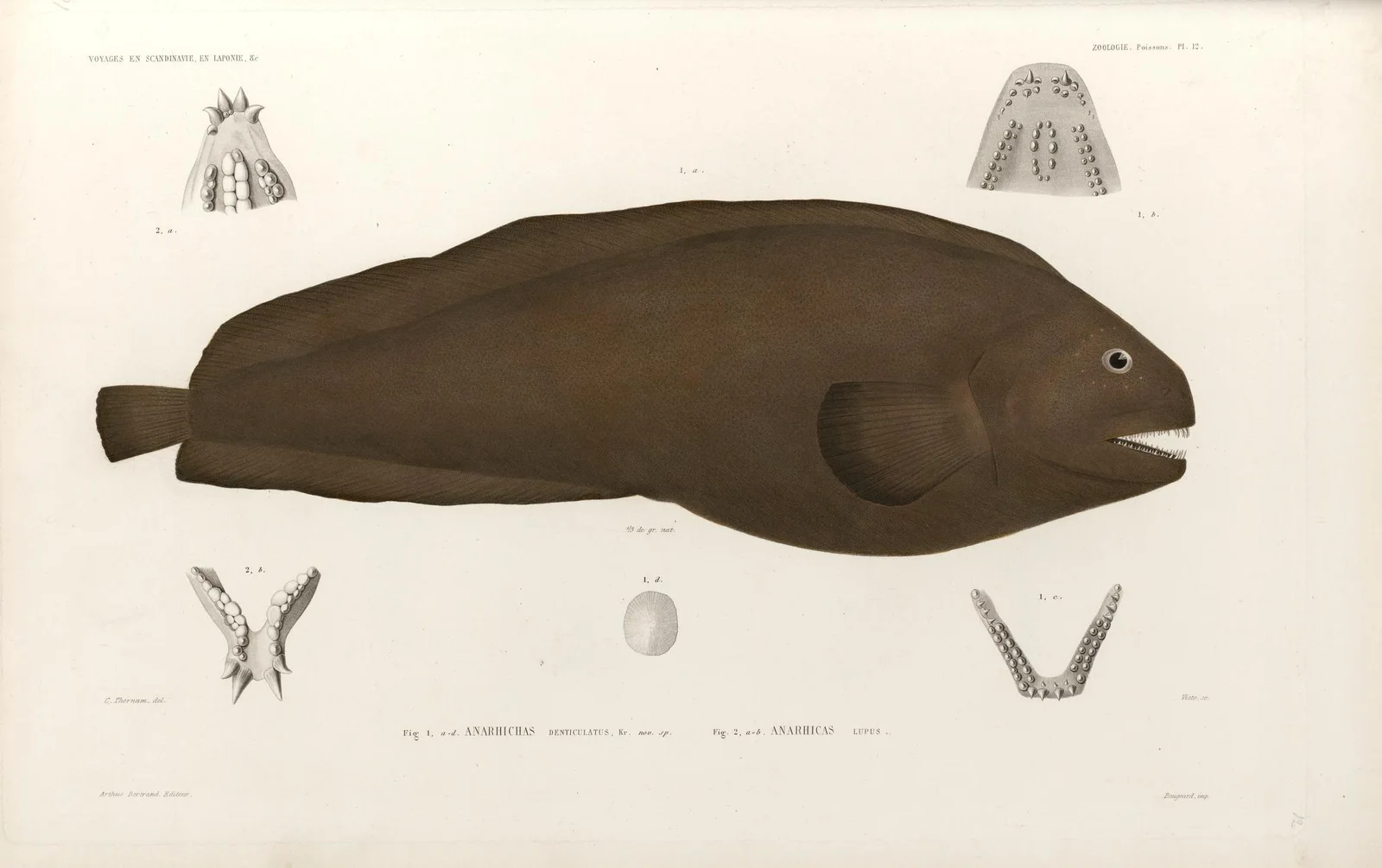
Northern wolffish
Northern wolffish is a large anarhichadid of the North Atlantic, from Spitsbergen and the Barents and Norwegian seas to Iceland, Greenland and the Grand Banks. It lives benthopelagically, usually at 100 to 900 m and down to 1,700 m, in polar water, and reaches 180 cm and 20 kg.
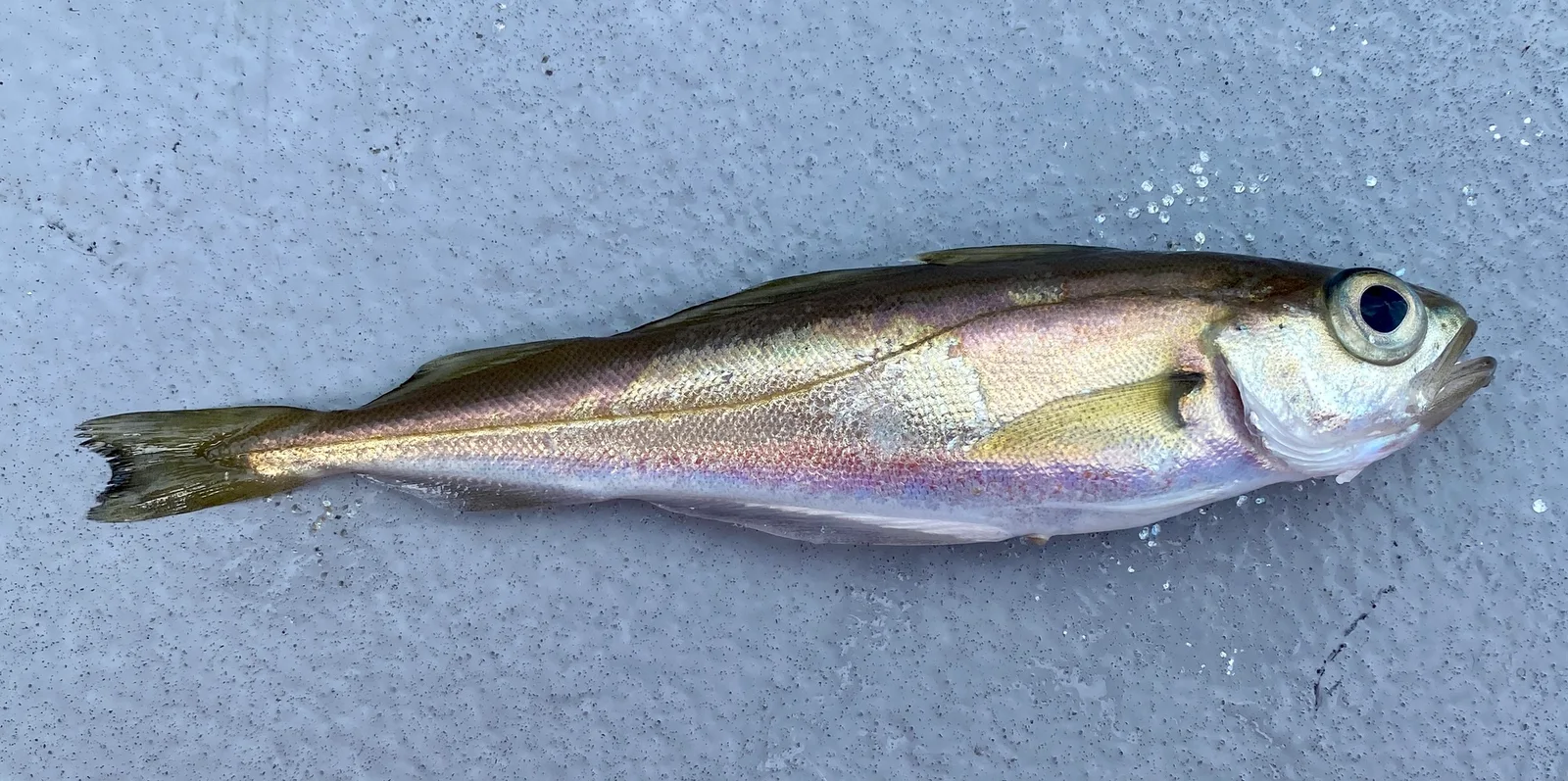
Norway pout
Norway pout is a small gadid, a member of the cod family, widespread in the Northeast Atlantic from the southwest Barents Sea south to the English Channel and Bay of Biscay, with Iceland and the Faroes included. It is an open-water fish of 50–300 metres, most often 100–200, and seldom exceeds 35 cm; 19 cm is a normal adult size.
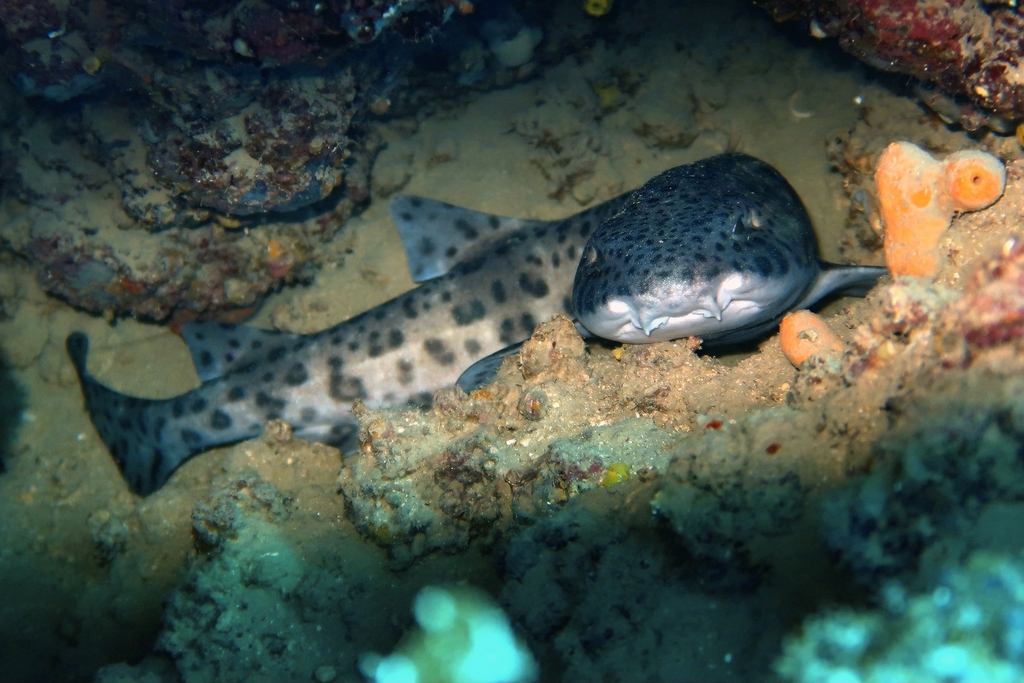
Nursehound
Nursehound is a large catshark of the northeast Atlantic and Mediterranean, from southern Scandinavia down through Morocco and Mauritania to Senegal. It is a thick-set fish with a broad, rounded head and rear-set dorsal fins, recorded from 1 to 400 m in subtropical water. It feeds on crustaceans and fish, reaches 170 cm TL and can live 19 years.
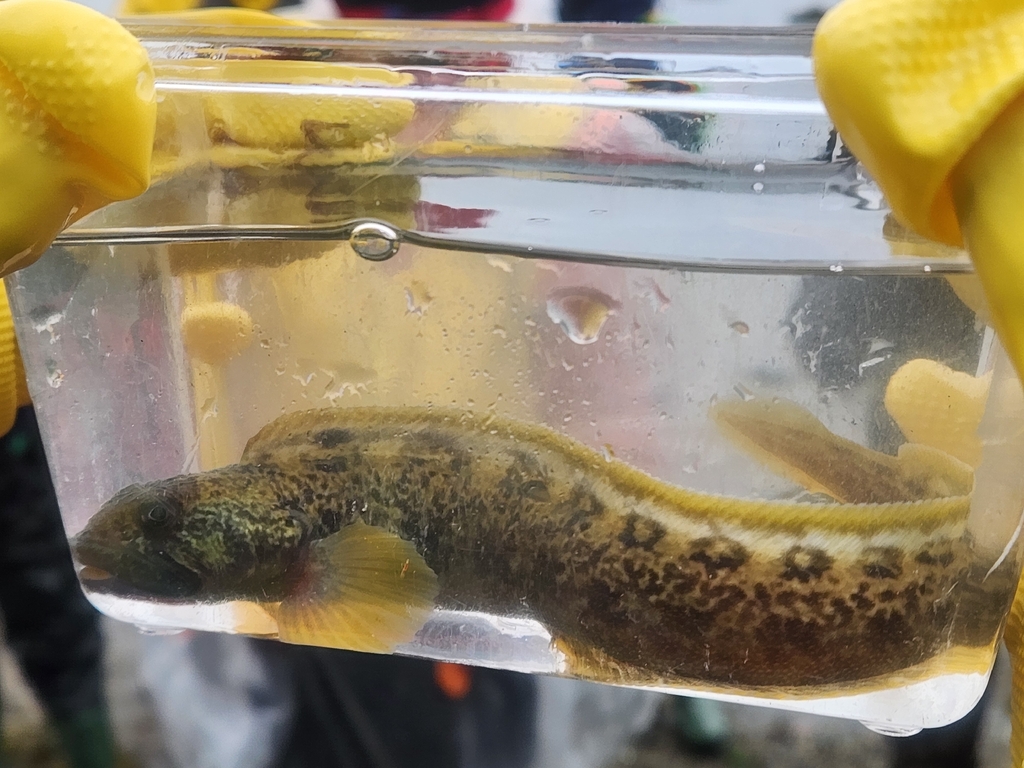
Ocean pout
Ocean pout is an eelpout of the northwest Atlantic, recorded from Labrador to Delaware. It reaches 110 cm TL and 5.4 kg, lives about 18 years and matures at roughly 28.8 cm, and it is listed from 0 to 388 m. Its accepted name is Zoarces americanus, with Macrozoarces americanus surviving in older literature. Boat bottom fishing is the method listed.
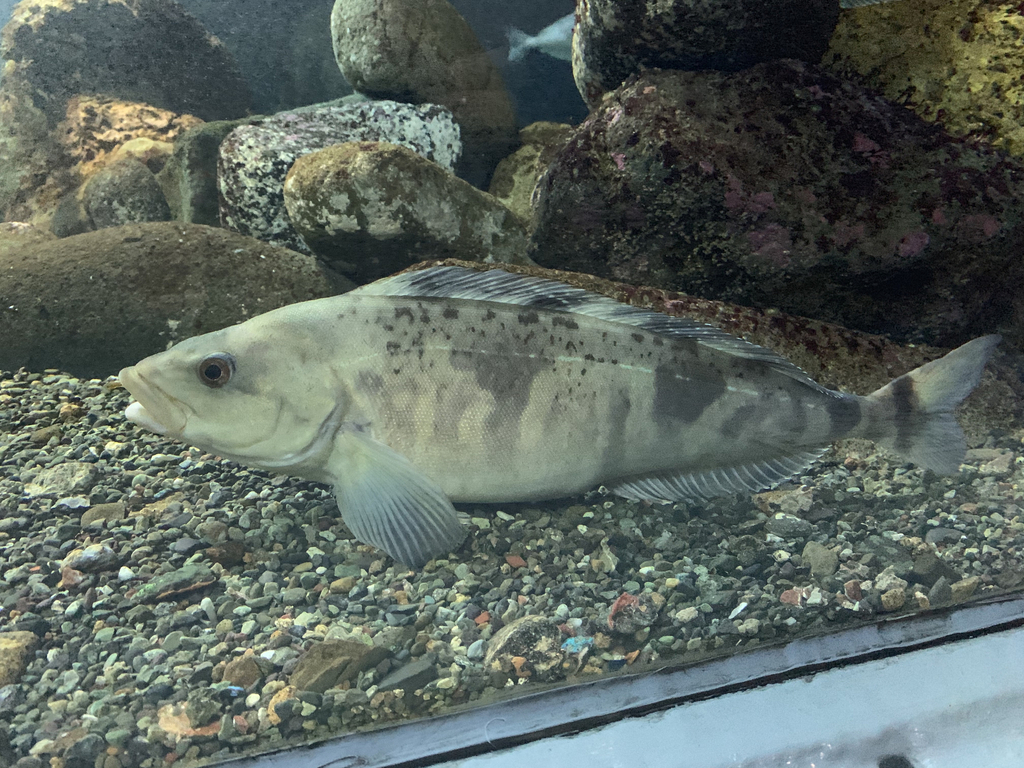
Okhotsk atka mackerel
Okhotsk atka mackerel is a greenling of the northwest Pacific, found from Primorsky Krai and the Sea of Okhotsk through the Kuril Islands to Ibaraki and Tsushima in Japan and into the Yellow Sea. It works the top 240 m of temperate water. Adults reach 62 cm TL and 1.8 kg and can live 12 years. The season splits into two blocks, January to February and August to December.
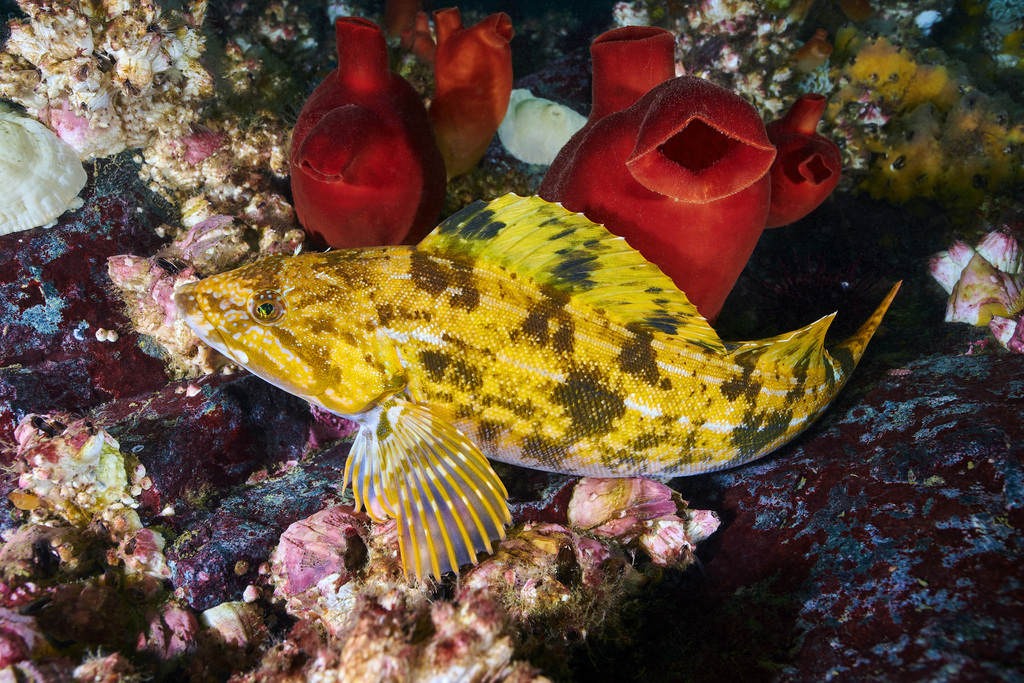
Okihime greenling
Okihime greenling is a hexagrammid of rocky northwest Pacific shores, from Japan and the southern Korean Peninsula to the Yellow Sea. It lives from 4 to 155 m in temperate water and reaches 57 cm and 2.4 kg. Boat bottom fishing or rock fishing is the usual approach, and it is recorded from January to February and again from August to December.

Olive flounder
Olive flounder is recorded across the Western Pacific, from Japan, Sakhalin, Kuril Islands, Korean Peninsula to the South China Sea, within the family Paralichthyidae. It is caught from 10 to 200 m, in subtropical water. Fish reach 103 cm TL and 9.1 kg. The standard approach is boat bottom fishing or shore casting. The season runs February to July.

Olive rockfish
Olive rockfish is a nearshore rockfish of the eastern Pacific, from northern California to central Baja California. It lives from the surface to 146 m in water of 13 to 22 °C, reaches 61 cm TL and 1.6 kg, can live 30 years, and feeds on zooplankton. Boat bottom fishing is the usual approach, with the season running January to March.
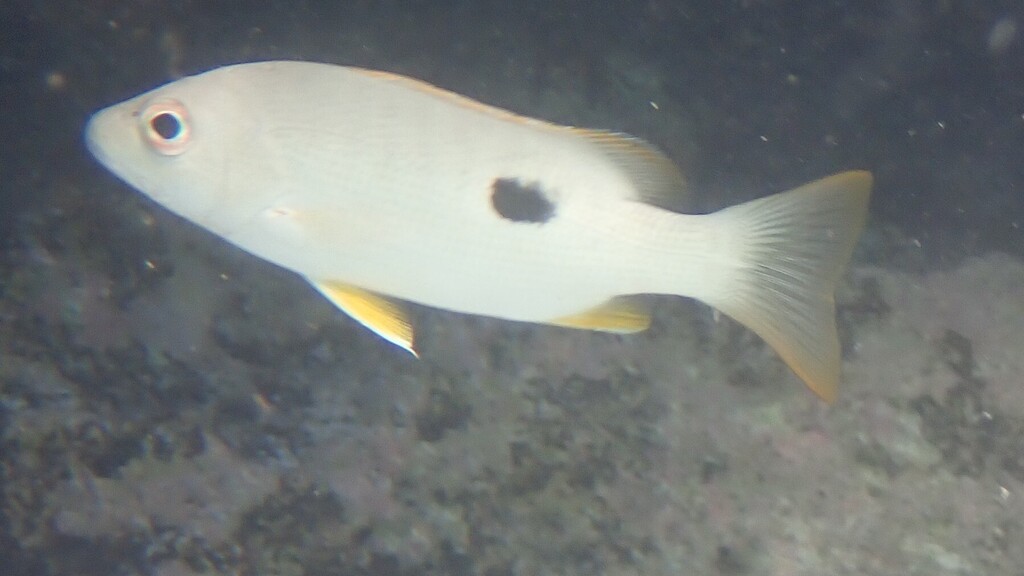
One-spot snapper
One-spot snapper is an Indo-Pacific lutjanid, from East Africa to the Marquesas and Line Islands, north to the Ryukyu Islands and south to Australia. It is recorded as marine, brackish and reef-associated, from 1 to 60 m in tropical water between 31 degrees north and 27 degrees south. It reaches 60 cm TL with a common length of 50 cm. Bottom fishing and lures are the methods listed.
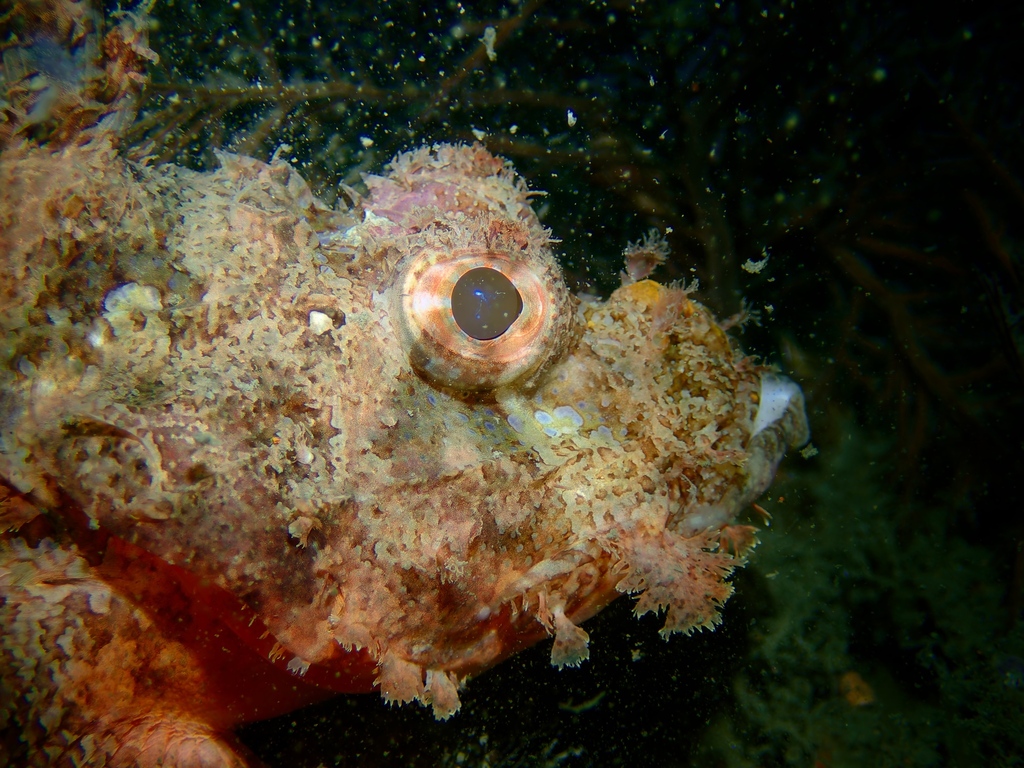
Oni scorpionfish
Oni scorpionfish is a Northwest Pacific scorpaenid, from southern Japan and China south to Hong Kong and northern Taiwan. It lives on coral and rocky reefs at 3 to 91 m, often lying motionless on the bottom, feeding on small fish; its spines are venomous. FishBase gives a maximum of 23.1 cm SL. IUCN lists it as Least Concern, assessed in 2023, and bottom fishing and lures are the methods listed.
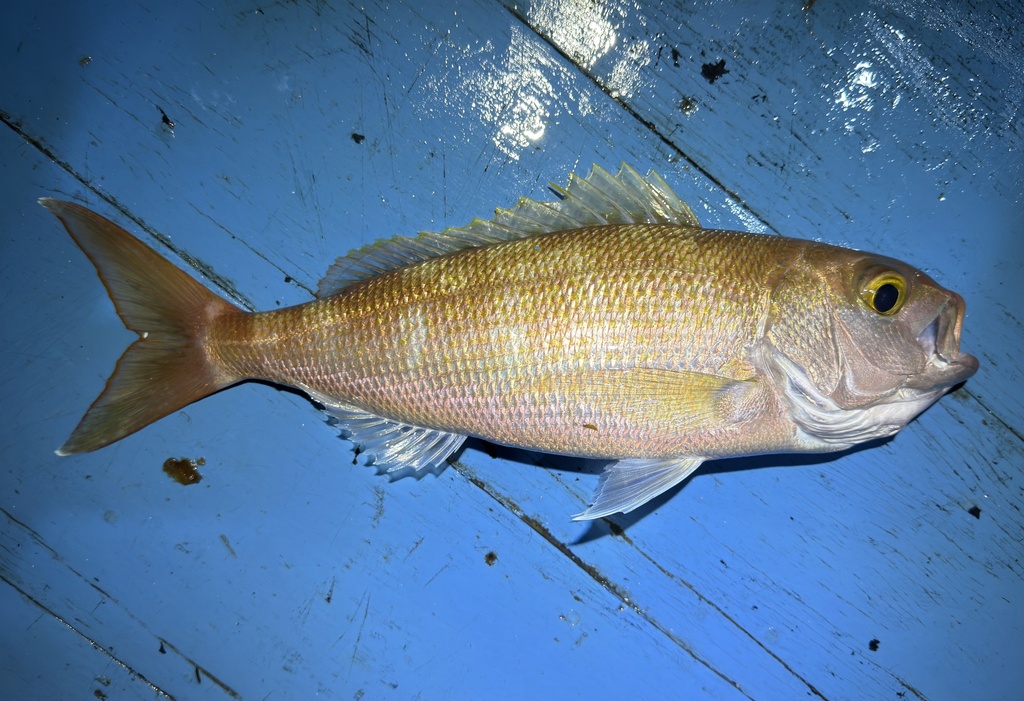
Opakapaka
Opakapaka is a member of the family Lutjanidae and ranges across the Indo-Pacific, from East Africa to Hawaii and Tahiti, north to southern Japan, south to eastern Australia and Lord Howe Island. It lives from 40 to 400 m in deep water. Fish reach 100 cm TL and 8.2 kg, feeding on fishes. Anglers target it by boat bottom fishing or slow pitch jigging. It is present year-round.
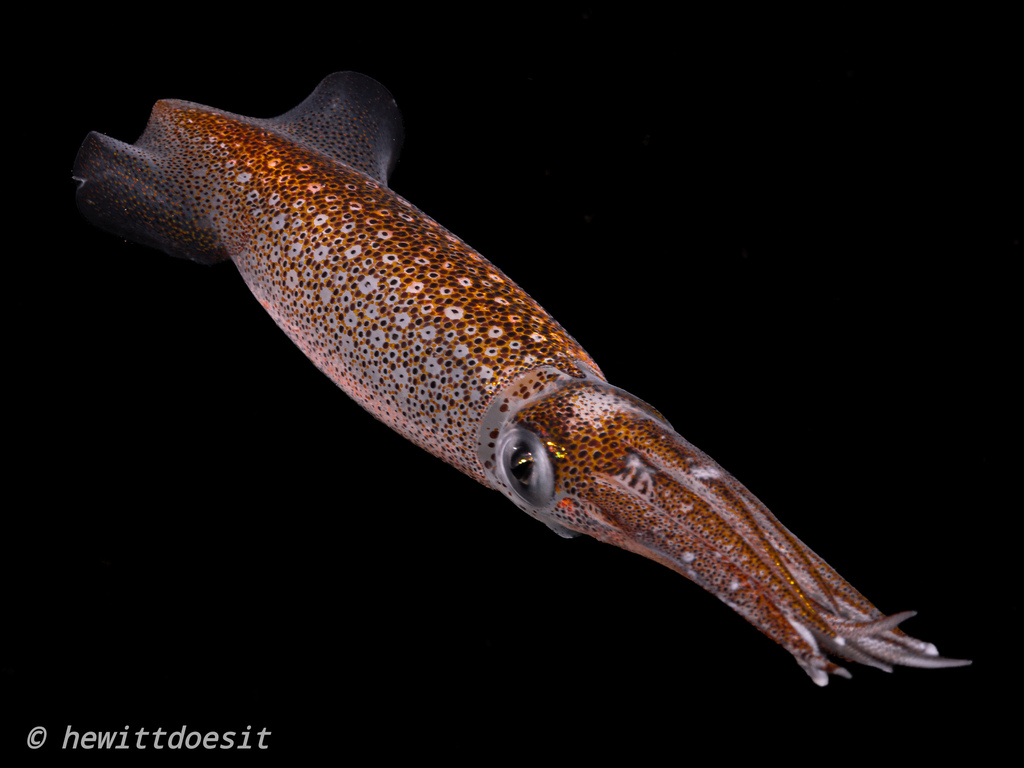
Opalescent inshore squid
This animal has no single name that travels. On a California dock it is market squid; in a catalogue it is the opalescent inshore squid; the federal agency that regulates the fishery titles its page California market squid; and in Chinese it is . The names matter because each one opens a different shelf of documents, and only one shelf holds the rules that decide whether you may fish tonight.
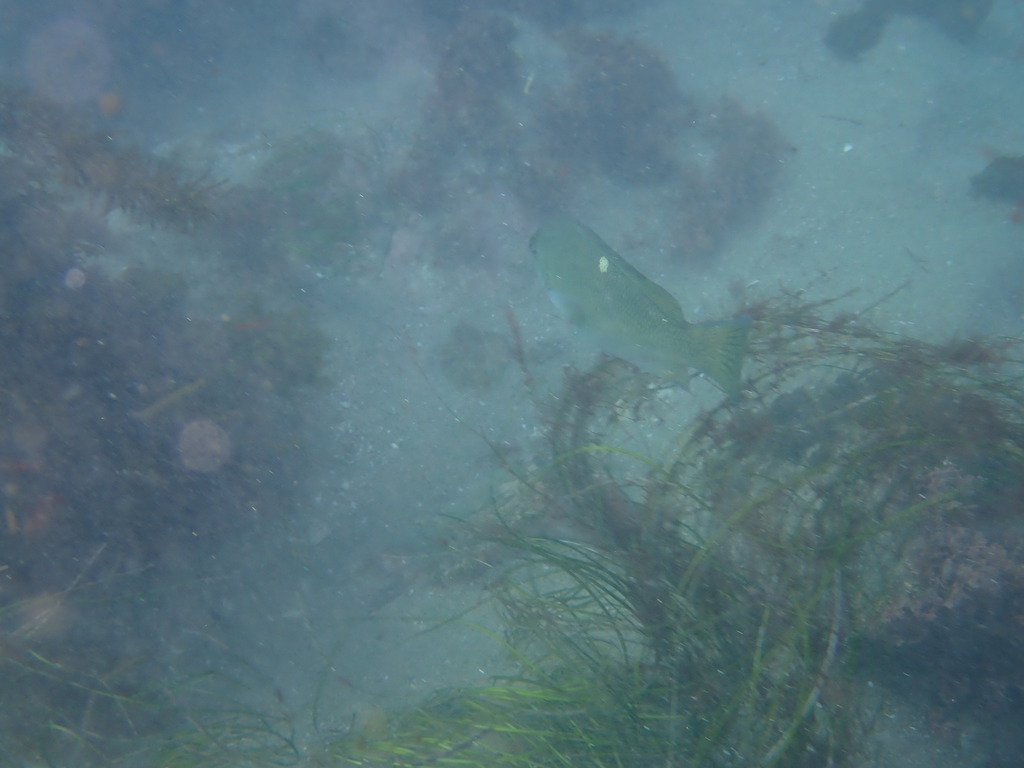
Opaleye
The opaleye grazes algae off rock, yet almost every one is caught on shrimp. That mismatch is the way into the species: it explains where the fish sits in the kelp, why a small natural bait works, and why winter fish are still catchable but rarely worth targeting. A deep body, a high eye and a blunt snout separate it from the halfmoon on the same reef.

Orange-dotted tuskfish
Orange-dotted tuskfish is an Indo-West Pacific labrid of the genus Choerodon, from Sri Lanka east to French Polynesia, north to the Ryukyu Islands and south to New Caledonia. It is a reef fish of 1 to 25 m in tropical water, matures from 23 cm and reaches 50 cm TL. Bottom fishing and lures are the methods listed for it.

Orange-spotted grouper
Orange-spotted grouper is a large reef grouper of the Indo-Pacific, from East Africa and the Red Sea to southern Japan and northern Australia. FishBase notes it is often confused with Epinephelus tauvina or E. malabaricus. It reaches 120 cm and 15 kg, lives up to 22 years, and is fished by boat bottom fishing, slow-pitch jigging or hole fishing, with a season from March to May.
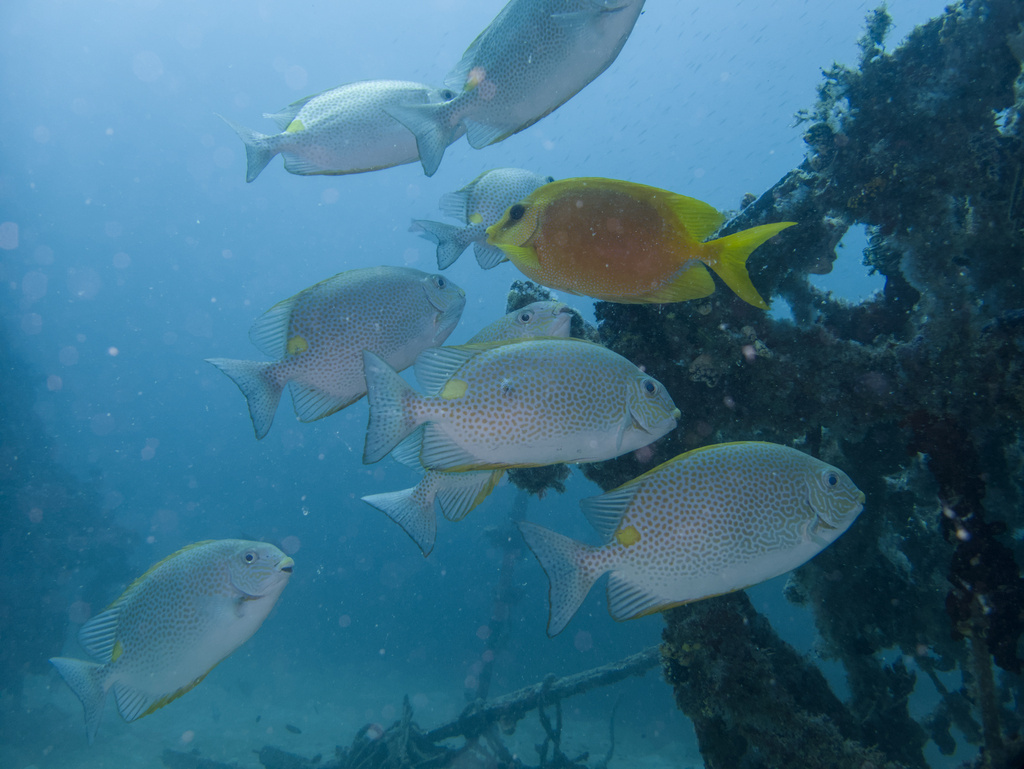
Orange-spotted spinefoot
Orange-spotted spinefoot is an eastern Indian Ocean and western Pacific rabbitfish, from the Andaman Islands, Thailand, Malaysia, Singapore, Indonesia (including Irian Jaya), Vietnam, the Ryukyus, southern and eastern China, Taiwan region, the South China Sea and the Philippines to Palau.
Orangemouth weakfish
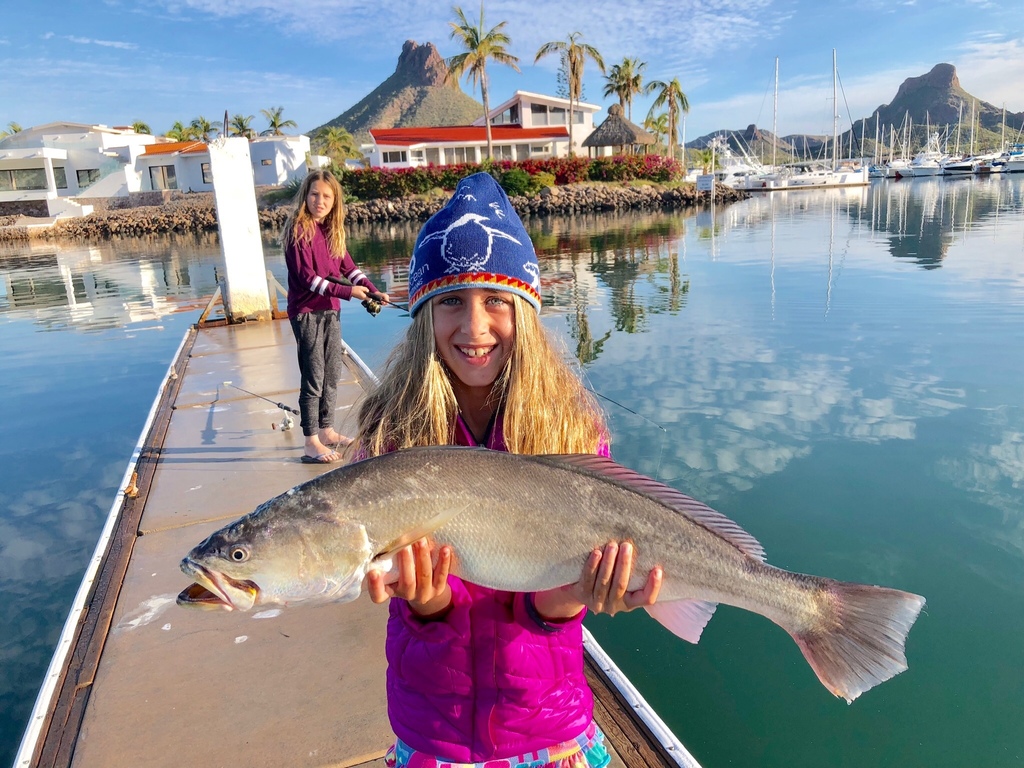
Orangemouth weakfish is a sciaenid of the eastern Pacific, native to Mexico, with an introduced population in the Salton Sea in southern California. It lives from 1 to 50 m in tropical water, reaches 129 cm TL and 24.6 kg, and is listed as Data Deficient.

Oriental bonito
Oriental bonito is an Indo-Pacific scombrid with a wide but gap-filled range; in the eastern Pacific it runs from Hawaii to southern Baja California, Peru in El Nino years and the Galapagos. It lives at 1 to 167 m in 14 to 23 degrees C, often schooling with small tunas, and feeds on clupeoids, other fish, squid and decapod crustaceans. It reaches 102 cm FL and 10.7 kg, and trolling, lures and jigging are the methods listed.

Ornate emperor
Ornate emperor is an Indo-West Pacific lethrinid, from the Maldives and Sri Lanka east to the Ryukyu Islands, Papua New Guinea and northeastern Australia. It is a shallow reef fish of 5 to 30 m and reaches 45 cm TL. Vietnamese records exist but are probably misidentifications, so a country list that repeats Vietnam without that caveat is only half right. Boat bottom fishing and shore casting are the methods listed.
Ornate wrasse
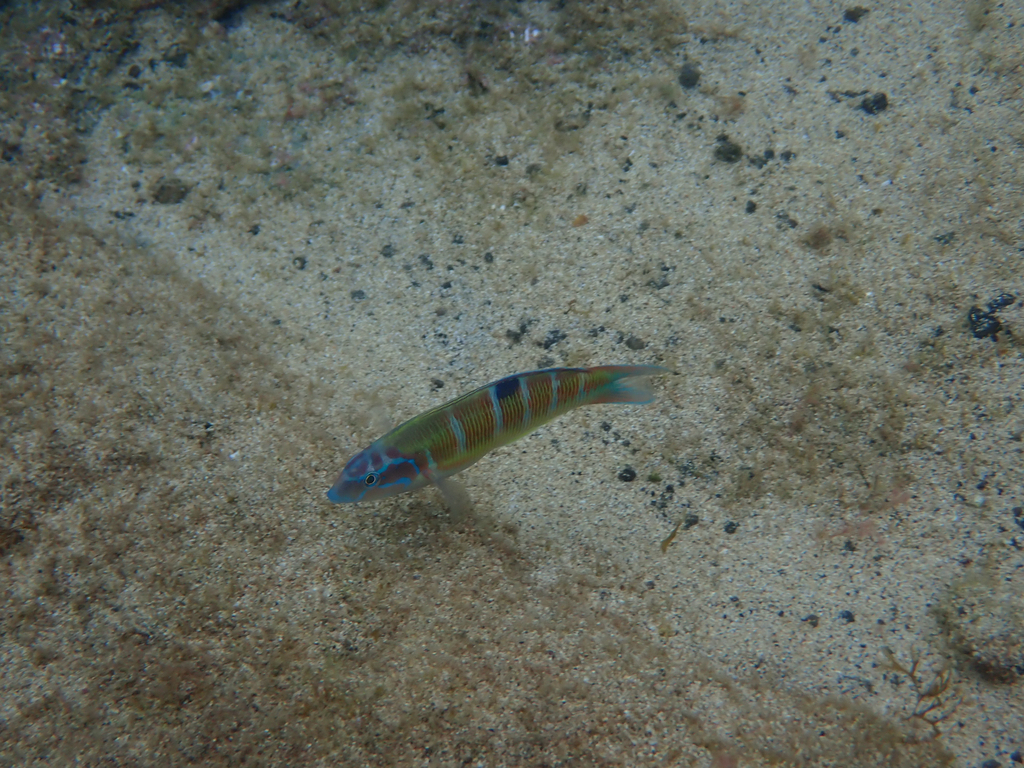
The ornate wrasse is the most conspicuous fish on the reef and one of the easiest to misidentify: females are green-brown with blue stripes, males carry red heads and blue markings, and the same fish changes appearance as it changes sex. It is a protogynous hermaphrodite, so seeing a group and seeing one large fish mean very different things.

Pacific angelshark
The body is flattened, with broad pectoral fins spreading to either side so that the fish looks much like a ray. The eyes sit on top of the head and the mouth is at the front of the head, which separates it from rays with a ventral mouth. Neither the dorsal nor the anal fin carries a spine.
Pacific barracuda
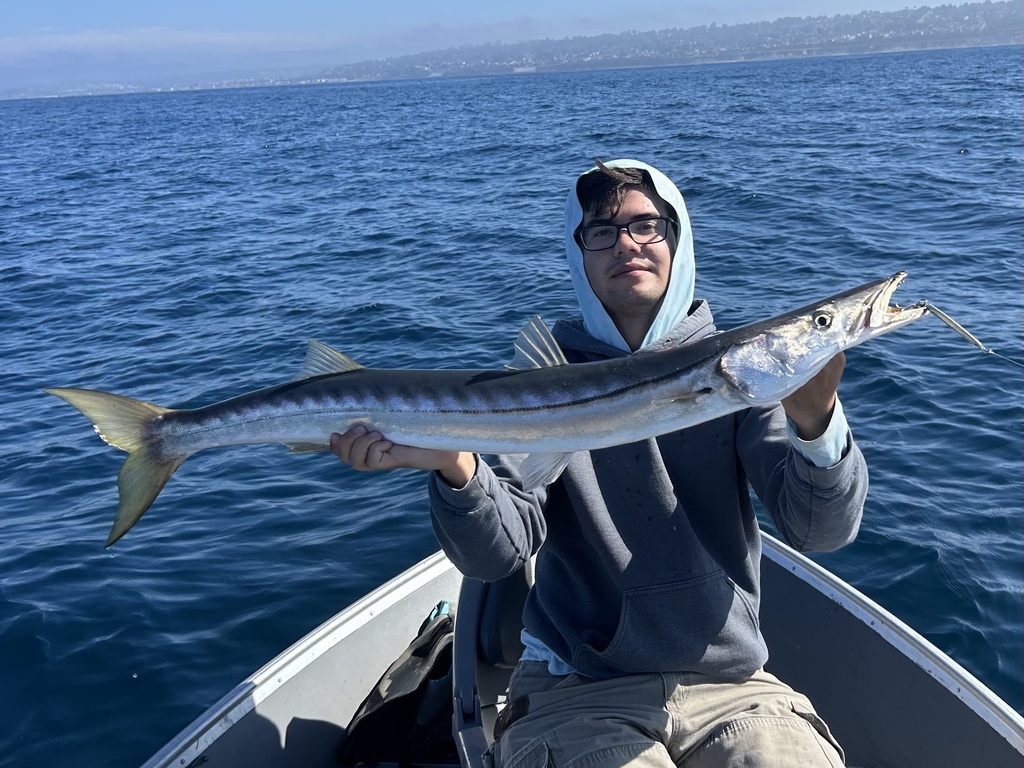
The Pacific barracuda is a summer fish with a measurement problem: 28 inches total length, or the 17-inch alternate length taken from the snout to the fork, and both get checked at the boat. It runs in small schools along colour lines and over high spots, takes a moving bait, and shows little interest in anything that sinks and sits. It is a fish you measure before you admire.
Pacific barrelfish
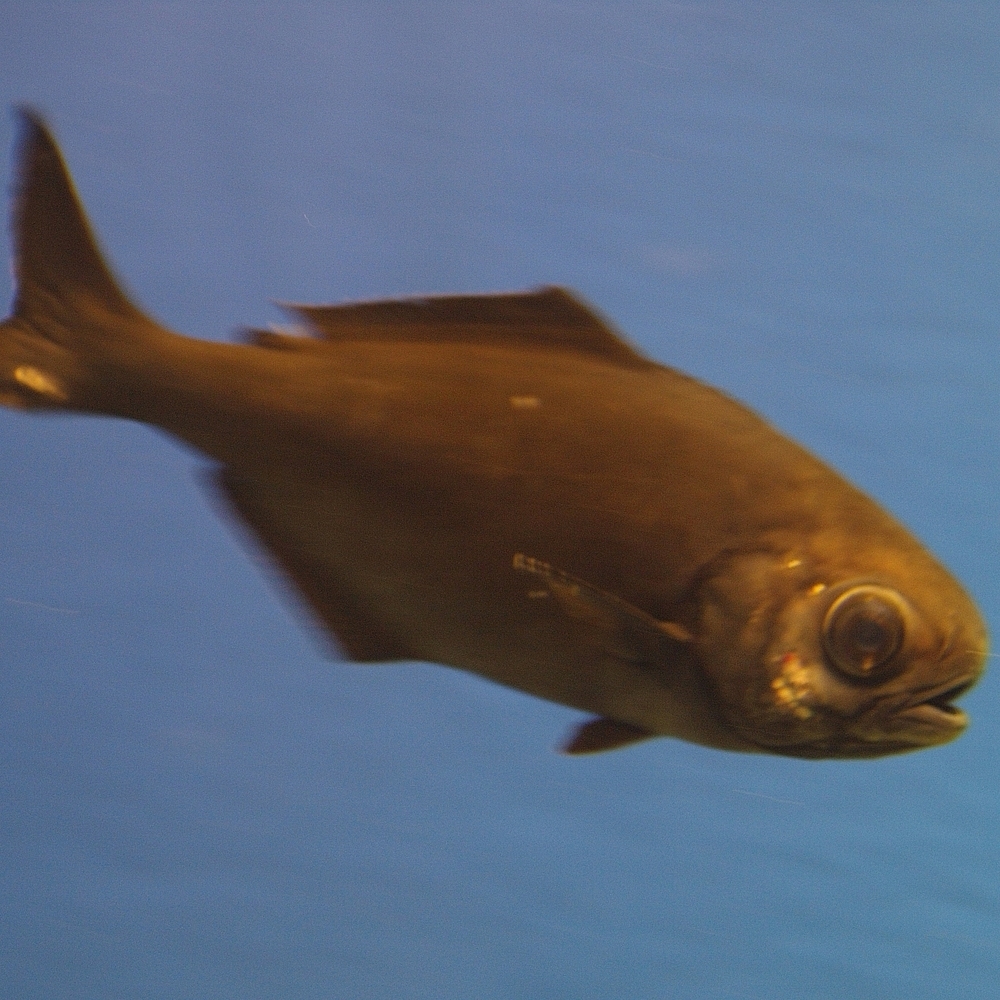
Pacific barrelfish is a deep, near-bottom fish of the Northwest Pacific, recorded off central and southern Japan. It lives far down the slope, from 150 to 1,537 m, and its diet of zooplankton and algae is unusual for a fish of that depth. Adults reach 90 cm TL and 10.2 kg.
No fish match this water on this page. Clear the filter or choose another habitat.