
What fish are on your coast? — page 7 of 16
Choose the water you fish: shore, reef, surf or deep water. Then open a fish to see what it eats, when it comes in, and how to catch it.
Species records
Gulf kingfish
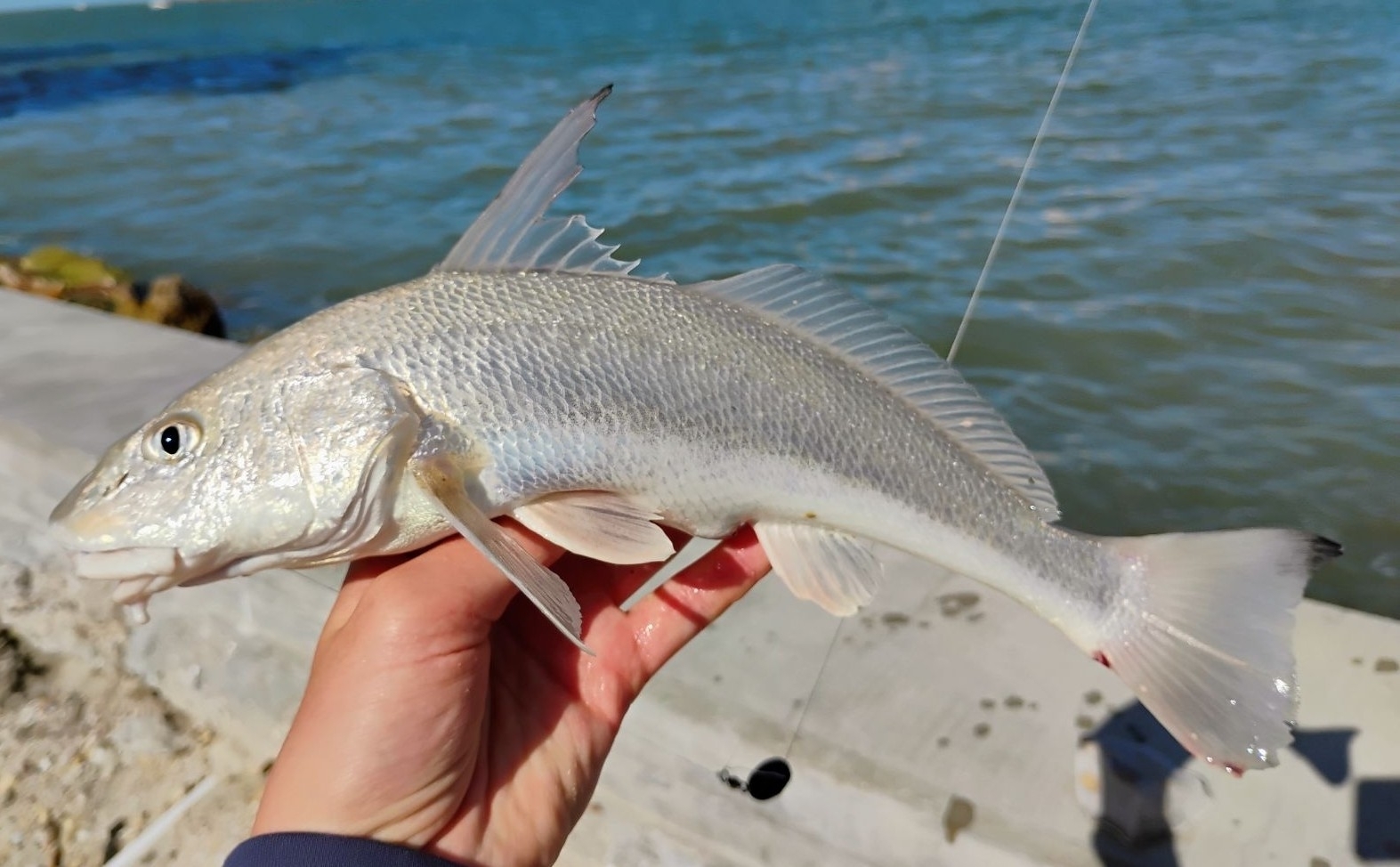
Gulf kingfish is a deep-bodied, silver sciaenid of Gulf and Florida west-coast beaches, recognised by a short blunt snout and a small inferior mouth. Juveniles are abundant in the surf zone, adults work sandy and muddy bottom from about 10 m, and the species feeds mainly on worms and crustaceans.
Gulf weakfish
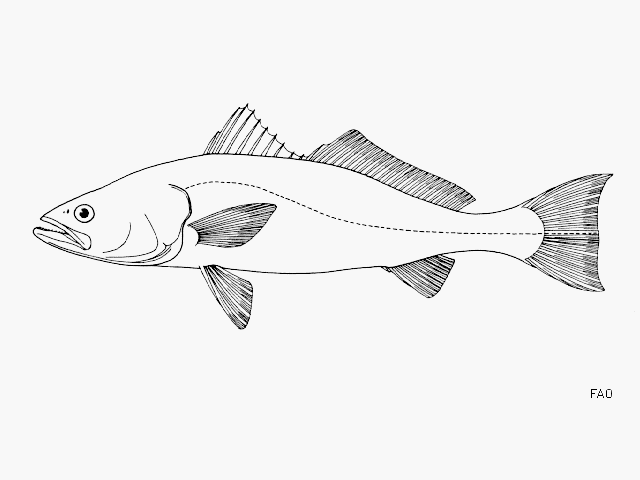
Gulf weakfish is a sciaenid endemic to the Gulf of California, where it is also called corvina. It lives in subtropical water, reaches 70 cm TL and 2.4 kg, and is listed as Vulnerable. The name splits between Gulf corvina and Gulf weakfish.
Haddock
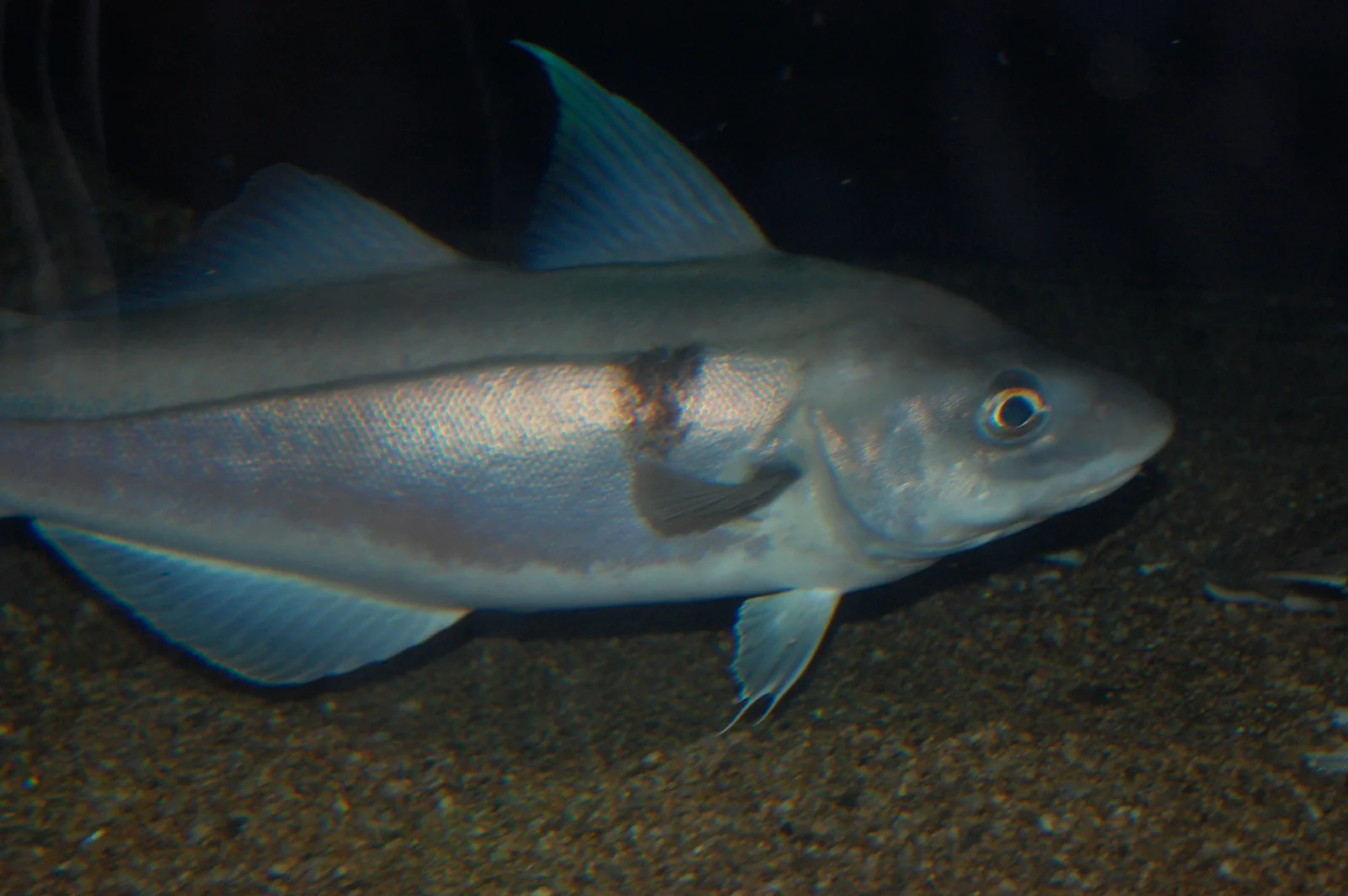
Haddock is a gadid of the North Atlantic and adjacent Arctic. It lives from 10 to 450 m in temperate water, reaches 112 cm and 16.8 kg, feeds on crustaceans, fish, worms and echinoderms, and can live 20 years. Boat bottom fishing is the usual approach, with the season running January to July.
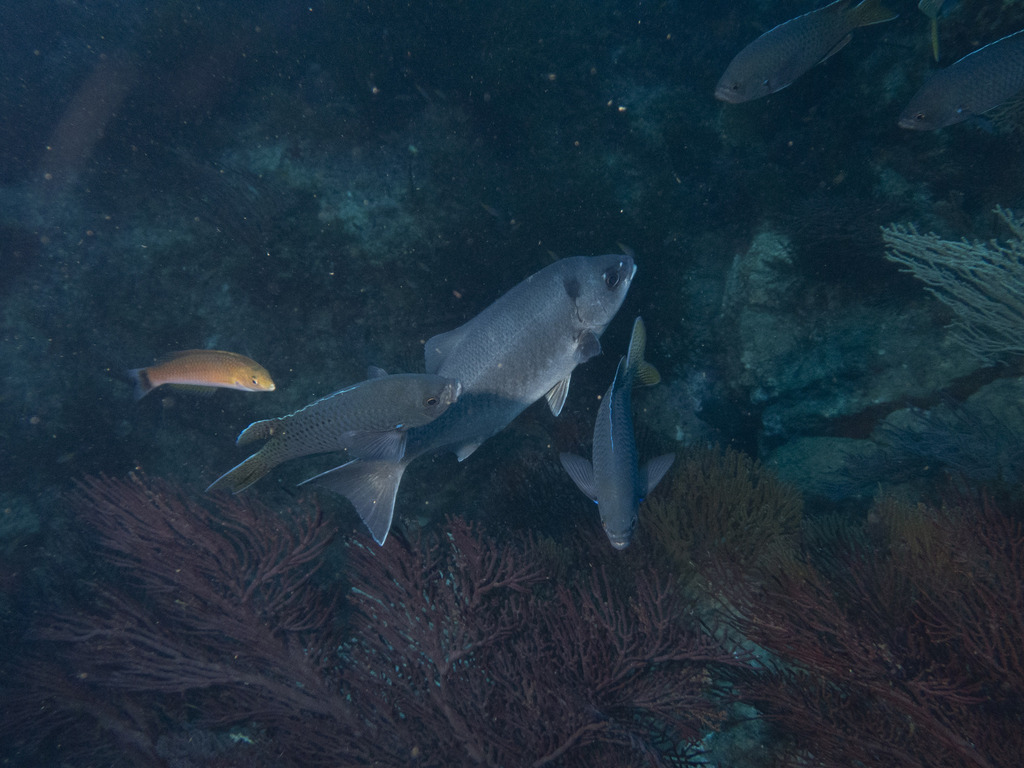
Halfmoon
The halfmoon is the fish most often mistaken for an opaleye: same deep body, same habit of grazing rock, but blue-grey instead of near-black, with a clear yellow tail. It leans harder on kelp and offshore reef than the opaleye does, and Southern California catches come mostly from reef edges in warm years. Snout shape, eye height and the yellow tail separate the two; body depth alone does not.
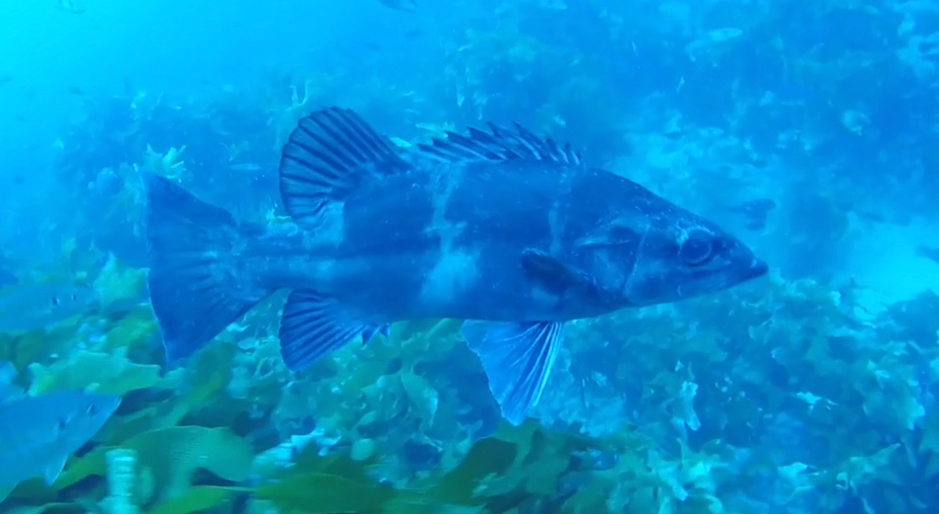
Hapuku
Hapuku is Polyprion oxygeneios, a southern-hemisphere wreckfish that reaches 160 cm and 100 kg and can live 60 years. It is recorded from 50 to 854 m. It is not the Atlantic wreckfish, Polyprion americanus, which also appears under the alias hapuka and is known elsewhere as bass groper. Keeping the two apart is the first job here. June to September is the season.
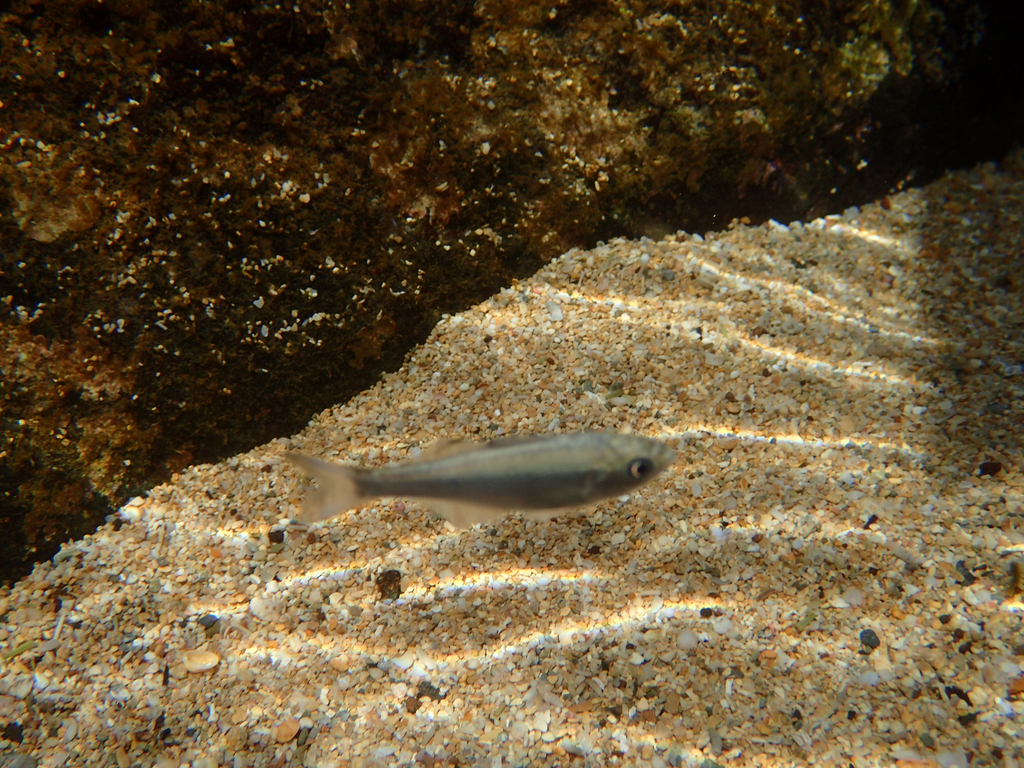
Hawaiian flagtail
The fin formula is ten dorsal spines with eleven or twelve soft rays, and three anal spines with eleven or twelve soft rays. The body is silvery, with a coarse silver-and-black network over the upper head, and the rear edge of the tail is blackish, a mark that shows clearly when the fish turns.

Hawaiian grouper
Start with the counts: eleven dorsal spines, fourteen to fifteen soft rays, three anal spines and nine soft rays. Juveniles wear eight vertical rows of white spots over a grey-brown to dark brown body. Adults keep the dark ground colour, but the rows break up under a scatter of pale spots and blotches of mixed size, and the fins remain largely unspotted.
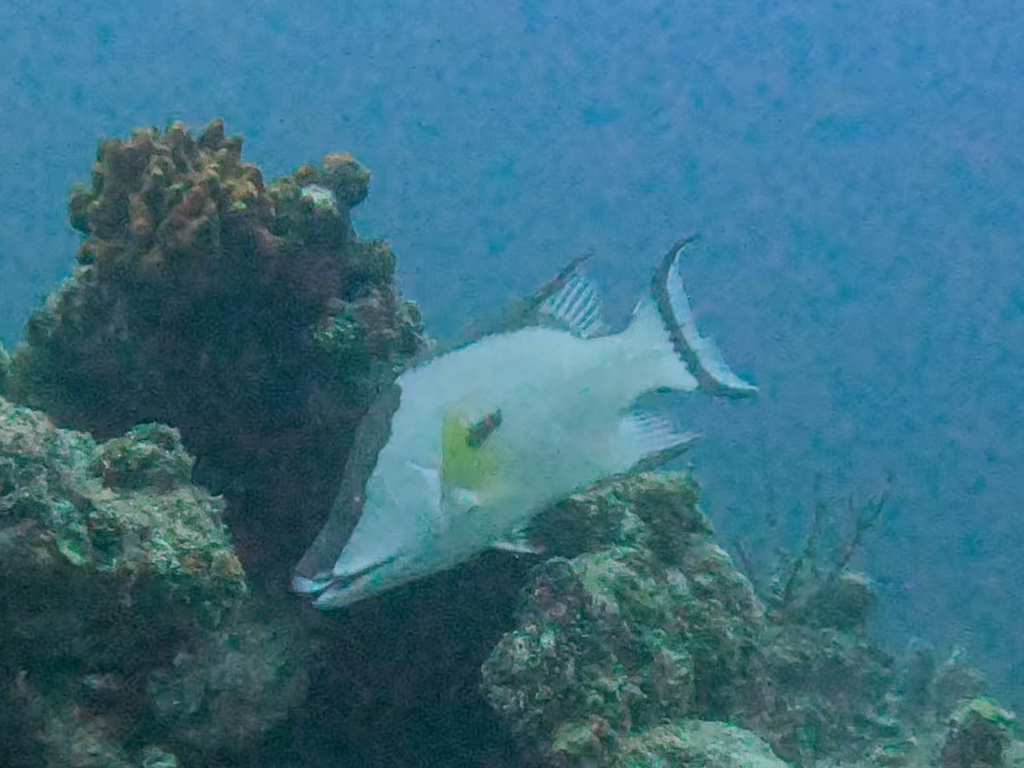
Hogfish
Hogfish is a Labridae wrasse of shallow Florida and Caribbean reef, recognised by an elongated pig-like snout and two long free dorsal spines. It roots for mollusks, crabs and urchins over sand and rubble beside structure, changes from female to male with size, and is taken mainly by spearfishing and light bottom fishing.
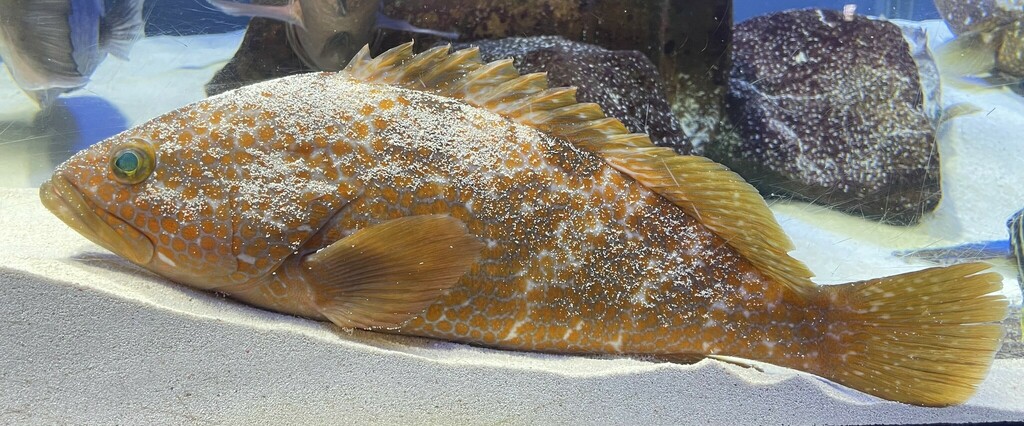
Hong Kong grouper
Hong Kong grouper is a reef grouper of the northwest Pacific, from southern China, Taiwan, the East China Sea and Korea to southern Japan. It lives from 1 to 55 m in tropical water, reaches 58 cm and 2.5 kg, and feeds on fish. Boat bottom fishing or rock fishing is the usual approach, with the season running April to June.
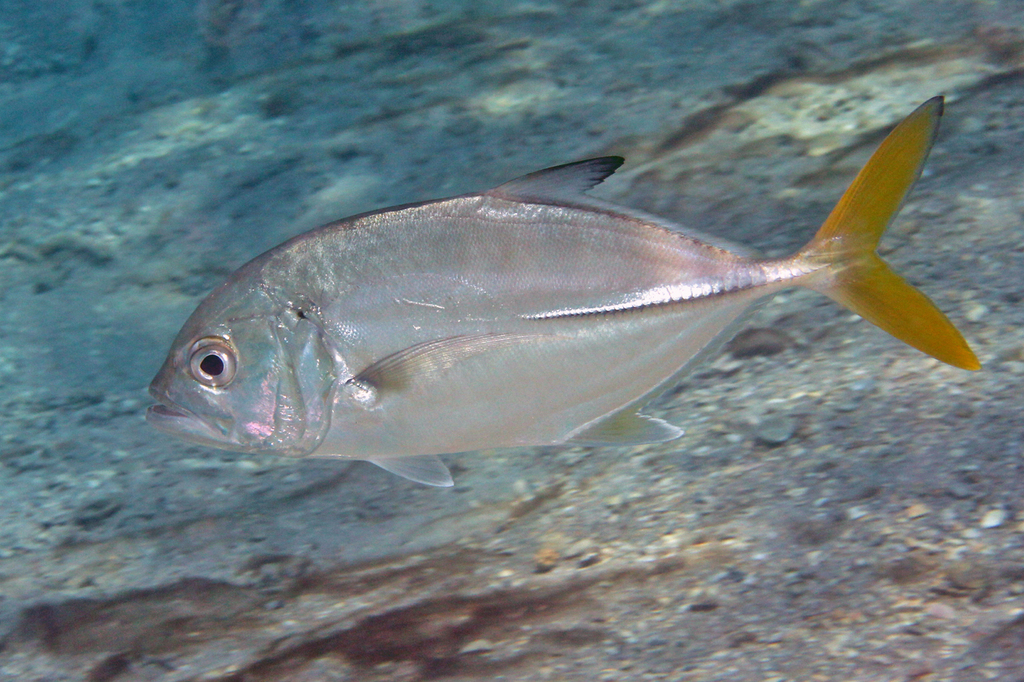
Horse-eye jack
Horse-eye jack is a carangid of the western Atlantic, from New Jersey and Bermuda through the Gulf of Mexico to São Paulo. It ranges from the surface to 140 m, reaches 101 cm and 13.4 kg, and feeds on fish. Its season runs February to August.
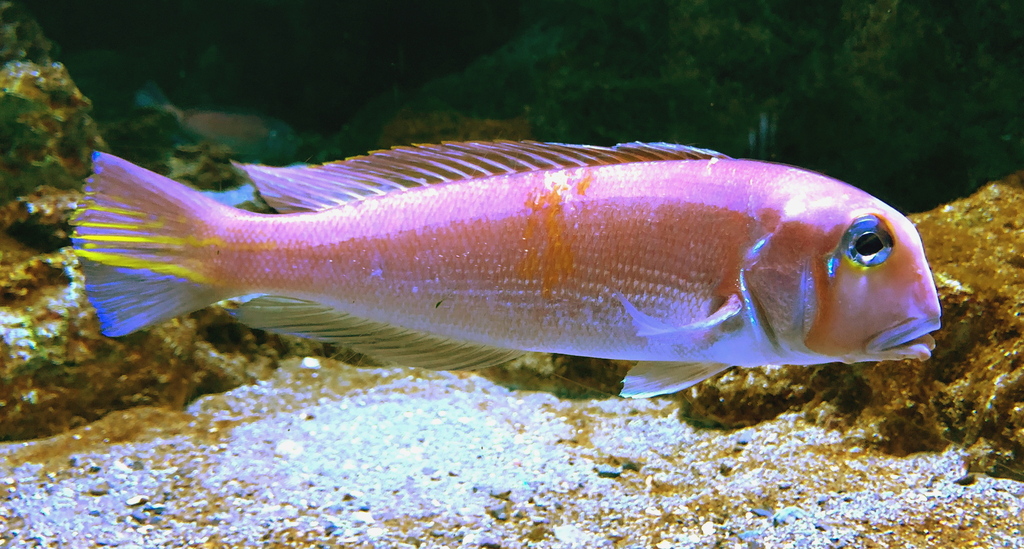
Horsehead tilefish
Horsehead tilefish is recorded across the Western Pacific, from Central Honshu to the South China Sea, within the family Latilidae. It is caught from 30 to 200 m, in tropical water. Fish reach 46 cm TL and 1.3 kg.

Hottentot
FishBase gives *Pachymetopon blochii* 46 cm TL maximum, 25 cm TL common, 1.7 kg heaviest published and first maturity at 22.0 cm. The range is the southeast Atlantic, Angola to the west coast of South Africa, and the species is recorded as non-migratory. South Africa allows ten a day at 22 cm TL. iNaturalist holds 776 observations, more than any other sparid in this group, and that number says more about access than about abundance.
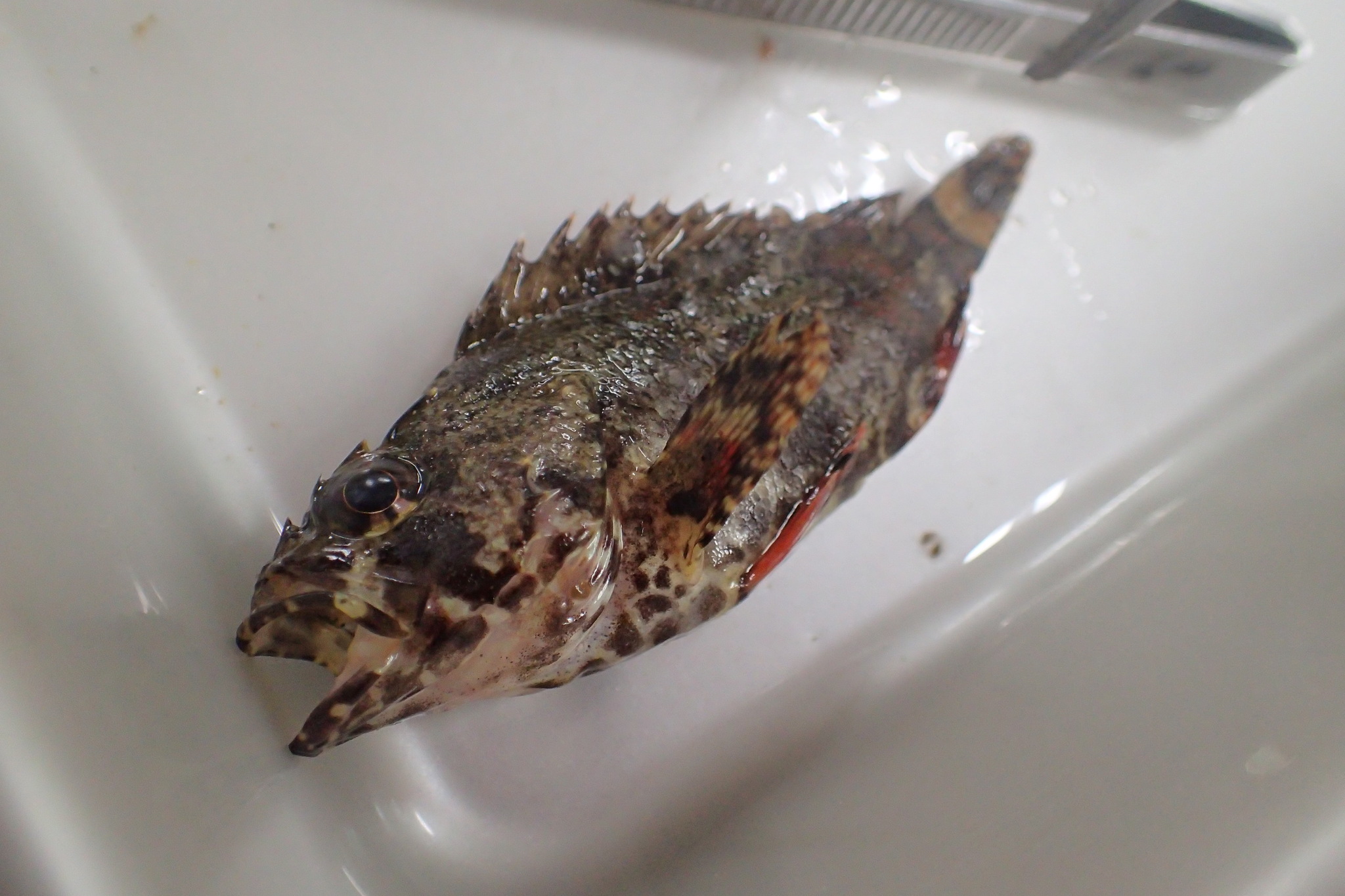
Hubbs' rockfish
Hubbs' rockfish is a 15.6 cm northwest Pacific rockfish with no directed fishery and very little published biology. It lives on the bottom off Japan and South Korea, and the practical answer is to fish small baits or lures tight to the recorded ground. What the record does not say — diet, season, local abundance — is exactly what makes this a low-information target.
Humpback grouper
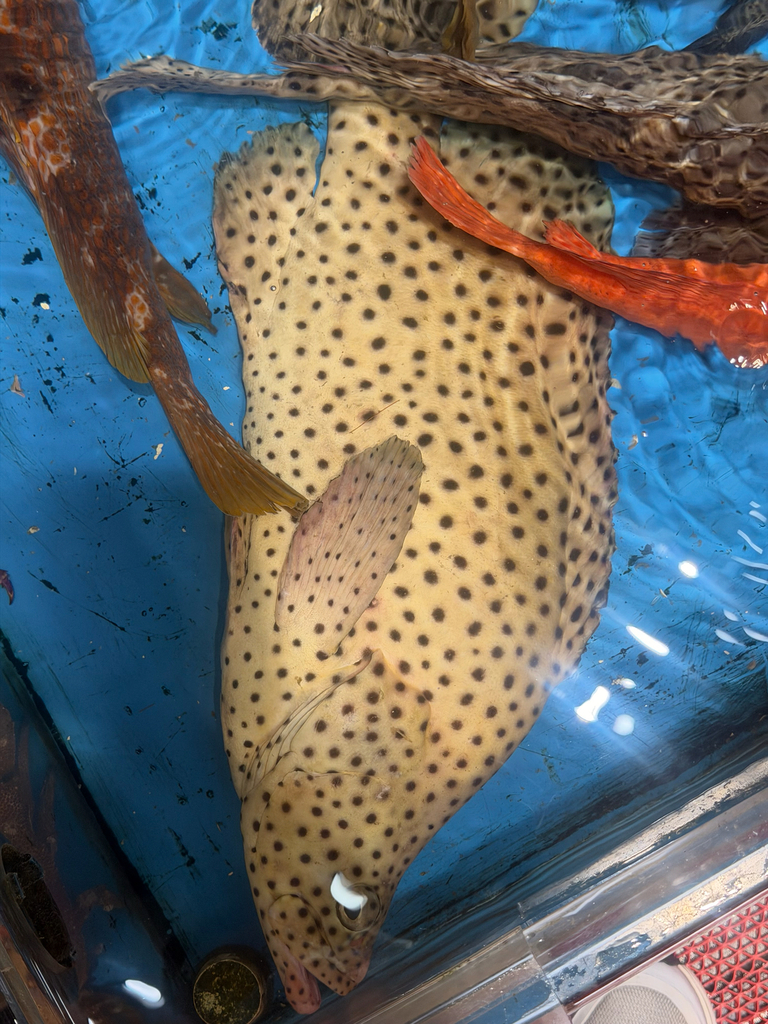
The humpback grouper is a warm-water grouper of the western Pacific, from southern Japan to Palau, Guam, New Caledonia and southern Queensland, Australia; in the eastern Indian Ocean it runs from the Nicobar Islands to Broome, Western Australia. Most western Indian Ocean reports are unsubstantiated, with one Kenyan record considered valid; Hawaiian records are probably released aquarium fish.
Humpback red snapper
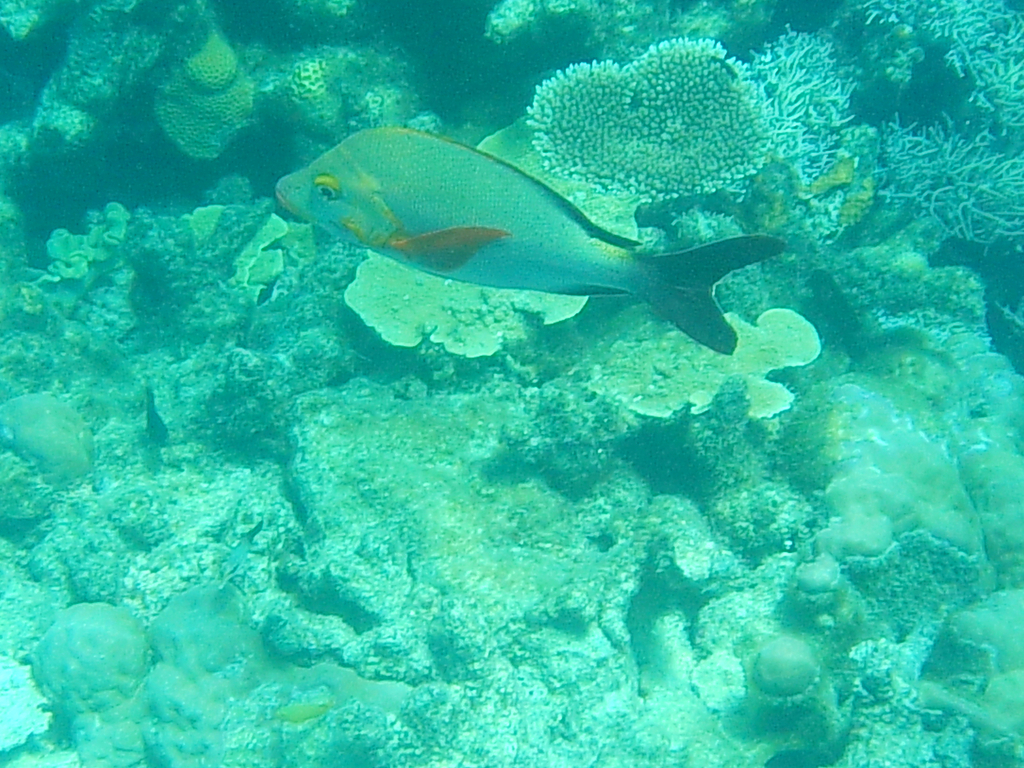
Two things decide where a humpback red snapper is worth fishing: a tail that is deeply forked with rounded lobes, and a body that sits on a slope rather than a flat. It is why a hooked fish turns downward and tries to reach the reef, and it is why a leader that survives the first ten seconds usually survives the fight.
Indian threadfish
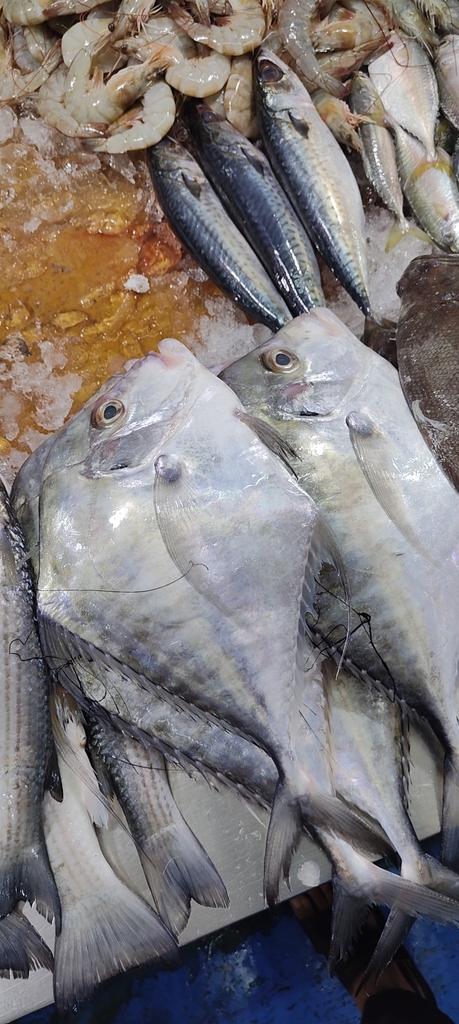
Indian threadfish is a large carangid of the Indo-Pacific, from the Red Sea and East Africa to French Polynesia, north to southern Japan and south to the Arafura Sea and Australia. It works 20 to 100 m in tropical water, reaches 165 cm TL and 25 kg, and is taken on lures and by trolling. Its genus has been recombined: FishBase now lists it as Scyris indica while the older name Alectis indica still circulates.

Indo-Pacific king mackerel
Indo-Pacific king mackerel is a tropical scombrid of the Indo-West Pacific, from the Persian Gulf, India and Sri Lanka through Southeast Asia to Hong Kong and Wakasa Bay. It lives from 15 to 200 m, reaches 81.5 cm FL and 4 kg, and feeds on crustaceans and fish. Trolling or boat fishing is the usual approach, with the season running January to August.
Indo-Pacific sailfish
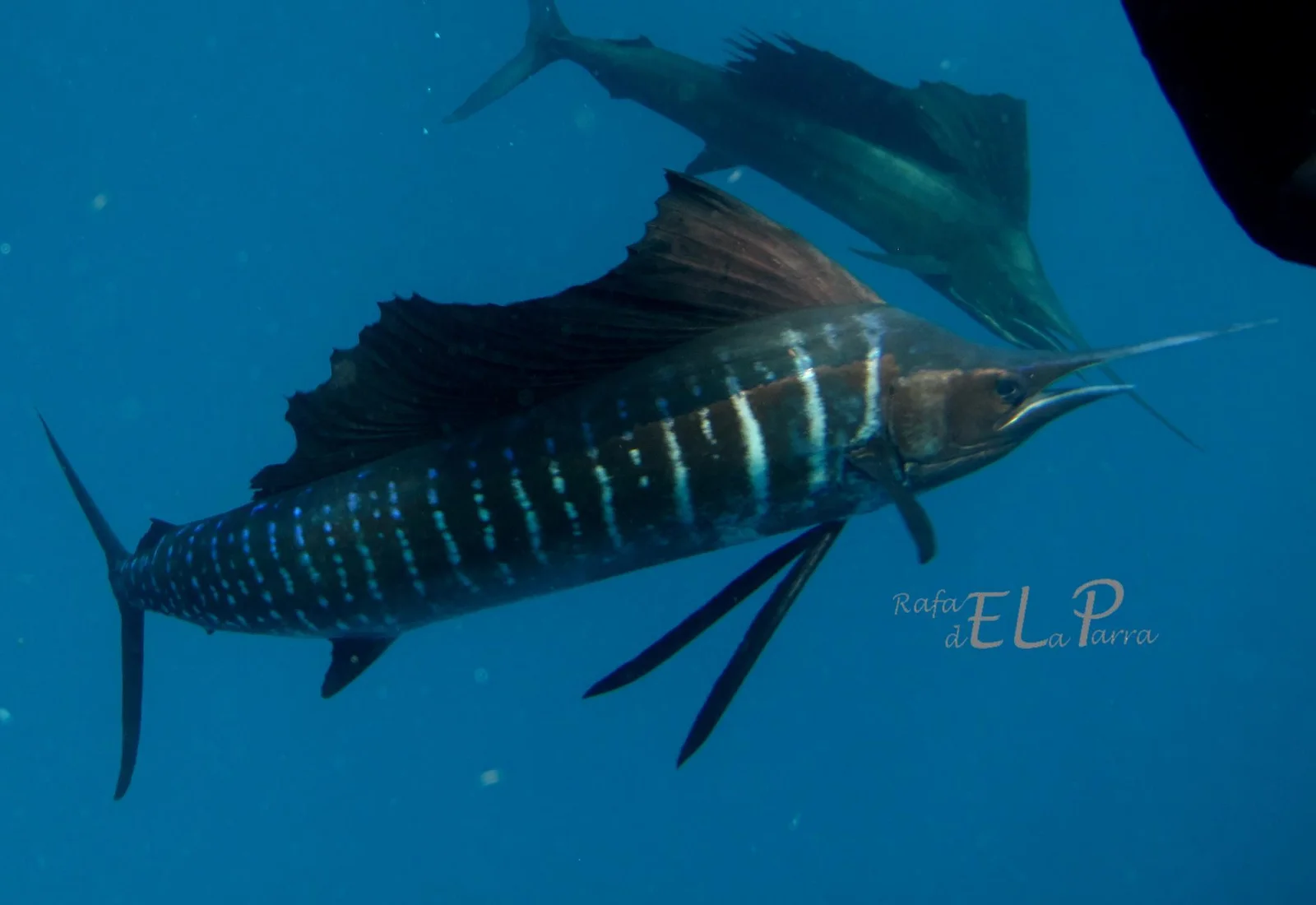
Indo-Pacific sailfish is a billfish of tropical and temperate Indo-Pacific waters, reaching about 45 to 50°N and 35 to 40°S in the western Pacific and 35°N to 35°S in the eastern Pacific. It lives from the surface to 200 m, reaches 348 cm FL and 100.2 kg, can live 13 years, and feeds on crustaceans, fish and molluscs. It is present year-round.
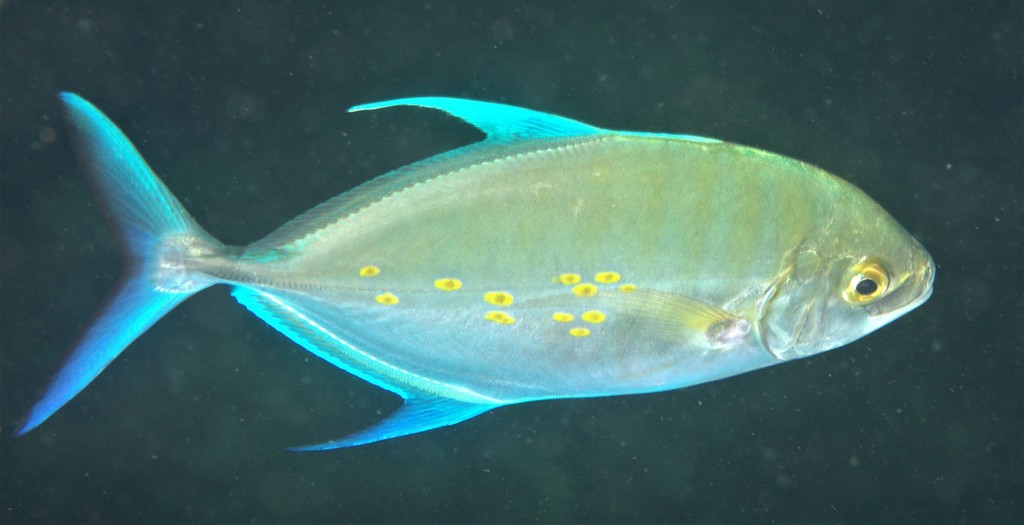
Island trevally
Island trevally is a carangid of the Indo-Pacific, from the western Indian Ocean to the Austral Islands, north to southern Japan and Hawaii and south to Sydney. It lives from the surface to 168 m in tropical water, reaches 75 cm TL and 6.6 kg, and feeds on crustaceans.
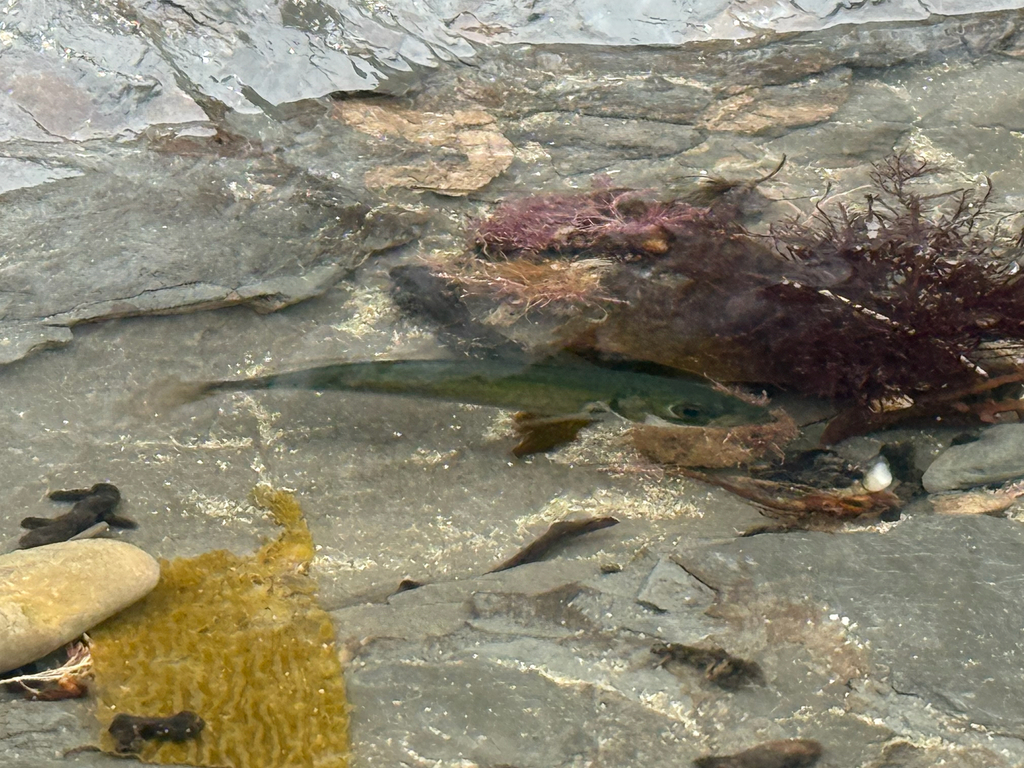
Jack mackerel
Jack mackerel is another no-bag-limit species in California, which makes it look free to take in any number. FishBase records a lifespan of up to 30 years and maturity at about 31 cm, so a small carangid that ends up in bait buckets by the dozen is not as expendable as its legal status suggests. It is also the fish most often mistaken for a small yellowtail, and the scutes along the lateral line separate them.
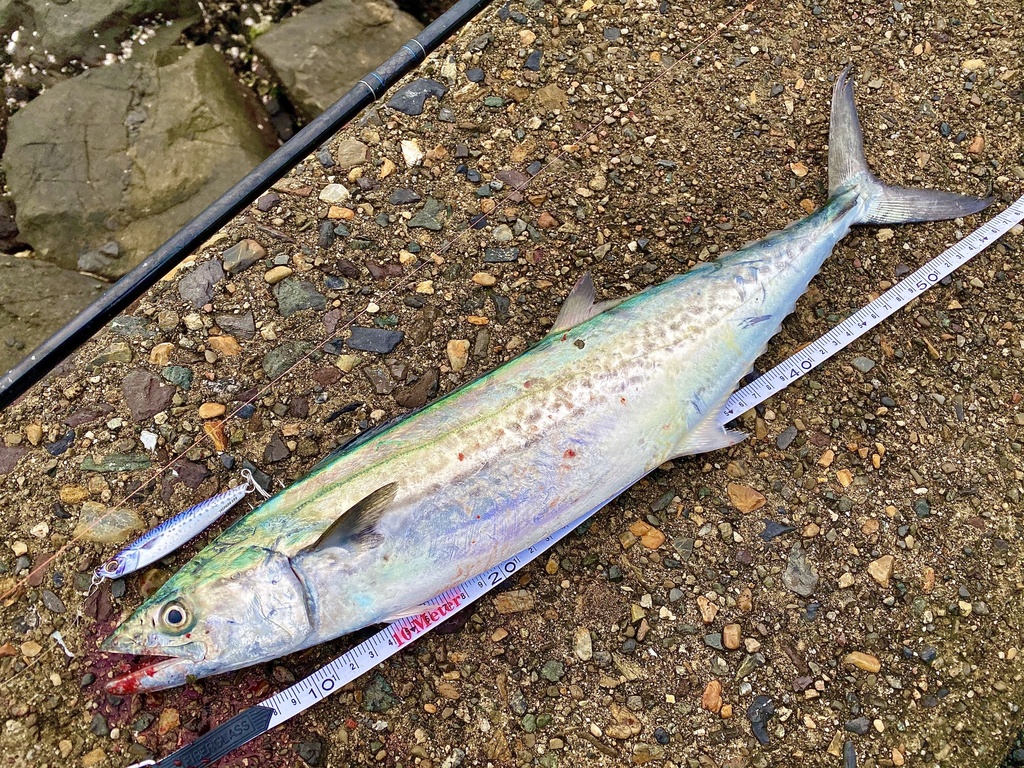
Japanese Spanish mackerel
Japanese Spanish mackerel, a member of the family Scombridae, is found across the Northwest Pacific, from confined to the subtropical and temperate waters of China, the Yellow Sea and Sea of Japan north to Vladivostok, former USSR. Its depth range is from 0 to 200 m, in temperate seas. It grows to 113 cm TL and 8 kg, with a diet of fishes. Anglers target it by trolling, shore casting or jigging.
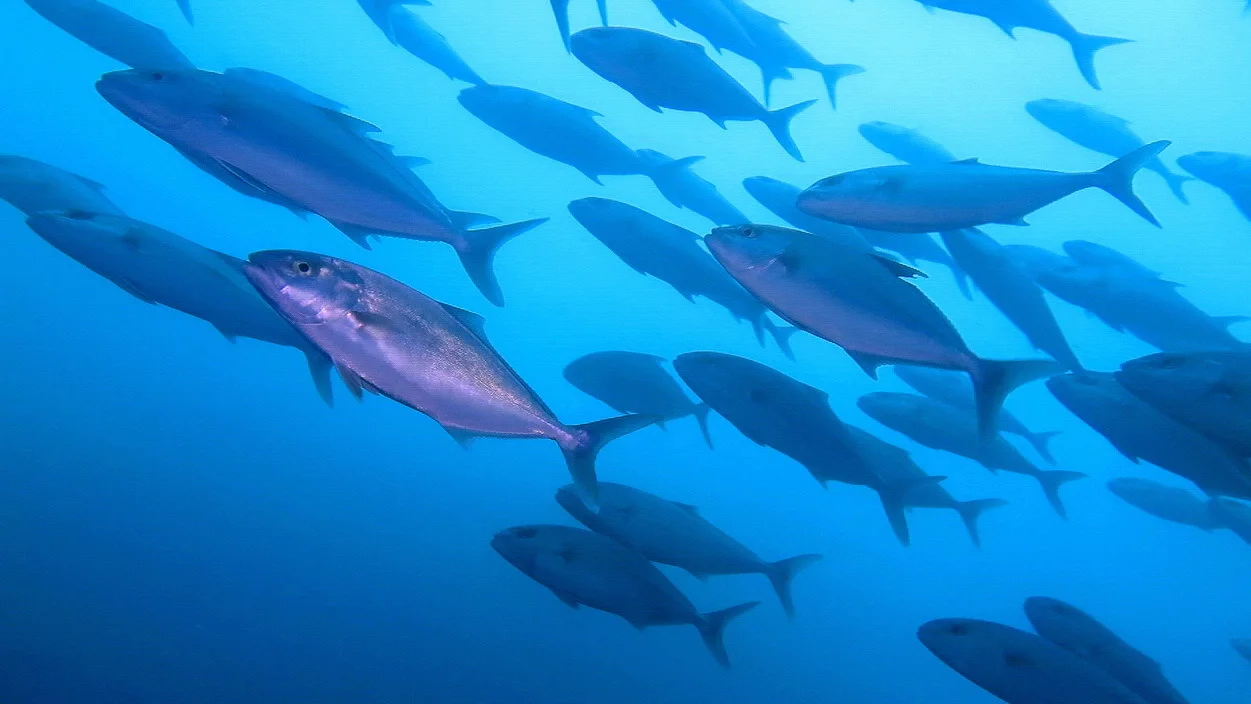
Japanese amberjack
Japanese amberjack is a member of the family Carangidae and ranges across the Northwest Pacific, from Japan and the eastern Korean Peninsula to the Hawaiian Islands. It lives shallower than 100 m in subtropical water. Fish reach 150 cm TL and 40 kg, feeding on zooplankton and algae. The usual approach is jigging, trolling or live bait.

Japanese barracuda
Japanese barracuda is a small barracuda of the western Pacific, recorded from southern Japan and the South China Sea. It lives in temperate water, feeds on fish and reaches 35 cm SL. No depth band is recorded for it, and IUCN lists it as Not Evaluated.
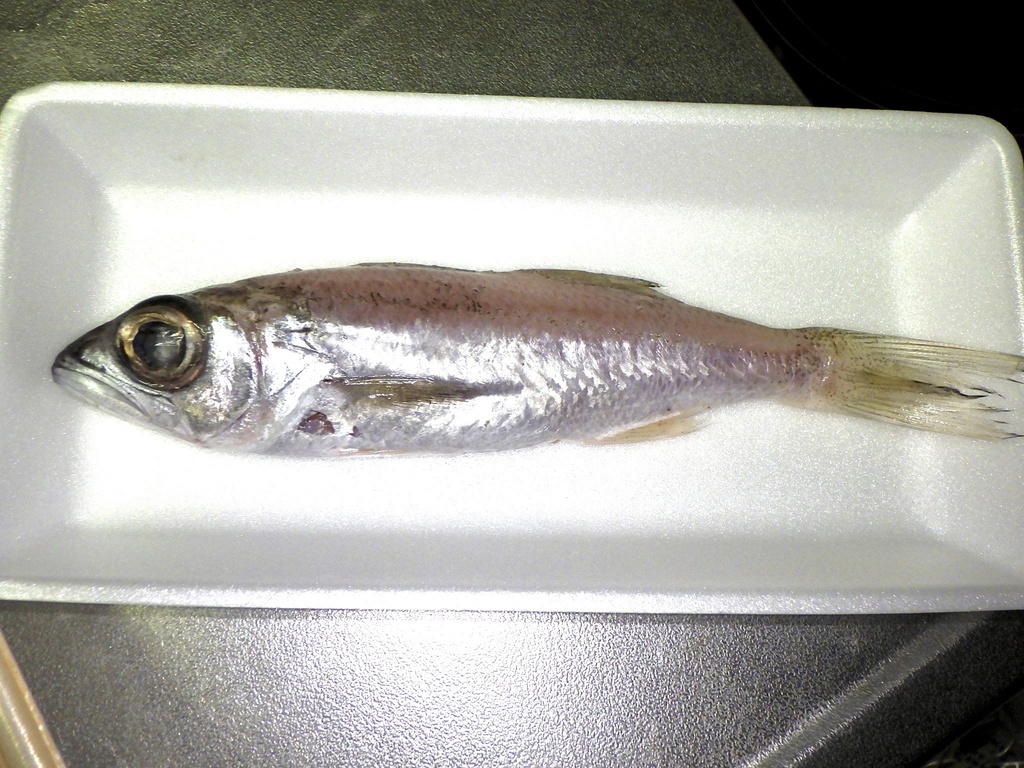
Japanese bluefish
A deep-water fish of the Kanto coast, sold separately from the closely related mutsu and at a higher price. Adults live at 200 to 500 m while juveniles are found further north, and the ovaries that swell in late winter are a Kanto speciality. No spawning season is recorded for the species.
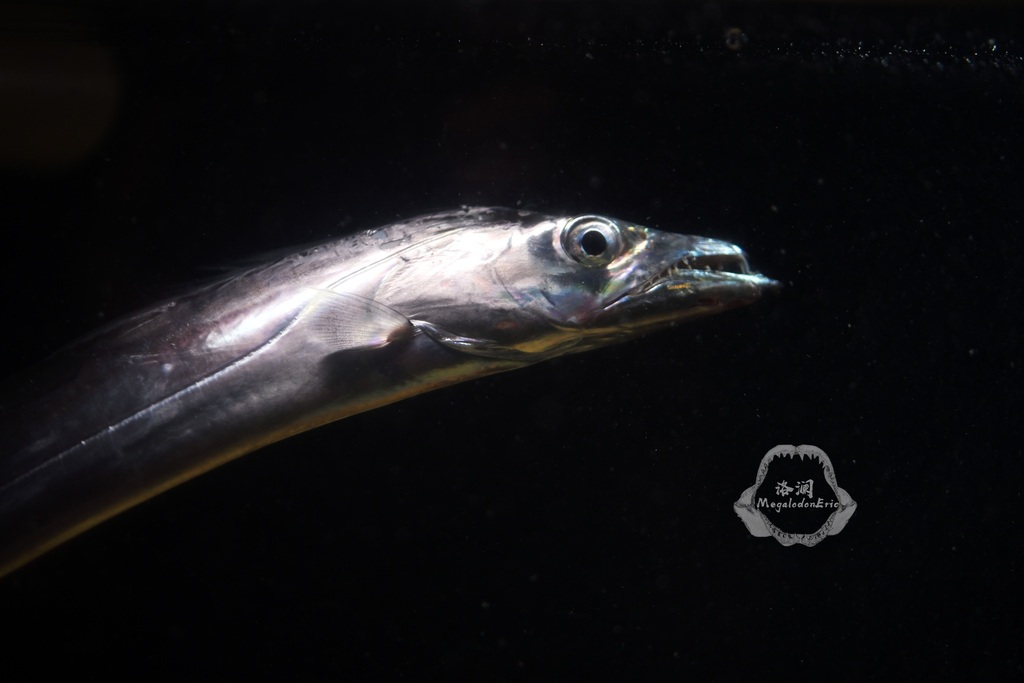
Japanese cutlassfish
Japanese cutlassfish is the northwest Pacific member of the cutlassfish genus, recorded from Japan, China and Taiwan, which is the whole of its range. It lives in subtropical water and reaches 213 cm TL, and fish are recorded to 15 years old. IUCN lists it as Not Evaluated, and no depth band is recorded for it.
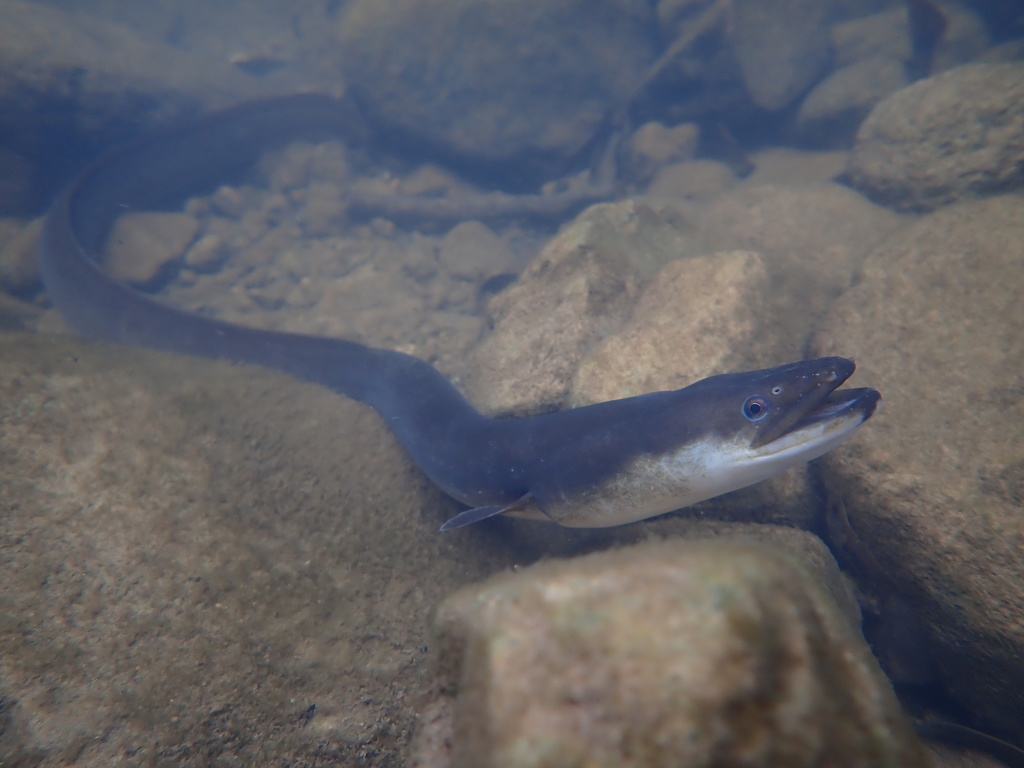
Japanese eel
Japanese eel is a long, snakelike fish of East Asian coasts, from Japan and Korea through the East China Sea to Taiwan, China and the northern Philippines. It reaches 150 cm, feeds on crustaceans and fish, and prefers water of 4 to 27 °C. Night fishing and bottom fishing are the usual approach.
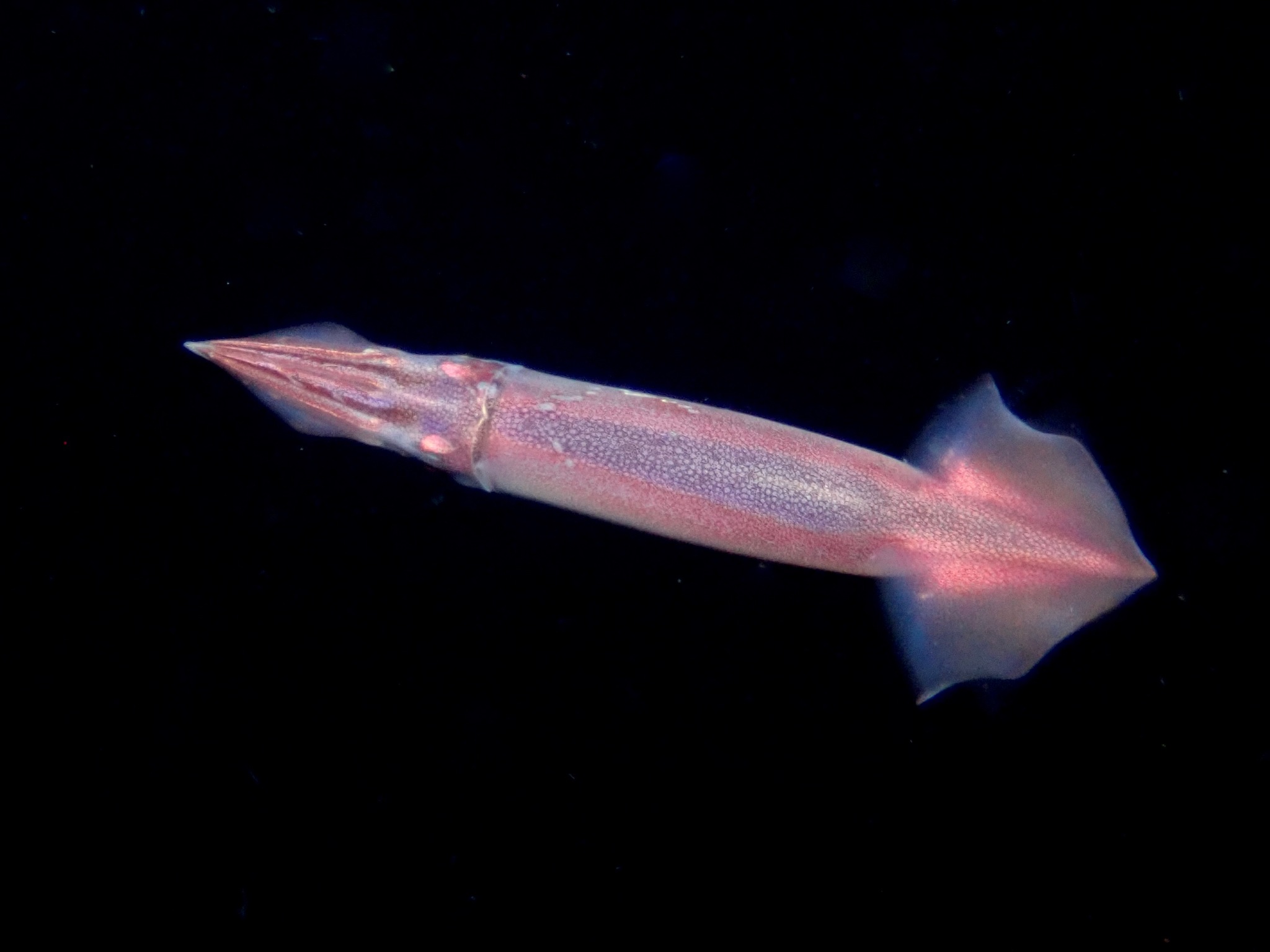
Japanese flying squid
Japanese flying squid is found across the North Pacific, from northern Vietnam, north to Russia and east to Canada. Fish reach 50 cm ML and 0.5 kg, feeding on crustaceans. The standard approach is boat fishing, jigging or handline. It prefers water of 5 to 27 °C.
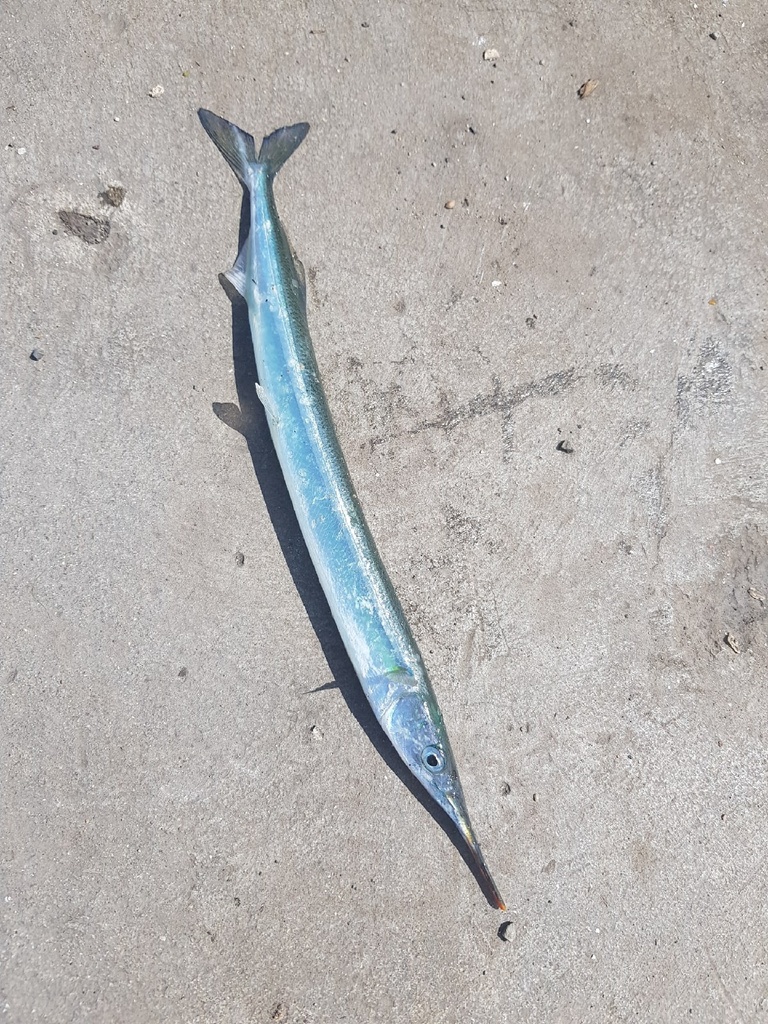
Japanese halfbeak
Across the Northwest Pacific, from Yellow Sea, Pohai Sea, Japan Sea, and the Pacific coast of Japan, extending north to Sakhalin and to Preobrazheniye Bight and Vladivostok in the Gulf of Peter the Great, Japanese halfbeak represents the family Hemiramphidae. This is a temperate-water fish, recorded deeper than 30 m. Adults run to 40 cm TL and prey on zooplankton.

Japanese jack mackerel
Japanese jack mackerel, a member of the family Carangidae, is found across the Northwest Pacific, from southern Japan, Korean Peninsula to the East China Sea. Its depth range is from 0 to 275 m, in tropical seas. It grows to 50 cm TL and 0.66 kg, with a diet of algae. Anglers target it by boat fishing or shore casting.
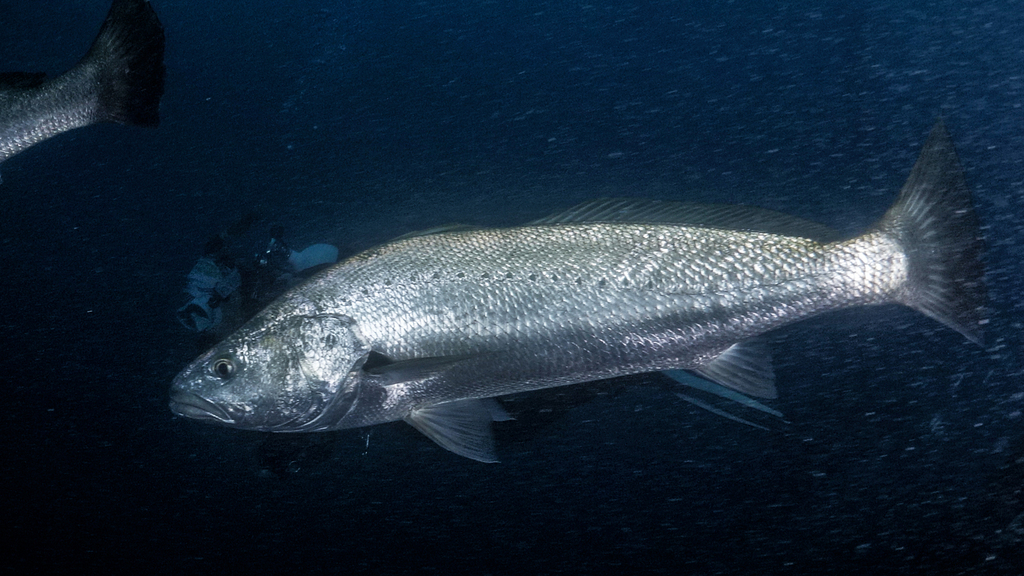
Japanese meagre
One line of the record carries three economic identities: commercial fishery, commercial aquaculture, and gamefish: yes. A few lines below, the same page places the species in Endangered, assessed in September 2018. Those statements do not cancel each other; they are different economies looking at one fish.
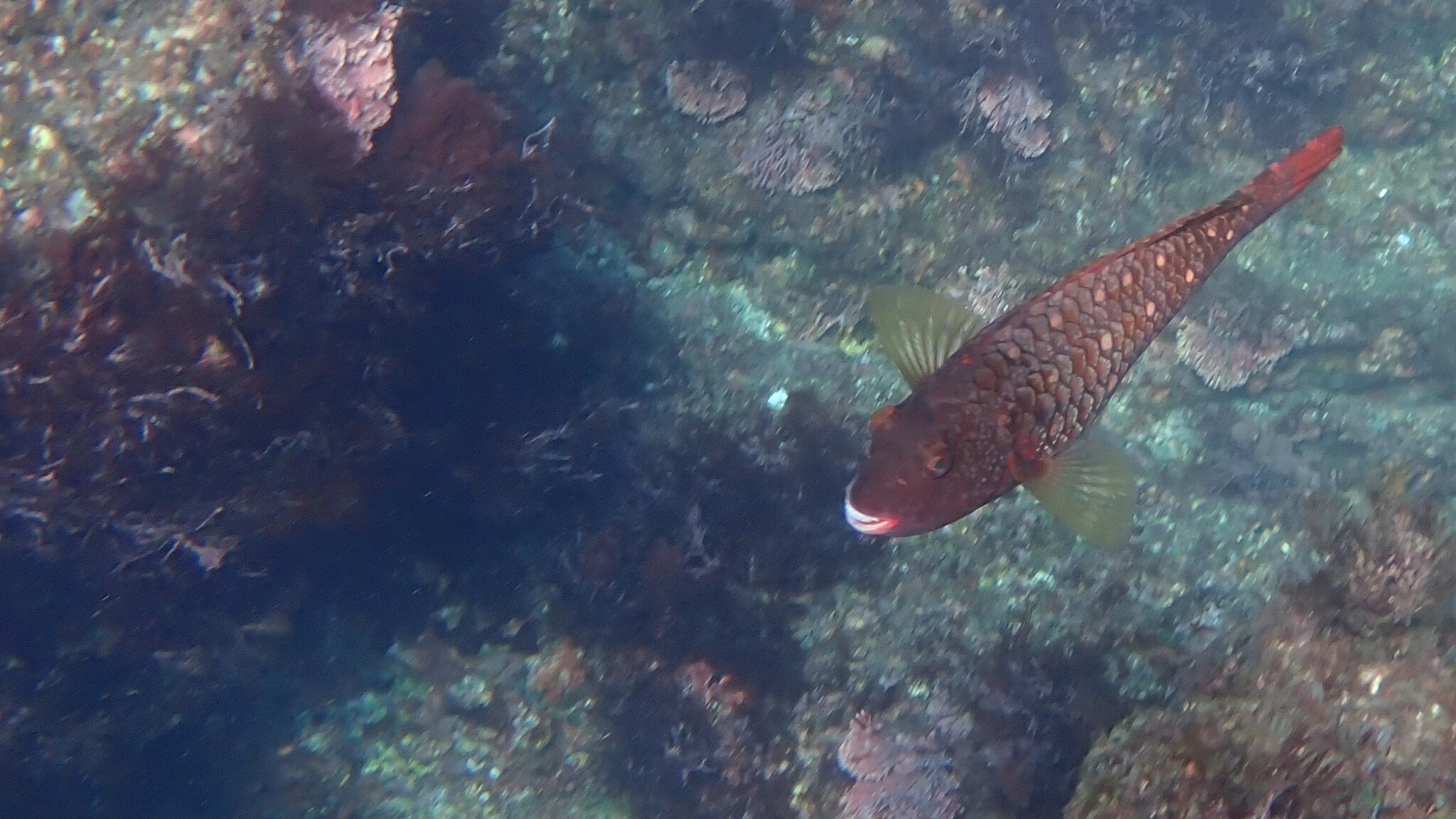
Japanese parrotfish
Japanese parrotfish is a reef-associated scarine of the Northwest Pacific, from southern Japan (at least to Tokyo) to the adjacent Asian mainland, with records from Taiwan region, Korea, the Ogasawara Islands and the Philippines. It lives on rocky coastal ground with seaweeds and is caught by rock anglers and light-lure fishermen. FishBase gives a maximum of 39 cm total length.
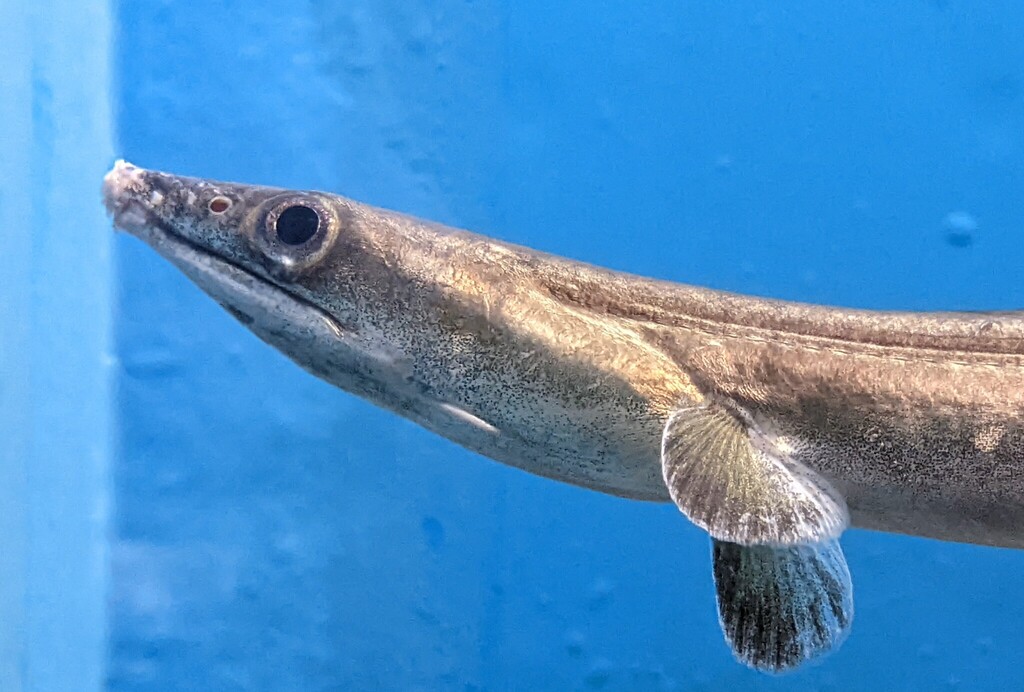
Japanese pike eel
Japanese pike eel is recorded across the Indo-West Pacific, from Red Sea, Persian Gulf, west coast of India, and Sri Lanka to Fiji and Tuvalu, north to Japan and Korea, south to the Arafura Sea and northern Australia, within the family Muraenesocidae. It is caught shallower than 800 m, in subtropical water. It tops out at 220 cm TL, on a diet of crustaceans and fishes. The standard approach is boat bottom fishing or night fishing.
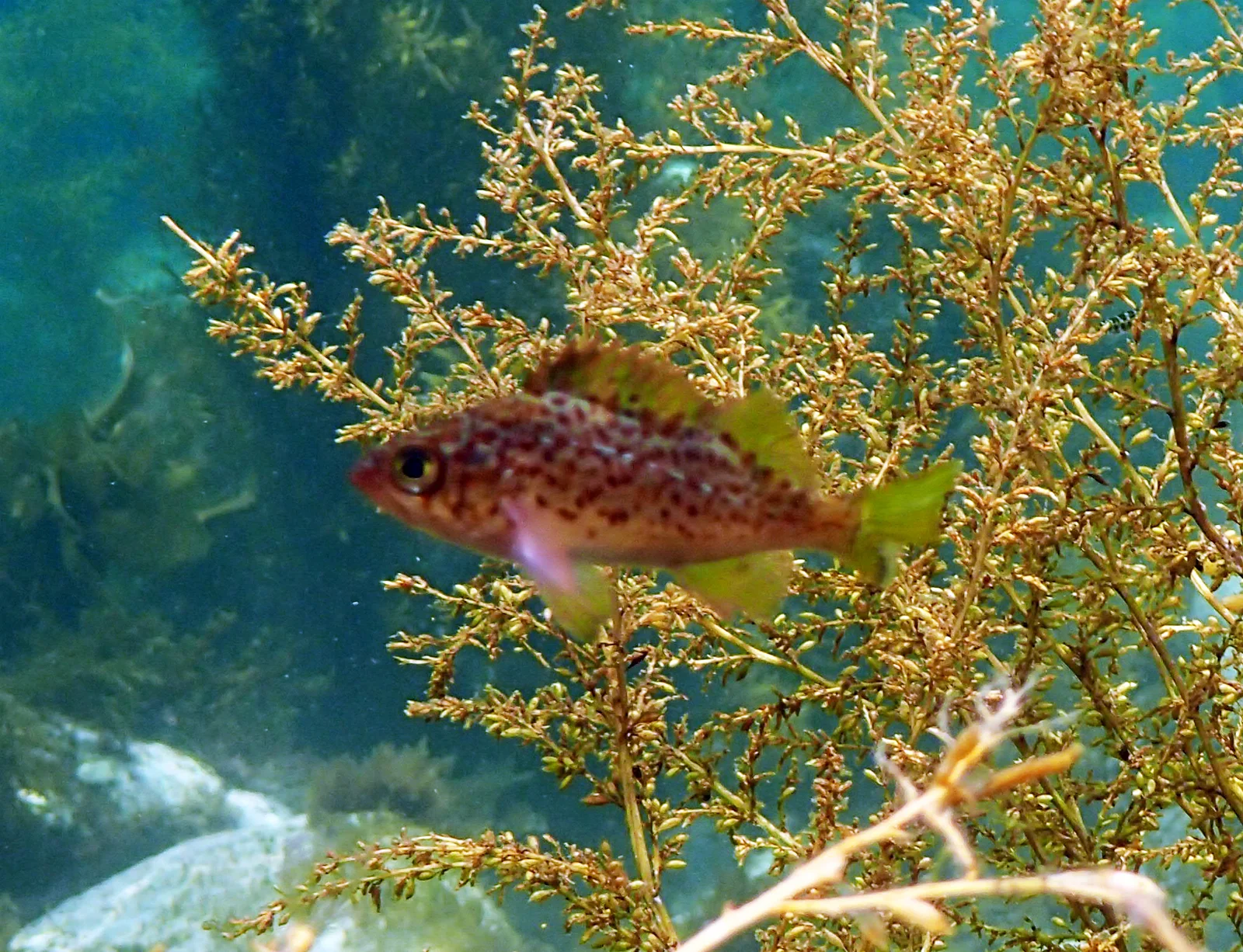
Japanese rockfish
Japanese rockfish is a small rockfish of the northwest Pacific, from southern Hokkaido to Kyushu and the southern Korean Peninsula. It lives in subtropical water, reaches 35.9 cm TL and 0.8 kg, and feeds on zooplankton and algae. Boat bottom fishing or rock fishing is the usual approach, with the season running October to January.

Japanese sandfish
Japanese sandfish is recorded across the North Pacific, from Aleutian Islands (one record) to Okhotsk and Japan seas, within the family Trichodontidae. It is caught from 0 to 550 m, in deep water. Fish reach 30 cm TL and 0.2 kg. The season runs September to December.
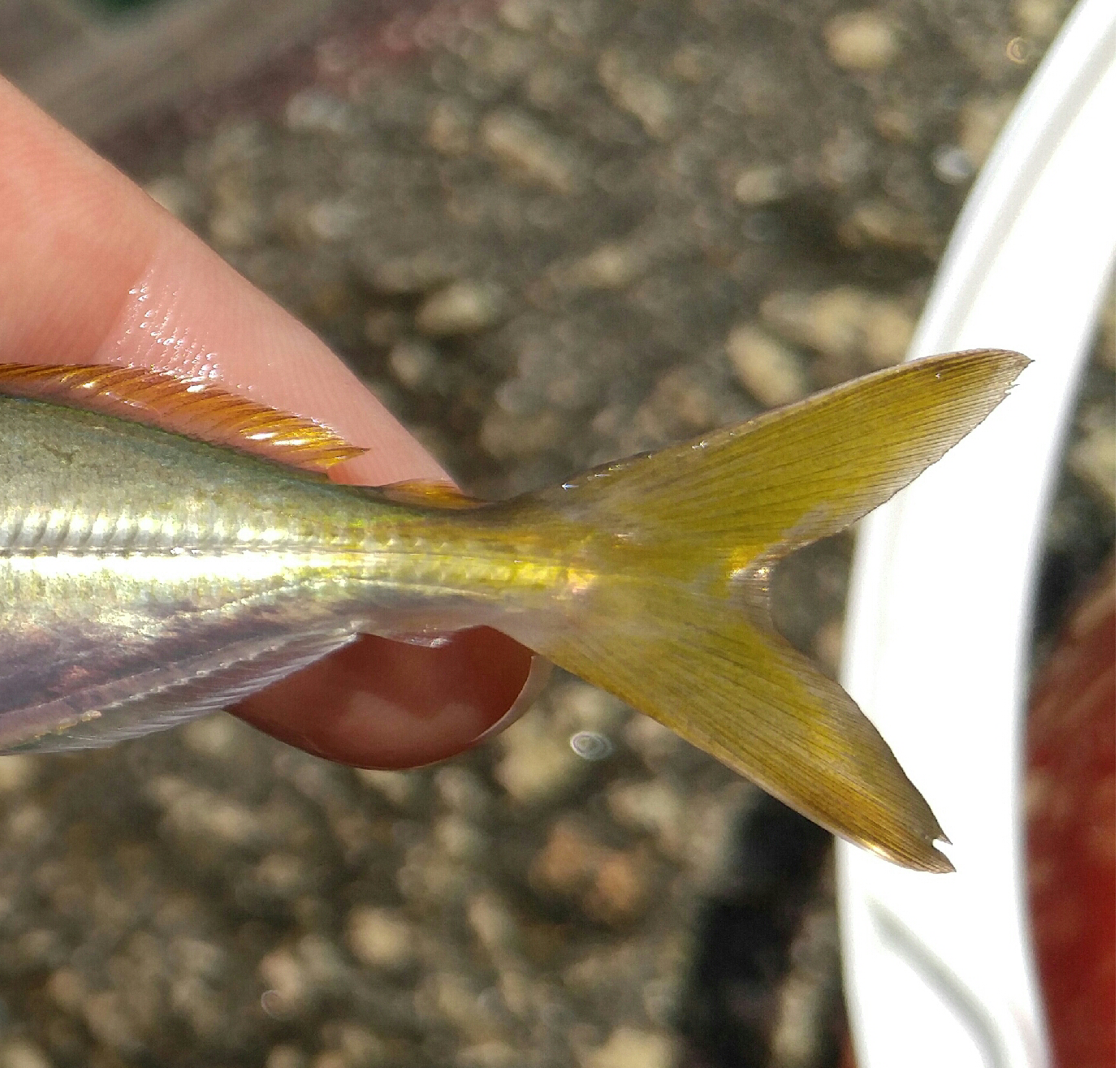
Japanese scad
Japanese scad is a member of the family Carangidae and ranges across the Indo-West Pacific, from South China Sea to the Mariana Islands. It lives in tropical water. Fish reach 30 cm FL, feeding on fishes. Anglers target it by boat fishing or shore casting.
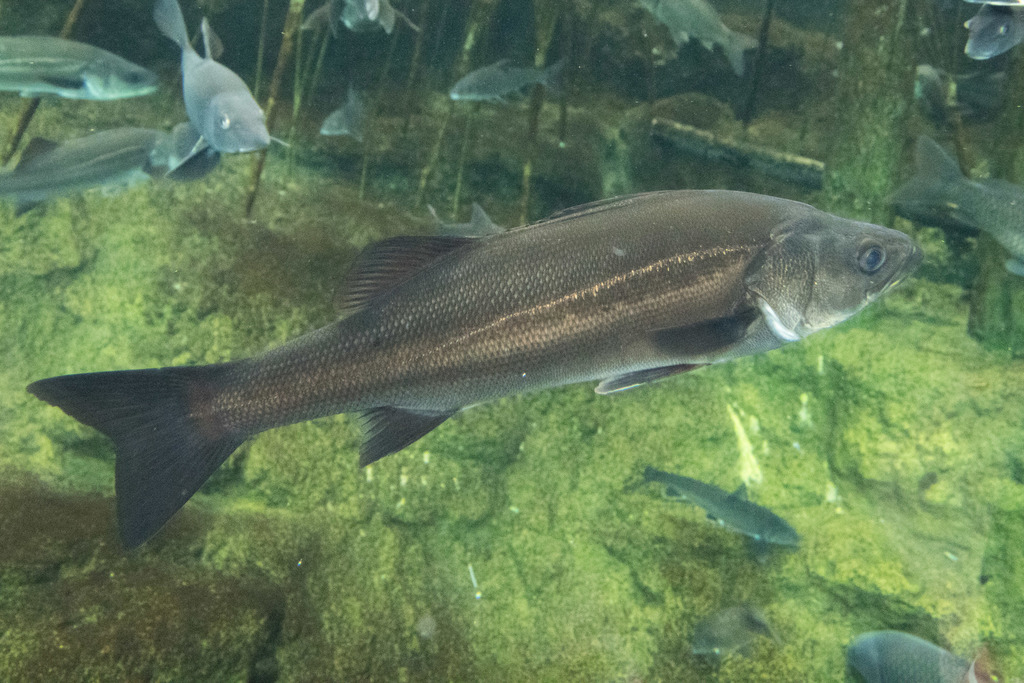
Japanese seabass
The Japanese seabass is recorded as marine, freshwater and brackish at the same time. All three labels are true, because the fish is not a single habitat but a route between them. FishBase also calls it catadromous and reef-associated, and gives a temperature-and-space envelope from 44°N to 15°N and 106°E to 143°E. The first thing is the movement; the second is a size contradiction no angler should paper over.
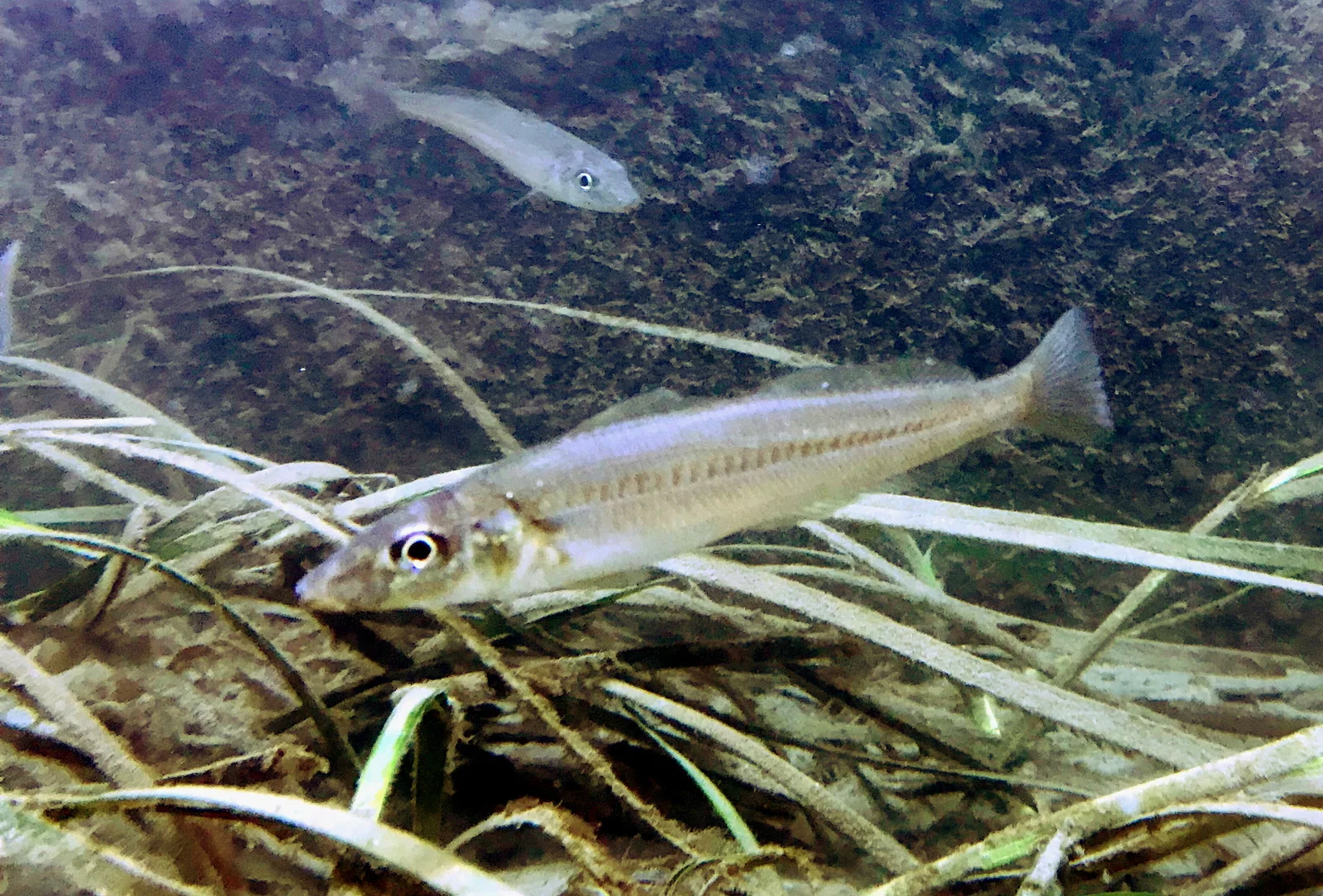
Japanese sillago
Across the Northwest Pacific, from Japan, Korea, China, and Taiwan, Japanese sillago represents the family Sillaginidae. This is a subtropical-water fish, recorded from 0 to 30 m. Fish reach 30 cm TL. The usual approach is shore casting or boat fishing.
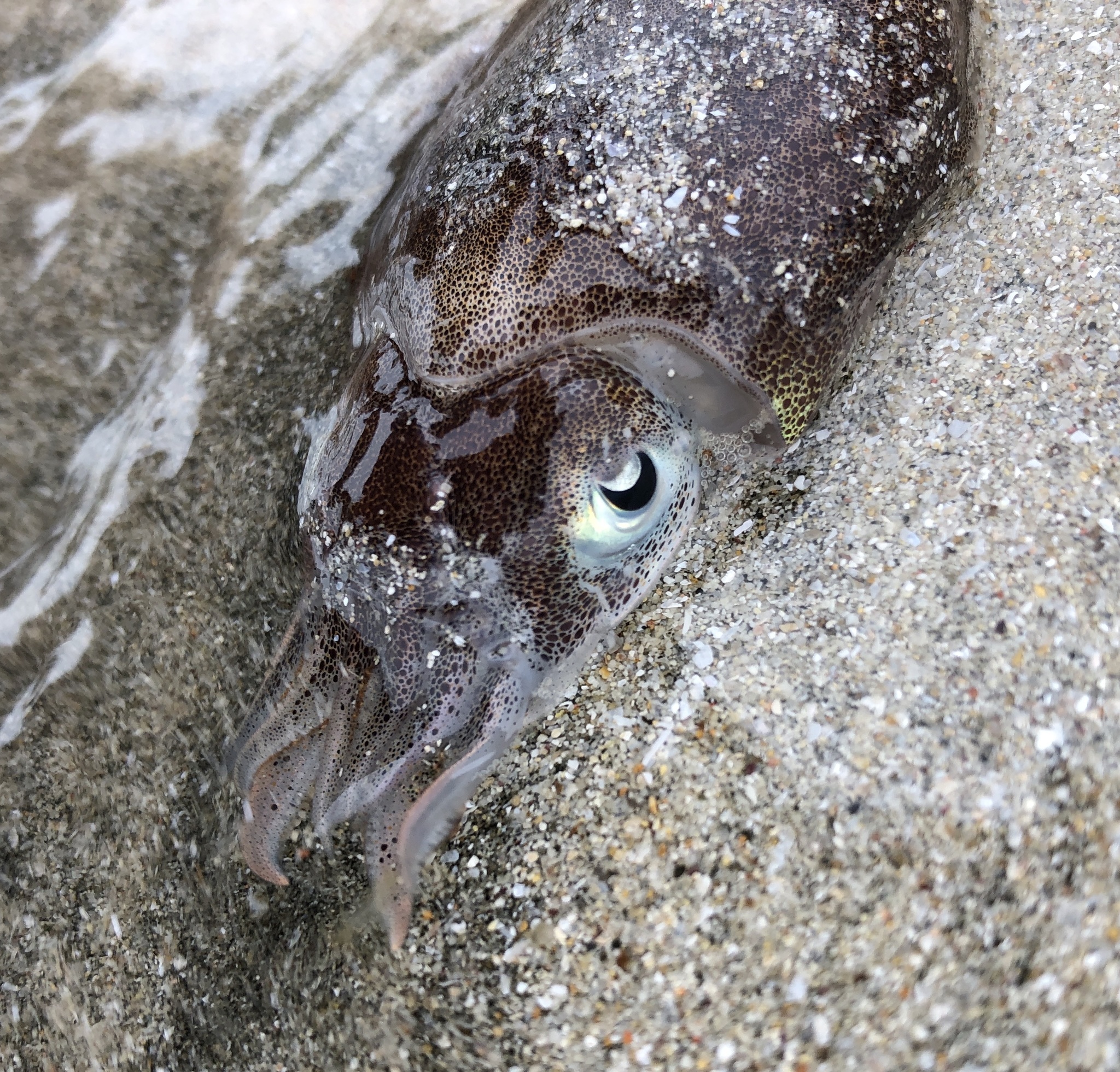
Japanese spineless cuttlefish
Japanese spineless cuttlefish is a small inshore cuttlefish of the northwest Pacific, from Japan to South Korea and China. It lives from the surface to 50 m in subtropical water, reaches 20 cm mantle length and 0.8 kg. Boat fishing or handline is the usual approach, with the season running February to March.
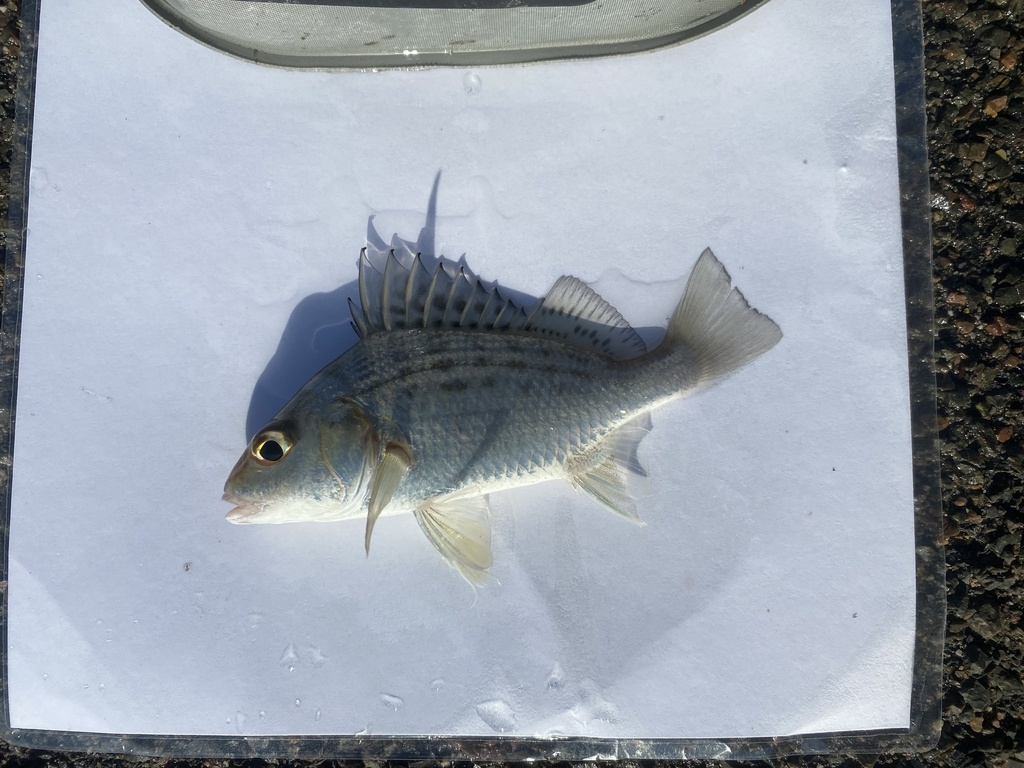
Javelin fish
Javelin fish is an Indo-West Pacific haemulid, from the Red Sea and East Africa to Southeast Asia, north to Taiwan region and south to Queensland, with a Persian Gulf record. It lives over turbid inshore sand and mud to 75 m, enters estuaries, tolerates low salinity and is often associated with inshore wrecks; it feeds on crustaceans and fish, and spawning shoals gather near river mouths in winter.
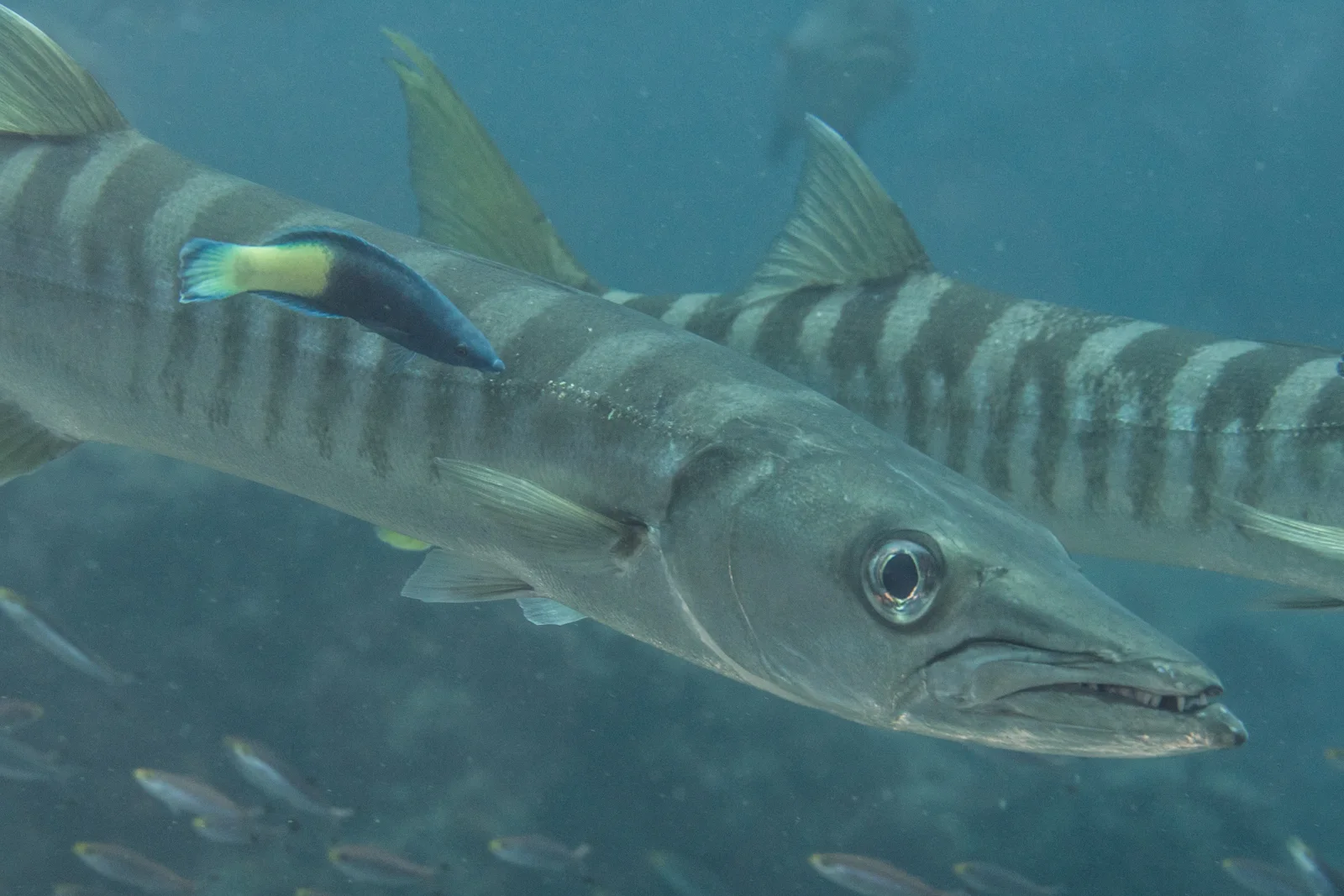
Jello barracuda
Jello barracuda is a long, slender sphyraenid of the Indo-West Pacific, from the Red Sea south to southeastern South Africa and east to New Caledonia and Vanuatu. It lives from 20 to 200 m in tropical water, reaches 150 cm TL and 11.5 kg, and feeds on fish. Trolling or lure fishing is the usual approach.
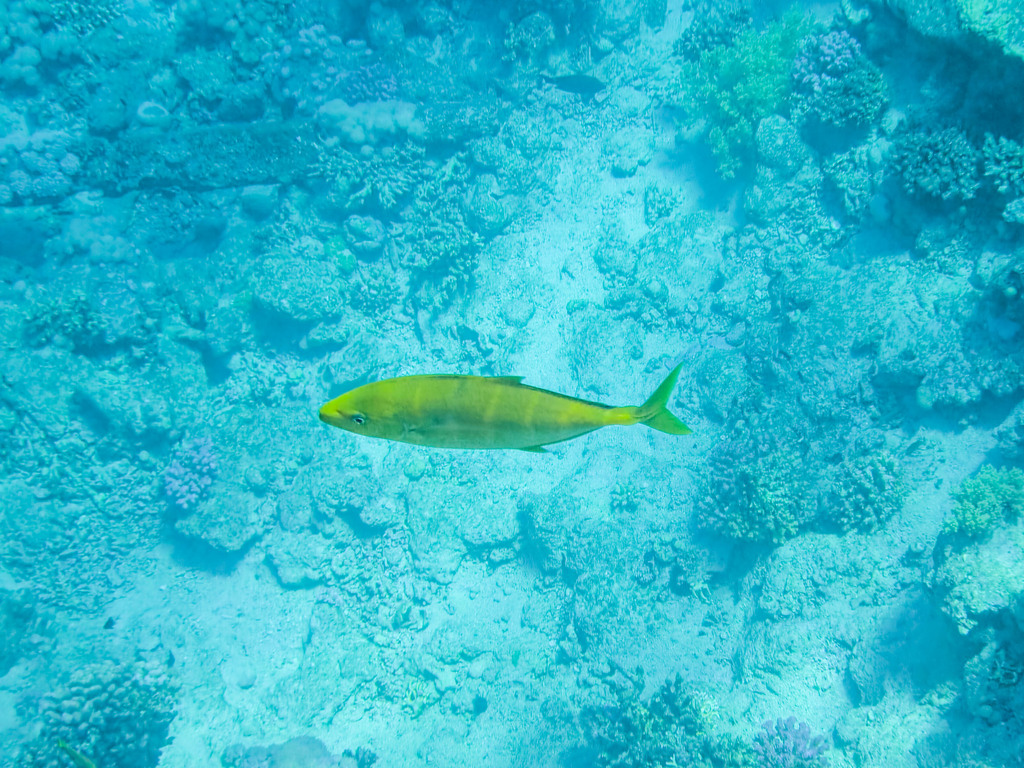
Jesh
Jesh is a carangid trevally of the Indo-West Pacific, from the Red Sea and Persian Gulf to Indonesia and Japan, listed now under the accepted name Flavocaranx bajad. It works 2 to 70 m around coastal reef slopes and large coral heads. It reaches 55 cm TL with a common length of 42 cm, matures at 24.7 cm and can live eight years. Lures, drifting and jigging are the methods listed.
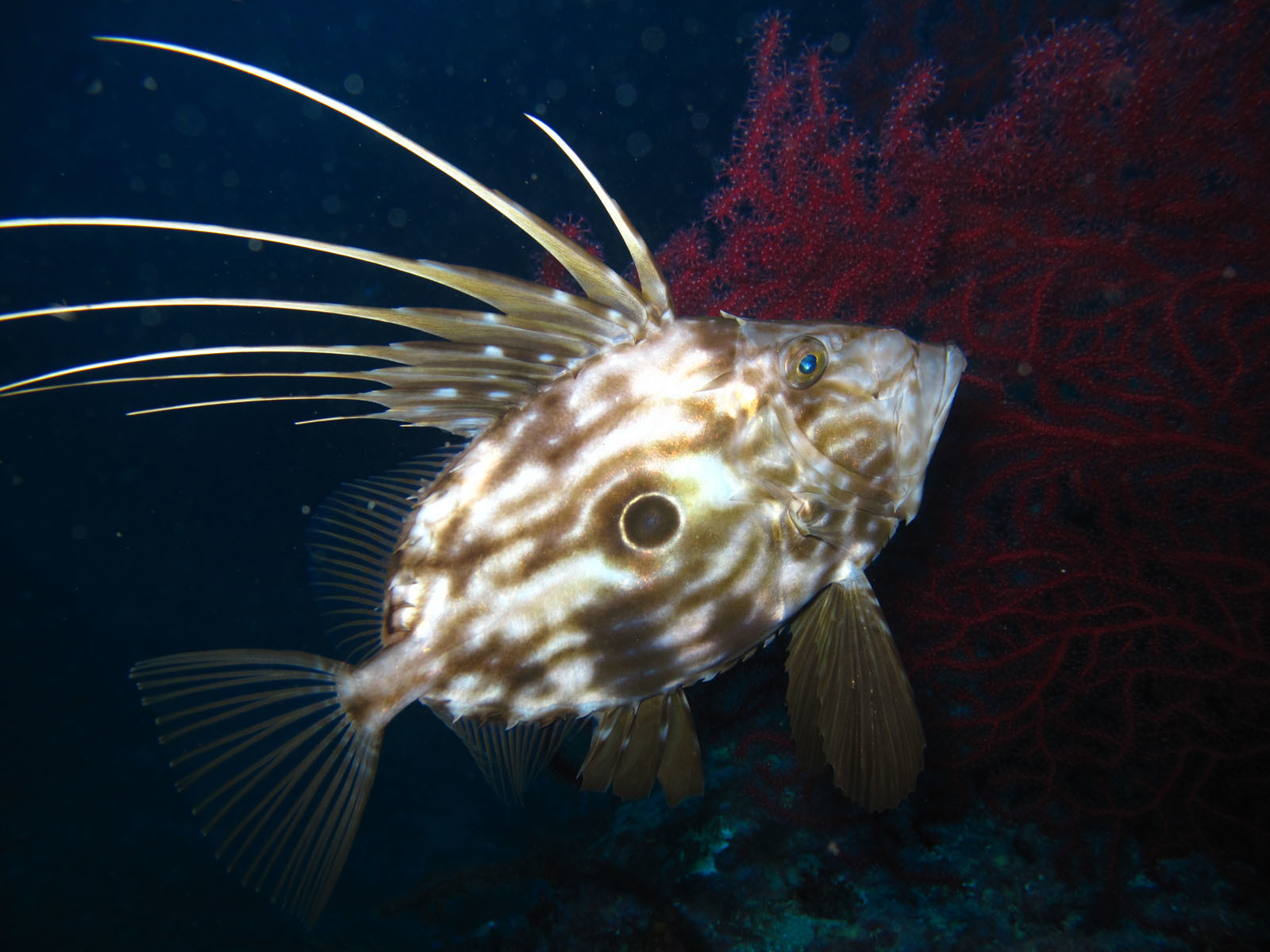
John dory
John dory is a laterally compressed zeid found in temperate water worldwide, including the eastern Atlantic, the Mediterranean and New Zealand. It works 5 to 400 m and feeds on crustaceans, fish and molluscs. Adults reach 90 cm TL and 8 kg and can live 12 years. The season runs January to April, June to August and December, with May, September, October and November left out.

John's snapper
John's snapper is a lutjanid of the Indo-West Pacific, from East Africa to Fiji, the Ryukyus and Australia. It lives from the surface to 80 m in tropical water, reaches 106 cm and 28.5 kg, and feeds on fish and molluscs. Boat bottom fishing is the usual approach, with fish recorded from September to January.

Joyner's tonguefish
A left-eyed tonguefish called aka-shitabirame in Japan. The body is flat and tongue-shaped, both eyes sit on the left side, and it lives on sand and mud inside 100 m, spawning from May to September. It gives a strong stock and mild white flesh, though the Japanese market often lumps it with the dog tonguefish.
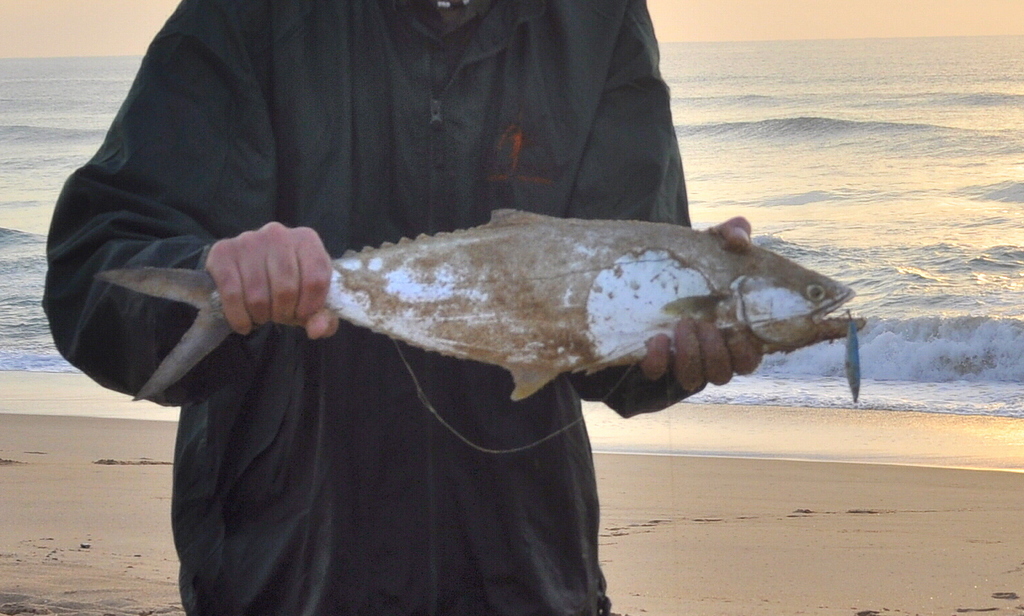
Kanadi kingfish
Scomberomorus plurilineatus, the Kanadi kingfish or queen mackerel, is a neritic scombrid of the western Indian Ocean, recorded from Kenya and Zanzibar south to KwaZulu-Natal and along western Madagascar. It reaches 120 cm fork length and 12.5 kg, matures at 72 to 80 cm, and feeds mainly on small clupeids, anchovies, squid and mantis shrimps.
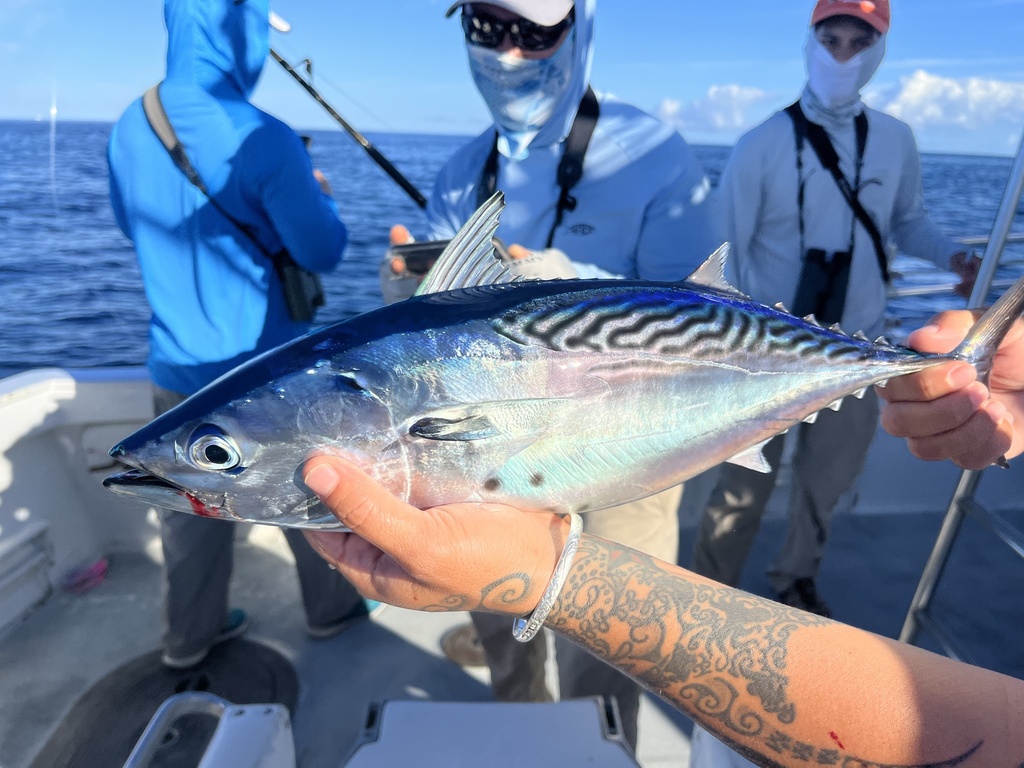
Kawakawa
Kawakawa is a small, schooling tuna of warm Indo-West Pacific waters, including oceanic islands and archipelagos. It lives from the surface to 200 m, reaches 100 cm and 14 kg, feeds on crustaceans, fish and zooplankton, and can live six years. Trolling or jigging works, and fish are present year-round in water of 18 to 29 °C.
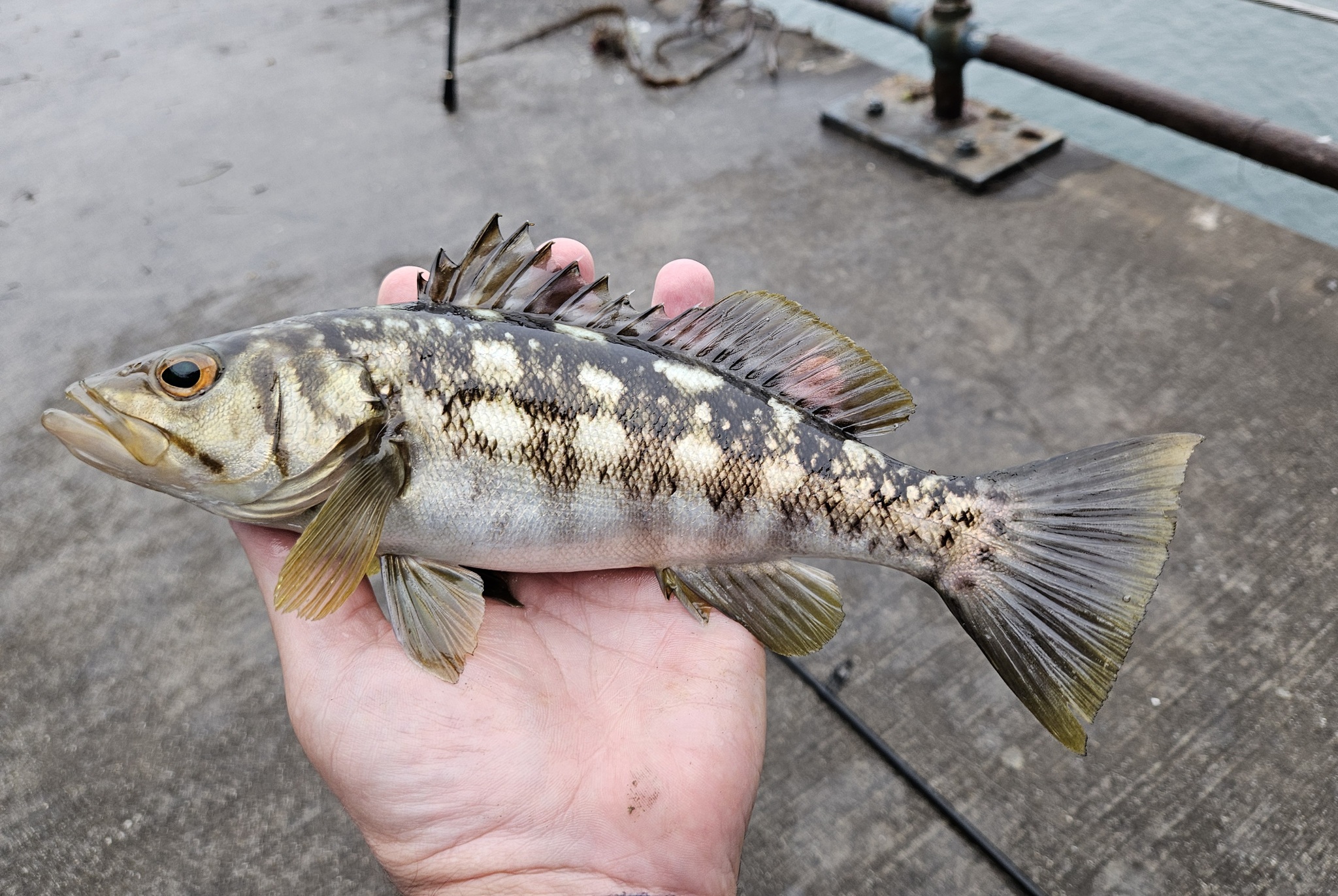
Kelp bass
The identification key for a kelp bass sits on its back, not in its colour: the third, fourth and fifth dorsal spines are close to equal length, which is what separates it from a barred sand bass. It is also the longest-lived and most heavily fished of the three, and a 34-year record means one large fish may have lived through several rounds of regulation.
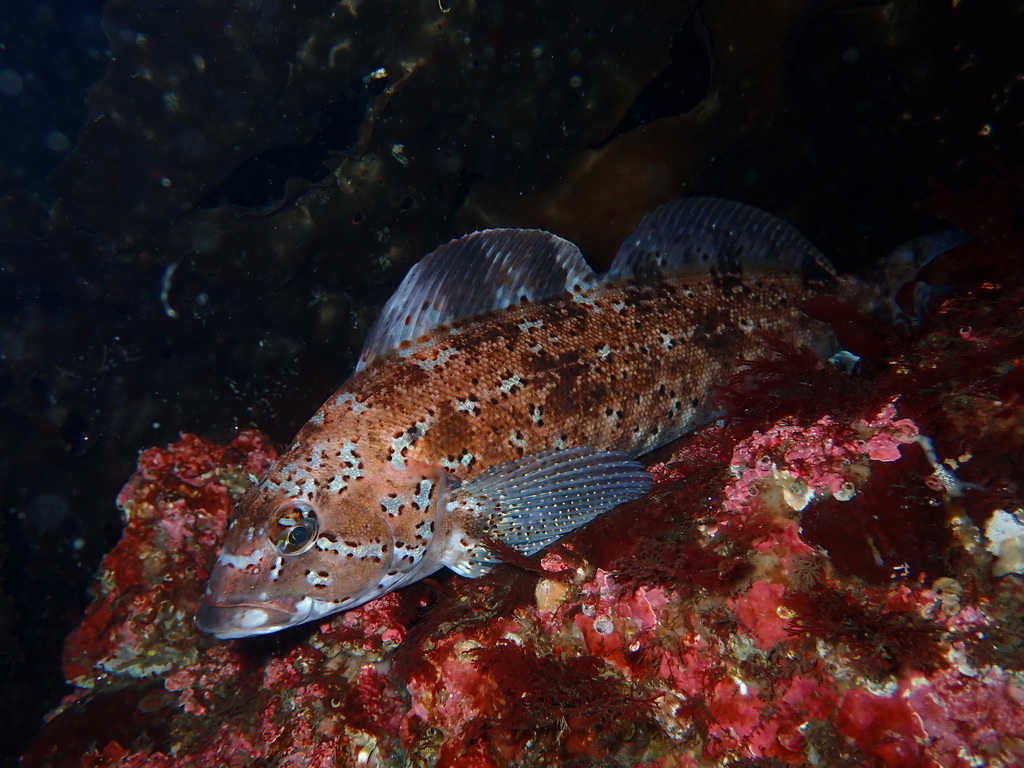
Kelp greenling
Kelp greenling is recorded across the Eastern Pacific, from Amchitka Island, in the Aleutian chain to La Jolla, southern California, USA, within the family Hexagrammidae. It is caught shallower than 46 m, in temperate water. It tops out at 61 cm TL and 2.1 kg, on a diet of crustaceans, fishes and worms.
No fish match this water on this page. Clear the filter or choose another habitat.